Tag: history
-
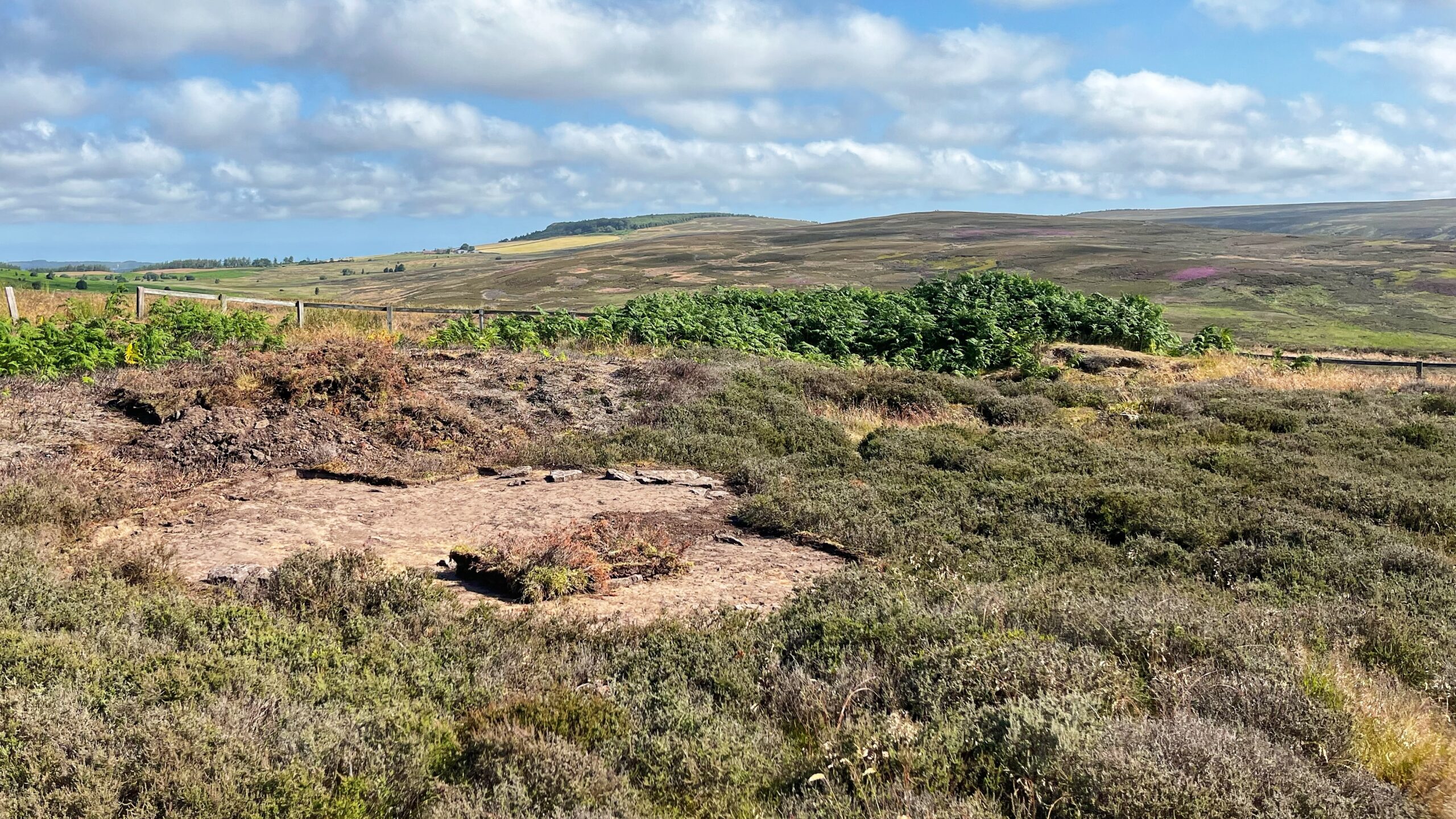
Percy Rigg: Iron Age Living
The heather has gone. Local archaeologists have begun to strip the vegetation back to where the 1960s excavators left off, not to dig fresh ground, but to expose what was already found and read it again with sharper eyes. The aim is a proper sequence: which house came first, which blocked which, and how five…
-

Cock Howe — After the Fall
One thing that does not endear me to the moors is the endless gamekeepers’ access tracks. Miles of the stuff. Dull to run, duller to walk, but perfect for cycling, except our creaking access laws say no, thank you very much. One such track runs along the skyline of Bilsdale West Moor, from the Bilsdale…
-
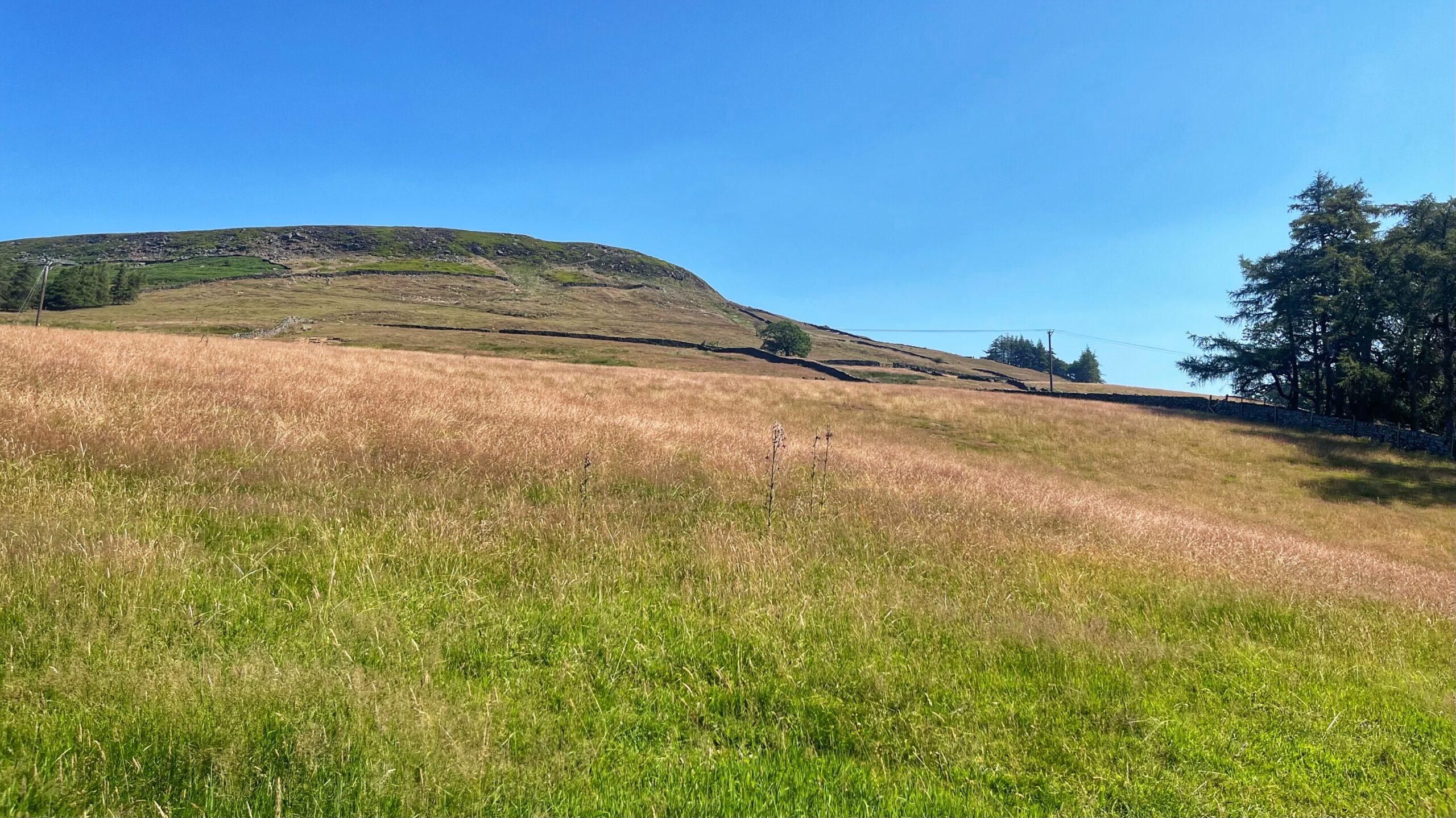
Potter’s Nab: Farndale’s New Woodland
Farndale East is getting itself a new woodland, courtesy of the Yorkshire Wildlife Trust. In the intake fields below Potter’s Nab. The idea is simple enough. Trees hold soil together, and soil held together does not go washing into the River Dove every time it rains. Sensible stuff. Before a single sapling goes in, archaeologists…
-

Easby Lane Housing Development: Uncovering the Anomalies
I climbed up to Easby Moor before the heat settled in. From the top I could clearly make out the arable field on the edge of Great Ayton that has been earmarked for 68 new houses. It is the field just right of centre, with a crop that is still green. It is easy to…
-
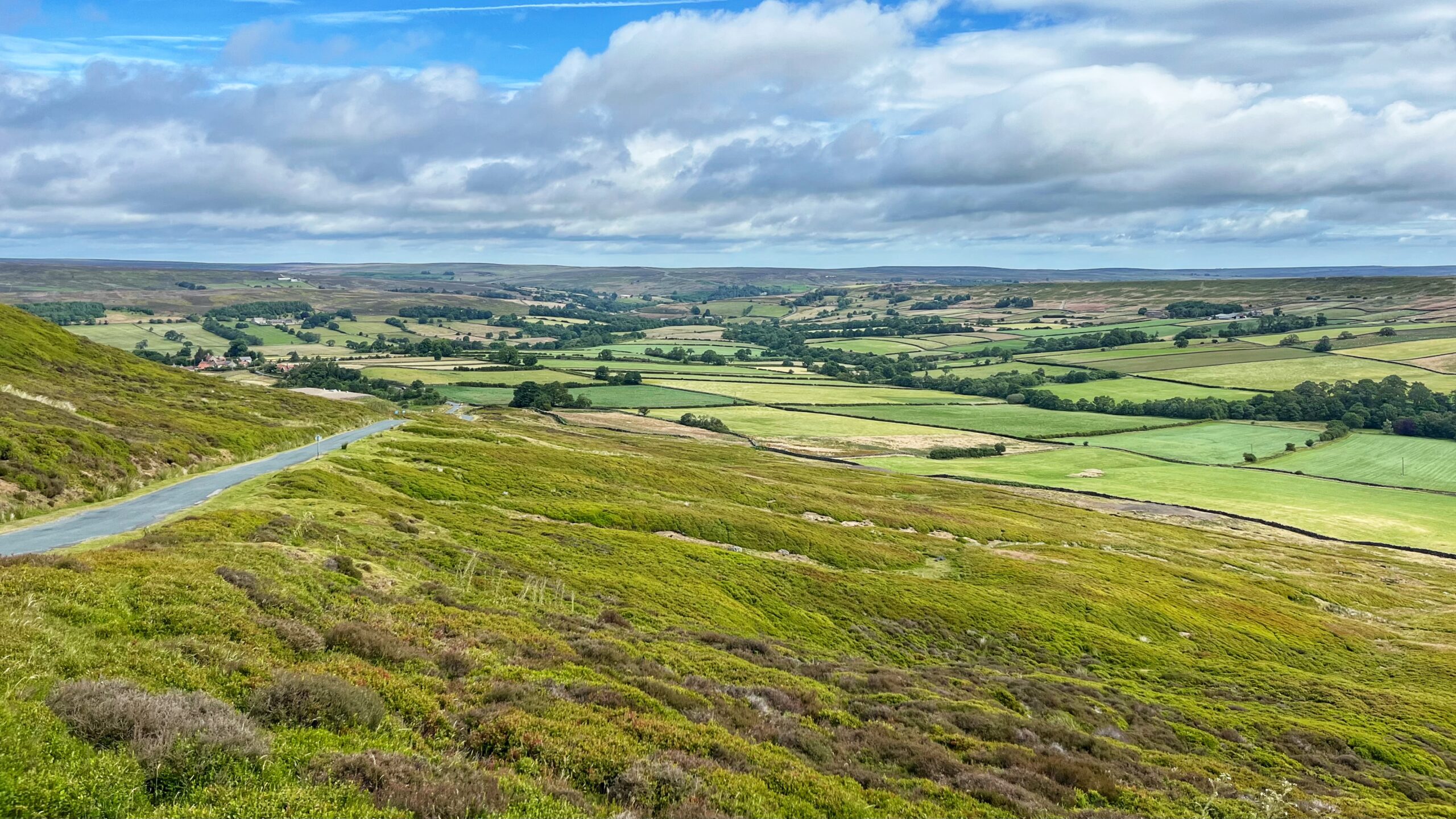
Westerdale: Two Dales, One Village, No Pub
The name Westerdale suggests it’s the westerly dale in the Esk valley, with the river starting life as springs called Esklets high on the moor. But the dale forks in two. One arm mixes wooded ravines with bare moorland and old common land, now grazed by sheep and cattle. This one, drained by Tower Beck,…
-
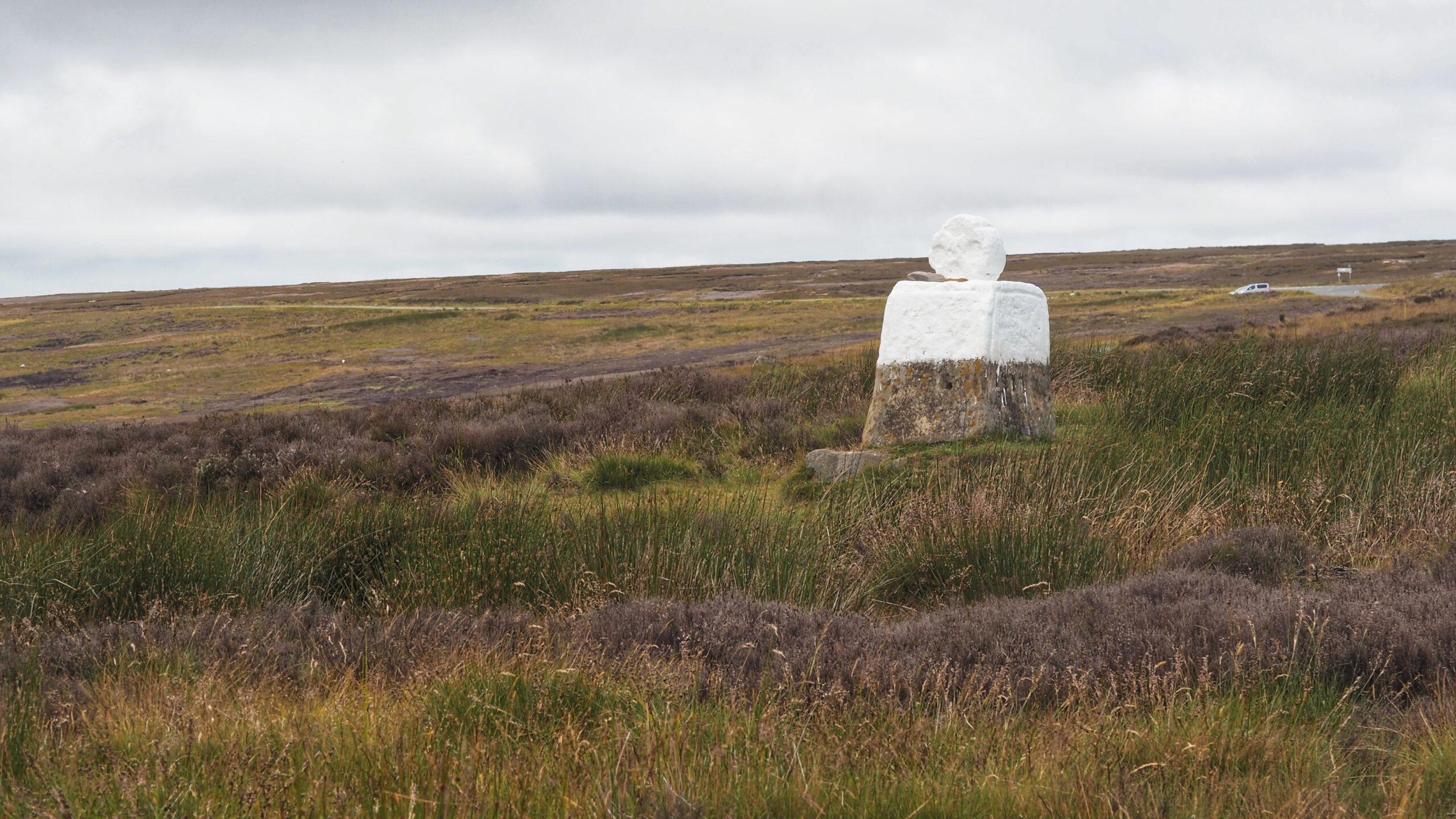
Fat Betty: The North York Moors’ Most Deceptively Named Landmark
Standing at the head of Rosedale, on the loneliest stretch of Danby Moor, sits a stone that has outlived every joke made about it, and at least one attempted burglary. Fat Betty is nothing grander than a squat wheelhead cross, its shaft long gone, its base whitewashed like a garden gnome given ideas above its…
-
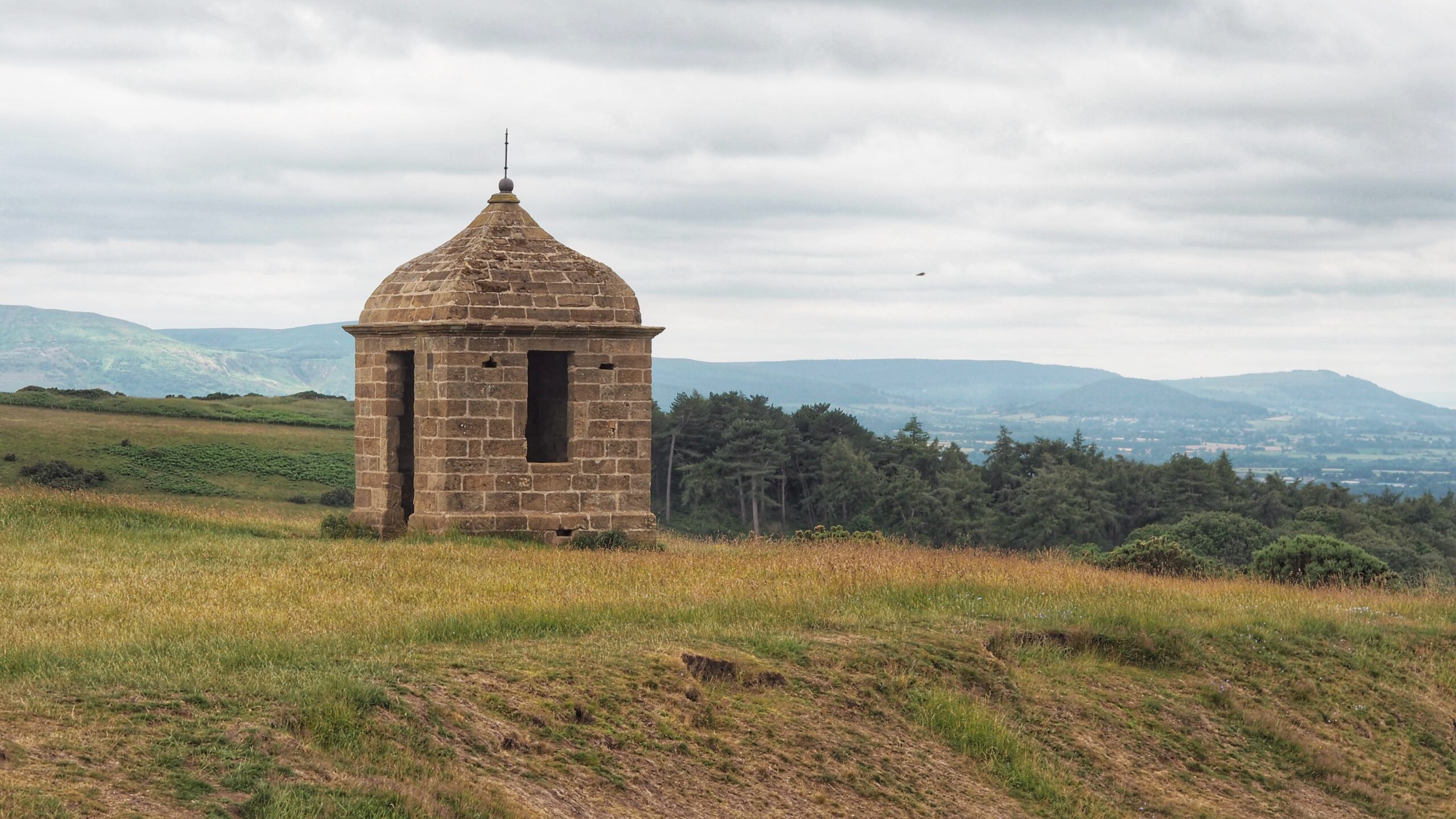
Roseberry’s Summerhouse: What Was It For? Nobody Quite Knows
A while has passed since I last posted a photo of Roseberry’s summerhouse. I call it a summerhouse, though nobody agrees on what this odd building was for. The National Park have stuck a plaque on it calling it a shooting box. Fine, except a sketch by George Cruit puts the building there in 1788,…
-
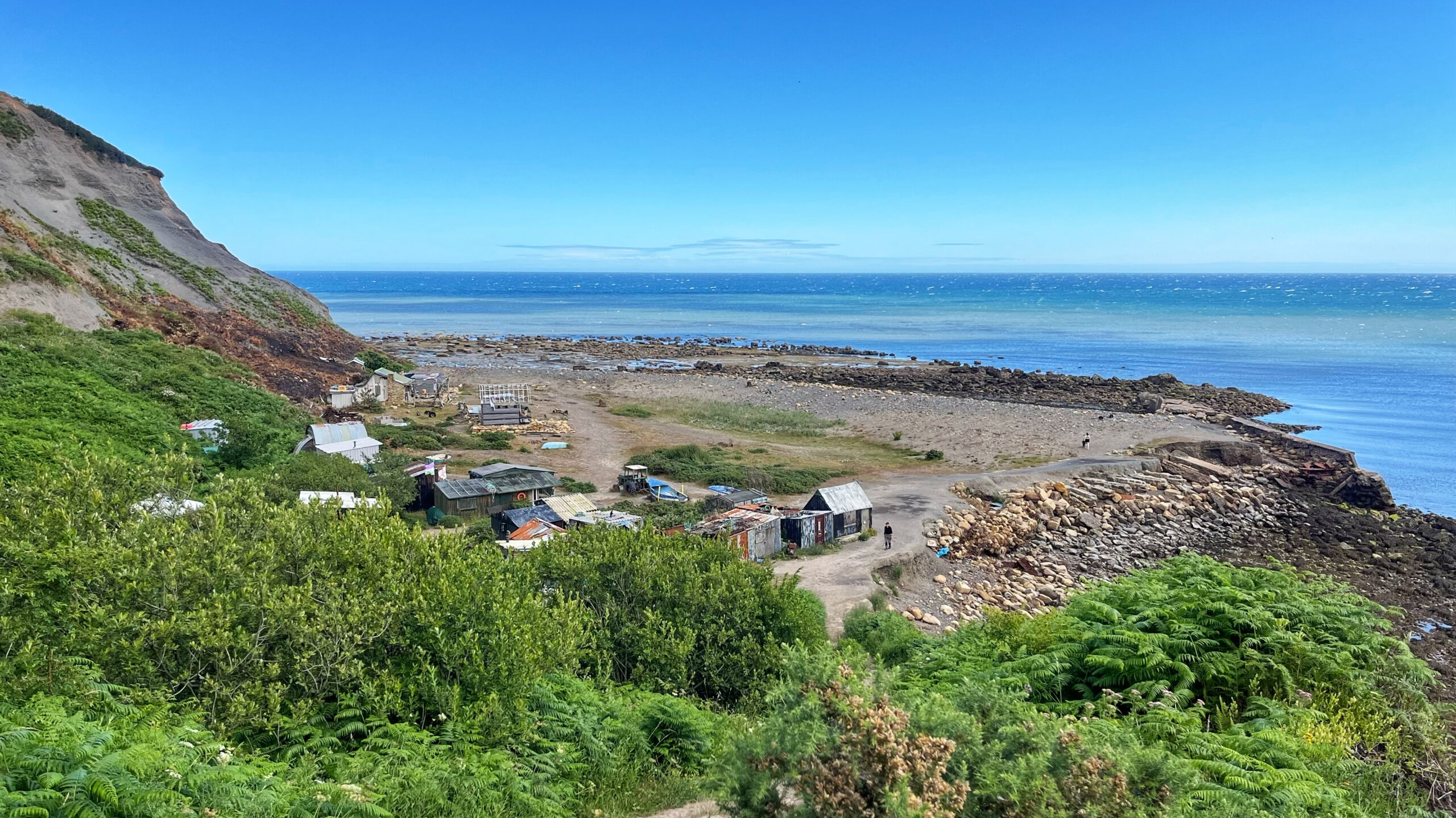
Grand Designs on the Yorkshire Coast
The National Park has put in new wooden steps down to Port Mulgrave, and for once a public body has done something rather useful. The path gets you most of the way from the cliff top to the scatter of huts below, clustered round what is left of the harbour. Walk it and you get…
-
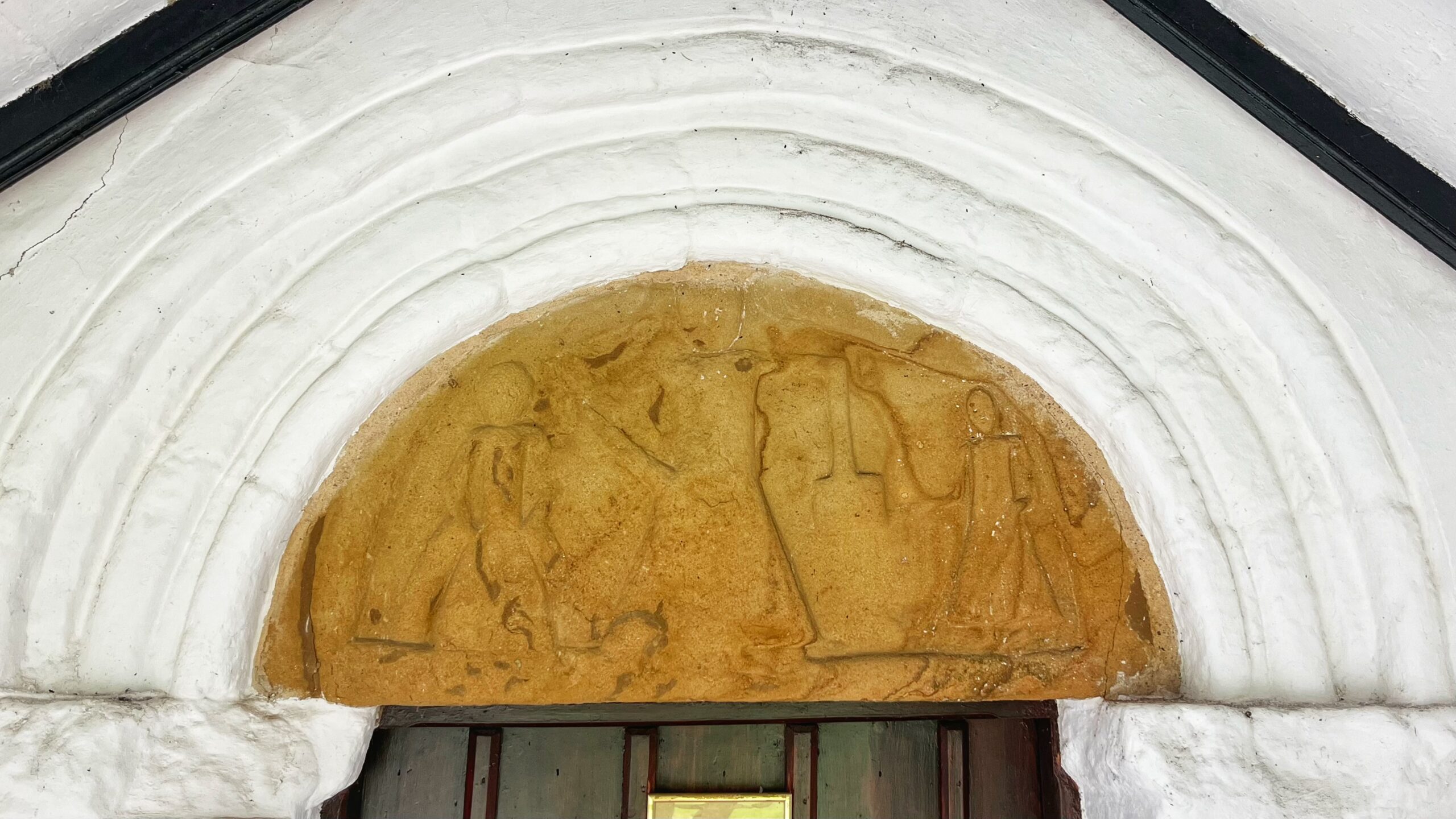
Danby Wiske’s Tympanum: Elementary, Said Pevsner
A one-way ride to Scorton, near Catterick. New territory. Looking for something worth a detour, I found Pevsner. Nikolaus Pevsner spent decades cataloguing every building in England worth a second look. He had noted the church at Danby Wiske. “The only Norman tympanum in the North Riding still in situ,” he wrote. “On it three…
-
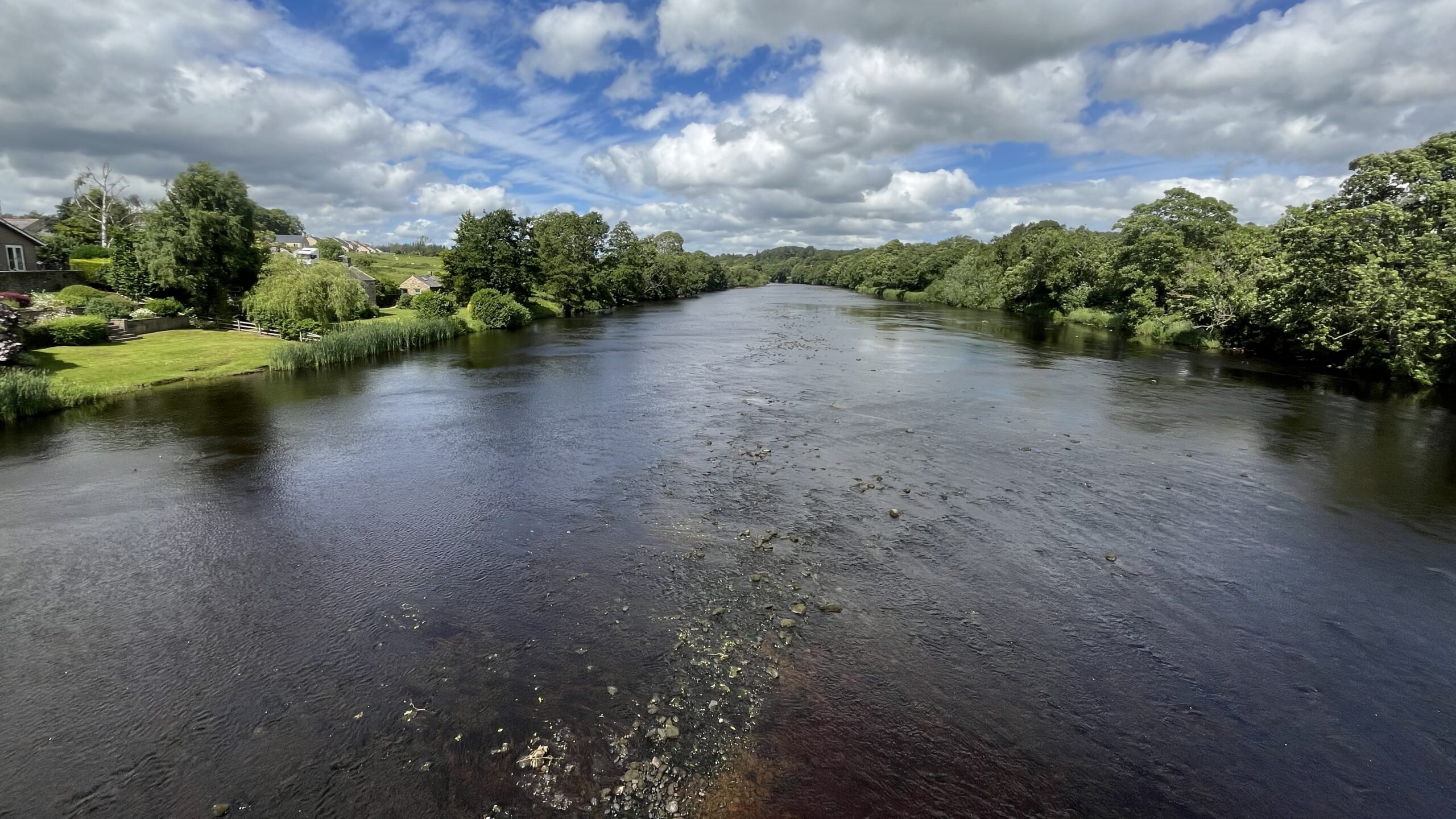
Calm and wide, the River North Tyne, gently flows below Wark Bridge. It is not behaving naturally. It looks tame because, in a very real sense, it has been tamed. For most of its history the North Tyne did what upland rivers do: it raged when it rained and starved when it did not. Two…