Category: North York Moors
-
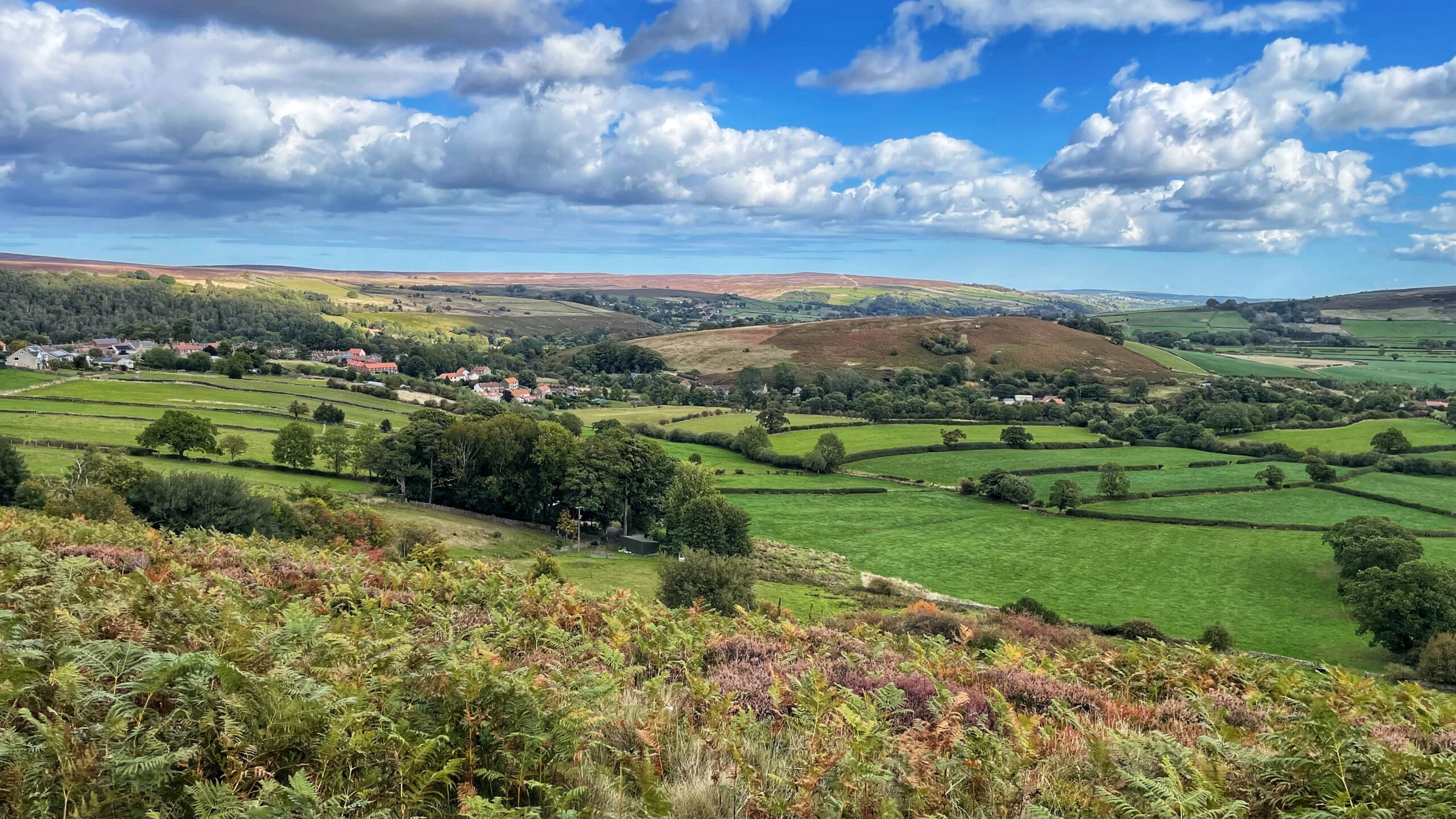
When Castleton Fed a Queen
From Castleton Rigg above Danby Dale, the eye follows the curve of the valley. To the right stands The Howe, and to the left, on the lower ridge lies Castleton, a village whose name carries the echo of a medieval stronghold. The castle itself rose on Castle Hill around 1089, and with it came cottages…
-

Tornado in Commondale
This locomotive racing up Commondale may look like a relic of steam’s golden age, but it is in fact a modern creation. It is the Tornado. Built not in the age of steam, but in 2008. A replica of the Peppercorn Class A1 Pacific, a type once common on Britain’s railways. All of the originals…
-
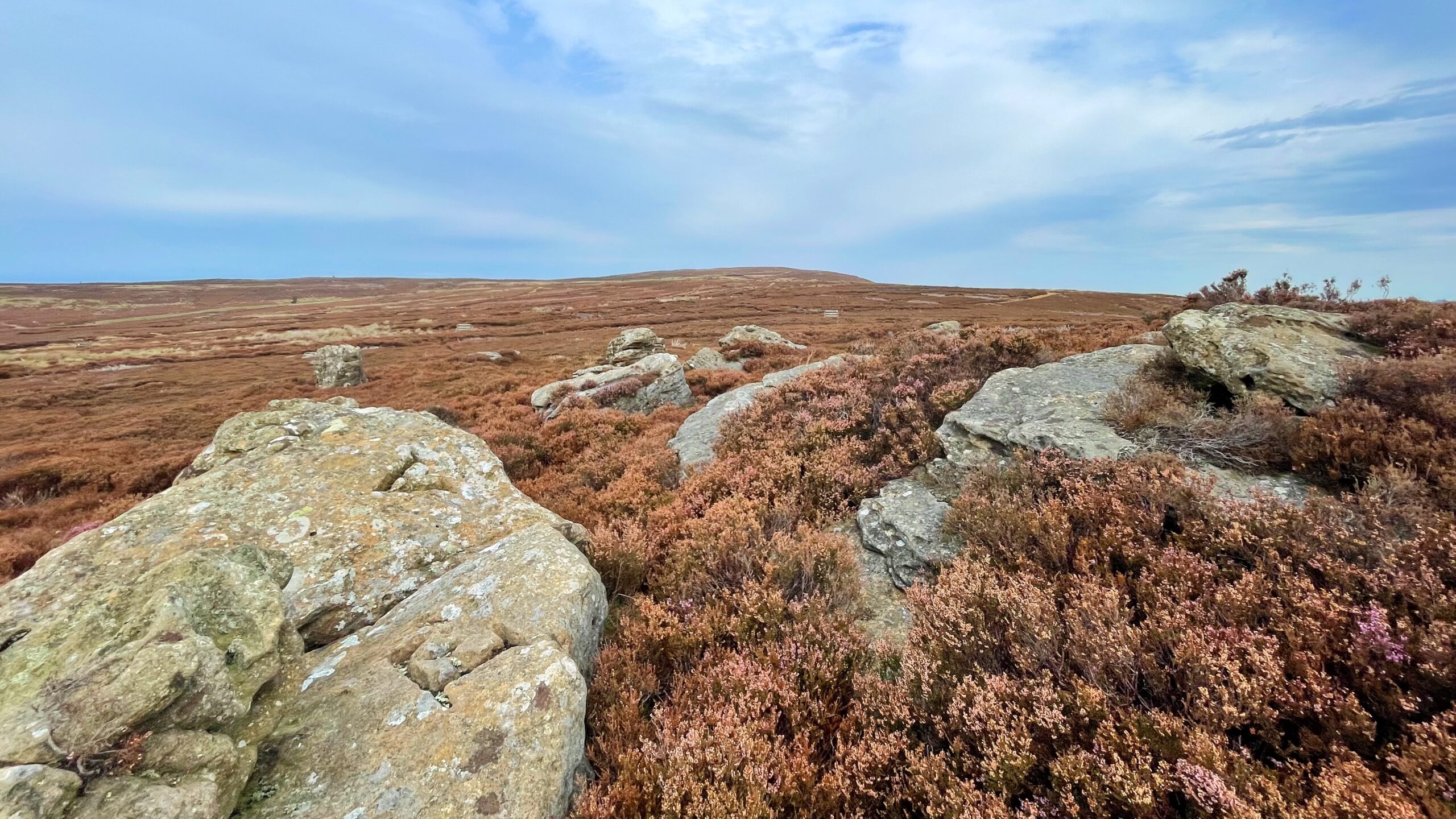
From Stone Ruck to the Lure of Fascism
A tumulus mapped as Stone Ruck with a view up to Brown Hill, the high point of Carlton Bank. A single boulder, pressed into service as a boundary marker, denotes the Feversham estate from that of the Marquess of Ailesbury. Curiously, the boundary is not drawn at the top of the tumulus but shy of…
-
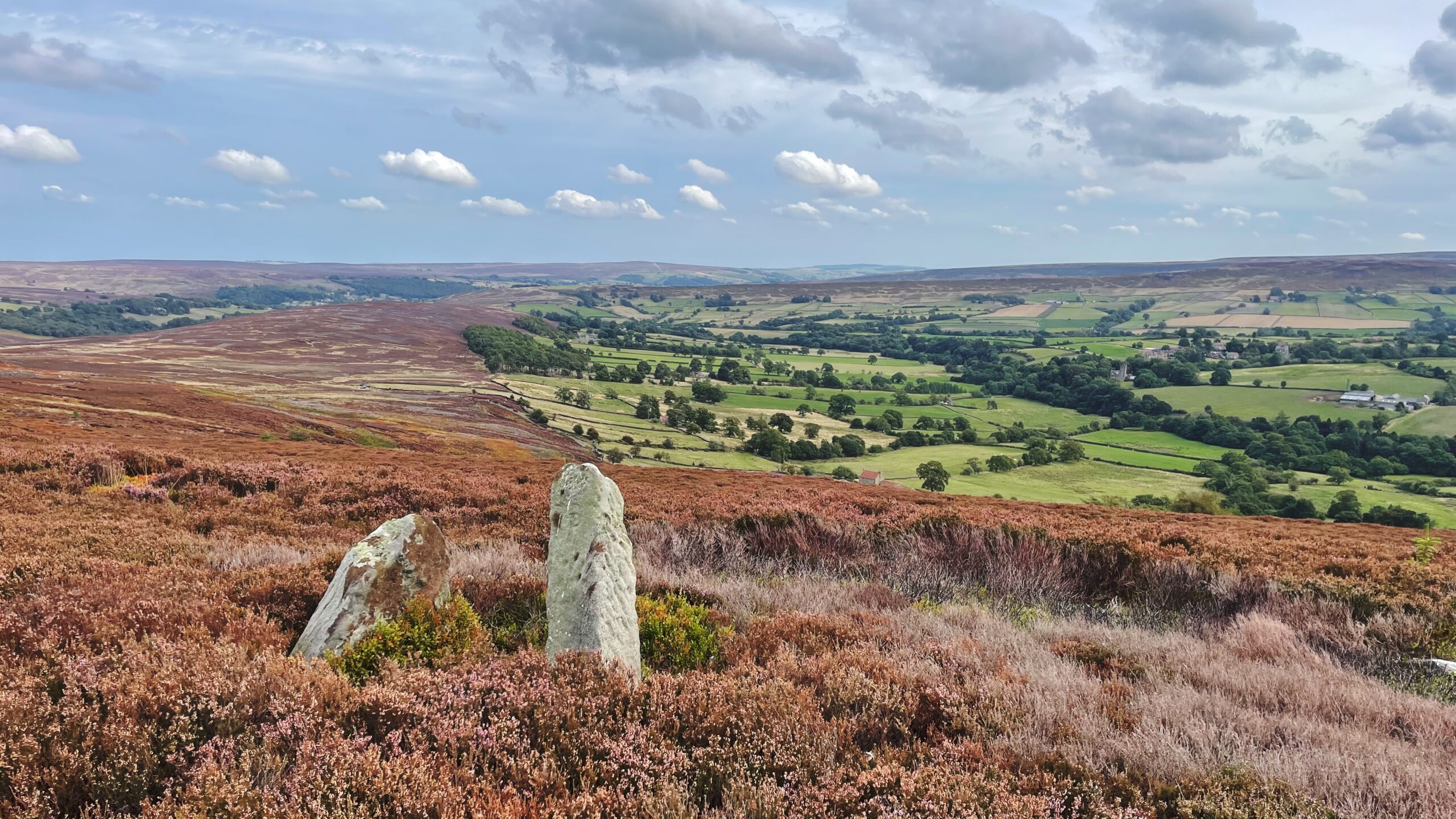
The Pike Stone: From Waste to Common Land
The Pike Stone marks the boundary between the common land of Westerdale and the “wasteland” of Baysdale Moor. At first glance there is little difference: both are heather moor, both are Open Access. Yet the distinction matters, and the Open Spaces Society is seeking to have Baysdale Moor registered as common land. Common land is…
-
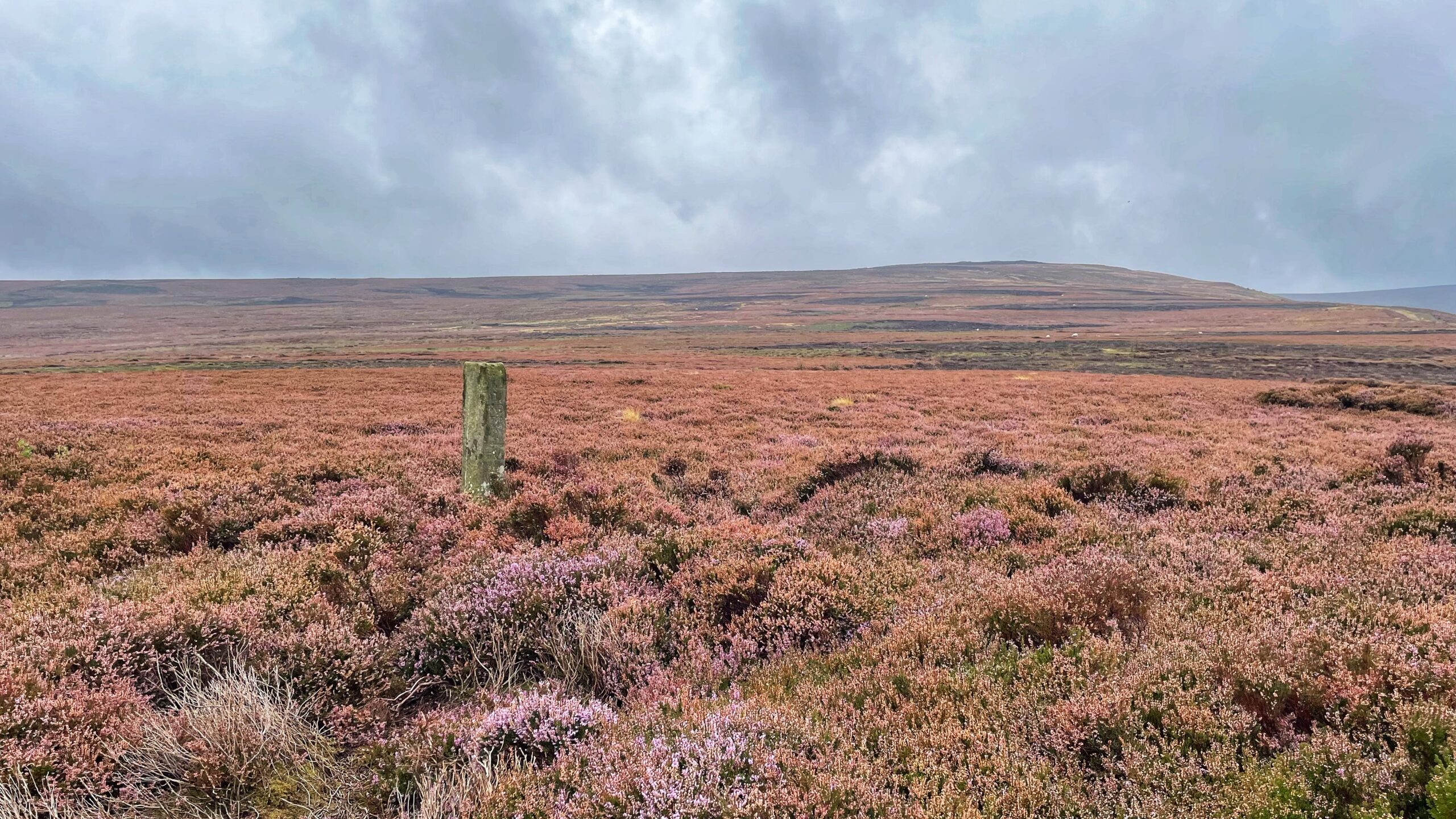
The Last Guidepost of Ingleby Moor
The North York Moors are scattered with standing stones. Silent, weather-beaten markers of human intent. Some once defined the edges of parishes or estates. Others reach much further back, into the medieval and even prehistoric past. Many still bear inscriptions: names, dates, and symbols carved into the rock, turning them into official signposts in a…
-
The Summerhouse Below Roseberry
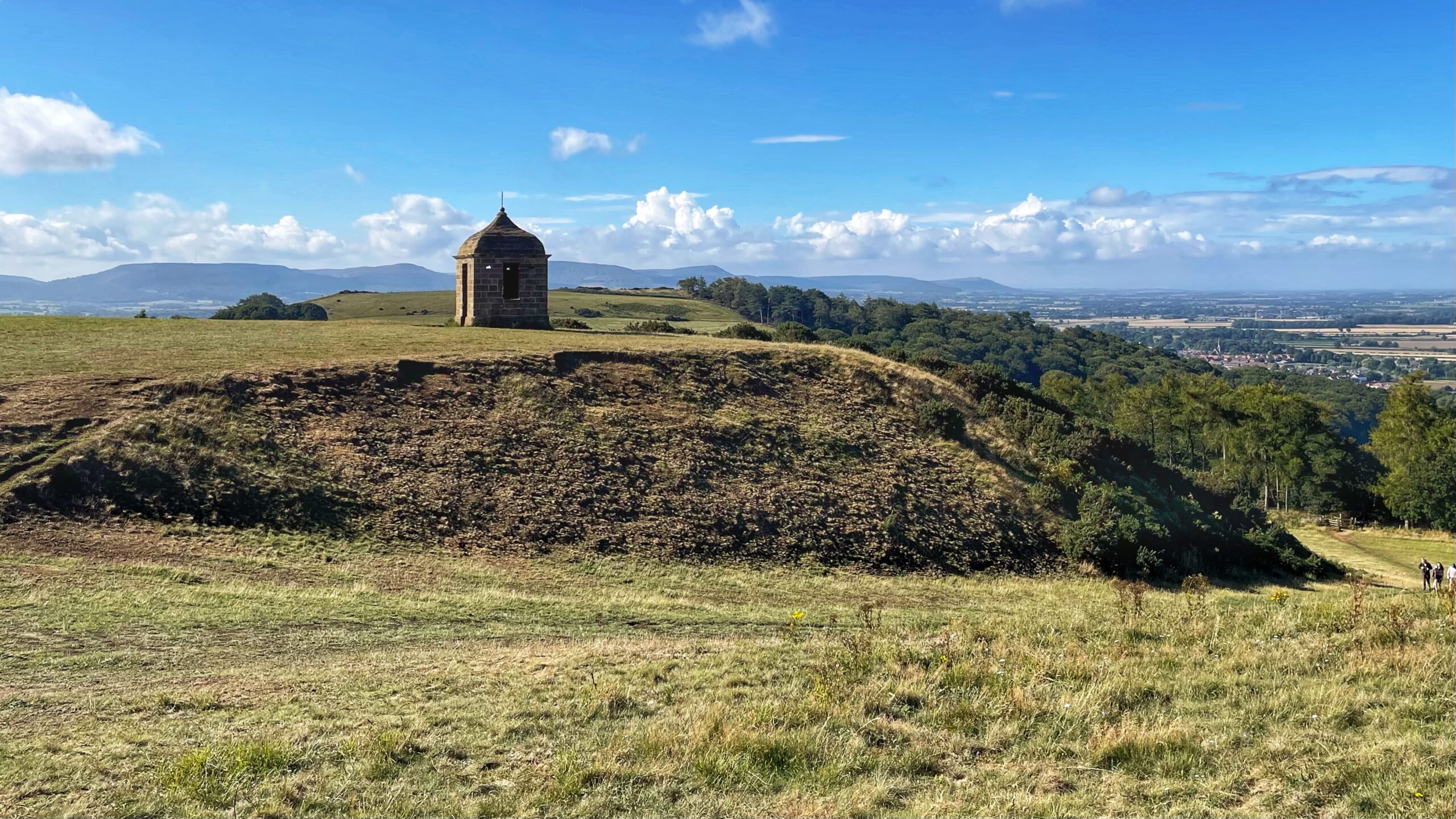
A small plaque fastened to the wall of this sandstone shell of a building offers a neat explanation. It claims this was once a shooting box, commissioned by Commodore William Wilson of Ayton Hall. A tidy story, except for one small problem. It does not add up. A sketch by George Cruit in 1788 proves…
-
Autumn: The Killing Season
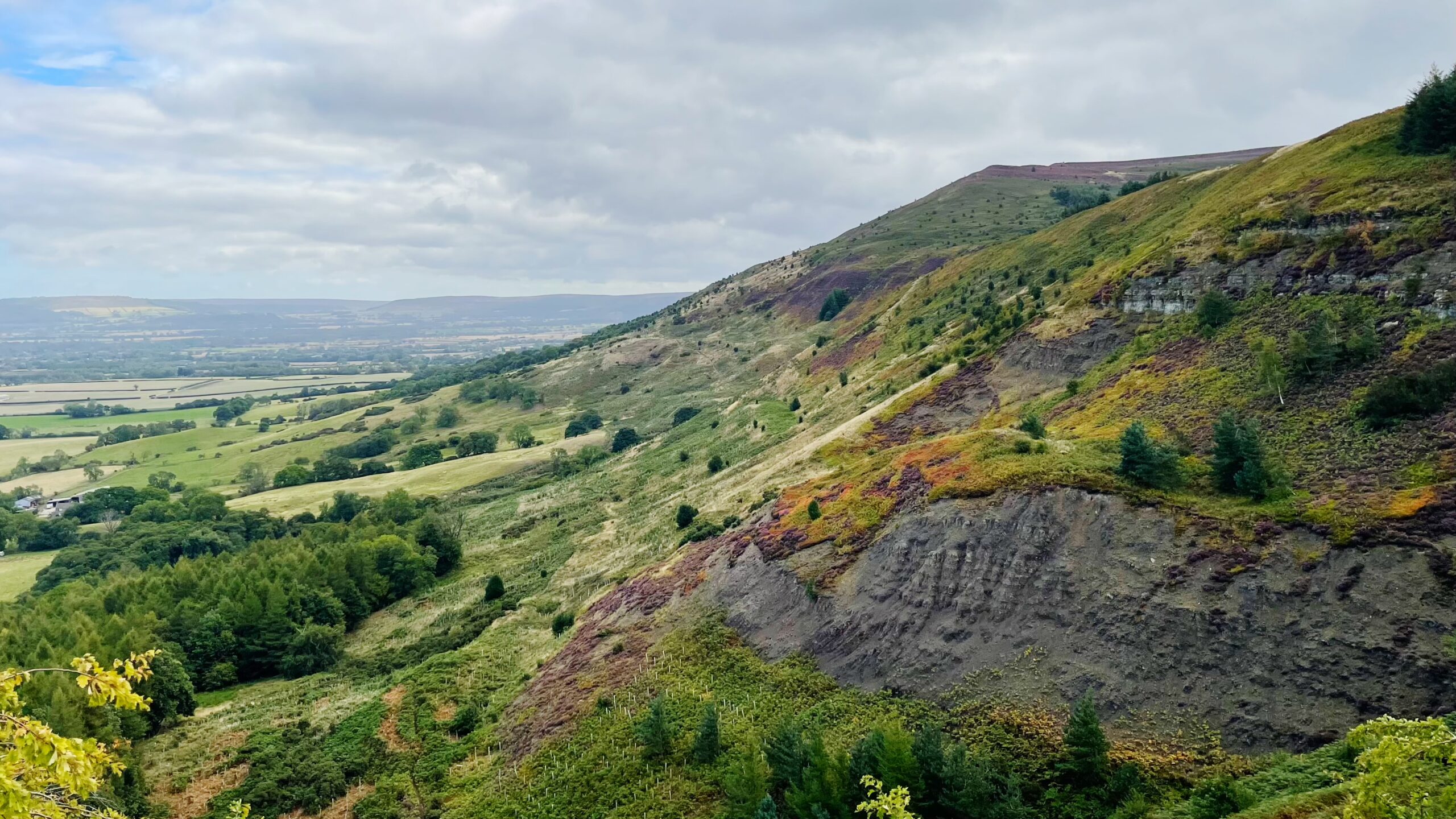
Green Bank — not very green on this first day of so-called meteorological autumn. The almanac though insists that autumn does not officially begin for another three weeks, though nature is already ahead of schedule. The harvest is in, or at least half of it, since some yields are reported at a dismal fifty per…
-
The Inscrutable Smile of the Wainstones
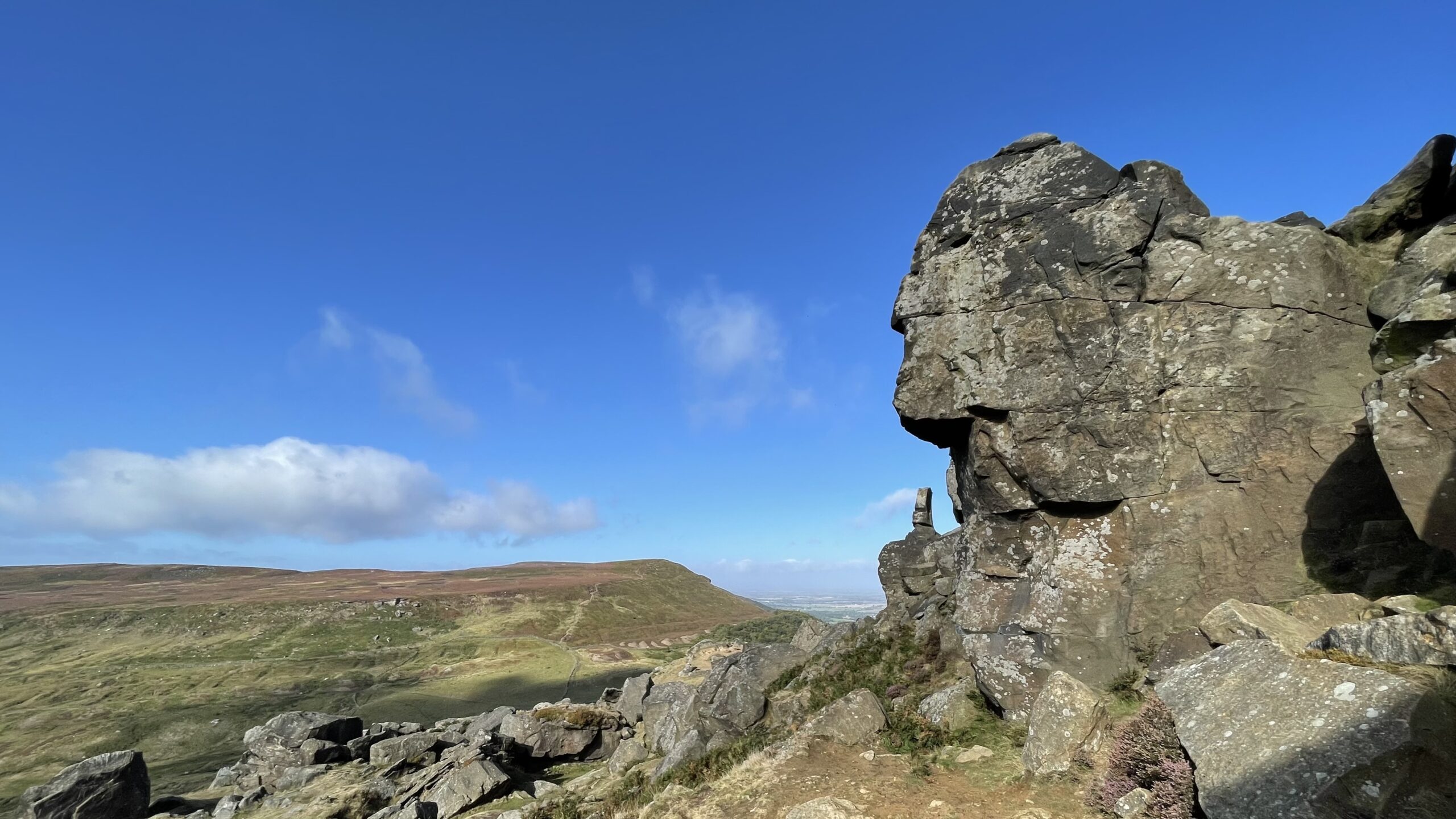
They say the Great Sphinx of Giza was carved from a natural limestone outcrop, its form inspired by the imagined body of some animal, perhaps a lion, perhaps not. Such acts of pareidolia echo across cultures and centuries. As for the Sphinx at the Wainstones, I cannot say who named it first. Perhaps it was…
-
Westwith Chace
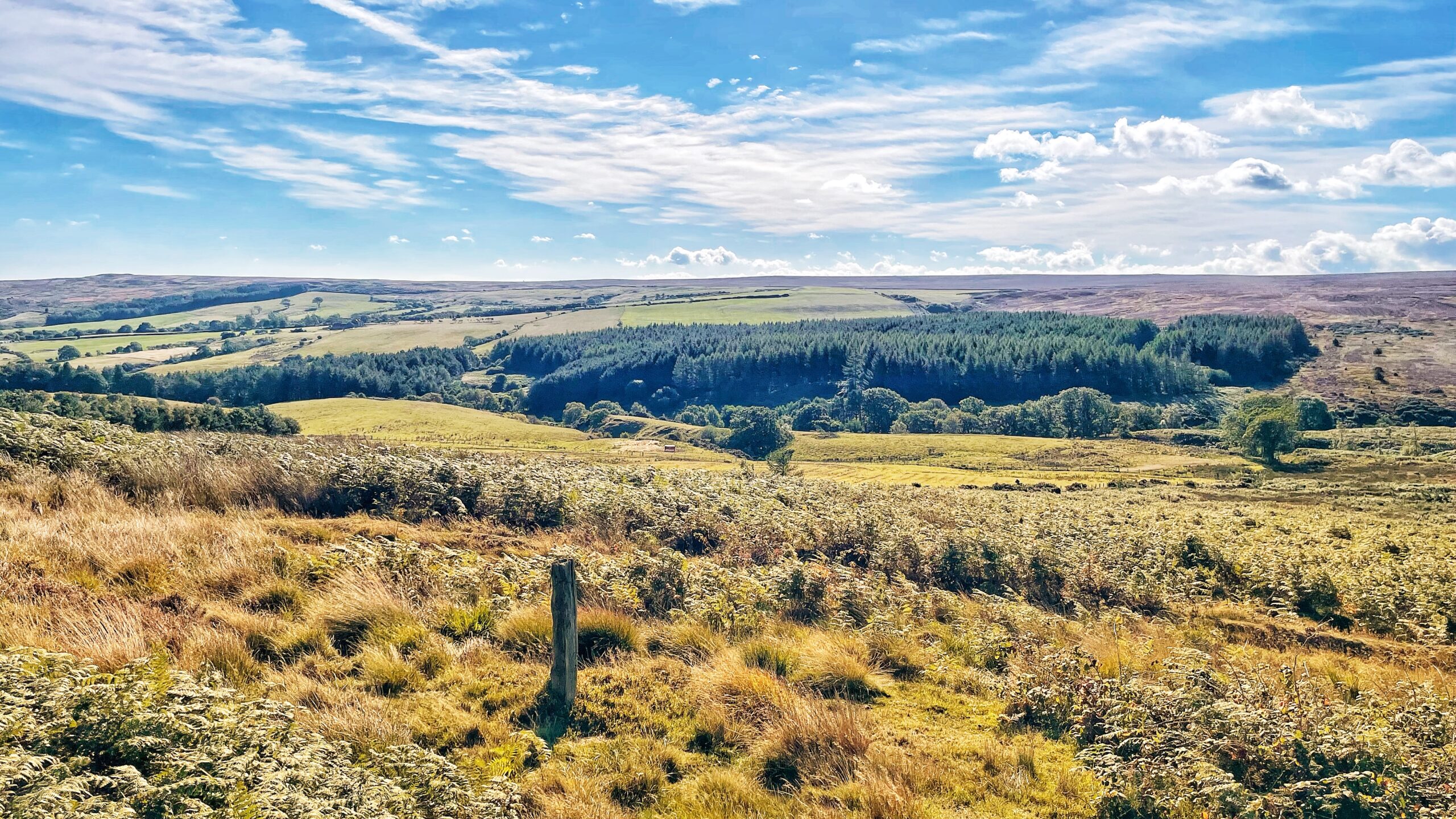
Westworth was once a favourite training ground of mine, and I knew it inside out. That plantation of mature conifers across the valley? I first passed through it when the spruce were no more than knee-high. By then, Westworth Farm itself was long gone. It had stood near that solitary tree on the right, its…
-
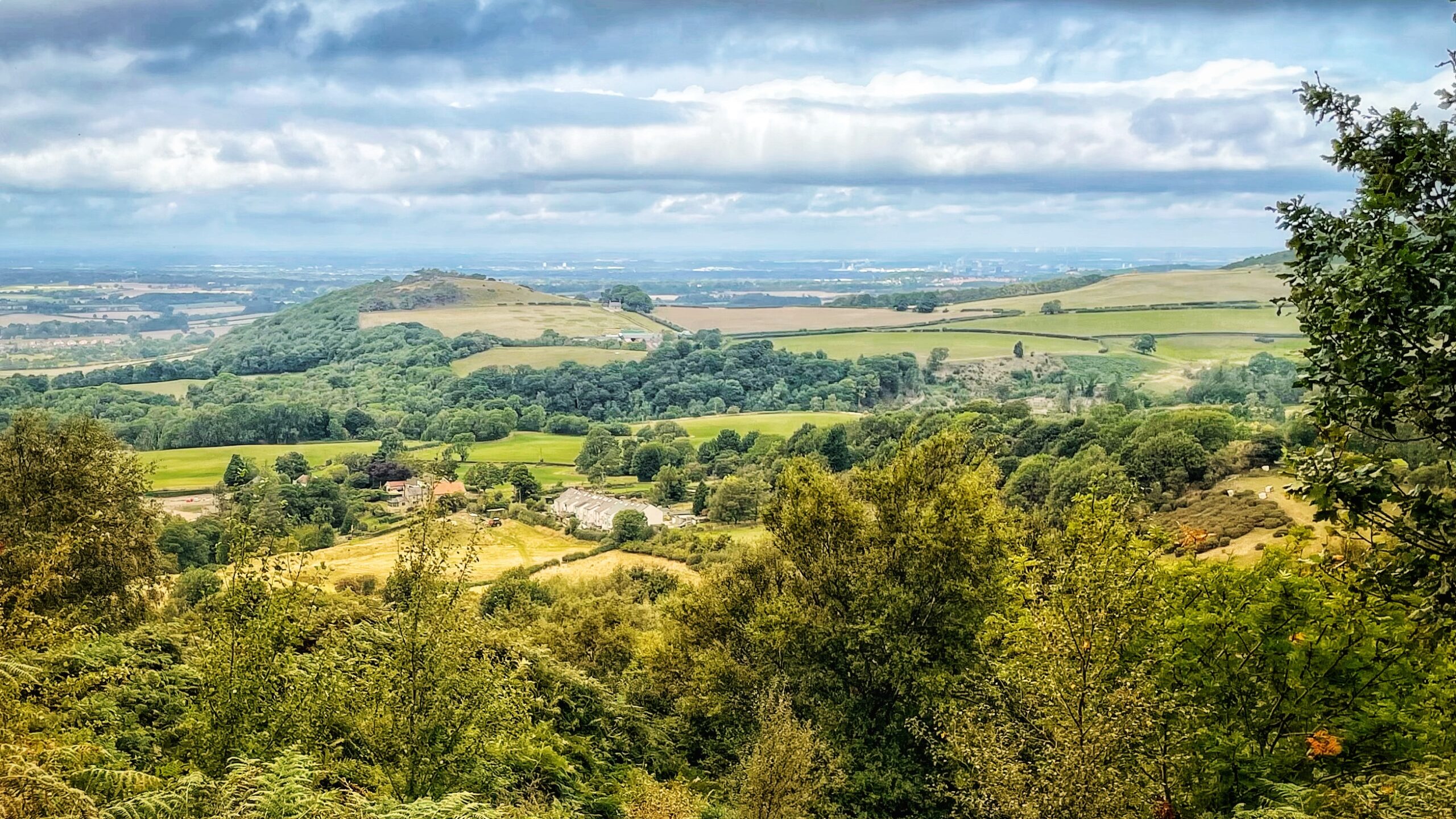
From Cliverick to Cliff Rigg: A Ridge of Hunts and Quarries
From the eminence of Cockshaw Hill, the eye is drawn across Gribdale Terrace to the hill that stands proud above the Cleveland plain. Today it is marked on the map as Cliff Rigg, but for centuries the locals knew it as Cliverick. Ralph Jackson, an eighteenth-century landowner with a taste for the hunt, noted in…