Category: North York Moors
-
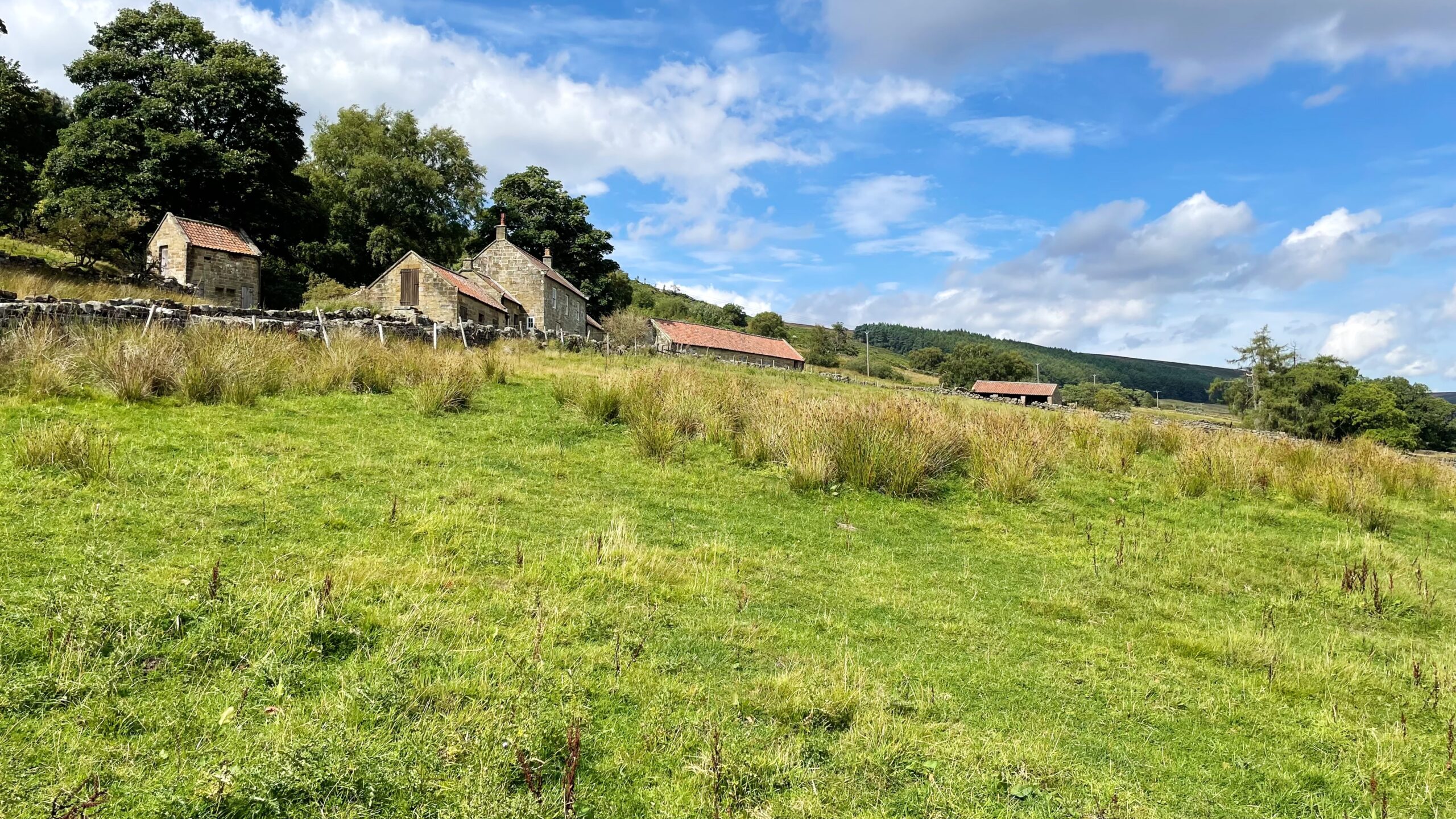
Low and High Elm Houses, Bransdale
These once neighbouring farmsteads tell a complex story. For those intrigued to know the details, take a look at my previous post. High Elm House apparently carries a date stone of 1666, probably reused, and also has “Mr Thos Chapman // 1780” carved above the byre door — but once again I forgot to look…
-
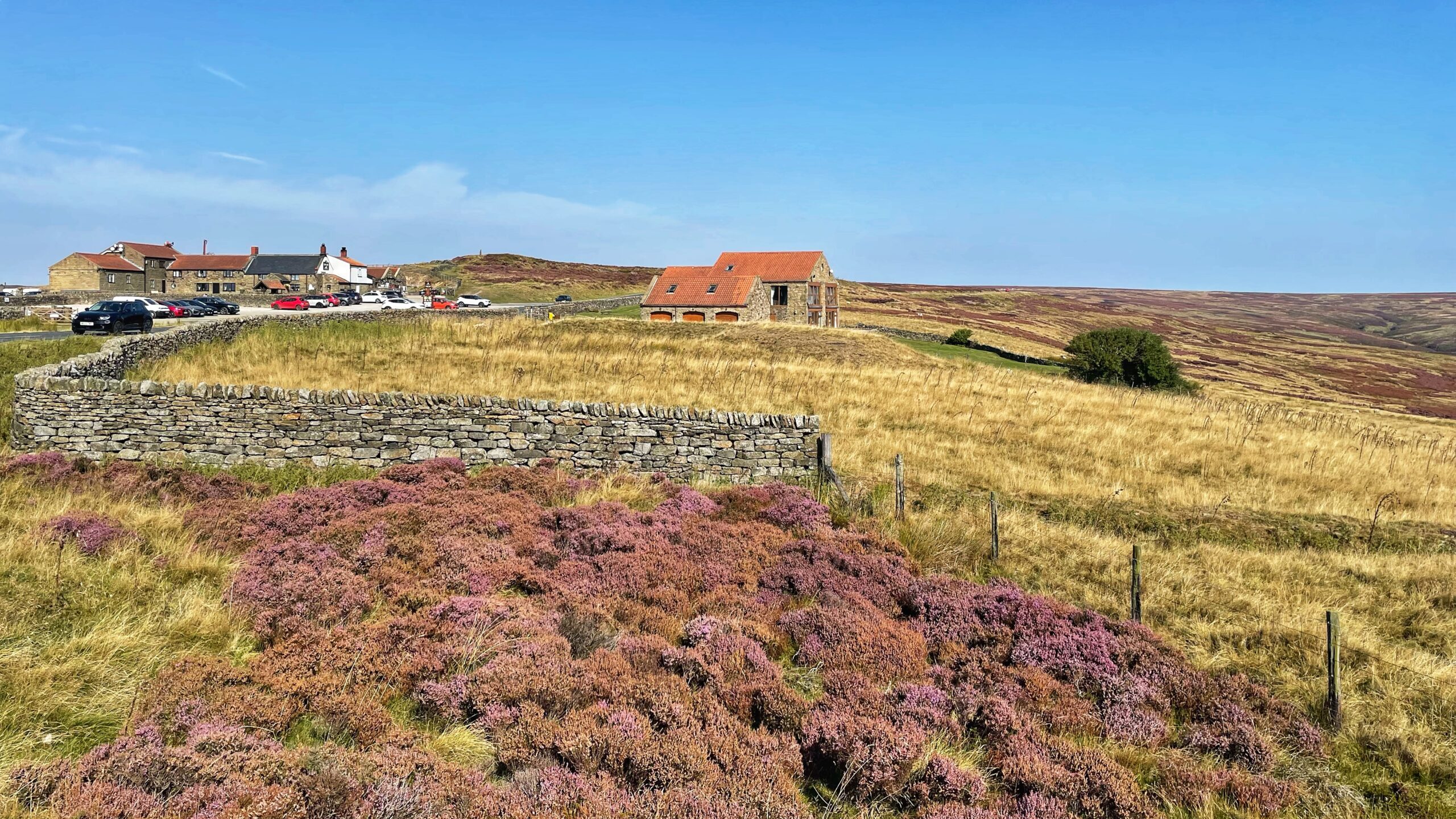
The Lion Inn: Travellers’ Refuge on Blakey Ridge
Perched high on Blakey Ridge, between Rosedale and Farndale, stands the Lion Inn, proud of its claim as the highest inn on the North York Moors. It is a welcome halt for weary Coast-to-Coast walkers, who by midday are replaced by visitors seeking lunch rather than lodgings. Few, one suspects, pause to read the framed…
-
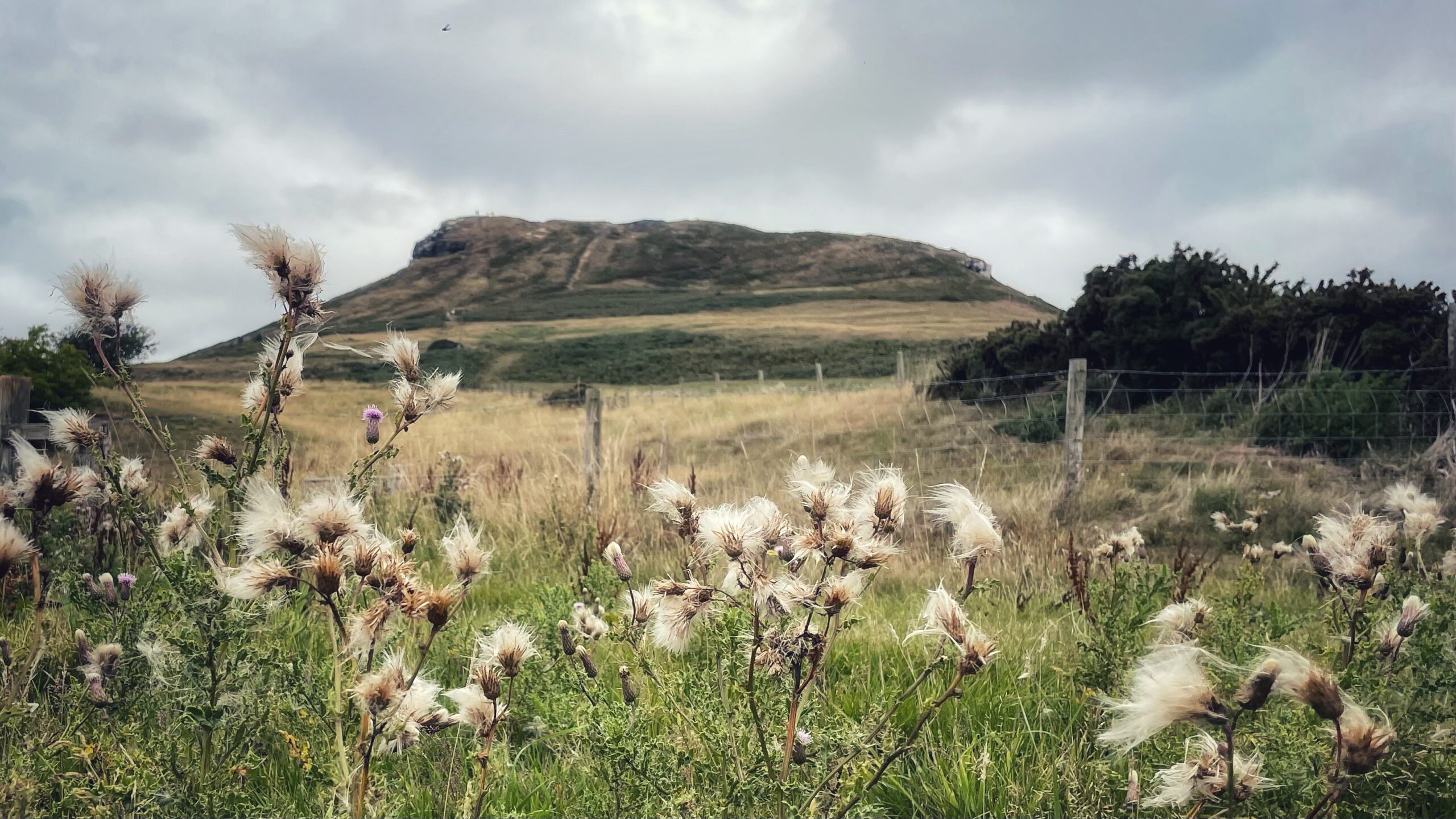
Down among the Thistles
The hedgerows are heavy with the spoils of summer. Blackberries shine darkly in the shade, crab apples blush among the leaves, and Rowan berries hang in bright clusters. Rosebay Willowherb releases its silky seeds to the wind, while the thistles too surrender their down, sending it drifting like smoke across the fields. Thistles are cursed…
-
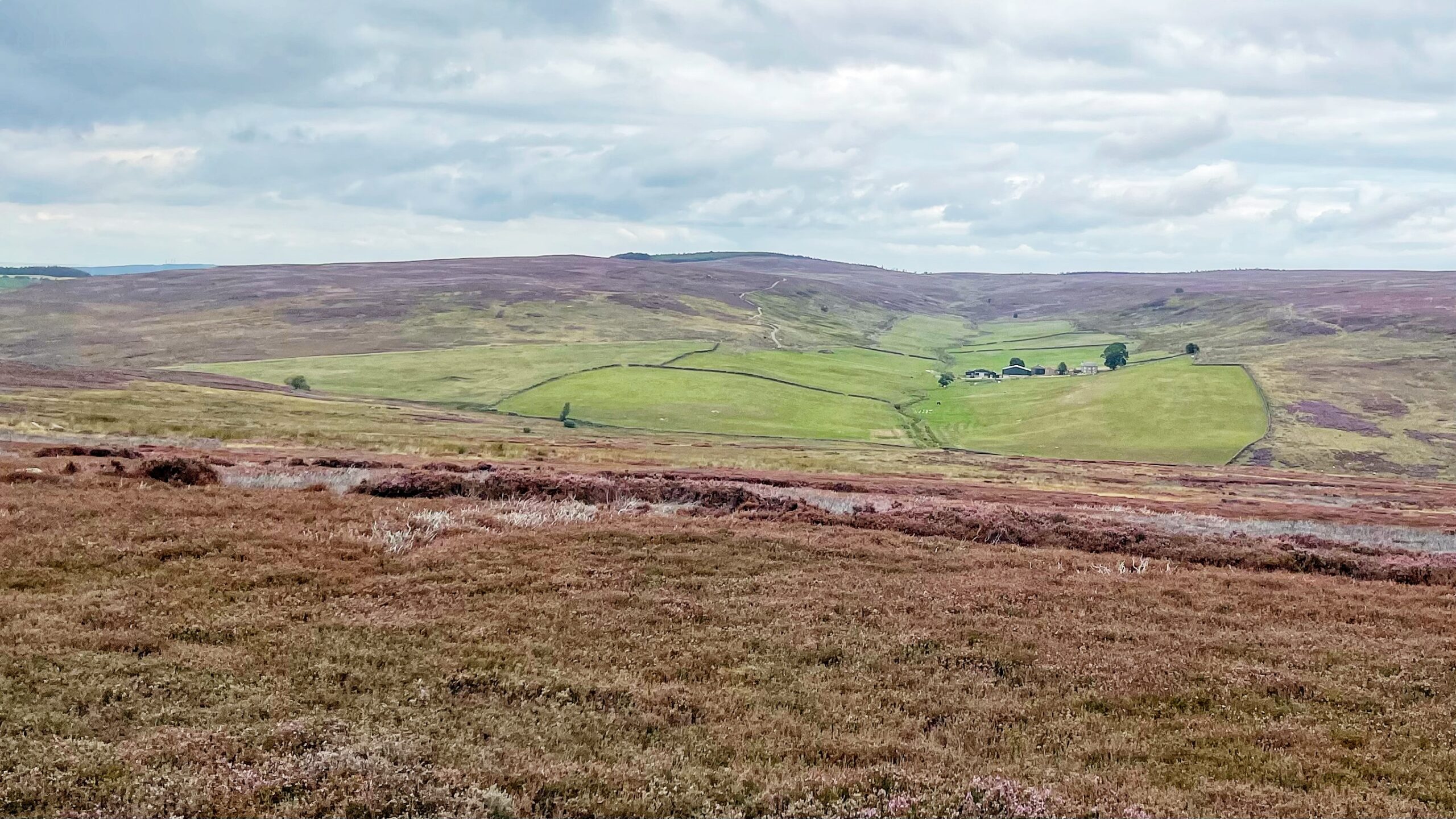
Sleddale: The Making of a Moorland Dale
I once thought myself original in calling Sleddale an island in a sea of heather, only to find that Elgee had written the same words long before I was born. Perhaps I had read them somewhere, the phrase lingering at the back of my mind, waiting to be claimed as my own. No matter. The…
-

The Hay Barn at Bransdale Mill
Tucked away behind Bransdale Mill stands this elegant three-bay hay barn, built in stone and retiled in the 1980s. Once, each arched entrance was fitted with sturdy wooden double doors, a reminder of its working life. The barn belongs to the story of the Bransdale Mill complex, largely shaped in the 18th century under William…
-
Guardian of the Cleveland Way
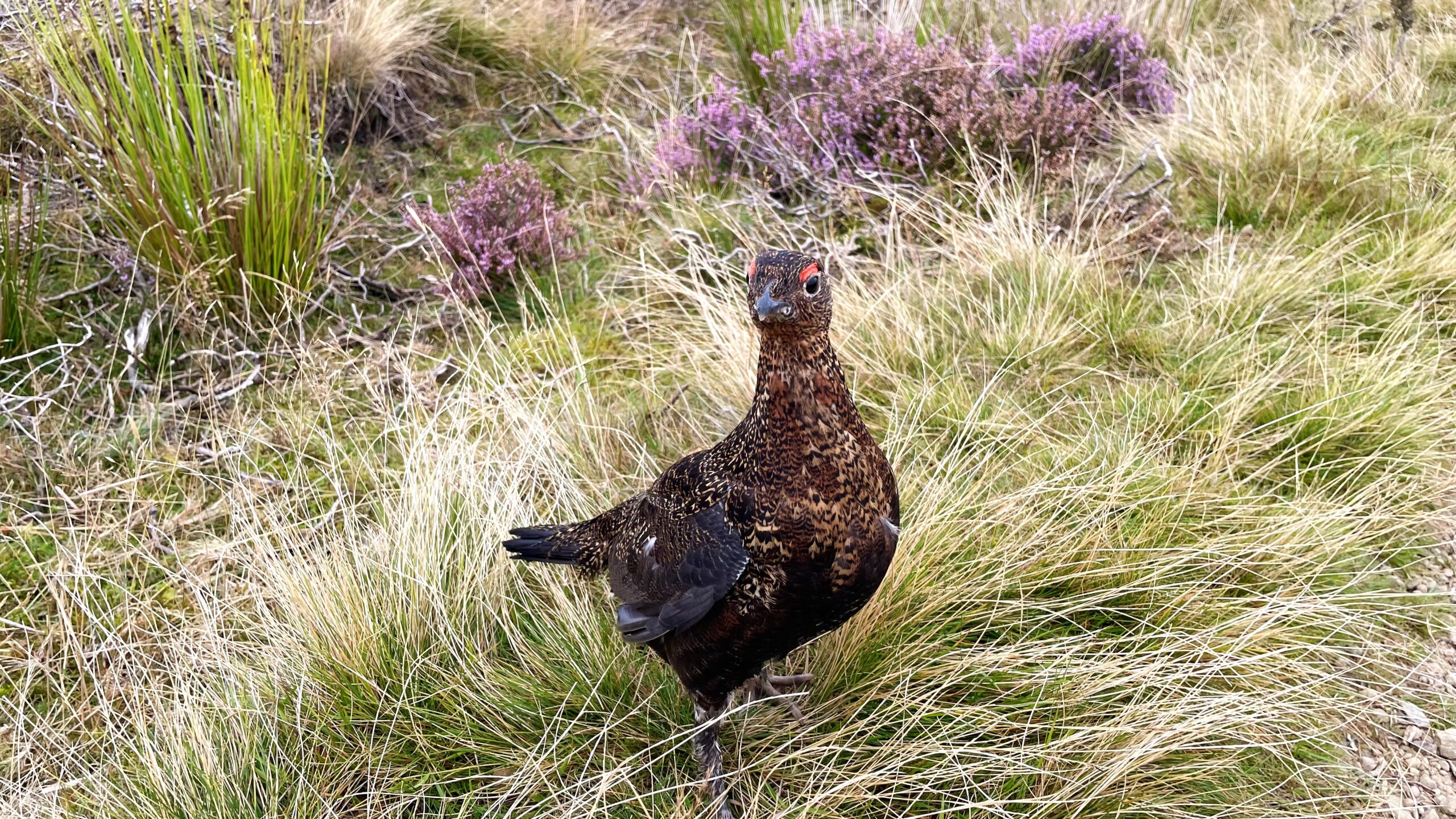
Had those two ominous notes from Jaws been playing in my earphones, I might have sensed what was coming. Just two notes, faster and faster, the sound of danger creeping closer. This red grouse appeared on the Cleveland Way path over Carr Ridge, no more than ten metres away, a plump silhouette against the heather.…
-
The Long Lost Way to Cockayne
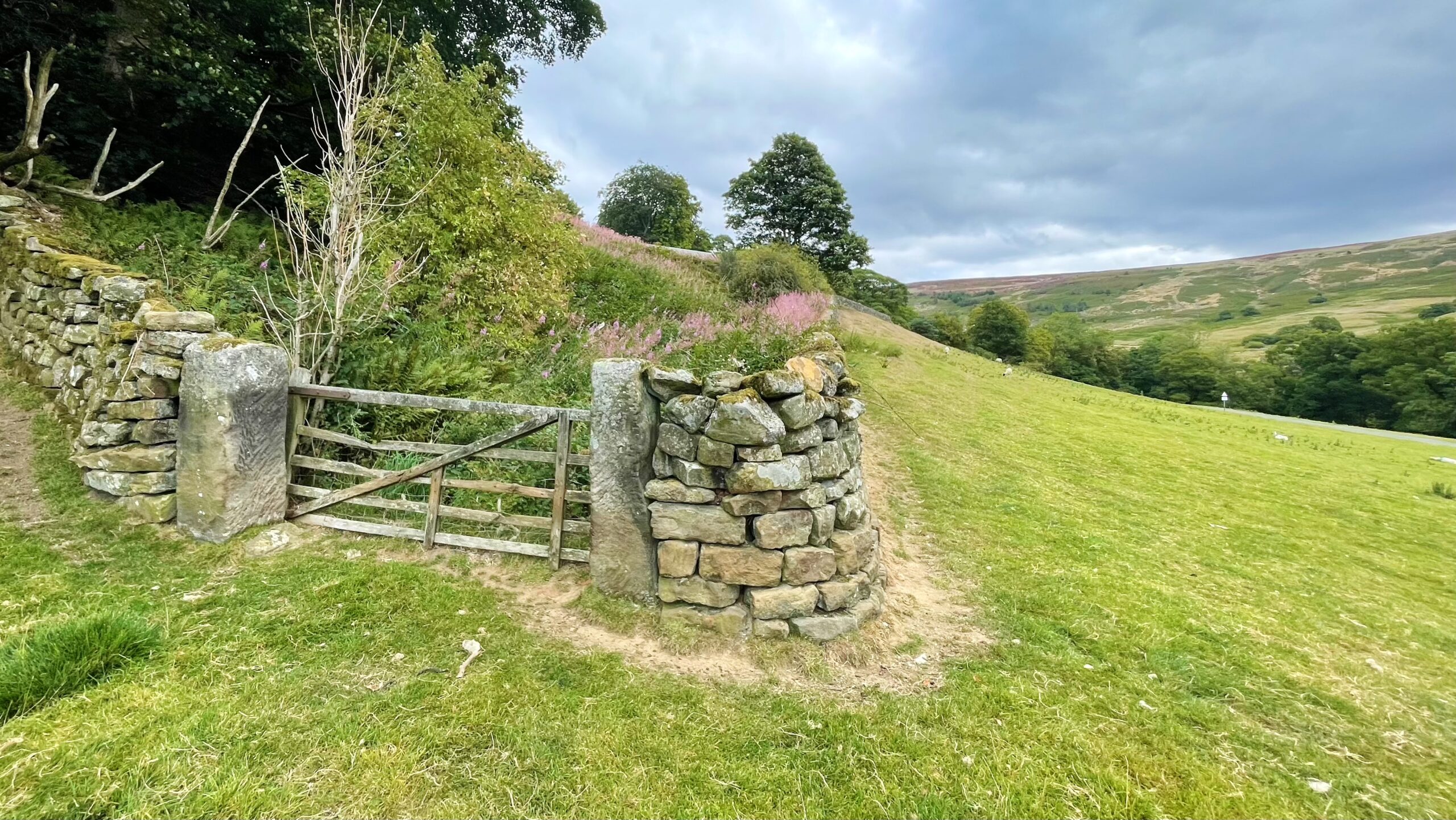
At first glance, it is nothing remarkable: a pair of stone gate stoops, standing quietly beside a graceful curve in a dry-stone wall, just south-west of Cockayne Church. But ignore the leaning wooden 5-bar gate secured by baling twine, and a closer look tells a different story. These are no rough farm gateposts. Each is…
-

Westerdale: From Templars to Ironmasters
A rare chance the other night to climb Top End, the nose of the rigg that leads up to Young Ralph’s Cross. Usually I pass this way in a rush—driving, or sometimes cycling—keen not to lose momentum on the steep bank. Below me lies Westerdale, so named for its place as the westernmost dale in…
-

Purple Heather, Brown Truth
The ling, or common heather, has reached its peak bloom just days before the start of the grouse shooting season — the annual spectacle in which profit and sport take precedence over the land itself. This year, the display is patchy. Whole swathes have turned a brittle reddish-brown, appearing dead but showing faint signs of…
-

Gower Dale: Where a Railway Never Came
This is Gower Dale in the Hambleton Hills. On the far left stands the ruined shell of Gowerdale House. Rising in the centre distance is Hawnby Hill. A tranquil landscape, untouched by the grime and noise of industry. It could have been very different, had Victorian ambition not faltered. On Thursday, 19 May 1853, amid…