-
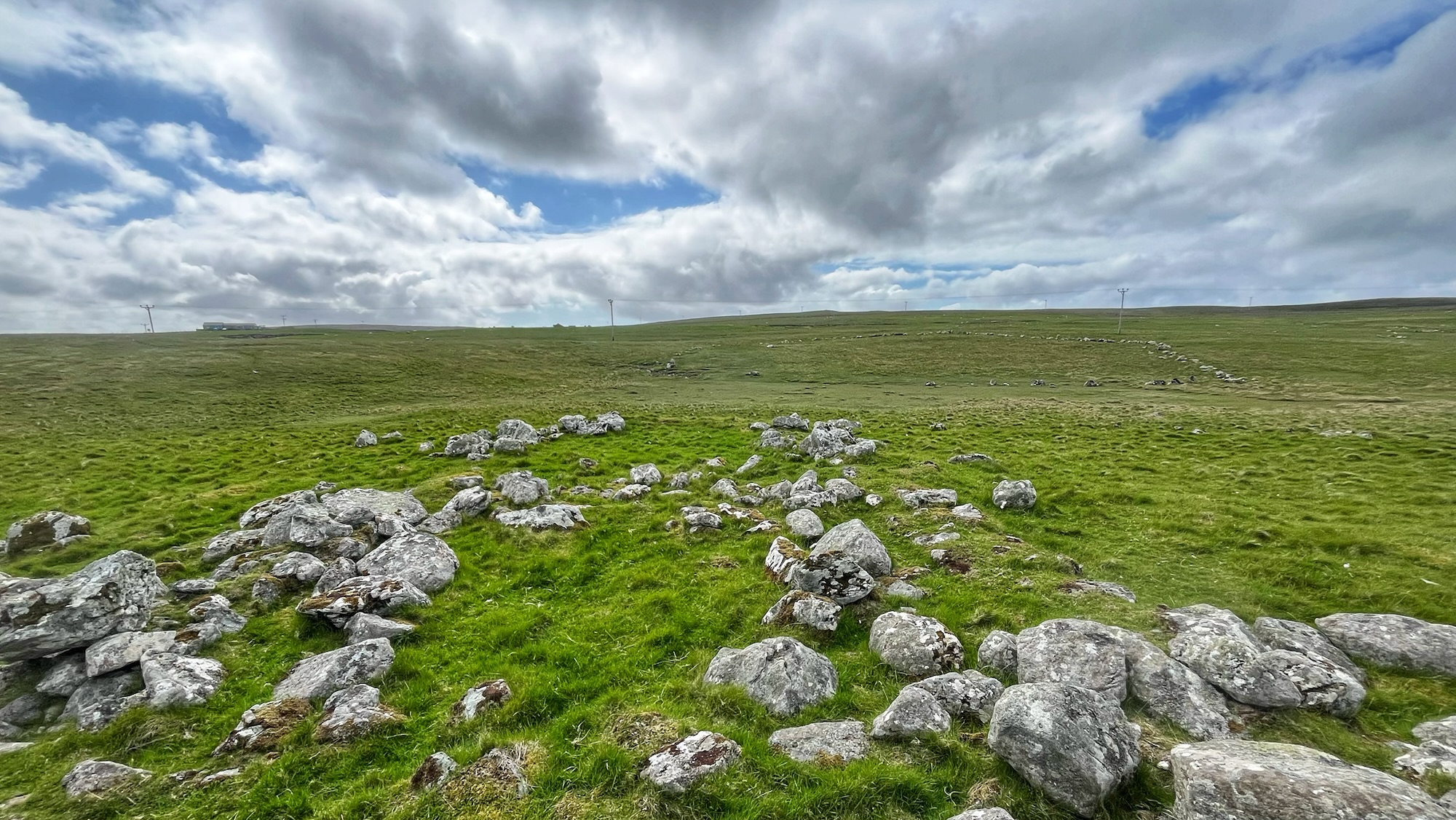
Glettna Kirk: A Church Nobody Finished
Shetland has no tidy villages. The communities bleed into each other, and a visitor who tries to pin down where one ends and the next begins will give up before long. Unst is no exception. Which makes Glettna Kirk easy to miss. Just outside what passes for the edge of Uyeasound, beside the road, a…
-
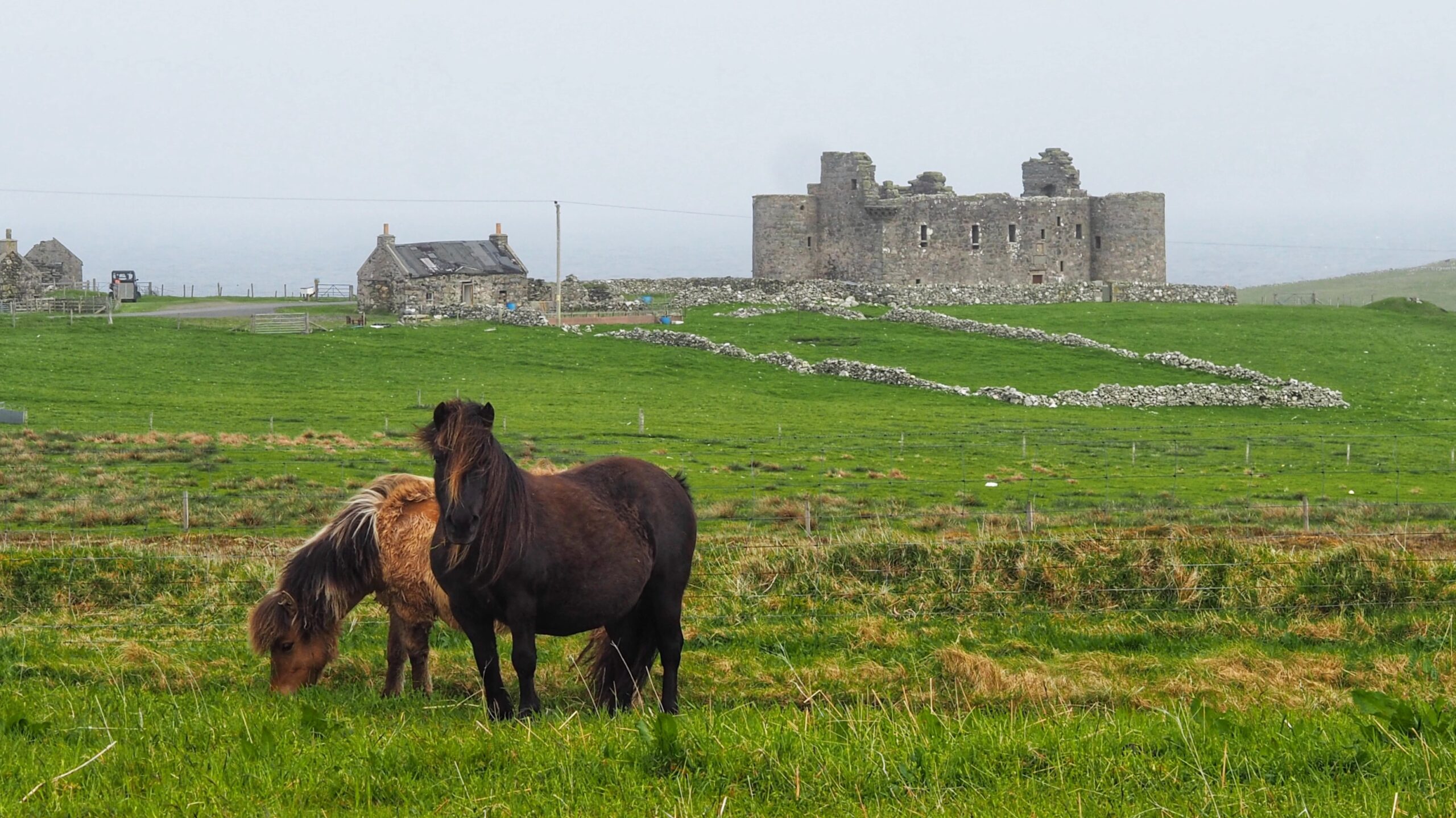
Muness Castle: Power, Corruption and Impunity. Sound Familiar?
Two Shetland ponies graze in front of Muness Castle, Unst, on a grey June afternoon. The castle has looked like this for quite some time. Laurence Bruce built Muness Castle in 1598. He was half-brother to the Earl of Orkney, sheriff of Shetland, and by most accounts an absolute tyrant. The Privy Council found him…
-
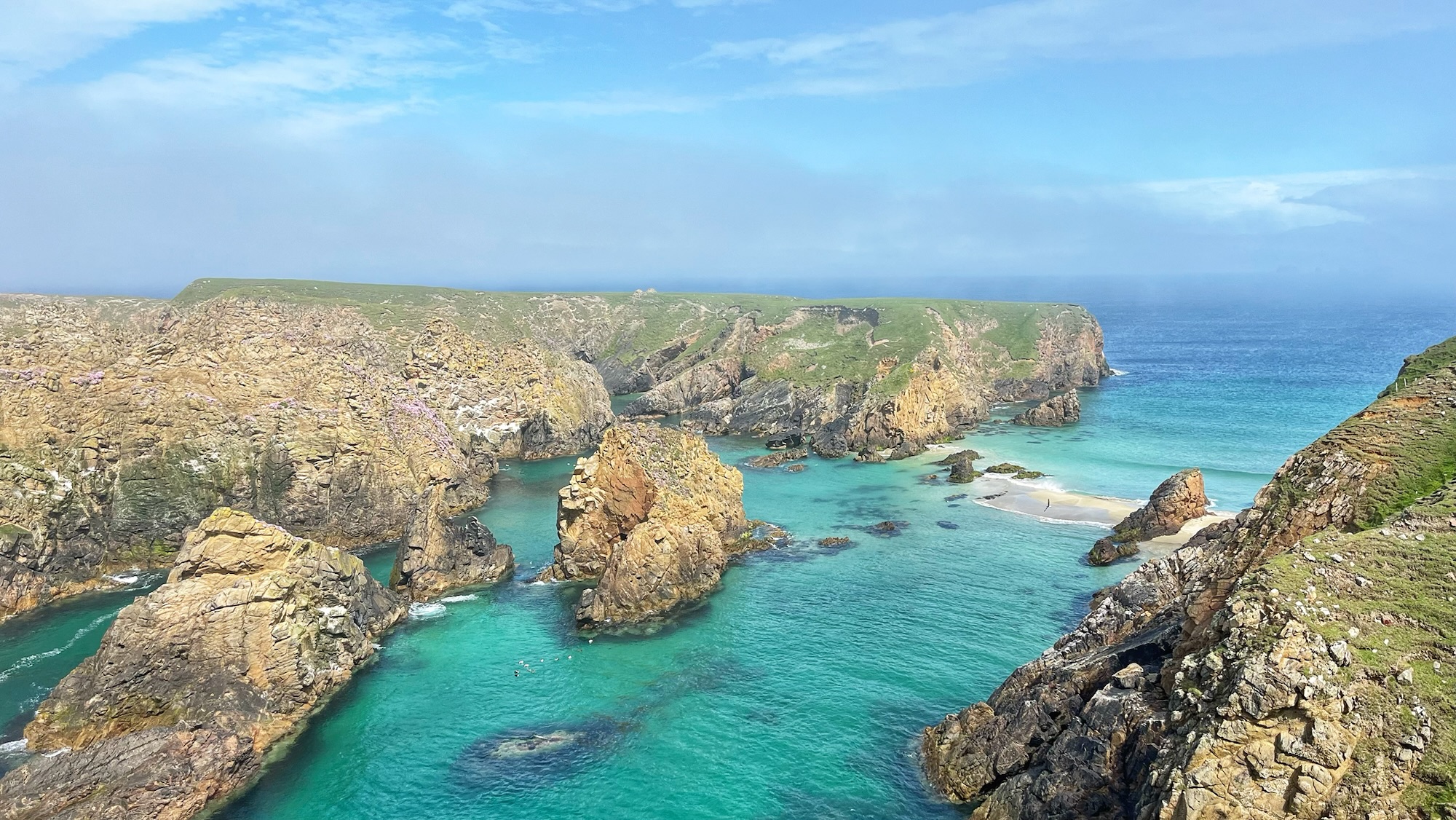
Uyea: The Disappearing Isthmus
Plan A had sounded brilliant on paper: an 8.5 km cycle along a rough farm track to the abandoned farmstead of Uyea, followed by a wander round the headland. A local on the ferry had tipped us off after we mentioned a preference for solitude over selfie sticks. Then we woke up. The morning was…
-
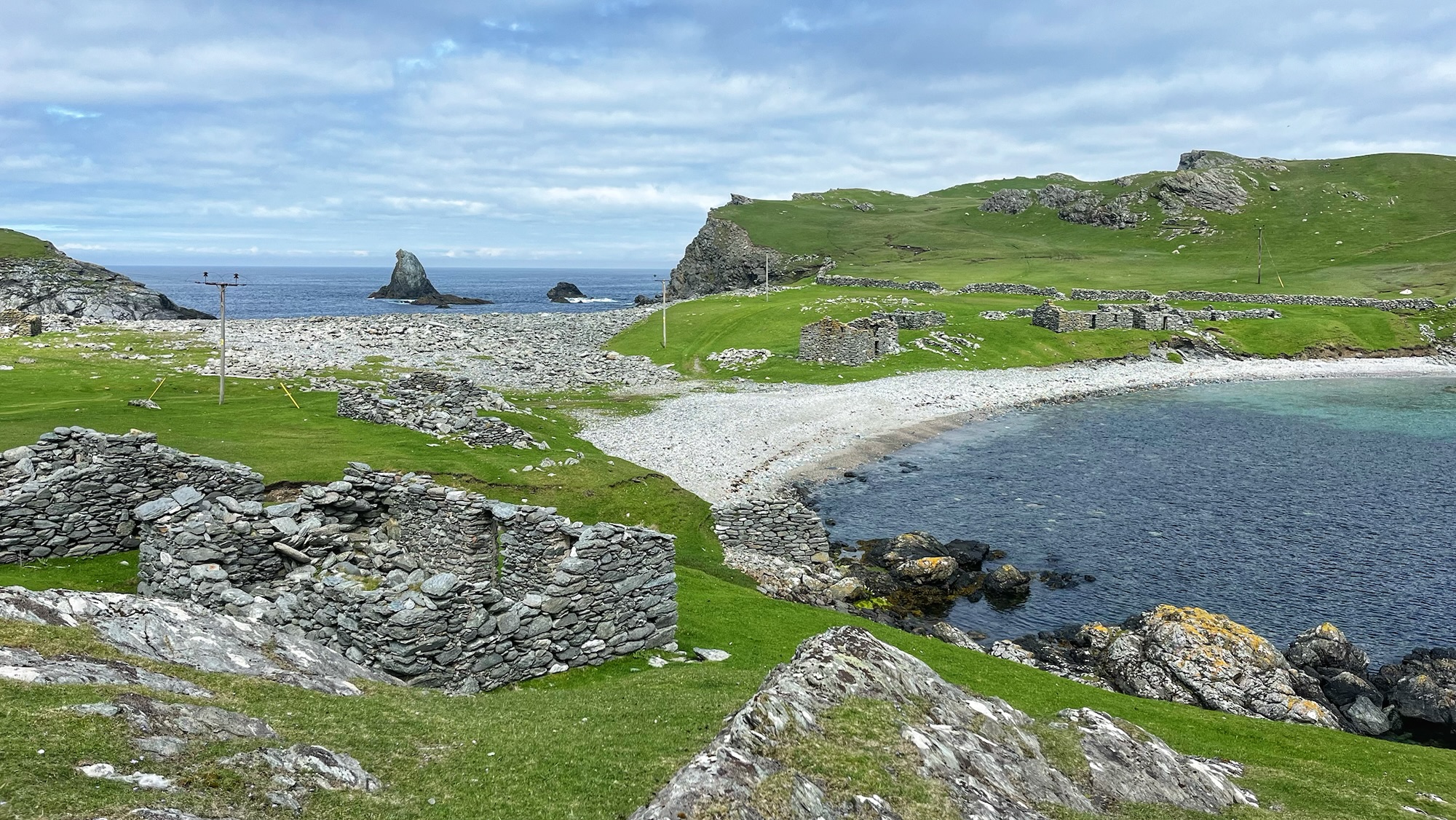
Fethaland: Where Sixty Sixareens Braved the Atlantic
The name means “fat land.” Which is rather good, given what happened here. For roughly five centuries, up to sixty sixareens, open wooden boats with a crew of six, launched from this beach and rowed — or sailed, when the wind was kind — eighty kilometres into the open Atlantic, well past the continental shelf,…
-
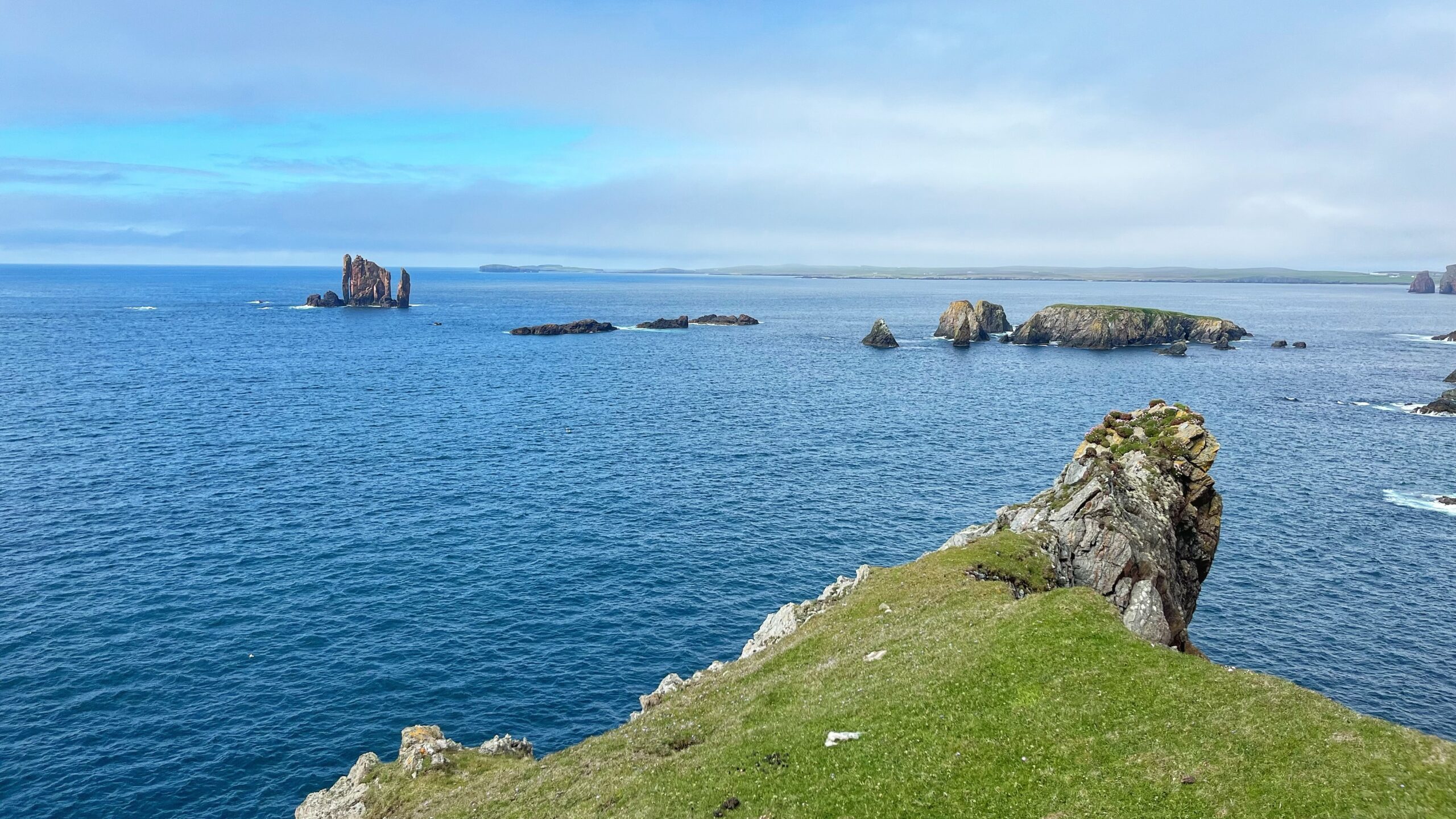
Da Drongs
Four granite pillars rise from the North Atlantic about a kilometre off the Shetland coast. They have no inhabitants, no practical use, and no plans to go anywhere. But they are, in a word, magnificent. These are The Drongs — and they have been earning their keep as a spectacle for a rather long time.…
-
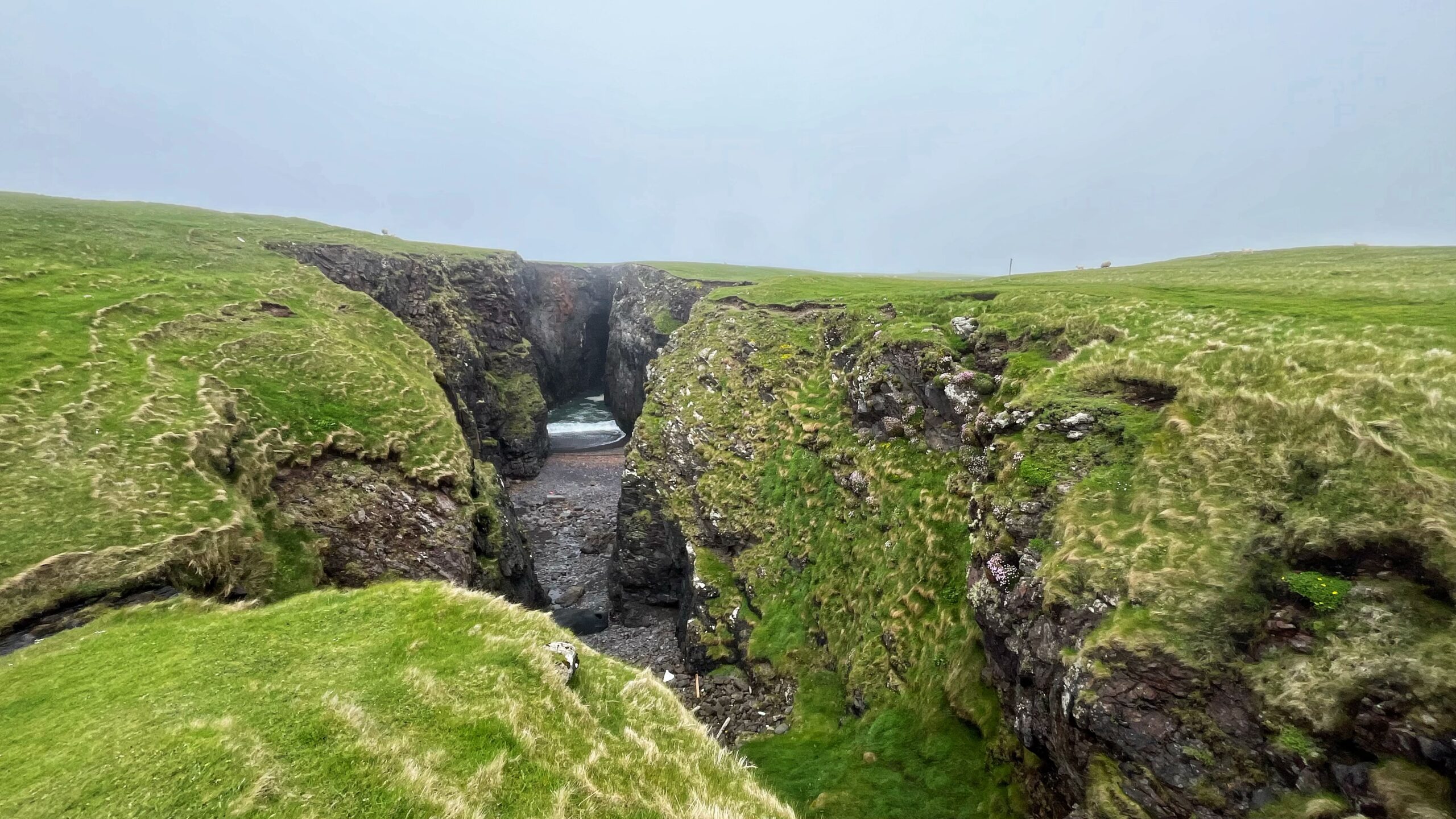
Hols o Scraada
360 million years ago, Eshaness was a volcano throwing a rather spectacular tantrum. Today it is rather more well-behaved, though the Atlantic still does its level best to batter the cliffs into submission. Over thousands of years the sea has gnawed away at the rock, slicing open a cross-section of the ancient volcano and carving…
-
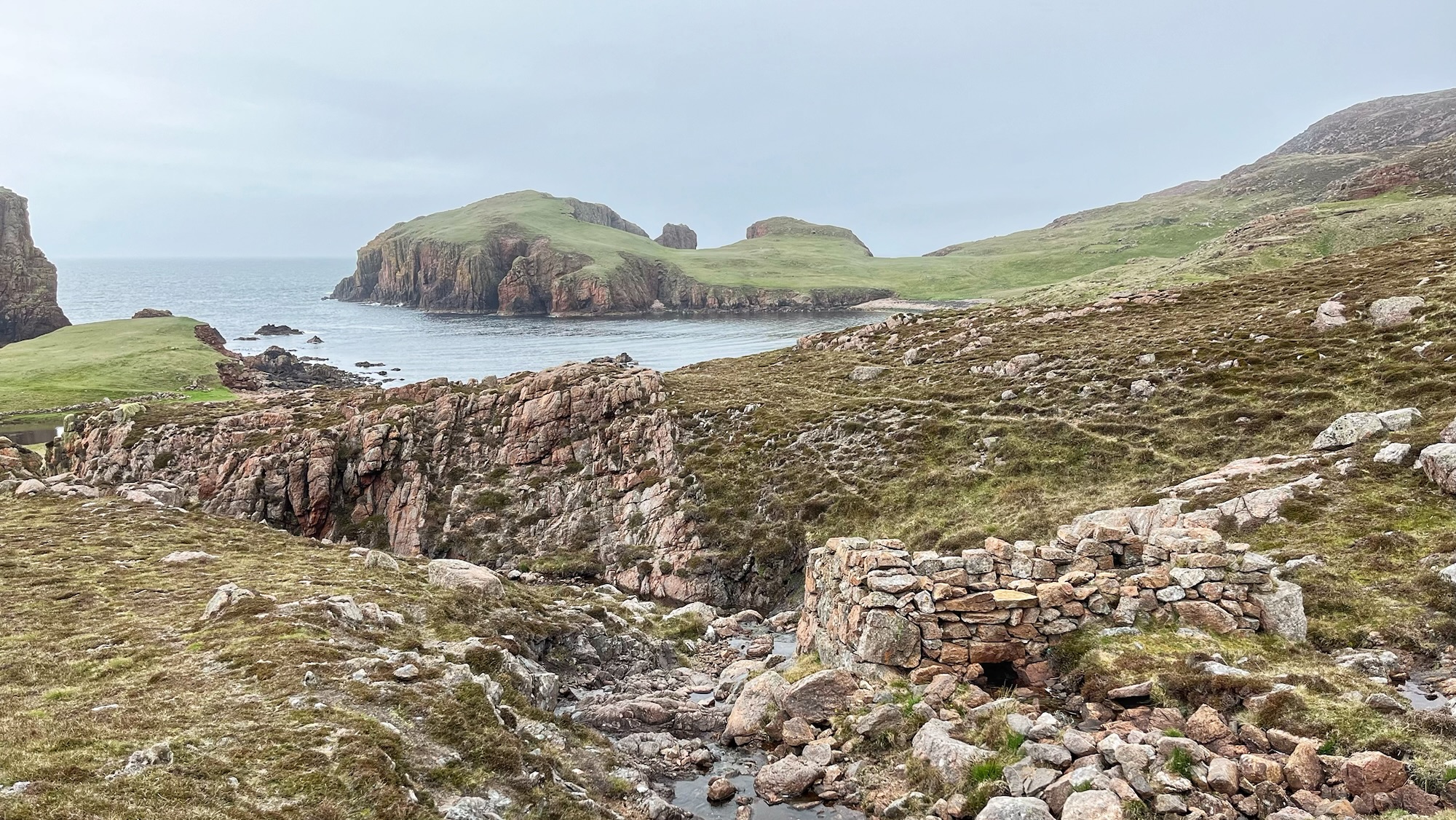
The Hams Mill
If it is not brochs, it is clack mills. On Shetland, you cannot seem to avoid one or the other, which is really no bad thing. This one sits at North Ham on the spectacular coast of Muckle Roe. “Ham” comes from the Norse for harbour. A weatherworn signpost points the way, just about legible…
-
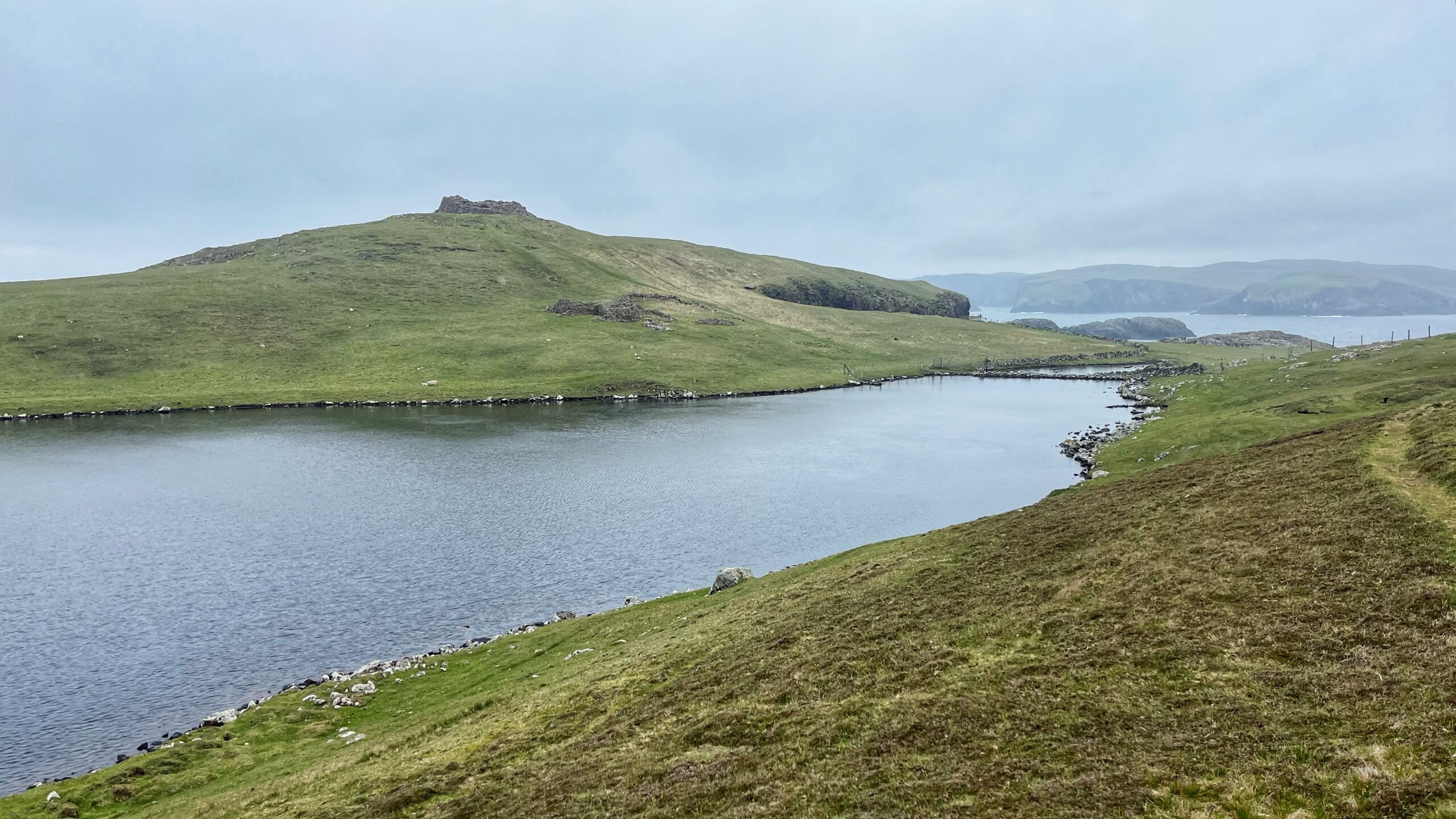
The Broch of Culswick
Another day, another broch. Perched on the dramatic coast of Shetland’s West Mainland, the Broch of Culswick stands as a raw, evocative monument to the Iron Age. While the world-famous Mousa attracts the crowds, Culswick offers a more solitary, haunting encounter with the past, accessible via a rather good circular walk. A ruin it may…
-
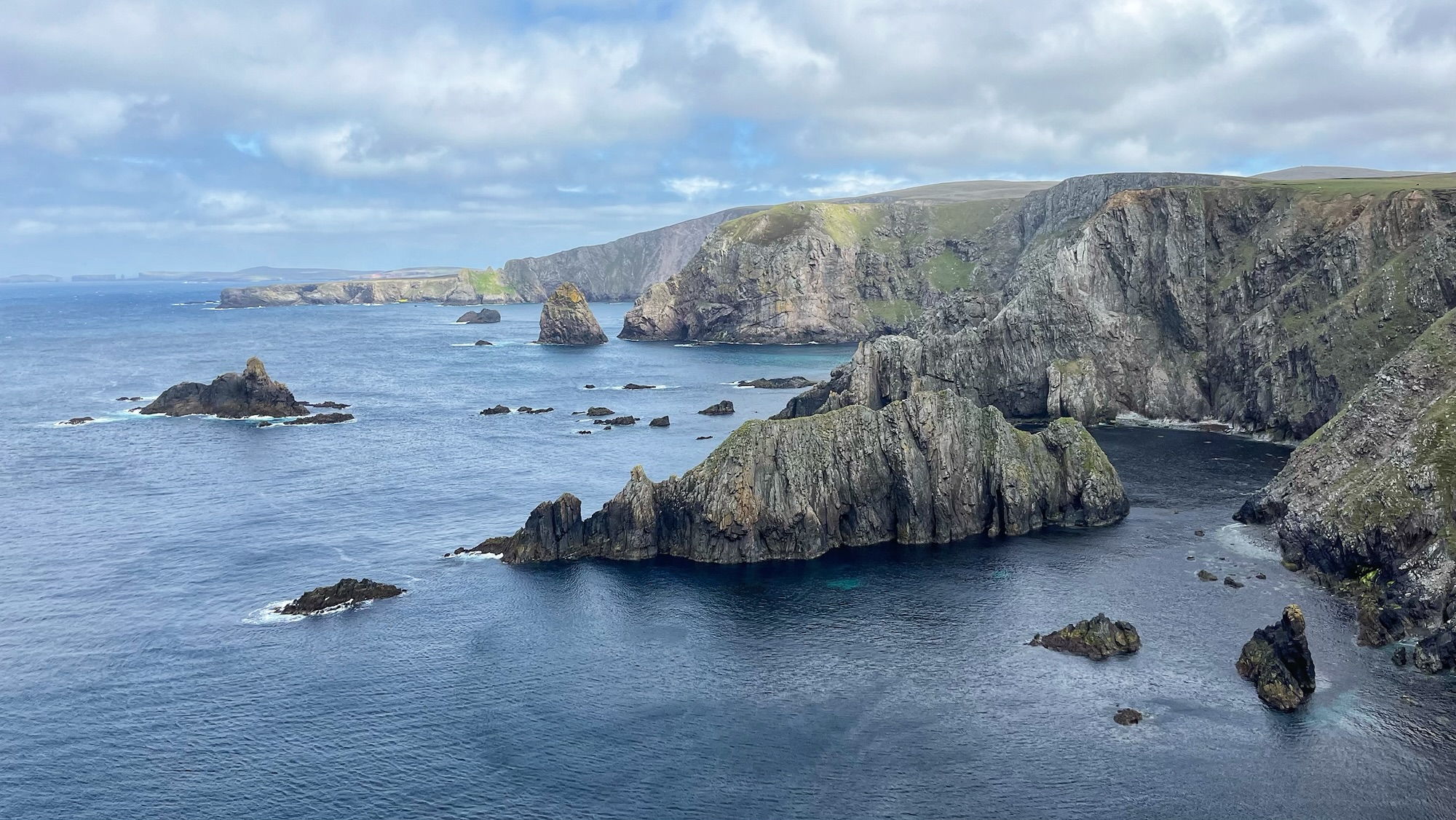
Stubborn Granite and Weak Sandstone
This stretch of the coastline is considered “one of the finest walks in Shetland”. It is chaotic, uniformity would certainly spoil the view. The geology results from a messy struggle in the distant past between stubborn granite and weak sandstone. Granite holds itself against the waves. Sandstone is less reliable and erodes more easily. This…
-
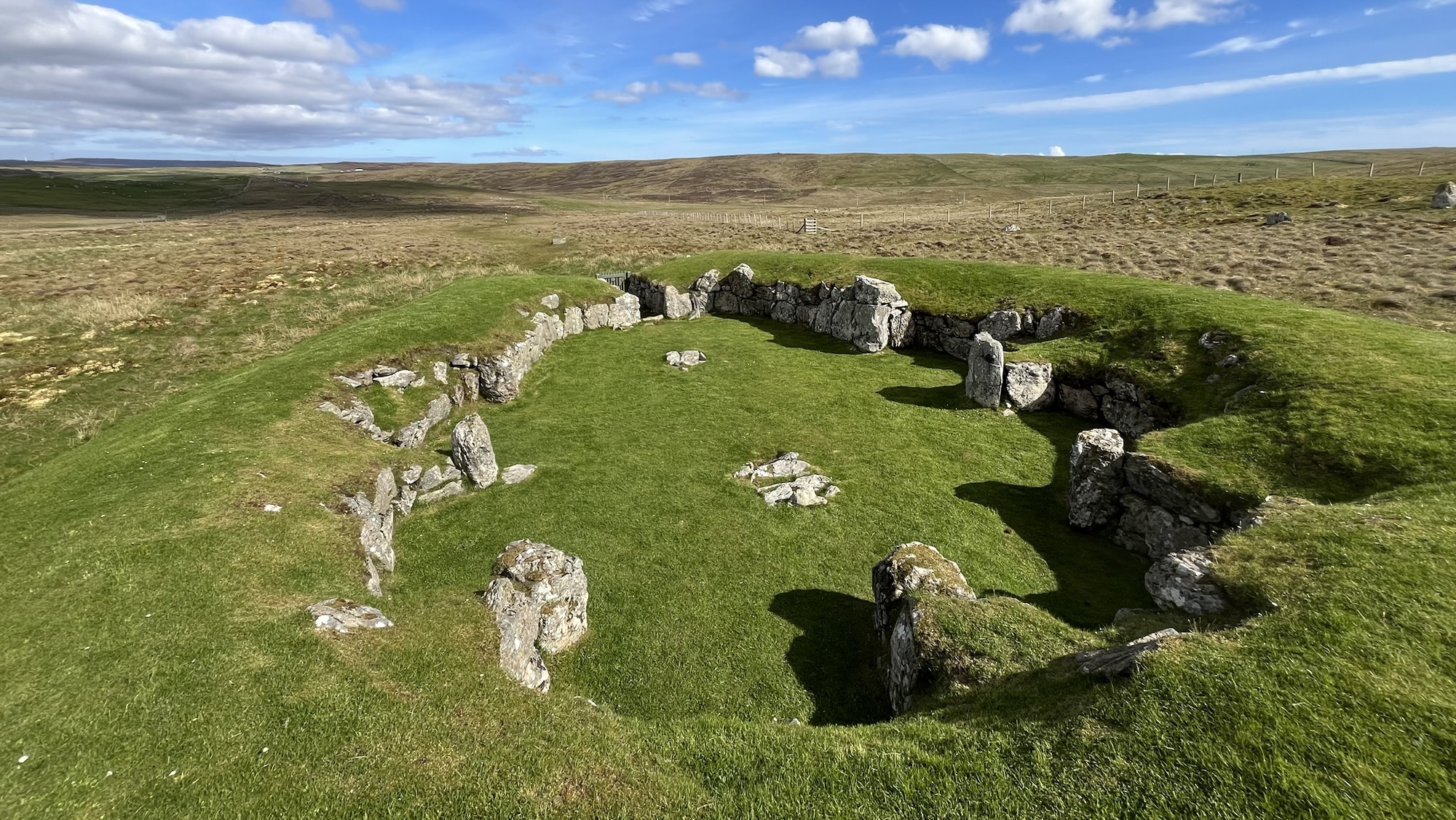
Stanydale Temple
A wide-angle lens is a master of deception. It makes the walls of Stanydale Temple look rather squat. I reckon they are about 1.5 metres in height. The Temple is a Neolithic pile of undressed stone. Of course, it’s not really a temple, folk have called it so since 1949. This is because it shares…
Care to comment?