-

One Valley, Two Photographs, Many More Trees
I set out to recreate an old black-and-white view of the Esk valley at Castleton, which I found on Facebook, but fell disappointingly short. I think the original was taken from the old Methodist Chapel, now a private home. Trees block the view from Station Bank, and houses rule out the rest of the village,…
-
Seeing Through the Dark Hours
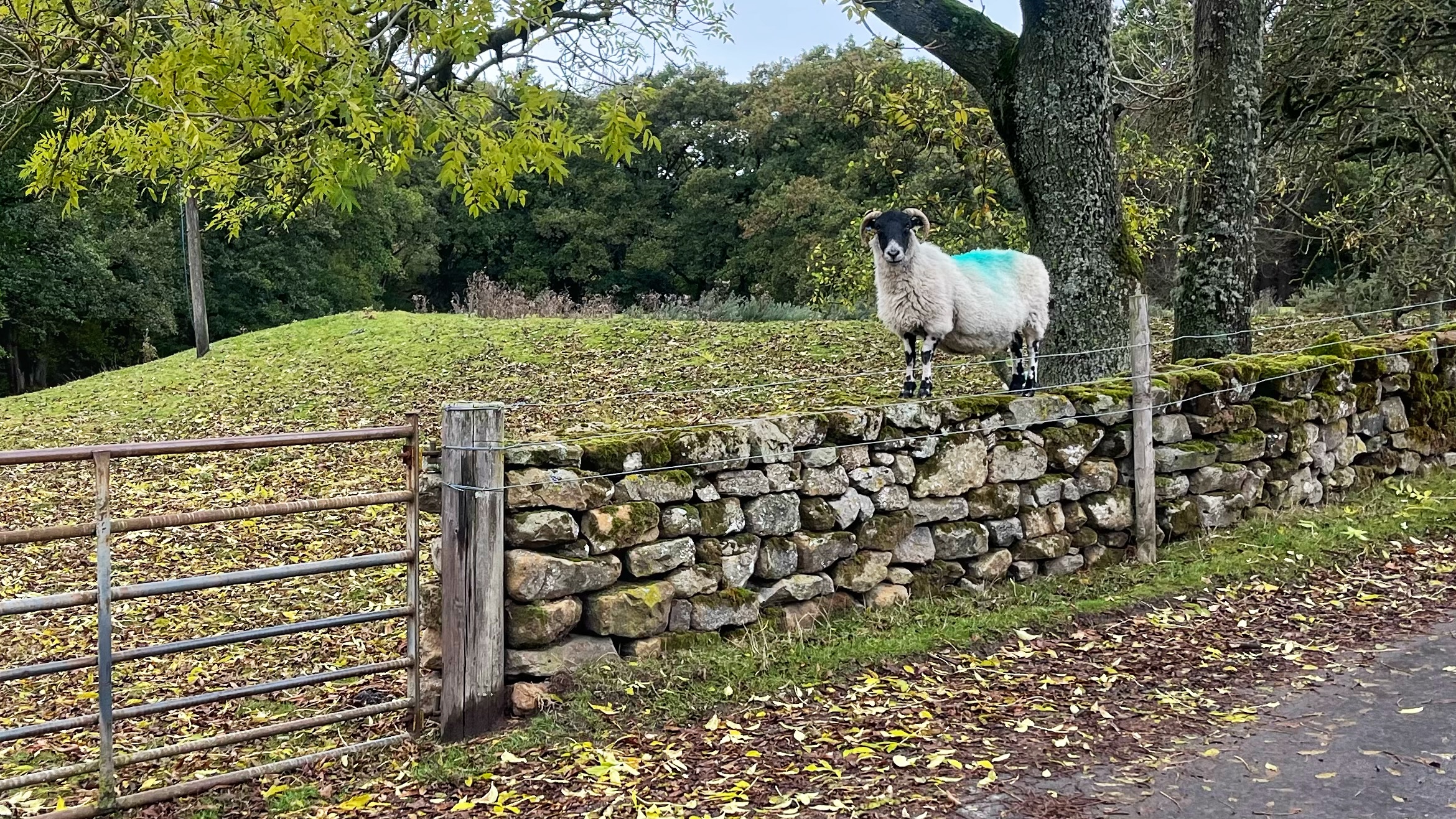
I cycled past this sheep this morning. It regarded me with studied indifference. I turned around and pedalled back for a photograph. It had not moved an inch. Having captured the moment, I left it to its thoughts. Perhaps it was contemplating the clocks going back tonight. Perhaps sheep have better things to think about.…
-

The Fields of Pinchinthorpe
Storm Austen battered the North last night, yet autumn still delivers. This view runs across the bracken on the lower slope of Roseberry Common to the fields of Pinchinthorpe. Pinchinthorpe takes its name from the ‘Pinciun’ or ‘Pinchun’ family, who held land here in the twelfth century. The township was divided into northern and southern…
-

Fifty Years in these Woods, and Still Discovering
There is something magical about autumn, with its rich palette of colours transforming the woodland into a living canvas. Today, I was volunteering with the National Trust in Newton Wood, building dead hedges to encourage visitors to stick to the newly improved path and give the woodland undergrowth a chance to recover from the pressure…
-
Mulgrave Estate Walks: Much Ado About Very Little
We had read about some exciting new walks opened up through the Mulgrave Estate and thought we would give them a try. A chance to explore terrain previously inaccessible to the public. How generous. How progressive. Naturally, I had rather high hopes. In retrospect, perhaps a closer look at the routes before setting off might…
-
Barwykerowe
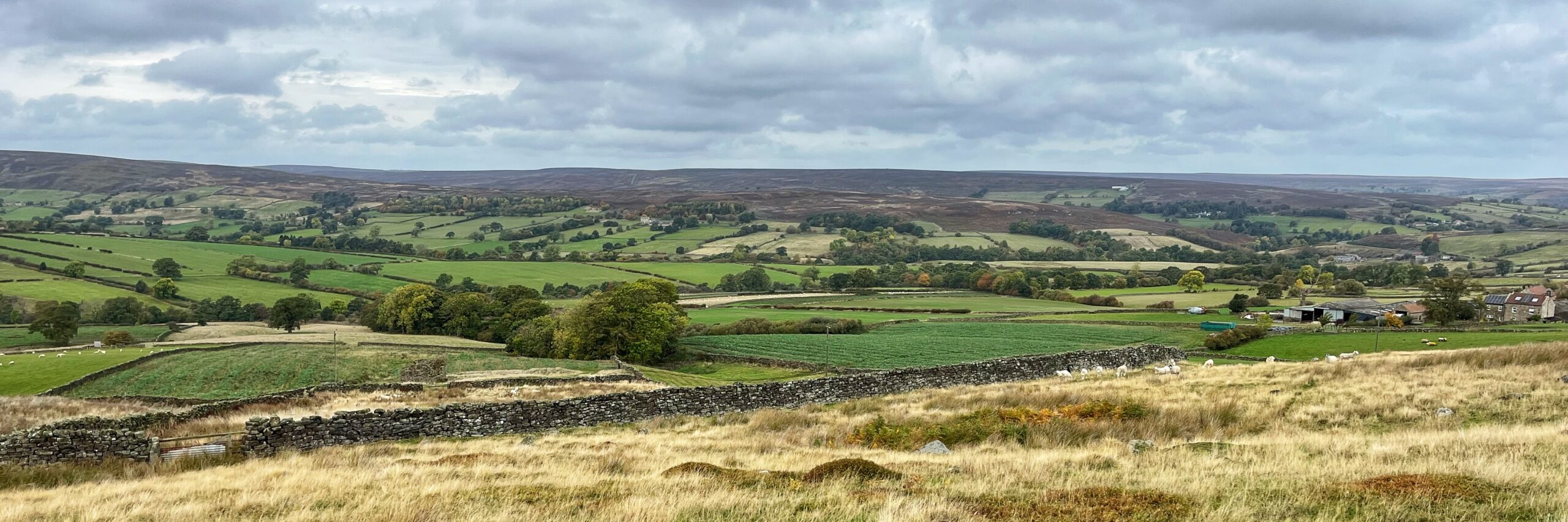
Cropping the photo brings out the full breadth of the dale. Tower Beck flows from left to right through this eastern prong of Westerdale, with the village of that name perched on the rise at the far left. Barwick House stands in ruins just left of centre, while a small wood screens Kirk Syke beside…
-
One Contented Pigeon
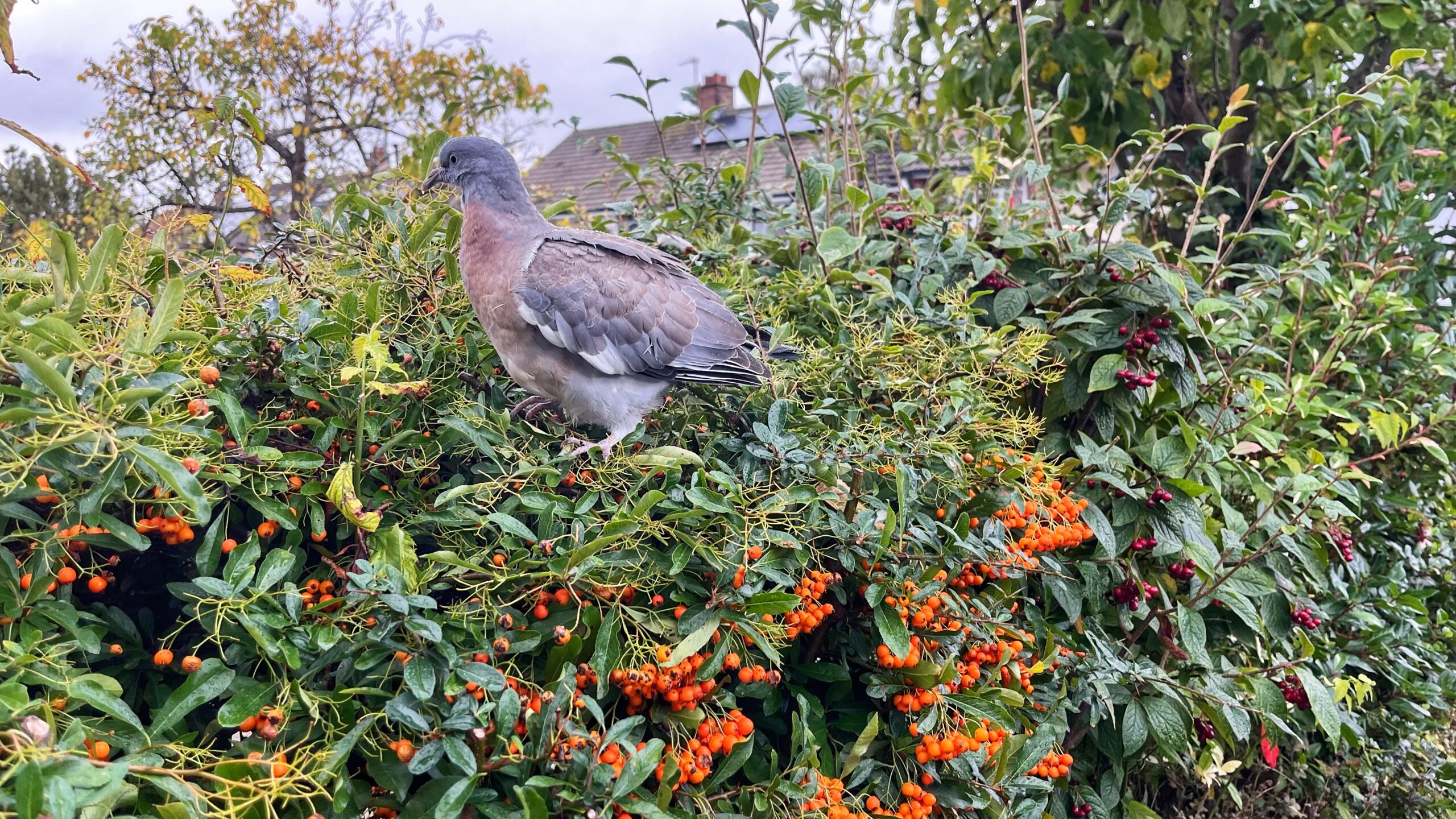
The Wood pigeon in this photo above looks like a juvenile to me, going by the missing white patches on either side of its neck. Those patches appear at around six months old, about three months after leaving the nest, and young birds also have a greyer bill and lighter grey plumage than adults. It…
-
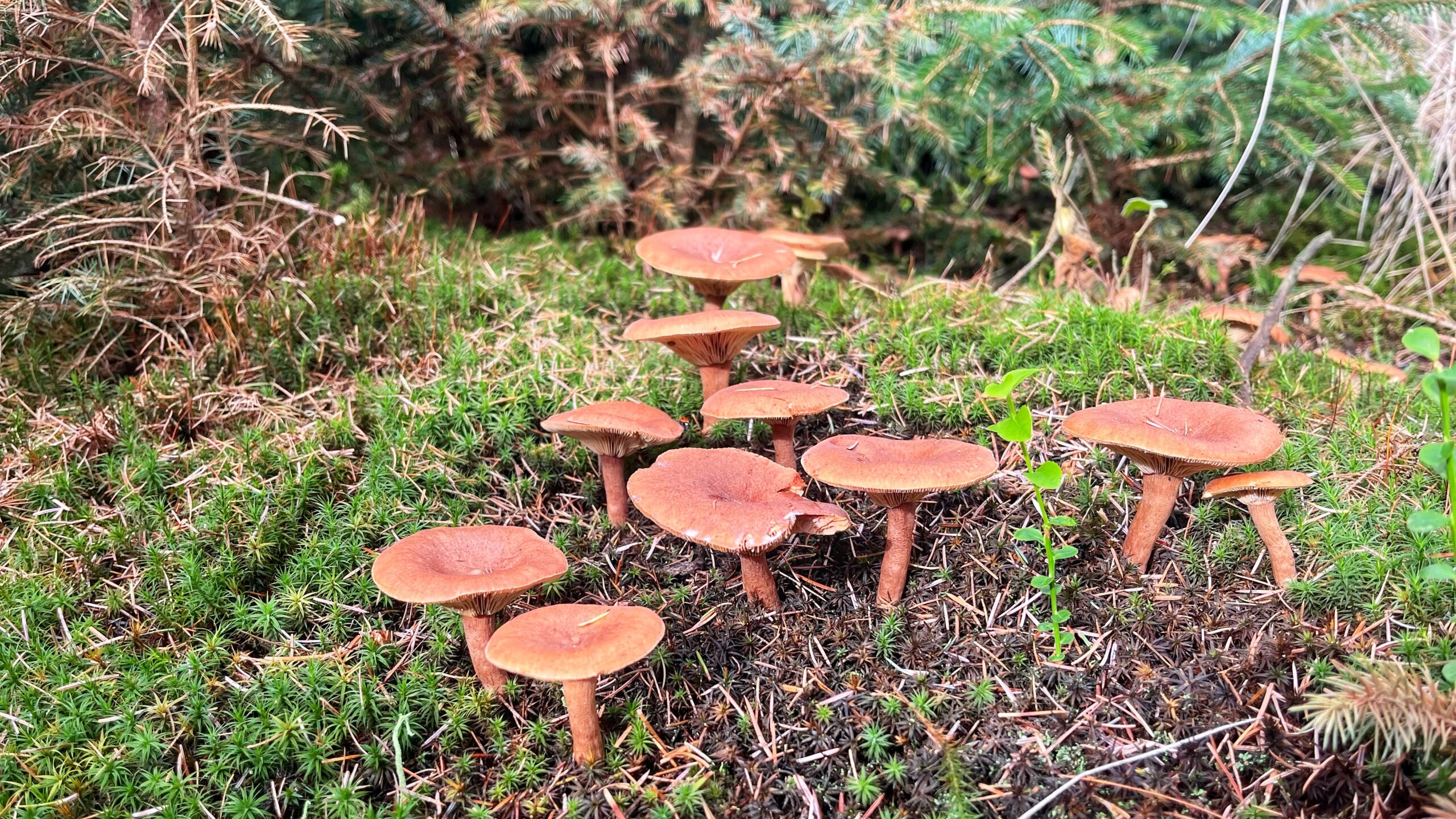
The Mushroom With a Sting in Its Milk
I took this photograph after clearing self-sown conifer saplings from a block of newly planted native woodland in Bransdale last Thursday. I am reminded of a Disney portrayal of a woodland glade. My ‘ObsIdentify’ app is 69% certain these are Lactarius rufus, the rufous milkcap. The milk and the taste would be key identifiers but…
-
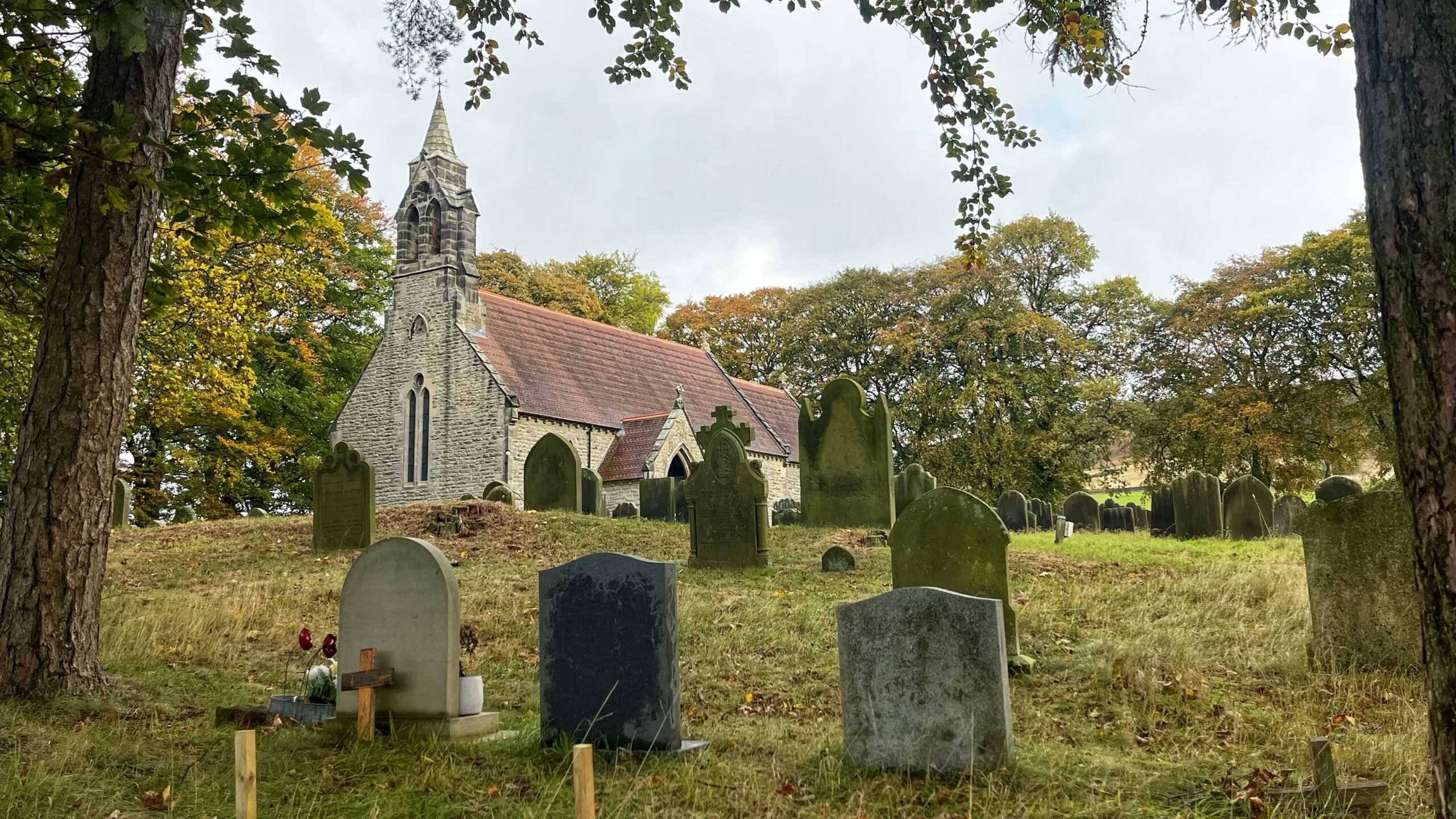
The “Priory” That Never Was
I am not religious, so churches appear in these posts only occasionally. They are, though, often the oldest buildings in a community to survive without conversion into some private residence. St Hilda’s Church earns an exception, because it comes with a puzzle. Locals call it “Bilsdale Priory”, and a visitor could reasonably expect monastic ruins…
-
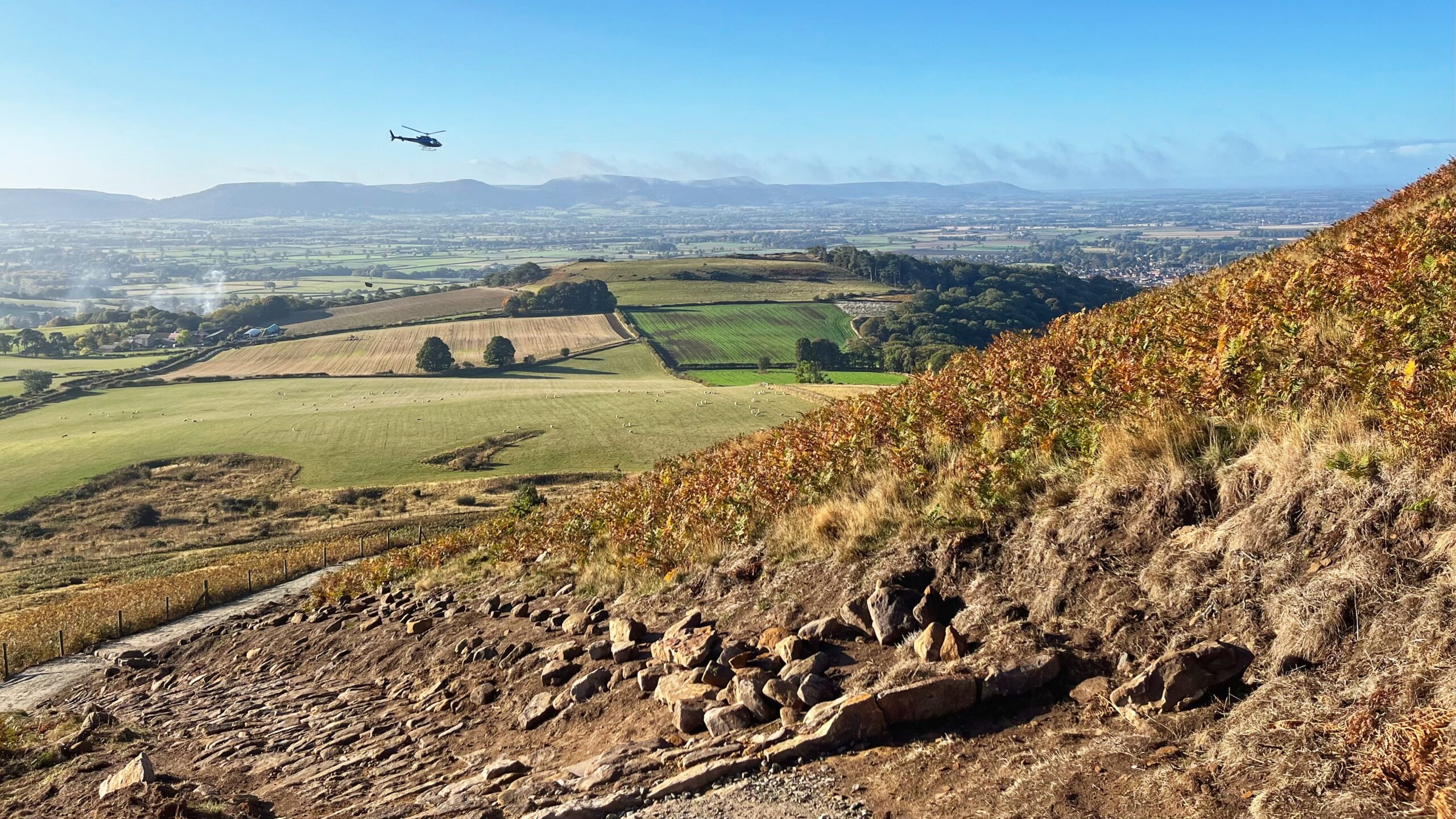
Thirty Years of Flying Stones and Gravel
The upgrading of the Public Bridleway that climbs the steep eastern flank of Roseberry Topping appears to be finished, though those boulders need time to settle before local lads discover a bowling alley. Overhead, a helicopter carries tubs of gravel from the Aireyholme Lane dump to a clearing in Newton Woods, ready for the next…
Care to comment?