Tag: history
-

Aireyholme: The Humble Launchpad of Empire’s Favourite Navigator
From the summit of Roseberry Topping, the Cleveland landscape performs its finest impression of timeless rural charm: undulating green fields stitched together by hedgerows, with Aireyholme Farm sitting unobtrusively in the middle like it’s been dropped there by a distracted cartographer. This was the patch of the country where the young James Cook grew up,…
-
Michaelmas: When the Devil Trod on the Brambles and the Lord Held Out His Hand
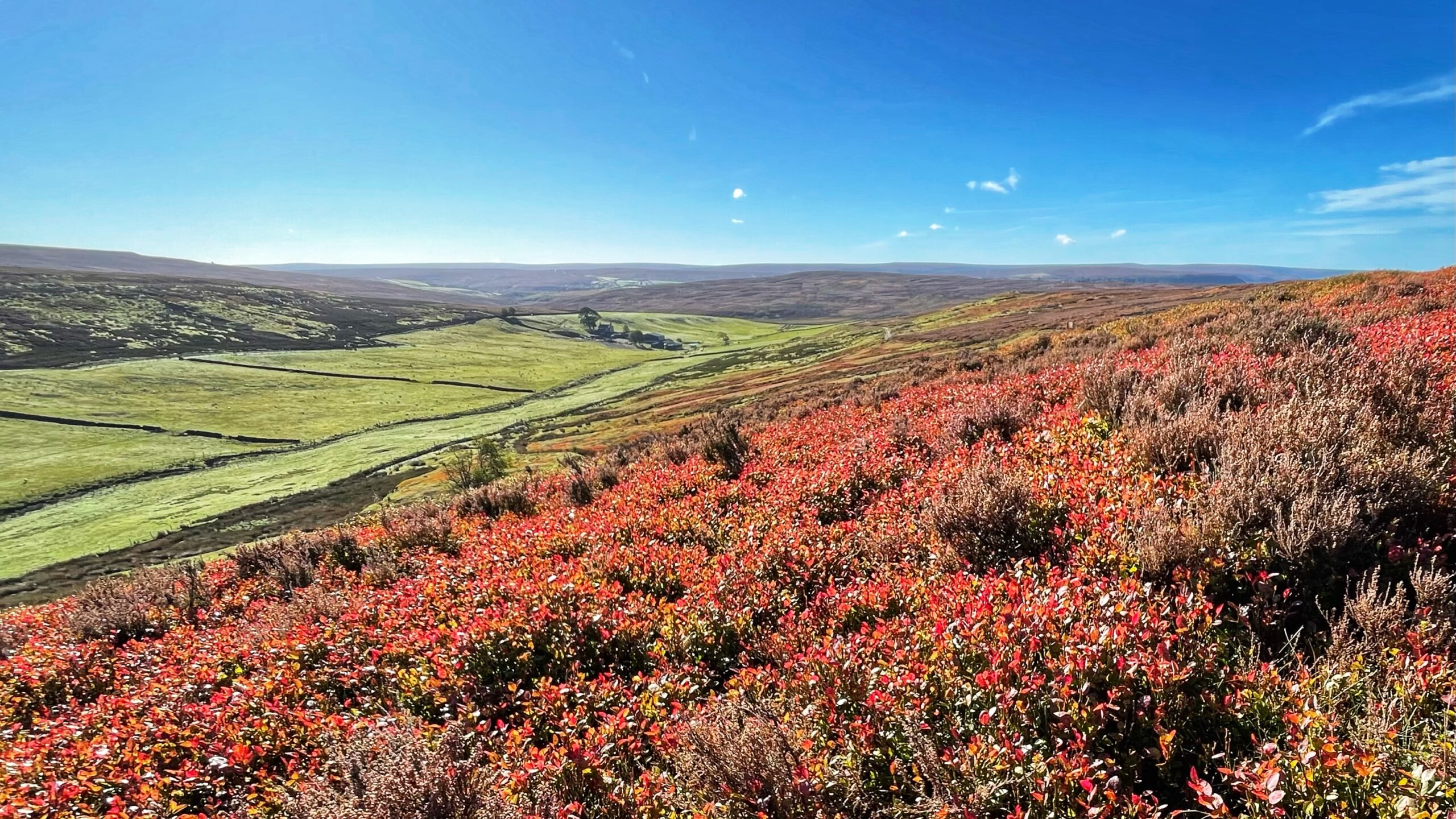
The ling has faded, overtaken by the red leaves of bilberry. A fine day, and fittingly Michaelmas: the day the Devil put his foot on the brambles, ending the season for blackberries. A myth, perhaps, but tidier than admitting people simply tired of picking them. Michaelmas once mattered. It was one of the four quarter…
-

Osmotherley Moor: Sheep, Turf and Shooting Rights
Dramatic skies hang over Black Hambleton, its summit almost clear of cloud. The view is from Solomon’s Lane, a grand name for a track that no longer exists. The surrounding expanse is Osmotherley Moor, part of which is “waste land of the manor,” now the subject of an application by the Open Spaces Society to…
-

Freedom to Roam: Lessons from Sweden
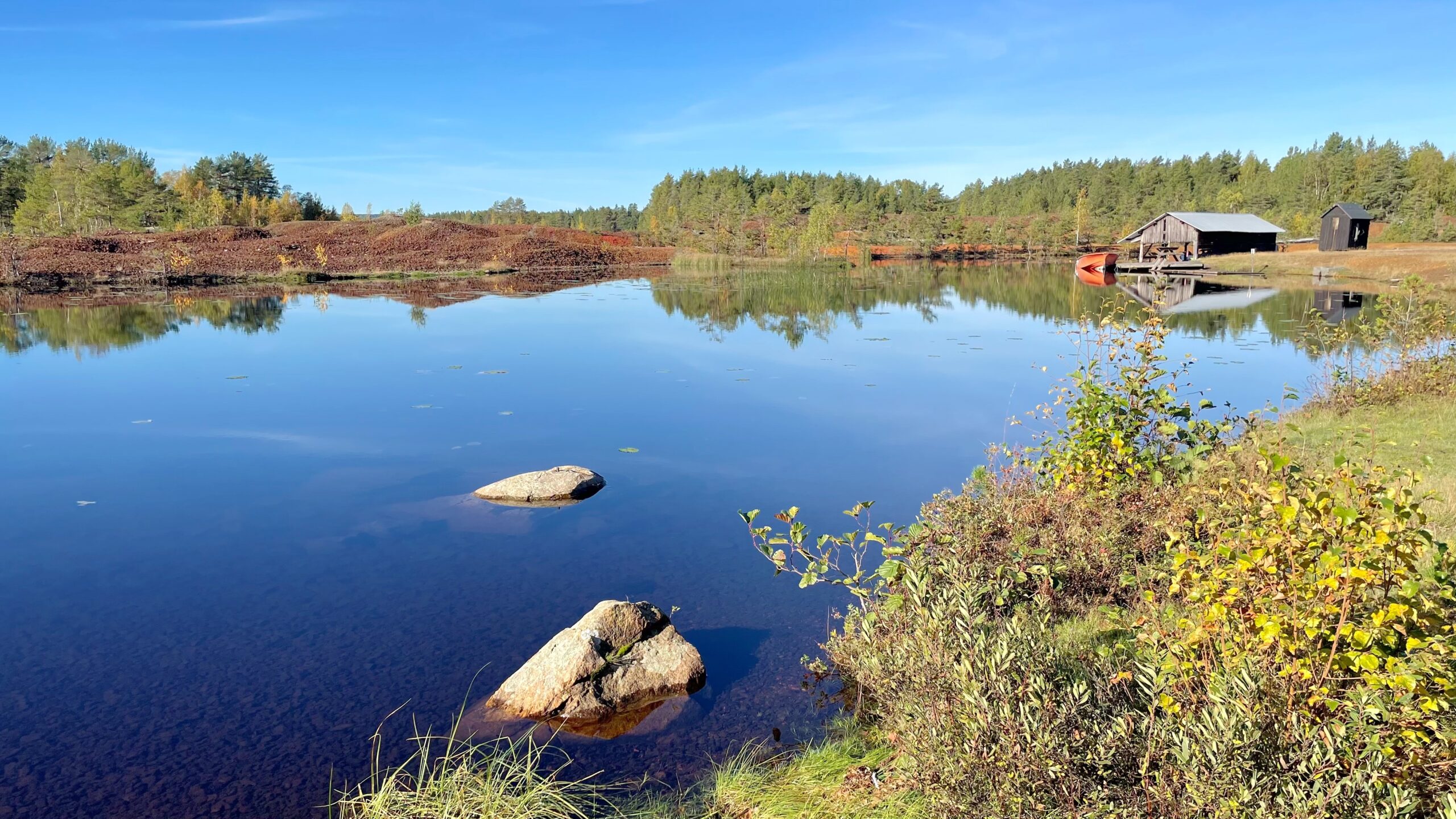
Back home on my own patch, though I still feel justified in milking our recent sojourn in Sweden for another post. In 1706 Kräkmyren was dammed to divert its water to the Falun Mine. Sweden was then at war with Russia, and Russian prisoners of war are said to have built the earthbank. Over the…
-
Where the Rogsån Meets Varpan
The Rogsån river slips quietly into the northern end of Lake Varpan, where the small settlement of Österå rests. Today it seems peaceful, but in earlier centuries this was a centre of roaring furnaces and hammering waterwheels. From the 1400s until the mid-1800s, copper smelters lined these shores, owned by miners tied to the vast…
-
Beneath the Blue Sky of Falun
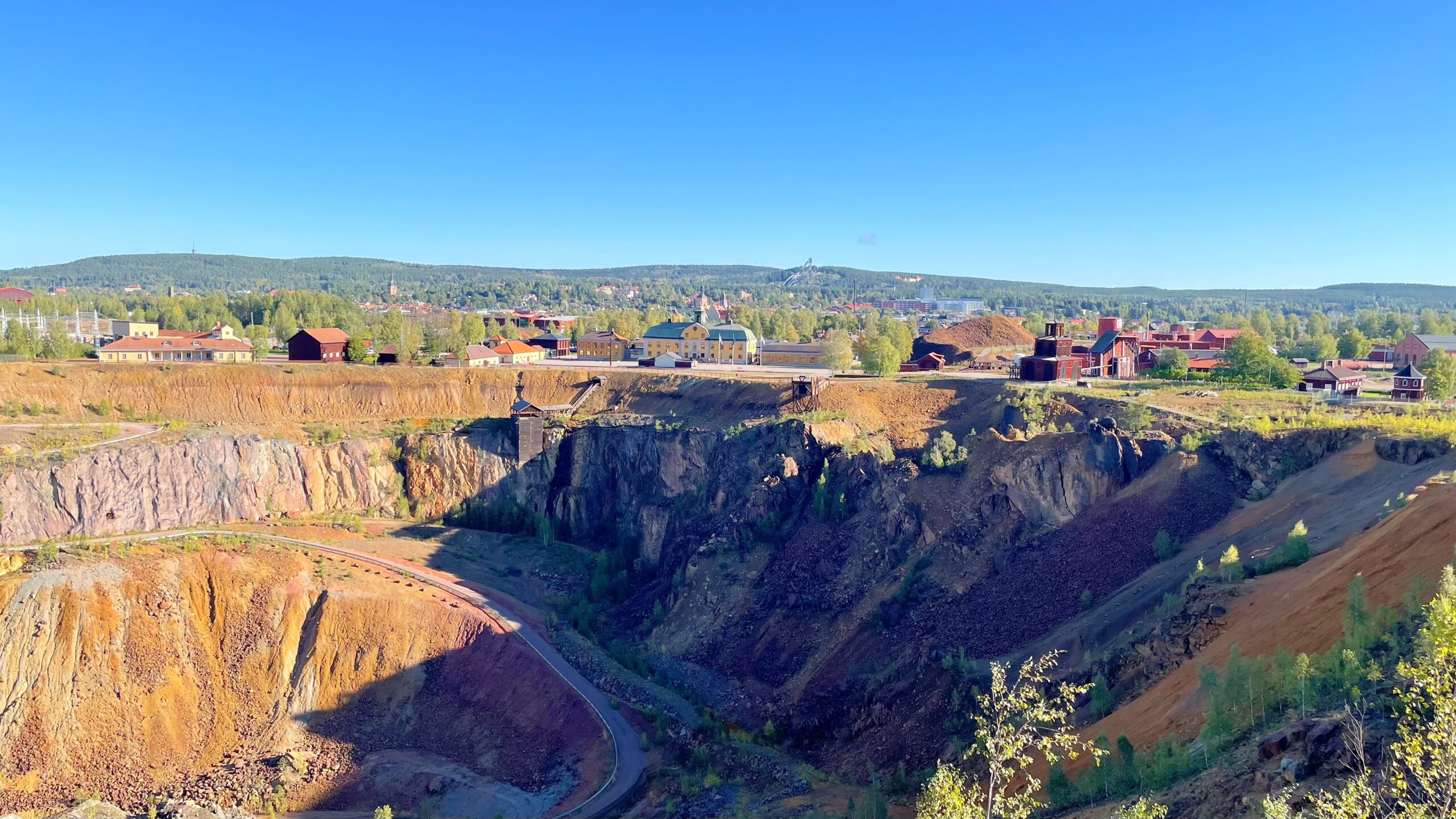
A family visit to Falun in Sweden. Today the skies are clear, but three centuries ago the air here was so thick with smoke and fumes that the heavens were rarely seen. When Carl Linnaeus travelled through Dalarna in the summer of 1734, he wrote of Falun’s air as foul and suffocating. It was then…
-
Floods, Mills and a Sunday Flush
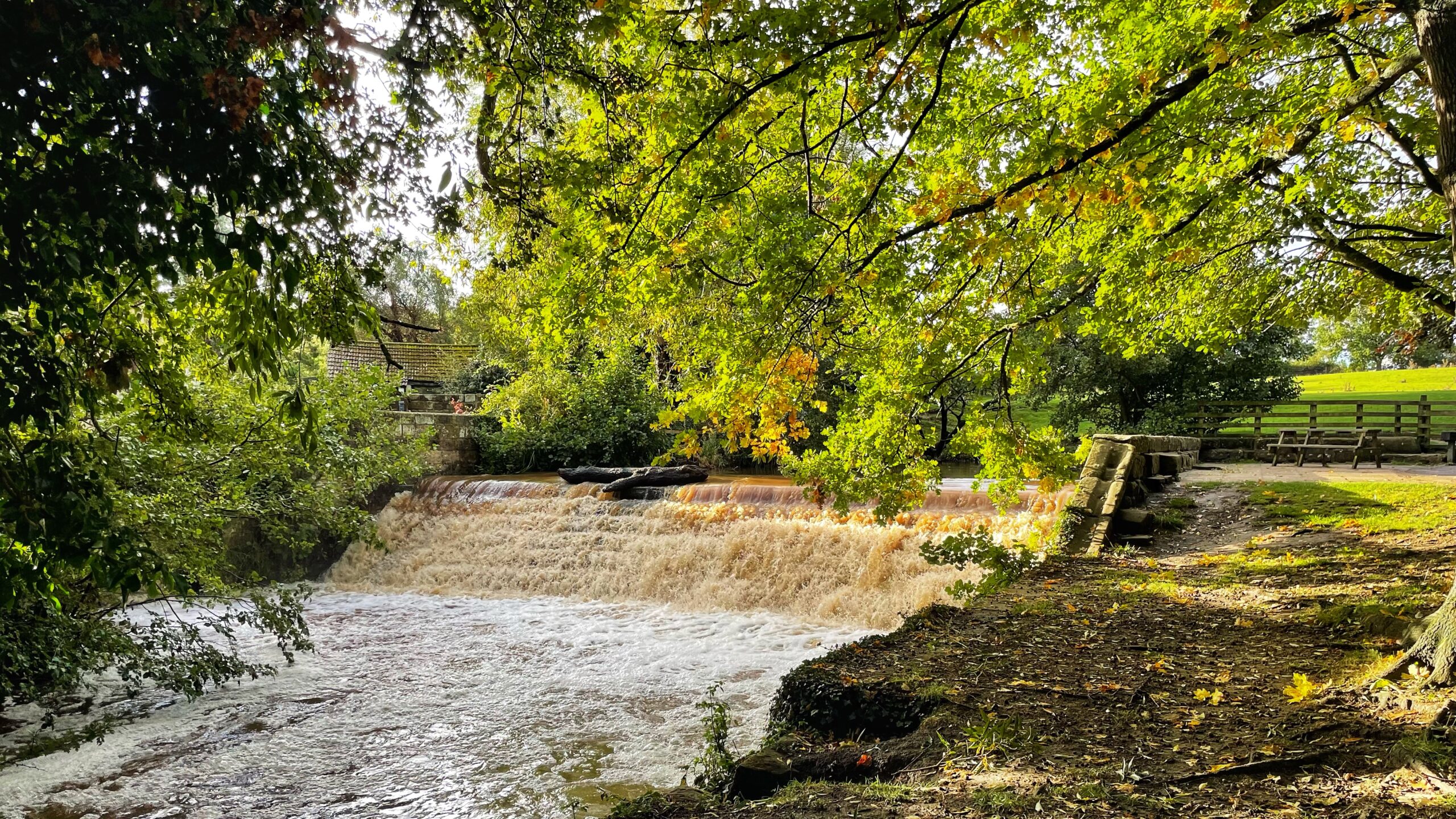
A flood warning late last night prompted me to wander down the village this morning and along the river. The so-called “waterfall” was in full spate, though hardly dramatic enough to warrant excitement. It is not a waterfall at all, of course, but a weir built in 1840 thanks to local benefactor Thomas Richardson. Its…
-
Easterside: Where a German Bomber Crashed
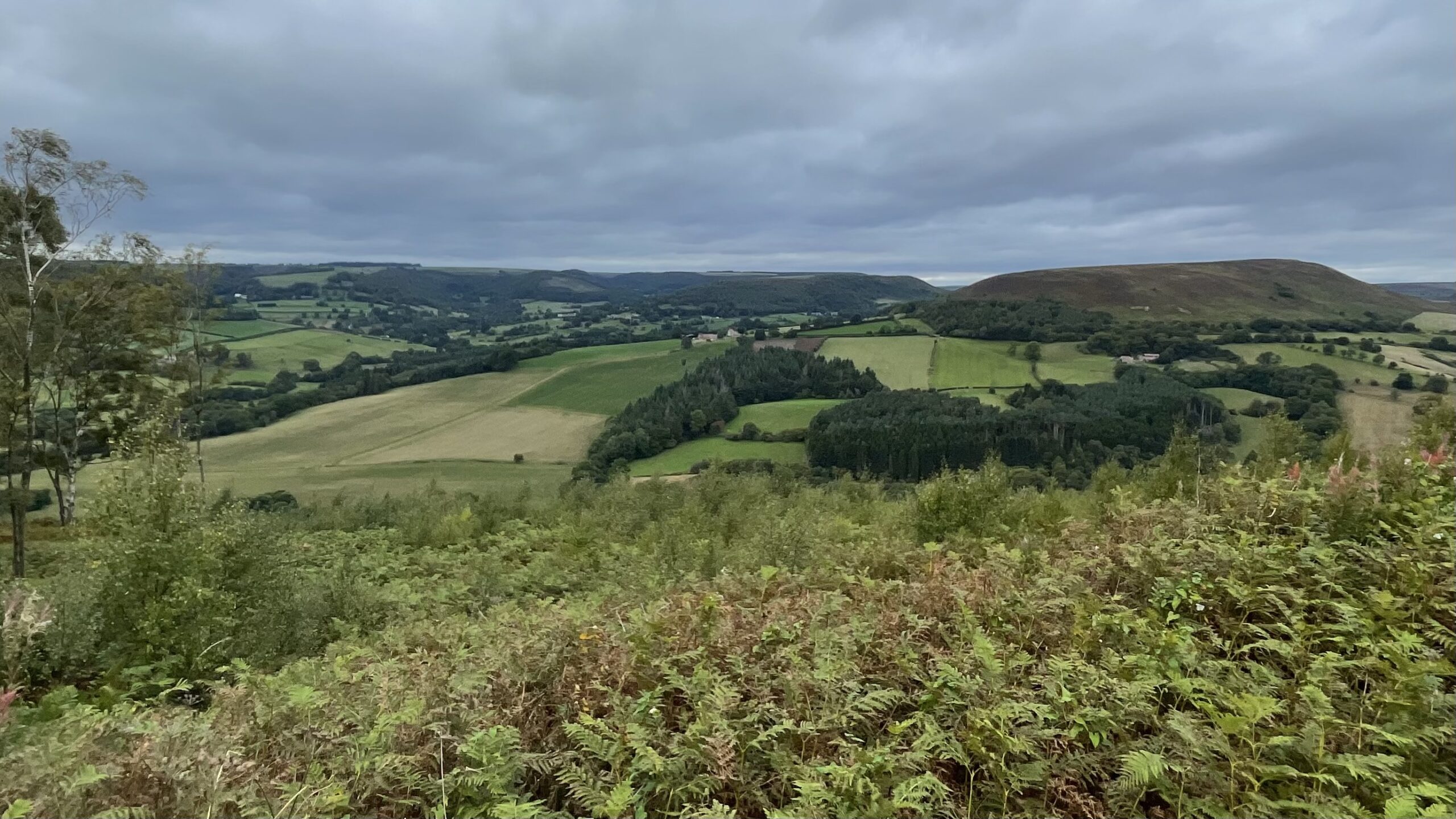
Easterside Hill stands guard over Bilsdale, yet is all too often passed by without a second thought. Perhaps it is too familiar, or perhaps the eye is stolen by the graceful turns of the B1257. Its striking form is no accident. A crown of Oolitic Limestone sits upon Calcareous Grit, itself resting on Oxford Clay.…
-
A Schoolmaster’s Ruttling Death
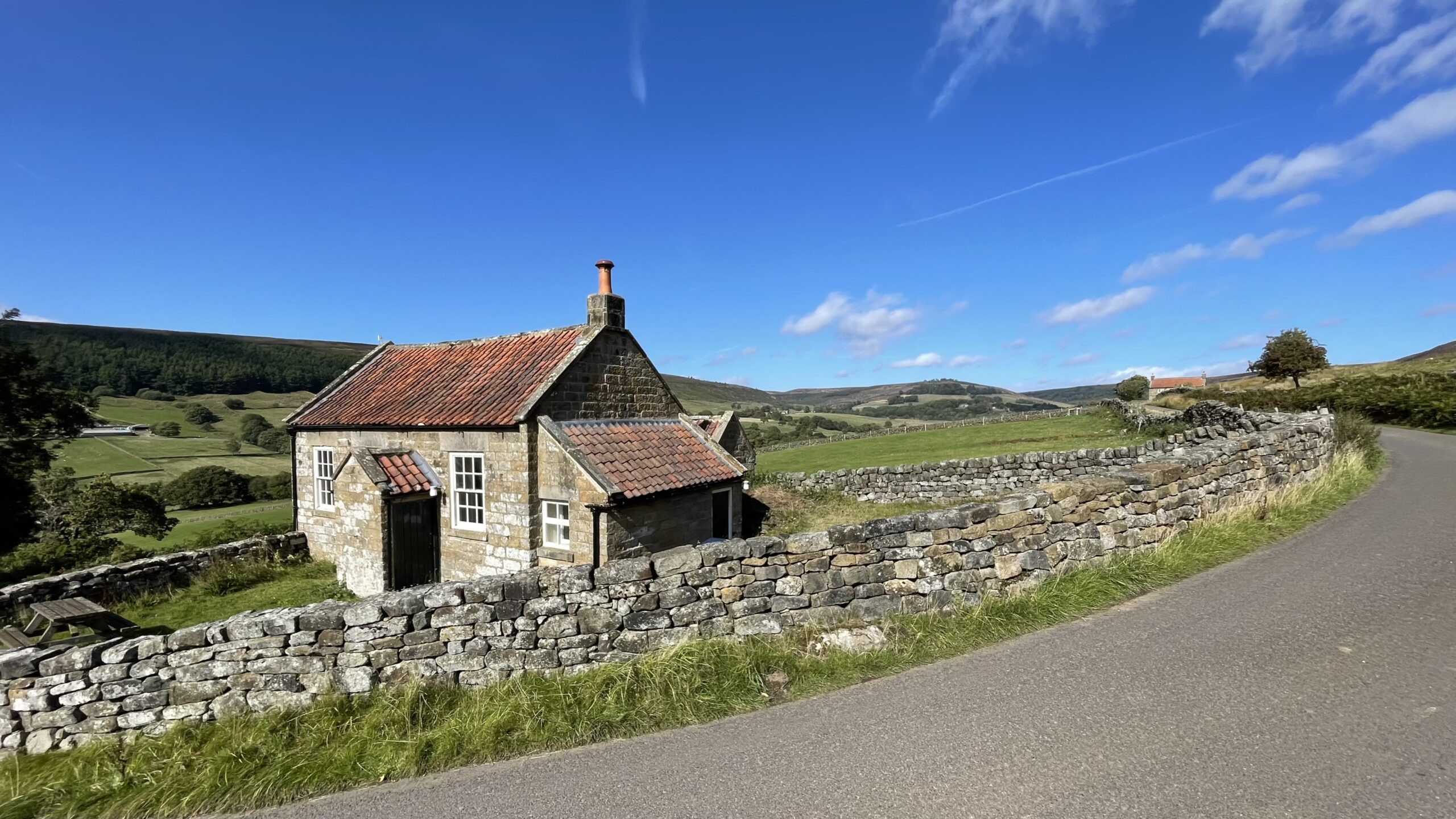
A day repairing a fence near the old schoolhouse, now a community centre for the dale’s families. Yet its walls may once have echoed with the rod and the recitation, for Bransdale’s children endured the Victorian discipline of Robert Johnson, their schoolmaster. And in 1874, Johnson met an end so vile that the newspapers thundered…
-
When Castleton Fed a Queen
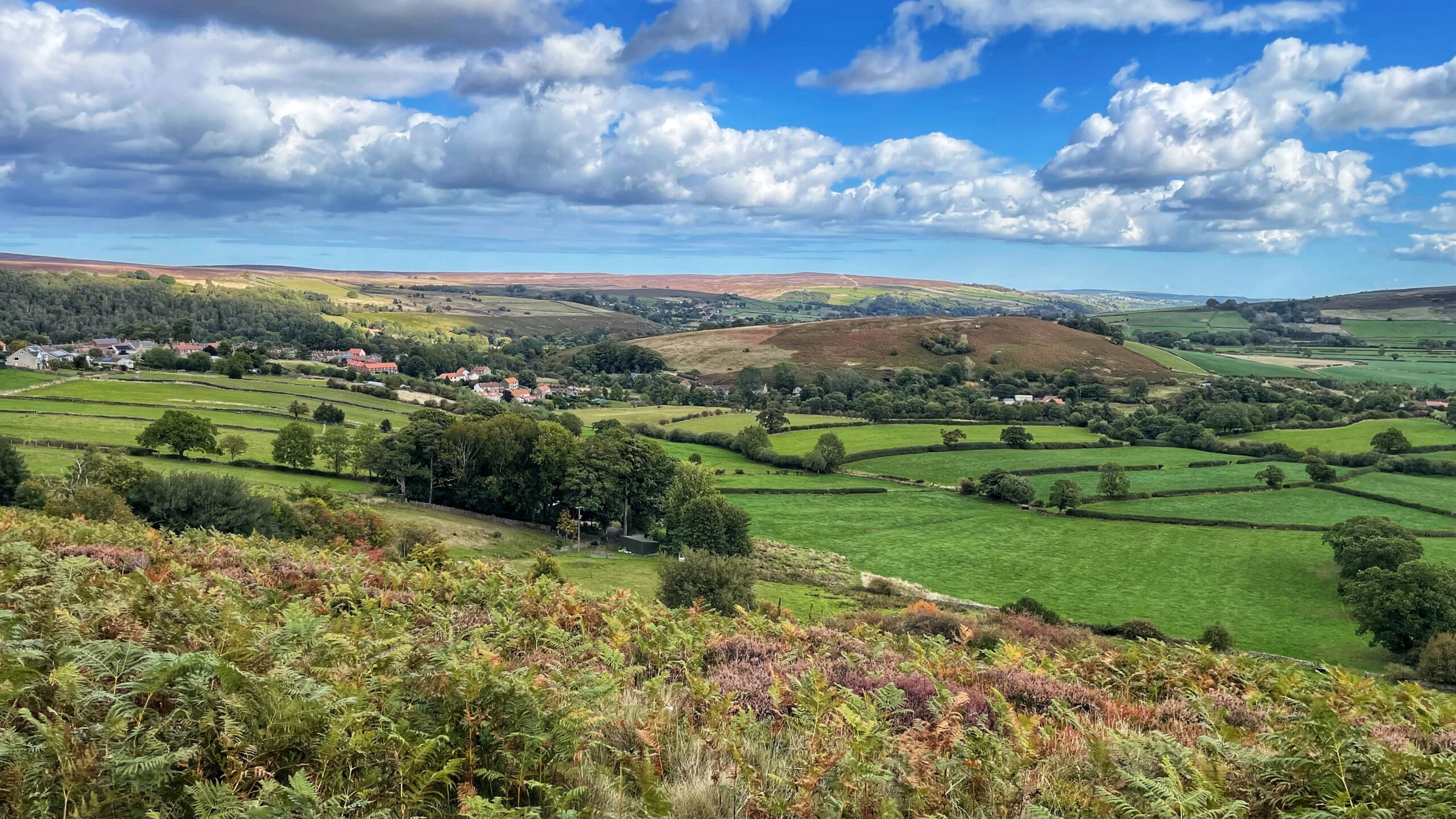
From Castleton Rigg above Danby Dale, the eye follows the curve of the valley. To the right stands The Howe, and to the left, on the lower ridge lies Castleton, a village whose name carries the echo of a medieval stronghold. The castle itself rose on Castle Hill around 1089, and with it came cottages…