Tag: 19th-century
-

Echoes in the Vale: The Ghostly Rise and Fall of Leven Vale Cottages
By the mid-1850s, “Ironstone Fever” had Cleveland in its grip. The success at Eston tempted the Trustees of the young Robert Bell Turton to open up the Kildale Estate through an 1855 Act of Parliament. Investors fell for the “rabbit hole theory” — the tall story that John Marley had stumbled upon Eston’s underground riches…
-
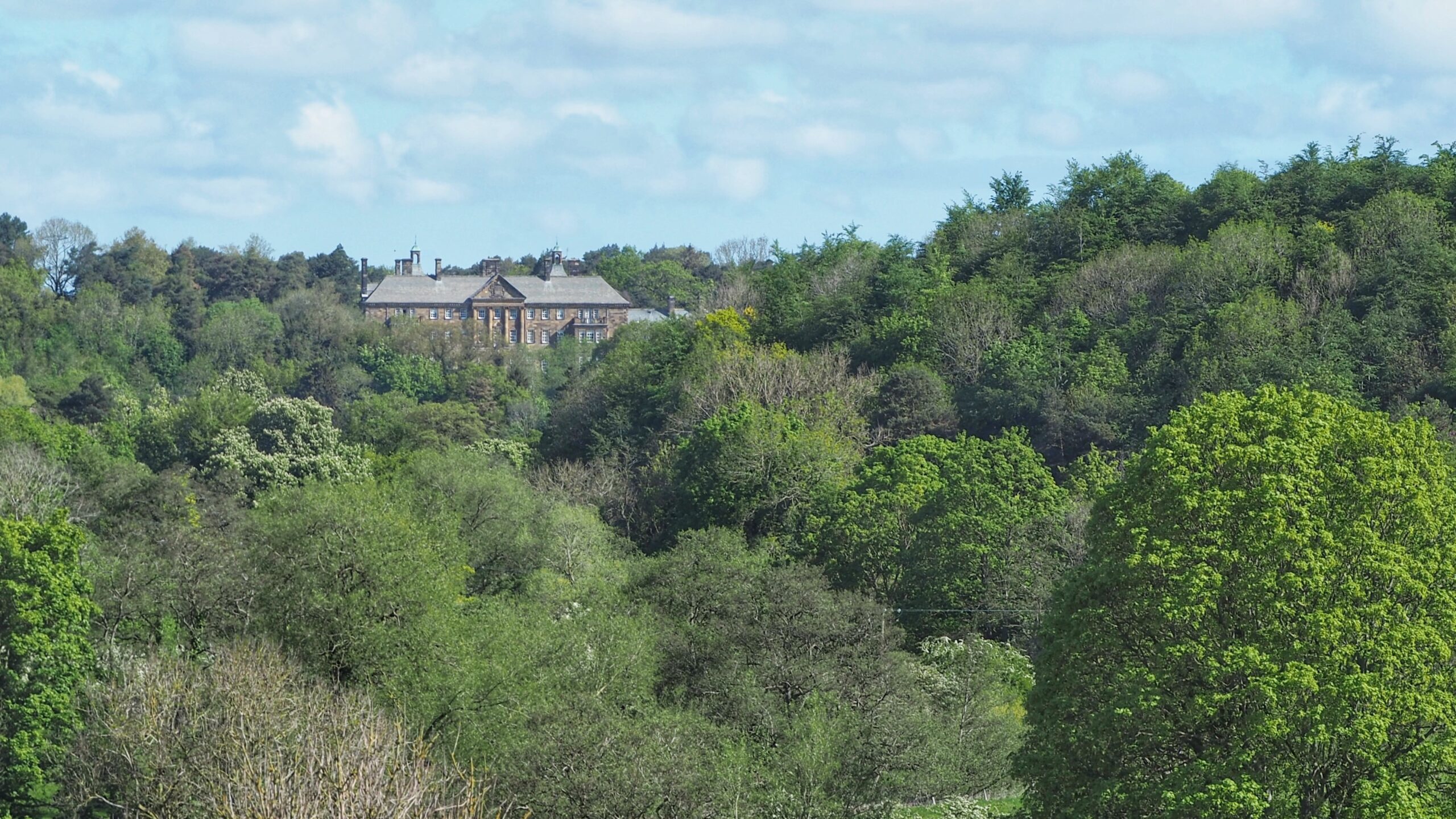
Crathorne Hall
Look at this fine house, which Pevsner described as “large and lavish”. Lording it over the Leven valley. It was built between 1903 and 1906 for a man named James Lionel Dugdale; Lord Dugdale to give him his title. Today, this building is an upmarket hotel. You will pay a lot of money to sleep…
-
A Murder at Kildale, 1871
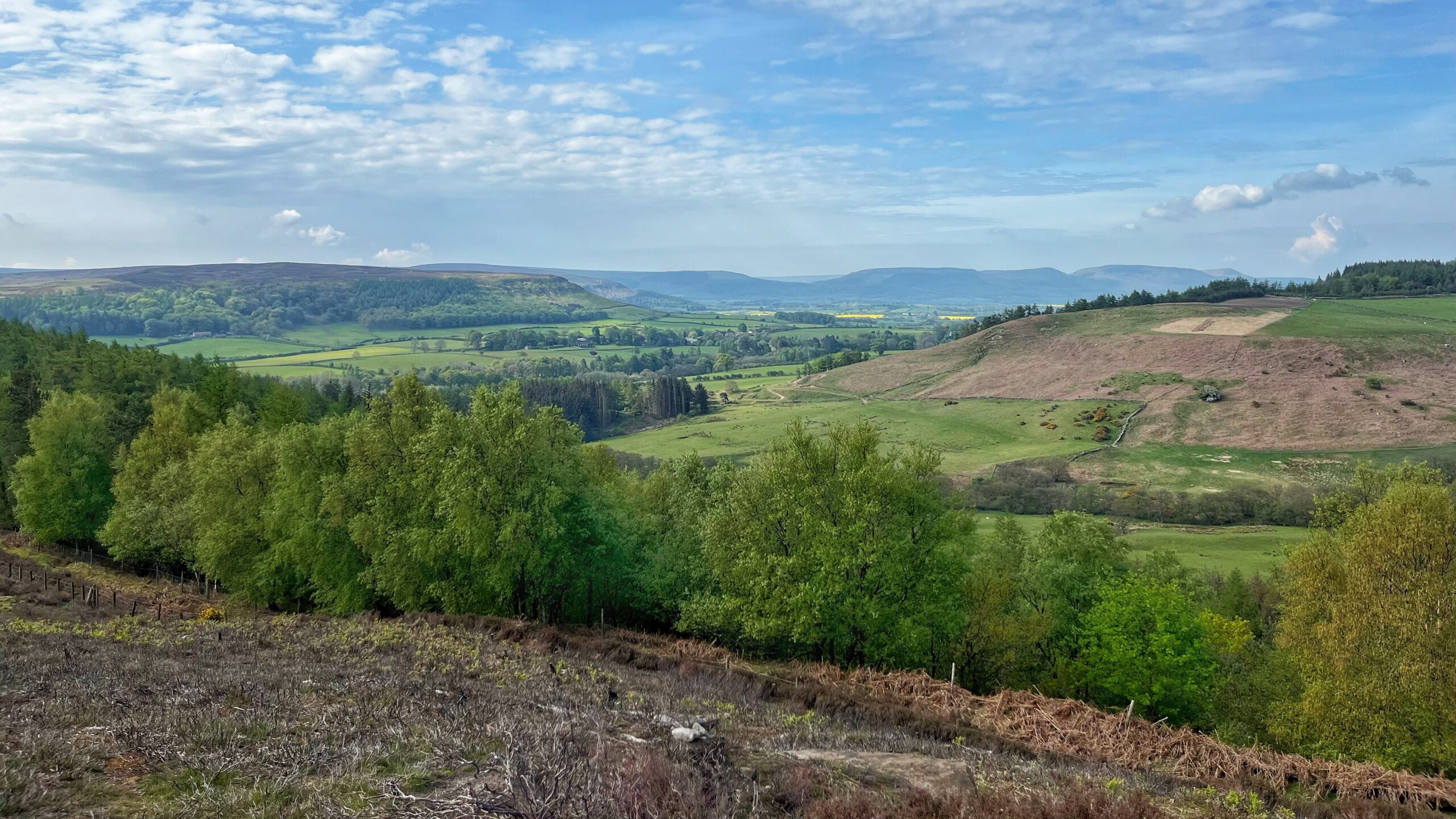
The view from the hills above Kildale, taken yesterday — when the weather was rather more agreeable than today’s thoroughly dreich conditions. The North York Moors is not the sort of place one associates with violent crime. Yet on the evening of Wednesday 16 August 1871, a quiet farm in Kildale became the scene of…
-
The Railway That Never Was: Helmsley to Thirsk, 1856
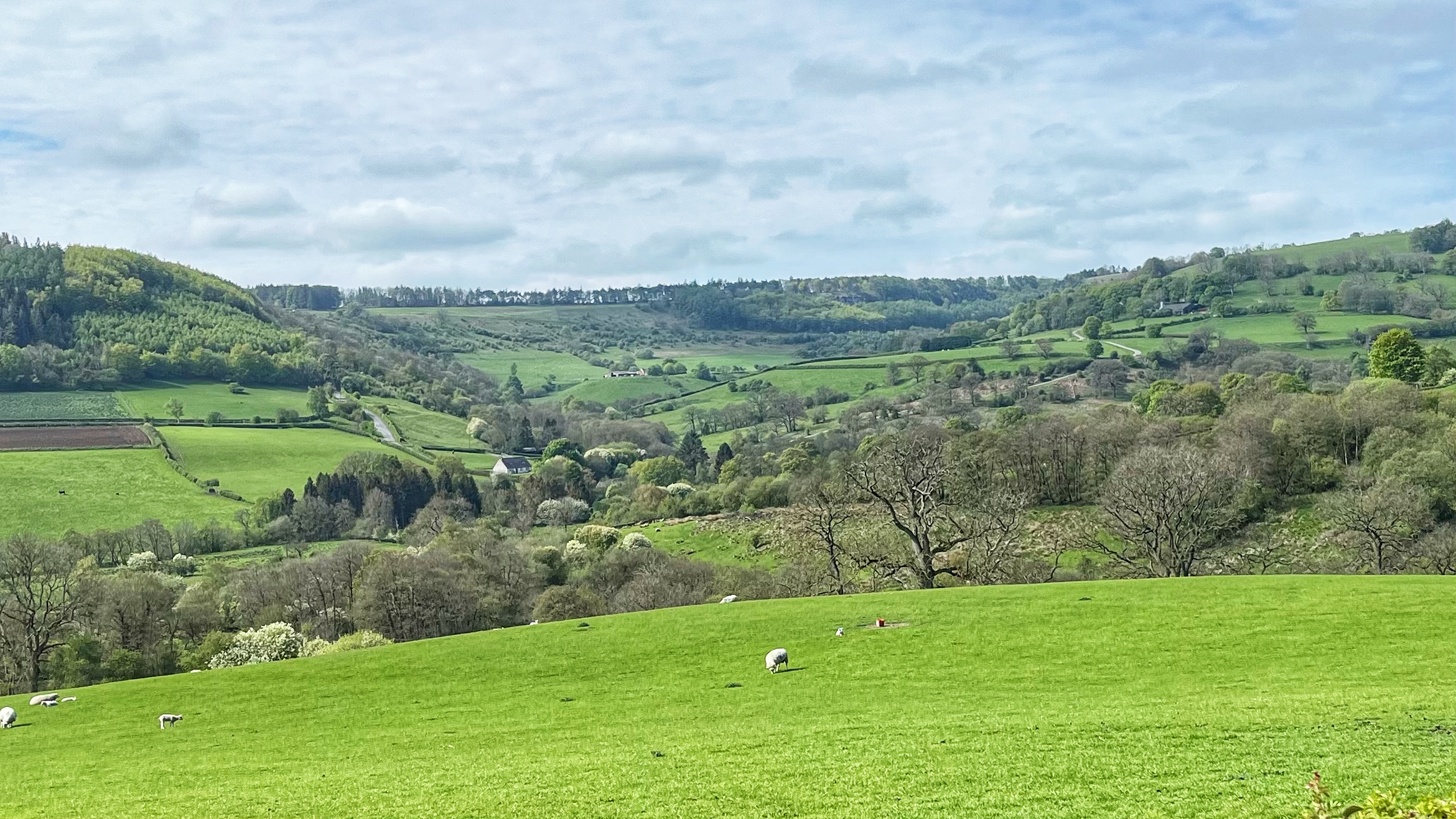
Look at this photograph of Gowerdale. Green, serene, and — rather importantly — entirely free of Victorian ironwork. It came within a whisker of being otherwise. By 1856, Britain’s great Railway Mania was already ancient history — or at least a decade-old hangover. The mid-1840s had seen 263 Acts of Parliament passed in a single…
-
Ridsdale Ironworks Pump House
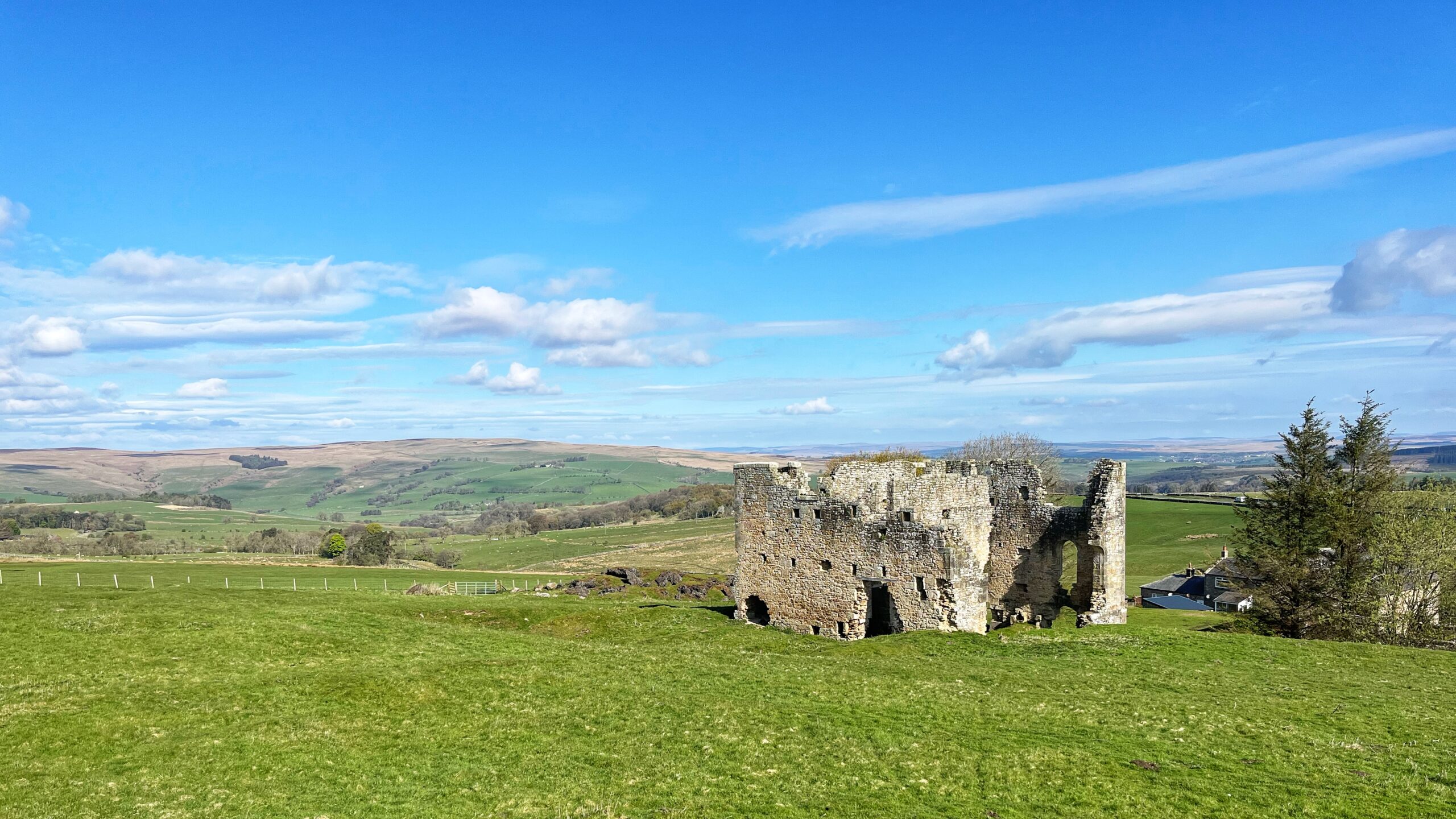
Driving along the A68 through Northumberland, most people might glance at these ruins below Ridsdale and assume they are looking at a medieval castle. They are instead looking at a Victorian industrial building — and one with a remarkable story. This engine house was likely designed to resemble a rugged border stronghold. In 1839, the…
-
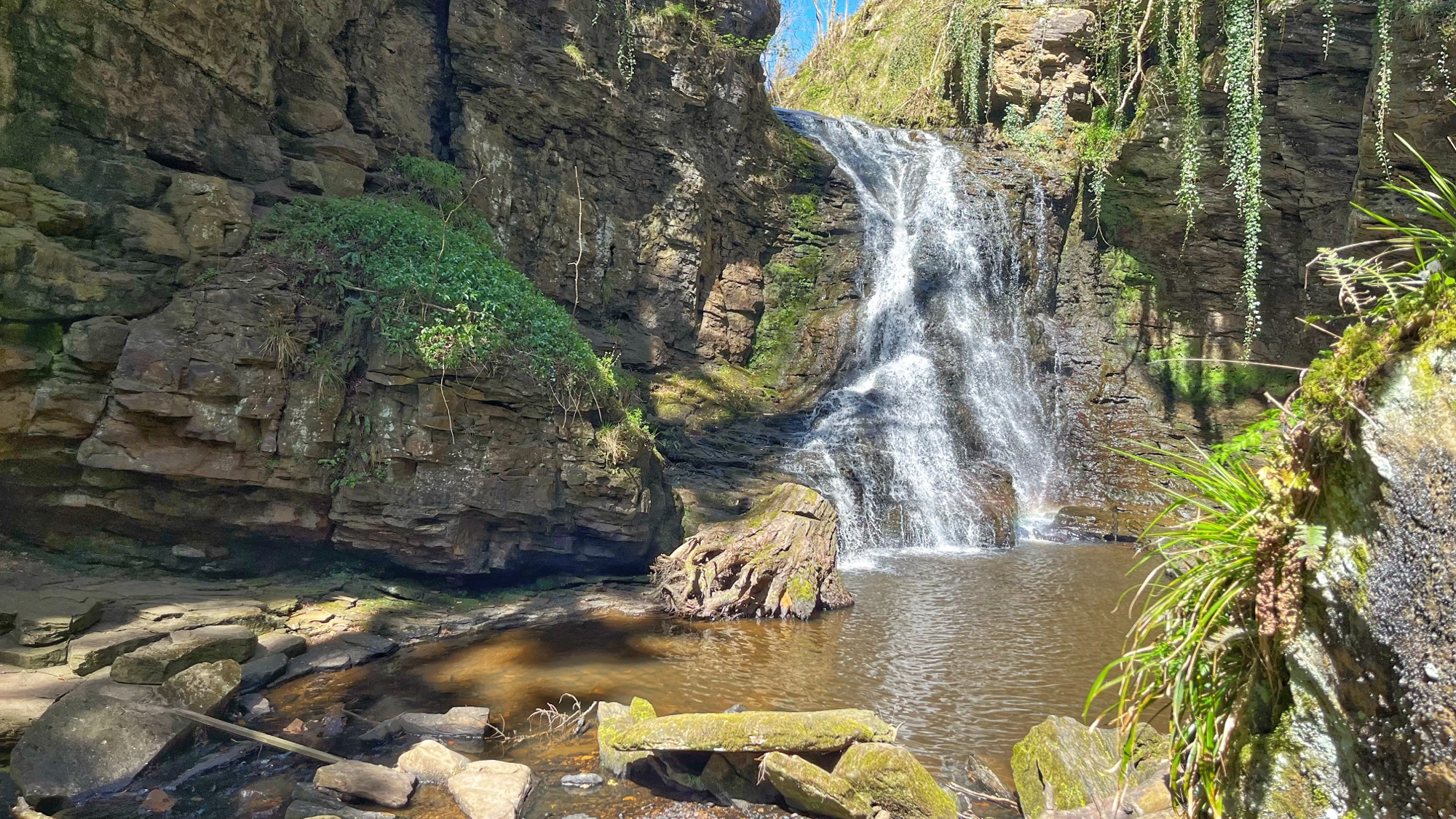
Hareshaw Linn: The Waterfall That Forgot Its Past
Standing here at the foot of Hareshaw Linn, I would swear nothing had ever disturbed this place. Dripping rock. Ancient ferns. A waterfall cascading thirty feet into a rust-brown pool. It feels, as one writer put it, like “an ancient rainforest.“ It is not. Not even slightly. As we discovered from the information board at…
-
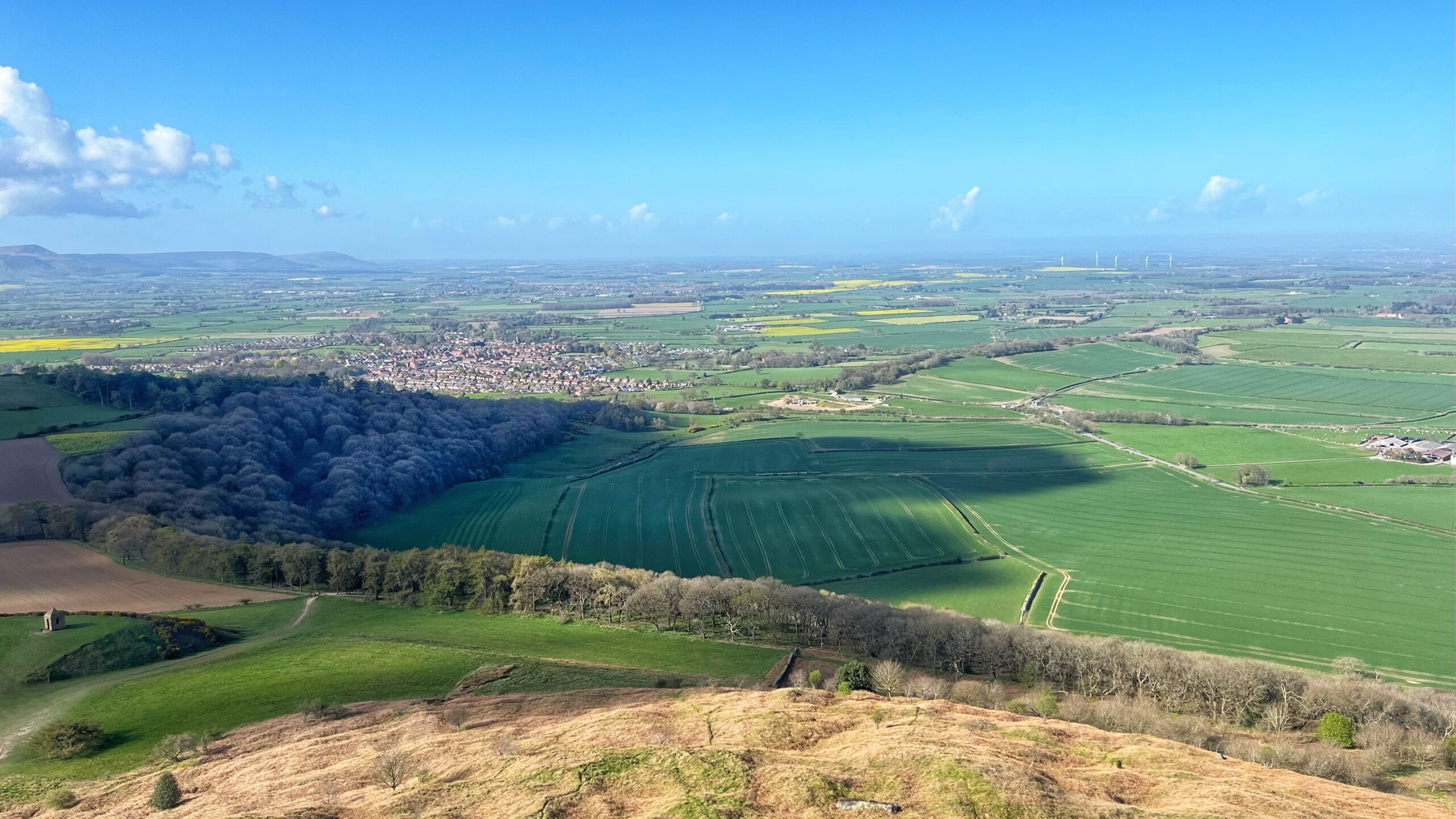
Hatless in Great Ayton
A deep shadow hangs over Newton Wood while Great Ayton basks in glorious Spring sunshine. I found this article in the Northern Weekly Gazette for 8th October 1869. It is a splendid little window into Victorian village life. “FRISKY JACK ELOPES WITH A LABOURER’S WIFE FROM MIDDLESBROUGH”. The quiet village of Great Ayton was, last…
-
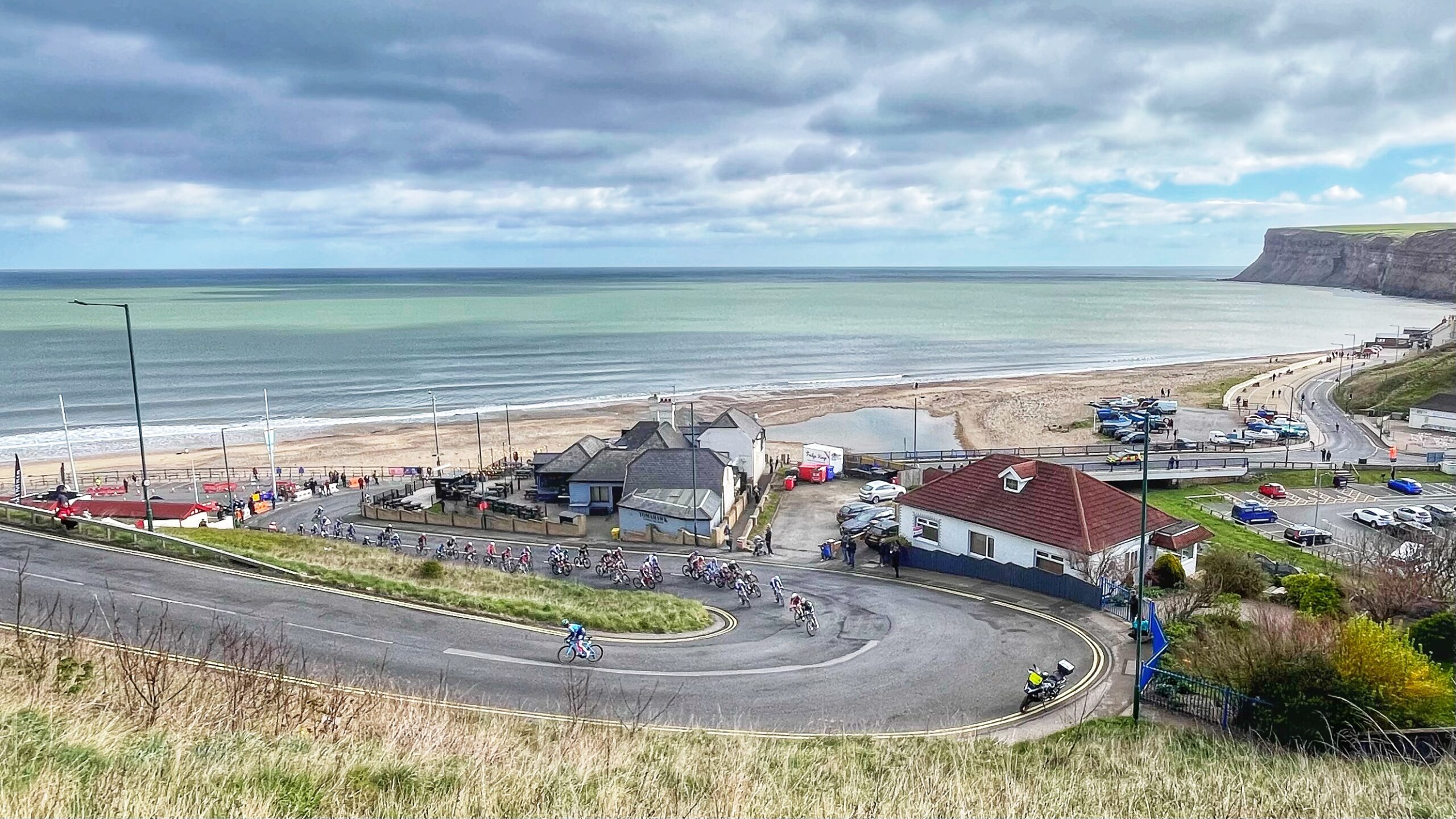
Grinding Up Saltburn Bank
These female athletes are grinding up Saltburn Bank in the 2026 East Cleveland Classic cycle race. They look powerful, focused, and gloriously free. In the 1890s, those same faces would have been handed a medical diagnosis. Doctors called it “Bicycle Face”. Victorian critics insisted that women’s “delicate” bodies were simply not built for the bicycle.…
-
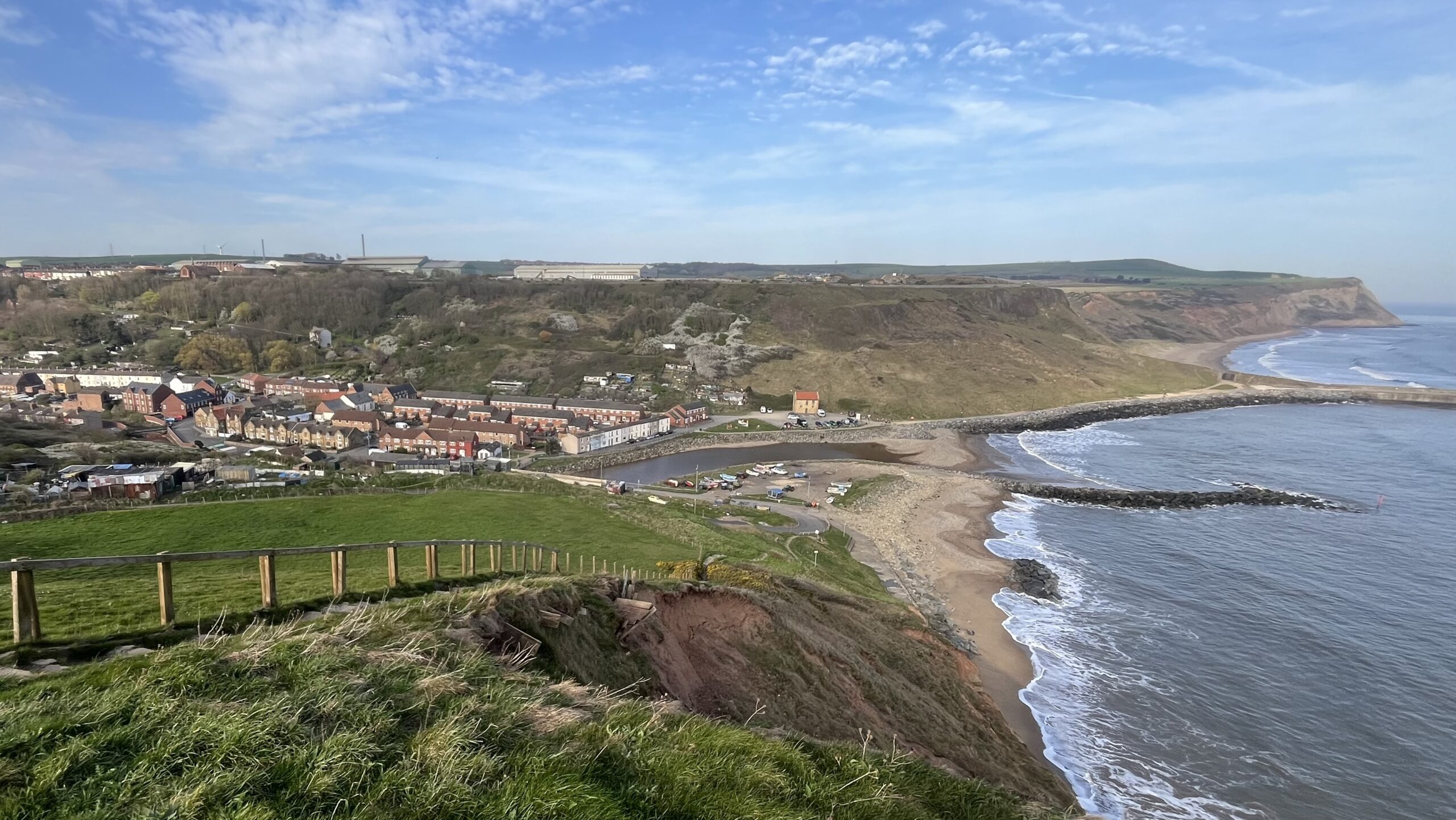
Skinningrove: Facebook History and Other Unreliable Gossip
Yesterday’s descent of Hummersea Cliff into Skinningrove. Terraced houses cluster around Kilton Beck where it meets Cattersty Sands. Rocky breakwaters hold back the North Sea, which is doing its level best to reclaim the shore. The wooden shoring in the foreground is losing an argument with coastal erosion. Will this be the first instance of…
-
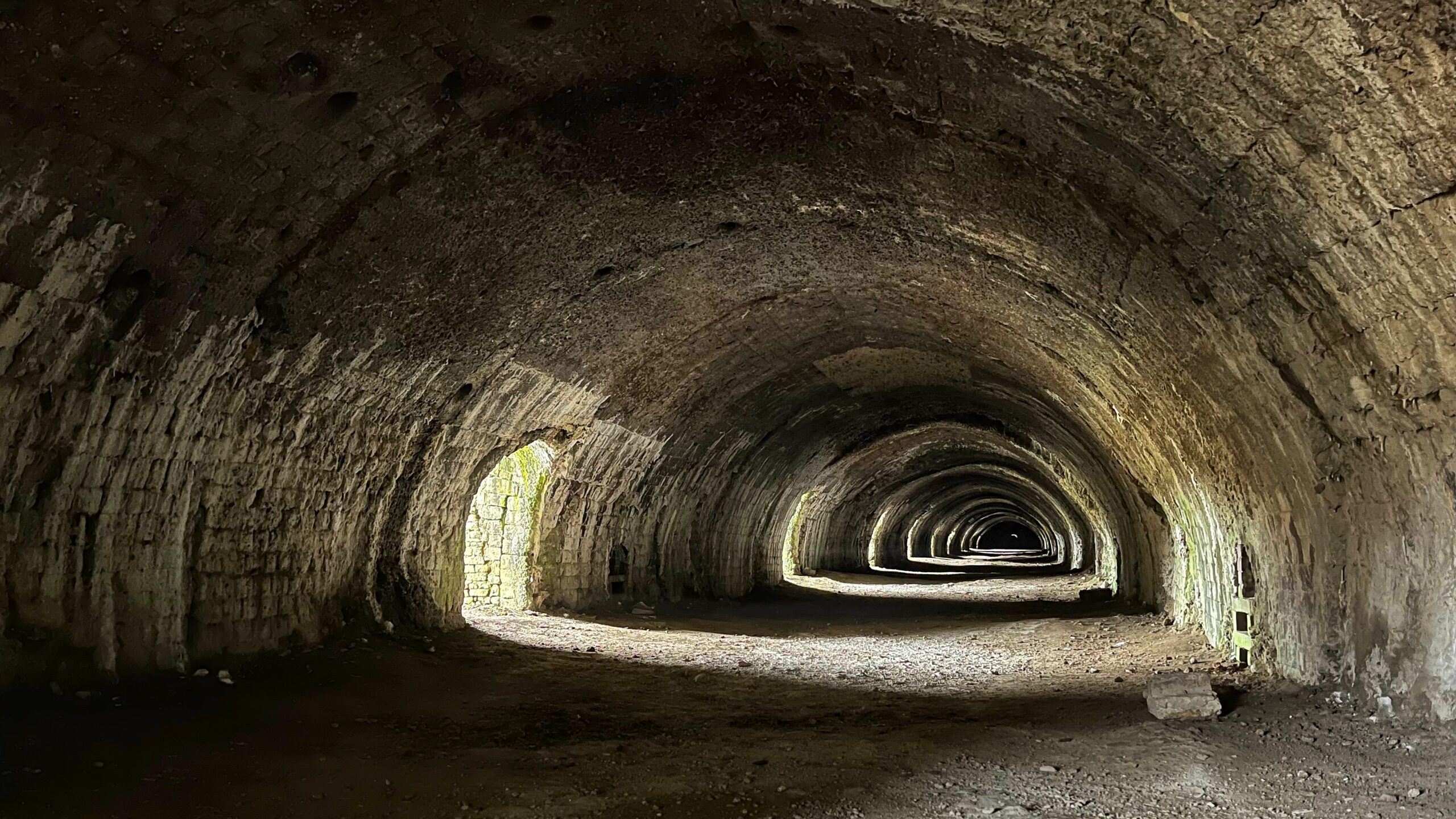
Langcliffe Quarry and its Hoffman Kiln
Langcliffe Quarry was once a place of serious industry, producing lime from the late 1800s to the early 1900s. The remains of three types of kiln still stand here: the Triple Draw, the Hoffmann, and the Spencer. Together, they tell the story of how lime production lurched from the pre-industrial age into the modern world,…