Tag: 19th-century
-
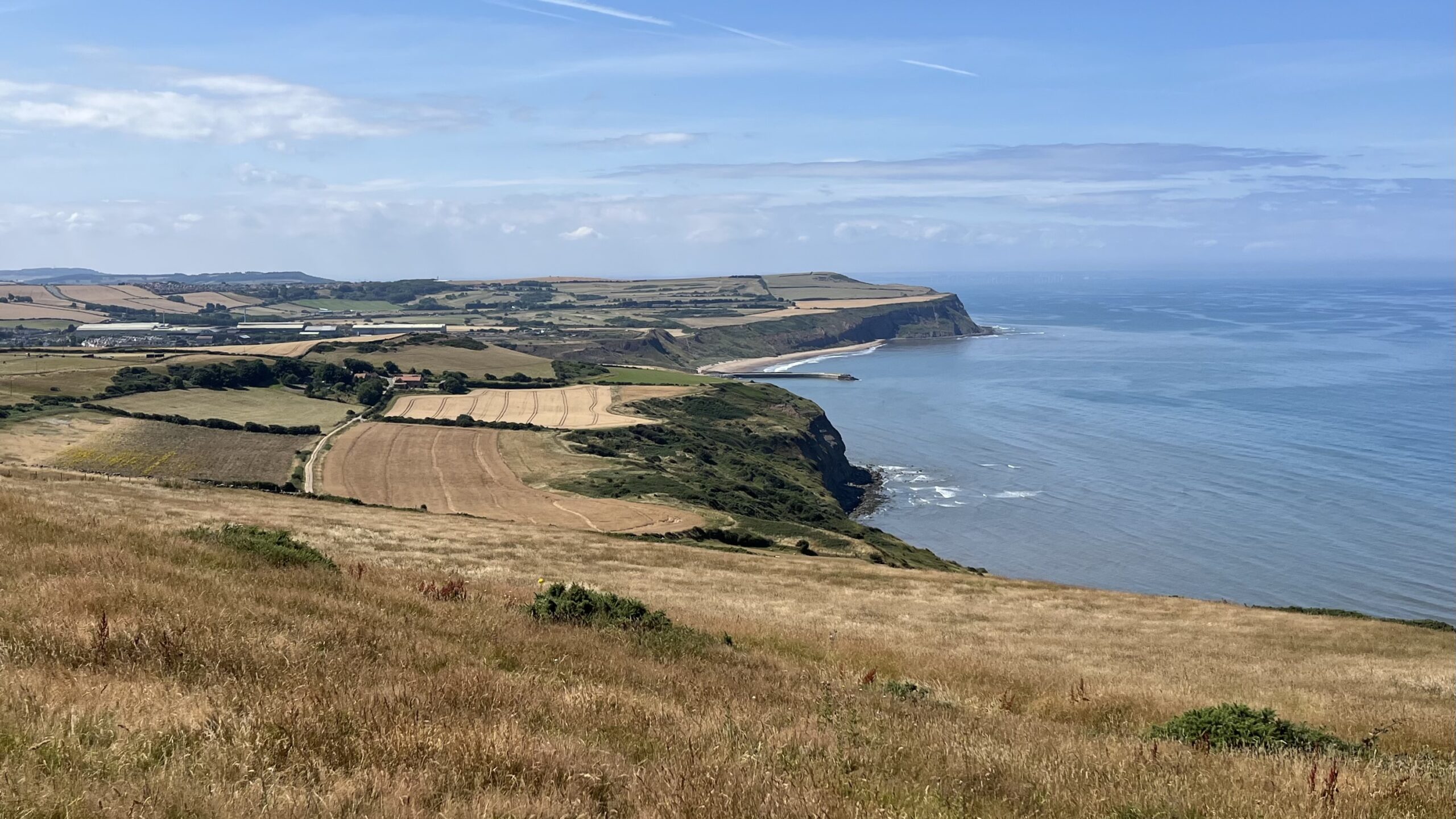
The cliffs at Hummersea, where the sea gave back what it took
In February 1886, the barque Cervantes hit rocks off Kettleness in a snowstorm, her crew tossed about all night in open boats before rescue found them. That is the shipwreck story. But the coast had another story waiting, and this one belongs to the people, not the ship. Eleven hundred tons of coal and coke…
-

Petlar’s Bridge Quarry: A Brief Flirtation with Industry
I must have cycled past this old quarry near Petlar’s Bridge a couple of dozen times or so since the plantation hiding it was felled, and it has since been on my list to write about. The quarry likely pre-dates the Eskdale railway by half a century. One unverified internet source claims whinstone was extracted…
-
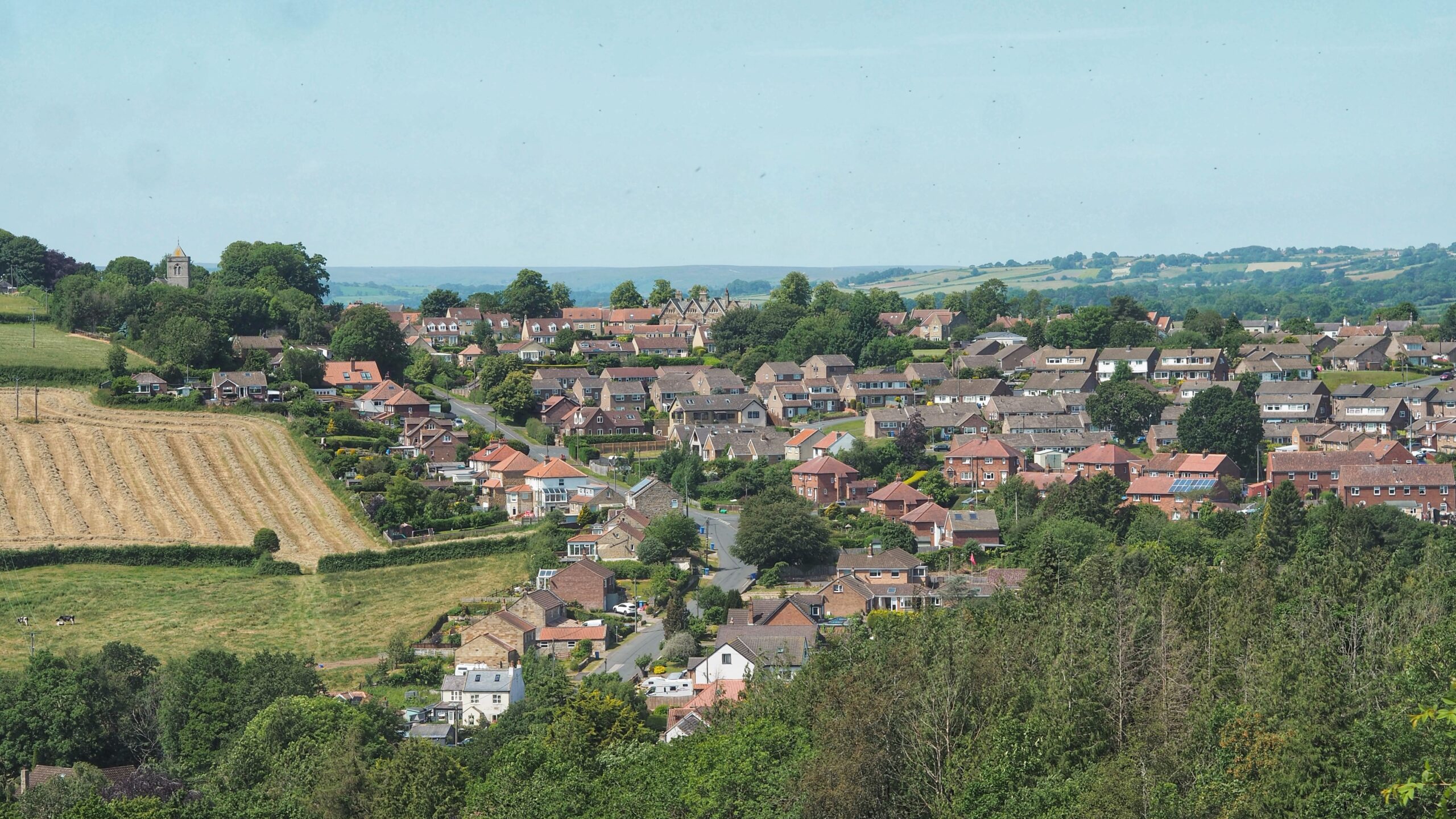
Iburndale: The Industrial Revolution Missed Its Stop
I must admit I can’t recall ever passing through Iburndale — certainly not on a bike, and that hill is steep. Sleights many times of course, but Iburndale feels such a contiguous part of Sleights, containing that same 20th-century housing favoured by retirees and the commuters of Whitby. The old village, once clustered around the…
-
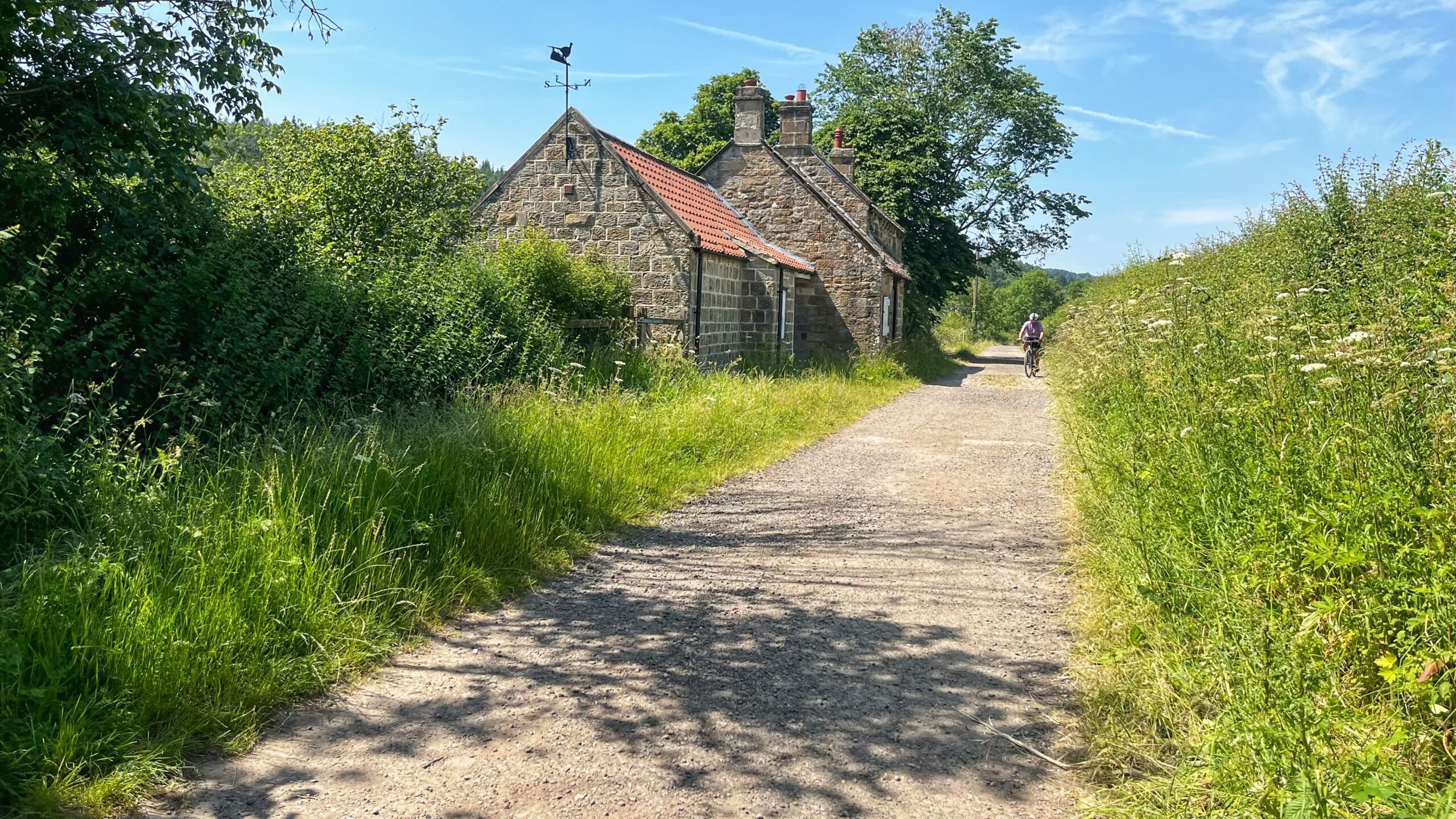
Barnaby Toll Road: Even the Dead Paid to Pass
A gravel track on a baking summer day runs through lush green verges high with cow parsley and nettles. To the left stands Toll Cottage, an 18th-century stone building with a terracotta pantile roof and a weather vane on its gable. Before tarmac, before bypasses, before anyone thought roads should be free, there was Barnard’s…
-
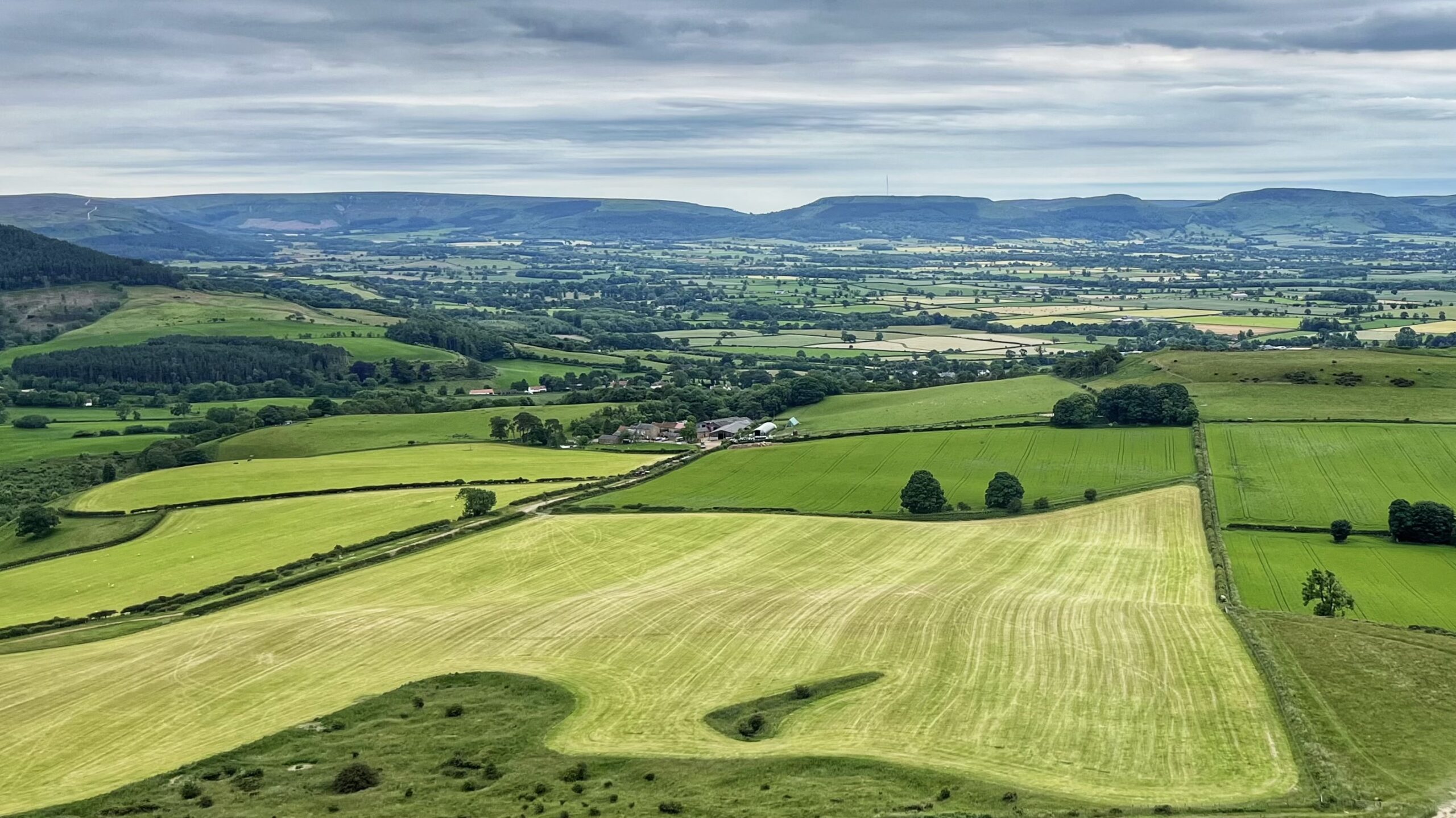
The Field That Keeps Its Secret
This never fails to make me smile. That teardrop island and the stubby little peninsula — where the farmer at Aireyholme cuts around rather than through — mark where the ground has quietly given up. They sit at the outer edge of the old Roseberry Mine ironstone workings. The miners used what they called “bord…
-

Gloup Voe: The Day the Voe Went Silent
Look at Gloup Voe now. Serene. Quiet. Almost insulting in its calm, given what happened here on 20 July 1881. My previous post covered the haaf fishing station at Fethaland, but the station at Gloup is something else entirely. That Wednesday morning, the North Yell fleet put out into what the men called a “day…
-
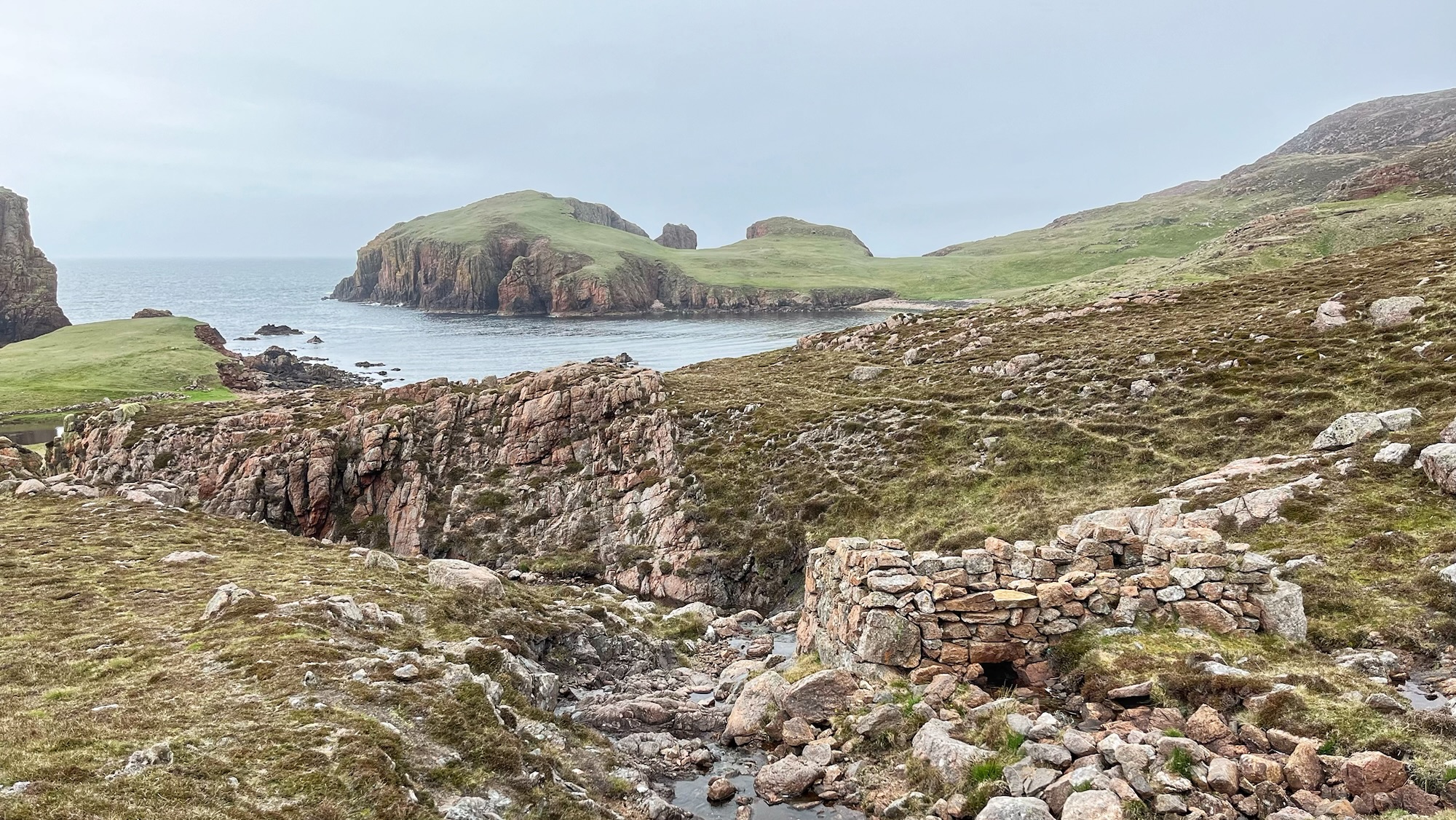
The Hams Mill
If it is not brochs, it is clack mills. On Shetland, you cannot seem to avoid one or the other, which is really no bad thing. This one sits at North Ham on the spectacular coast of Muckle Roe. “Ham” comes from the Norse for harbour. A weatherworn signpost points the way, just about legible…
-
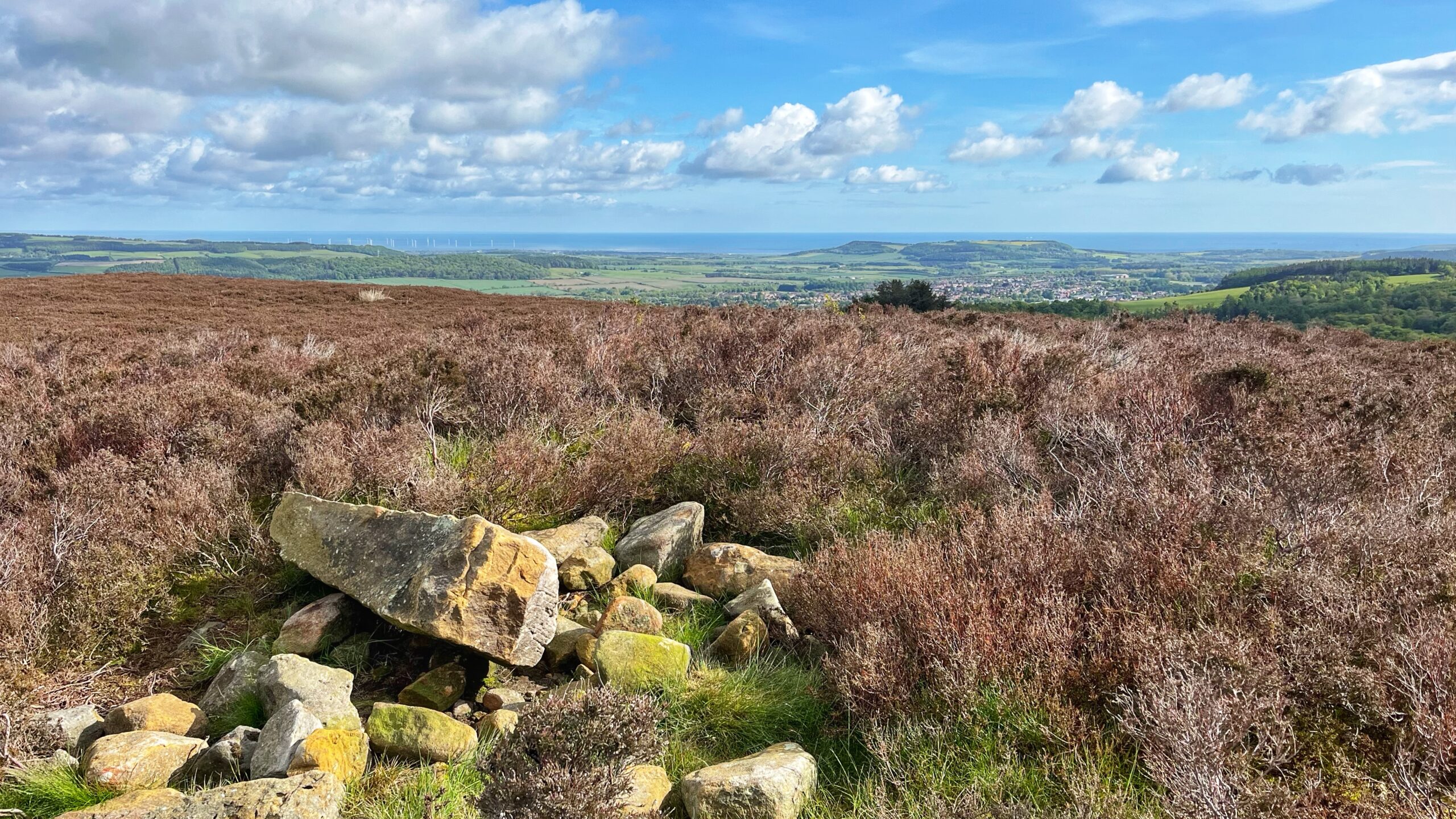
A Morning on Newton Moor
Word had reached me that this nineteenth-century boundary stone, marking the old parish line between Hutton Lowcross and Newton, had fallen over. It has not been broken, nor properly buried — just balanced upright and packed around with a few small stones. Frankly, it is rather remarkable that it stood for over 200 years. Or…
-

The House That Roads Built
Standing on Cliff Rigg on an overcast May morning, the view is, not to put too fine a point on it, rather spectacular. The valley of the River Leven spreads below, patchwork fields rolling away to the Cleveland Hills, and a small cluster of houses sits quietly along Dikes Lane. One of them stops you…
-
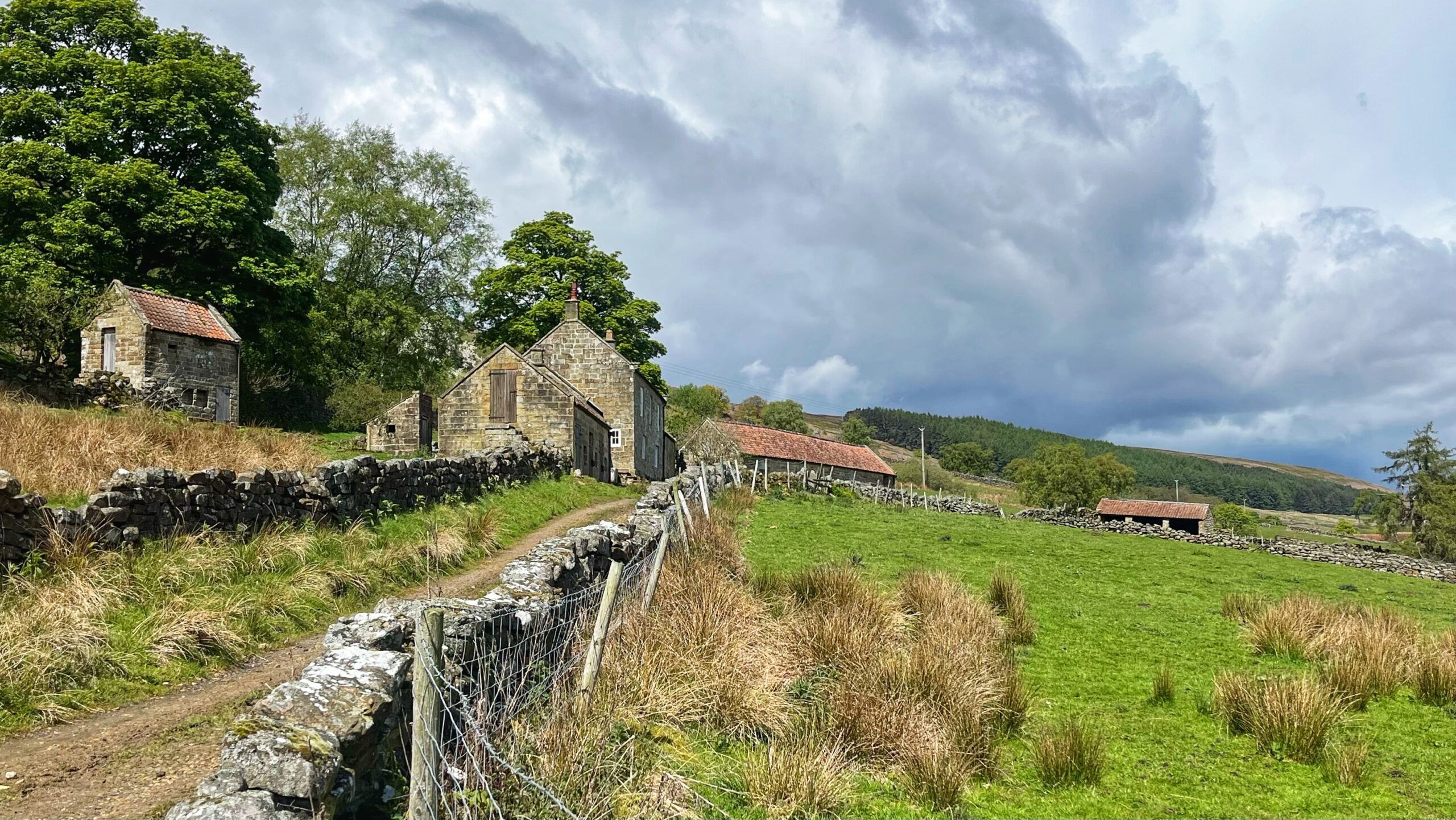
Elm Houses: A Story of Two Bransdale Farms
Tucked into a remote part of Bransdale, Elm Houses has a history worth telling. What is today one tidy holiday cottage surrounded by idle farm buildings was once two entirely separate farms: High and Low Elm House. On the right stands High Elm House, a long 18th-century range. A lintel stone dated 1780 records its…