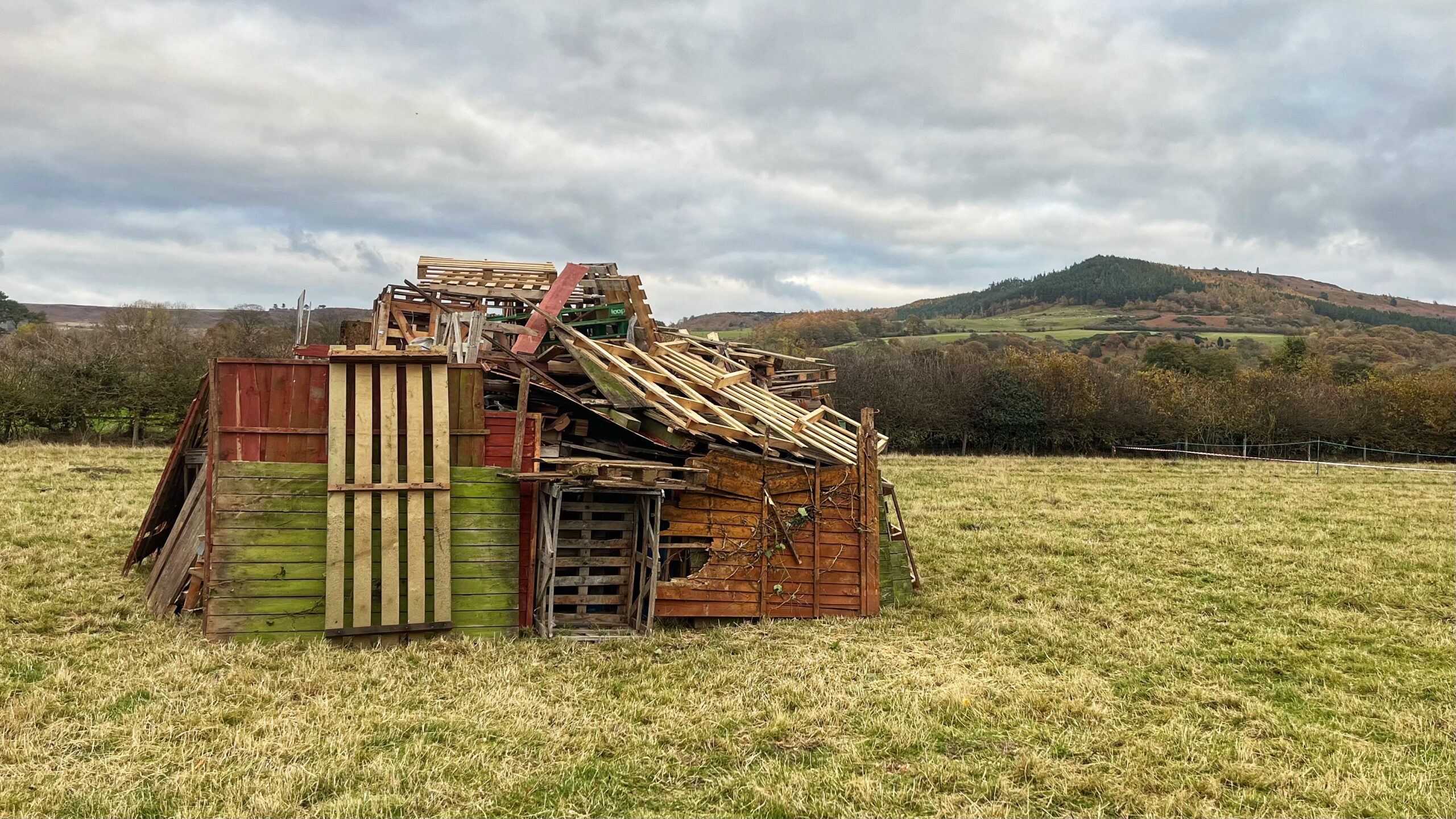
In 1605 a plot to kill James I, blow up Parliament and set off a Catholic rebellion failed. Parliament responded by ordering an annual day of thanks. Few needed persuading. Bonfires already marked Elizabeth I’s accession on 17 November, and burning the year’s debris predates Christianity. The Act of 1605 gave an old habit a licence.
I spent this morning stacking pallets, about 100 of them, and old fencing for tonight’s display organised by the village scout group. In a field it looks harmless. The bill arrives elsewhere.
Who pays1Nahidi, Narmin. “Fireworks provide a few minutes of joy, but the economic and environmental costs last much longer.” The Conversation. 4 Nov, 2026. https://theconversation.com/fireworks-provide-a-few-minutes-of-joy-but-the-economic-and-environmental-costs-last-much-longer-295775
- England recorded 123 hospital admissions attributed to fireworks in 2024-25, a figure that excludes anyone treated without admission.
- Air monitoring shows short spikes in fine particles around Bonfire Night.
- A peer-reviewed Dutch study found roughly 1,000 times as many birds in flight during New Year’s Eve fireworks, with disturbance reaching several miles.
Economists call this a “negative externality“: we enjoy the show and strangers settle part of the account. Fireworks do have value. Imports averaged £27 million a year from 2021 to 2024, though that figure says nothing about what a ban would save. The government consultation closed in October with more than 140,000 responses, so somebody now has to do the sums.
- 1Nahidi, Narmin. “Fireworks provide a few minutes of joy, but the economic and environmental costs last much longer.” The Conversation. 4 Nov, 2026. https://theconversation.com/fireworks-provide-a-few-minutes-of-joy-but-the-economic-and-environmental-costs-last-much-longer-295775 ↩︎
Leave a Reply