Category: Great Ayton
-

Easby Lane Housing Development: Uncovering the Anomalies
I climbed up to Easby Moor before the heat settled in. From the top I could clearly make out the arable field on the edge of Great Ayton that has been earmarked for 68 new houses. It is the field just right of centre, with a crop that is still green. It is easy to…
-
The Purple Patch: Why Farmers Are Falling for a Foreign Flower
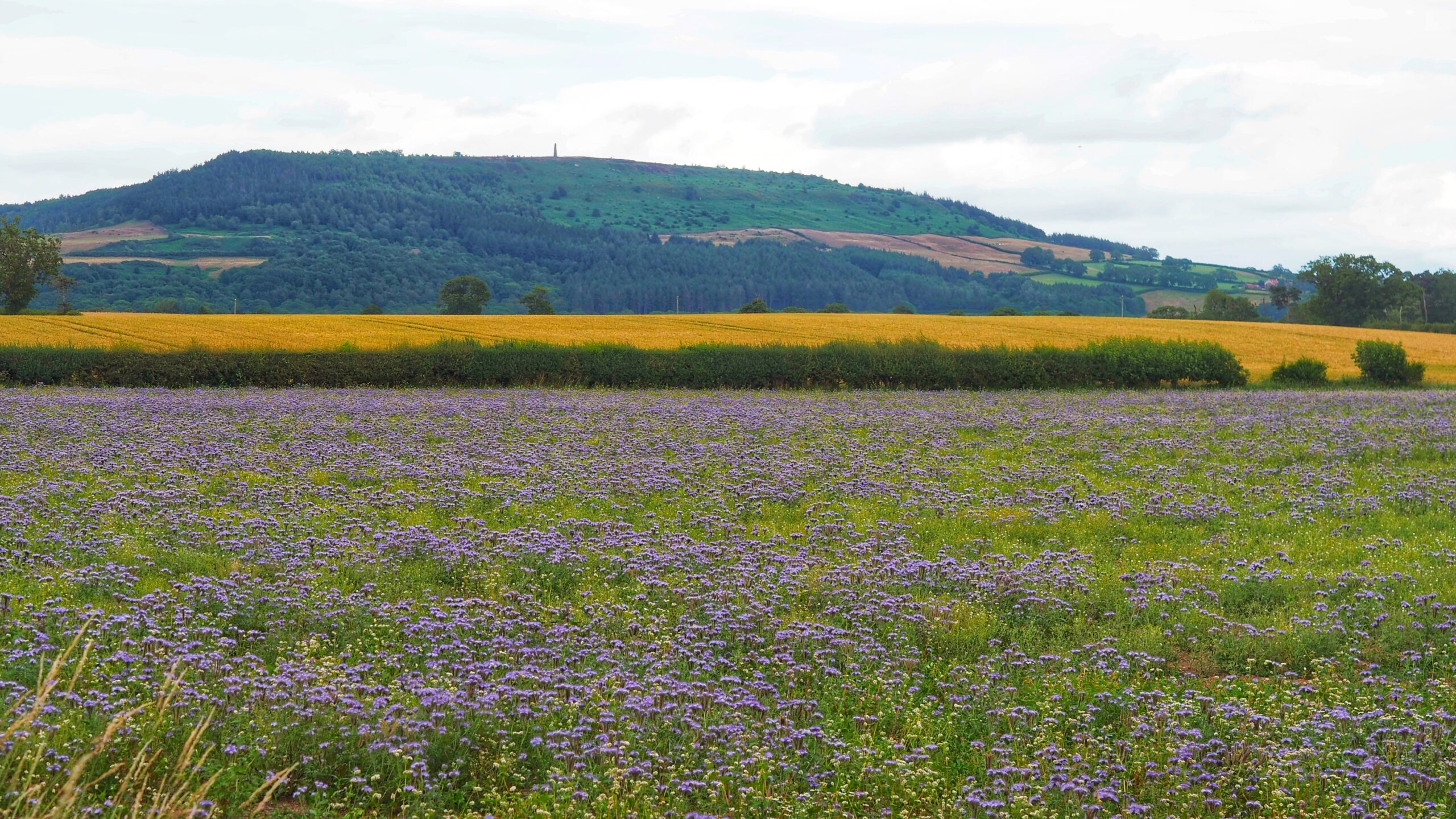
A field of Phacelia, blooming lavender-blue, with Capt. Cook’s Monument keeping watch on the skyline behind it. One local farmer explained the appeal on Facebook: “The blue/purple flowers in several of our fields this year are Phacelia. A fast growing, beautiful cover crop that attracts pollinators with its nectar rich lavender blue flowers; adds a…
-
The Field That Keeps Its Secret
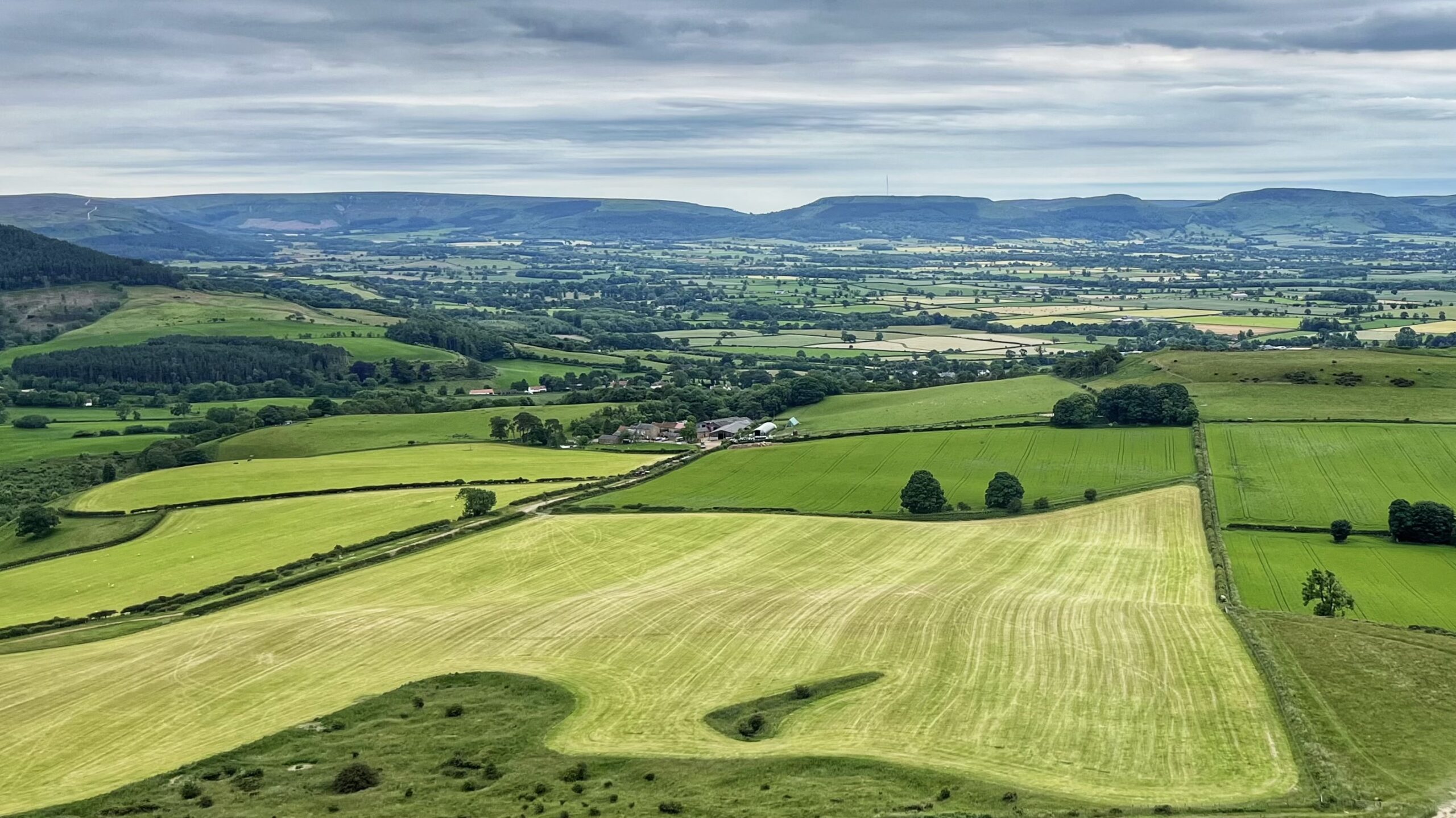
This never fails to make me smile. That teardrop island and the stubby little peninsula — where the farmer at Aireyholme cuts around rather than through — mark where the ground has quietly given up. They sit at the outer edge of the old Roseberry Mine ironstone workings. The miners used what they called “bord…
-
Before the Path Gets Upgraded
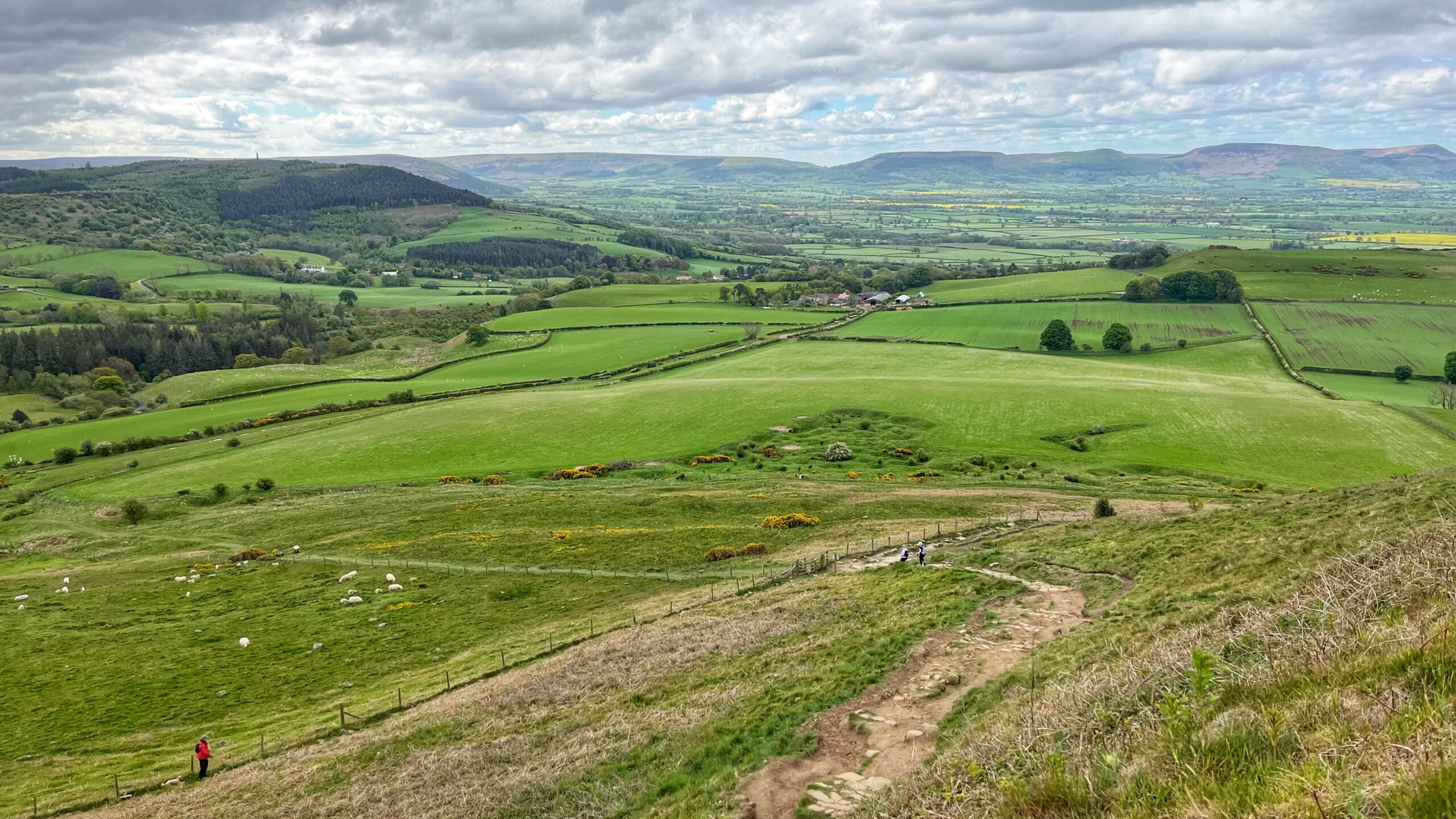
Yesterday I climbed Roseberry Topping with no firm ideas, but found one on the way down. This worn path down the southeast flank is scheduled for upgrading. Not this year, perhaps, but soon enough. I wanted a record of it as it is. The path along the fence line — the one the solitary walker…
-

The House That Roads Built
Standing on Cliff Rigg on an overcast May morning, the view is, not to put too fine a point on it, rather spectacular. The valley of the River Leven spreads below, patchwork fields rolling away to the Cleveland Hills, and a small cluster of houses sits quietly along Dikes Lane. One of them stops you…
-
Hatless in Great Ayton
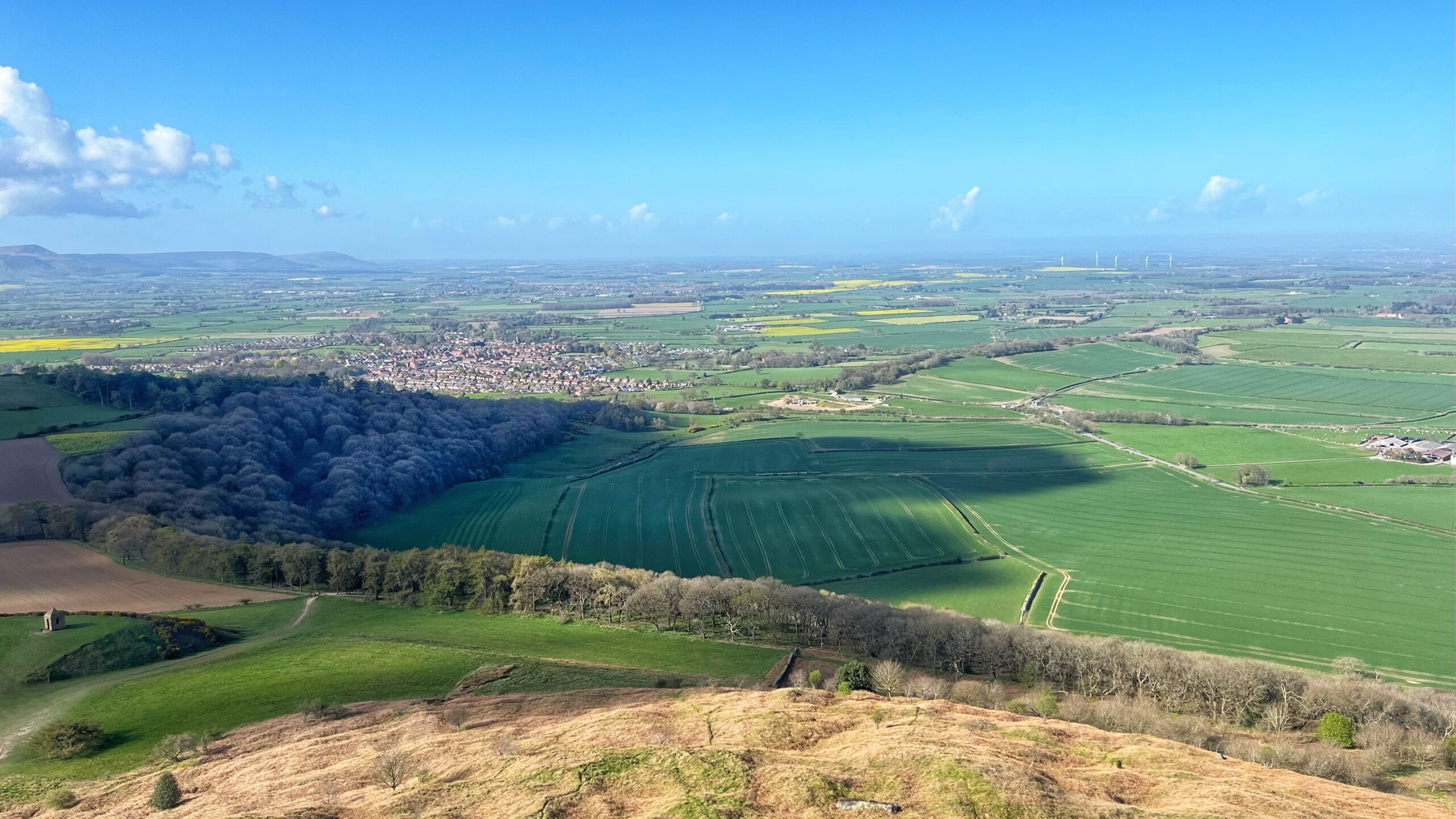
A deep shadow hangs over Newton Wood while Great Ayton basks in glorious Spring sunshine. I found this article in the Northern Weekly Gazette for 8th October 1869. It is a splendid little window into Victorian village life. “FRISKY JACK ELOPES WITH A LABOURER’S WIFE FROM MIDDLESBROUGH”. The quiet village of Great Ayton was, last…
-
Reflections on Sobriety
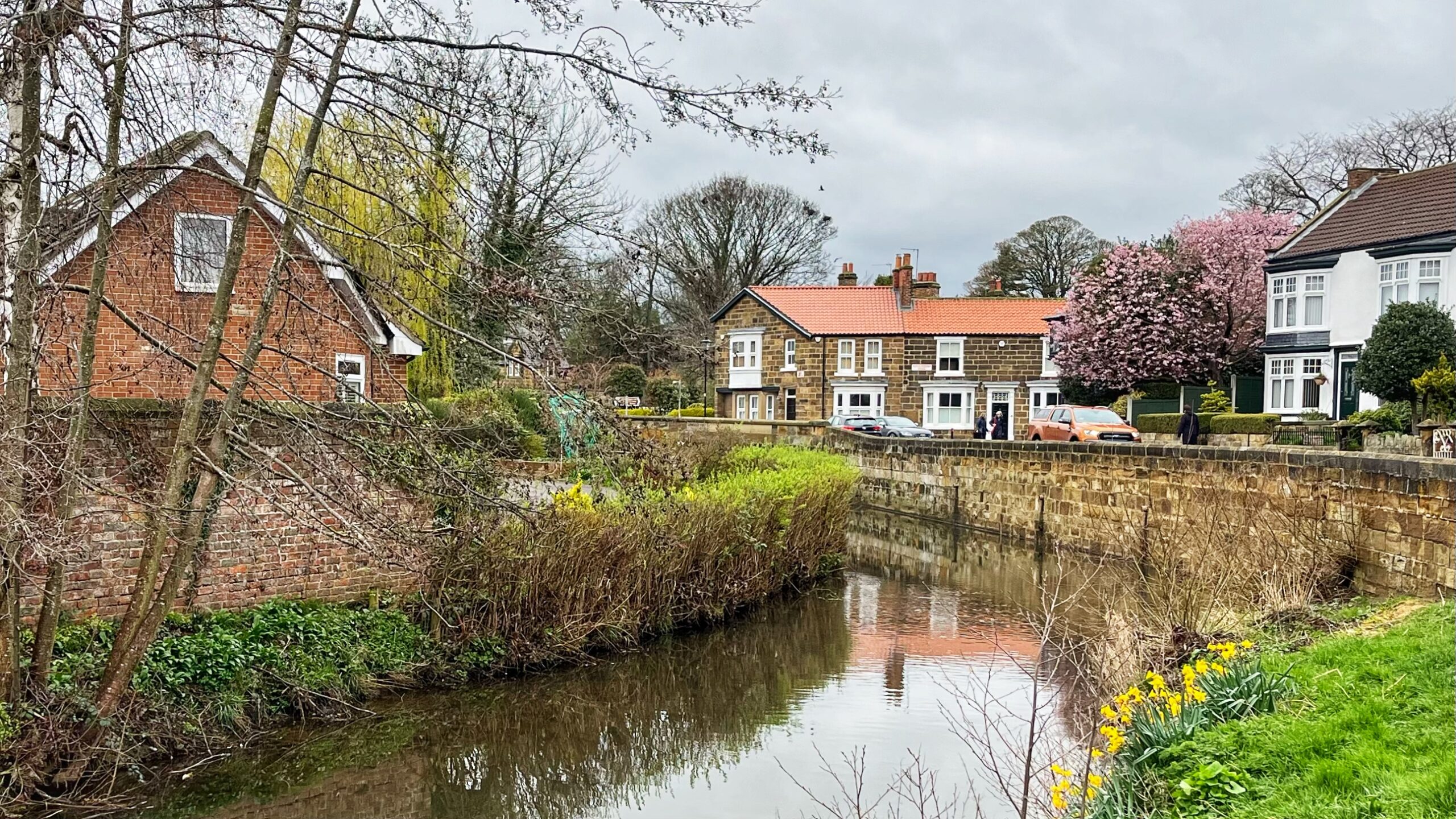
A day of rest after yesterday’s National Trust volunteering. The body, it turns out, has opinions. So — the River Leven at Great Ayton. A stone wall keeps the High Street dry and throws its reflection onto water so calm it seems almost embarrassed to move. Daffodils and a pink-blossomed tree do their best to…
-

The Smell of Progress
A lone tractor crawls below Roseberry Topping, spreading muck across an upland field. The scent hits you before the sight does. This, believe it or not, is what civilisation smells like. That machine is just the latest chapter in a very old and very smelly story. Centuries of farmers knew something we have mostly forgotten:…
-
Solmōnaþ — Cake, Mud, and Lowered Hopes
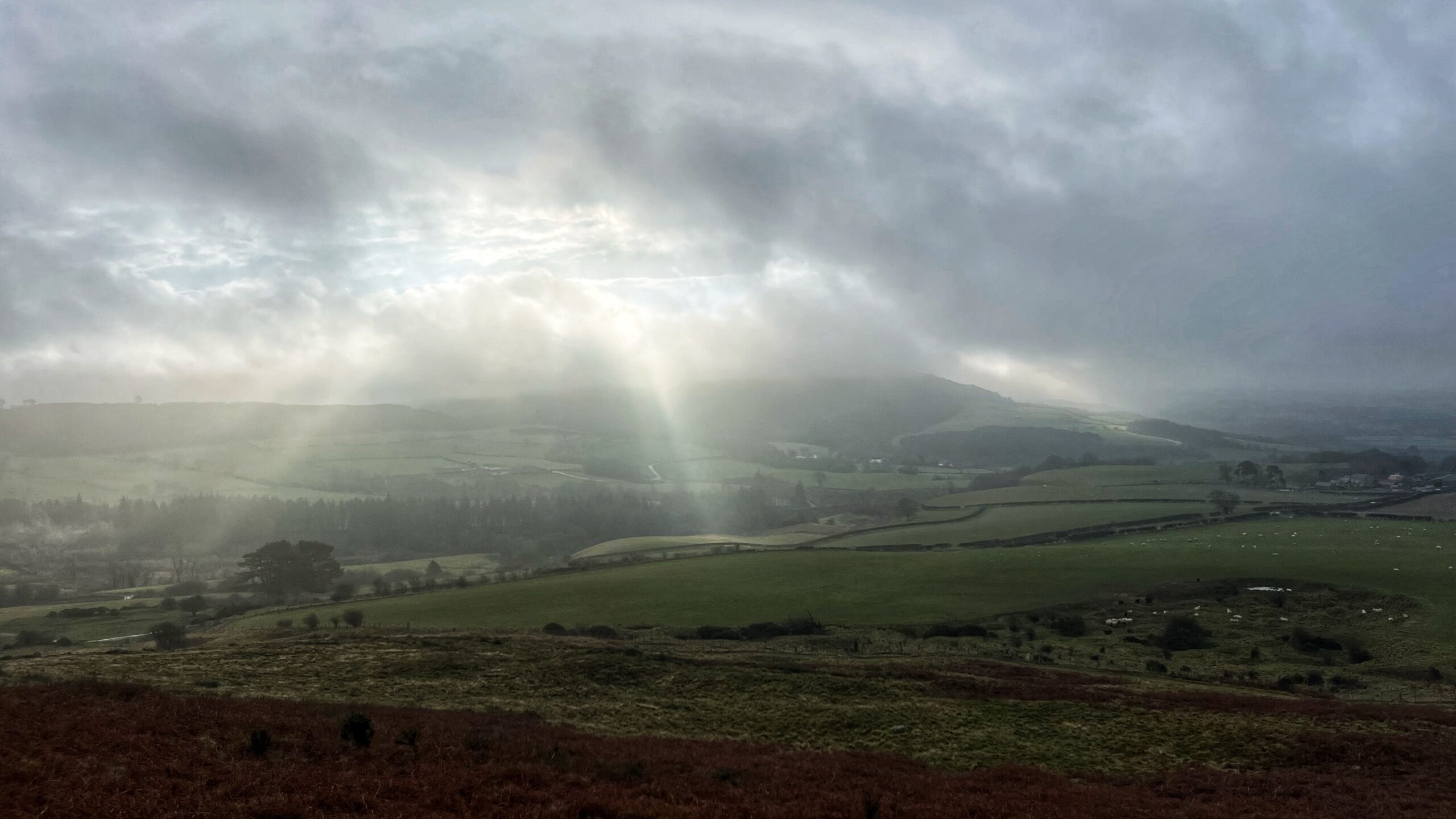
It is Solmōnaþ. Cake Month. A rare cause for cheer in the damp gloom of February. In the Anglo-Saxon calendar, Solmōnaþ sat where February is now. It marked a time when offerings were made to pagan gods, back when England was less Christian and more heathen. The idea was simple. Feed the gods and hope…
-
The Conservation Walk That Has Vanished
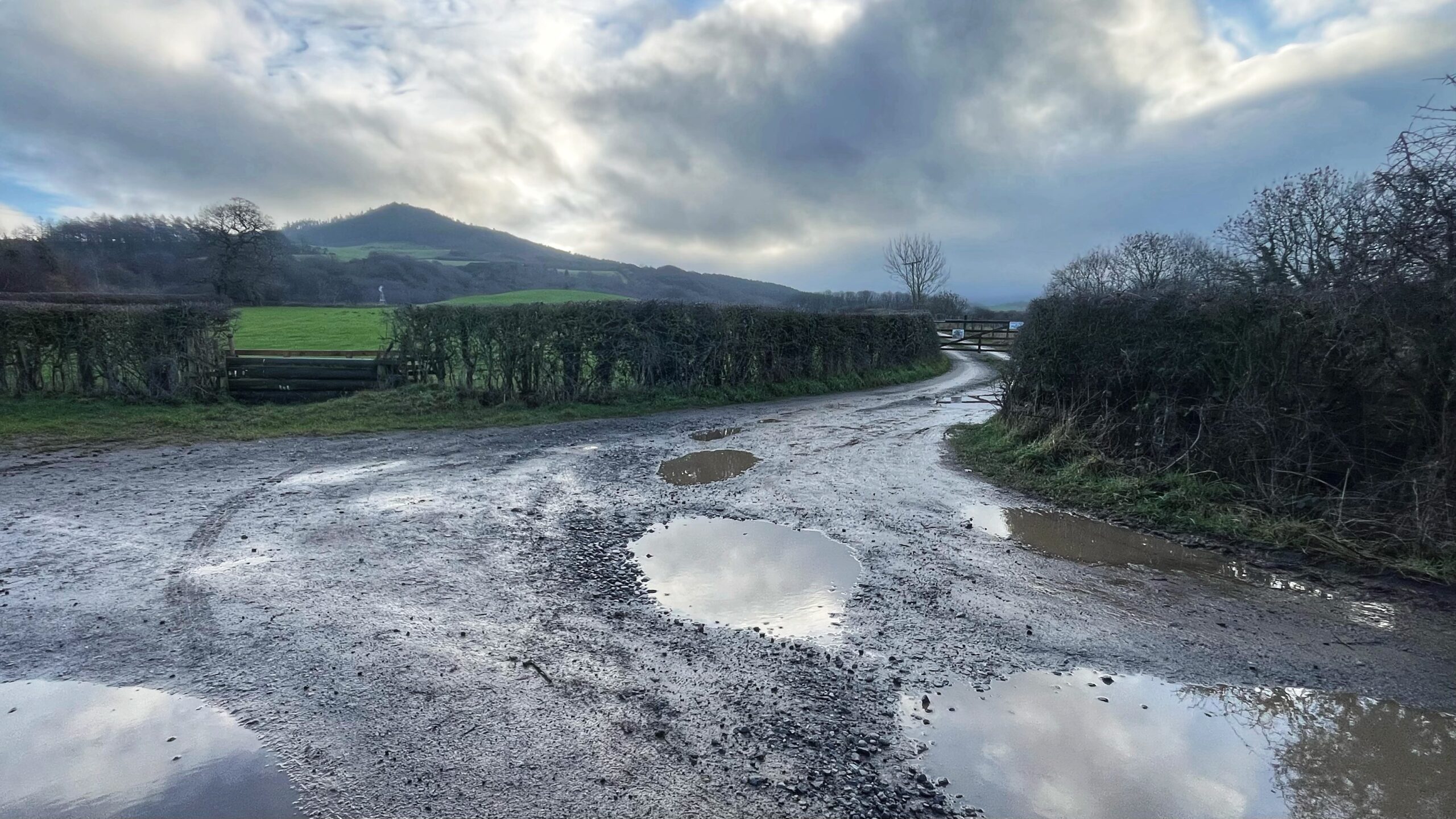
It seems fitting to be posting this at the end of January 2026, a month that quietly marked a profound centenary. One hundred years ago, Section 193 of the Law of Property Act 1925 gave the public a legal right to access around a third of the common land in England and Wales. For the…