Tag: history
-
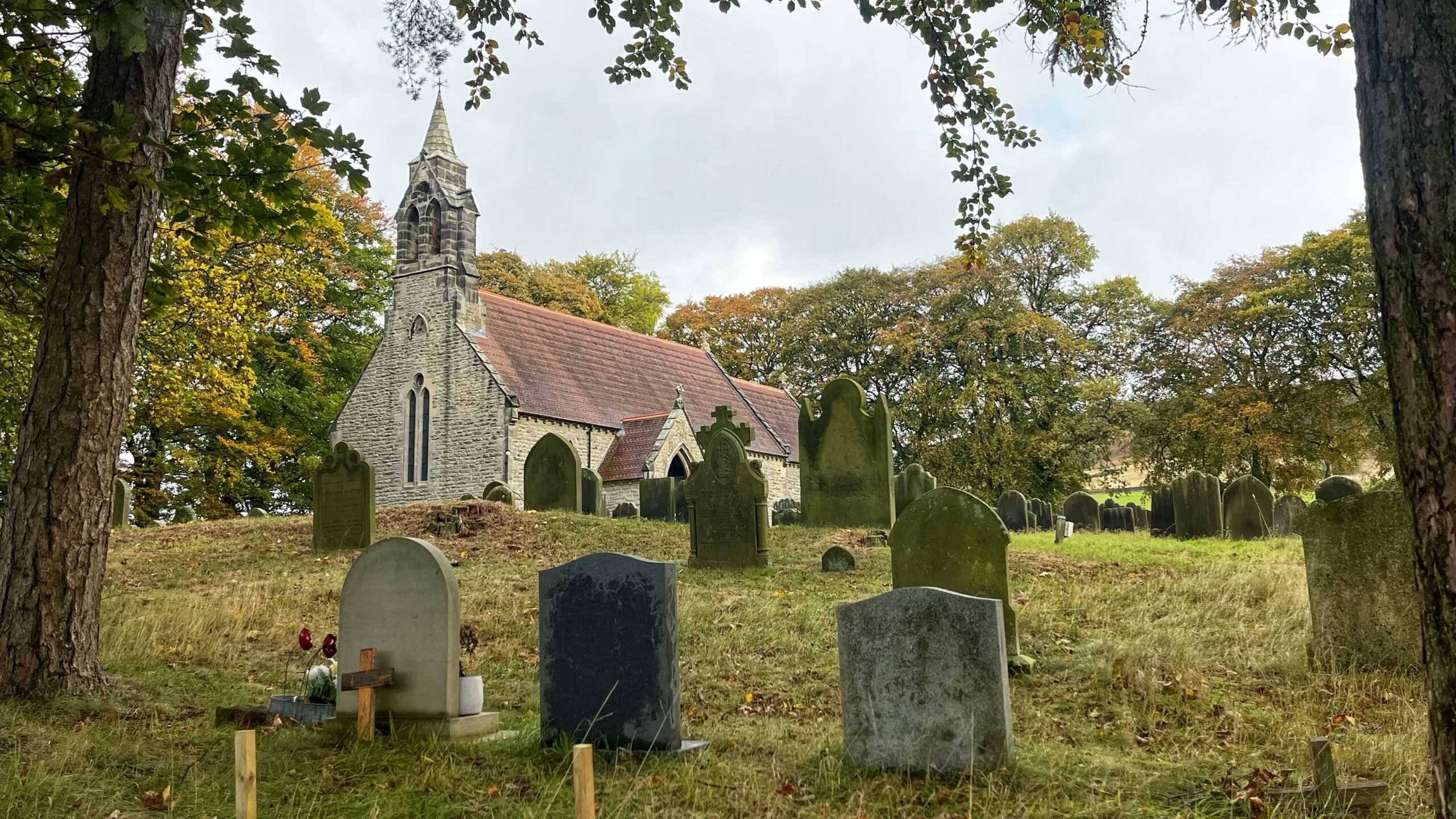
The “Priory” That Never Was
I am not religious, so churches appear in these posts only occasionally. They are, though, often the oldest buildings in a community to survive without conversion into some private residence. St Hilda’s Church earns an exception, because it comes with a puzzle. Locals call it “Bilsdale Priory”, and a visitor could reasonably expect monastic ruins…
-

Sermons on the Pass: The Mystery of Boredale Hause’s Chapel
High in the Lake District, Boredale Hause is the grassy mountain pass connecting Patterdale with Boredale, between Place Fell and Angletarn Pikes. Near its crest lie the weathered stone foundations of a structure known as the Chapel in the Hause. Whether it was ever a chapel at all remains an enduring Lakeland mystery. Local tradition…
-
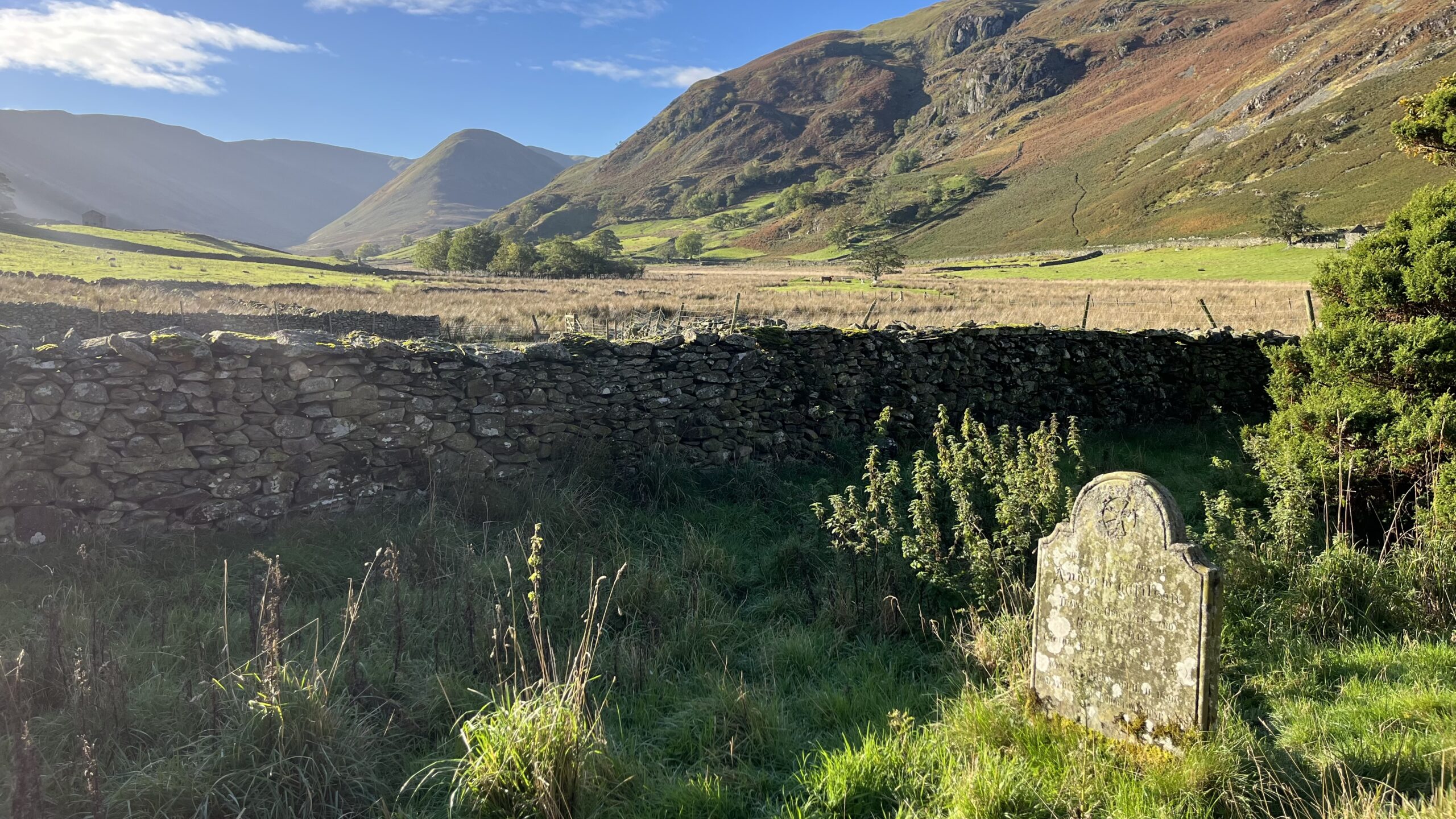
From Bombay to Martindale: The Unlikely Journeys of Andrew Wilson
A little taphophilic dabble in Martindale churchyard. I had heard about this gravestone and wanted to see it for myself. Beneath the lichen lies the story of Andrew Wilson, a journalist whose approach to convalescence left something to be desired. Born in Bombay in April 1830, Wilson began his journalistic career in India, editing the…
-
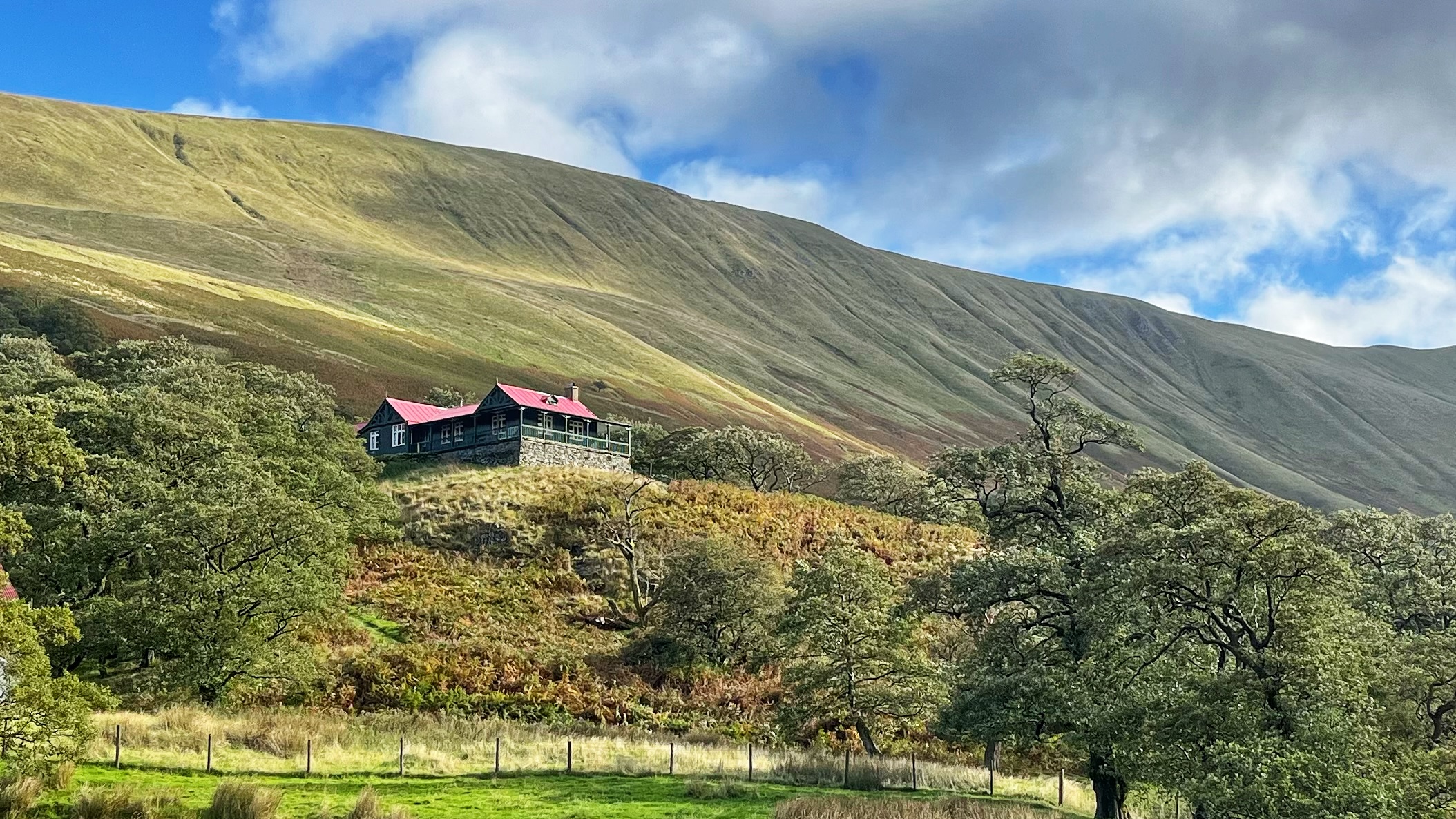
Bengal Style in Martindale
Every second year I return to “The Bungalow”, the Earl of Lonsdale’s former shooting lodge in Martindale. The valley is peaceful enough that you could forget the Red Deer stags, who spend their nights in noisy rutting contests. October is when nature stops whispering. The name misleads and suits the place at once. “Bungalow” comes…
-

Louven Howe
Walk north from Lilla Cross, along the track known as “Whitby Old Road”, and you reach Louven Howe, also called Louvain Cross. The boundary stone here carries a carved Maltese Cross. Beside it, someone has dug a stone-lined pit straight through the Bronze Age round barrow, and its mouth sits some six feet above the…
-
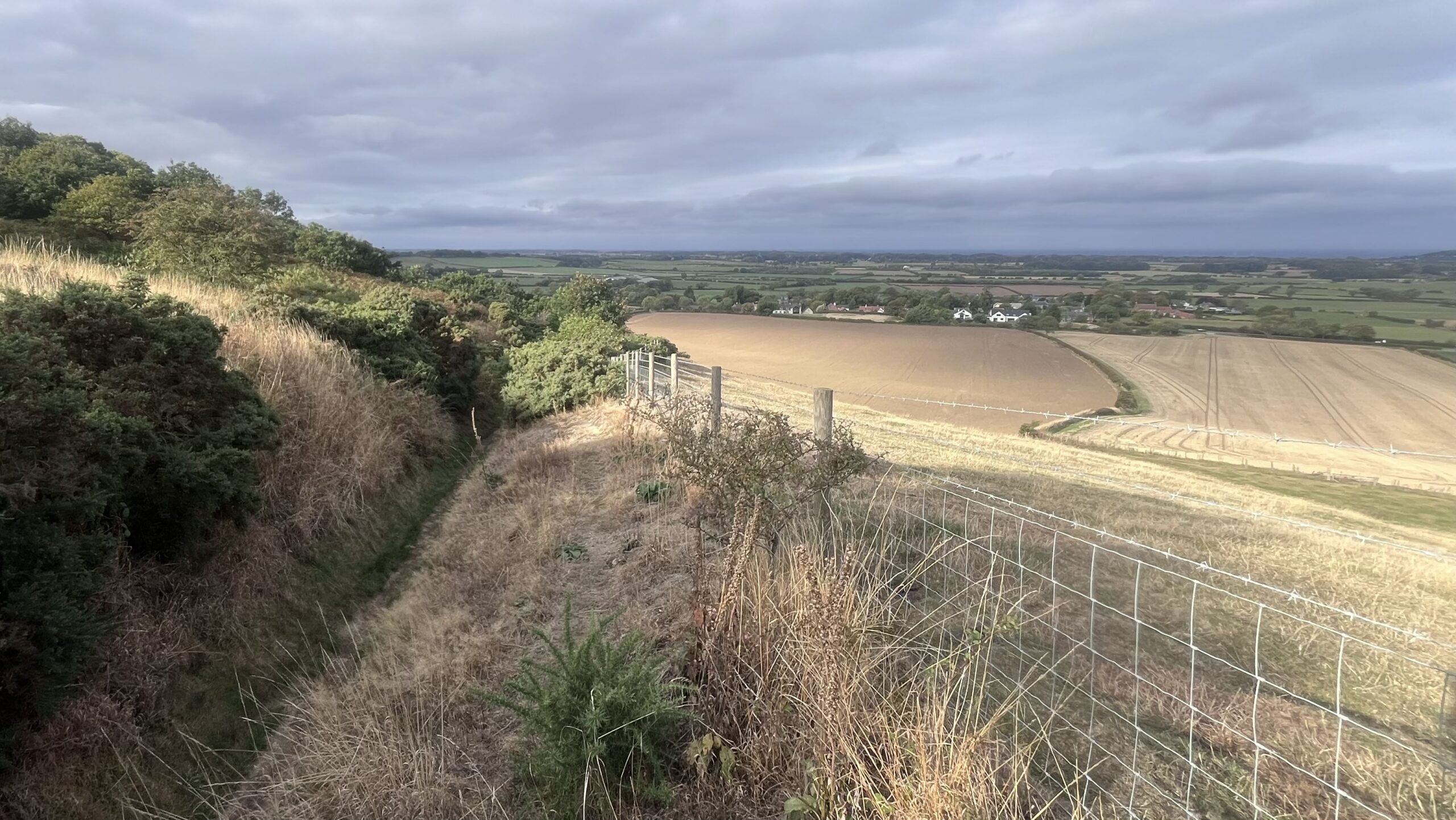
Bridle Gill Road
Follow this sunken holloway downhill to Newton-under-Roseberry and the terrain gives a hint of its age. Gorse and scrubby trees crowd the banks. Between them the track lies deep, worn down by centuries of boots, hooves and heavy loads. Nobody wears down a trench like that by a Sunday stroll up Roseberry. Today it is…
-

The Dale That Nearly Went Back to Bracken
These tidy fields and stone walls look permanent. In 1948 nobody would have bet on it. Bransdale had 23 isolated farms and a shrinking population. Over twenty years, many farmers had moved to the plains to be nearer the towns, and those who remained could barely support a social life. Mr. T. Collier, who had…
-
Built for Sheep
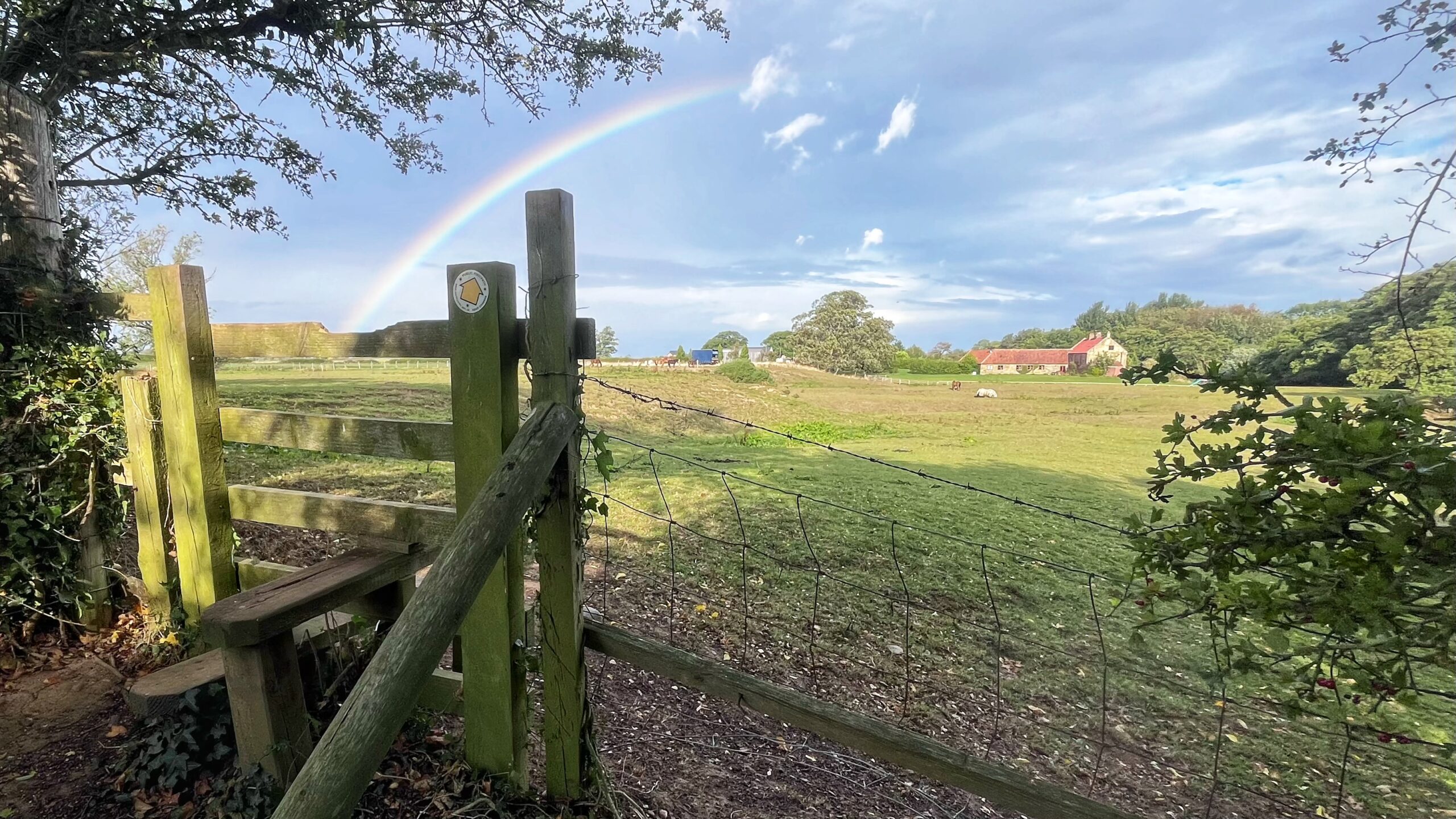
A rainbow always makes a good photo. This one lets me talk about the ubiquitous stile. Stiles seem to have stood there since the Flood. They have not. They arrived with enclosure, which began in the 13th century and sped up in the 18th and 19th. Fields were fenced, footpaths survived, and livestock needed keeping…
-
Danby Dale
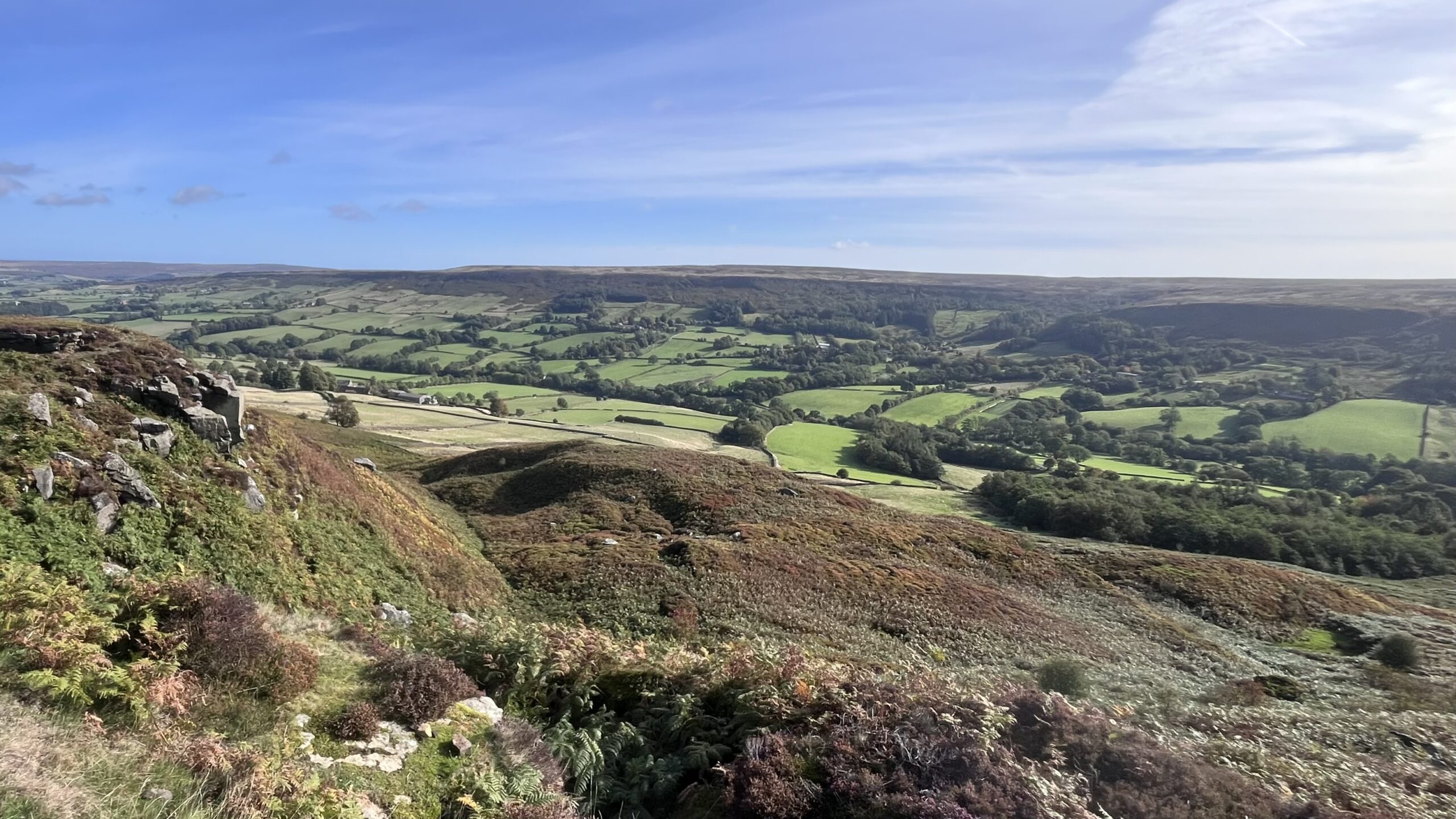
In the distance, just right of centre and past the patchwork fields, lies Botton Village, mostly hidden by trees. It’s a community that has never made a fuss. In September 1955, a small group moved into Botton Hall at the head of the dale. The hall had belonged to the Macmillans, relatives of Harold Macmillan.…
-
Raisdale and the Ebb and Flow of the Land
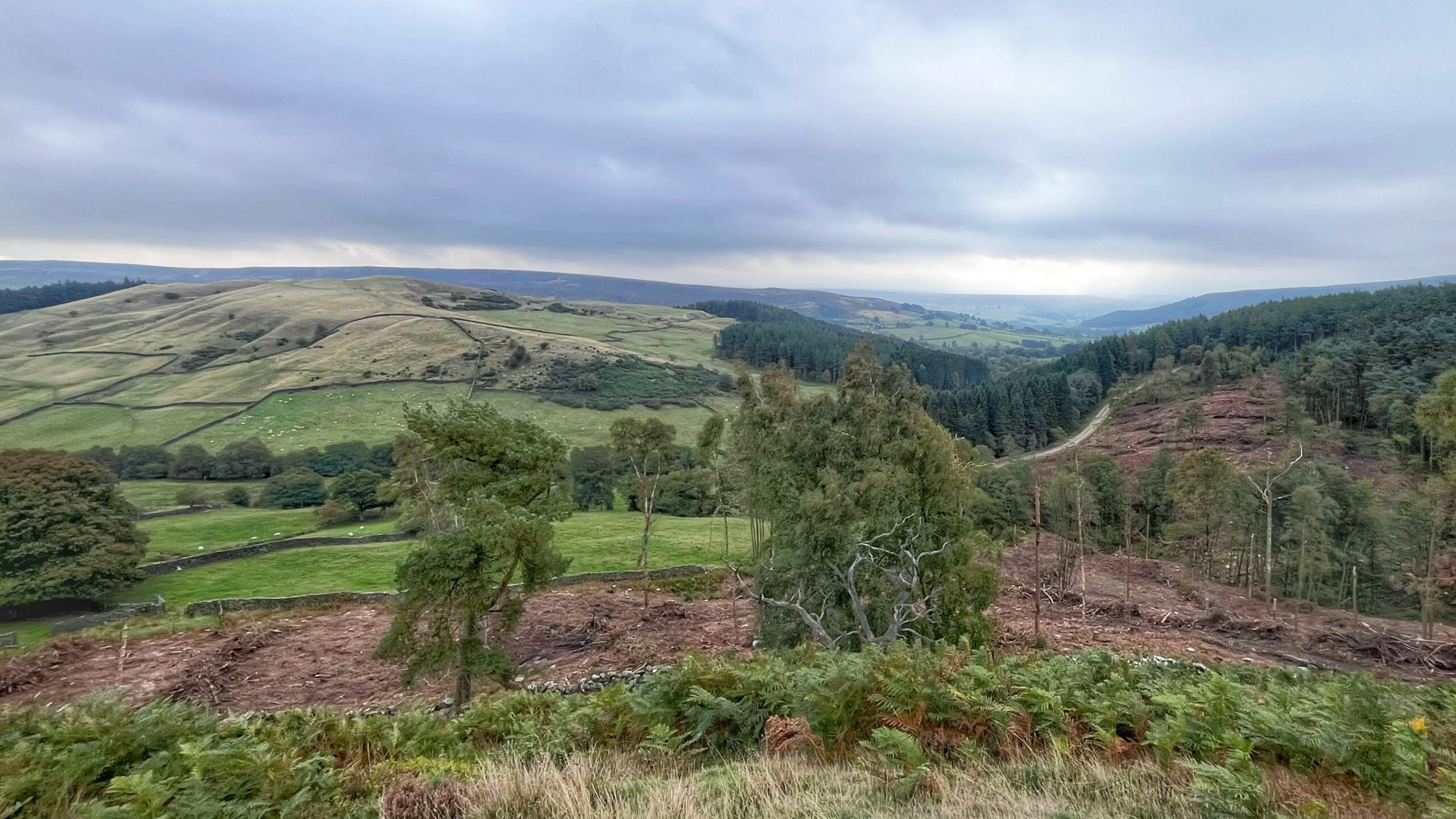
Standing above the cleared plantation by ruins of Clough House there is now a clear view over Raisdale, a landscape that has been fought over by farmers and moorland for centuries. By 1148, the monks of Rievaulx Abbey controlled upper Bilsdale and its side valleys. They used Raisdale’s valley floors and slopes as grazing land…