-
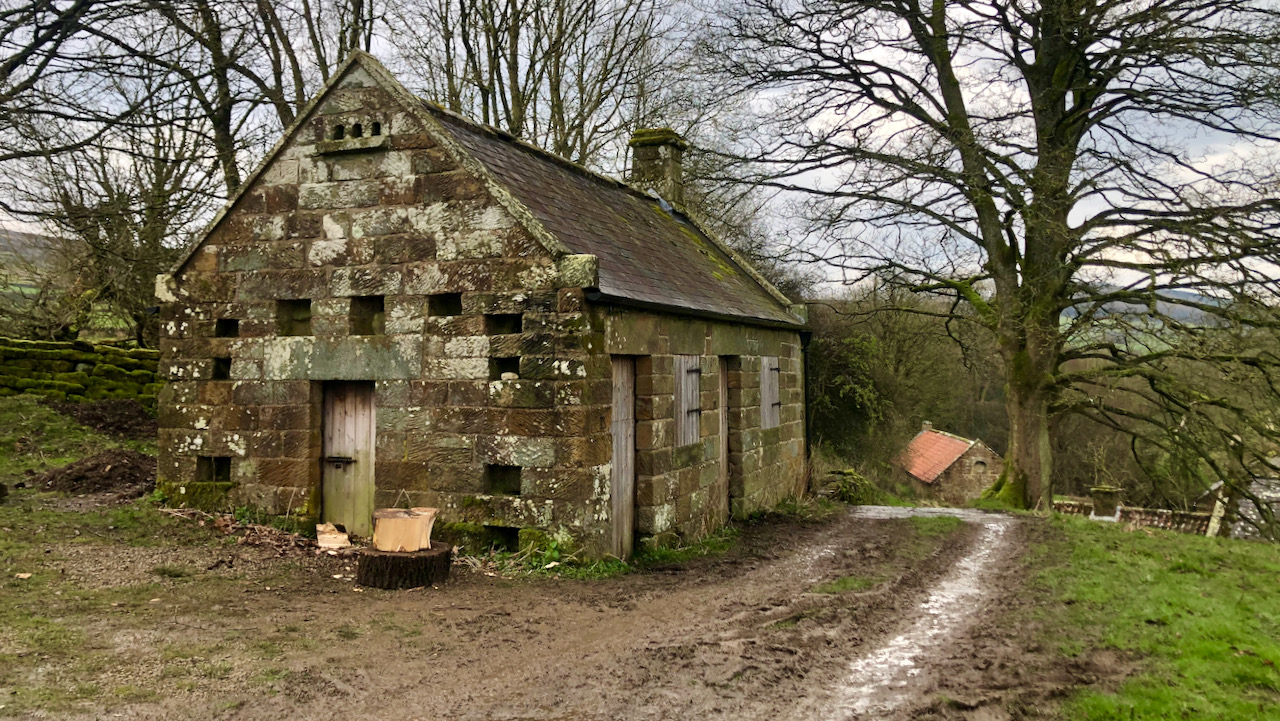
The Smiddy, Bransdale Mill
Doing some work at Bransdale Mill, specifically in the old smithy, known as ‘smiddy’ in the local Cleveland dialect, which is being repurposed into a wood store. This structure, formerly a dilapidated two-room, single-story building, had its fortunes revived in the recent past by the National Trust, which rendered it weatherproof with a fresh blue…
-
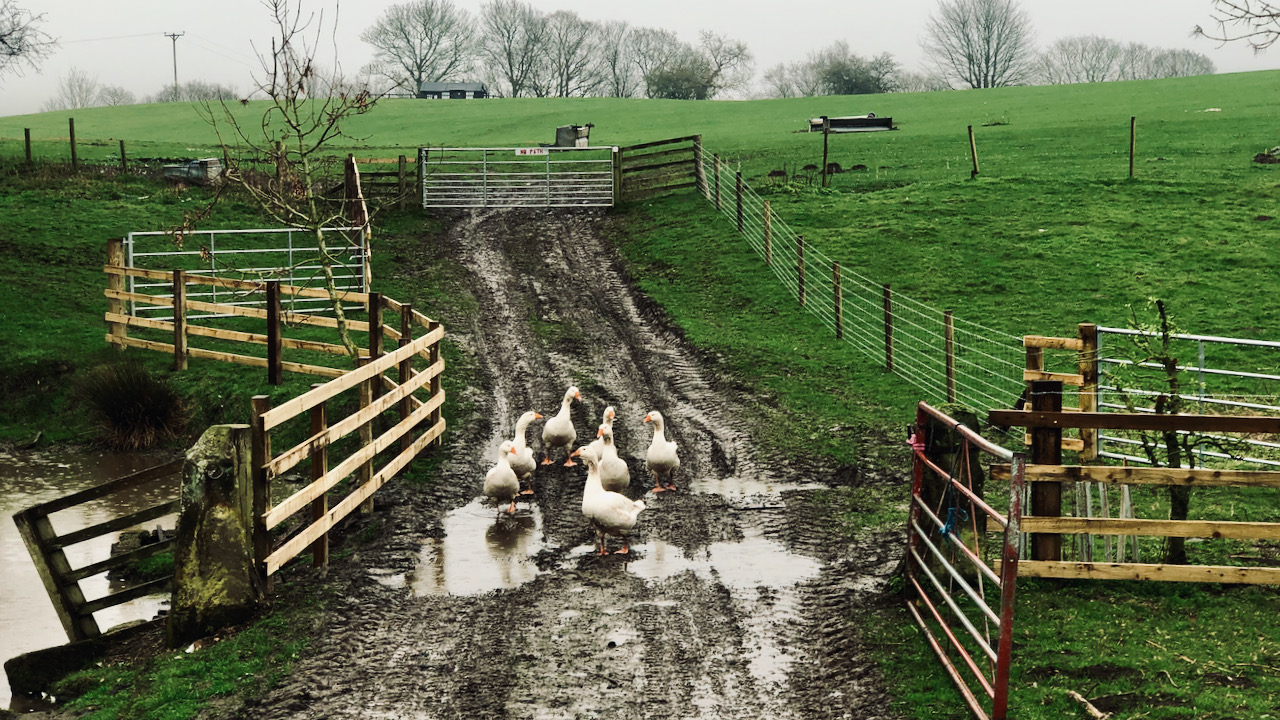
Guardians of Aireyholme Farm
A gaggle of geese attempt at walking single file down a muddy track. Their military precision was disrupted by the temptation of murky puddles to wallow in. The track leads to a gate into a green field. It’s soggy and well-used, with tyre marks alongside the geese’s footprints. At the top of the field there…
-
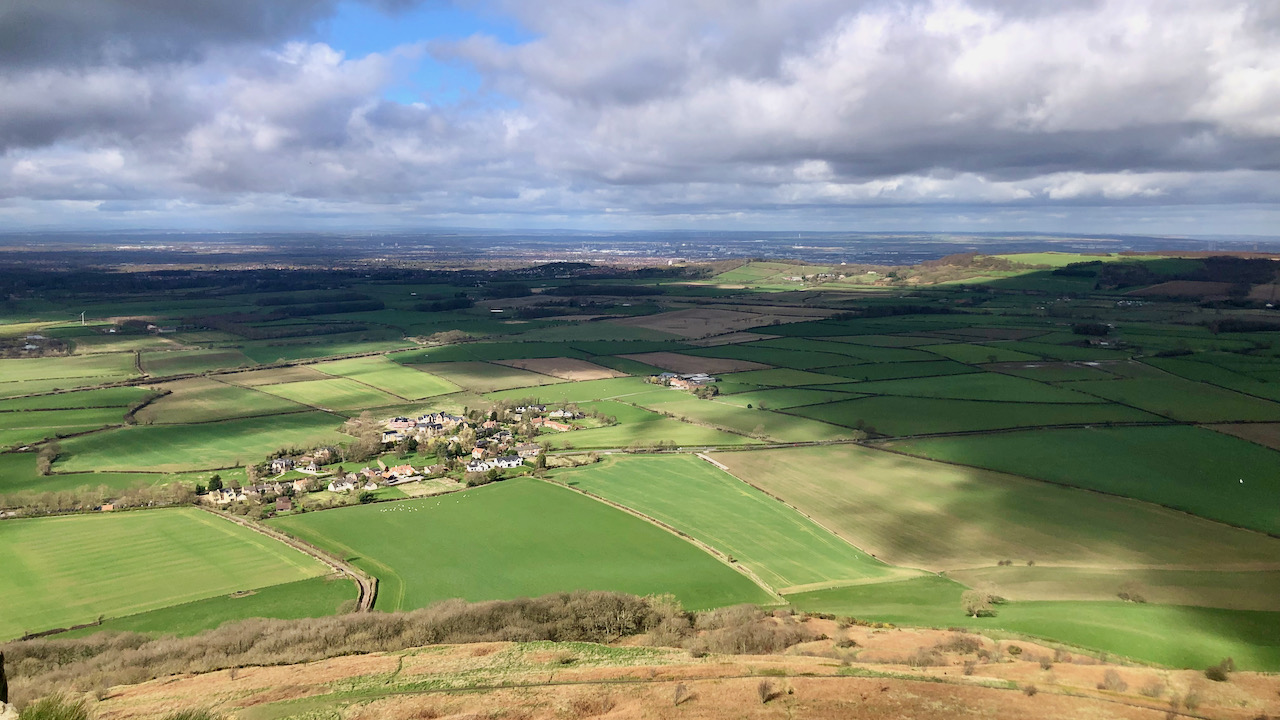
A dark cloud threatens Middlesbrough
Whilst the sun beams down on Newton-under-Roseberry, Middlesbrough in the distance finds itself threatened by an ominous cloud approaching from the south. In what can only be described as a breathtakingly audacious move, Michael Gove, a shining beacon of the Tory elite, appears to be leading his party on a merry dance towards even greater…
-

Doing the Sheep Walk
A view familiar to those walking the Cleveland Way and Coast to Coast trails. Both long-distance footpaths pass through this opening flanked by the sandstone rocks known as the Wainstones. Climbers name this gap the Sheep Walk, though sheep must resort to some scrambling to navigate it. Legend has it that a Danish chief met…
-
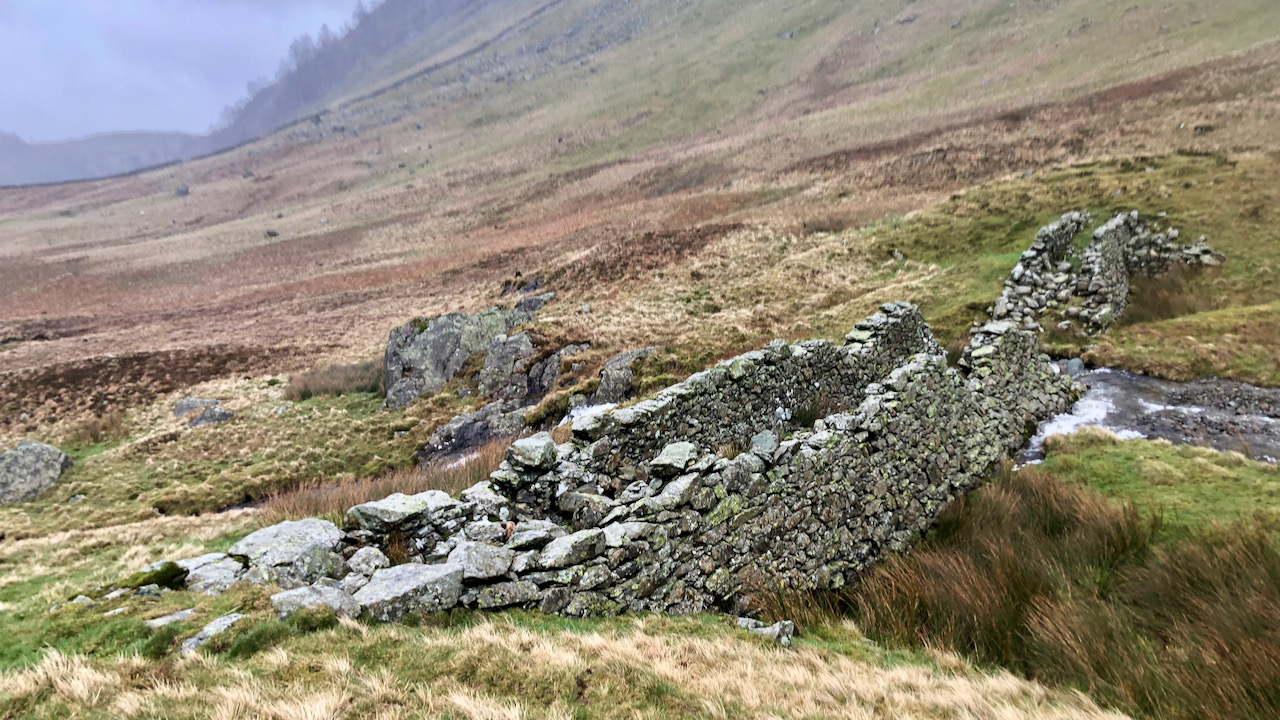
A Sheep Wash or Something More?
Last Thursday proved quite a trial. We found ourselves trudging along the Miners’ Balcony Path, tracing the contours, with Scot Crag looming above us and Glencoyne below. The wind, oh, it was a fierce adversary, pushing against us with all its might. To make a long tale short, we decided to beat a retreat and…
-
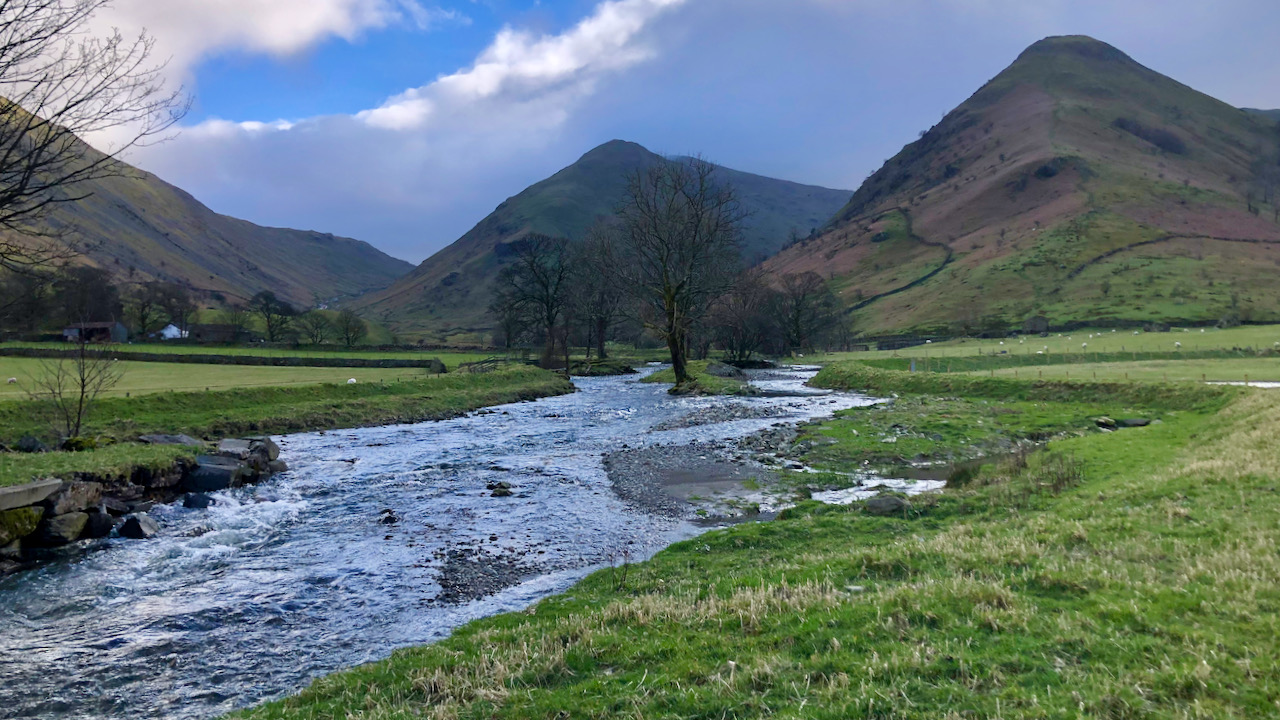
Kirkstone Beck
It has been two years since I was last this far up Patterdale, and I see there’s been quite a bit of change to Kirkstone Beck, thanks to work carried out by the National Trust. As in many dales of the Lake District, Kirkstone Beck used to flow in a canalised channel, modified over the…
-
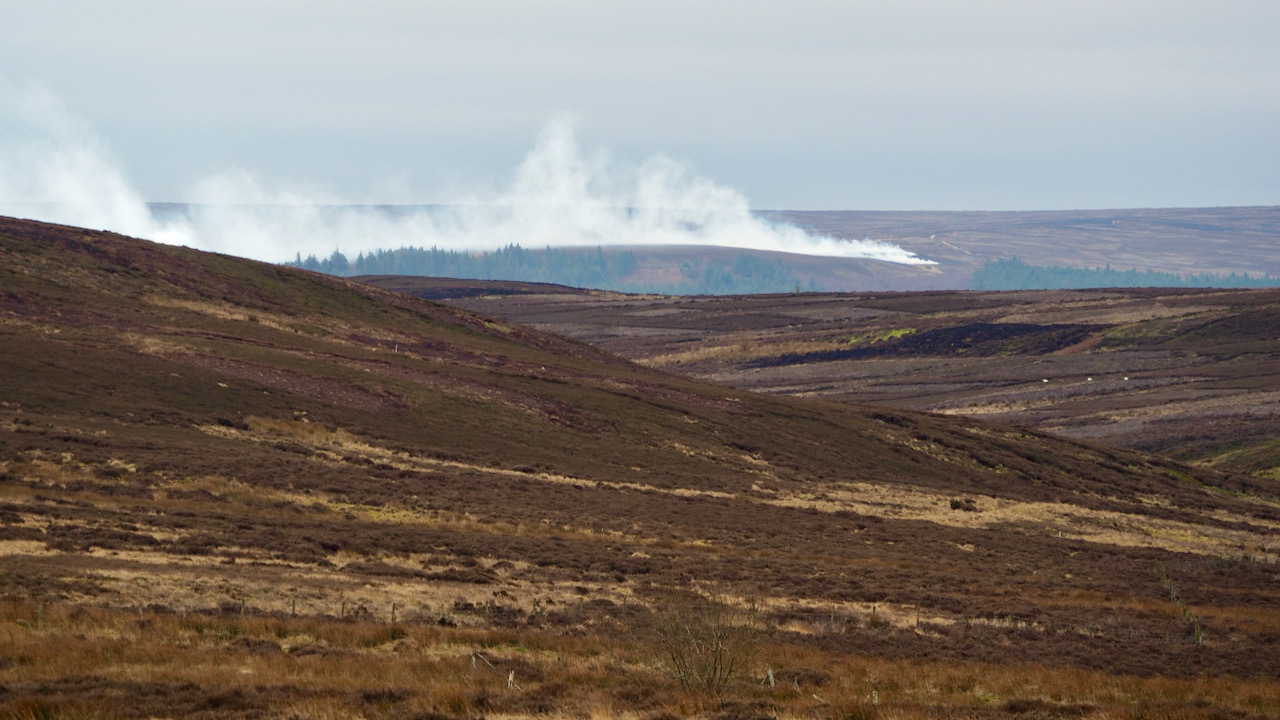
Smoke Signals from Baysdale
I am always saddened when I see those great plumes of smoke drifting across the skyline. It’s a stark reminder, according to the State of Nature Report 2023, that the UK has earned itself a reputation as “one of the most nature-depleted countries on Earth“, with biodiversity taking a significant hit. A good three-quarters of…
-
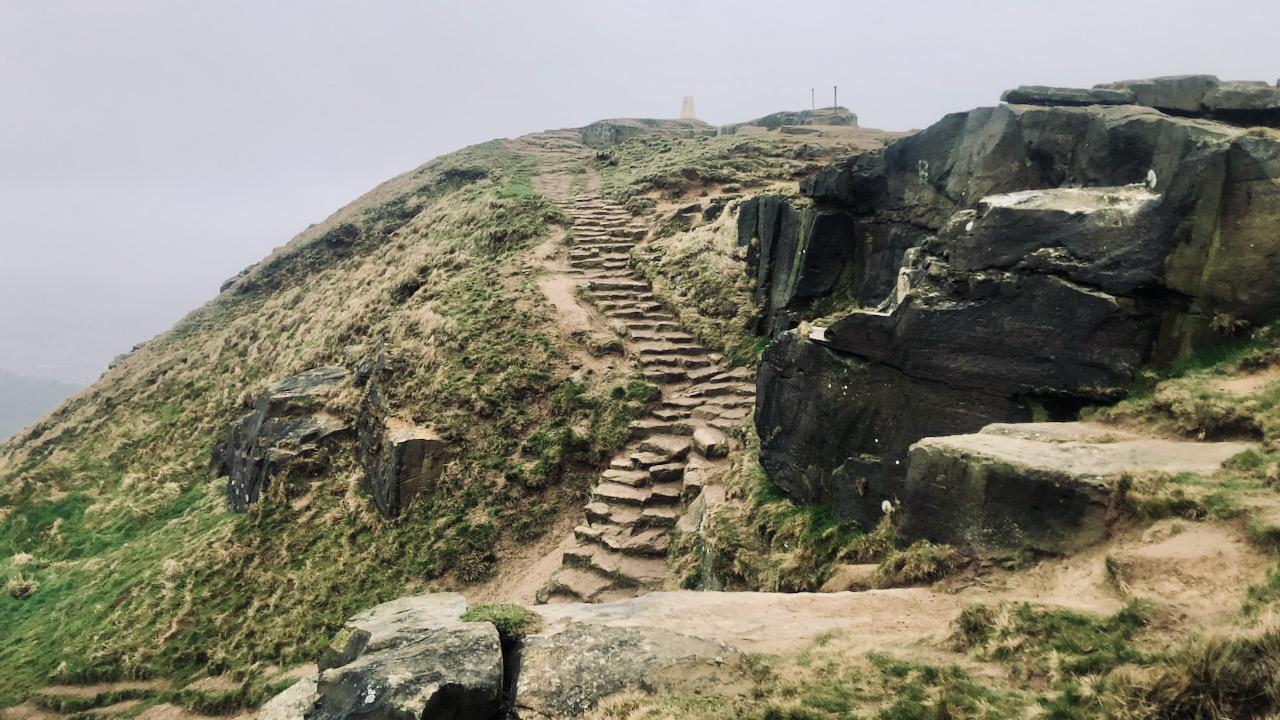
Roseberry’s Forgotten Quarry
It might sound unbelievable, but, back in the day, sandstone used to be quarried right at the very top of Roseberry. A small quarry nestled just below the summit was the most recent scene for this extraction. On the climb up the back of Roseberry, from the summerhouse, and you’ll start to climb a gentler…
-

In Search of Magical Gate Posts
Upon the high moors near Young Ralph Cross at Rosedale Head, a commemorative stone stands in honour of Frank Elgee, a notable naturalist and archaeologist, who once curated the Dorman Memorial Museum in Middlesbrough. His wife and “assistant,” Harriet Elgee, was a knowledgeable writer and poet in her own right. I recently came across a…
-

On yet another foul day …
… so I didn’t venture far; instead, just bagging Roseberry Topping and picking up Cliff Rigg on the way back. Cliff Rigg has a quarry that has been the subject of my posts on several occasions. This ridge is part of the Cleveland Dyke, a tough volcanic rock that forcefully juts through the much older…
Care to comment?