-

Turkey Nab: Echoes of Ancient Roads and Swift Justice
I parked at Bank Foot, below Turkey Nab, a name thought to come from the local term for grouse: wild turkeys. More plausibly, it originates from Thurkilsti, the name of the ancient drovers’ road running from Ingleby Greenhow to Kirbymoorside, mentioned in Walter Espec’s grant of land to Rievaulx Abbey in 1145. From Bank Foot,…
-

Another Carlton Ghost
On my solivagant pursuit on Carlton Bank this morning, the village of Carlton-in-Cleveland lay peacefully below, conjuring memories of a promise I made. Well, a sort of promise. I said I would recount the tale of another spectre that haunts this village. You might recall my previous post, the Ghost of Madame Turner. This tale,…
-
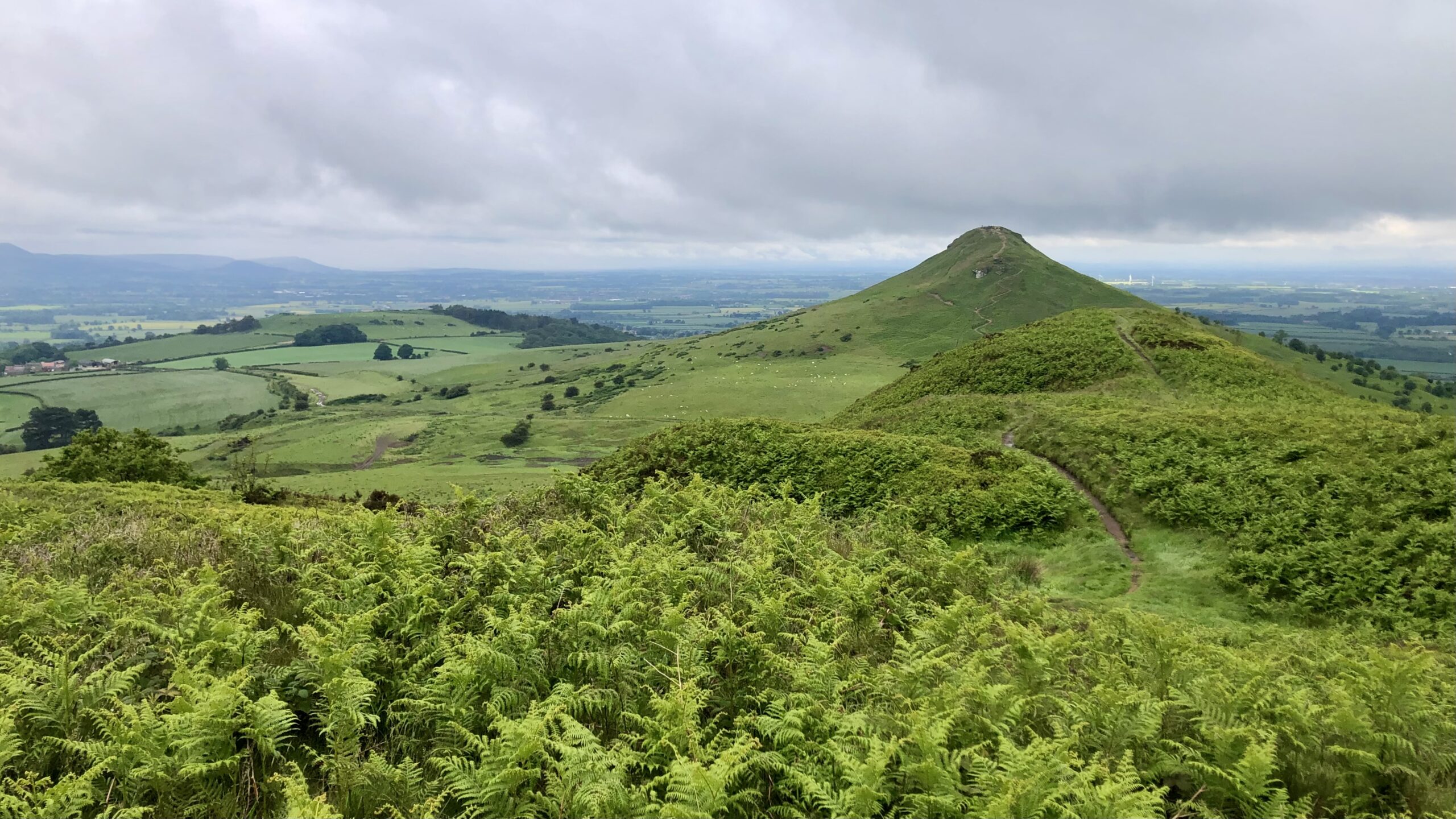
The PM’s Gaffe — Reflections on a Wet Morning Walk
The morning walk began with a dreary wetness, and soon I found myself struggling through an encroaching jungle of bracken. I also began musing on the nature of television in my youth; this is in light of our esteemed Prime Minister’s blunder last week. I recalled a friend’s parents acquiring a colour television set. The…
-

Calm Before the Storm
Carsington Water, a reservoir in the heart of Derbyshire, draws its lifeblood from the River Derwent at Ambergate during the winter. This vital water is transported to the reservoir via a network of tunnels and aqueducts stretching 10½ kilometres. As summer sets in, the water is released back into the river, facilitating further abstraction and treatment…
-

The Peasants’ Revolt — A Local Connection
On this day in 1381, Richard II met the leaders of Wat Tyler’s Peasants’ Revolt on Blackheath. The rebels stormed the Tower of London and entered without resistance. This revolt, though ultimately a failure, came to be seen as a harbinger of the decline of serfdom in medieval England. It heightened awareness among the upper…
-

A Tale of Two Mermaids
Staithes, a charming fishing village known for its historic harbour and cliff-clinging houses, is also the setting for a peculiar old tale. During a fierce storm, with local ships sheltering in the bay, two mermaids battled enormous waves until they were exhausted. Seeing the lights of the village by Cowbar Nab, they struggled to shore,…
-

A Sea of Cotton on Newon Moor
One of the summer spectacles of acid bogs and wet heaths is the Common cottongrass, Eriophorum angustifolium. This plant, with its silky white seed-heads, creates a striking scene, whitening whole patches of bog. Beyond this visual charm, Cottongrass is rather unremarkable and underutilised. Efforts to produce usable thread from the seed-plumes have failed due to…
-

Rescue at Roseberry: The 1929 Shale Slide
Back in sunny Cleveland, and I am in search of a new morsel of information to accompany a familiar sight. On this day in 1929, Ralph Elliott, a miner from Great Ayton, had a narrow escape. Working with several others at the “Roseberry mine bank bottom”, he ascended a spoil tip to release shale. Suddenly,…
-

Tulliallan Castle
When it was constructed in the early years of the nineteenth century, this rather ostentatious blend of Gothic and Italian architectural styles would have been deemed an elegant pile for Admiral Lord Keith, erstwhile senior officer to Lord Nelson. It was financed with prize money, purportedly employing French prisoners of war as a labour force.…
-

Castle Law: The Fort of the Maeatae Above the Plains
The Ochil Hills extend for 48 kilometres in a west-southwest direction, broadening into an 11-kilometre section without passes in the west. It is a range of hills which I do not know. Dumyat, a hill overlooking Stirling, rises to a modest 418 metres, with a steep southern descent to the Forth-Devon confluence, while its northern…
Care to comment?