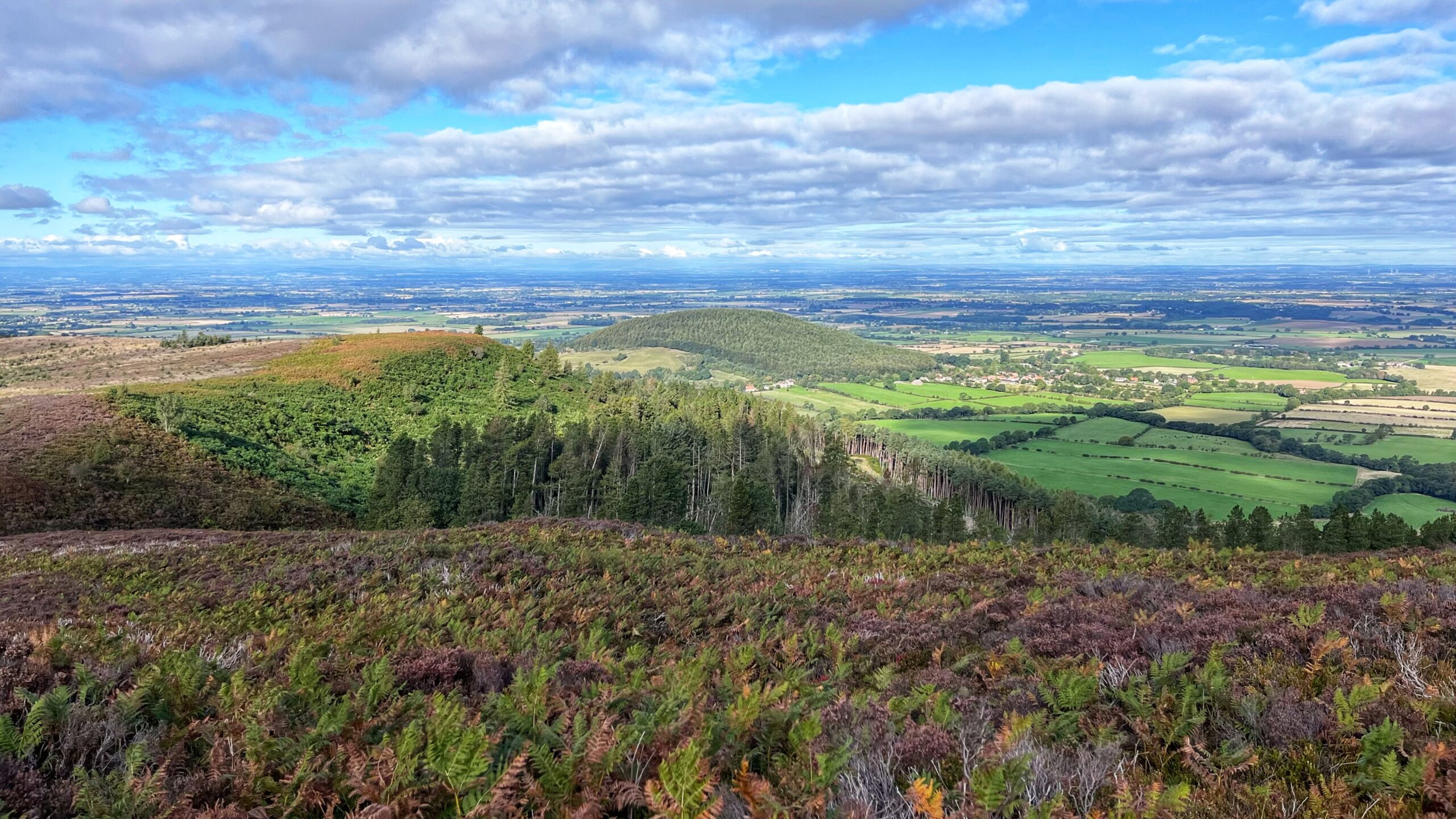
Standing on Carlton Bank, looking down at the sleepy village of Faceby, you would never guess how far the money behind this view actually travelled. In my previous post on the Carlton Bank Alum Works, I traced Christopher Prissick’s fortune back through Caribbean privateering and his marriage into the Codrington sugar family, and I had a hunch there was a link to slavery lurking somewhere behind it.
The hunch was too polite by half. New records from “The Register of British Slave-Traders” drag Prissick out of the footnotes and put him where the money actually was made: not a man who merely profited from the system, but a man who ran ships in it1“Christopher Prissick.” The Register of British Slave-Traders, 2024, https://www.slavetraders.org/person/christopher-prissick..
Forget the alum and the privateering for a moment. Between 1698 and 1710, Prissick co-owned at least four voyages that carried people across the Atlantic as cargo2“Christopher Prissick.” The Register of British Slave-Traders, 2024, https://www.slavetraders.org/person/christopher-prissick.:
- The Prosperous (1698–1699): carried 265 captives from West Africa to Antigua3“15085 – Prosperous (1698 – 1699).” The Register of British Slave-Traders, 2024, https://www.slavetraders.org/voyage/15085..
- The Monmouth Gally (1700–1701): carried 112 captives to Barbados4“20227 – Monmouth Gally (1700 – 1701).” The Register of British Slave-Traders, 2024, https://www.slavetraders.org/voyage/20227..
- The Alexander Galley (1702): carried 237 enslaved Africans5“24135 – Alexander Galley (1702 – 1702).” The Register of British Slave-Traders, 2024, https://www.slavetraders.org/voyage/24135..
- The William (1710): carried a further 237 captives from Africa6“24054 – William (1710 – 1710).” The Register of British Slave-Traders, 2024, https://www.slavetraders.org/voyage/24054..
None of this was small change, and none of it was accidental. With those proceeds from the Prosperous Prissick bought the Manor of Faceby in 1700, while he was still busy chasing his share of sugar profits from the Codrington plantations7“Christopher Prissick.” The Register of British Slave-Traders, 2024, https://www.slavetraders.org/person/christopher-prissick.8Page, William, editor. “Parishes: Whorlton.” A History of the County of York North Riding: Volume 2, Victoria County History, 1923, pp. 309–319. British History Online, https://www.british-history.ac.uk/vch/yorks/north/vol2/pp309-319.. The hills look peaceful enough from up here, but peaceful is not the same as innocent. Cleveland’s manor houses were built on money with chains attached, whatever the view might suggest.
- 1“Christopher Prissick.” The Register of British Slave-Traders, 2024, https://www.slavetraders.org/person/christopher-prissick. ↩︎
- 2“Christopher Prissick.” The Register of British Slave-Traders, 2024, https://www.slavetraders.org/person/christopher-prissick. ↩︎
- 3“15085 – Prosperous (1698 – 1699).” The Register of British Slave-Traders, 2024, https://www.slavetraders.org/voyage/15085. ↩︎
- 4“20227 – Monmouth Gally (1700 – 1701).” The Register of British Slave-Traders, 2024, https://www.slavetraders.org/voyage/20227. ↩︎
- 5“24135 – Alexander Galley (1702 – 1702).” The Register of British Slave-Traders, 2024, https://www.slavetraders.org/voyage/24135. ↩︎
- 6“24054 – William (1710 – 1710).” The Register of British Slave-Traders, 2024, https://www.slavetraders.org/voyage/24054. ↩︎
- 7“Christopher Prissick.” The Register of British Slave-Traders, 2024, https://www.slavetraders.org/person/christopher-prissick. ↩︎
- 8Page, William, editor. “Parishes: Whorlton.” A History of the County of York North Riding: Volume 2, Victoria County History, 1923, pp. 309–319. British History Online, https://www.british-history.ac.uk/vch/yorks/north/vol2/pp309-319. ↩︎
Leave a Reply