Tag: prehistoric
-

Draped in Hessian: The Prehistoric Double Dyke of Shooting House Rigg
This Bronze Age boundary has stood on Shooting House Rigg for three thousand years without needing emergency intervention. Six weeks of flames stripped away the heather and burned through the protective peat blanket. Now rain washes the bare earth directly into the valley. Conservationists have draped hessian fabric over the outer bank in a desperate…
-
Highcliff Nab: When Mesolithic Hunters Had the Best View
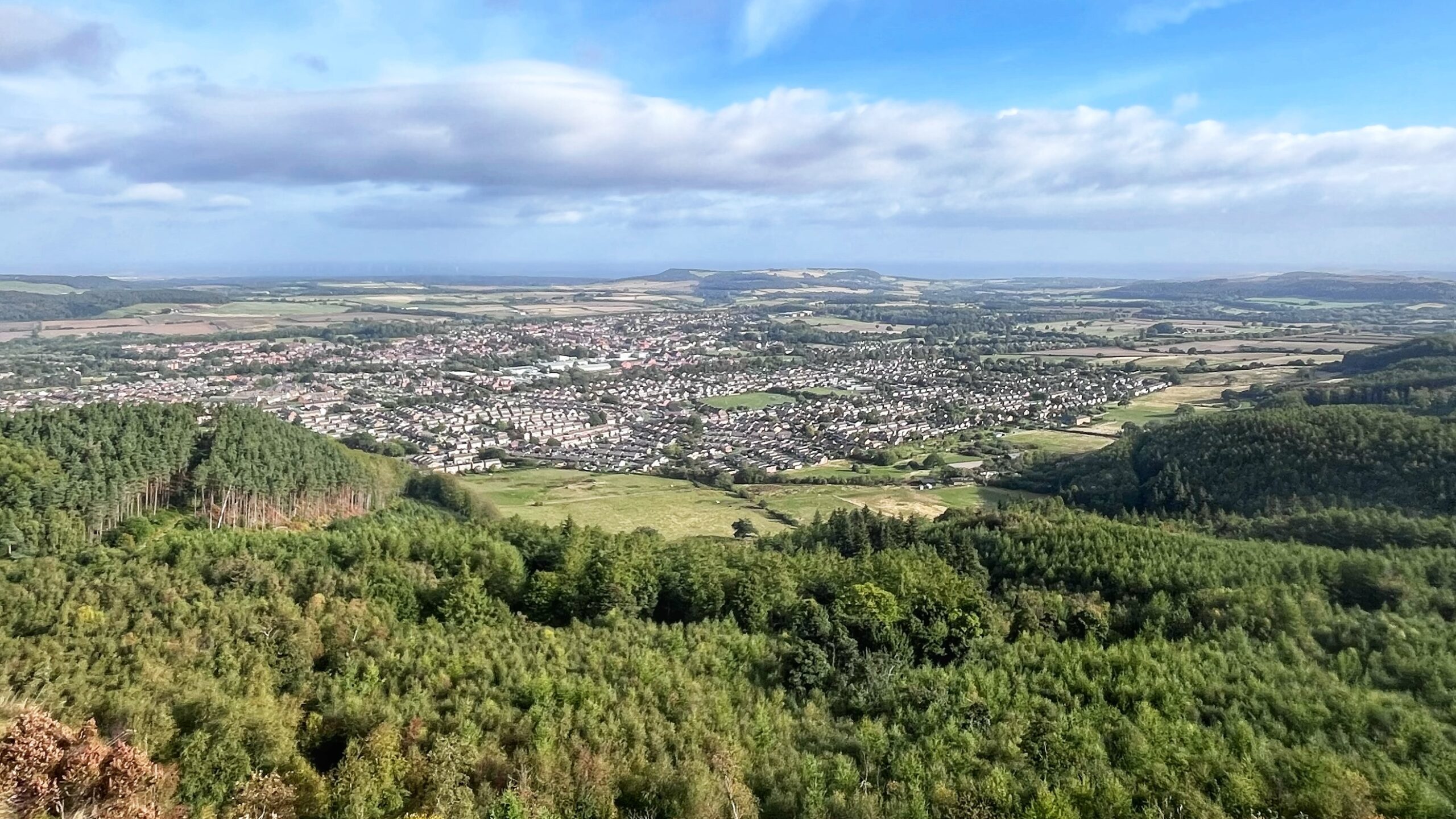
Stand on this sandstone crag of Highcliff Nab today and the wind certainly finds you. Below lies Guisborough, all roofs and roads. Far off, the turbines of Redcar turn in the haze. In the 1990s, archaeologists dug into this very crag prior to the construction of a new stone footpath needed to address the severe…
-
Garfit Gap—The Ready-Made Cathedral of Cleveland
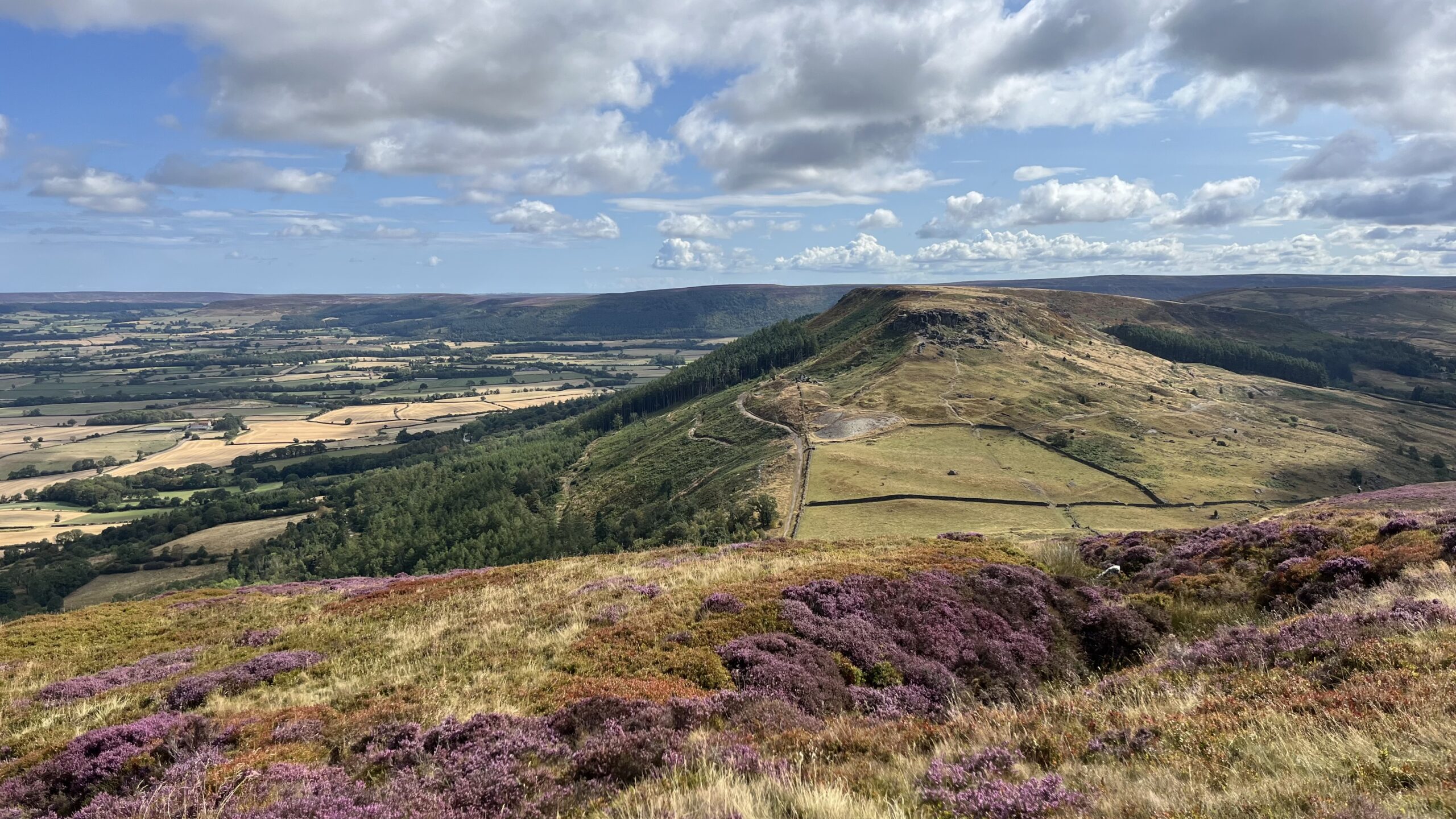
It looks like our Neolithic ancestors were quite fond of the easy option. While others were breaking their backs moving megaliths elsewhere in the country, the tribes in Cleveland opted for a “minimalist, energy-saving policy” for their rituals. They viewed this jagged outcrop of The Wainstones as a “ready made ritual landscape”. Nature had done…
-
The Field That Keeps Its Secret
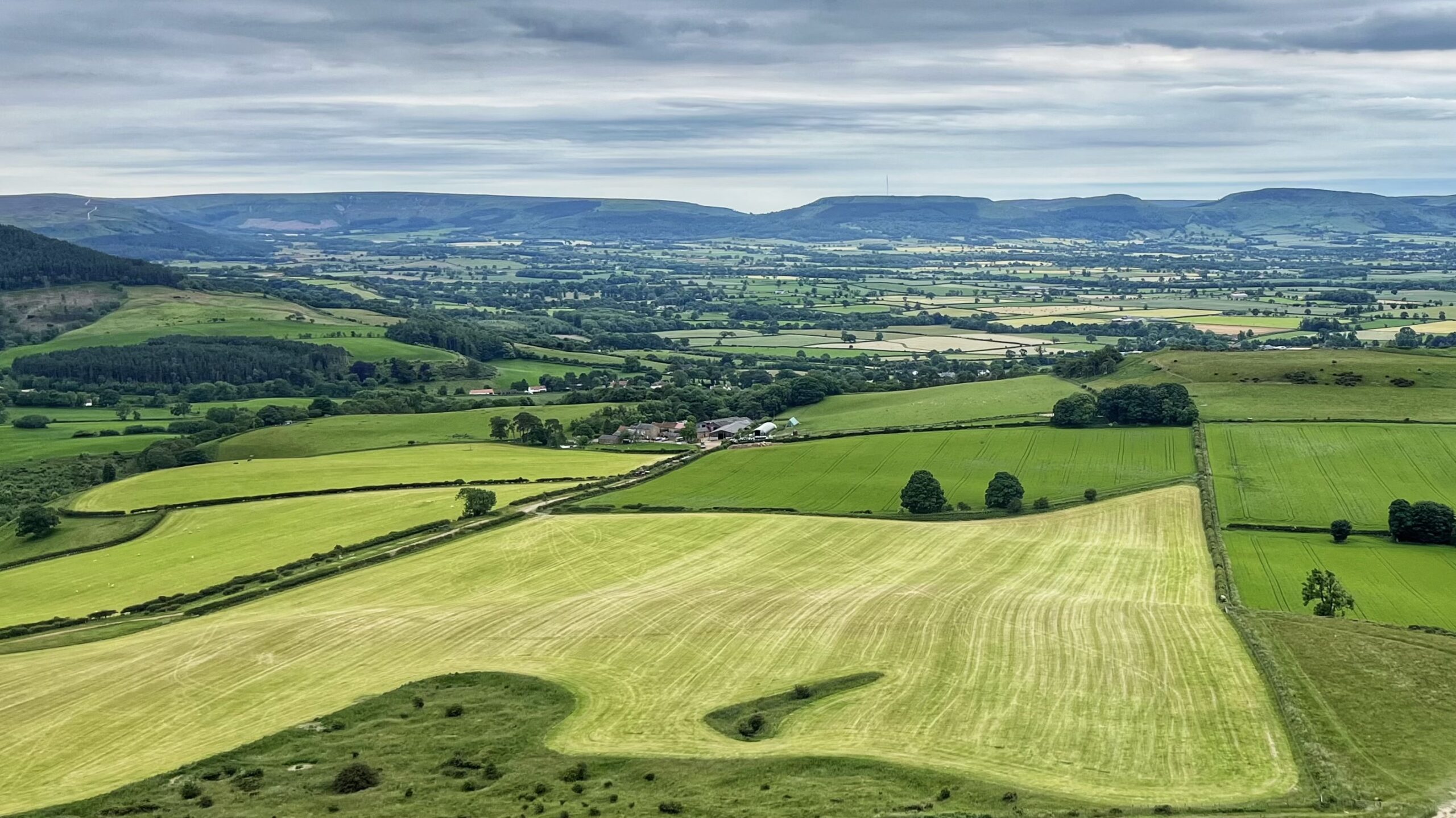
This never fails to make me smile. That teardrop island and the stubby little peninsula — where the farmer at Aireyholme cuts around rather than through — mark where the ground has quietly given up. They sit at the outer edge of the old Roseberry Mine ironstone workings. The miners used what they called “bord…
-
Stanydale Temple
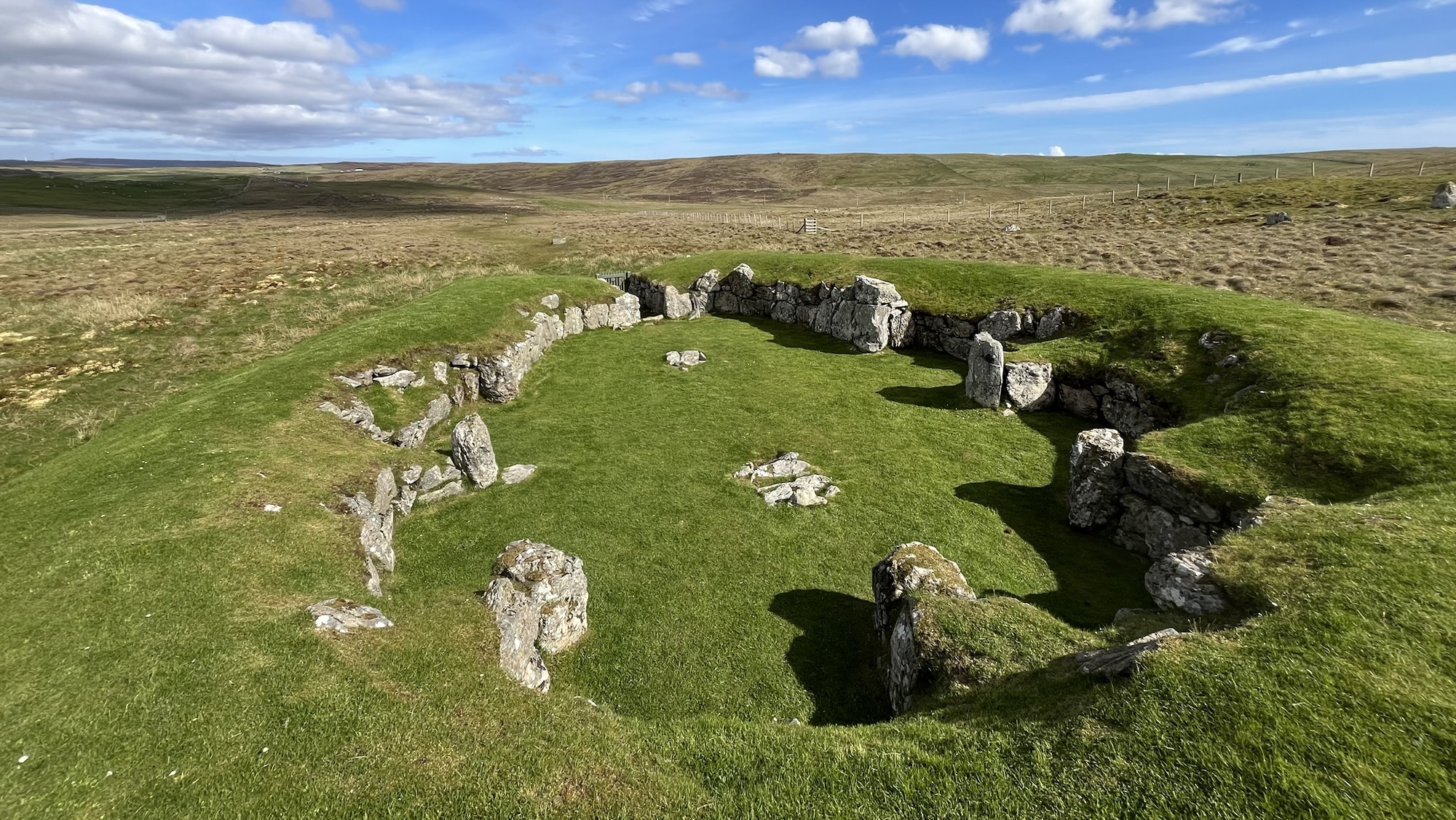
A wide-angle lens is a master of deception. It makes the walls of Stanydale Temple look rather squat. I reckon they are about 1.5 metres in height. The Temple is a Neolithic pile of undressed stone. Of course, it’s not really a temple, folk have called it so since 1949. This is because it shares…
-
The Scord of Brouster
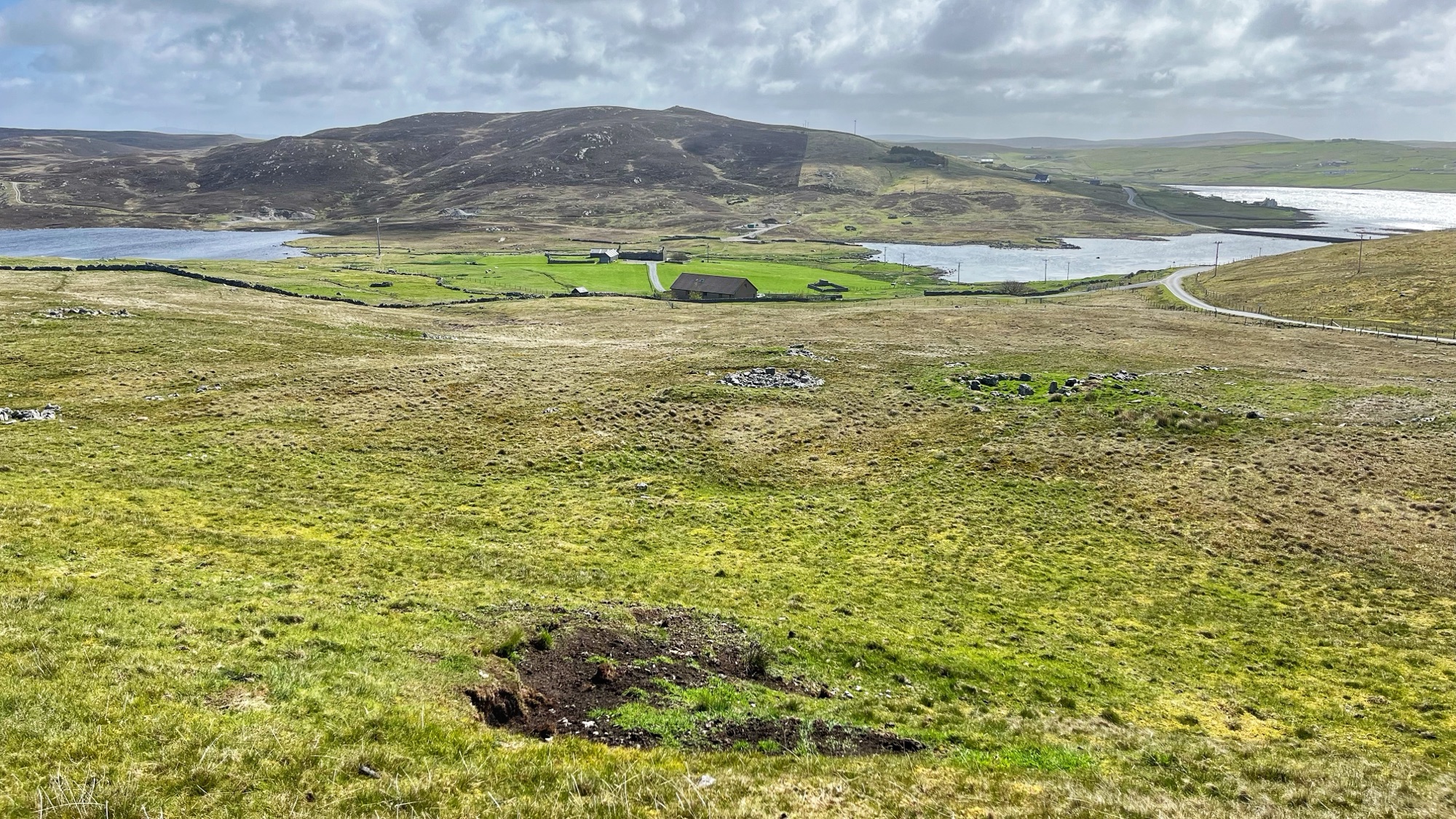
We stumbled upon this site by chance. Hidden on Shetland’s west side sits one of Scotland’s oldest farming puzzles. Over 5,000 years ago, the Scord of Brouster was not the bleak, wind-battered moorland you see today. It was a working farm surrounded by scrubby hazel and birch woodland. These were New Stone Age settlers, and…
-
The Broch at Levenwick
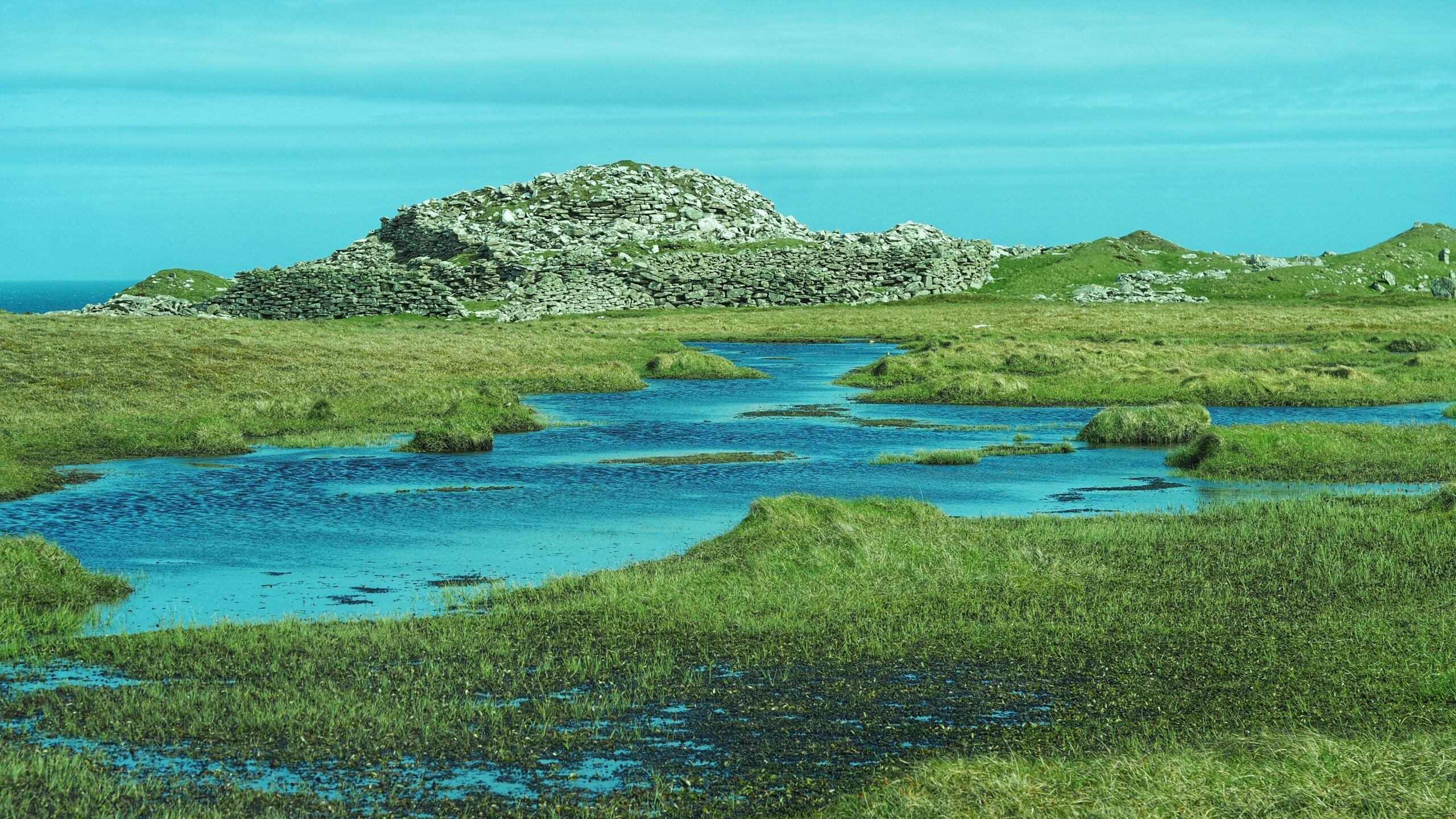
This photograph looks across the Burn of Burgadies, which drains the Loch of Levenwick towards the sea. Beyond the boggy, pool-scattered moor, the broch stands sentinel on the higher ground. This rather damp approach from the nearest tarmac at Southpunds may go some way towards explaining why this remarkable site rarely features in visitors’ plans…
-

Mousa: Beyond the Broch
Rising from the rocky shores of Mousa, this 13-metre-high drystone tower is more than an ancient ruin; it is a marvel of Iron Age engineering. Known as the best-preserved broch in the world, Mousa has stood defiant for over 2,000 years. But what exactly was a broch? These circular, double-walled towers are unique to Scotland.…
-
Warrendale Knotts and Attermire Scar
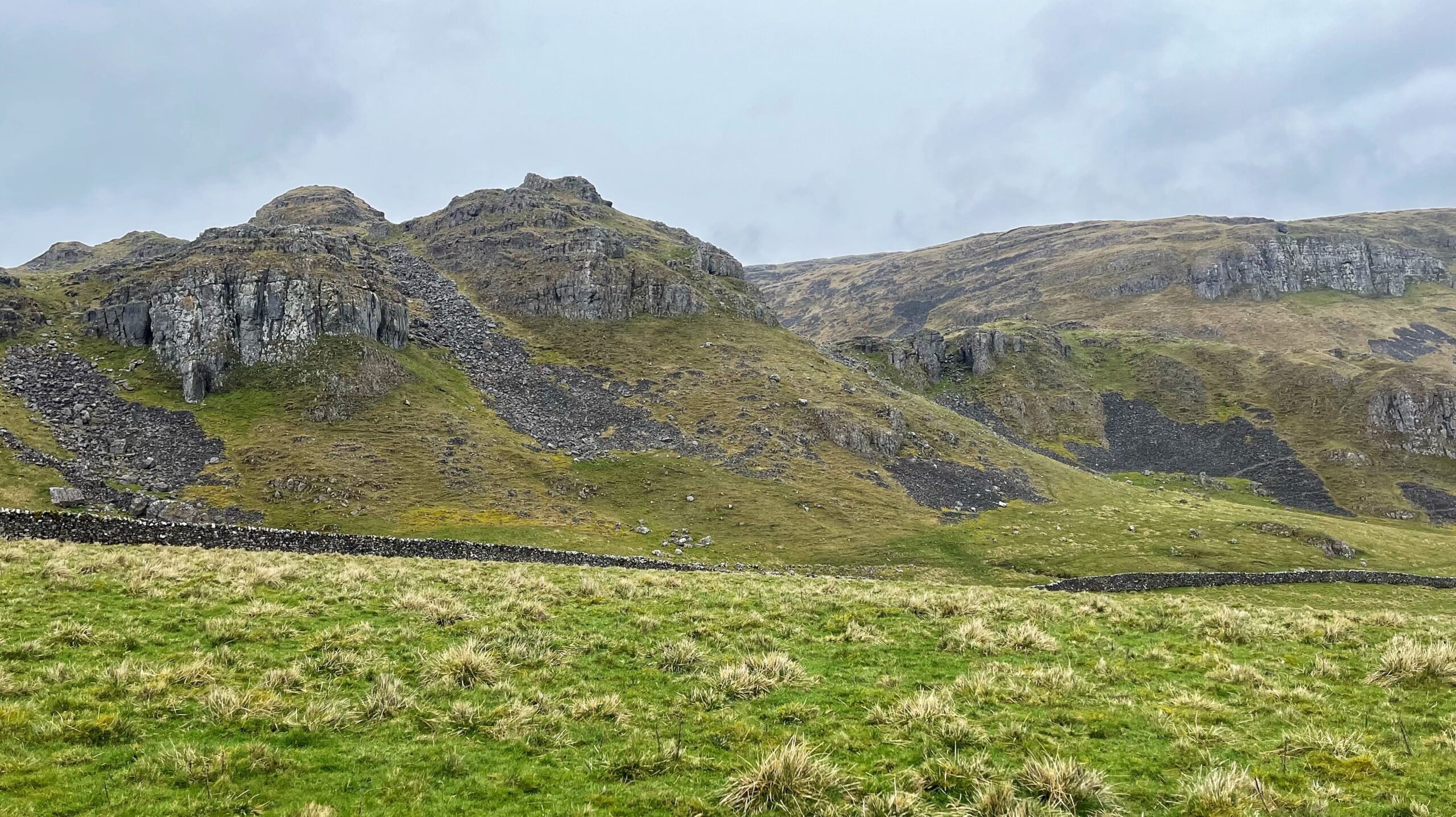
The scarps east of Settle rival any picture of the Dolomites. Vast columns of rock stand gaunt against the skyline, and in its shaded valleys, hill sheep regard the intruder with resentment and suspicion. The geology is almost absurb. Warrendale Knotts is a dramatic cliff of shattered limestone crags along the Mid Craven Fault —…
-
Gribdale Gate and the Edge of the Ice
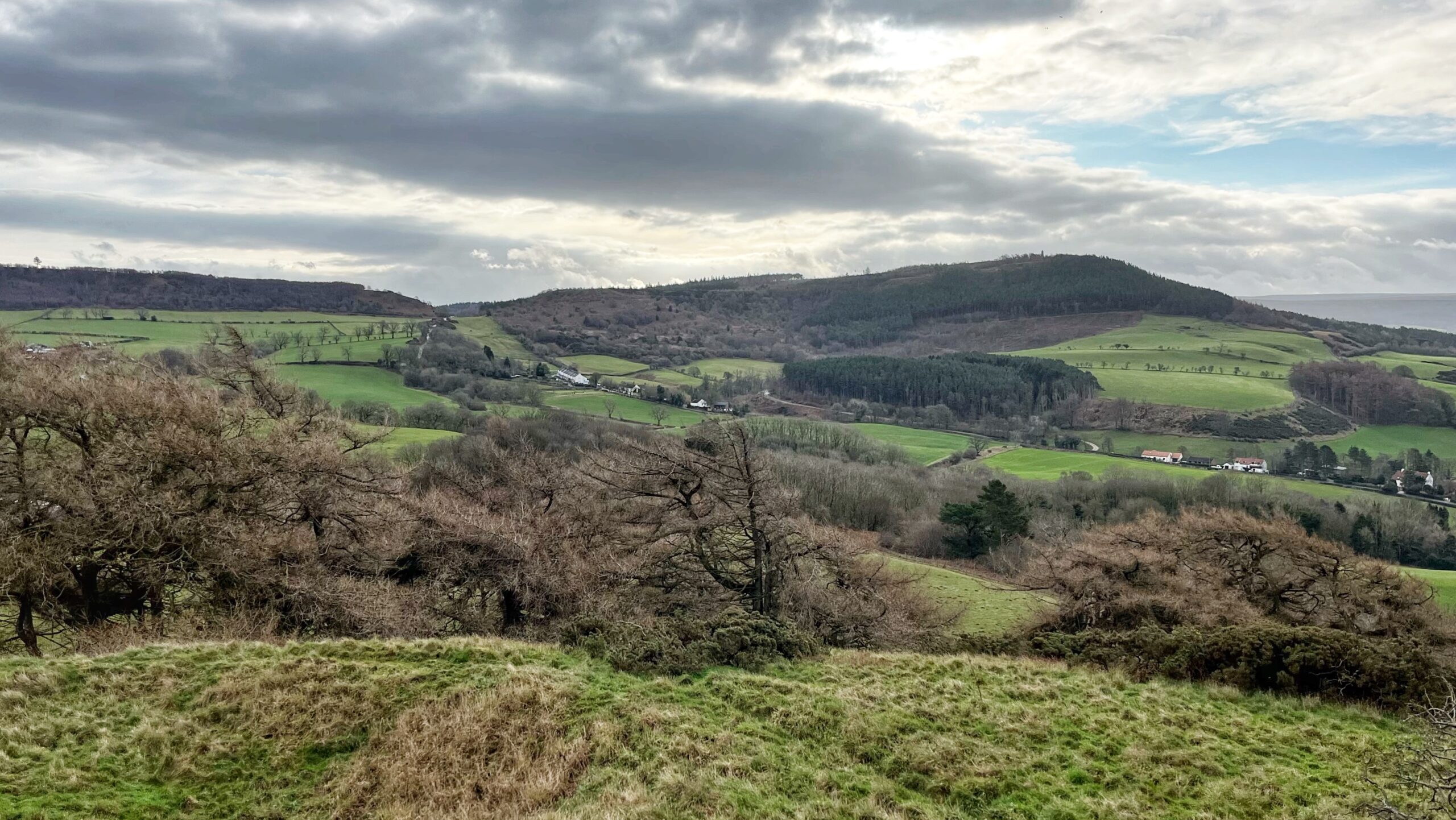
A view from Cliff Rigg looking across to Gribdale Gate and Easby Moor, where the monument to Captain James Cook stands like a stubborn finger pointing at the sky. It is a landscape that seems quiet until you realise how much has happened here while humanity was busy elsewhere. Gribdale Gate is a well known…