Category: Tabular Hills
-
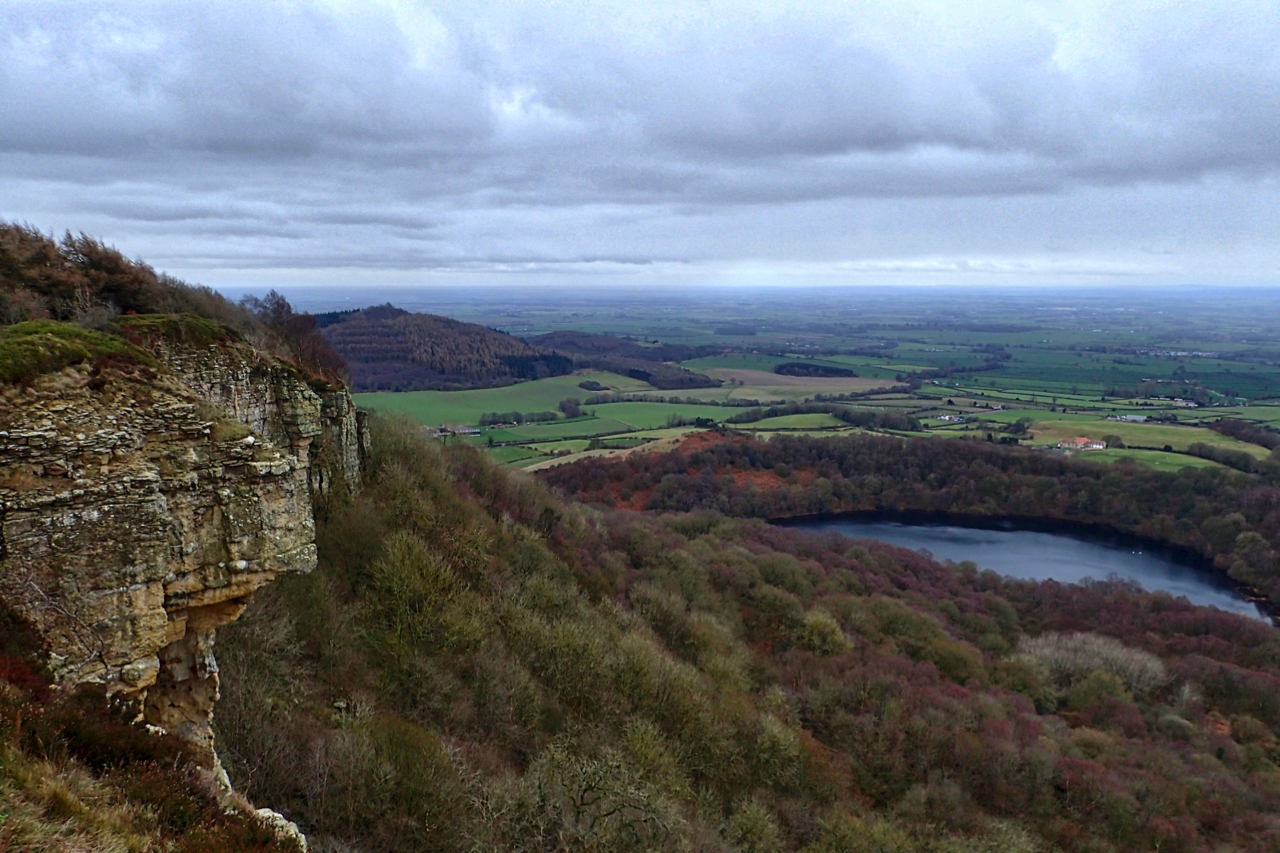
White Mare Crag
Perhaps better known as Whitestone Cliff. The Calcareous Grit crag is supposed to have formed in the eighteen century when the steep scarp slope slumped, an occurrence recorded by the Rev. John Wesley, the Methodist preacher, in his journal: “1755. On Thursday, March 25th, many persons observed a great noise near a ridge of mountains…
-
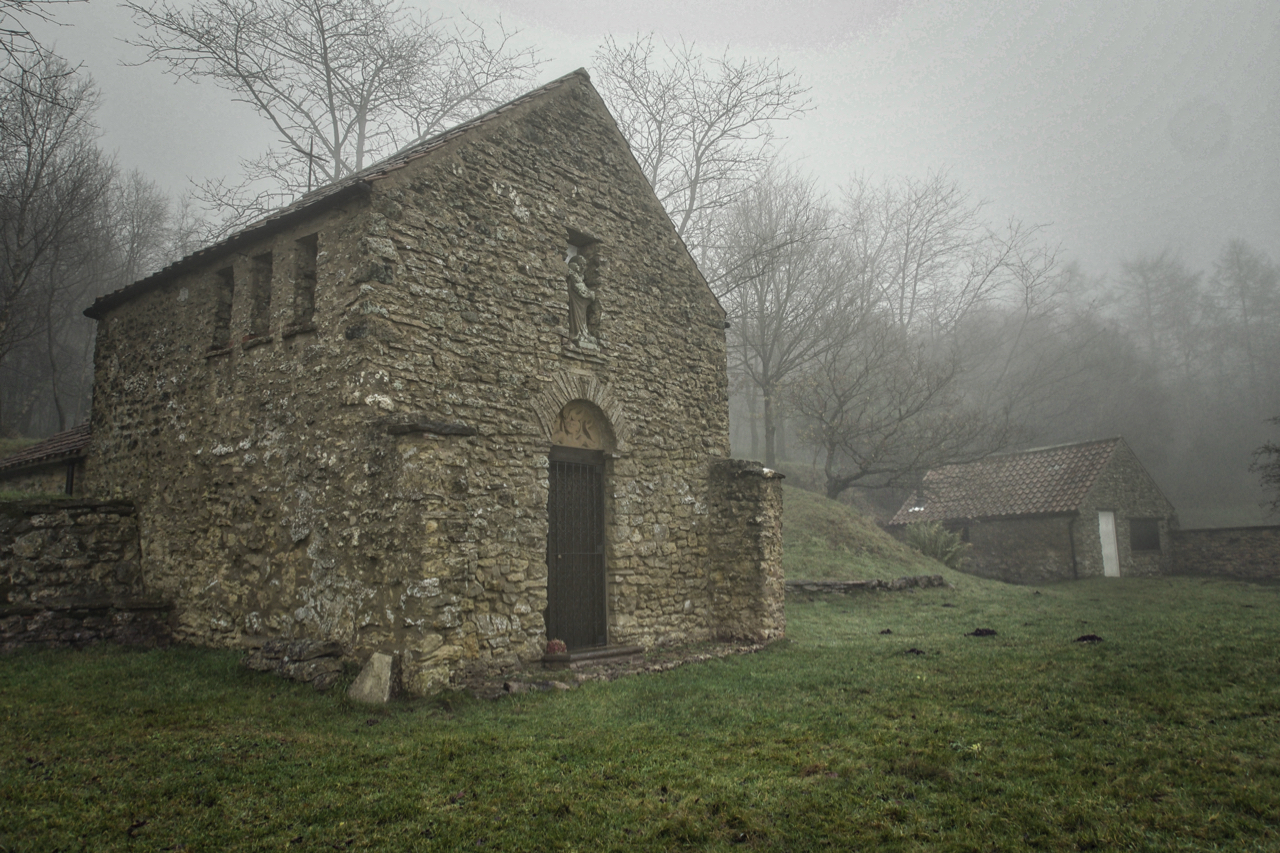
Scotch Corner Chapel
I’m currently reading “The Plot” by Madeleine Bunting. It is the story of her father’s obsession with an acre of land adjoining the old Hambleton drovers’ road as it descends from the high moors to Oldstead and the Vale of York. Although I’ve passed by before, it is not an area I know that well.…
-
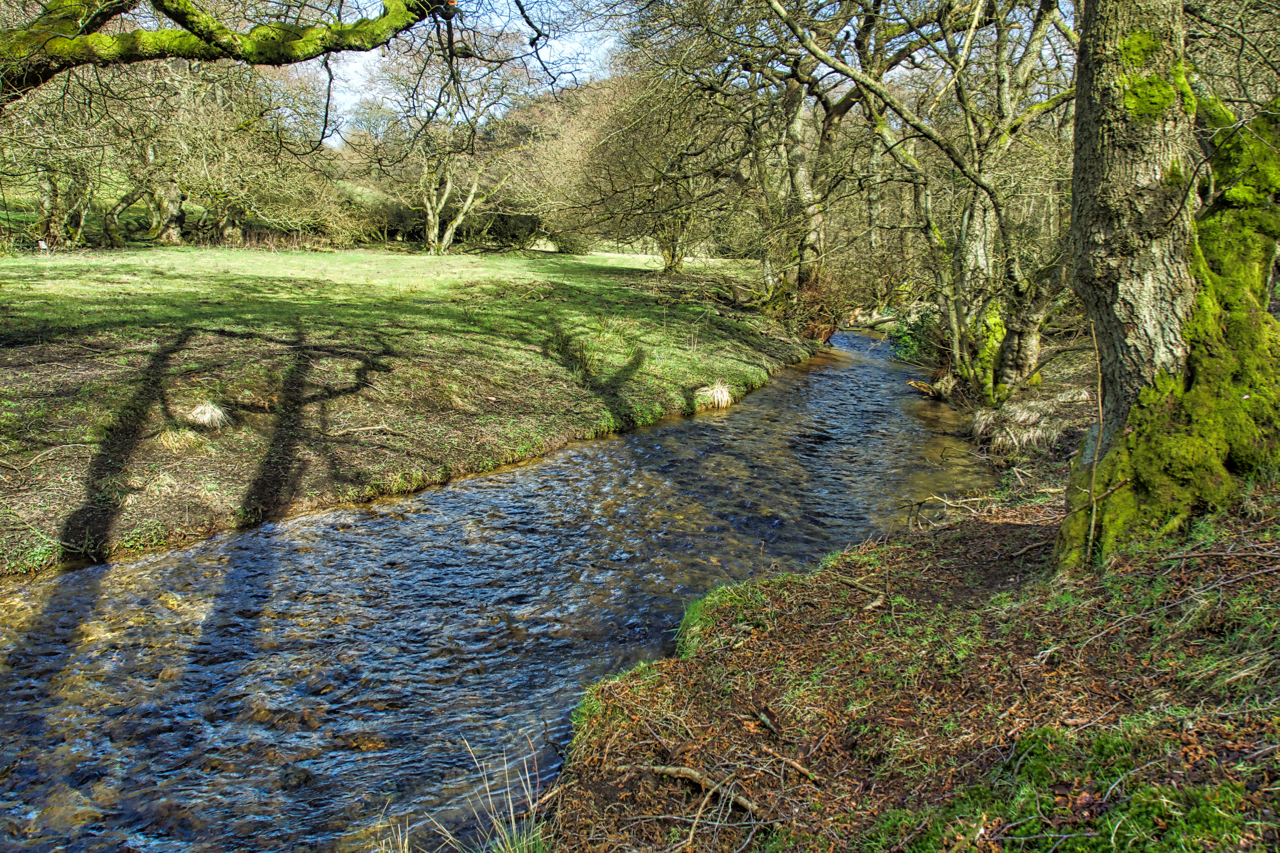
Staindale Beck
On what must be the warmest day of the year. Sunshine and the peaceful bubbling of the stream. A lotic moment at Low Staindale in Dalby Forest, time out while helping with some fencing for the National Trust. Open Space Web-Map builder Code
-
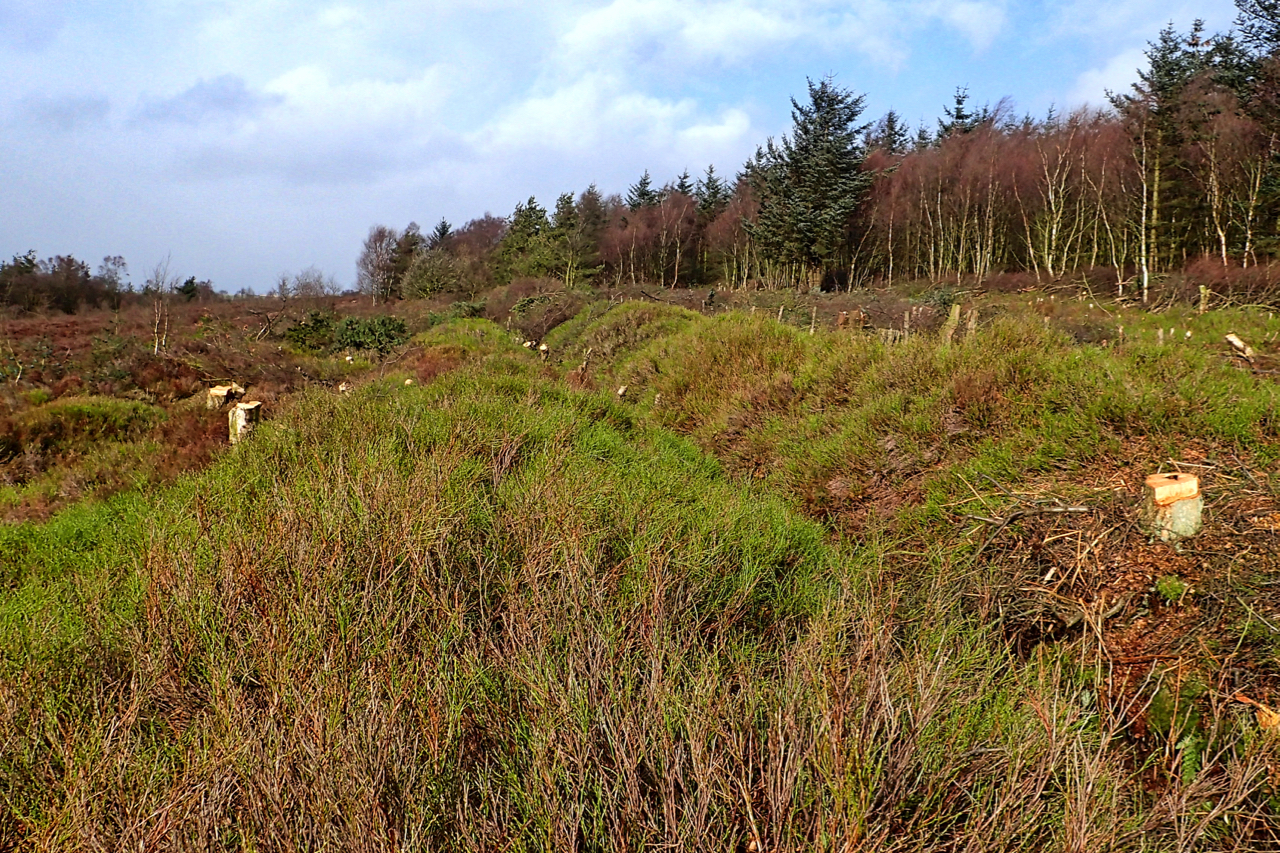
Prehistoric linear boundary at the Bridestones
The National Trust’s second winter season of tree and scrub clearance of the prehistoric linear boundary at Bridestones is almost over. Tree felling stops in the spring and summer to avoid disturbance of nesting birds. Just remaining for this winter is to stack the brashings and logs to create wildlife refuges. The Bronze Age earthwork…
-
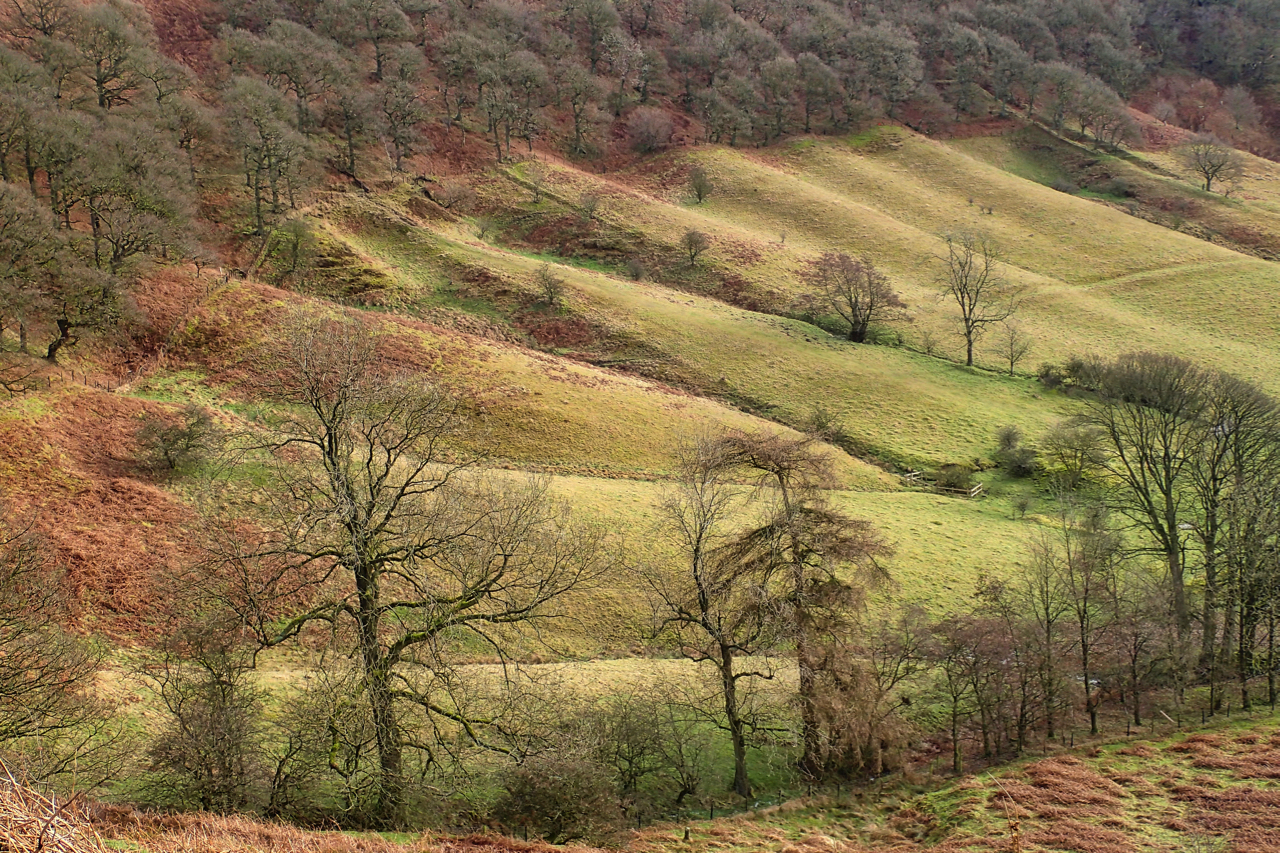
The Devil’s Punchbowl
In the Devil’s Punchbowl, the Hole of Horcum; the enormous bowl created not by the temper of the giant Wade but by slow and unremitting power of water during and immediately after the last ice age, 18,000 years ago. These erosion gullies are a reminder of this erosion. Where the snowmelt and rainwater seeping through…
-
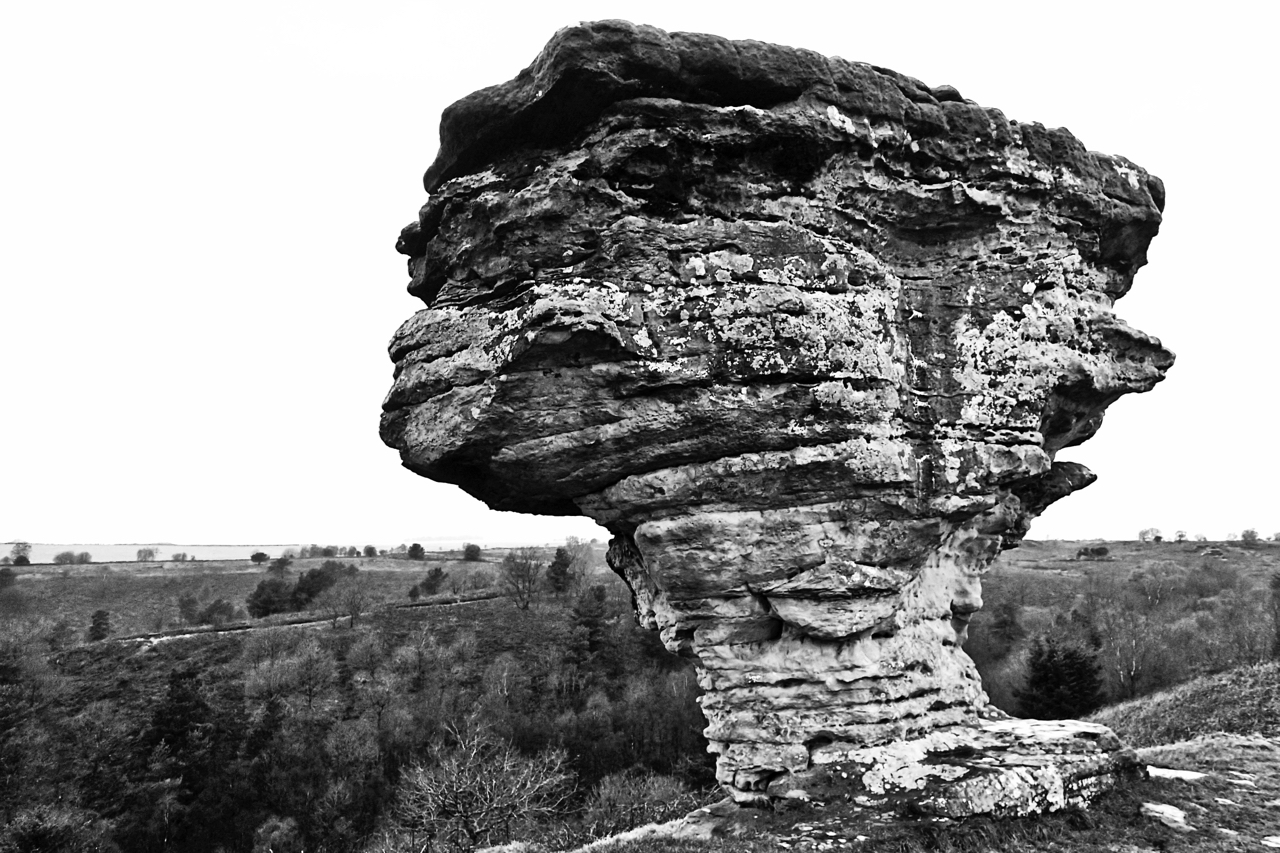
The Pepperpot, Bridestones
Of the fascinating sandstone columns and rock outcrops that are known as the Bridestones, the Pepperpot is perhaps the most photographed. The Bridestones are the last remnants of a Jurassic sedimentary rock layer deposited some 150 million years ago that have been eroded over the millennia by wind, frost and rain. The name is not…
-

Rievaulx Abbey
The image of the life Cistercian monk is one of austerity, hard manual work and self-sufficiency, and one of the first Cistercian monasteries to be founded in the North of England was in the valley of the River Rye at Rievaulx, in 1132. Seen here from the National Trust’s Rievaulx Terrace property, it grew to…
-
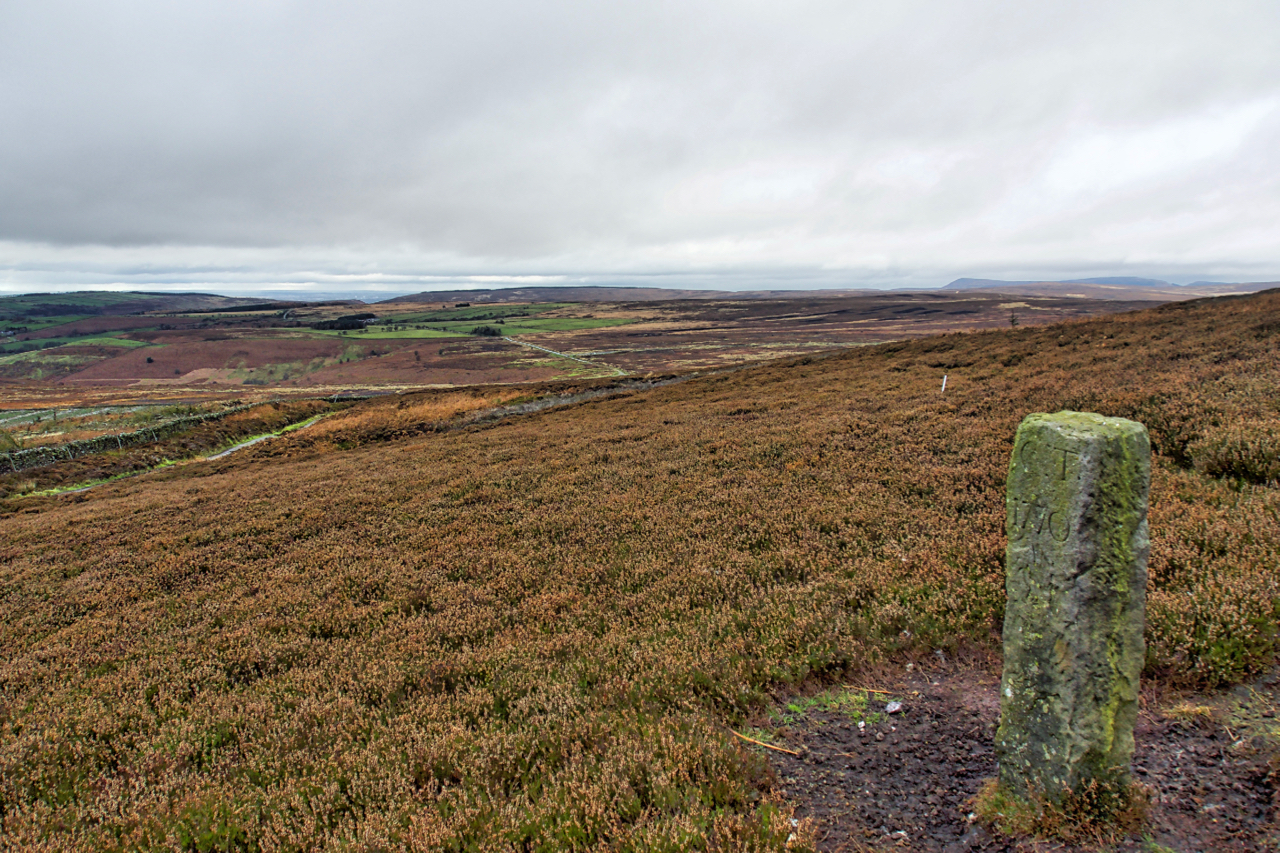
Boundary Stone, Hambleton End
Boundary Stone on Black Hambleton in the Tabular Hills.
-
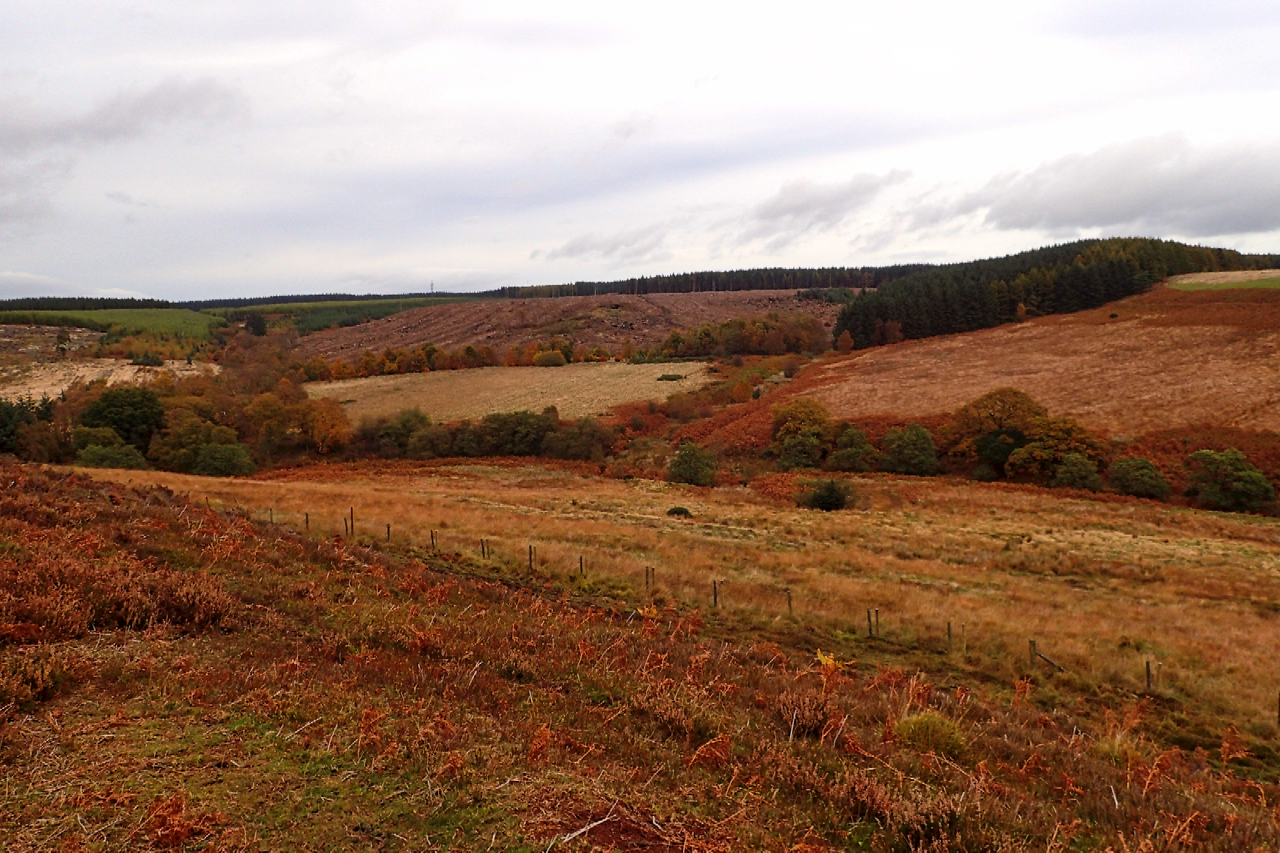
Grain Slack
Discovered a new area of moorland today. Thompson’s Rigg, part of the National Trust’s Blakey Topping property. Heather dominates the rigg, hiding the prehistoric field system, cairnfield and hollow ways. Across Grain Slack, a diverse shallow valley is Allerston High Moor, also Trust land. In the distance, the commercial plantations of Langdale Forest have been…
-
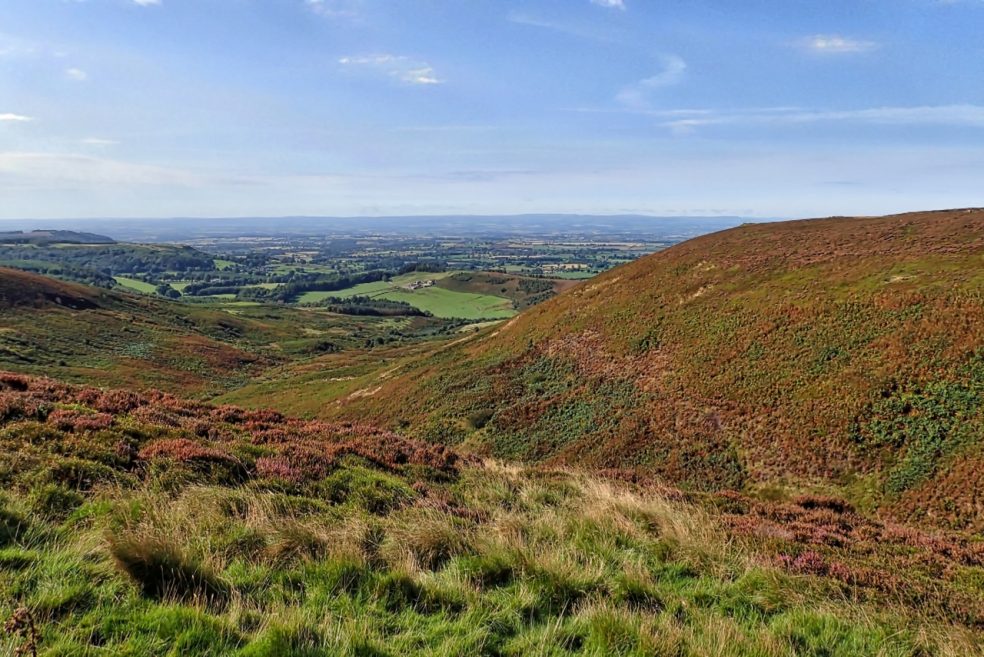
White Gill
In the Tabular Hills, limestone country in the southern half of the North York Moors and a view west over the Vale of Mowbray to the Yorkshire Dales, supposedly one of the “finest views in all of England”. White Gill, the stream at the bottom of a deep valley with no name, and downstream, the village of Kepwick.…