Category: Northumberland
-
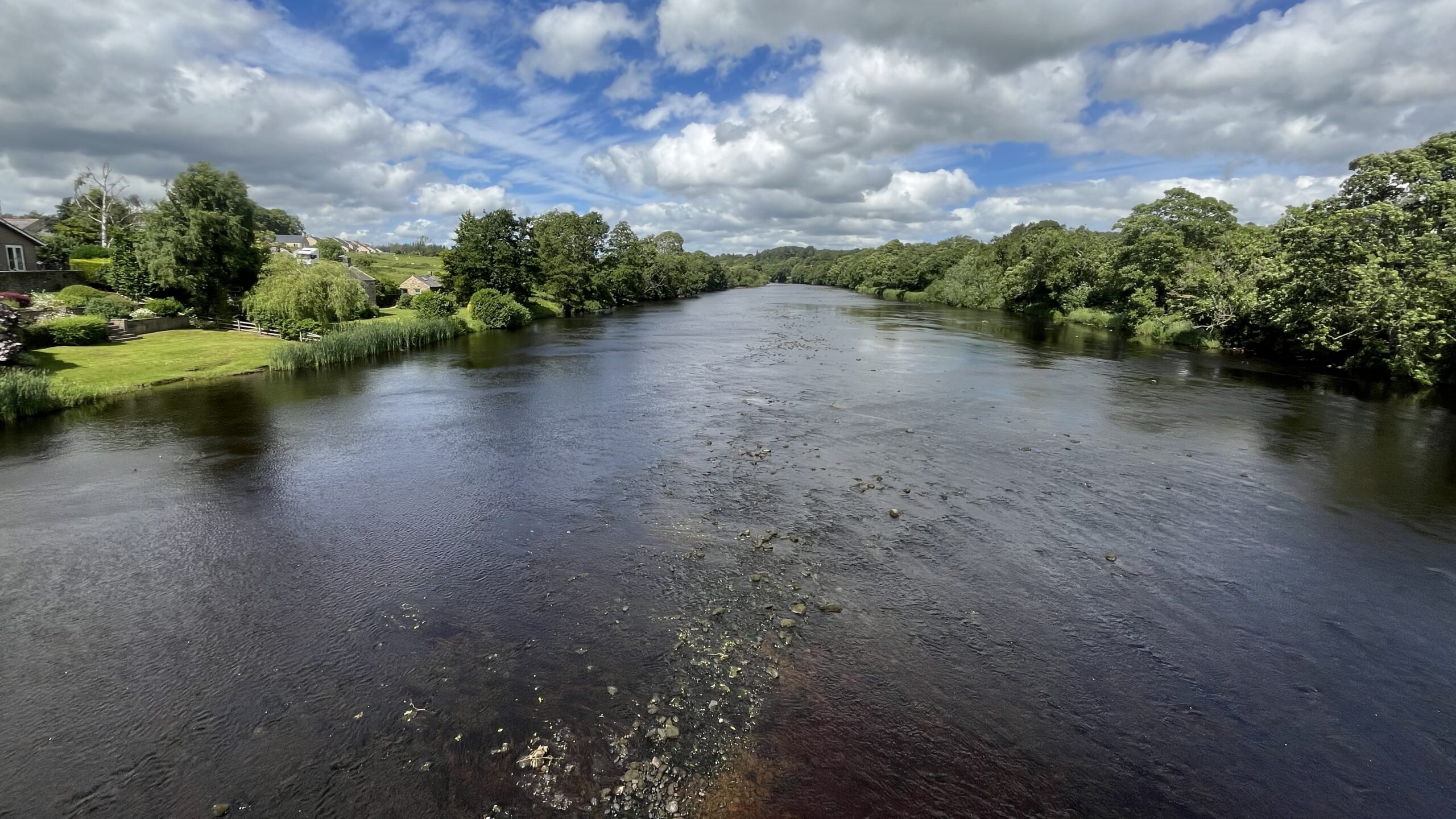
Calm and wide, the River North Tyne, gently flows below Wark Bridge. It is not behaving naturally. It looks tame because, in a very real sense, it has been tamed. For most of its history the North Tyne did what upland rivers do: it raged when it rained and starved when it did not. Two…
-

Shitlington: A Cross, a Fair, and Eight Centuries of Unfortunate Spelling
In the Peak District sits a hill called Shatton Moor. My Duke of Edinburgh groups used to home in on it every time, like pigeons to a statue, and the jokes wrote themselves. The name is almost certainly Old English. “Scēat-tūn” — a corner of land plus a farmstead. “The farm on the edge.” Dull,…
-
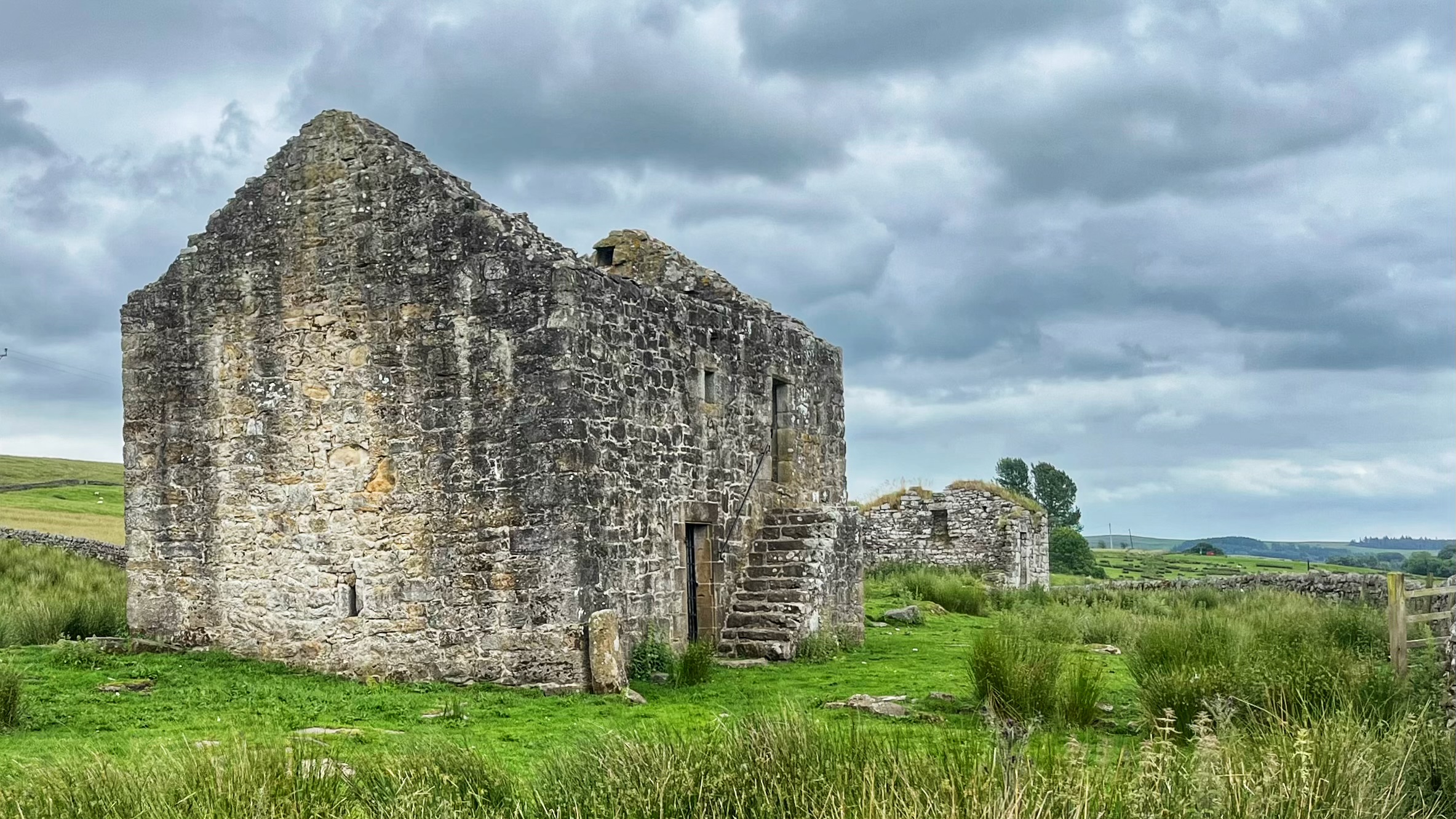
A Glimpse of the Frontier: Black Middens Bastle House
In the 16th century, the “Debatable Land” sitting between England and Scotland had no time for national loyalty. Survival was a subscription service, and missing a payment was bad for your health. We now think of “blackmail” as something that happens to politicians on laptops. It was, in fact, invented here, as a perfectly formal…
-
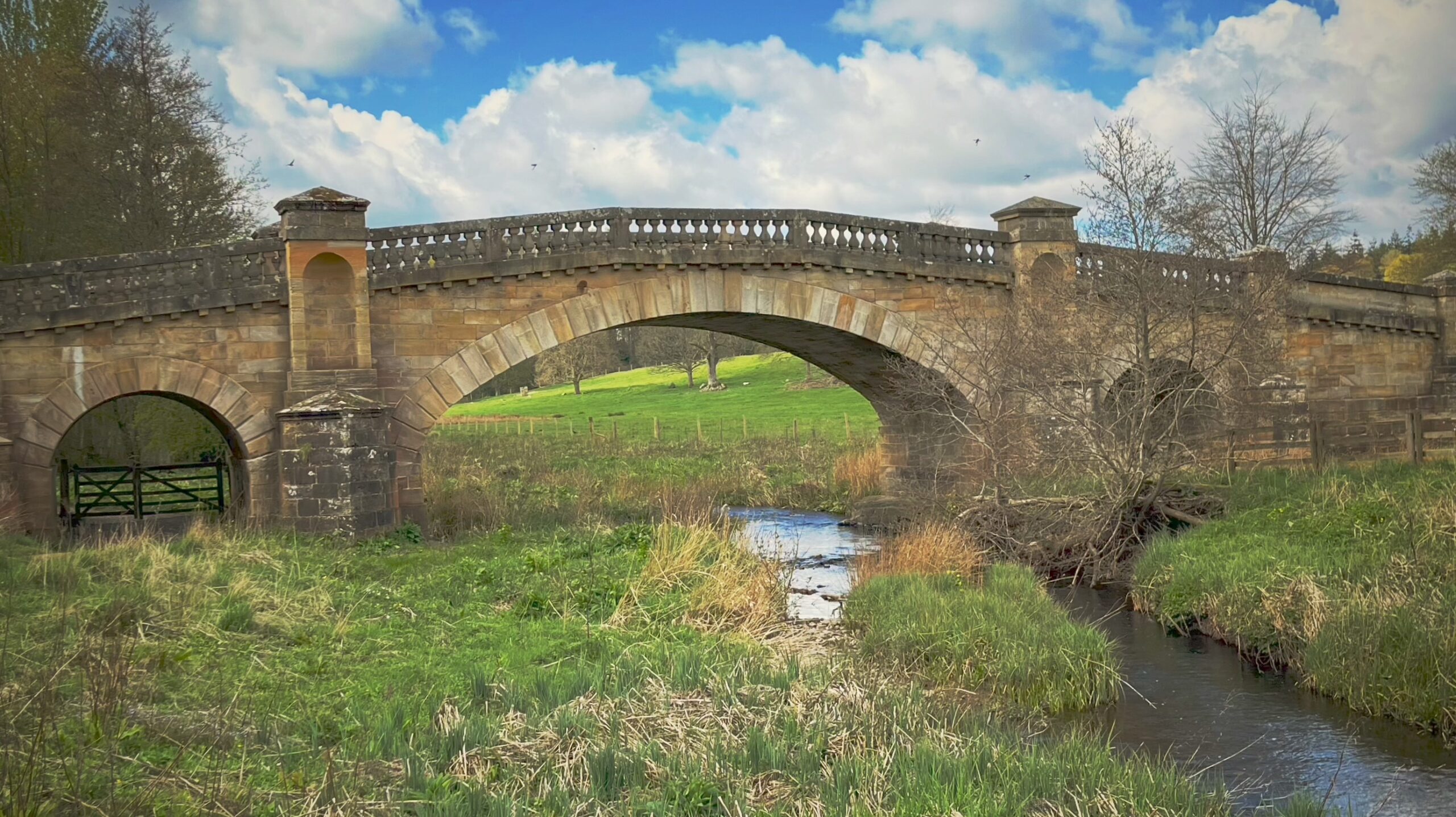
Wallington Bridge
A photo from last weekend’s jaunt up Northumberland, we called in at Wallington Hall on the way home. This National Trust property is a sign that one can build a very good place if one is willing to import enough rum and sugar. This truth is not exactly comfortable for those who prefer their history…
-
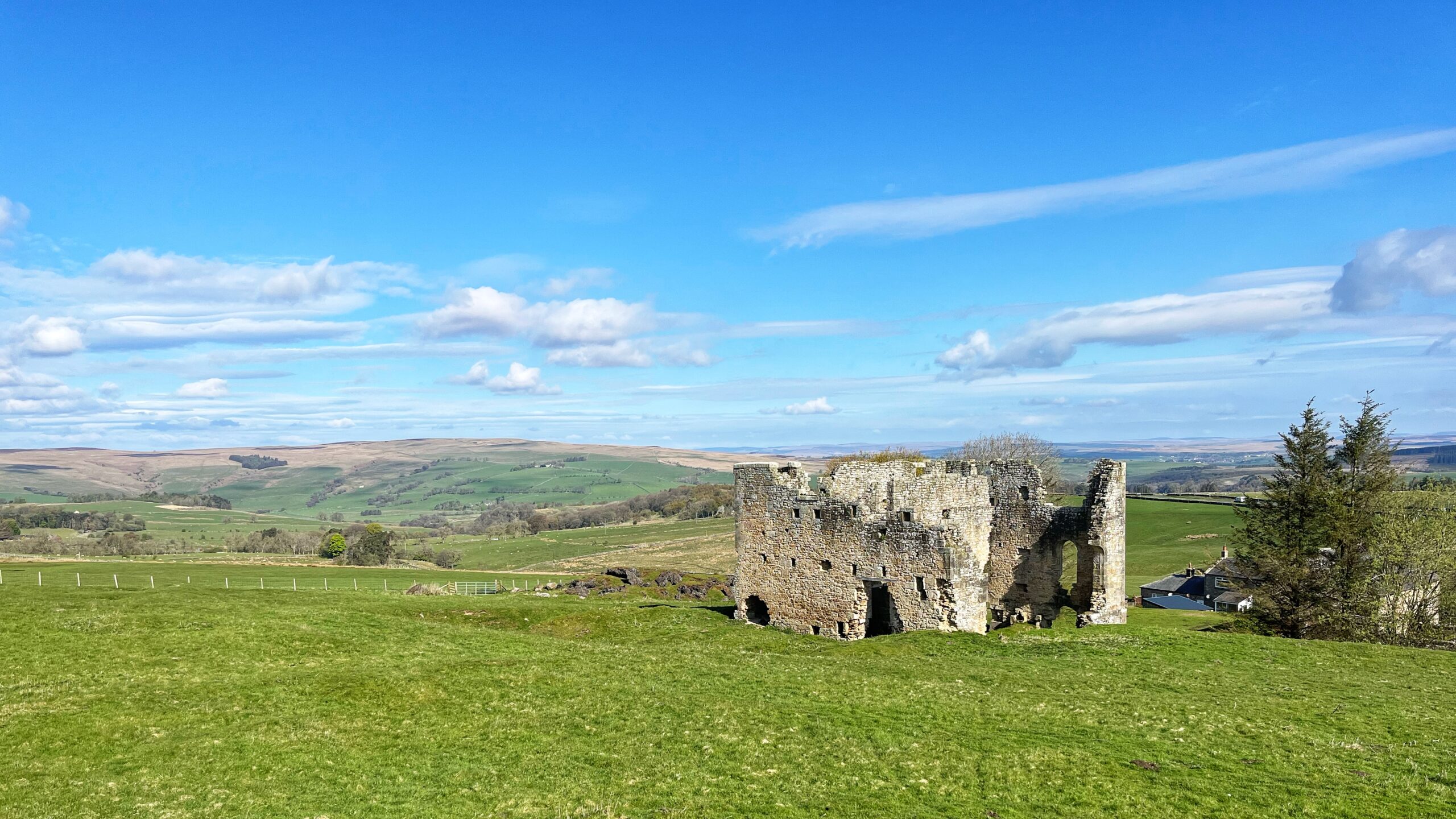
Ridsdale Ironworks Pump House
Driving along the A68 through Northumberland, most people might glance at these ruins below Ridsdale and assume they are looking at a medieval castle. They are instead looking at a Victorian industrial building — and one with a remarkable story. This engine house was likely designed to resemble a rugged border stronghold. In 1839, the…
-
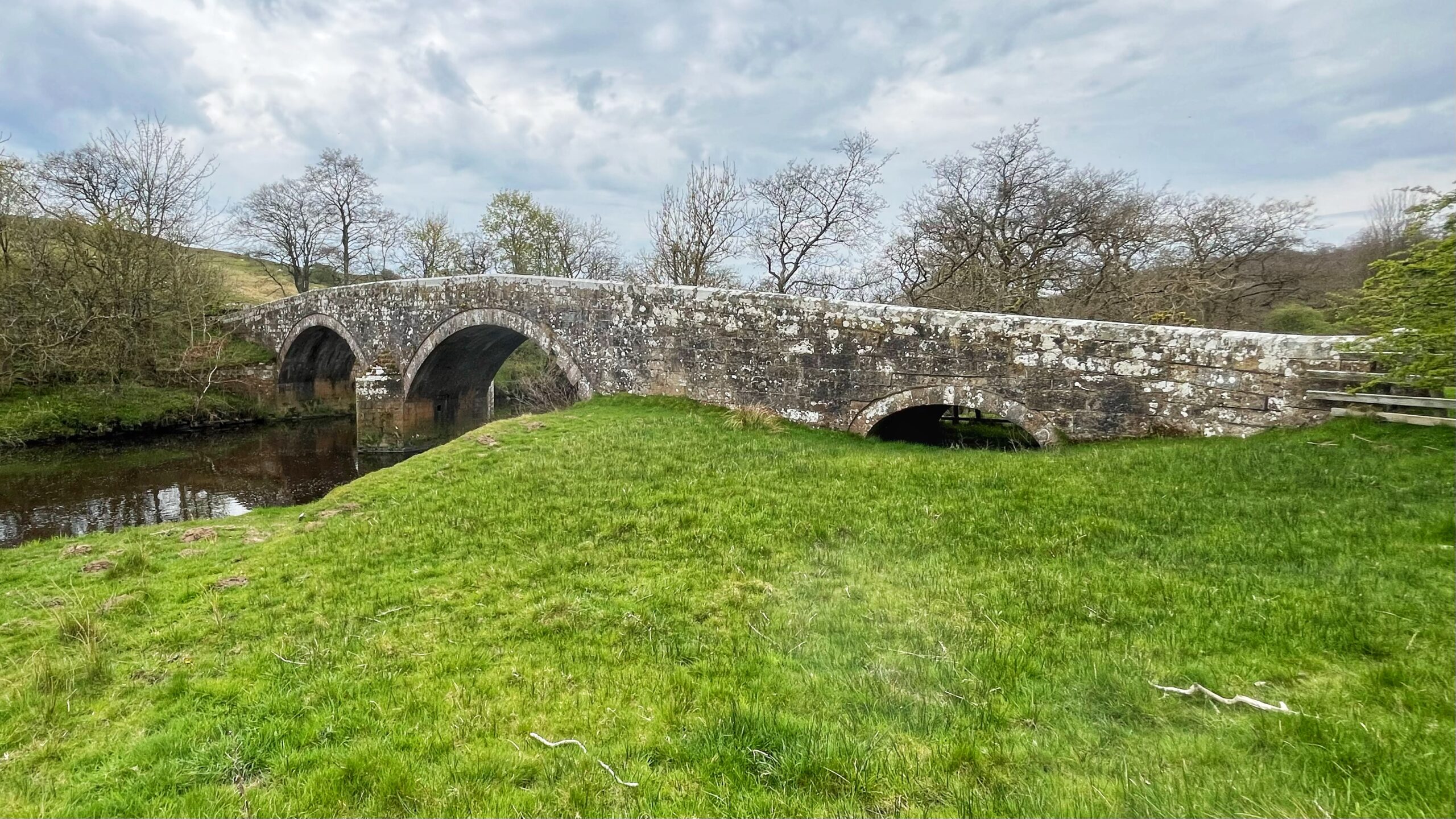
Rede Bridge: Carrying Nothing But a Grassy Track
Built in 1715, Rede Bridge crosses the River Rede in rural Northumberland with two confident stone arches and a smaller flood arch on the right bank. It is Grade II listed. It is, by any measure, too good a bridge for a field path. So why build it at all? The most persuasive answer involves…
-
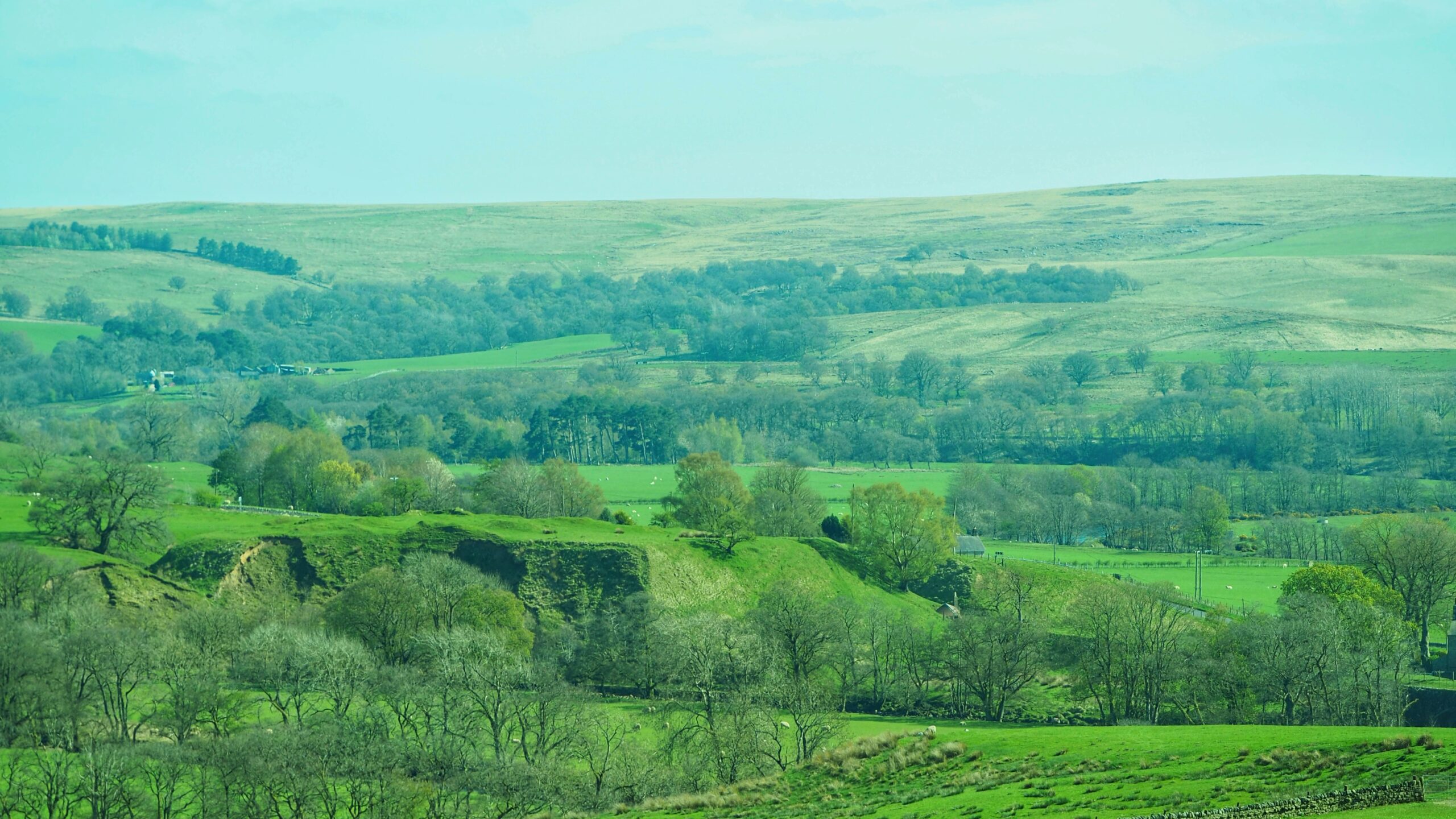
The Castle That Time, Fire, and a Small River Are Finishing Off
That eroded mound is Tarset Castle, in the North Tyne valley. The steep, undercut flanks show the ongoing damage caused by the Tarset Burn. The gentle green mound does not look like much. It is, in fact, all that’s left of a castle that was once a record-holder, a border fortress, a bonfire, a quarry,…
-
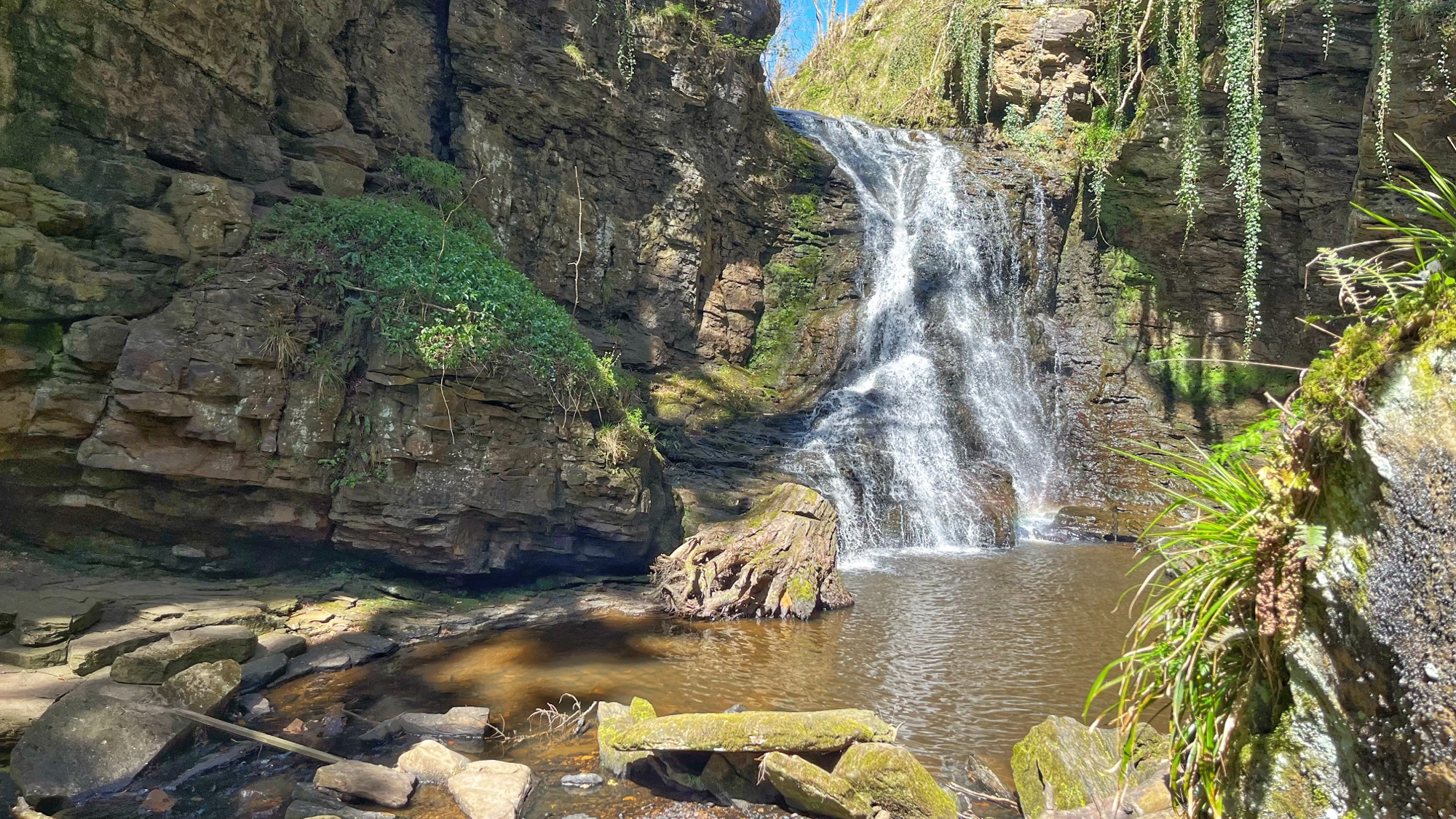
Hareshaw Linn: The Waterfall That Forgot Its Past
Standing here at the foot of Hareshaw Linn, I would swear nothing had ever disturbed this place. Dripping rock. Ancient ferns. A waterfall cascading thirty feet into a rust-brown pool. It feels, as one writer put it, like “an ancient rainforest.“ It is not. Not even slightly. As we discovered from the information board at…
-
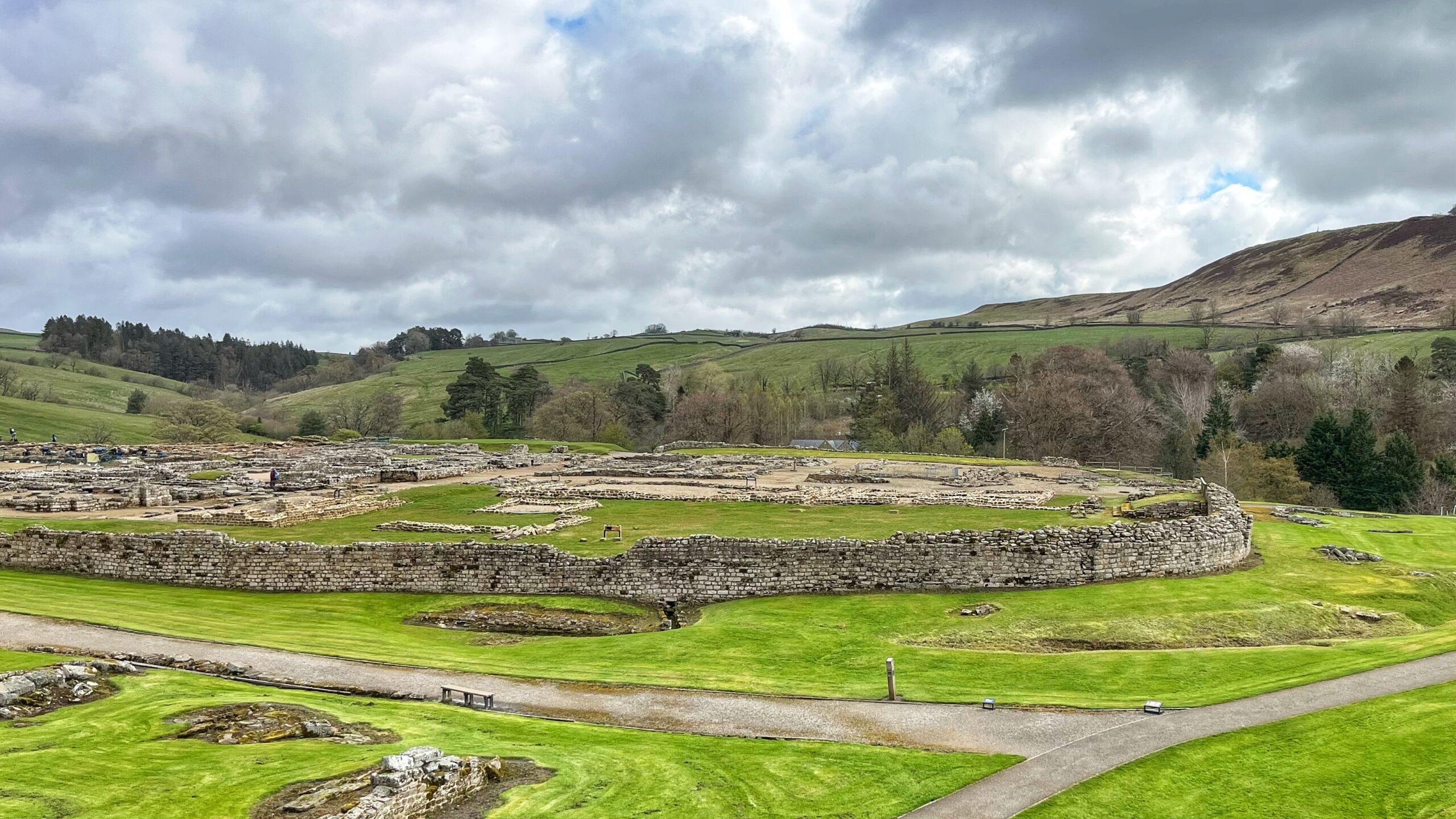
Vindolanda
Ever thought history was all sewn up? Vindolanda will put you right on that. I have never had much time for museums. My attention wanders, especially when herding the young scion at full tilt through tourist traps. But Vindolanda stopped me in my tracks. What makes it work is simple: the ruins and the finds…
-
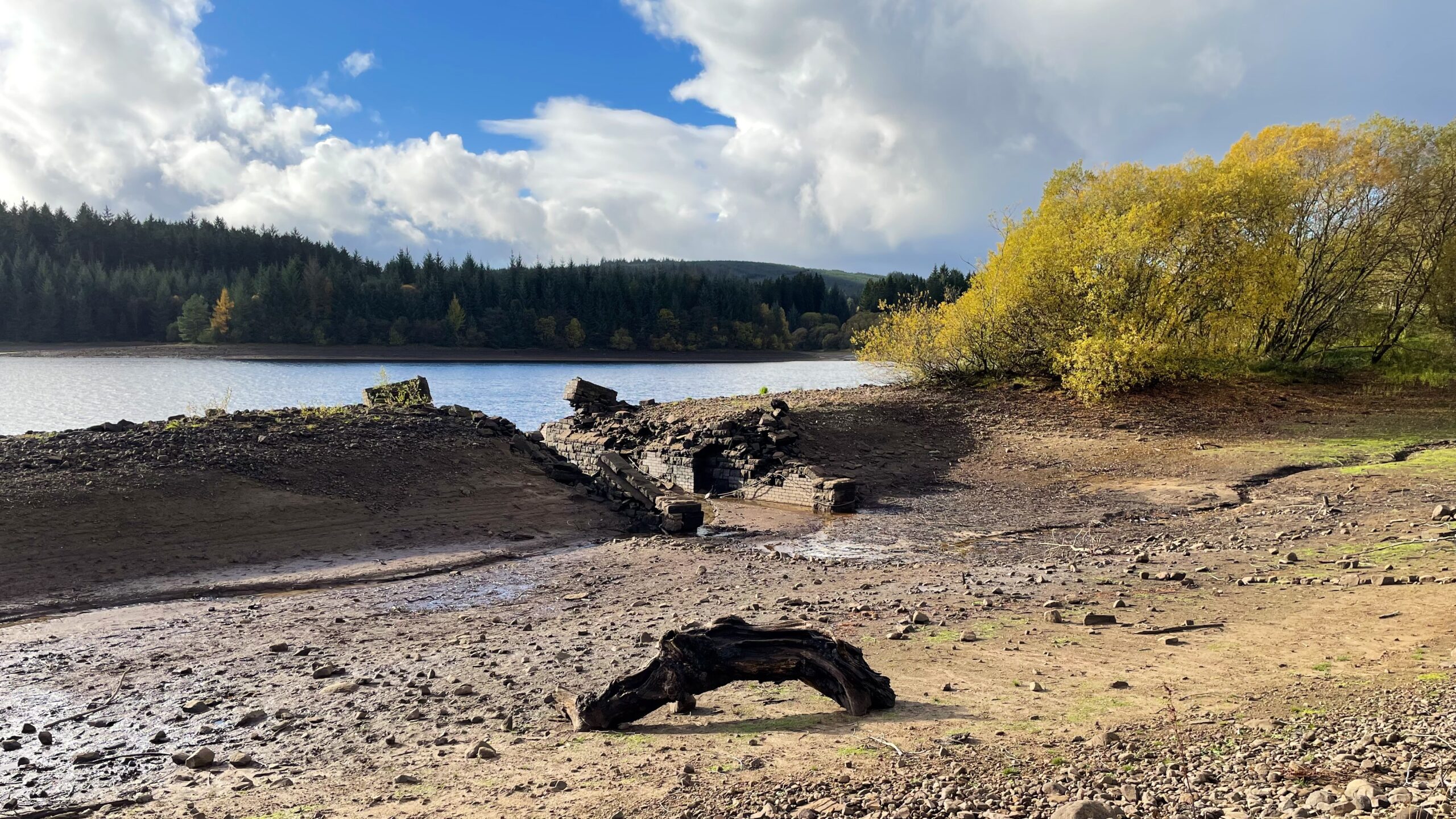
Drowned Tracks: The Railway That Kielder Swallowed
I had always imagined Kielder reservoir as an endless supply of water, vast and untouchable. So when I saw it shrunken, its shoreline drawn back to reveal the bones beneath, it was a bit of a shock. There, exposed after decades under the surface, lay the embankment of a forgotten railway that once wound its…