Category: Cumbria
-
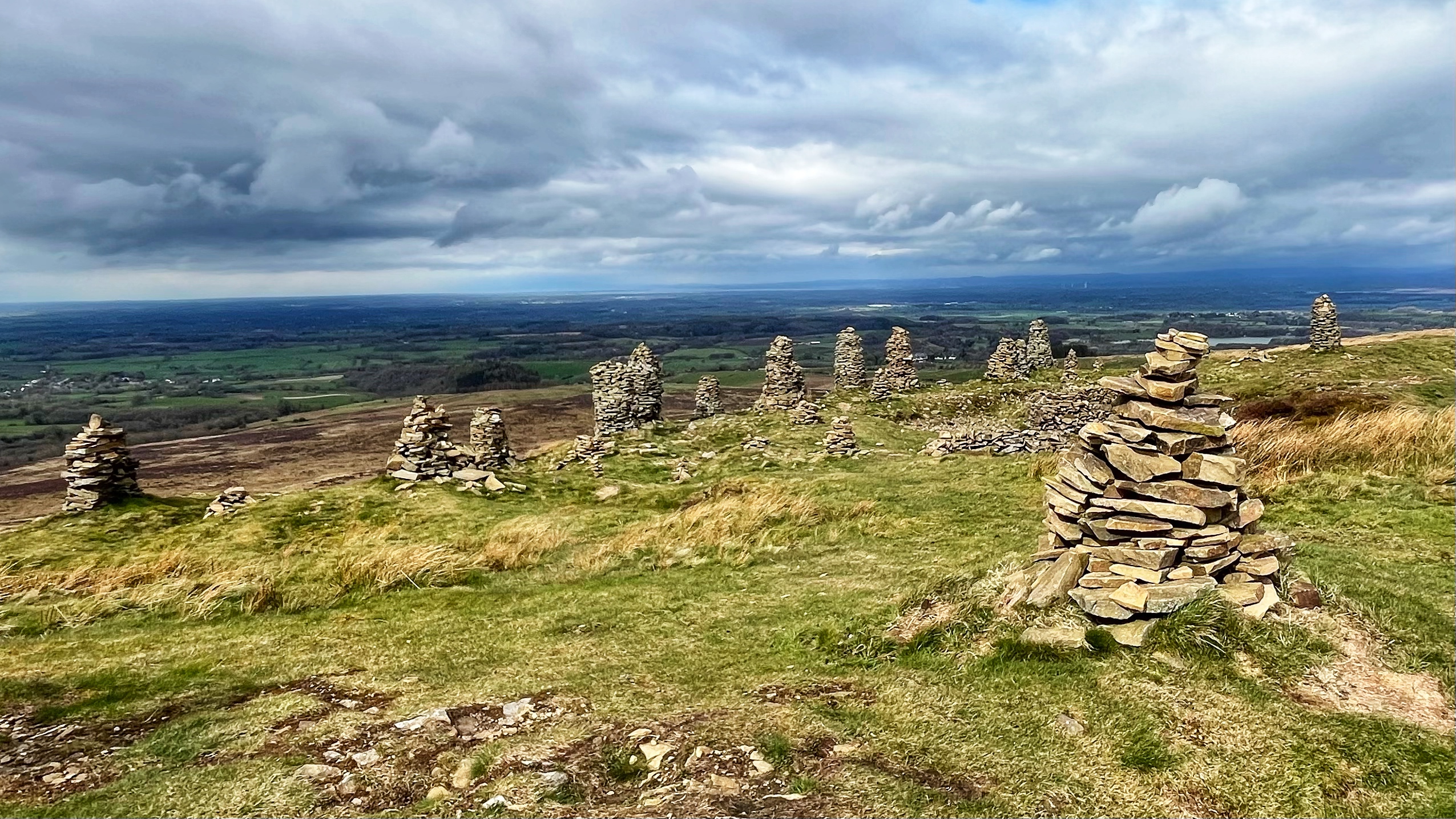
Stones That Speak: The Curricks of Talkin Fell
Stand on Talkin Fell in Cumbria and you are surrounded by towers of stacked stone. Locals call them curricks. They are not modern art. They are not random. They are, in a quiet way, astonishing. The word ‘currick’ descends from Cumbric — a Celtic language, closely related to Old Welsh, spoken across northern England over…
-
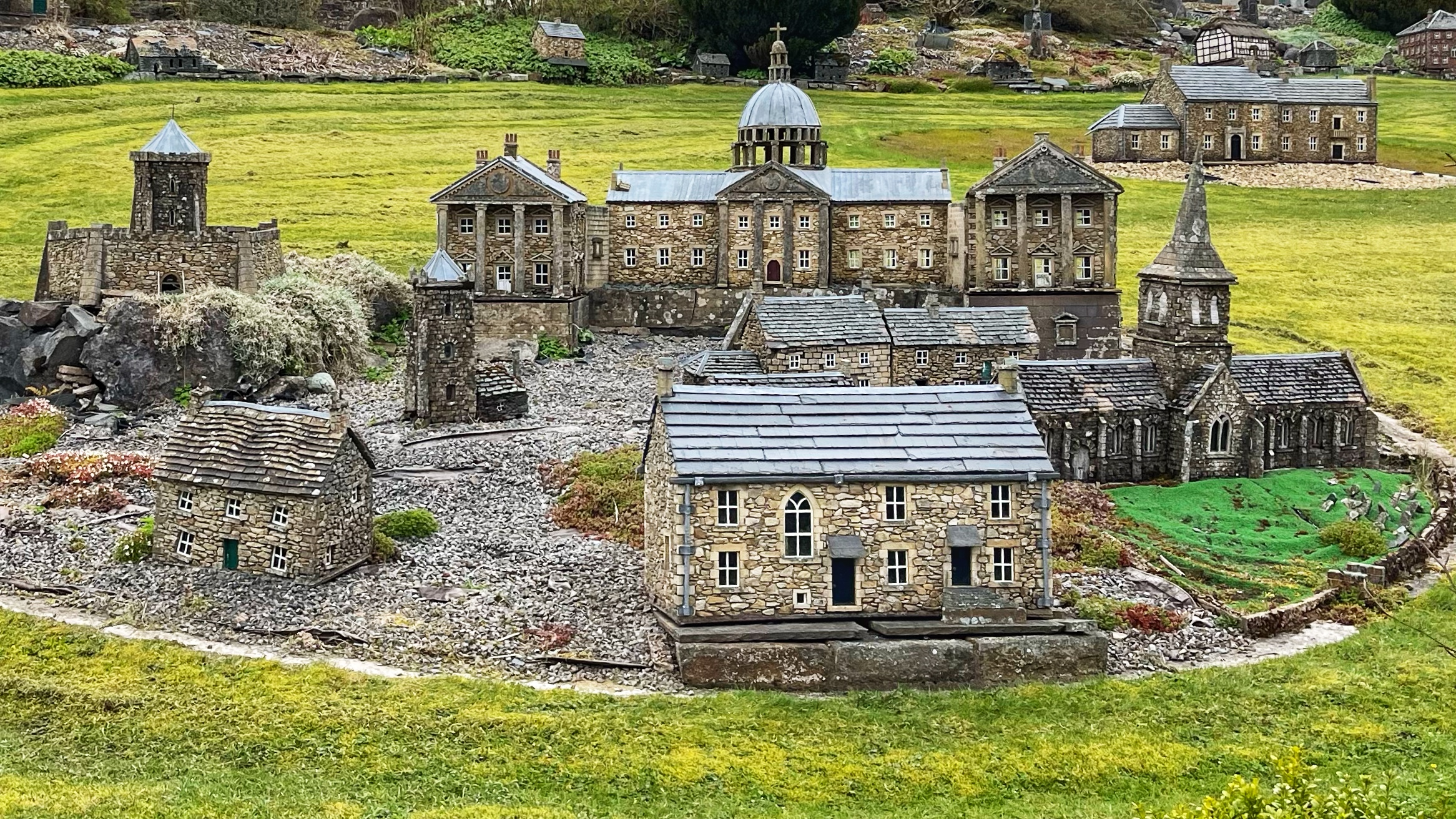
The Village That Invented the Welfare State — and Then Built Graceland
England’s highest village once changed how we think about workers. Then one man did it again, in miniature. In 1825, the London Lead Company — run by Quakers with an unusual sense of moral duty — did something nobody had done before. They built Nenthead, in Cumbria, as the first purpose-built industrial village in England.…
-
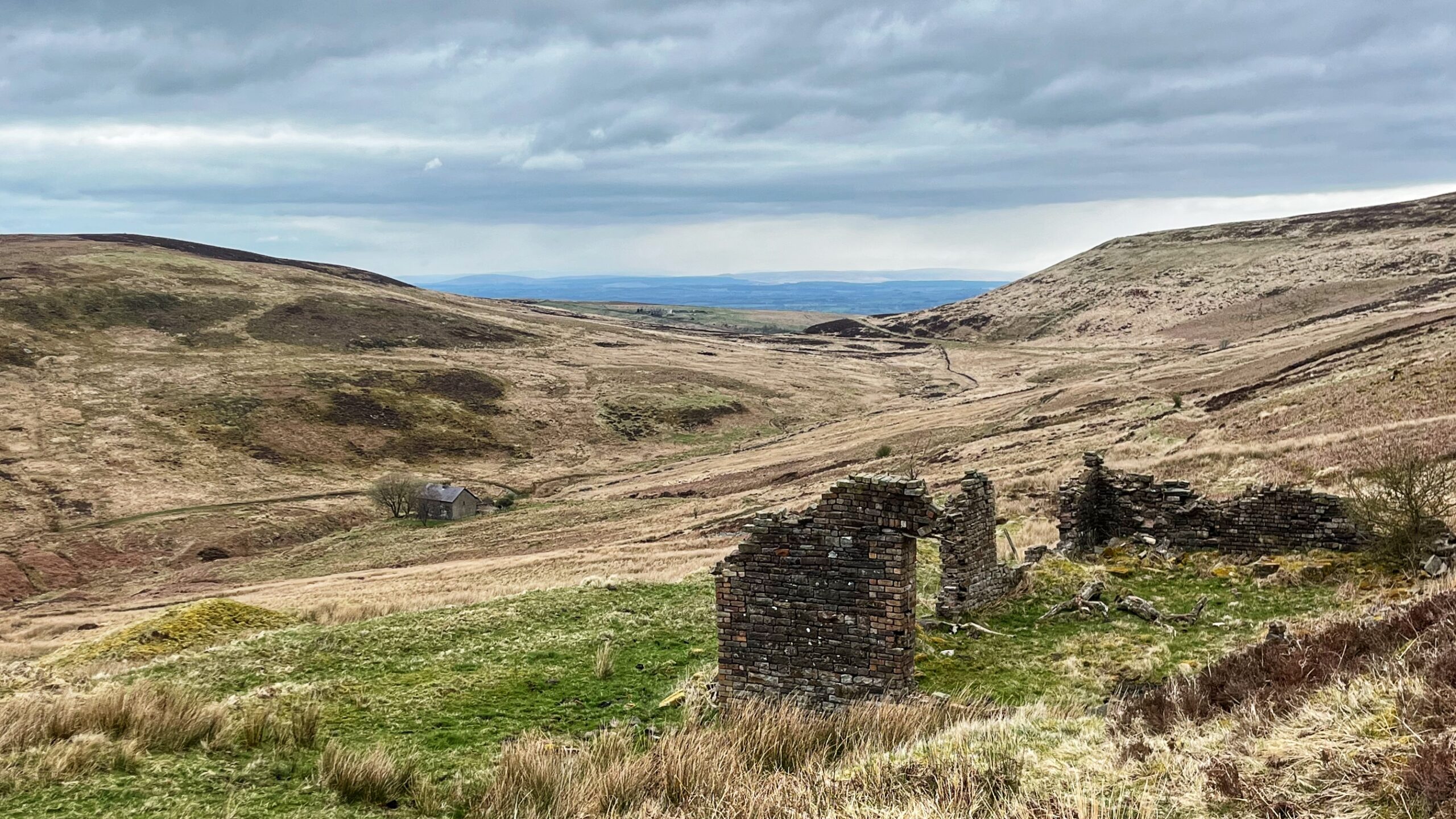
Gairs Colliery — Where the Rocket Spent its Retirement
An unexpected find in the King’s Forest of Geltsdale. What stands here now is a hollow shell, but once it was the pulse of Gairs Colliery, a lonely Cumbrian mine with a knack for odd decisions and even odder management. A railway once ran from this spot up to the col. You can still trace…
-
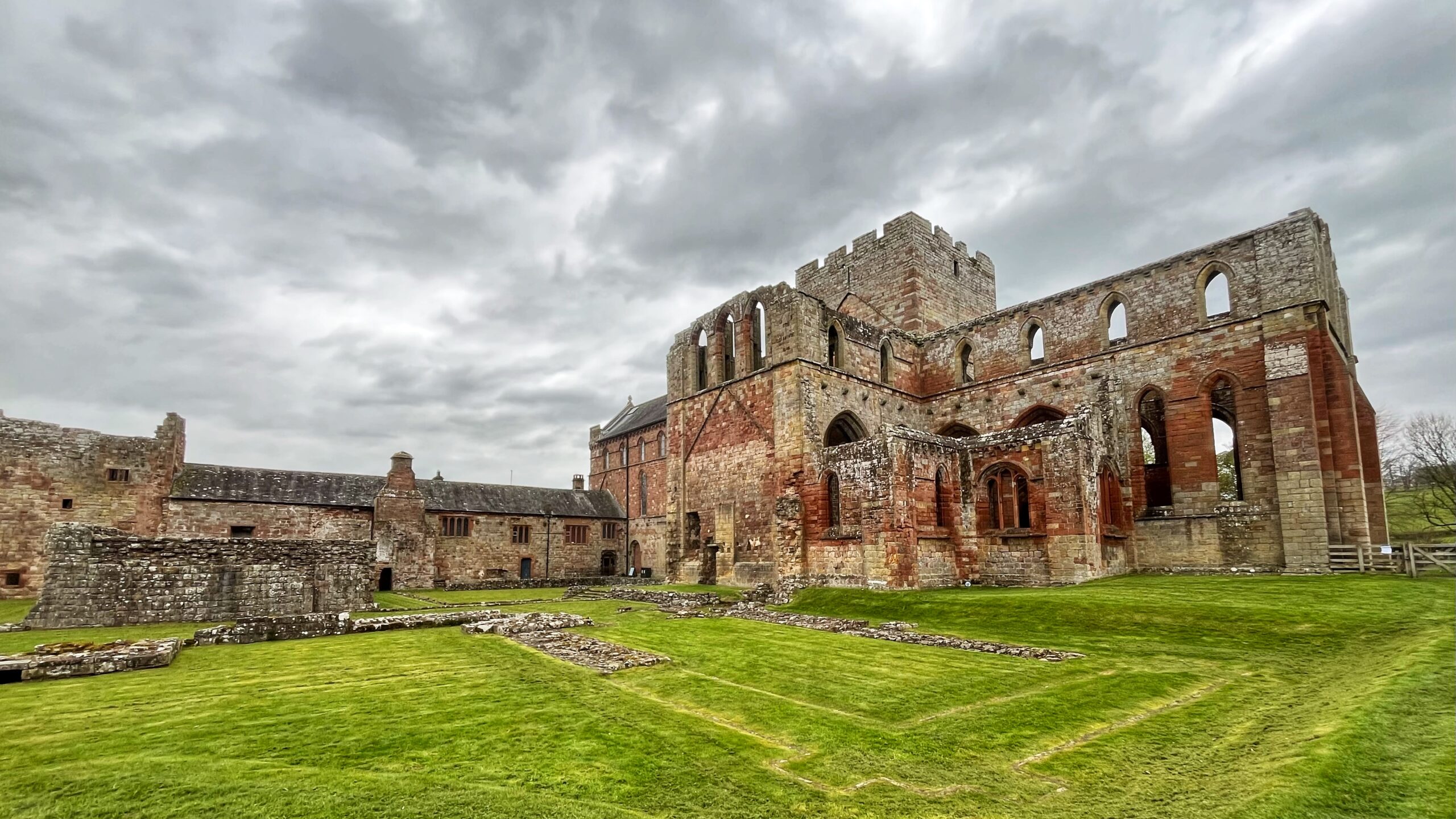
Lanercost Priory
Founded in 1169, Lanercost was home to a community of Augustinian canons devoted to a life of prayer and service. It looks like a ruin. It is not entirely one. The nave of the priory church has been a working parish church since the 1740s — simultaneously a medieval wreck and a living place of…
-
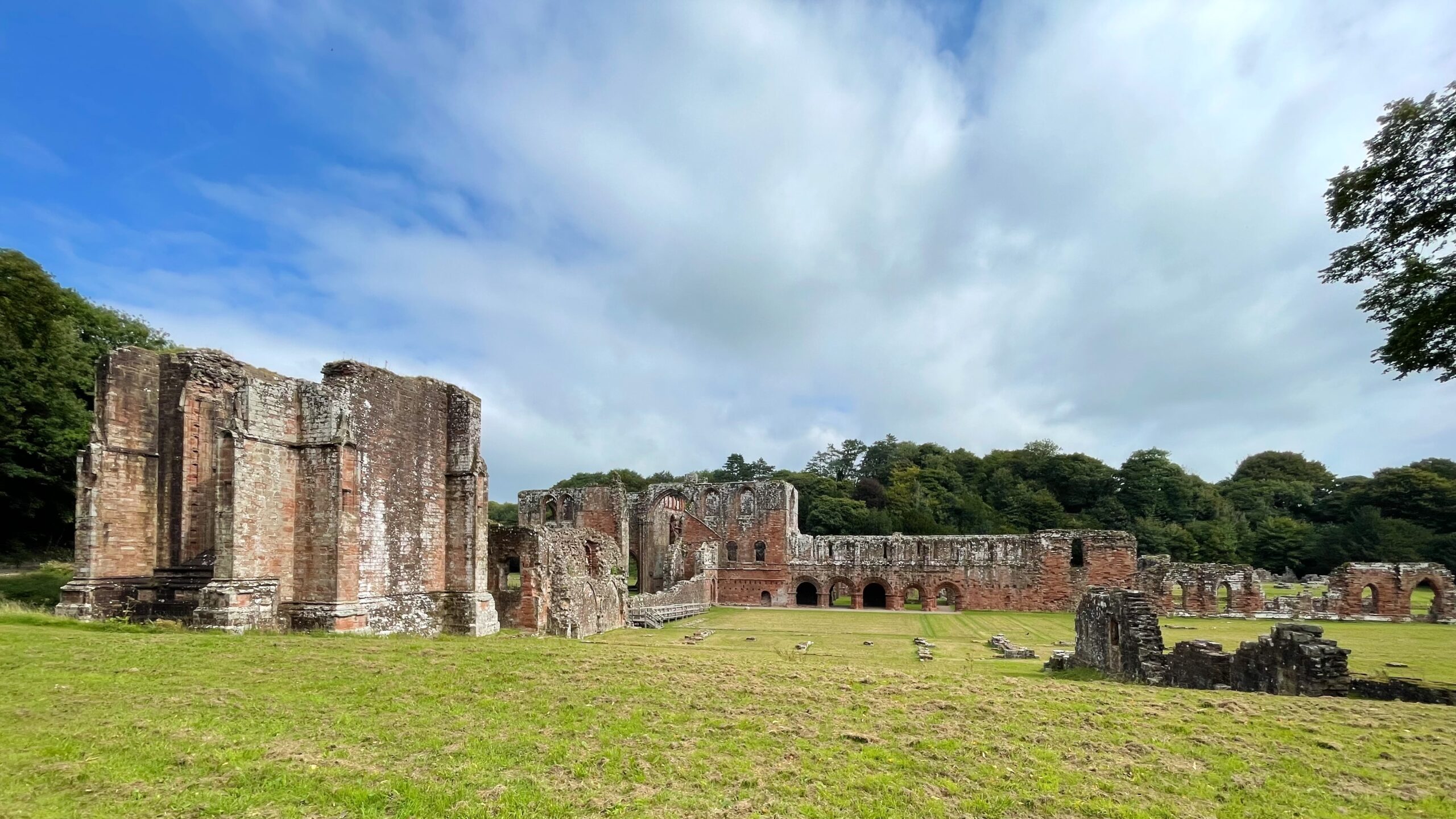
From Furness to Byland: A Monastic Odyssey
Hidden in the sombrely named Vale of Nightshade, just south of Dalton-in-Furness, stand the remains of Furness Abbey. Founded in 1123 by King Stephen, it began life as a Savigniac house before being absorbed into the Cistercian order in 1147, when the Savigniacs collapsed under the weight of their own mismanagement. By the time of…
-
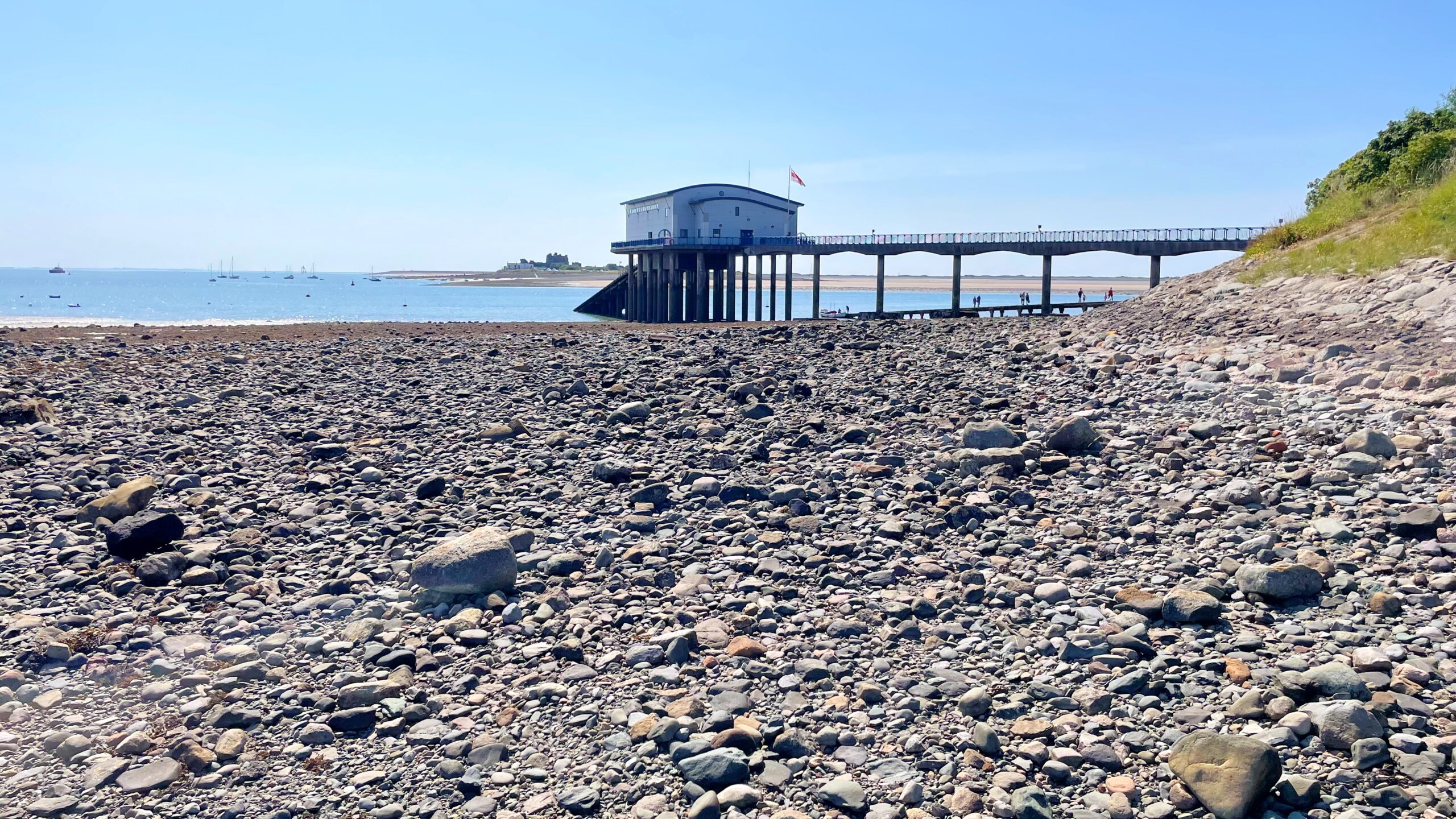
Roa Island, the RNLI and a Measure of Humanity
To Roa Island, once a true island until a stone causeway tethered it to the mainland in 1847. That same causeway carried the Furness Railway to a deep-water pier, where steamers departed for Fleetwood. The trains and steamers are gone, but today Roa Island still looks out to sea, its ferry carrying passengers across to…
-
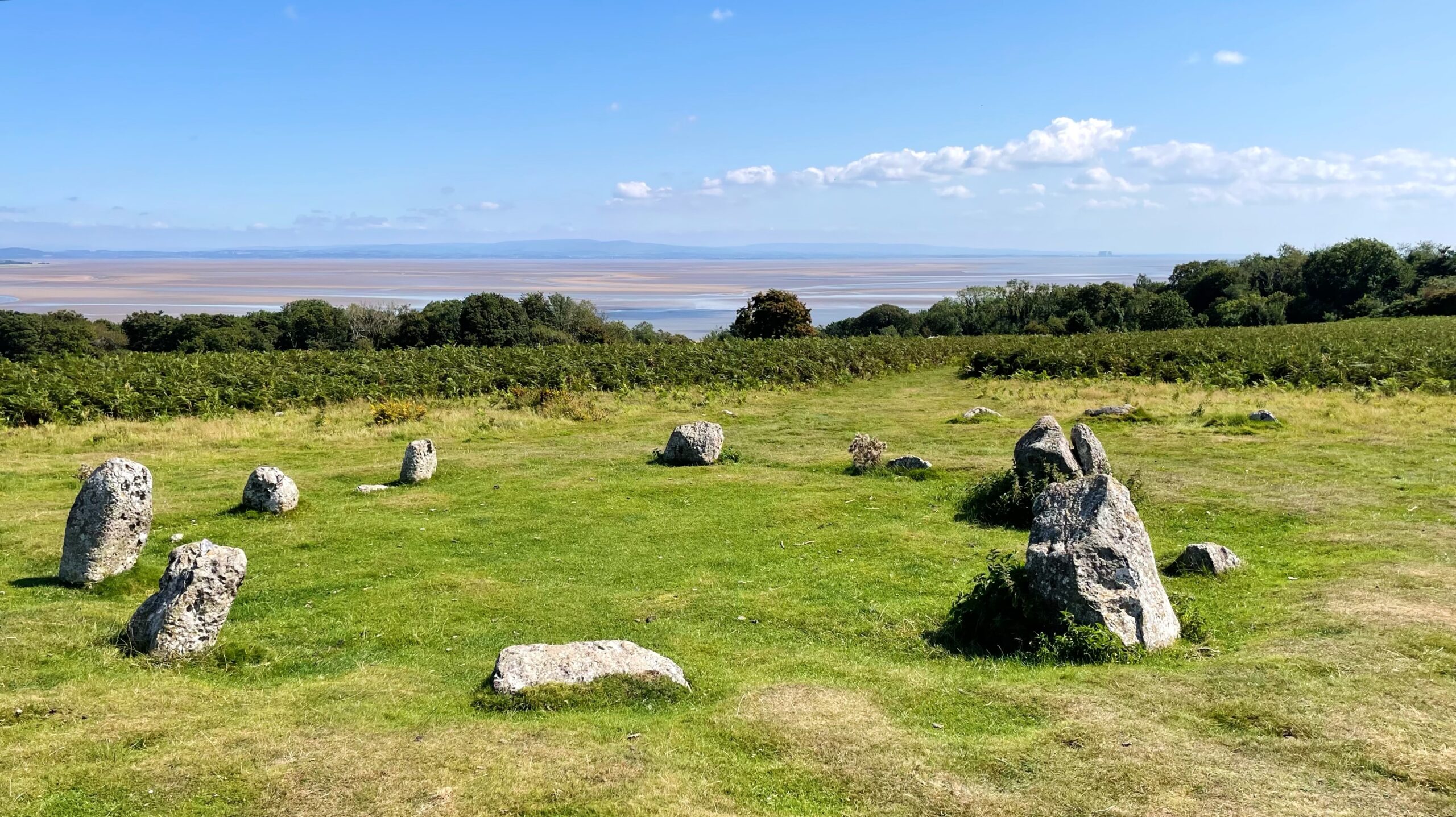
Birkrigg Common Stone Circle
Of the roughly 250 stone circles known in England, only 15 are classed as concentric, formed of both an inner and an outer ring. The most celebrated examples are, of course, Stonehenge and Avebury. Less famous, but striking in its own right, is the Birkrigg or Sunbrick stone circle, also called the Druids’ Circle. It…
-

The Weather According to a Dead Bishop: Forty Days of Rain
Climate change deniers blame nature for everything. Heatwaves? Natural. Floods? Just weather being weather. Human emissions? Nothing to see there. Meanwhile, chemtrail believers take a different route entirely. For them, extreme weather is no accident but a masterstroke of global puppet masters, quietly spraying secret cocktails into the sky to bend the climate to their…
-

Smardale Bridge — Drovers, Rebels, and Spies
Looking upstream along Scandal Beck above Smardale Bridge, where an old drovers’ track once crossed the river. The packhorse bridge here, likely built in the 18th century, stood beside a pub known as the Scotch Inn. It served the Scots drovers who passed this way with herds of cattle and sheep, bound for the markets…
-

The Bishop’s Stones
Up on the bleak moorlands of the North Pennines today, straddling the borders of Durham, Cumbria, and Northumberland. A landscape of peat groughs and bogs thick with sphagnum moss, stirring memories—not necessarily unpleasant, just good times when I was fit enough to fly over this stuff without hesitating. Judging by the abundance of medicated grit…