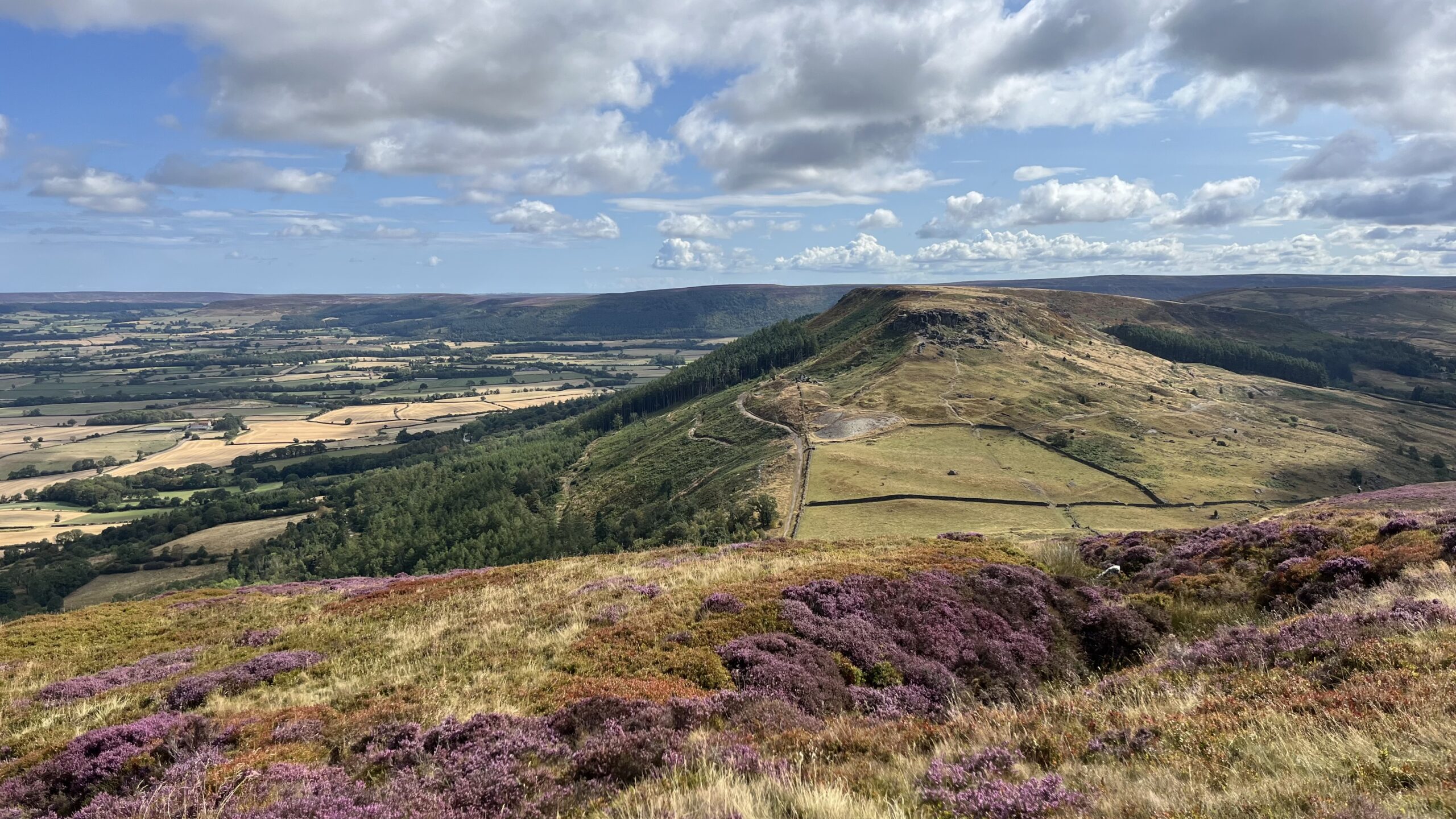
It looks like our Neolithic ancestors were quite fond of the easy option. While others were breaking their backs moving megaliths elsewhere in the country, the tribes in Cleveland opted for a “minimalist, energy-saving policy” for their rituals. They viewed this jagged outcrop of The Wainstones as a “ready made ritual landscape”. Nature had done the heavy lifting. They utilised “earth-fast boulders” as “entrance portals” rather than wasting thousands of hours on construction. Raising a stone is a lot of bother if the earth has already done it for you. That is the current interpretation of the prehistoric landscape of Garfit Gap.
The place is described as a rare Neolithic “time capsule”. Most moorland sites are a bit of a mess, overwritten by Bronze Age farmers and their burial mounds. Garfit Gap is impactful because it lacks that later clutter. It offers a “focused glimpse” into a world where “the supernatural had transcended the natural”.
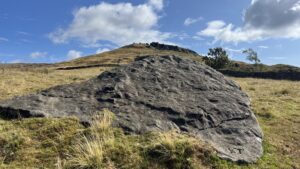
Ancient people pecked cup marks and basins into the rock to capture rainwater. They probably felt they had “possession” of the sky when they saw the clouds reflected in a stone bowl. It was a cheap way to feel powerful. A reflection in a puddle was as close as they ever got to a miracle. The towering pillars of The Wainstones stood as “sentinels” over an ancient route through the hills. They did not need to raise stones when the earth had already provided a jagged cathedral.
Source: Smith, Brian A. & Alan A. Walker. ROCK ART AND RITUAL Pp. 65-71. The History Press, 2011.
Leave a Reply