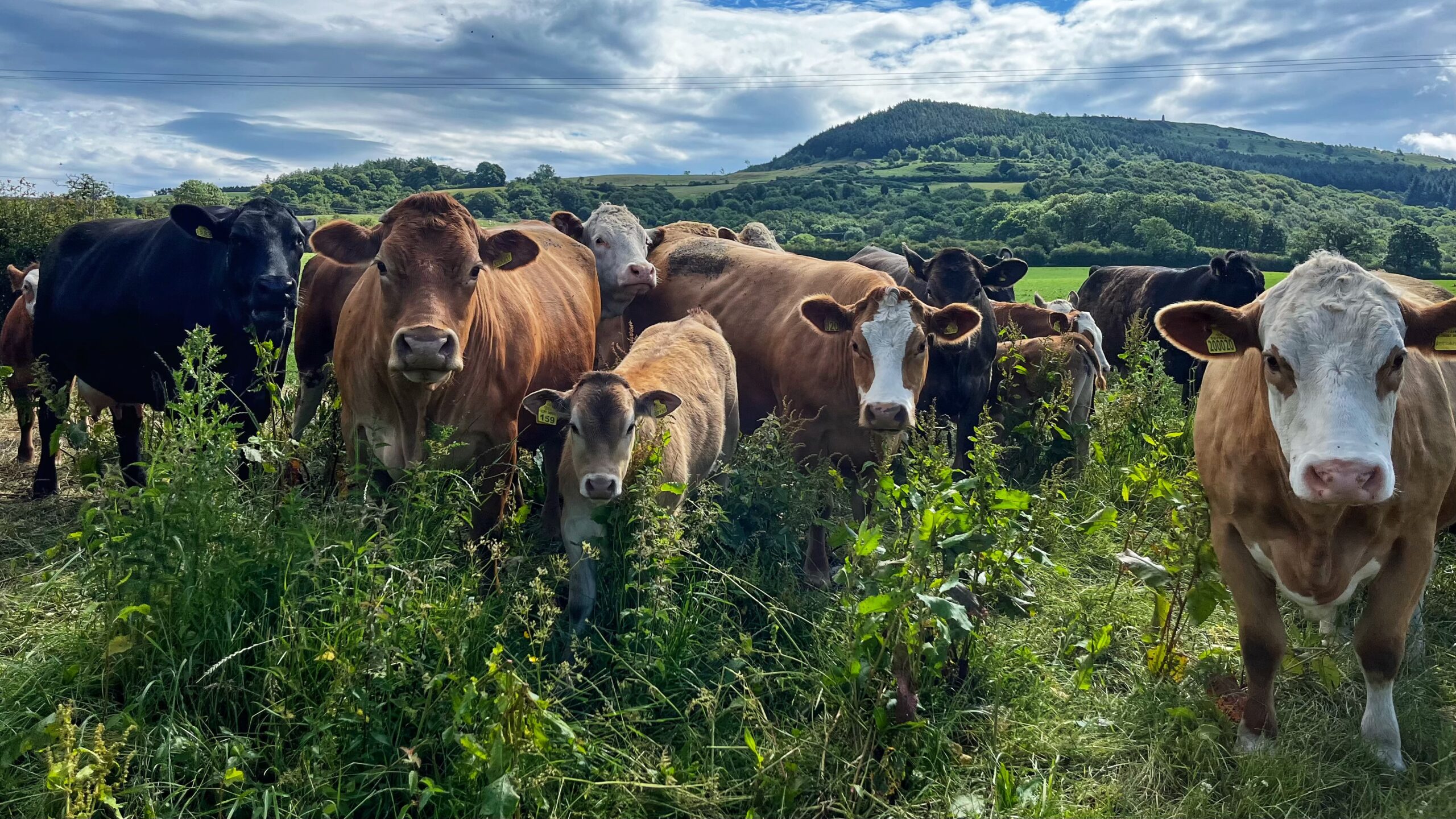
I had to negotiate this suckler herd grazing quietly under Easby Moor today. That stare. Intense, almost hostile. Yet these were docile animals, and generally always have been — which is precisely why farmers could do things to them that would make a surgeon wince.
Yorkshire has a particular buried history here. “Drawing” the “nature string” during calf castration was once a recognised skill, practised with a rigour that modern vets would find striking, and everyone else would find alarming.
No sedation. No table. The calf stood on its own legs throughout.
The 18th-century “experienced cutter” worked by hand, forcing finger and thumb upward into the body cavity after severing the seminal cord. His aim was to draw out a “blood string” twelve to fourteen inches long. The test of a job well done was simple: if the tip appeared “fine as a thread,” the cord had come out whole. If it had broken, the calf faced what the records politely called “stoppage in the intestines.” Fatal, in plain English.
Pastoral peace has its price. It was paid, historically, in rather more visceral coin than most people standing in a field today would care to imagine.
Source: Marshall, William. The Rural Economy of Yorkshire: Comprizing the Management of Landed Estates, and the Present Practice of Husbandry in the Agricultural Districts of That County. Vol. 2, London, T. Cadell, 1796, pp. 189-190.
Leave a Reply