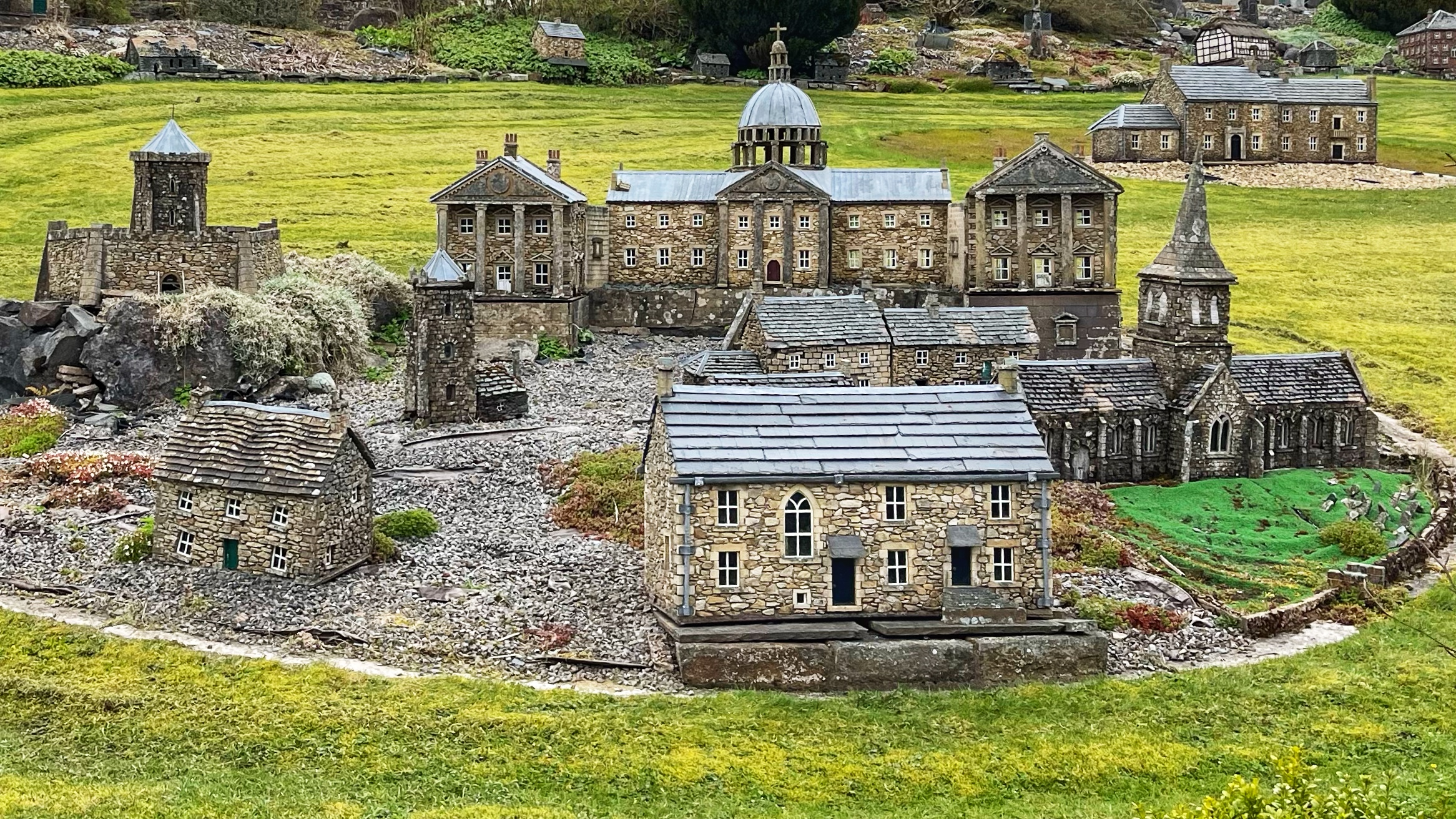
England’s highest village once changed how we think about workers. Then one man did it again, in miniature.
In 1825, the London Lead Company — run by Quakers with an unusual sense of moral duty — did something nobody had done before. They built Nenthead, in Cumbria, as the first purpose-built industrial village in England.1“Nenthead.” Visit Cumbria, https://www.visitcumbria.com/evnp/nenthead/
This was not charity. It was conviction. The Quaker directors believed they owed their workers more than wages. So they built houses, a school with compulsory education for boys and girls, public baths, a washhouse, and the first free lending library in any British village. Nenthead also became the first village in the UK to have electric street lighting, powered by the mines themselves.2“The Village.” The Hive Nenthead, https://hivenenthead.co.uk/the-village-2/
In doing so, they quietly invented what we now call the welfare state — a full century before Parliament got round to it.
Here is where it gets strange.
Centuries later, a retired miner and builder named Lowson Robinson began constructing miniature stone villages in his garden in Nenthead. Over fourteen years, he built three of them — a composite collection of landmarks near and far. His most ambitious piece was a 22-part replica of Nenthead Village Hall, eight feet high, with a sensor that chimed when you walked past.3“Model of Nenthead Village Hall Completed a Decade Ago.” Hexham Courant, https://www.hexham-courant.co.uk/news/25181617.model-nenthead-village-hall-completed-decade-ago/
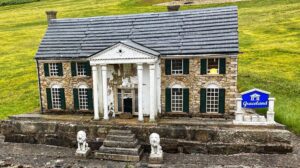
But alongside the local stone cottages and working bell towers stands something nobody could have predicted: a rather forlorn-looking Graceland, with Elvis himself in attendance.
A man who spent his working life underground ended his days placing the King of Rock and Roll in a Cumbrian garden. Nobody asked him to. He just thought it belonged there.
Nenthead was built by people who believed industry had a duty to humanity. Lowson Robinson built it again because he believed a place deserved to be remembered.
- 1“Nenthead.” Visit Cumbria, https://www.visitcumbria.com/evnp/nenthead/
- 2“The Village.” The Hive Nenthead, https://hivenenthead.co.uk/the-village-2/
- 3“Model of Nenthead Village Hall Completed a Decade Ago.” Hexham Courant, https://www.hexham-courant.co.uk/news/25181617.model-nenthead-village-hall-completed-decade-ago/


Leave a Reply to David Harrison Cancel reply