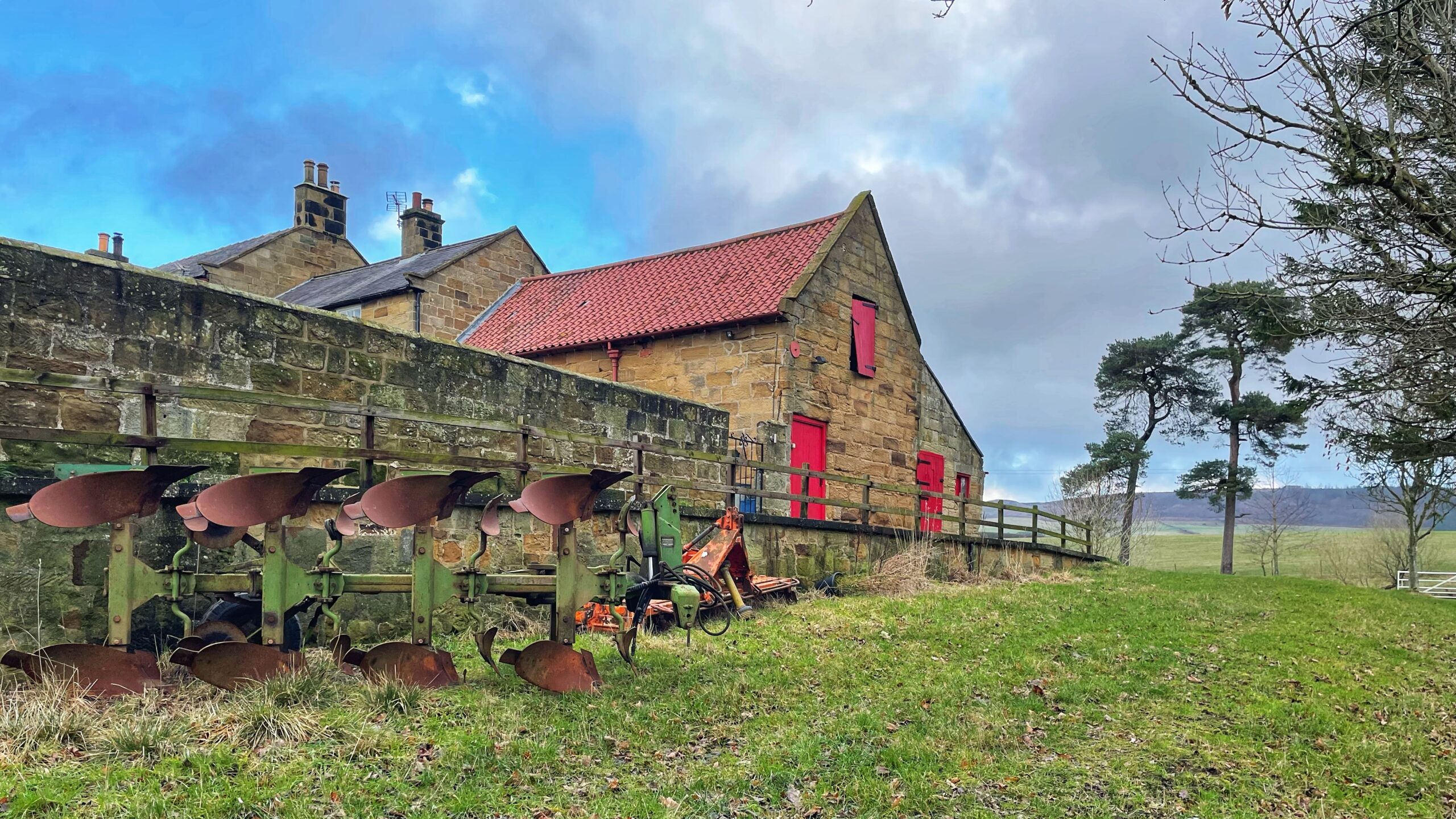
A heavy plough stands sulking in a farmyard, built like a tank and already freckled with rust. It was made to tear into the ground and turn it over without mercy. Now it does nothing at all. You see this sort of thing everywhere. It stands as a quiet sign that our view of soil has changed, and not just a little.
For thousands of years the plough was the star of the show. It broke open wild land and made farming possible. Civilisation rode in on its back. Its history is tied up with ours. These days, with no-till farming in fashion and soil disturbance treated like a bad habit, many of these machines are left to rot gently. Their silence raises an awkward thought. If this is progress, what exactly were we doing before? How did people farm when leaving the soil alone was not even on the table? The answer is less cosy than you might think. It was a mashup of hard rules.
If you want a clear look at the past, there is a document from 1794 called the “General View of the Agriculture of the North Riding of Yorkshire”1GENERAL VIEW OF THE AGRICULTURE OF THE NORTH RIDING OF YORKSHIRE~ WITH OBSERVATIONS ON THE MEANS OF ITS IMPROVEMENT. BY MR. TUKE, JUNIOR, LINGCROFT, NEAR YORK. DRAWN UP FOR THE CONSIDERATION OF THE BOARD OF AGRICULTURE AND INTERNAL IMPROVEMENT. LONDON: PRINTED BY W. BULUMER AND CO. M.DCC.XCIV.. This was not a fireside tale. It was Enlightenment thinking in ink. Measure everything, regulate everything, improve everything, preferably on paper first. It shows that farming was already a serious business, run with the tight grip of law and money. Some farmers worked under leases so detailed they would make a solicitor smile, including one that lasted fourteen years.
A tenant did not just rent a field and hope for the best. They signed up to a long list of instructions, with punishment waiting for any misstep. The detail is impressive in a grim sort of way.
Ploughing the wrong way or at the wrong time could cost ten pounds for every acre touched. That was a small fortune and it gave landlords full command of the soil, even when they were nowhere near it.
Hay and straw grown on the farm had to be eaten by animals on that same farm. The manure produced was not to be sold, shared, or removed. It belonged to the land, like the hedges or the stones.
Crop rotation was fixed in advance. A farmer might be ordered to grow turnips, then barley with clover, then clover alone, then wheat on the clover stubble, and then start again. No freedom, no improvising, no clever ideas.
This was one way of keeping nature on a short lead. Law, fines, and contracts stood between the farmer and disaster.
To the redundant plough, from the rule-bound leases of the eighteenth century, farming has never stood still. What looks like idyllic freedom turns out to be something else entirely. It was a systems about control, shared rules, and managing risk in a world that refused to behave. Today we have conservation tillage, sensors, and satellites, and we understand soil better than ever. We have gained speed and precision. The tools have changed, but the urge behind them has not. We still want the land to behave itself, and we still build systems, whether legal or technical, to make sure it does.
- 1GENERAL VIEW OF THE AGRICULTURE OF THE NORTH RIDING OF YORKSHIRE~ WITH OBSERVATIONS ON THE MEANS OF ITS IMPROVEMENT. BY MR. TUKE, JUNIOR, LINGCROFT, NEAR YORK. DRAWN UP FOR THE CONSIDERATION OF THE BOARD OF AGRICULTURE AND INTERNAL IMPROVEMENT. LONDON: PRINTED BY W. BULUMER AND CO. M.DCC.XCIV.
Leave a Reply