Tag: history
-
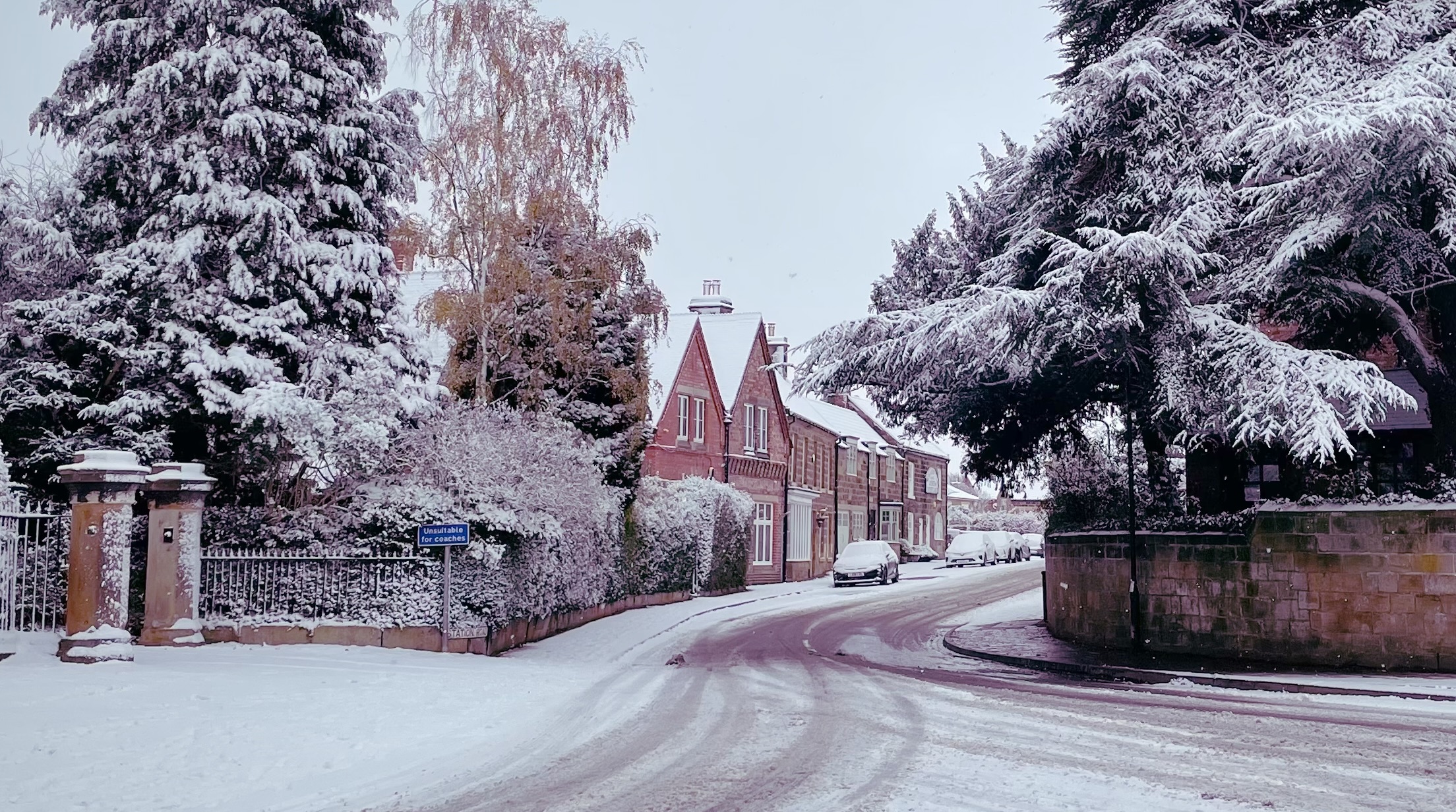
Winter Transforms the Village
Fresh snow arrived over night and dressed the village with the sort of delicate filigree that flatters every scene. Even the drabbest view has been turned into something fit for a gallery. This is Station Road, usually choked with parked cars, this morning quiet and softened so completely that the few vehicles present appear to…
-
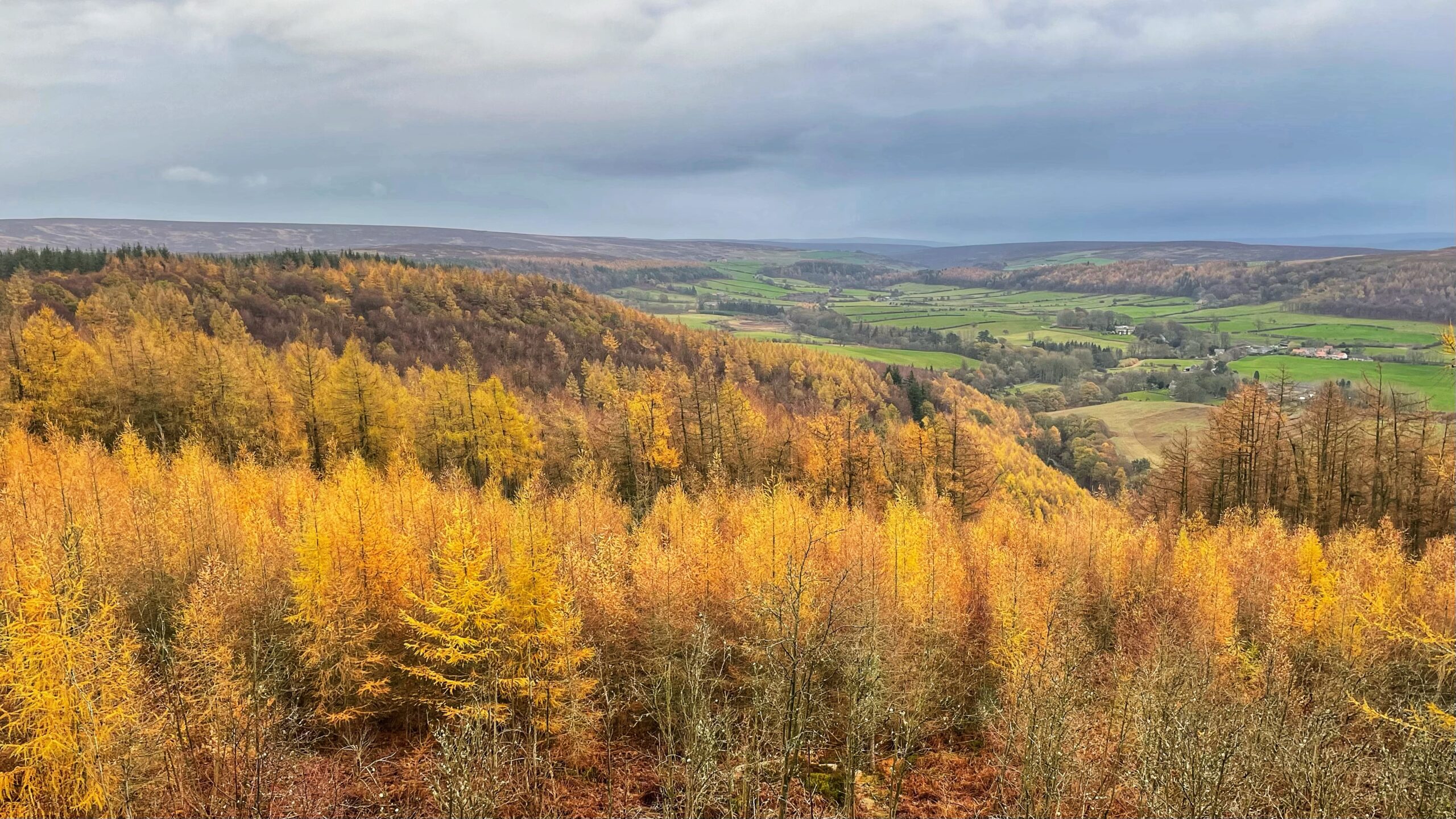
Coate Moor, Larches
A view from the top of Coate Moor towards the head of Kildale, an obsequent valley biting back into the Cleveland escarpment. The glacial upheaval forced the River Leven to scour a narrow gorge through the shales and sandstones below Coate Moor. I have posted about this before. But Kildale has another, somewhat obscure, point…
-
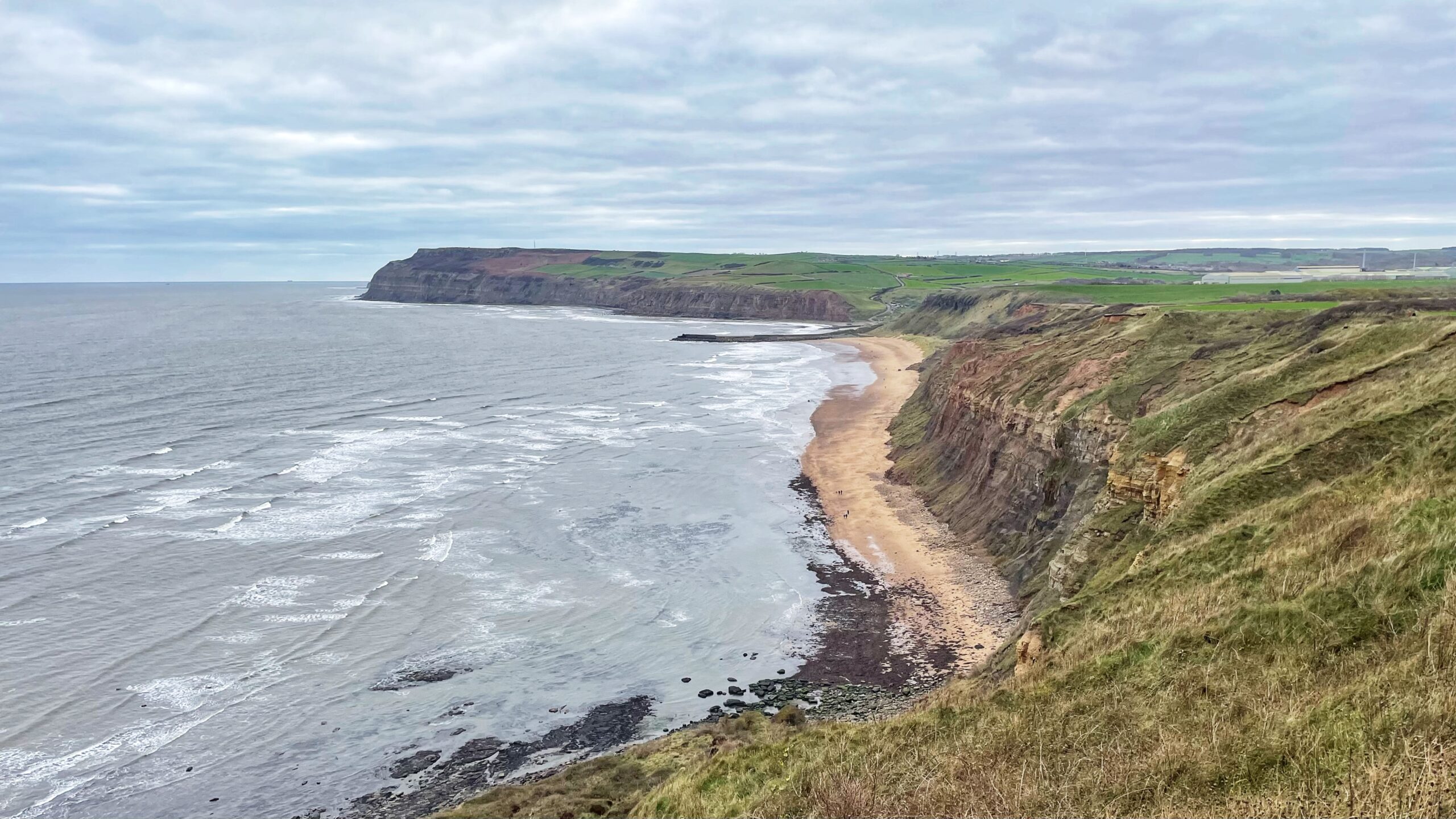
The Lost Path of Jackdaw Crag
Just along the coast from where the Cleveland Way passes by the mineral railway, far too close to the shear drop for comfort, past the Charm Bracelet sculpture the cliff becomes deceptively less steep. Here walkers might breath a sigh of relief. Yet somewhere below, hidden from view, lies Jackdaw Crag, no doubt once favoured…
-
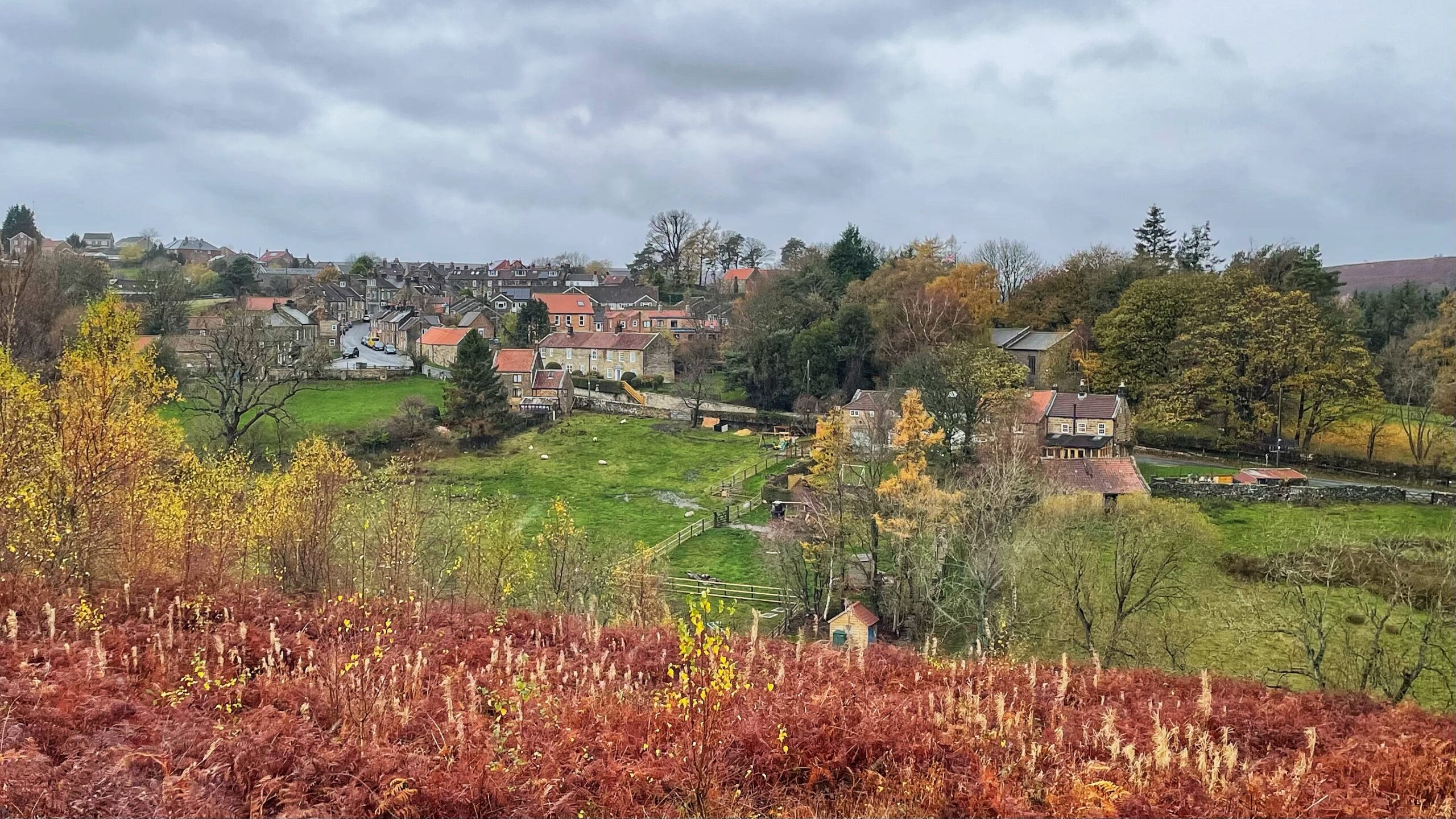
The Bottom End of Castleton, Where a Door Closed…
I had been leafing through Joseph Ford’s “Some Reminiscences and Folk Lore of Danby Parish and District”, when one small passage stopped me in my tracks. Ford described the steady trickle of those who slipped away from the Esk Valley in the nineteenth century, chasing whispers of a new life across the ocean. Among them…
-

High Hazel Heads
Hidden deep in a dark conifer plantation, where Goldcrests tweet high among the needles — or so I was told, an old man’s hearing failing to pick up the high frequencies — lies the forgotten farmstead of High Hazel Heads. Few come here now, and fewer still would guess that beneath these trees once lay…
-

Echoes over the Rye: The Now and Then of Hawnby
Perched high above the River Rye, on a lonely spur between moorland becks, stands the village of Hawnby. On a damp November morning, its muted greens melt into the hills around it. With houses dressed in matching tones, it has the look of an estate village—an echo of a time when the landlord demanded order,…
-

The Northernmost Kilns: Commondale’s Forgotten Industry
A view up the narrow valley of Commondale, taken from the weathered lime kilns that still cling to the slopes above Coble Hall. Crumbling and defiant, I reckon they must be the most northerly kilns in the North York Moors, silent witnesses to a brief and curious chapter of industrial ambition. Built and operated between…
-

Under the Beech: Kildale’s Tribute to the Fallen of WW2
In the quiet heart of Kildale stands this modest stone shelter. Walkers on the Cleveland Way pause here to rest, unwrap their sandwiches, and watch the rain fall. Each morning, local children gather beneath its roof, waiting for the school buses to Stokesley or Ingleby Greenhow, their laughter echoing through the valley. Today, it also…
-
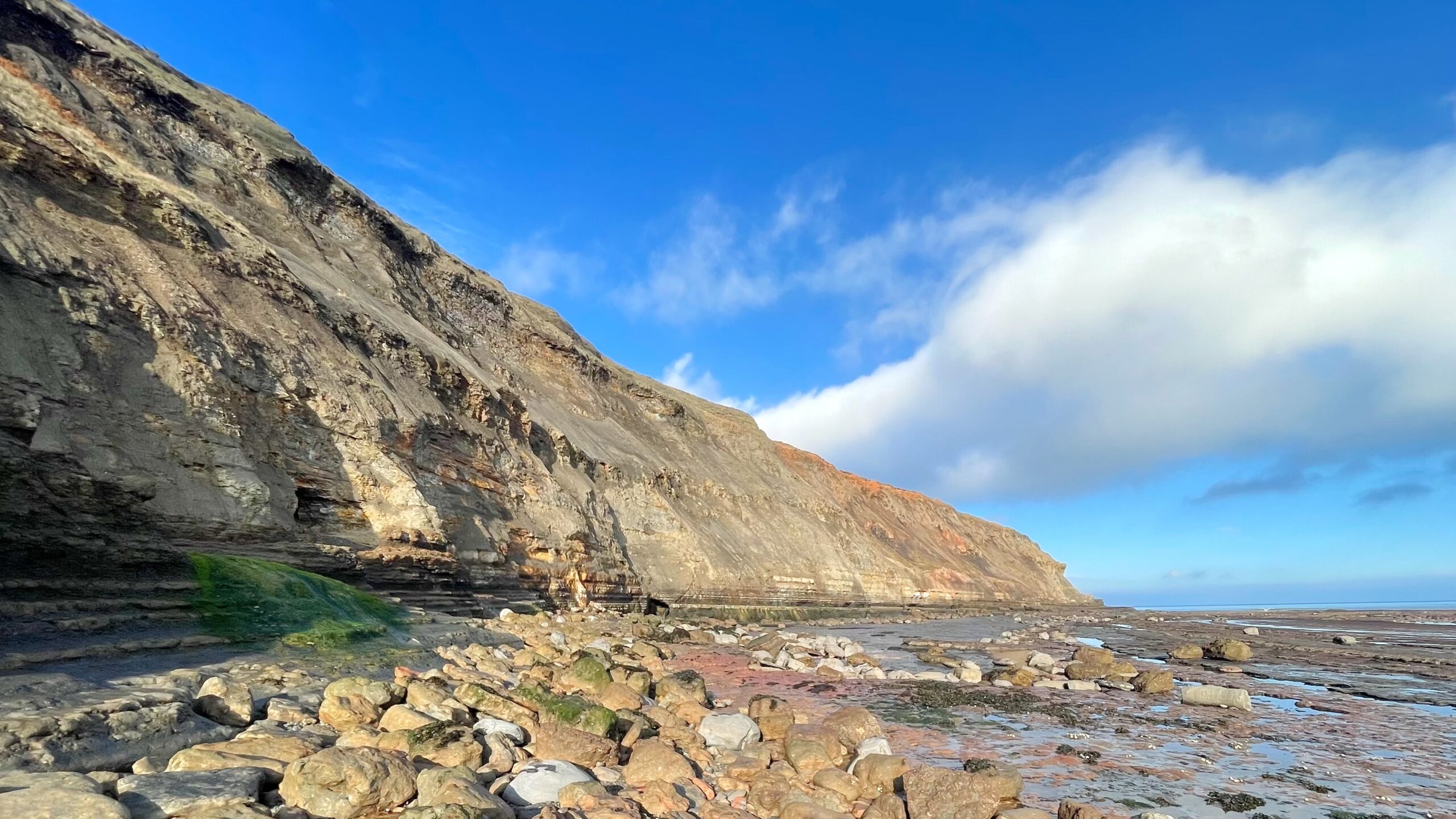
Brackenberry Wyke: Low Tide Quarrying
Only when the sea has receded at low tide can one safely pick a path along the foot of the cliffs at Brackenberry Wyke. Here lie the ghostly remains of the old ironstone workings, where men once hacked at the exposed seams before hauling their spoil through an adit to join the great warren of…
-

Breck House and an Athletic John Brown
A blocked road just north of Helmsley forced us into a long and meandering detour on our way to Bonfield Ghyll. Still, it offered the consolation of fresh glimpses of familiar country. This is Breck House in upper Bransdale, a solid stone-built Moors farmhouse dating to after 1850. Yet an estate survey from 1782 records…