-
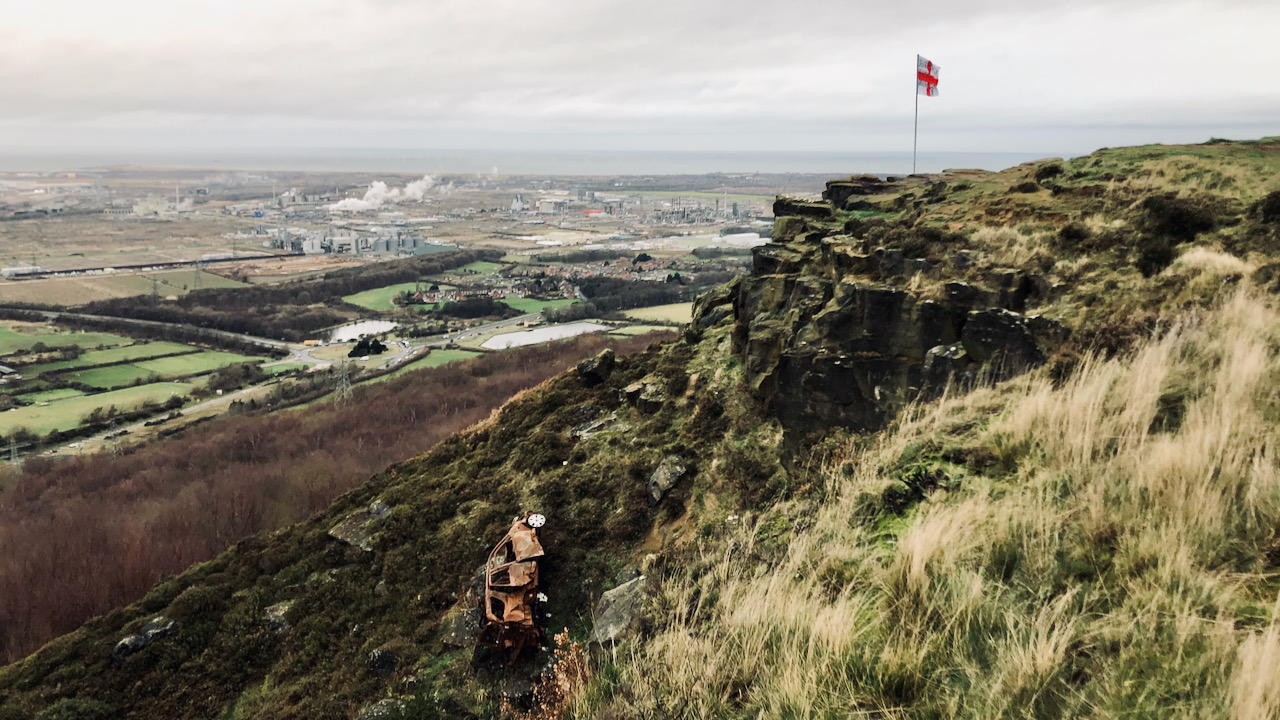
Eston Nab — From Bronze Age Fort to Burnt-Out Cars
“The remains of old bottles were scattered all along our route, and other rubbish was offensively obvious everywhere. There were broken fences and damaged trees. Saddest sight of all was the old watch tower which is rapidly losing all recognisable shape under the rough hands of time, the weather and mischievous sightseers.” Not my words,…
-
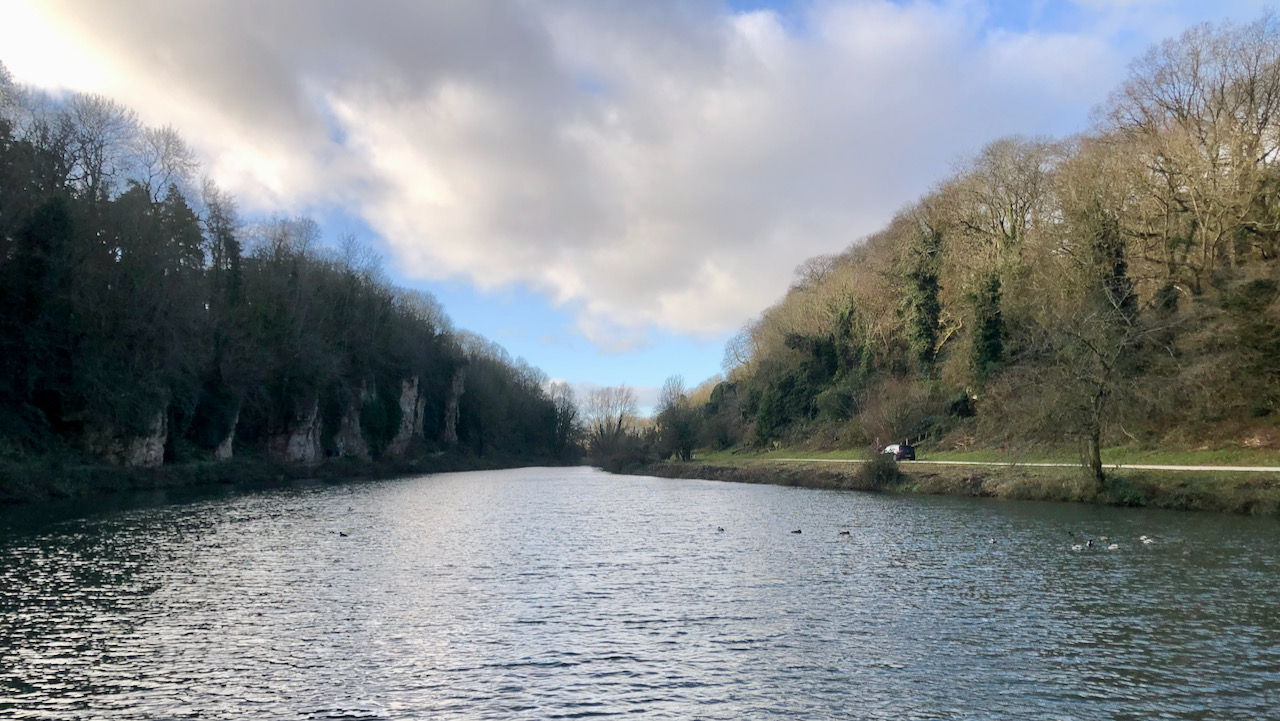
Creswell Crags
Creswell Crags, that limestone gorge separating Nottinghamshire with Derbyshire, has a bit of celebrated status in archaeological circles — specifically the Palaeolithic, the Ice Age. It turns out the Neanderthals were around here some 60,000 to 40,000 years ago when Creswell was a desolate, tundra like scene, with grasslands stretching as far as the eye…
-
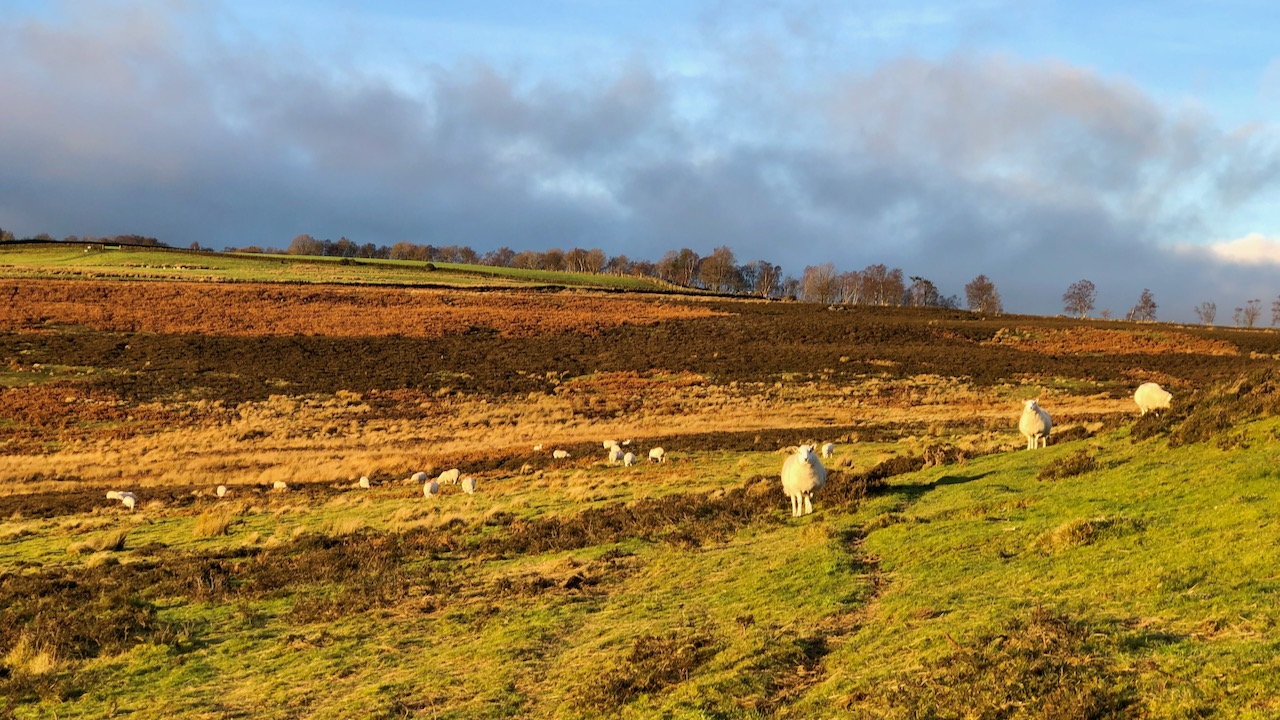
Scarth Wood Moor
I’ve previously posted how Major Herbert Peake, of Bawtry Hall in Doncaster, gifted the 220 acres or so of Scarth Wood Moor upon the National Trust back in 1935. Peake has an interesting history. Born in 1859 to Henry Peake of Westholme in Lincolnshire, he wouldn’t have been exactly raised in the humblest of surroundings.…
-
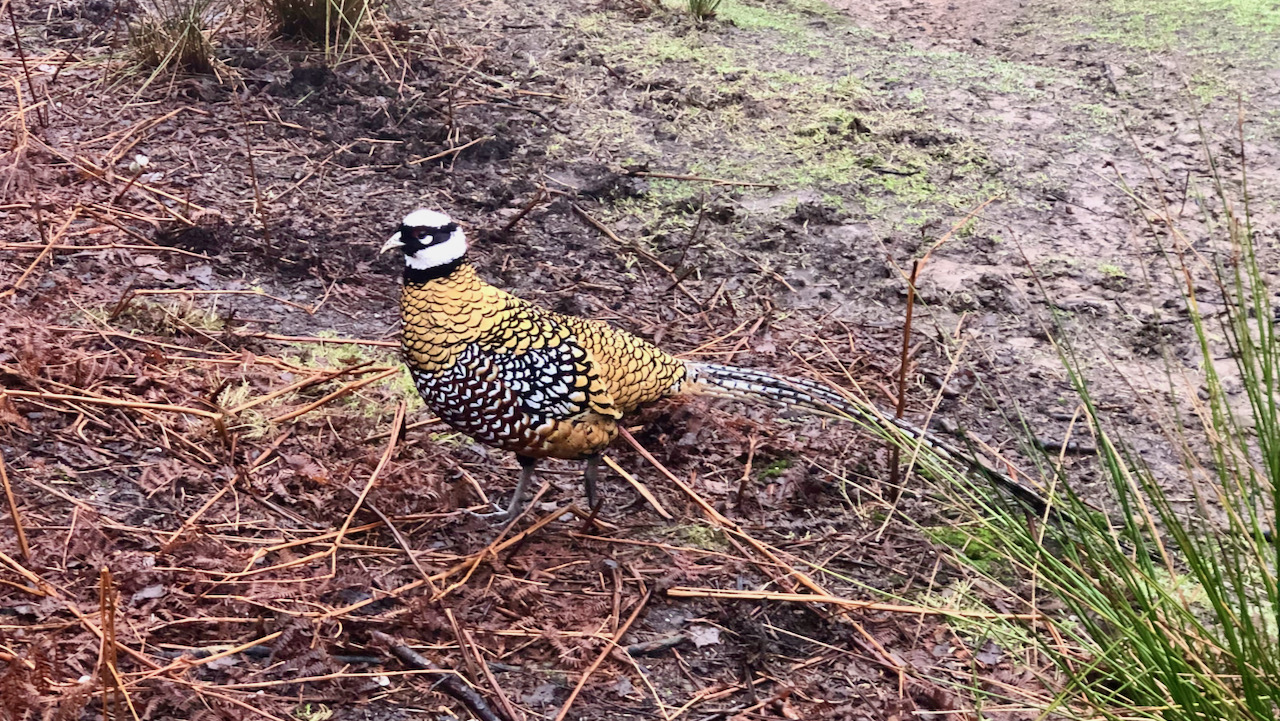
Reeves’s pheasant
After a disruptive morning, which is best left without further elaboration, my daily exercise took place in the dwindling daylight. So here is a photo of an unusual pheasant we came across earlier in the week. According to Google, it is a Reeves’s pheasant (Syrmaticus reevesii). The bird was introduced on these shores in the…
-
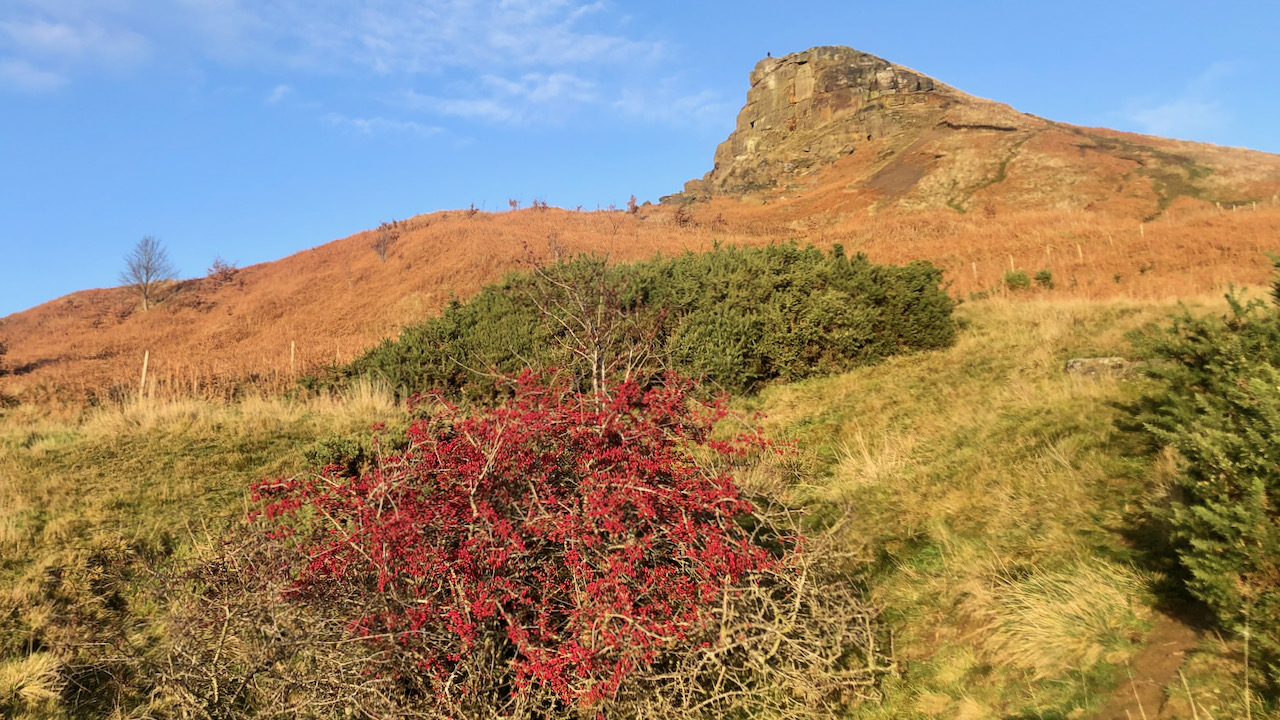
The Ironstone Depression and Winter’s Sustenance
In a deep depression caused by subsidence from the ironstone mining, a hawthorn tree is burdened with scarlet berries. Roseberry’s sandstone crag furnishes a striking backdrop. This tree will supply valuable sustenance for birds in the upcoming winter. Folk tales are rife with accounts of solitary Hawthorn trees flourishing above pots of buried gold. But…
-
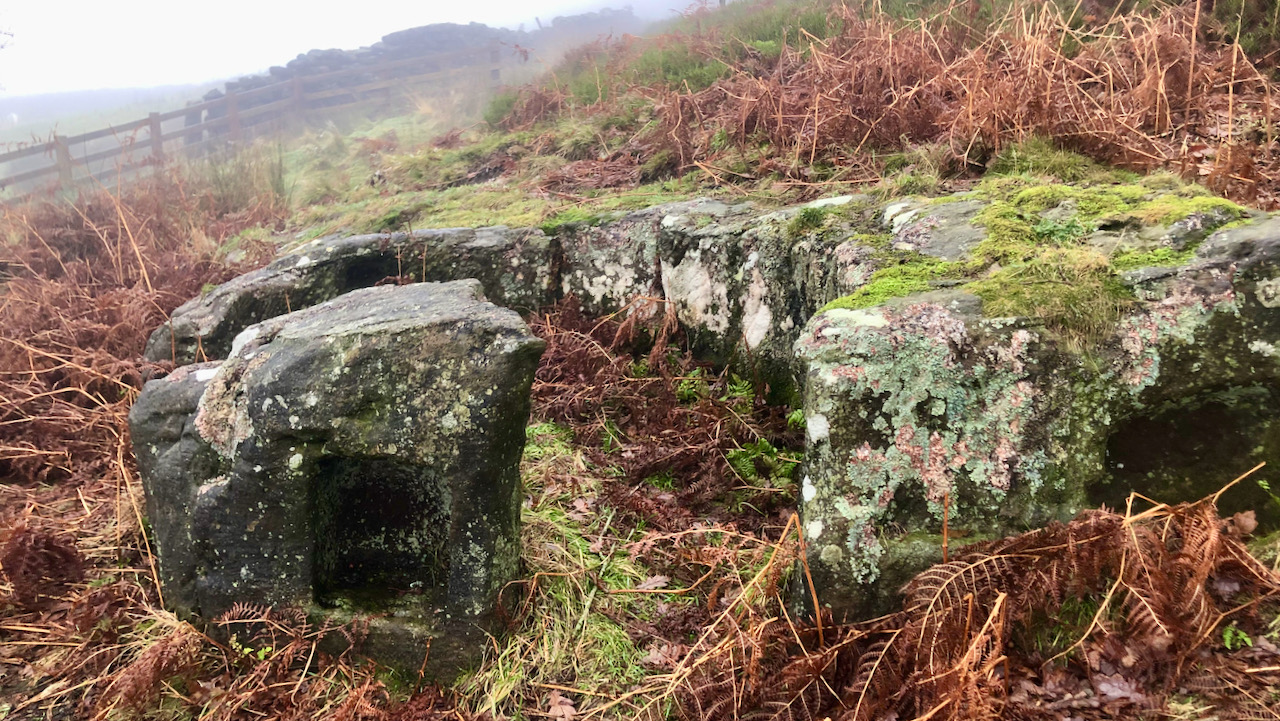
Northdale’s Mysterious Stone Pig-Sty?
During my wandering around the aesthetic barns of Northdale yesterday, this little curiosity caught my eye. A curving quadrantal chamber within a natural rock formation, adorned with two large recesses flanking the “southern” entrance and another substantial chamber gracing its northern flank. Clearly, the hands of man have toiled here, evident in the distinct dressing…
-
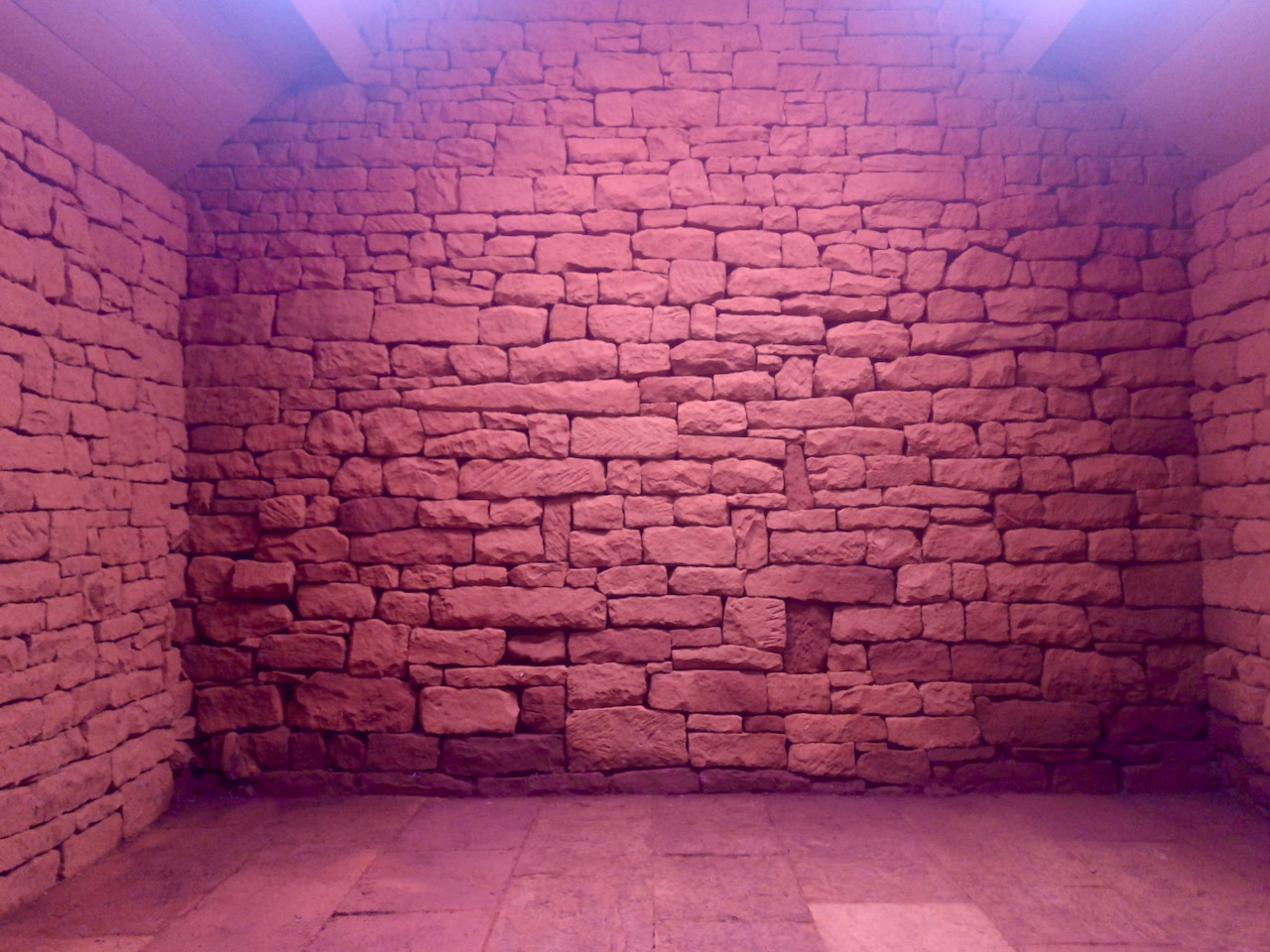
Red House
According Tom Scott Burns, Red House formerly served as a tavern for wayfarers traversing the moors, likely vying with The Lettered Board Inn, or Hamer House, where those in the business of panniers, colliers, and smugglers sought reprieve during their journey. Red House, like Hamer House, fell into ruins over the ages. While the stones…
-
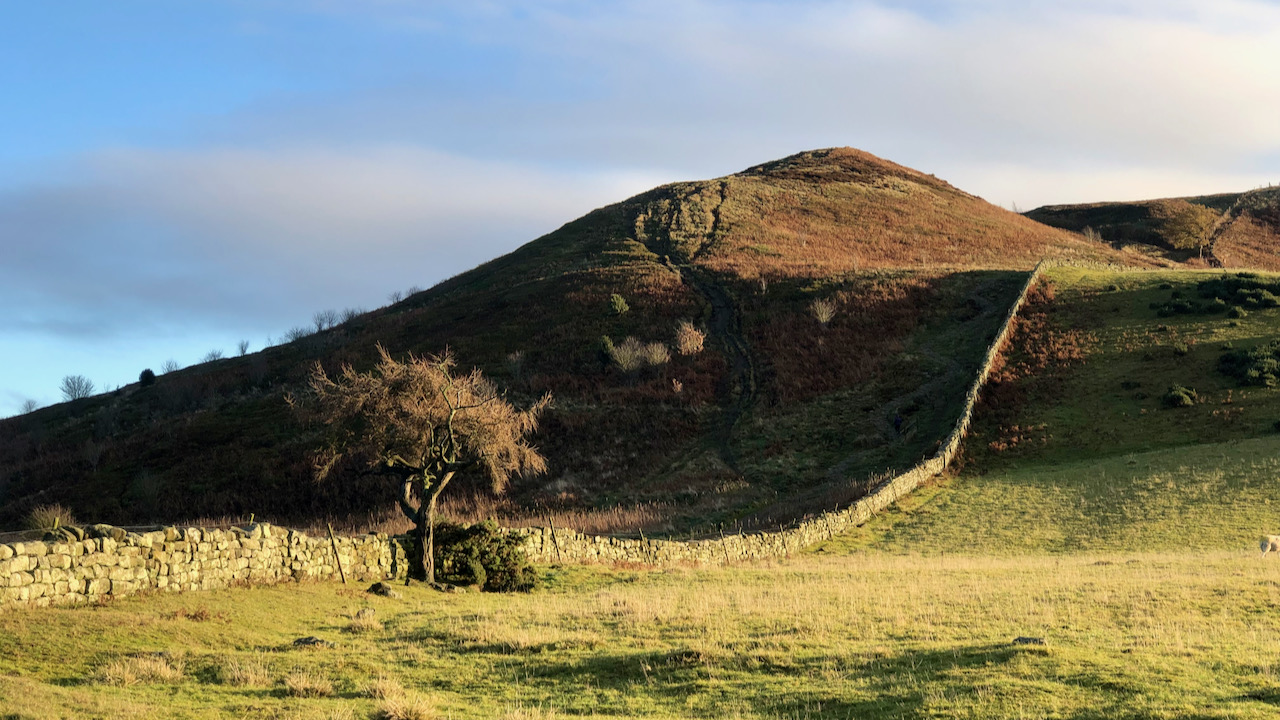
Parvus Othensberg
Many will be aware with the old name for Roseberry Topping as “Othenesberg,” dating back to a 12th-century medieval charter. The initial element, a relic of Old Norse, traces its origins to the personal name Óthinn or Authunn. The subsequent constituent, also Old Norse, derives from “bjarg,” meaning a rock, thereby bequeathing the toponym “Óthinn’s…
-

1874’s Graffiti: Dogs, a Fox, or a Pig on Broughton Bank
Today, I stumbled upon some Victorian graffiti – or should I say graffito? It depicts a duo of dogs, or perhaps a dog hot on the heels of a fox, or maybe even a pig in pursuit of a dog. The artistic merit of the second canine is up for debate. Dated with 1874, this…
-

A Forgotten Quarry—With a view of Roseberry
A broken down dry-stone wall enticed me to scramble over for a gander and I stumbled upon an old sandstone quarry I never knew existed with a view of Roseberry from an angle I’ve not seen before. Ah, the uncomplicated pleasures of discovery. It wasn’t a large quarry, and a quick count reveals it to…
Care to comment?