-
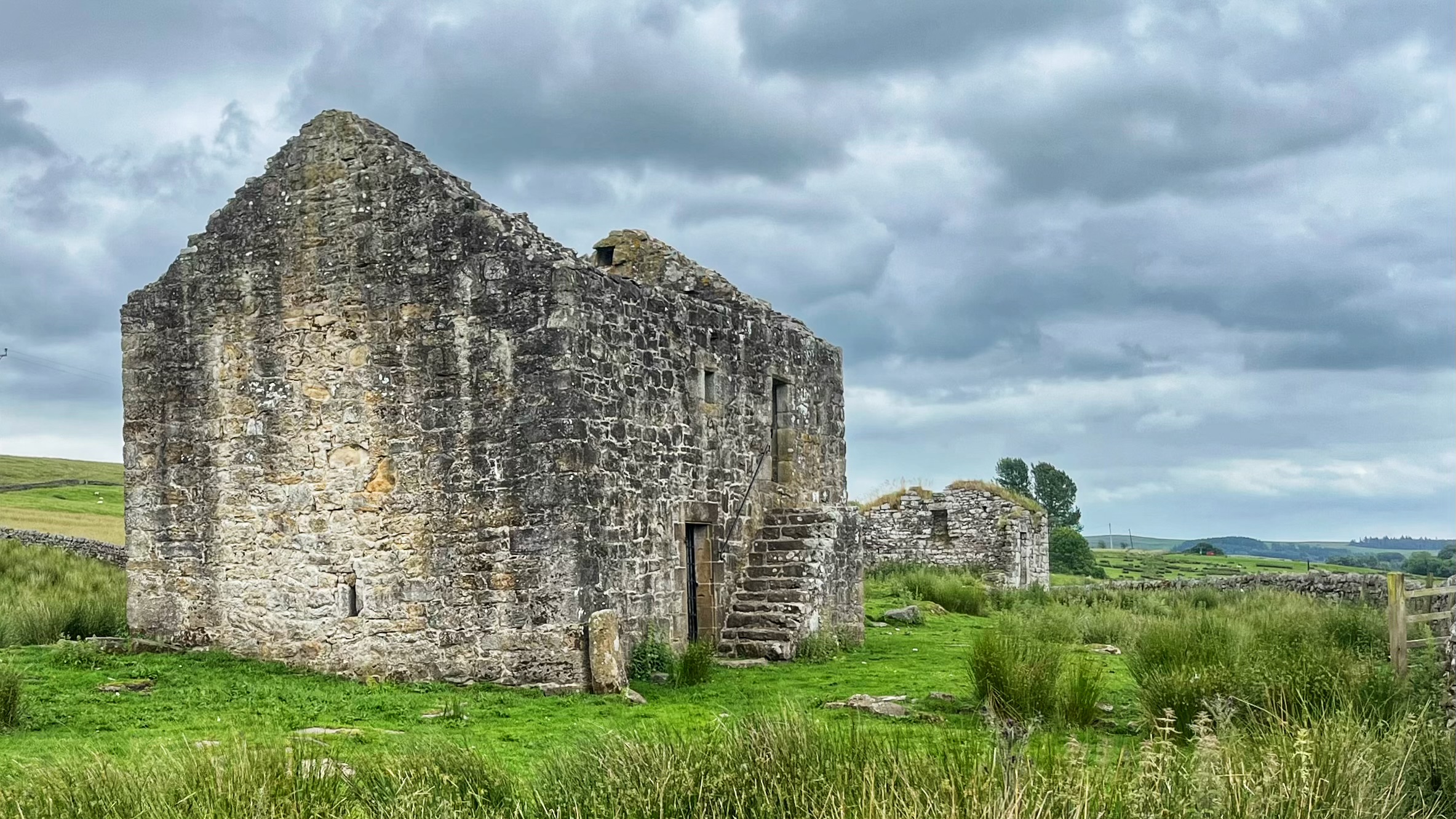
A Glimpse of the Frontier: Black Middens Bastle House
In the 16th century, the “Debatable Land” sitting between England and Scotland had no time for national loyalty. Survival was a subscription service, and missing a payment was bad for your health. We now think of “blackmail” as something that happens to politicians on laptops. It was, in fact, invented here, as a perfectly formal…
-
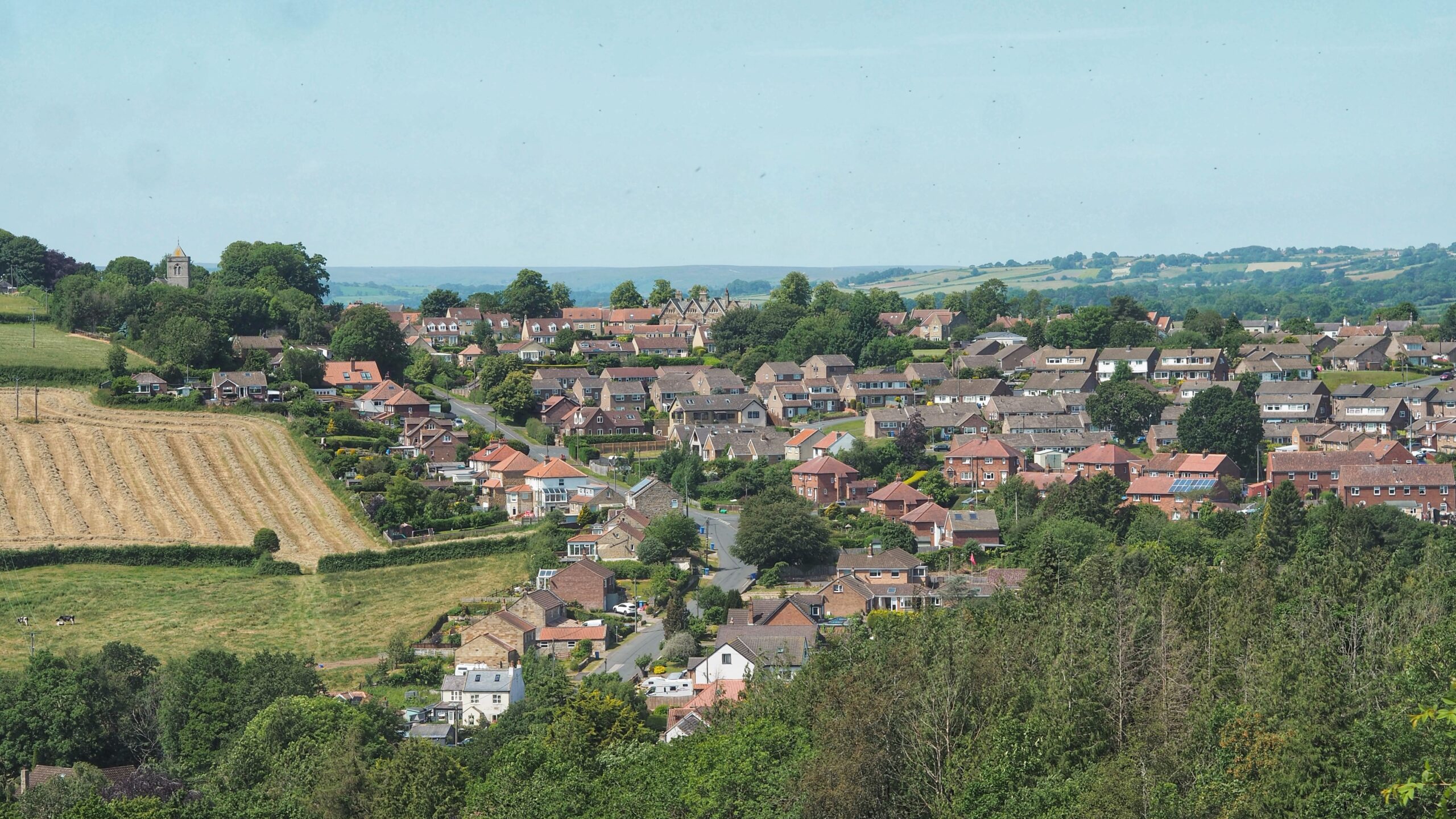
Iburndale: The Industrial Revolution Missed Its Stop
I must admit I can’t recall ever passing through Iburndale — certainly not on a bike, and that hill is steep. Sleights many times of course, but Iburndale feels such a contiguous part of Sleights, containing that same 20th-century housing favoured by retirees and the commuters of Whitby. The old village, once clustered around the…
-
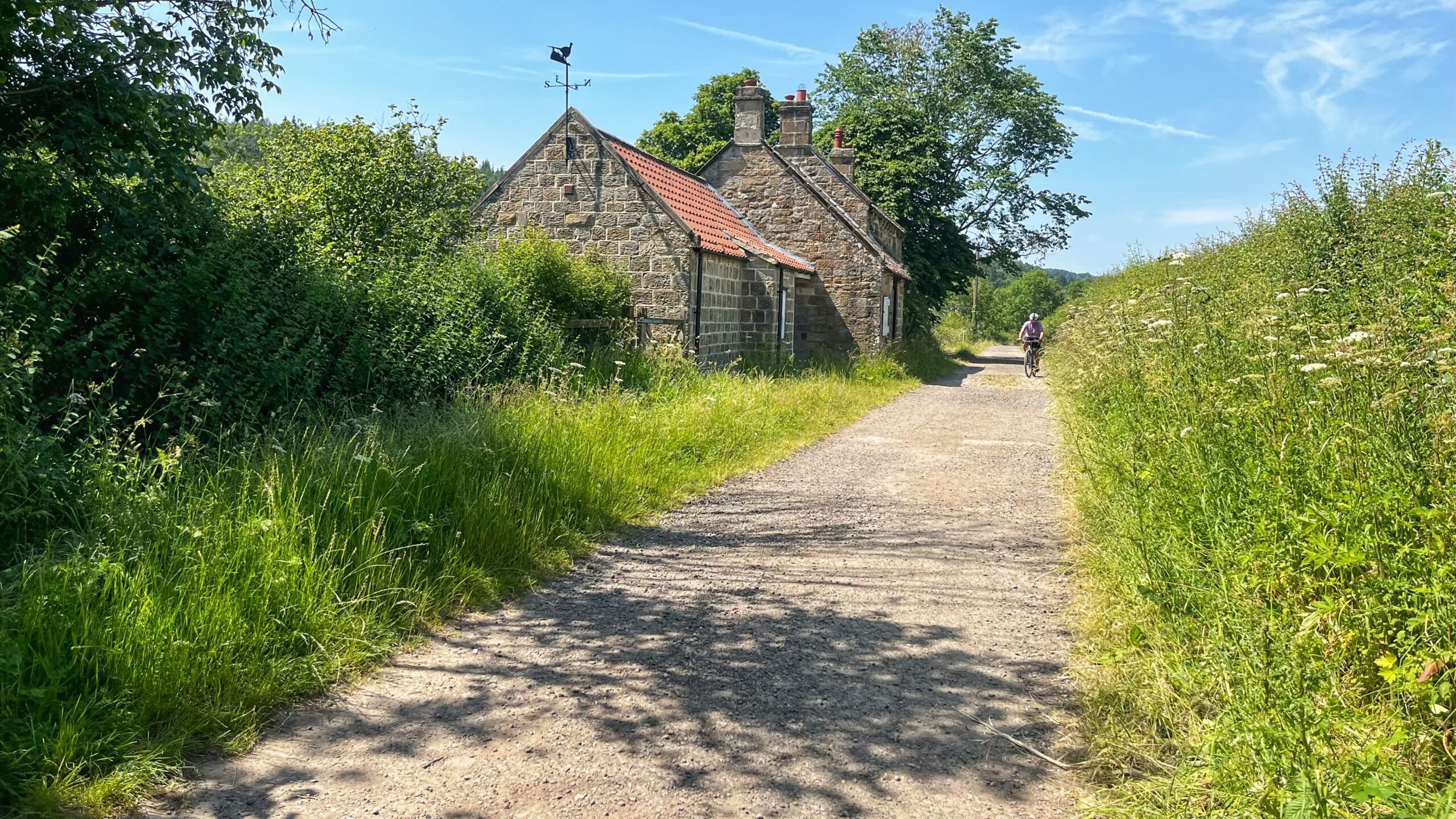
Barnaby Toll Road: Even the Dead Paid to Pass
A gravel track on a baking summer day runs through lush green verges high with cow parsley and nettles. To the left stands Toll Cottage, an 18th-century stone building with a terracotta pantile roof and a weather vane on its gable. Before tarmac, before bypasses, before anyone thought roads should be free, there was Barnard’s…
-
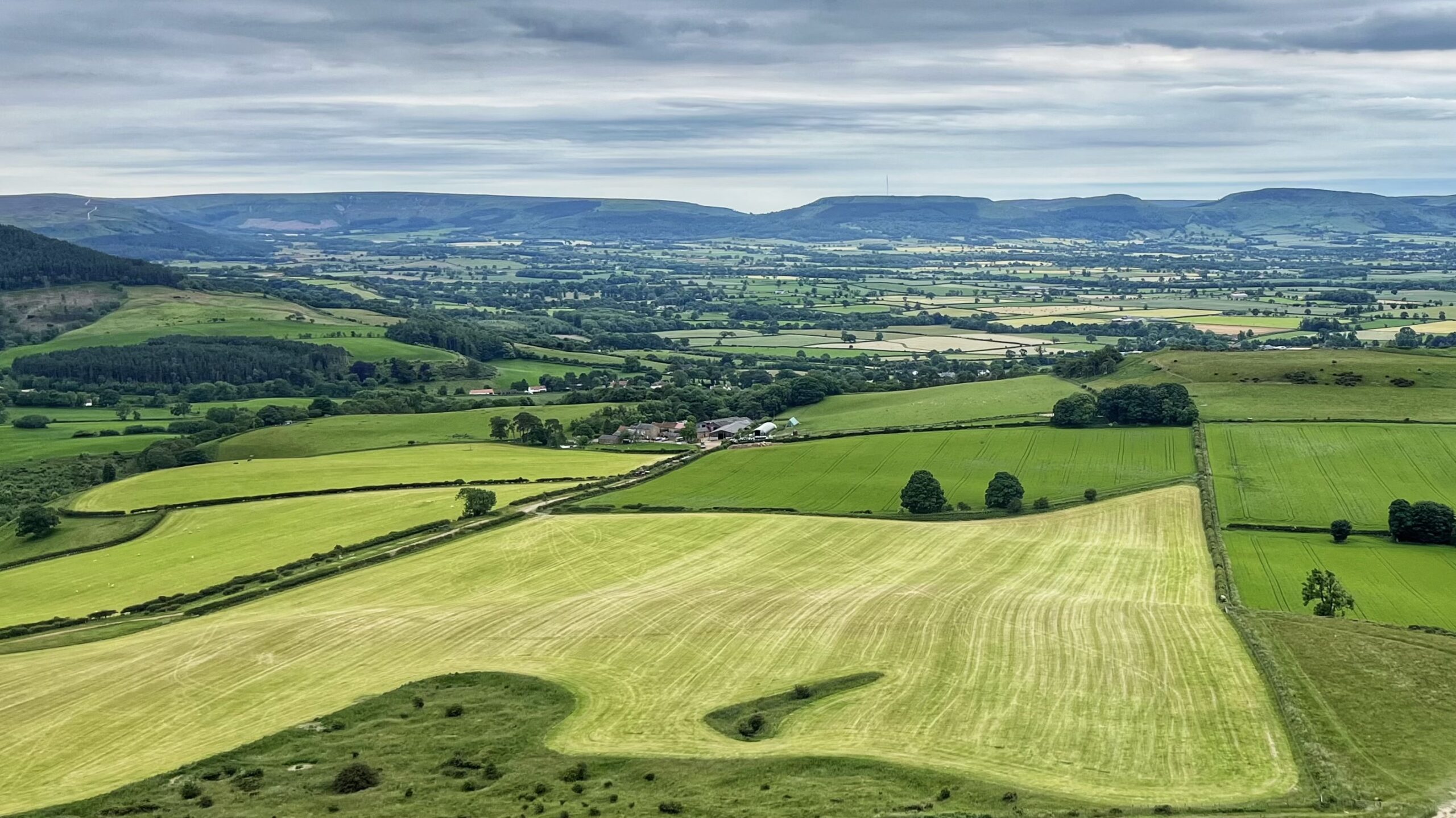
The Field That Keeps Its Secret
This never fails to make me smile. That teardrop island and the stubby little peninsula — where the farmer at Aireyholme cuts around rather than through — mark where the ground has quietly given up. They sit at the outer edge of the old Roseberry Mine ironstone workings. The miners used what they called “bord…
-

A Northern Harr Brings Fine Weather From Far
I tend to avoid Roseberry on Sunday mornings but those that made the effort today might have witnessed two seasons colliding. The summit sat in sunshine. Below, the vale of Guisborough disappeared under a slow grey tide rolling in off the North Sea — a sea fret, and it has been catching the Yorkshire coast…
-

Georgie Porgie, Pudding and Pie
A quiet family walk round Duncombe Park, or so we hoped. We picked the one weekend a mega motorcycle festival decided to roar through, and so much for peace and birdsong. I wonder what Helmsley Castle made of the scene. Perched on a rocky outcrop above the River Rye, its shattered east tower looming over…
-
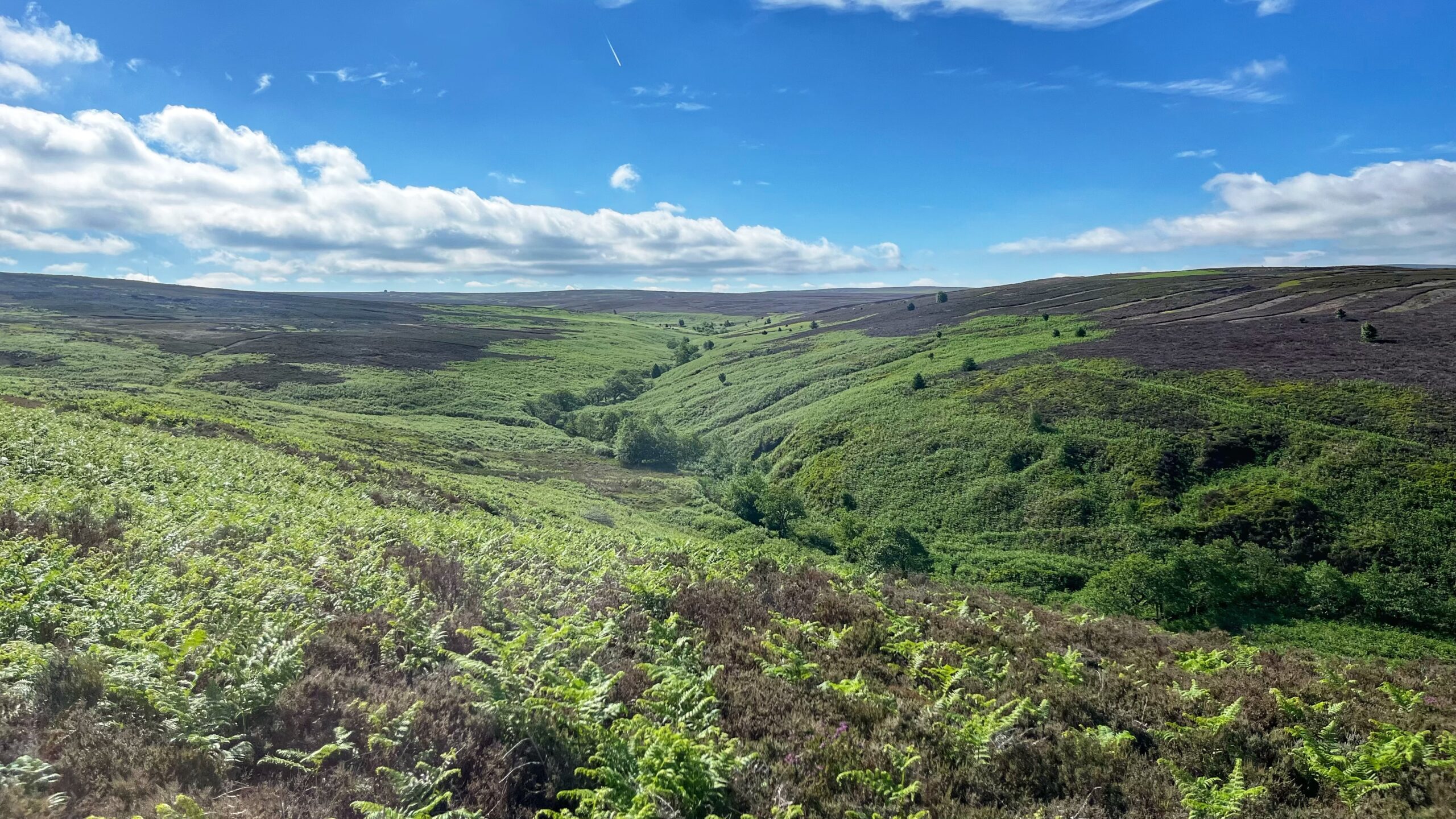
Crabdale Beck: The Vanishing of G834
A venture up to the Swainby Shooting House on Whorlton Moor, part of the Snilesworth Estate. This photo is looking up Crabdale Beck which drains the moor. The “house” can be seen on the skyline if you look closely. Crabdale Beck flows the same way it has for ten thousand years, albeit a bit gentler.…
-

Georgian Grandeur and Stray Underpants
A day at Ormesby Hall. Georgian grandeur, 240 acres of parkland, the whole pastoral dream — except it sits cheek by jowl with Middlesbrough’s suburbs, and the public has made its feelings known. We were there to pick litter. The woodland strip along Ladgate Lane told the usual story. Packaging. Broken hardware. Poo bags. Sanitary…
-
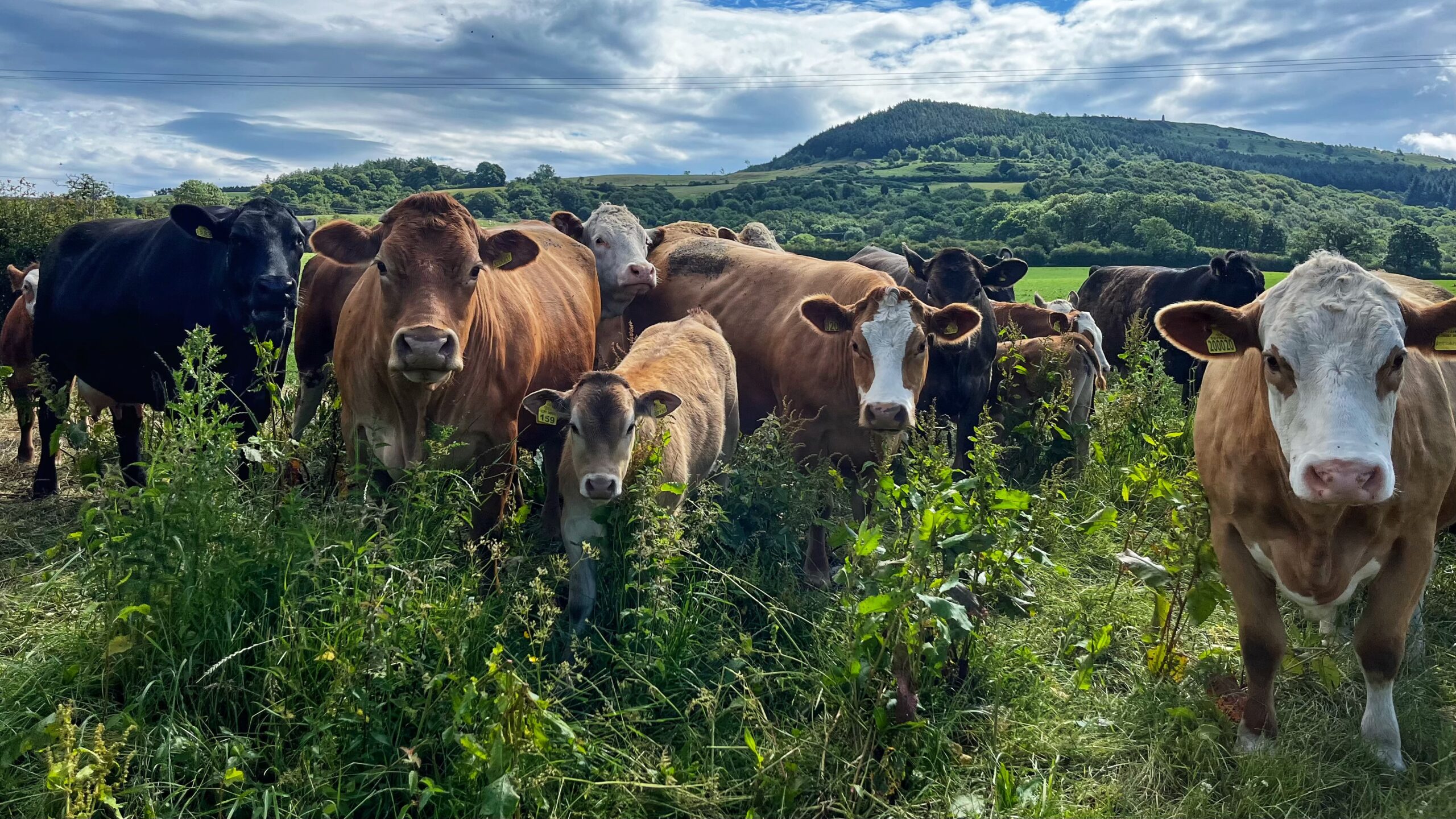
Drawing the Blood String: An 18th-Century Ritual
I had to negotiate this suckler herd grazing quietly under Easby Moor today. That stare. Intense, almost hostile. Yet these were docile animals, and generally always have been — which is precisely why farmers could do things to them that would make a surgeon wince. Yorkshire has a particular buried history here. “Drawing” the “nature…
-
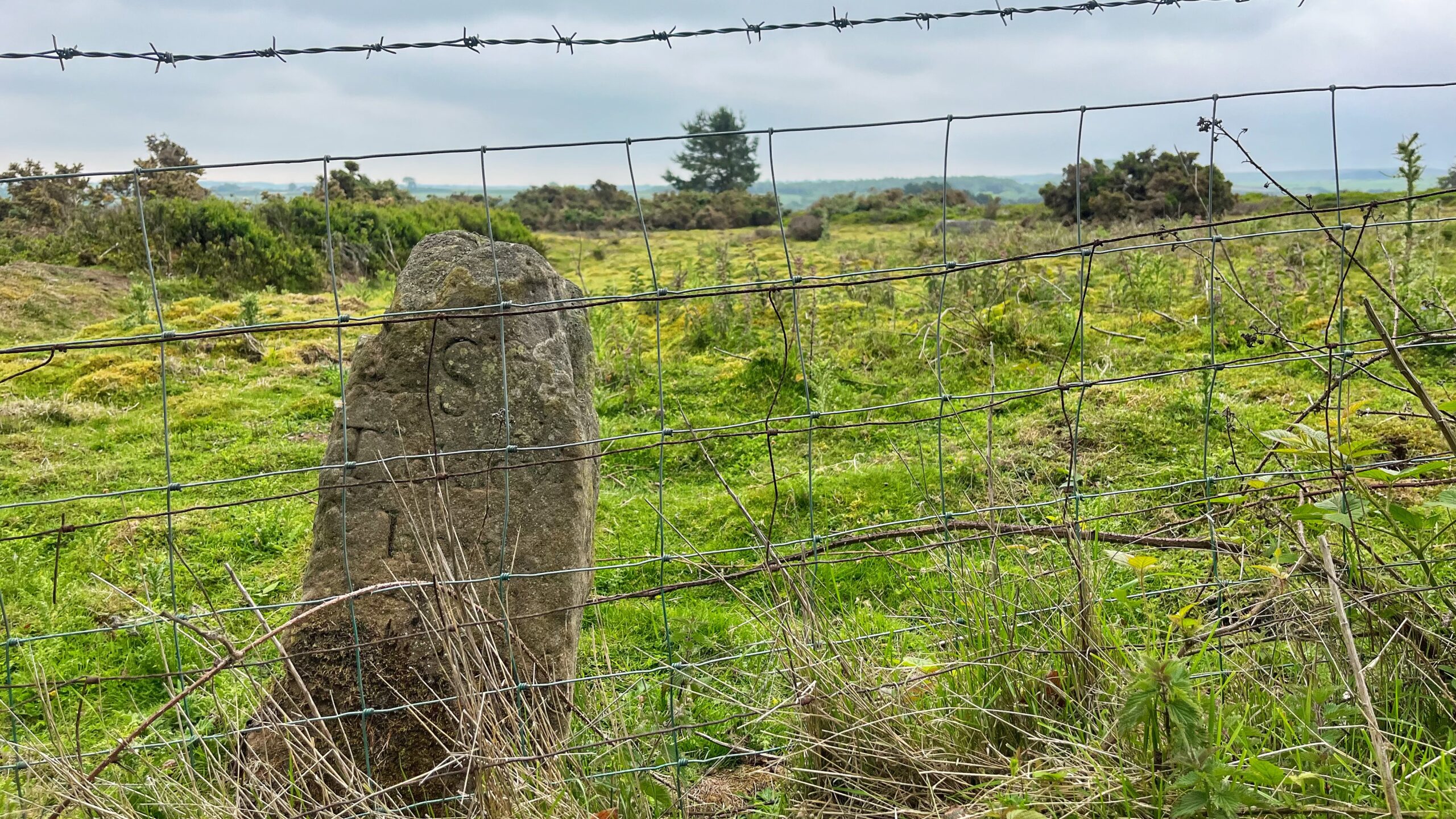
Ticksey How
The Smeathorns Road across the moor to Castleton. I have ridden it more times than I can count, and today I nearly missed it again. A boundary stone. Right there, behind the stock fence. Weathered sandstone, inscribed “S Ticksey how” — marking the old boundary between the parishes of Stanghow and Moorsholm. The wire mesh…
Care to comment?