-
Fremington Edge Chert: The Stone That Made Your Teacup
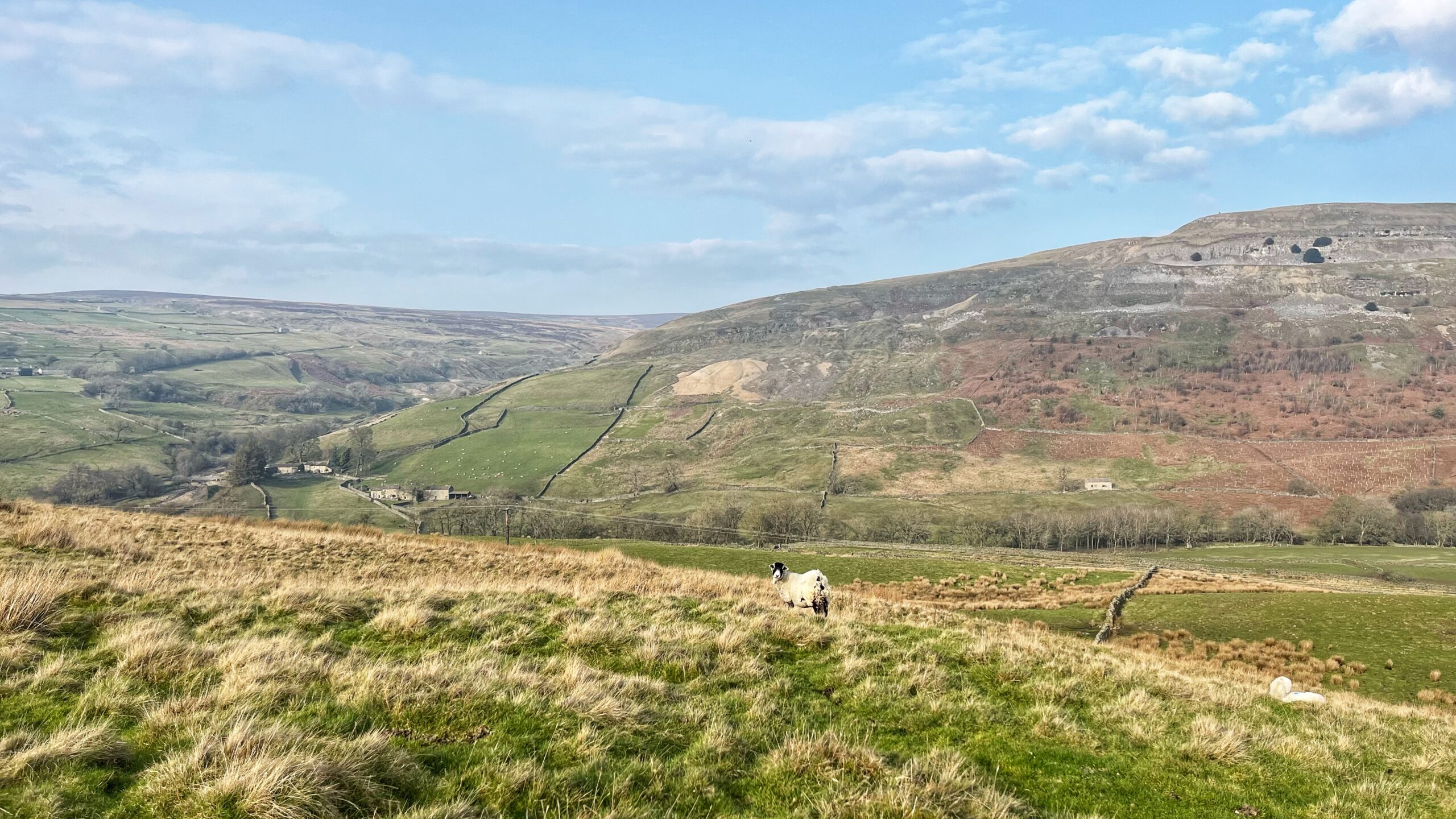
A view from Reeth Low Moor looking across at the scars gouged onto Fremington Edge. Those wounds in this hillside are not the work of nature. They are what happens when industry decides it needs something badly enough. Chert quarrying in Swaledale ran from around 1900 to approximately 1950, driven almost entirely by the pottery…
-
Cloudfall
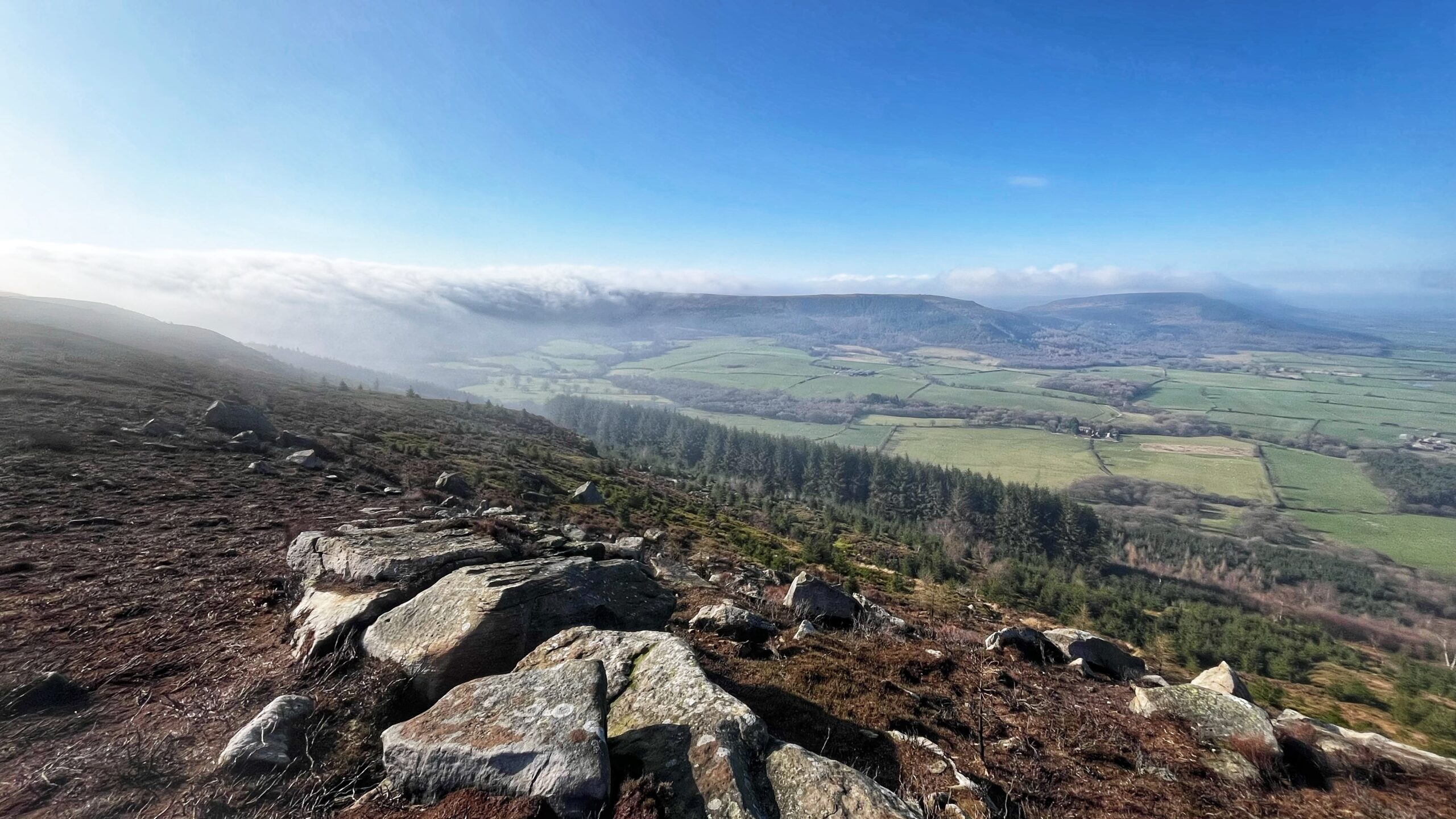
Up on the moors above Greenhow Botton today, where the Cleveland Hills were doing their best impression of a waterfall in the clouds. The kind of view that makes the uphill pedal entirely worth it. Just another quiet Wednesday on the North York Moors. At the head of the valley lies Midnight Corner, which never…
-
The Pimps of Roseberry
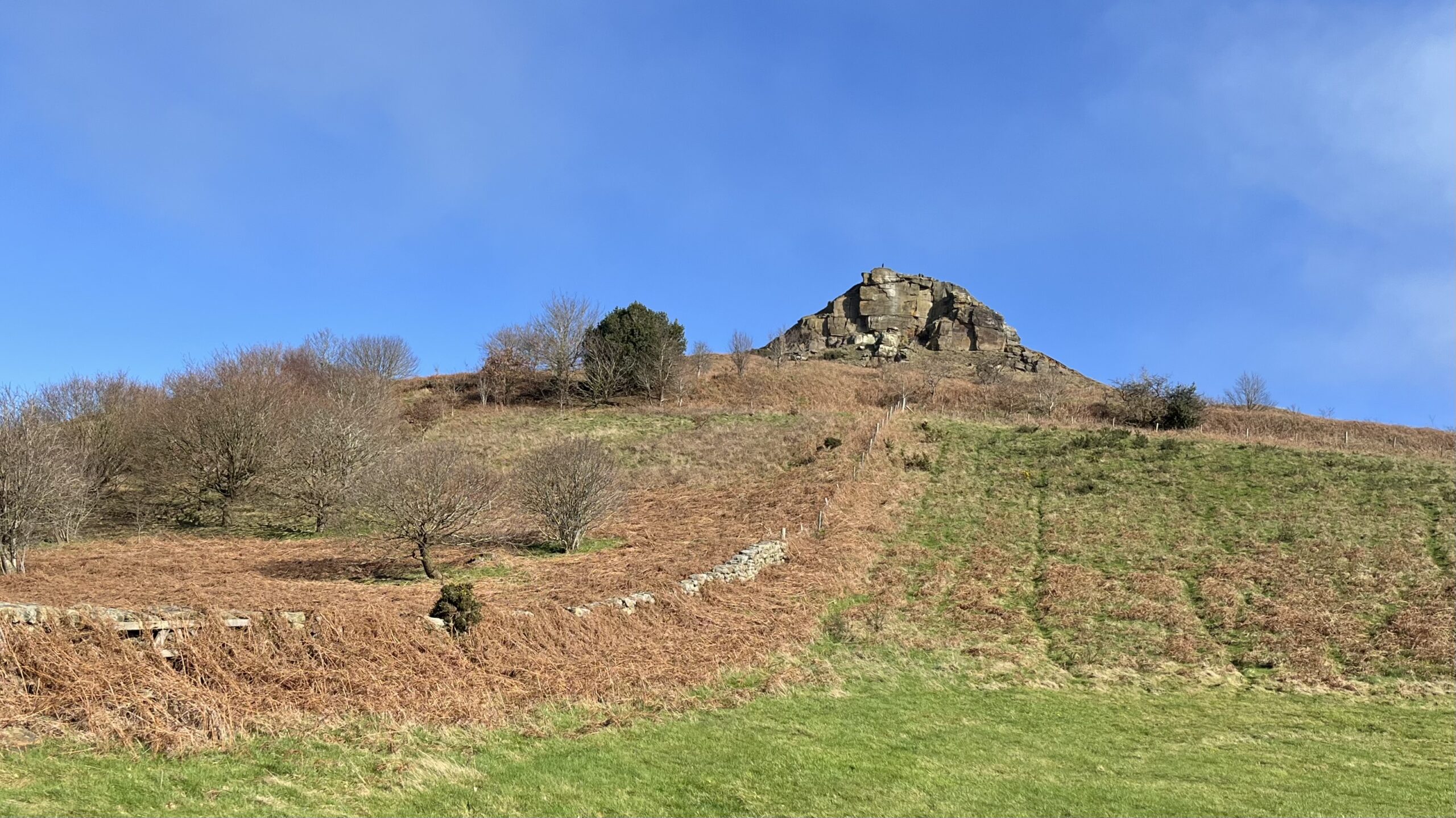
Today’s photo is, of course, of Roseberry Topping. That dry stone wall running up the slope marks the boundary between the parishes of Newton-under-Roseberry and Great Ayton. Before the great landslip of 1912 it ran all the way to the summit. Looking at a photograph taken before 1912, you can see vegetated ground running right…
-
Three Stiles in a Row
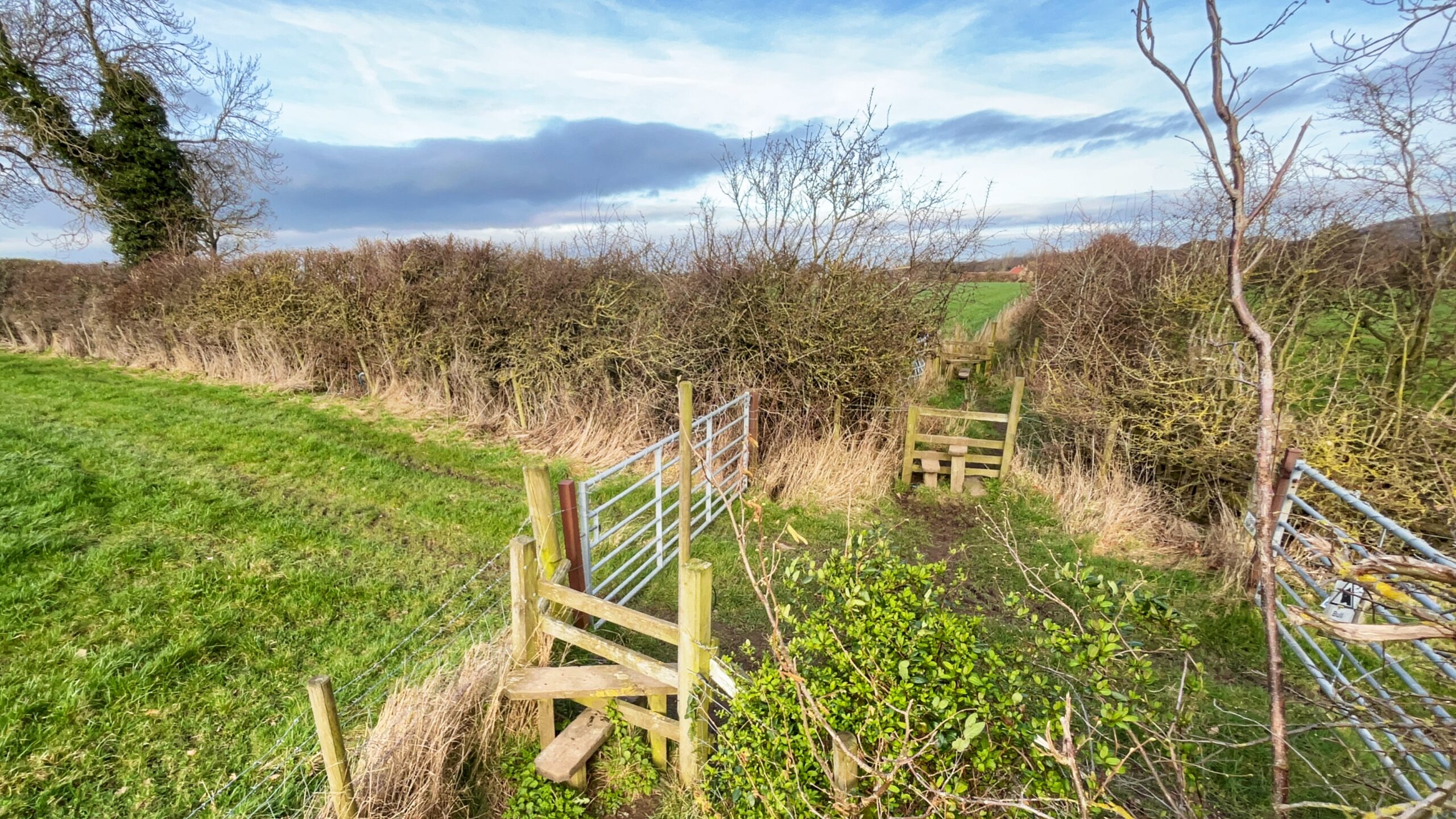
This morning’s photograph tells you everything. Three stiles, one after another, in close succession. Not one. Not two. Three. As if whoever built them wanted to make absolutely sure that anyone with a dodgy knee, a pushchair, or simply the misfortune of being over seventy would get the message: this path is not for you.…
-
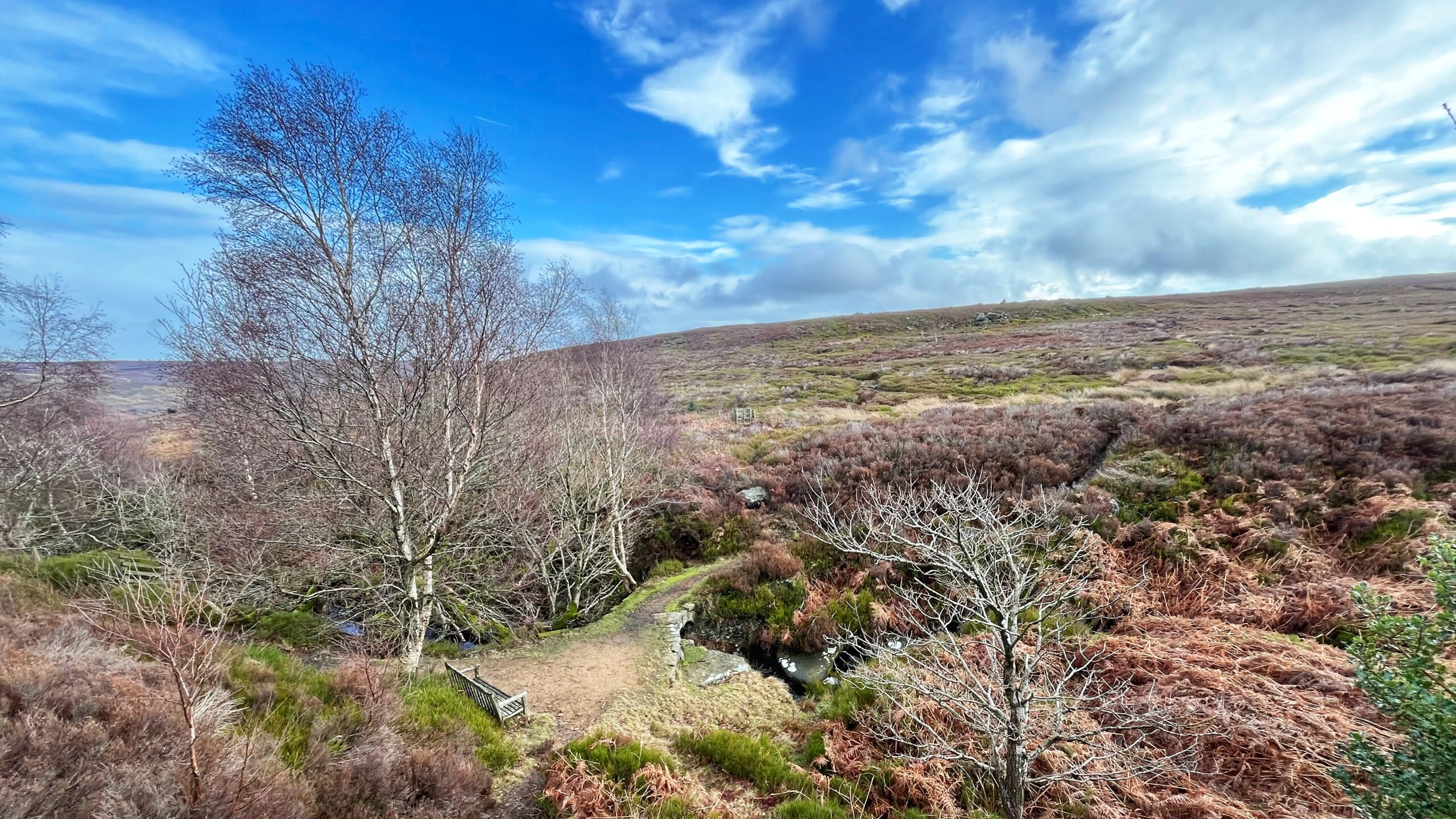
A Bridge, a Bench and a Certain Disregard for Permission
The names clinging to these moors deserve more than just a passing glance. Beyond their historical weight, they carry a strange novelty. Take Great Hograh Moor. A name that will give nothing away until you have buried yourself in old documents, dusty dialects and philological works. That’ll stay firmly on the to-do list. Baysdale is…
-
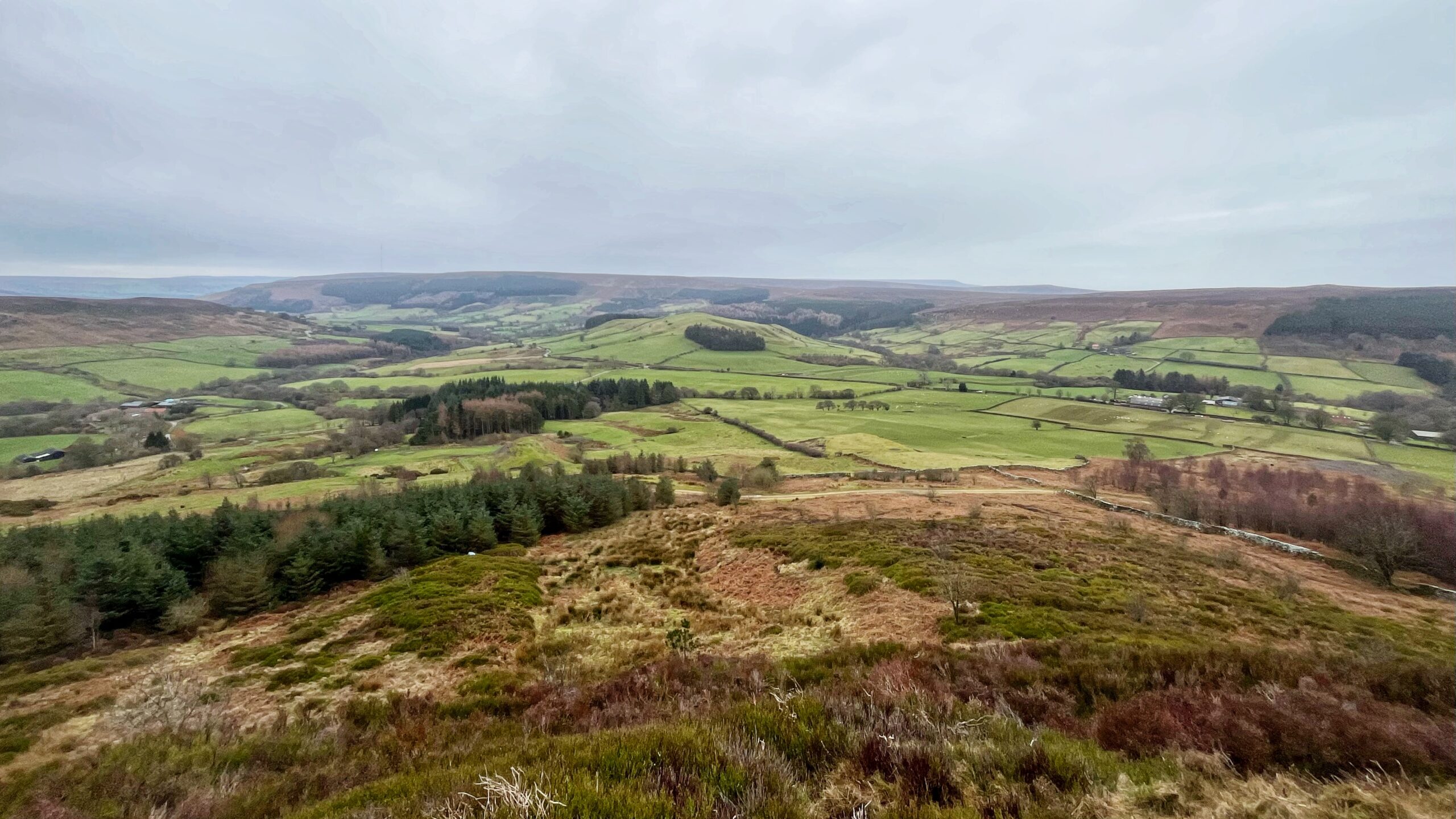
Wath Hill
A view from the rear of Cranimoor, or Cringle Moor as modern maps insist on calling it. Raisdale splits into two narrow arms, held apart by the modest bulk of Wath Hill, a hill so thoroughly “improved” for pasture that every trace of wild moor has been rubbed out. No heather, no grouse. Pheasants aplenty…
-
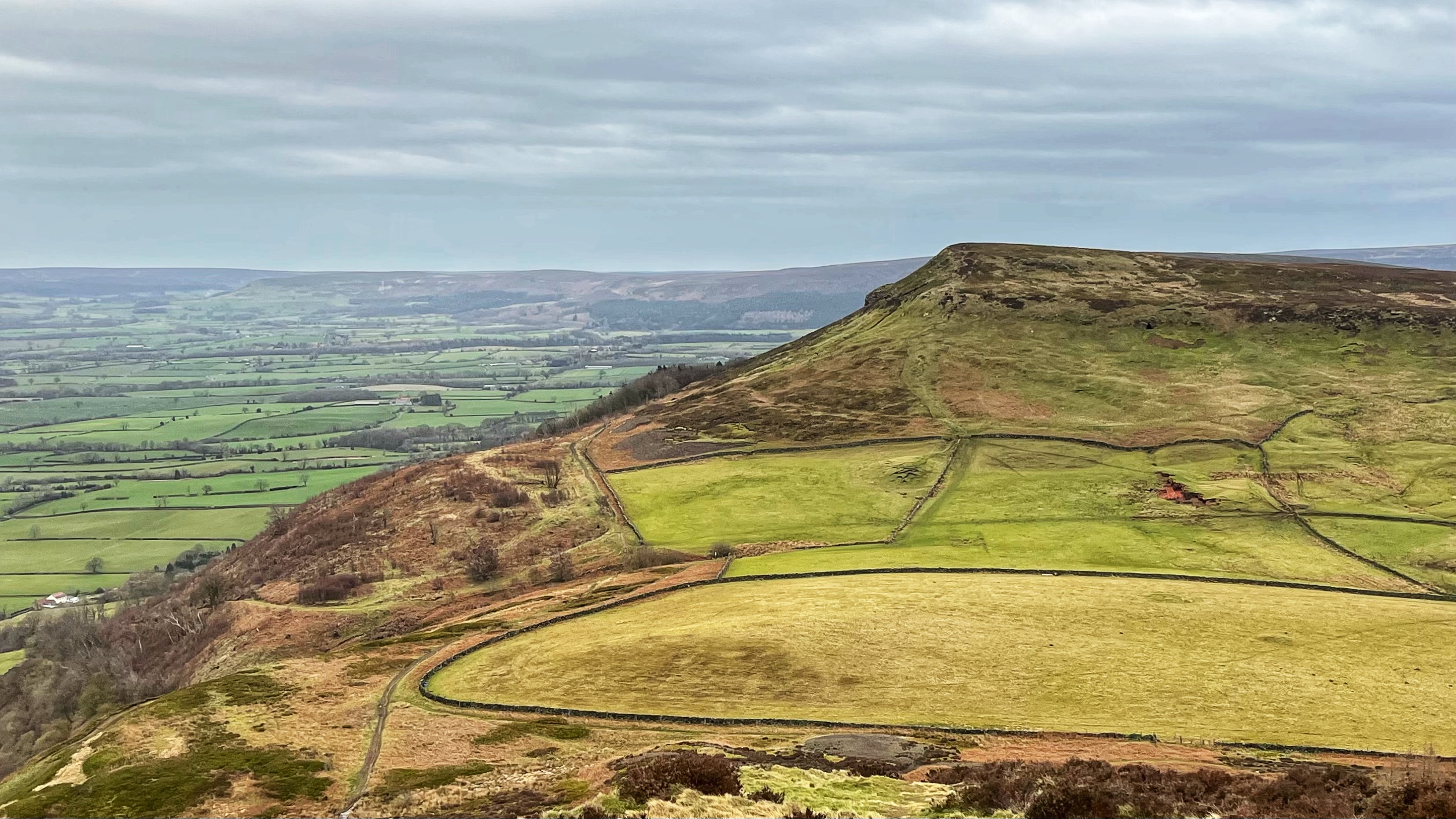
Cold Moor: A Close Brush with Industry
Cold Moor today looks like the sort of place that looks as though history slipped it by. Green, quiet, and peaceful. You would never guess how close it came to becoming a roaring industrial scar. In 1911 the calm nearly ended. Plans were laid to turn this part of Lord Feversham’s vast estate into an…
-

The Art of Dry-Stone Walling
It is widely held that the valleys of Rosedale, Farndale, Bilsdale and here in Bransdale show not the faintest scratch of glacial meddling. While the ice sheets rampaged around Yorkshire like uninvited guests, the North York Moors sat apart, dry and stubborn, an island that refused to drown. Geologists cling to an old rule, which…
-
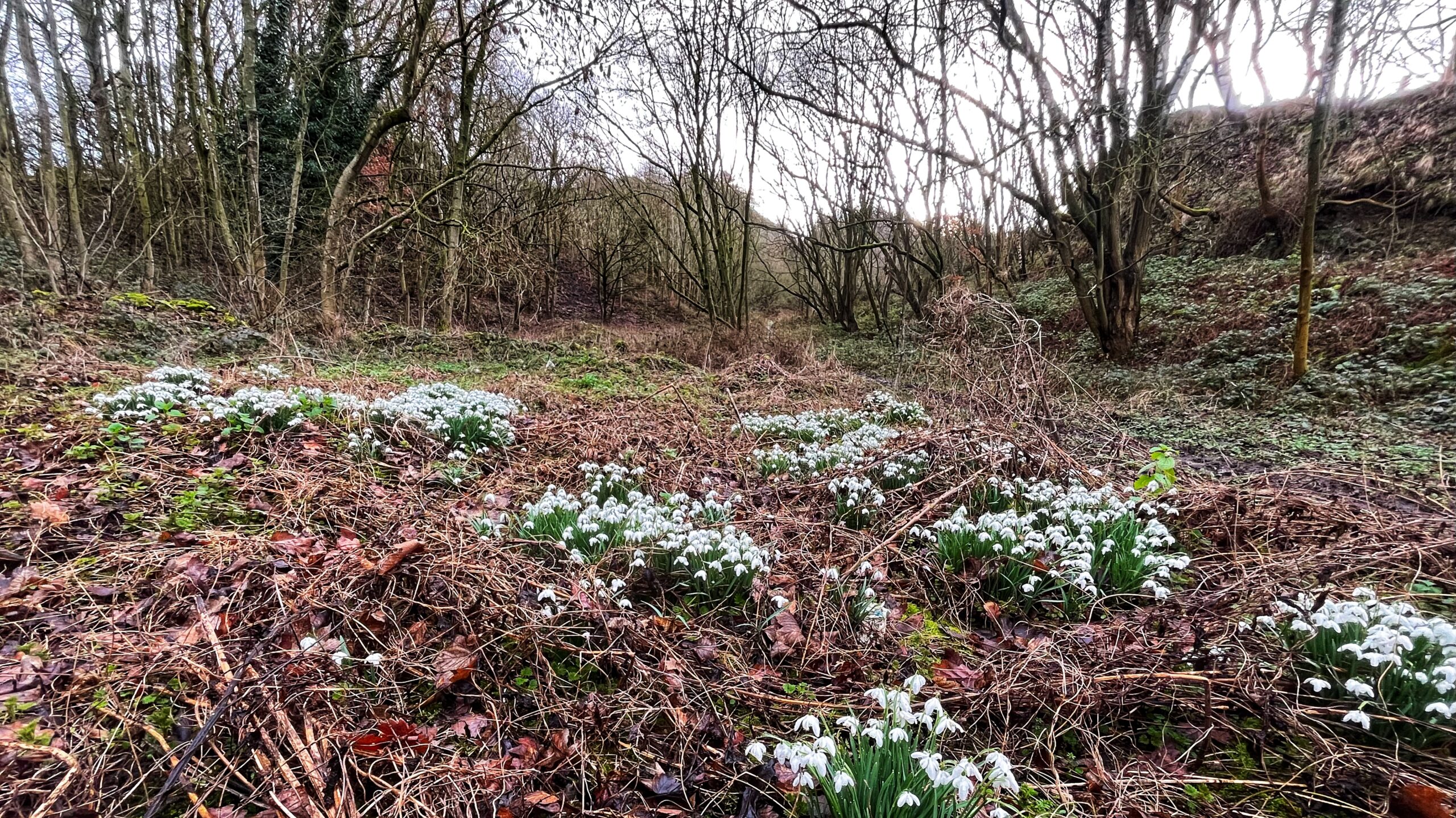
February Fair-Maids
The signs are there for all to see. The frogs in the garden pond have woken, shaking off winter like old men rising from stiff chairs. Hazel catkins hang thick and yellow in the brief scraps of sunlight. A few brave daffodil buds test the air. The sun provides apricity, its setting creeps past five…
-
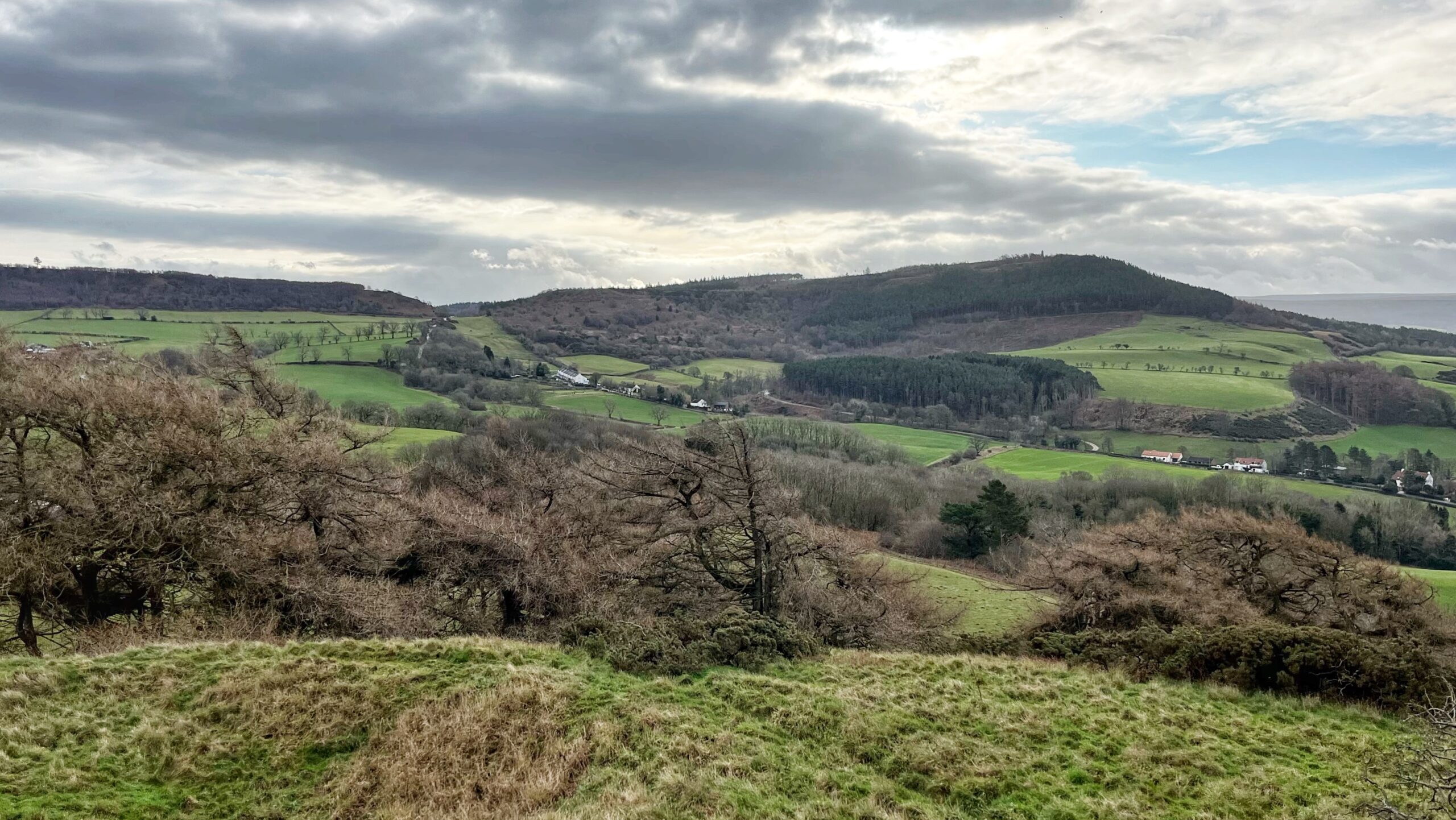
Gribdale Gate and the Edge of the Ice
A view from Cliff Rigg looking across to Gribdale Gate and Easby Moor, where the monument to Captain James Cook stands like a stubborn finger pointing at the sky. It is a landscape that seems quiet until you realise how much has happened here while humanity was busy elsewhere. Gribdale Gate is a well known…
Care to comment?