Tag: National Trust
-
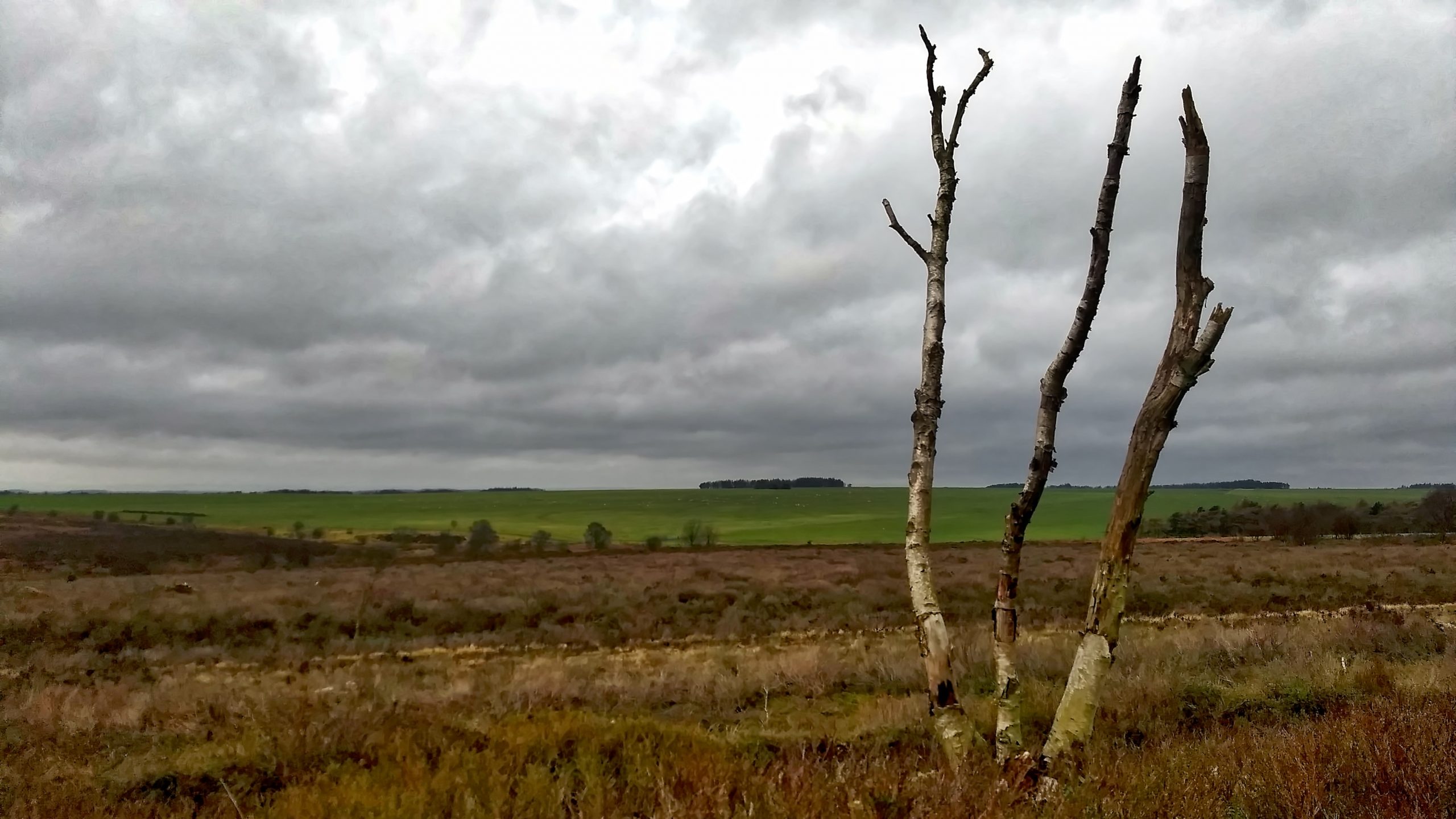
Rampike, Bridestones Moor
A rampike is the skeletal remains of a dead tree, in this case, a triple trunked birch standing alone on a windswept moor. The word comes from Canada but probably originated back in England in the 16th-century. It is thought the “ram” element means raven, i.e. as a perch favoured by these birds. It was…
-
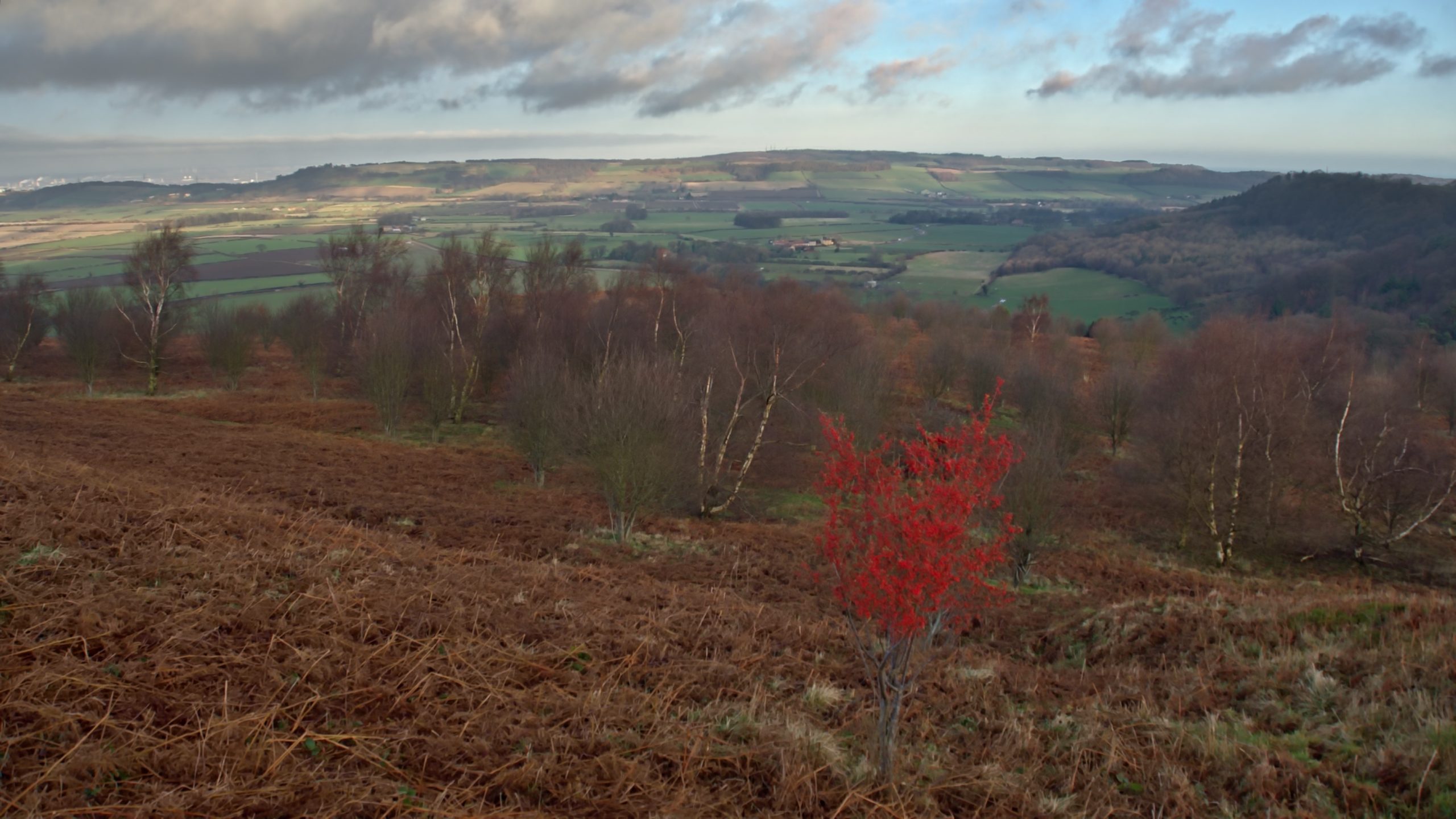
Cotoneaster, Roseberry Common
The lull before Storm Brendon. Sporadic sunshine and a meander around Roseberry Common. This small tree full of brightly coloured red berries stood out amongst the muted browns and greens of the winter foliage. Berries bigger and redder than haws, not a rowan. Whereas birds have been almost stripped the neighbouring rowans and hawthorns bare…
-
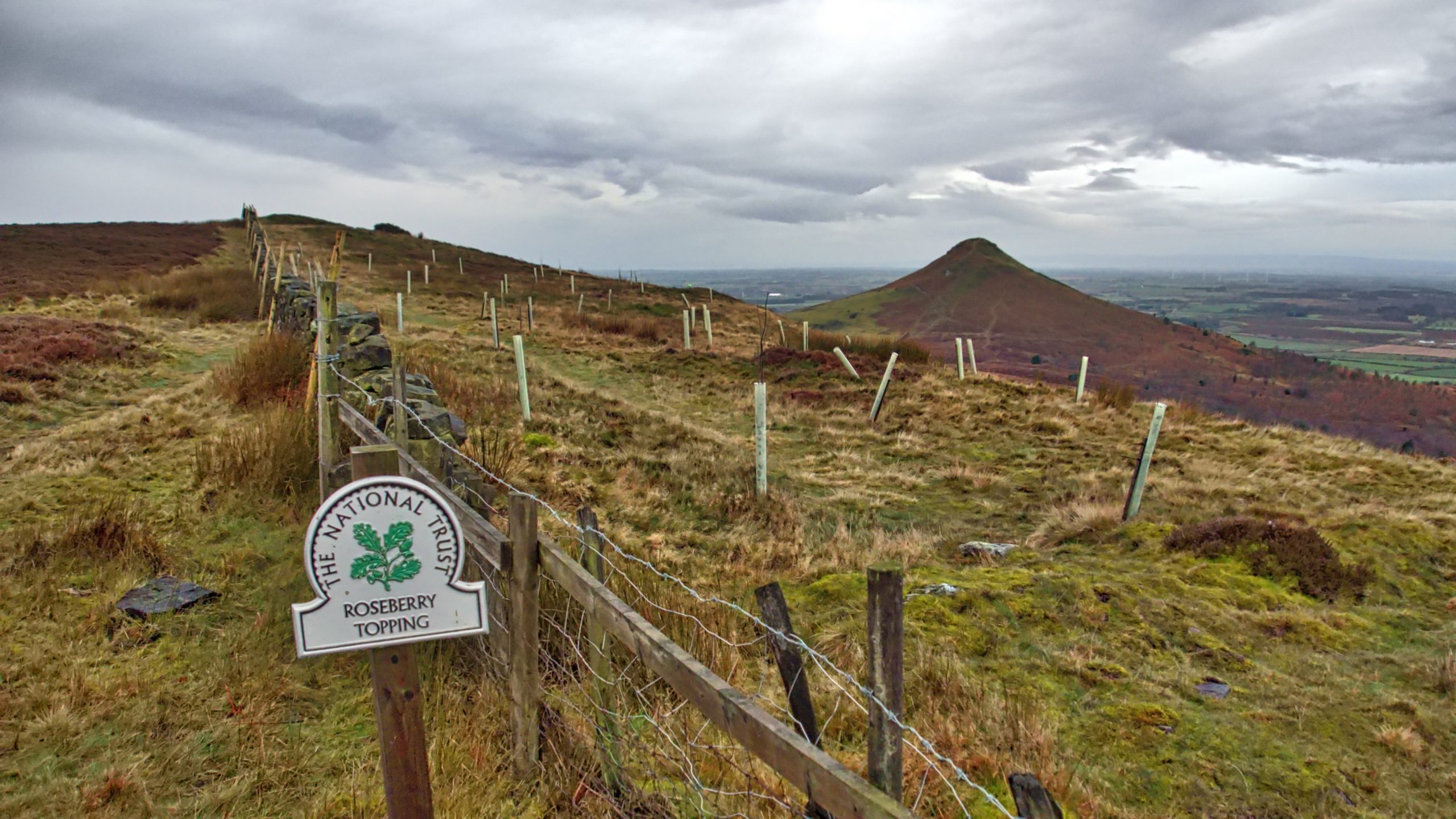
The National Trust, 125 years old today
On this day in 1895 three Victorian philanthropists, Miss Octavia Hill, Sir Robert Hunter and Canon Hardwicke Rawnsley met and founded the National Trust for Places of Historic Interest or Natural Beauty. Octavia Hill had campaigned about the poor availability of open spaces for poor people and developments on suburban woodlands. She had helped to…
-
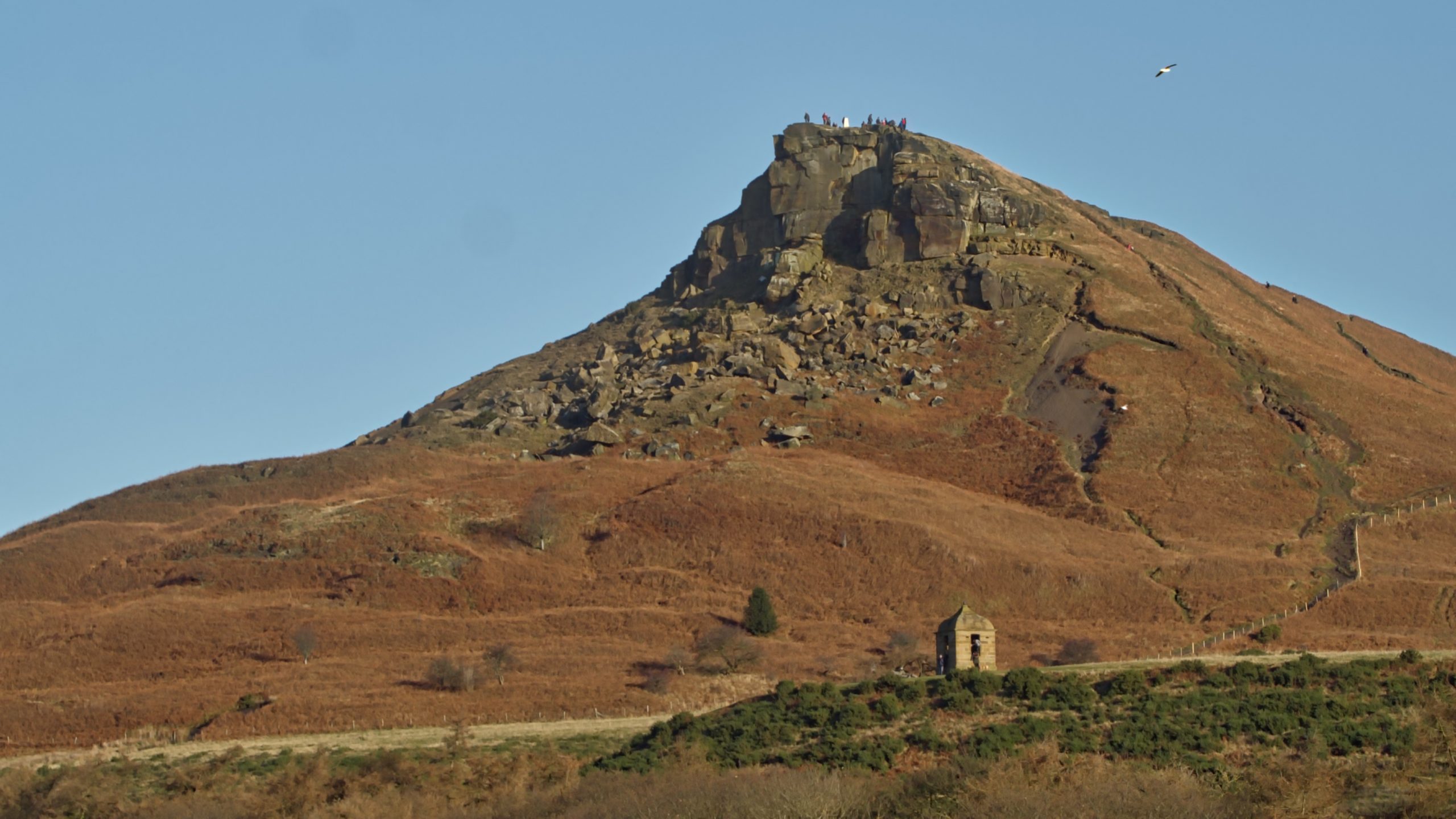
St. Nicholas’s “gold balls”
After the season’s festivities, the big cleanup begins. Roseberry is no different. A morning spent litter picking with the National Trust. The usual: cans, plastic bottles, little doggie presents. And plenty of orange peel scattered around, accompanied by the inevitable wet-wipe. What’s the big thing about oranges at Christmas? St. Nicholas’s “gold balls”. Of course,…
-
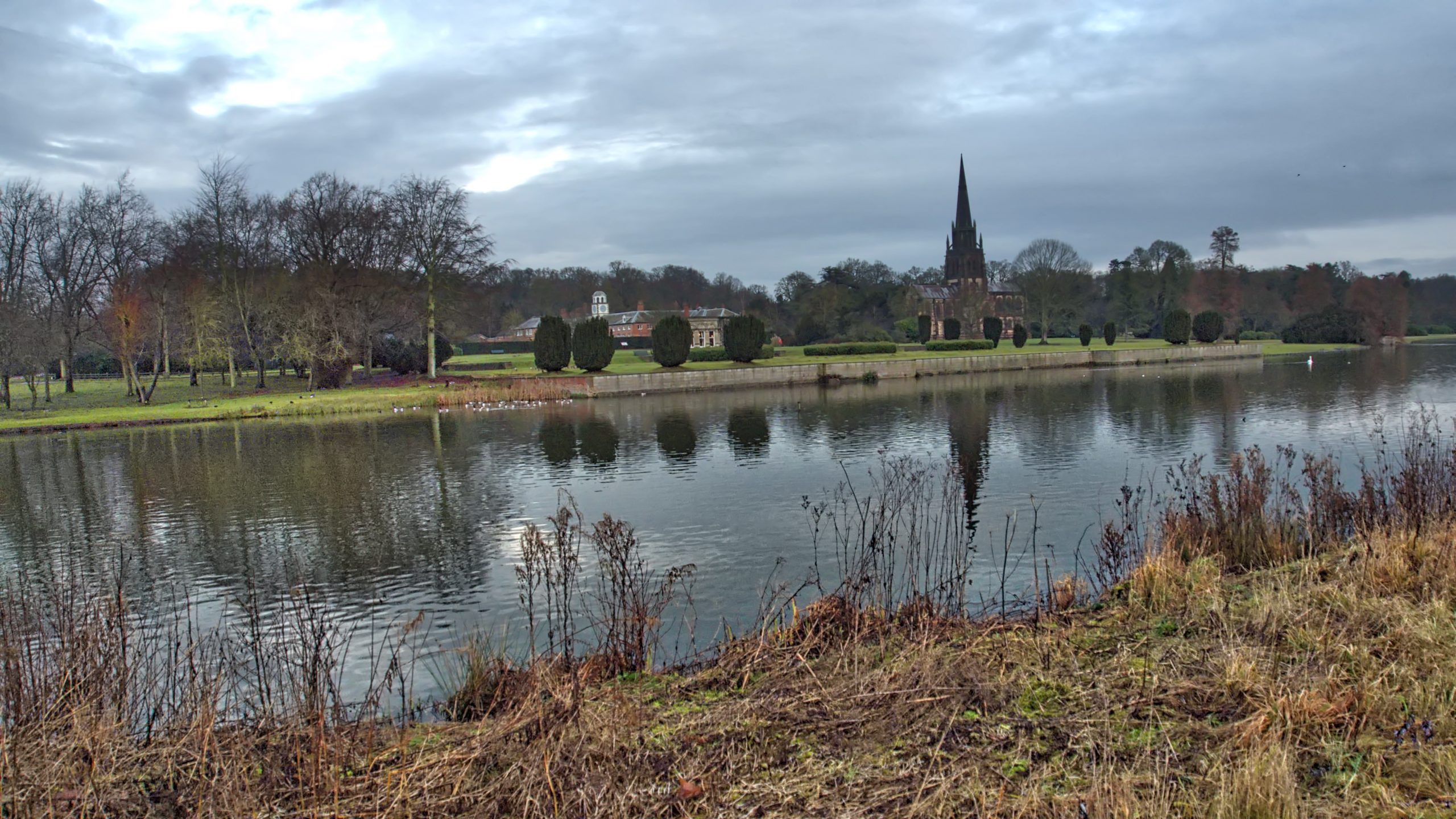
Clumber Lake and Church
The country estates of Clumber, Welbeck and Thoresby are known collectively as the Dukeries. Clumber was the seat of the Duke of Newcastle. It was a remnant of Sherwood Forest until he had the estate landscaped in the 18th-century. With an impressive circumference of eleven miles, The Duke created deer parks, woodland, gardens and had…
-
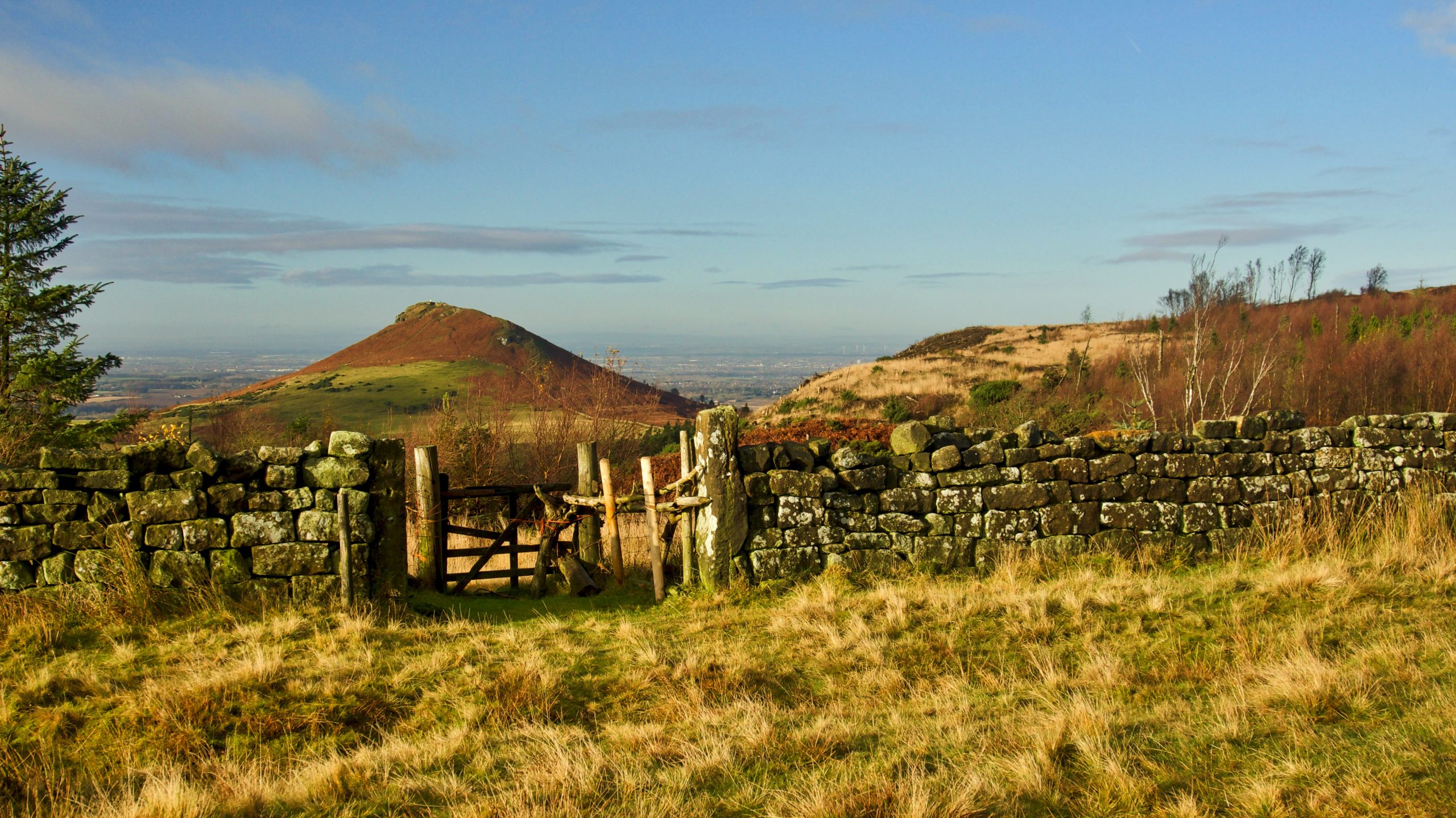
Ounsbury toppin hill
So Christopher Saxton annotated the hill in his Atlas of the Counties of England and Wales which he published in 1579. Commissioned by Elizabeth I, it was the first definitive map of England and Wales with each county being engraved on a separate copper plate on a scale of 1″ to 3⅓ miles. Maps were…
-
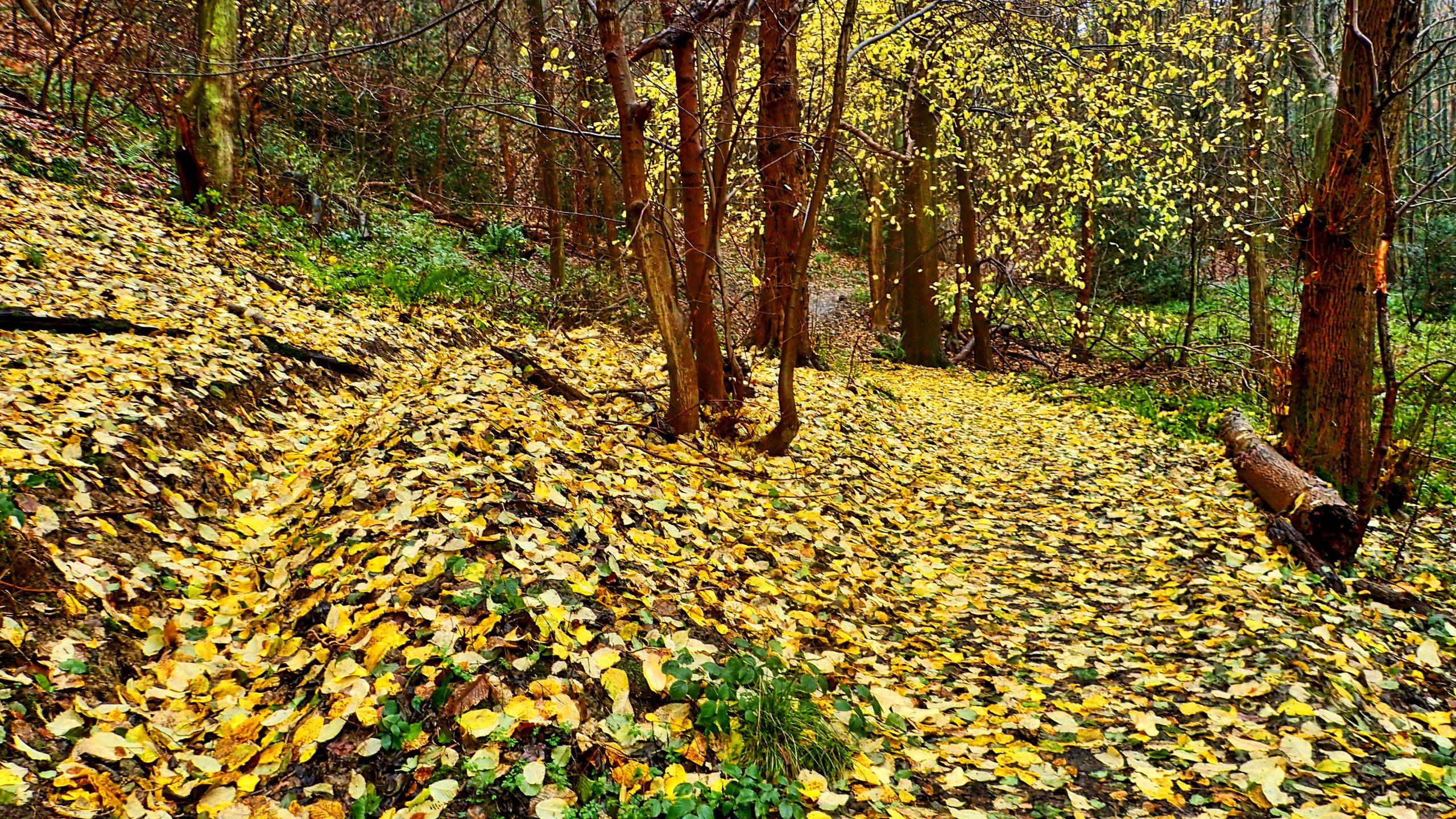
Newton Wood
Heavy overnight rain and winds have taken their toll on the autumnal colours, russets, browns and yellows. On the lower path in Newton Wood, a yellow carpet of fallen hazel leaves covers the woodland floor. With the onset of shorter days and cooler temperatures, complex chemical changes occur in the leaves. The concentration of sugar…
-
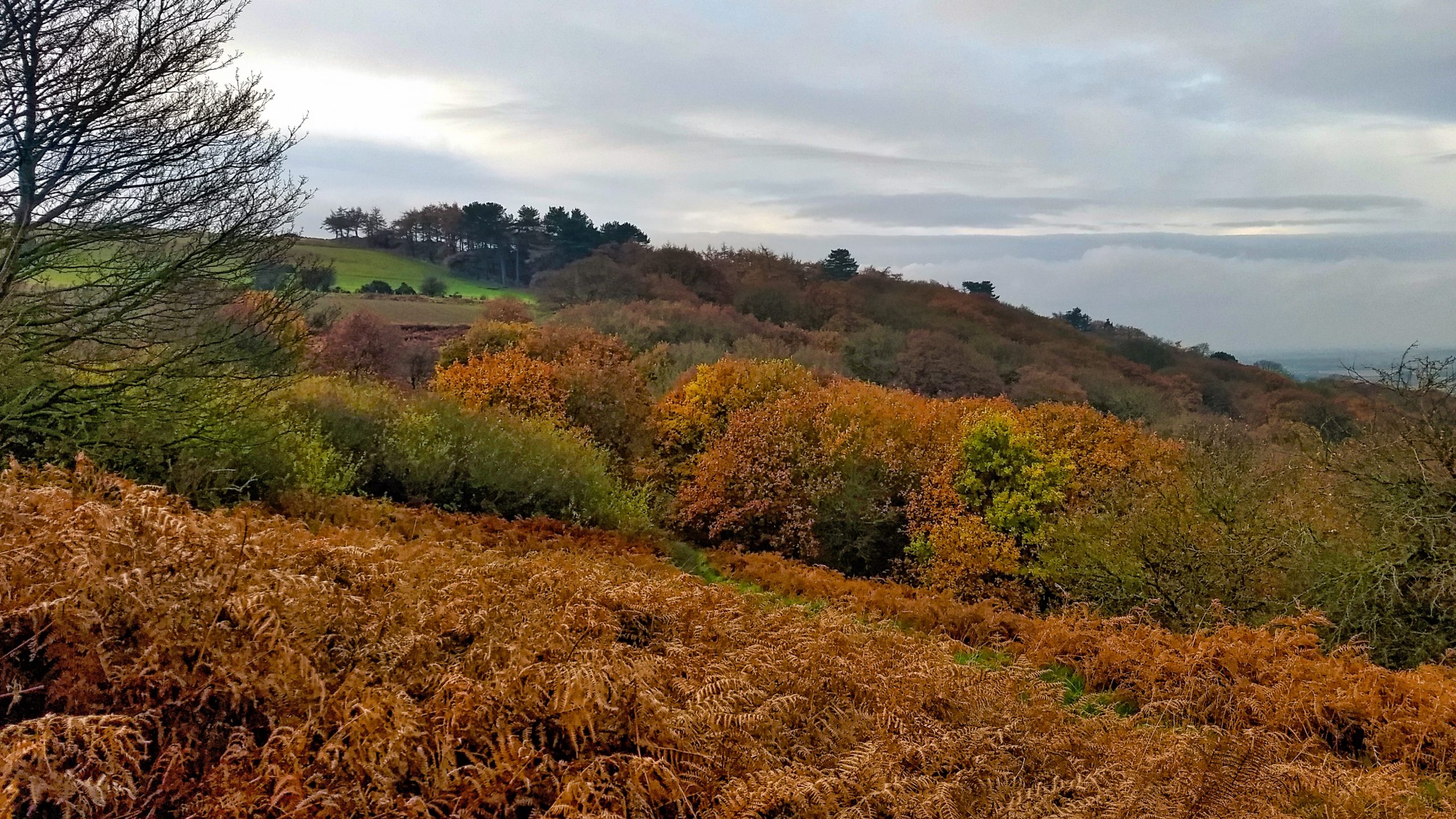
Newton Woods
An early climb up Roseberry and back through Newton Wood looking glorious in its autumn colours, oak leaves refusing to fall. Overcast and dull. Open Space Web-Map builder Code
-
Cliff Rigg and Newton Wood
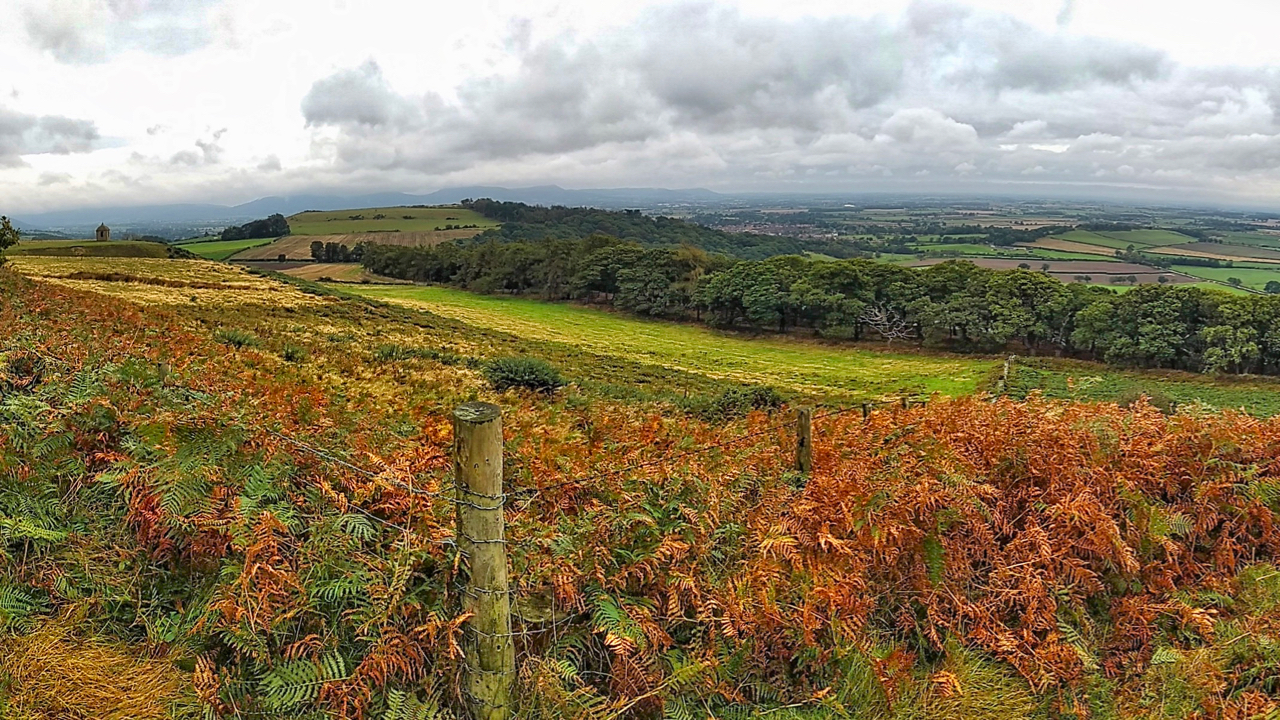
Explored a long-forgotten section of a Public Bridleway up Roseberry Topping that has recently been cleared of bracken. It’s just a wild guess but to me, the route points to an early tourist route up to the summit. I’ve posted about this before. It starts in Newton and goes up Roseberry Lane (or Wood Land…
-
Word of the day: tropism
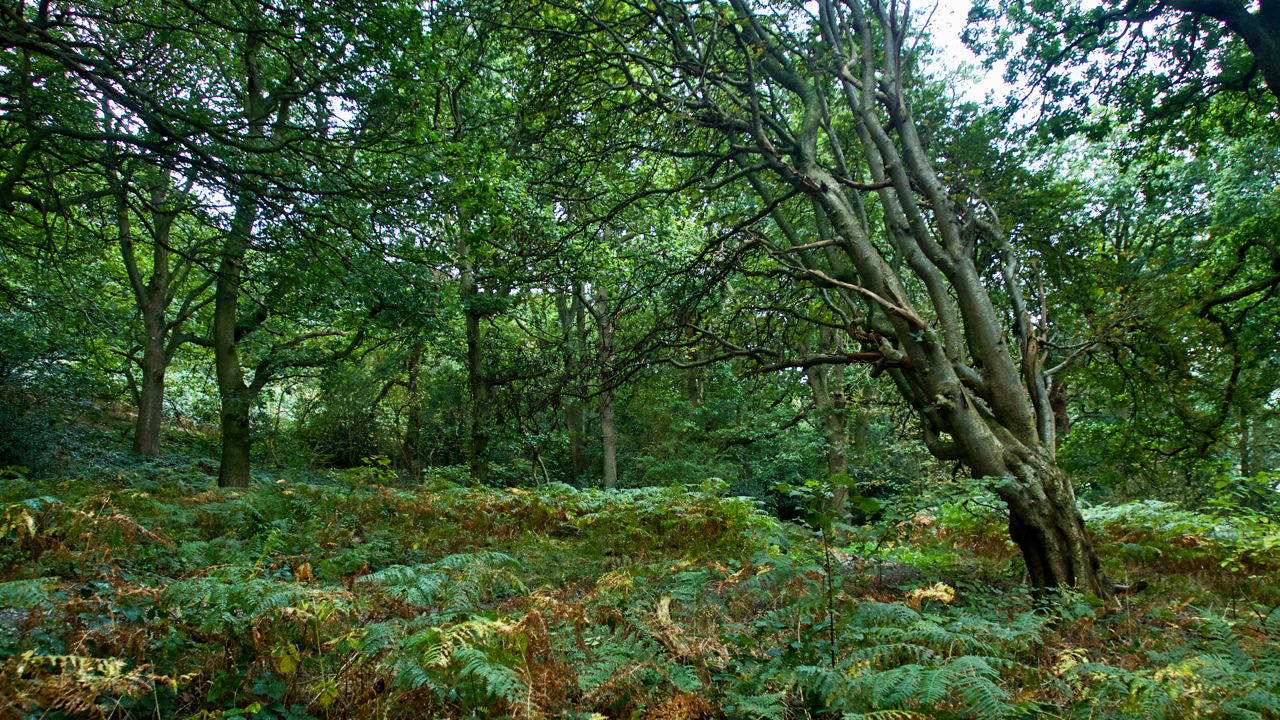
From the Greek tropos meaning “a turning”, a tropism is the response in a plant’s growth due to an external environmental stimulus. There are many types, such as: Hydrotropism, growth in response to water for example when the roots grow towards areas of higher moisture Phototropism, in response to light Thermotropism, in response to temperature…