Tag: history
-
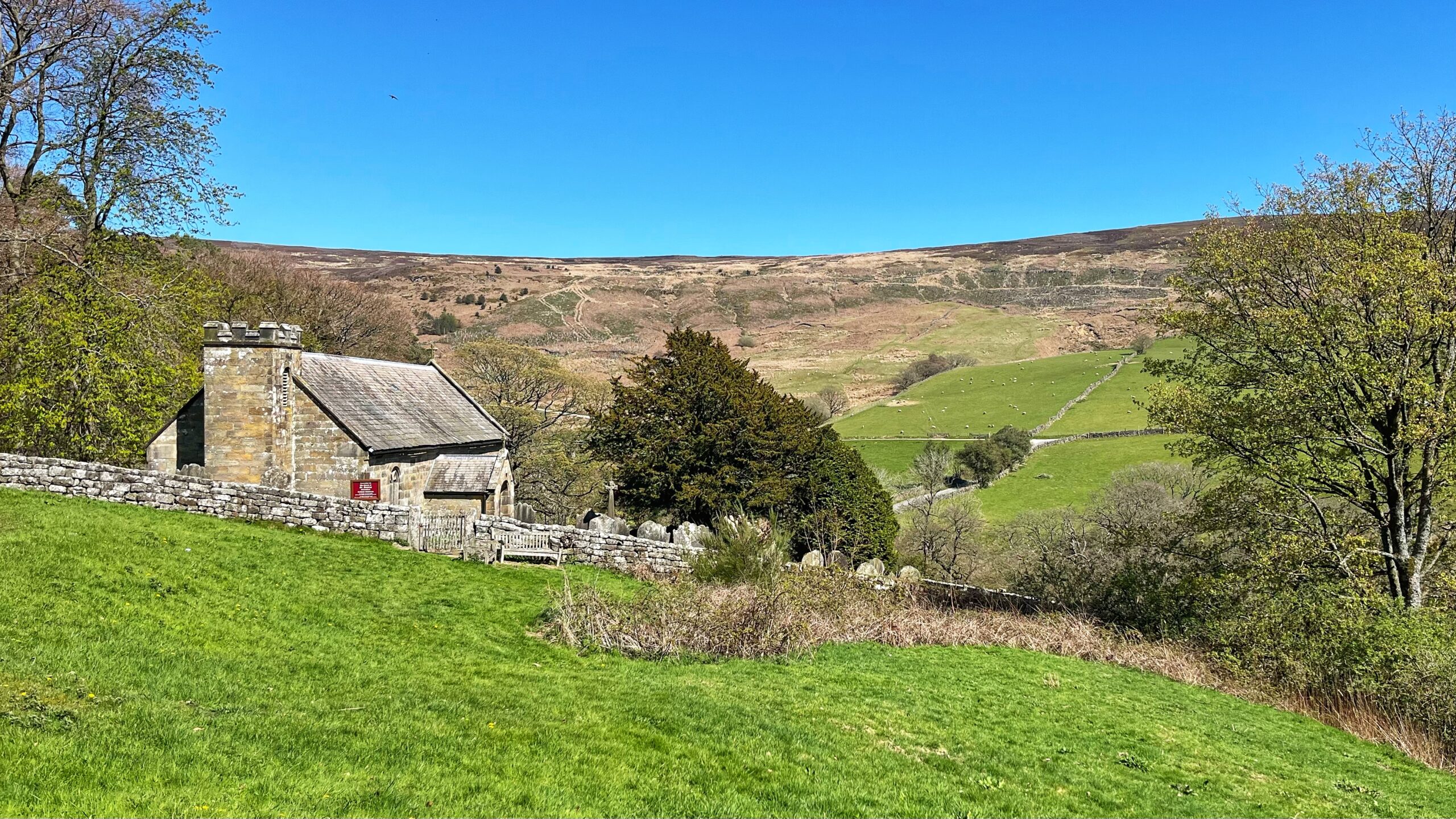
Cockayne: The Land of Milk, Honey, and Mumbling Clerks
Medieval peasants dreamed of a place called Cockaigne — a land of luxury and ease where roasted pigs wandered about with knives in their backs to make carving easy, grilled geese flew directly into one’s mouth, and the wine flowed freely. Streets paved with pastry. Skies that rained cheese. You get the idea. Then someone…
-
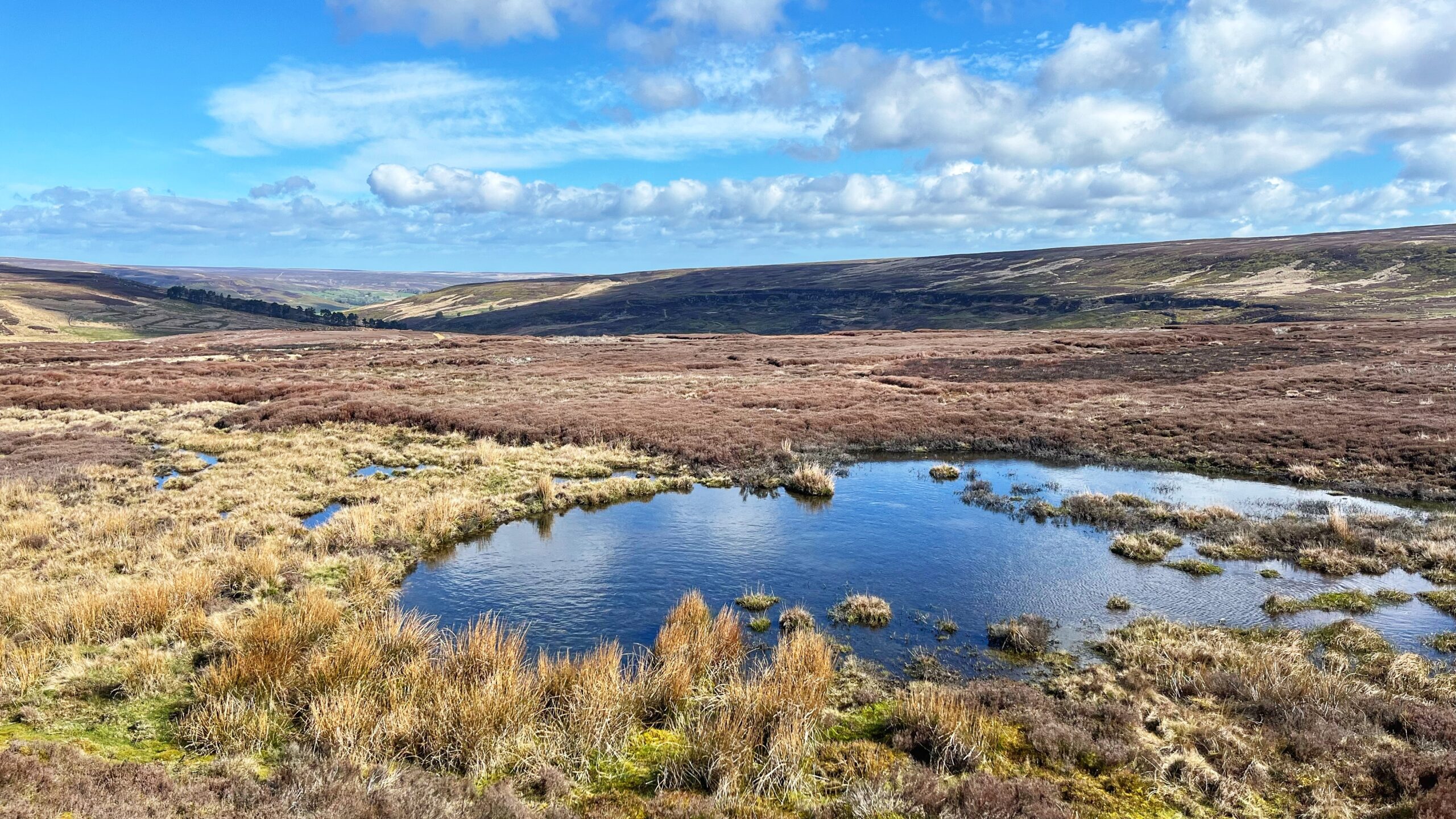
Esklets: A Proper Muddle in a Very Small Pond
Humanity is like a persistent rash, always there and difficult to ignore. We’ve been reshaping the world to fit our needs for a very long time, demonstrating our enduring desire to adapt and make things our own. During the Mesolithic period, this high moorland plateau of Esklets was not a dry waste; it featured small…
-
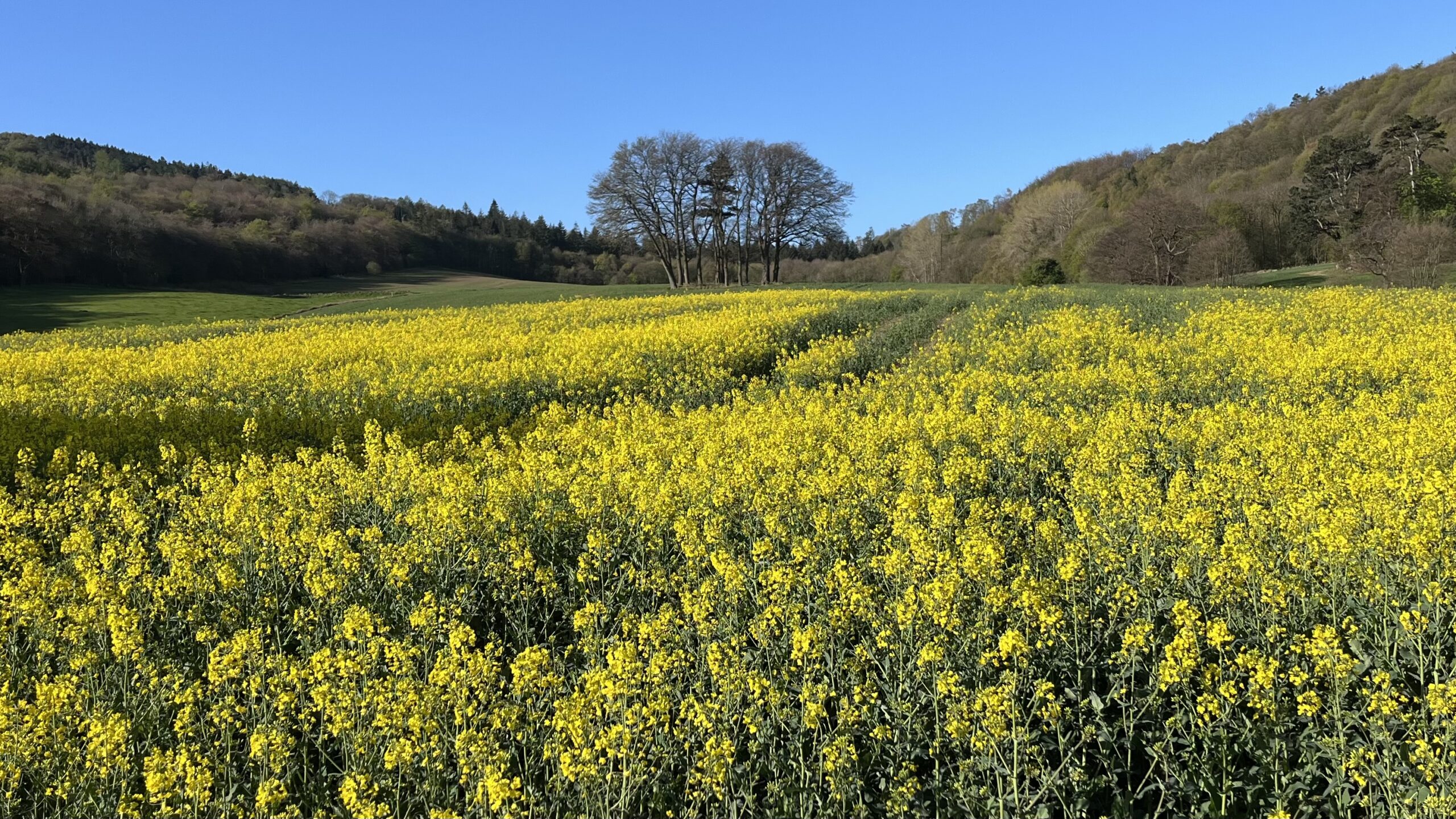
The Ancient Yellow Field
Every spring, Britain turns yellow. These vast, almost aggressive swathes of rapeseed feel utterly modern — the crop of motorway verges, cooking oil, and biodiesel. Surely this is a 20th-century invention? Sort of. This is almost certainly some genetically engineered new cultivar, but let’s meet the navew. That is what our ancestors called rapeseed, and…
-
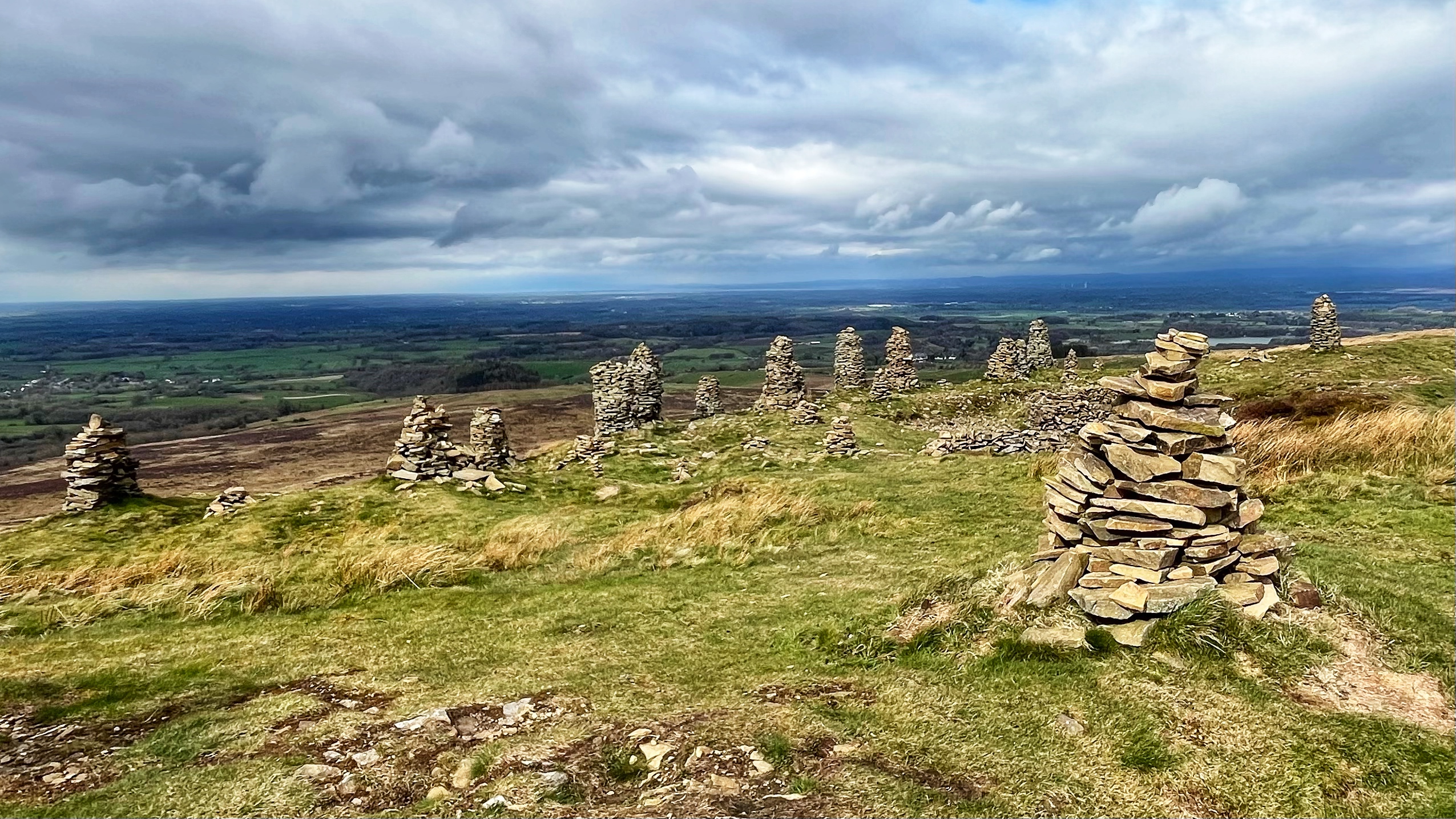
Stones That Speak: The Curricks of Talkin Fell
Stand on Talkin Fell in Cumbria and you are surrounded by towers of stacked stone. Locals call them curricks. They are not modern art. They are not random. They are, in a quiet way, astonishing. The word ‘currick’ descends from Cumbric — a Celtic language, closely related to Old Welsh, spoken across northern England over…
-
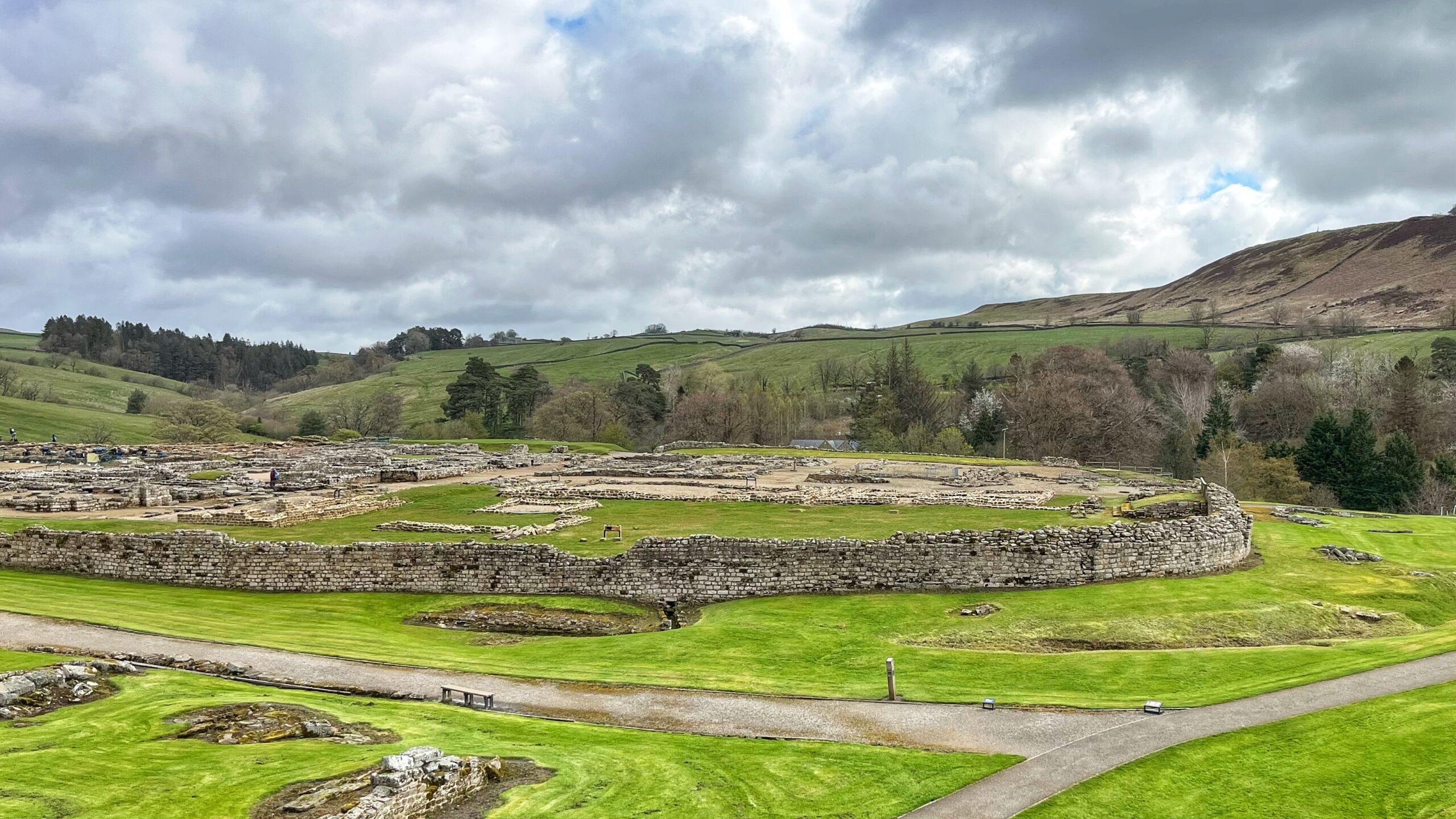
Vindolanda
Ever thought history was all sewn up? Vindolanda will put you right on that. I have never had much time for museums. My attention wanders, especially when herding the young scion at full tilt through tourist traps. But Vindolanda stopped me in my tracks. What makes it work is simple: the ruins and the finds…
-
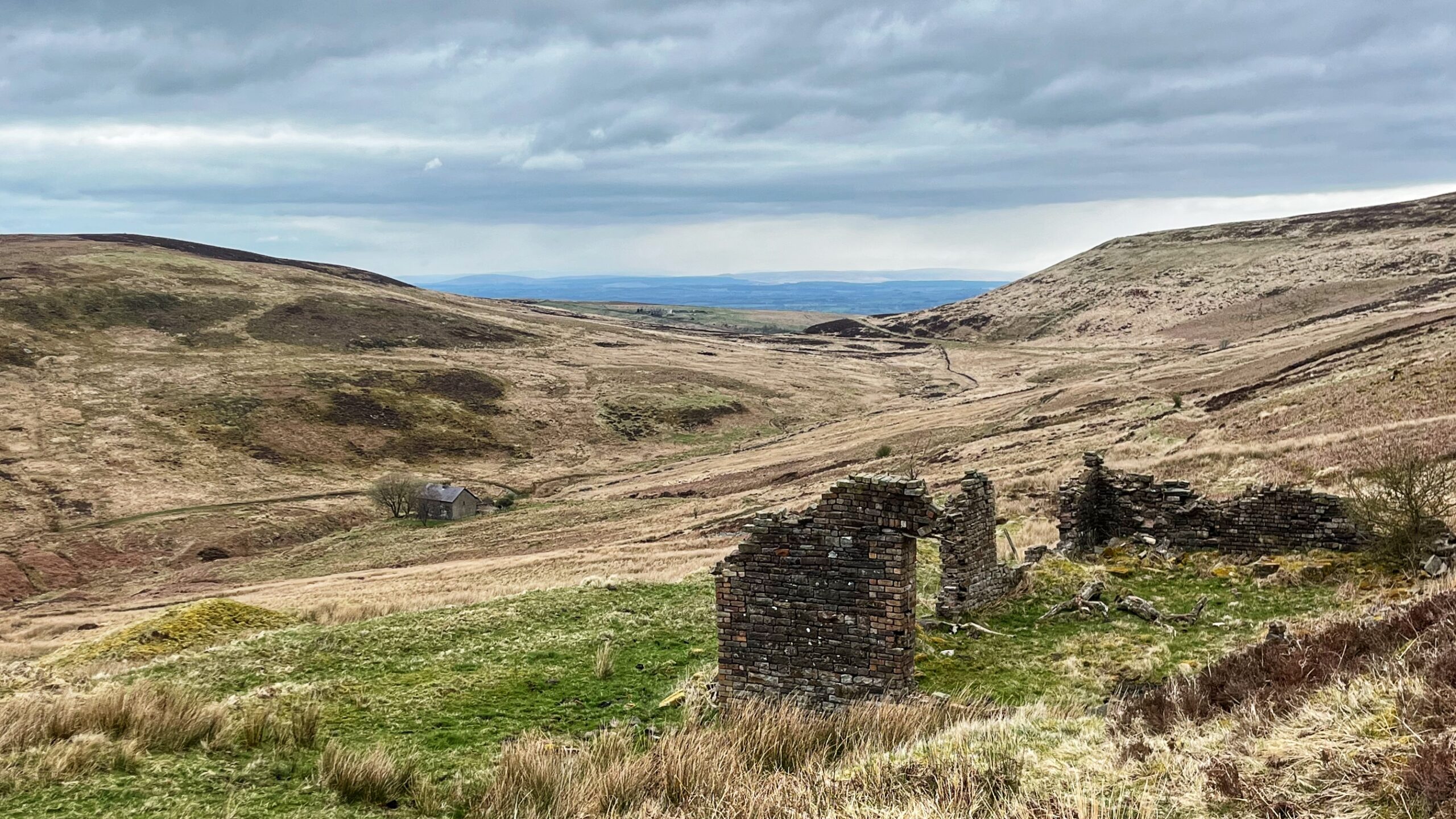
Gairs Colliery — Where the Rocket Spent its Retirement
An unexpected find in the King’s Forest of Geltsdale. What stands here now is a hollow shell, but once it was the pulse of Gairs Colliery, a lonely Cumbrian mine with a knack for odd decisions and even odder management. A railway once ran from this spot up to the col. You can still trace…
-
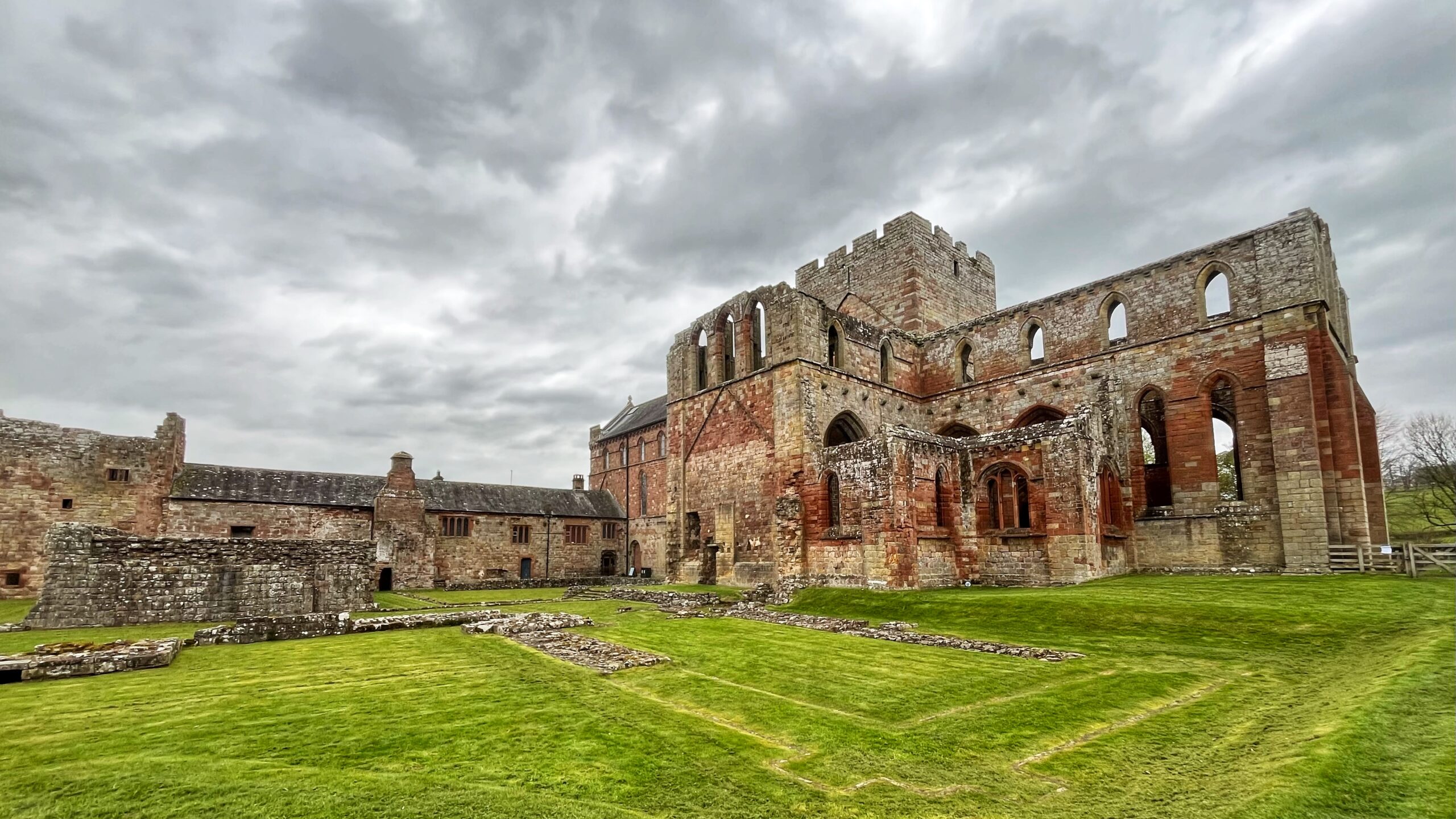
Lanercost Priory
Founded in 1169, Lanercost was home to a community of Augustinian canons devoted to a life of prayer and service. It looks like a ruin. It is not entirely one. The nave of the priory church has been a working parish church since the 1740s — simultaneously a medieval wreck and a living place of…
-
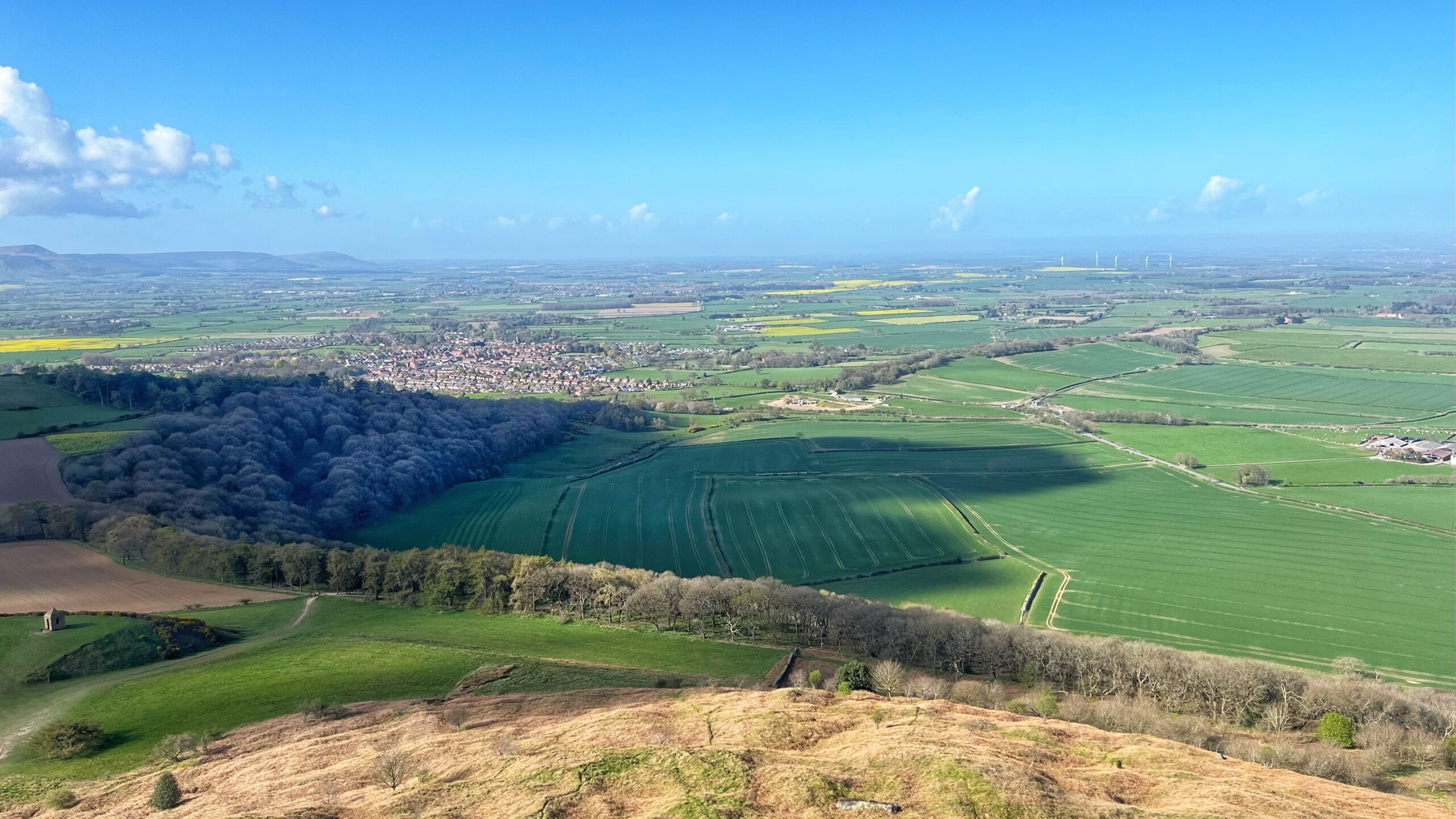
Hatless in Great Ayton
A deep shadow hangs over Newton Wood while Great Ayton basks in glorious Spring sunshine. I found this article in the Northern Weekly Gazette for 8th October 1869. It is a splendid little window into Victorian village life. “FRISKY JACK ELOPES WITH A LABOURER’S WIFE FROM MIDDLESBROUGH”. The quiet village of Great Ayton was, last…
-
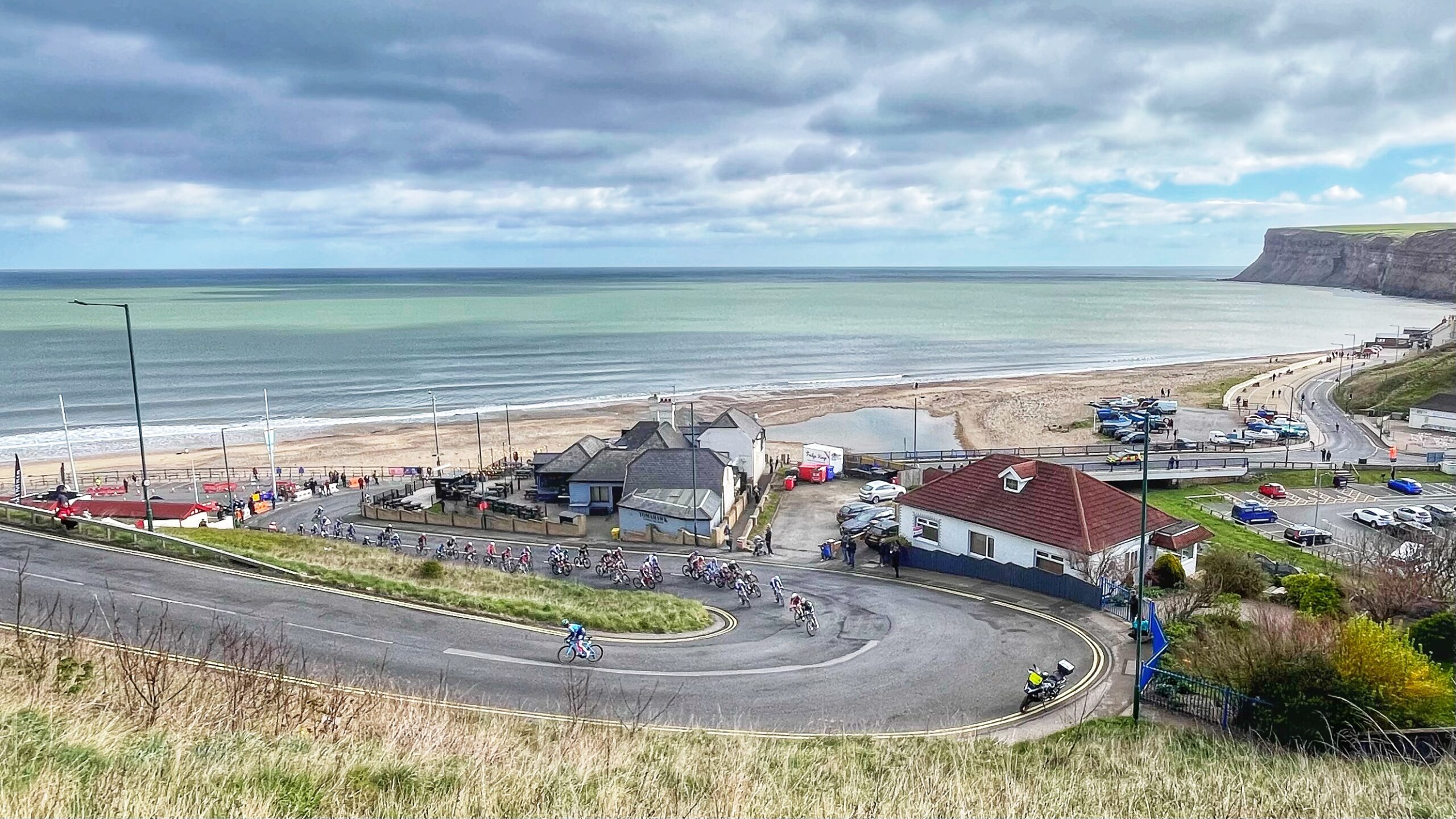
Grinding Up Saltburn Bank
These female athletes are grinding up Saltburn Bank in the 2026 East Cleveland Classic cycle race. They look powerful, focused, and gloriously free. In the 1890s, those same faces would have been handed a medical diagnosis. Doctors called it “Bicycle Face”. Victorian critics insisted that women’s “delicate” bodies were simply not built for the bicycle.…
-
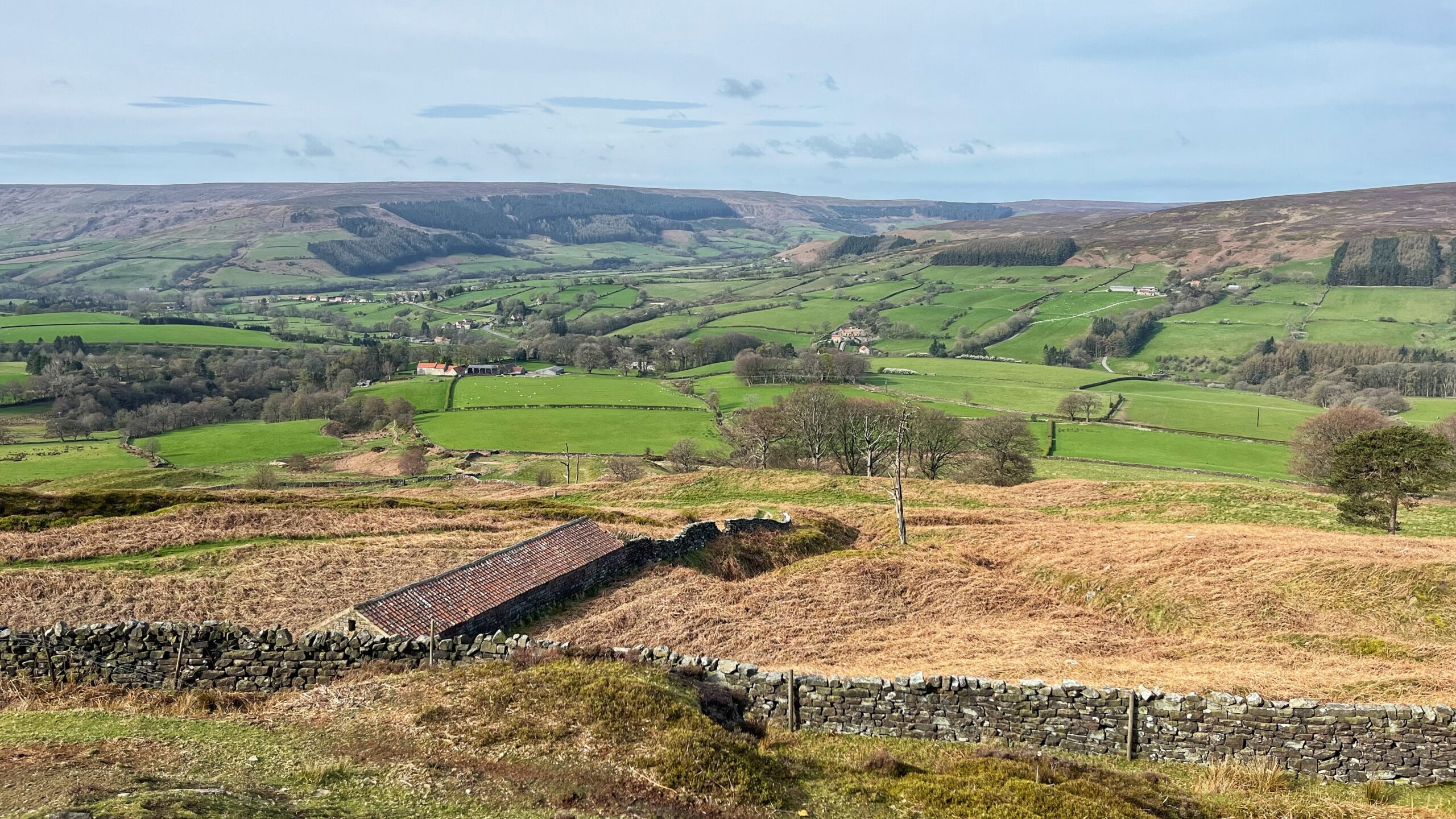
Chop Gate: Pedlars, Vikings and a Farmer’s Opinion
Chop Gate sits quietly in Bilsdale until the TT roars through and reminds everyone it exists. But the village has a quieter puzzle that never goes away: nobody can agree on what to call it, or what it means. Travel guides and linguists will tell you confidently that it is pronounced “Chop Yat.” The reasoning…