Tag: history
-

Echoes in the Vale: The Ghostly Rise and Fall of Leven Vale Cottages
By the mid-1850s, “Ironstone Fever” had Cleveland in its grip. The success at Eston tempted the Trustees of the young Robert Bell Turton to open up the Kildale Estate through an 1855 Act of Parliament. Investors fell for the “rabbit hole theory” — the tall story that John Marley had stumbled upon Eston’s underground riches…
-
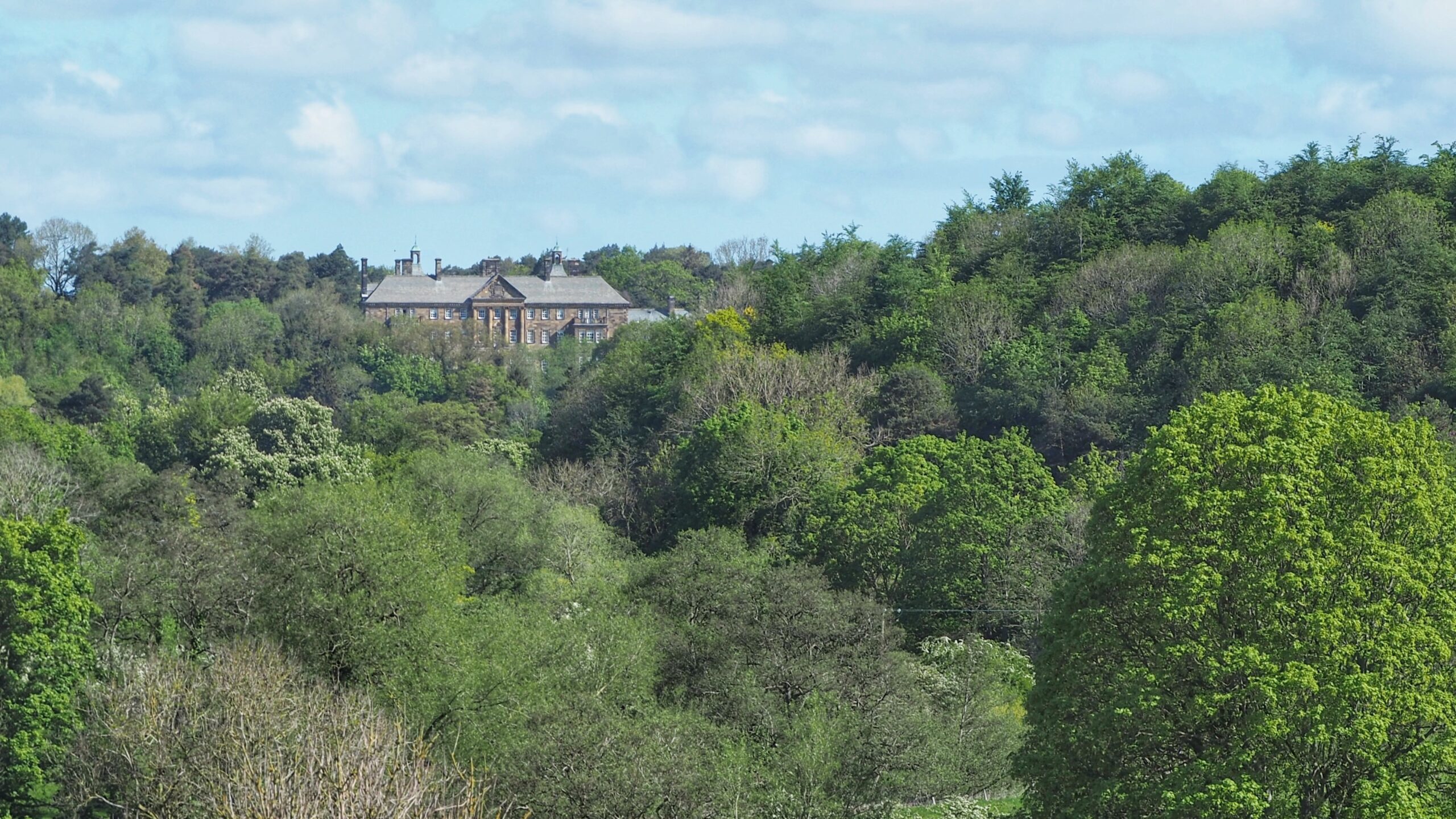
Crathorne Hall
Look at this fine house, which Pevsner described as “large and lavish”. Lording it over the Leven valley. It was built between 1903 and 1906 for a man named James Lionel Dugdale; Lord Dugdale to give him his title. Today, this building is an upmarket hotel. You will pay a lot of money to sleep…
-
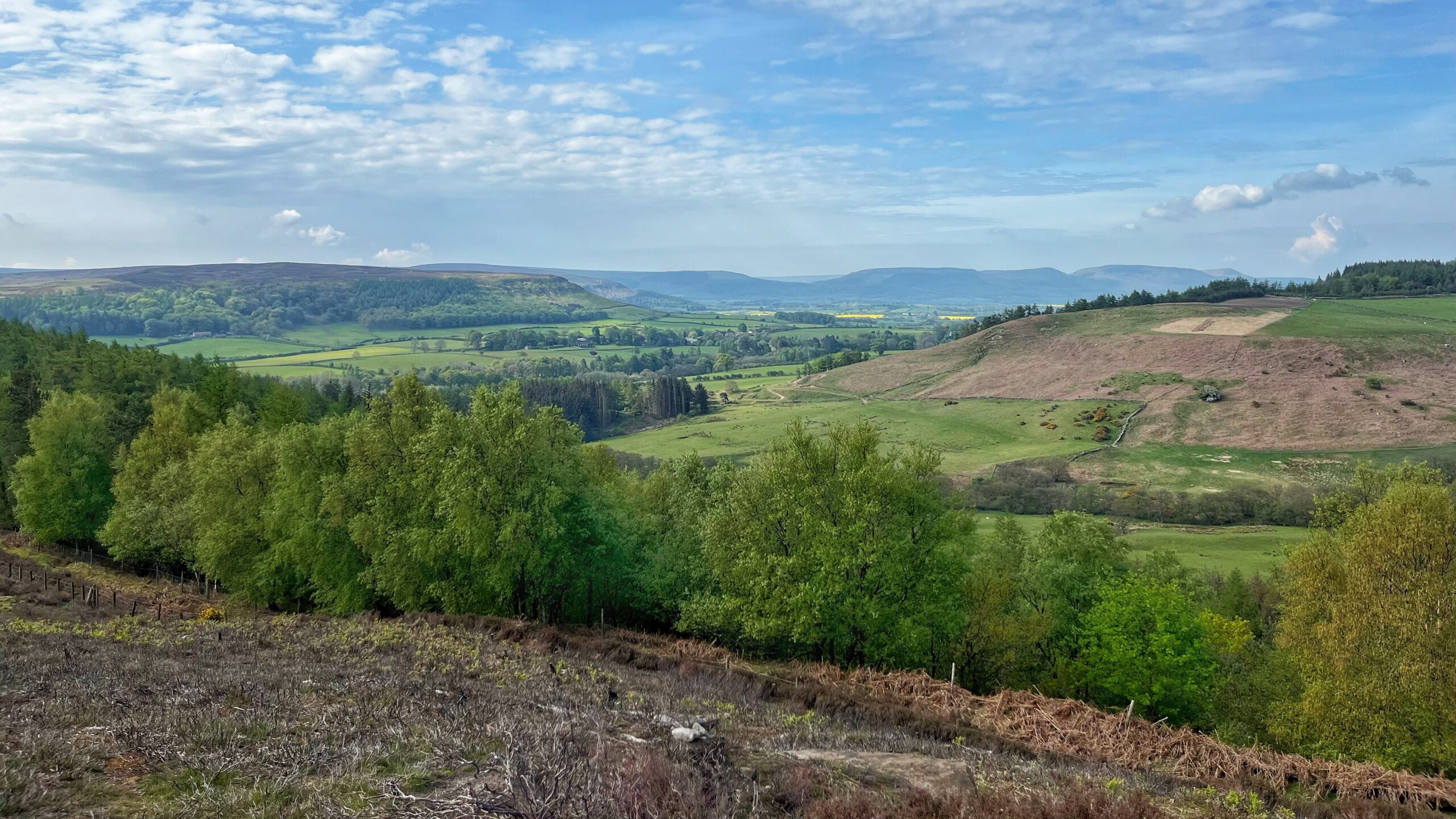
A Murder at Kildale, 1871
The view from the hills above Kildale, taken yesterday — when the weather was rather more agreeable than today’s thoroughly dreich conditions. The North York Moors is not the sort of place one associates with violent crime. Yet on the evening of Wednesday 16 August 1871, a quiet farm in Kildale became the scene of…
-

Bonfield Ghyll
Humanity is not a guest of nature. It is a meddling tenant. In the 1980s, university researchers came to some remarkable conclusions using peat cores taken from the high reaches of Bonfield Gill. Using radiocarbon dating, they found that those Mesolithic folk were not living in harmony with the woods. They were playing with fire. These…
-
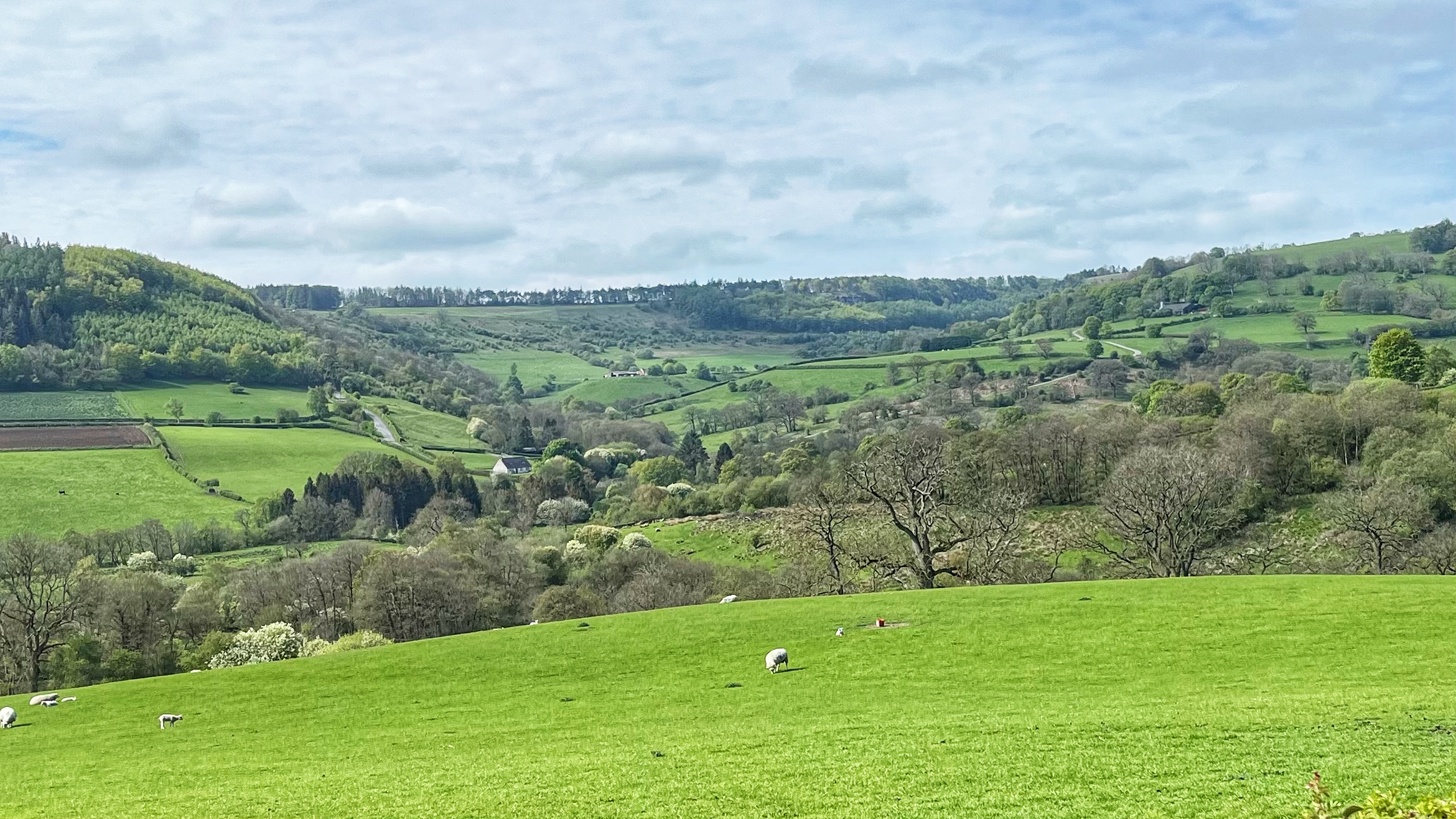
The Railway That Never Was: Helmsley to Thirsk, 1856
Look at this photograph of Gowerdale. Green, serene, and — rather importantly — entirely free of Victorian ironwork. It came within a whisker of being otherwise. By 1856, Britain’s great Railway Mania was already ancient history — or at least a decade-old hangover. The mid-1840s had seen 263 Acts of Parliament passed in a single…
-
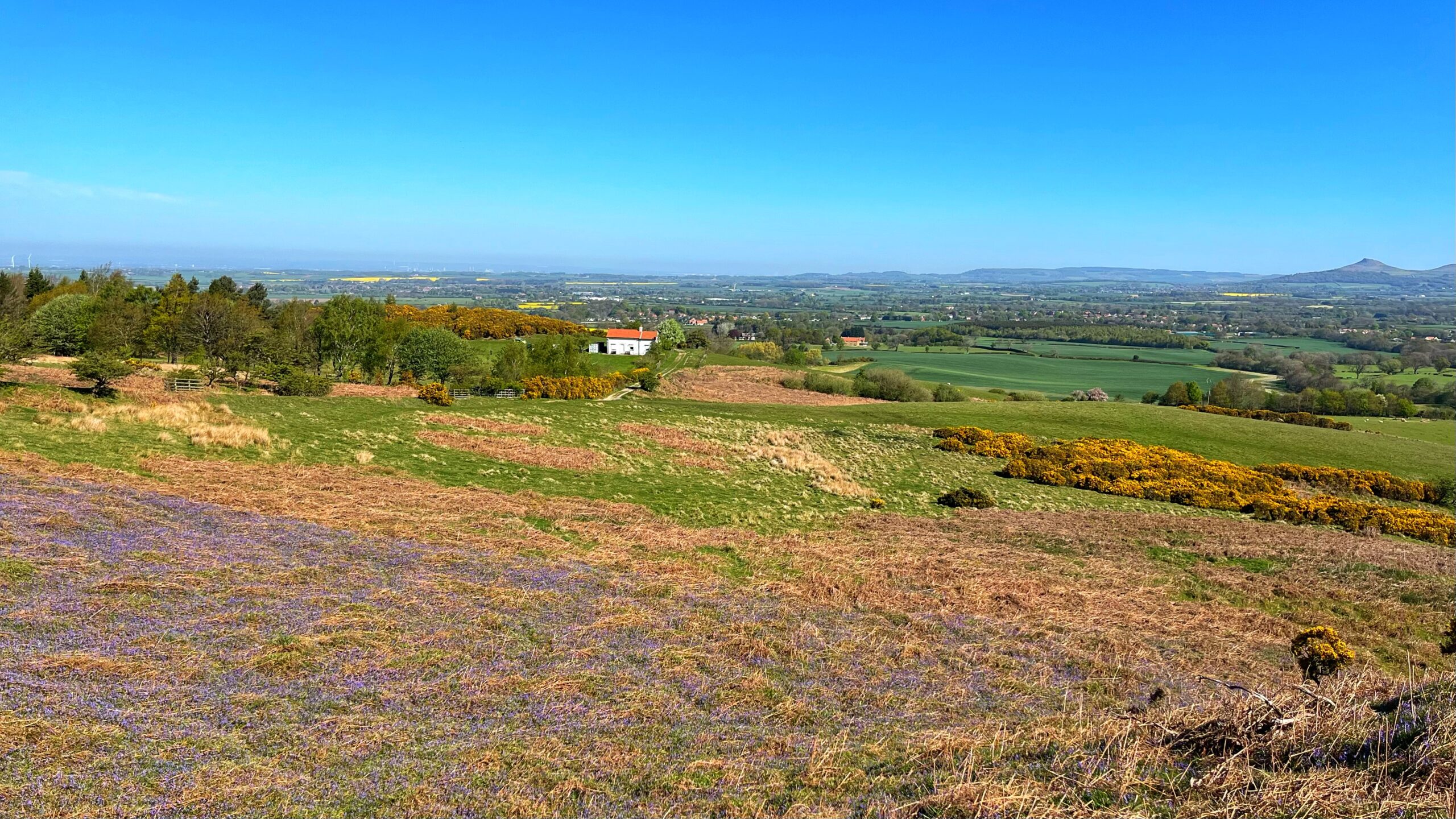
Kirby Bank — A Hill With a Past
Bluebells pour down the sun-baked flank of Kirby Bank above the plain of Cleveland. Gorse burns yellow across the slopes. Below, the white walls of the Pybus Scout Centre gleam in the spring light. Beyond the green patchwork of fields, Roseberry Topping rises on the far horizon under a sky without a single cloud. A…
-
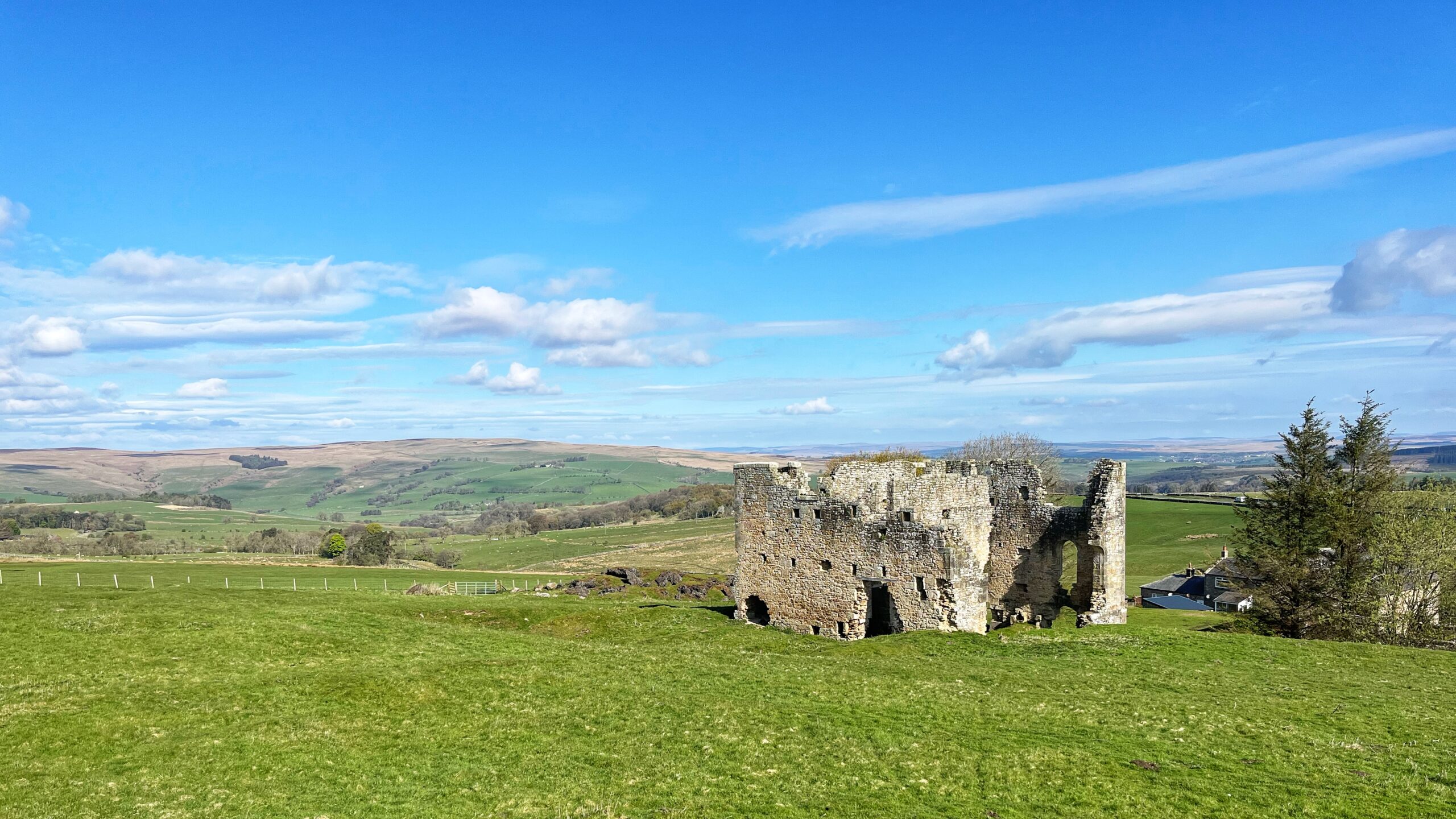
Ridsdale Ironworks Pump House
Driving along the A68 through Northumberland, most people might glance at these ruins below Ridsdale and assume they are looking at a medieval castle. They are instead looking at a Victorian industrial building — and one with a remarkable story. This engine house was likely designed to resemble a rugged border stronghold. In 1839, the…
-
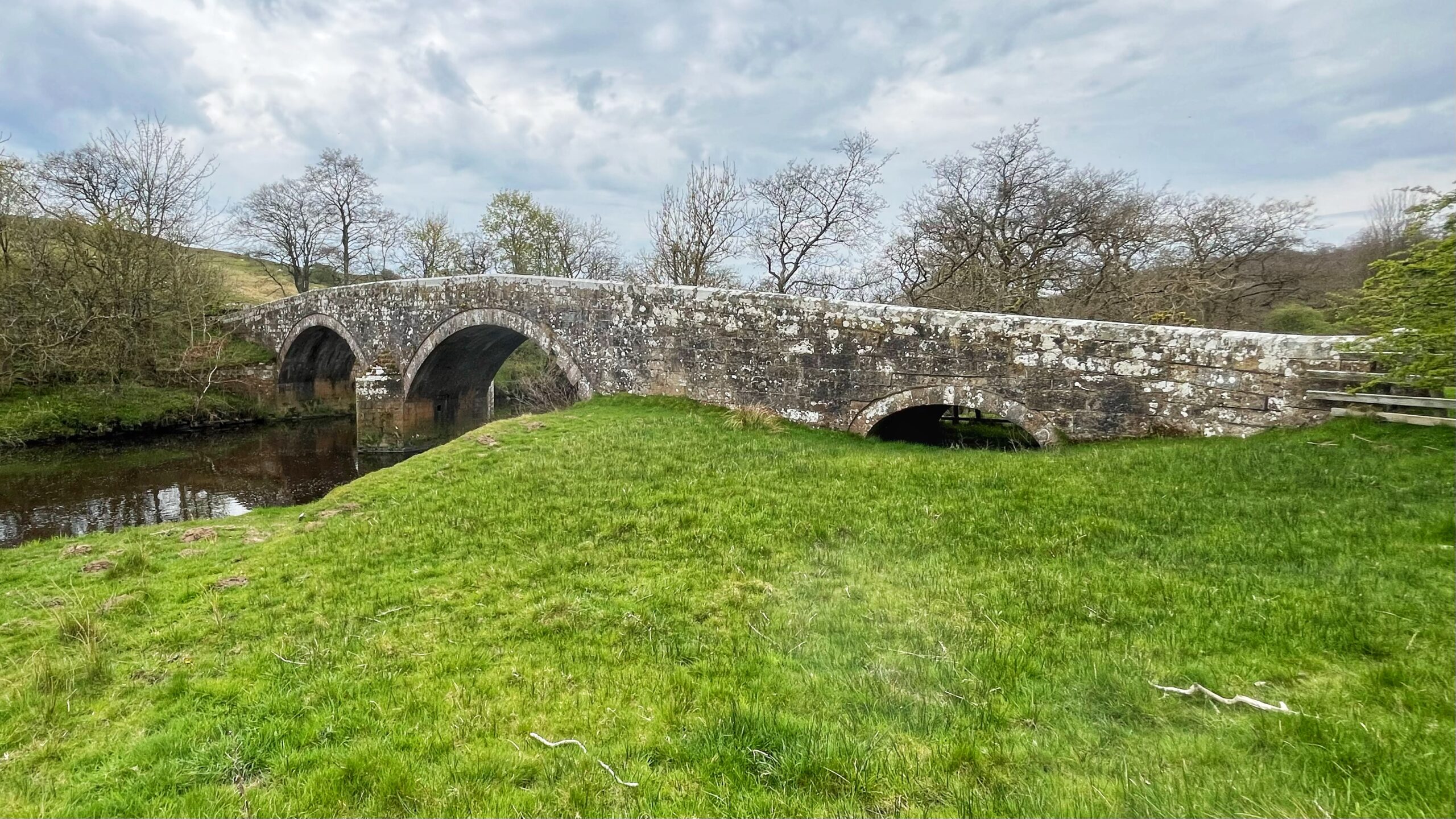
Rede Bridge: Carrying Nothing But a Grassy Track
Built in 1715, Rede Bridge crosses the River Rede in rural Northumberland with two confident stone arches and a smaller flood arch on the right bank. It is Grade II listed. It is, by any measure, too good a bridge for a field path. So why build it at all? The most persuasive answer involves…
-
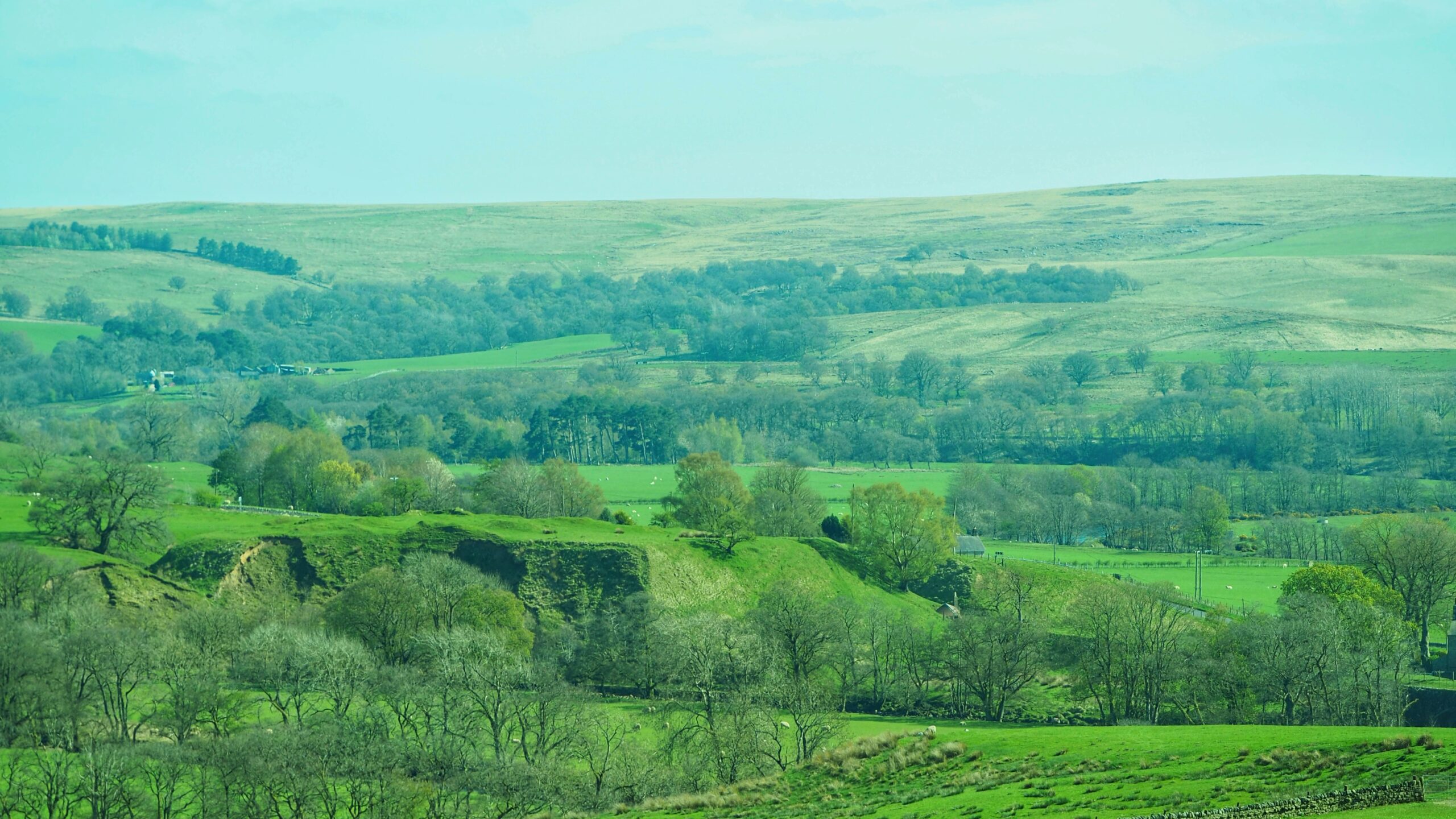
The Castle That Time, Fire, and a Small River Are Finishing Off
That eroded mound is Tarset Castle, in the North Tyne valley. The steep, undercut flanks show the ongoing damage caused by the Tarset Burn. The gentle green mound does not look like much. It is, in fact, all that’s left of a castle that was once a record-holder, a border fortress, a bonfire, a quarry,…
-
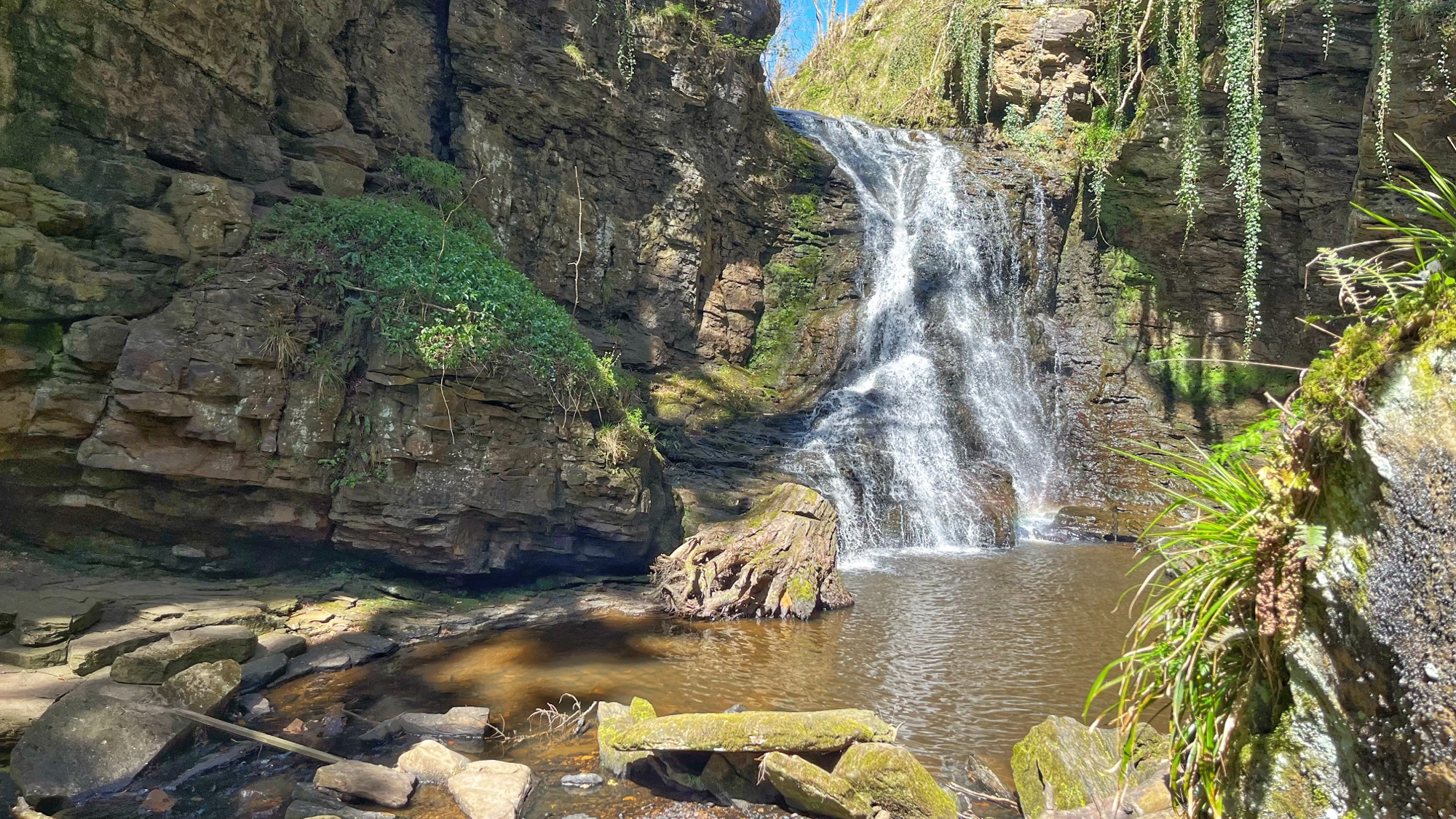
Hareshaw Linn: The Waterfall That Forgot Its Past
Standing here at the foot of Hareshaw Linn, I would swear nothing had ever disturbed this place. Dripping rock. Ancient ferns. A waterfall cascading thirty feet into a rust-brown pool. It feels, as one writer put it, like “an ancient rainforest.“ It is not. Not even slightly. As we discovered from the information board at…