Tag: geology
-
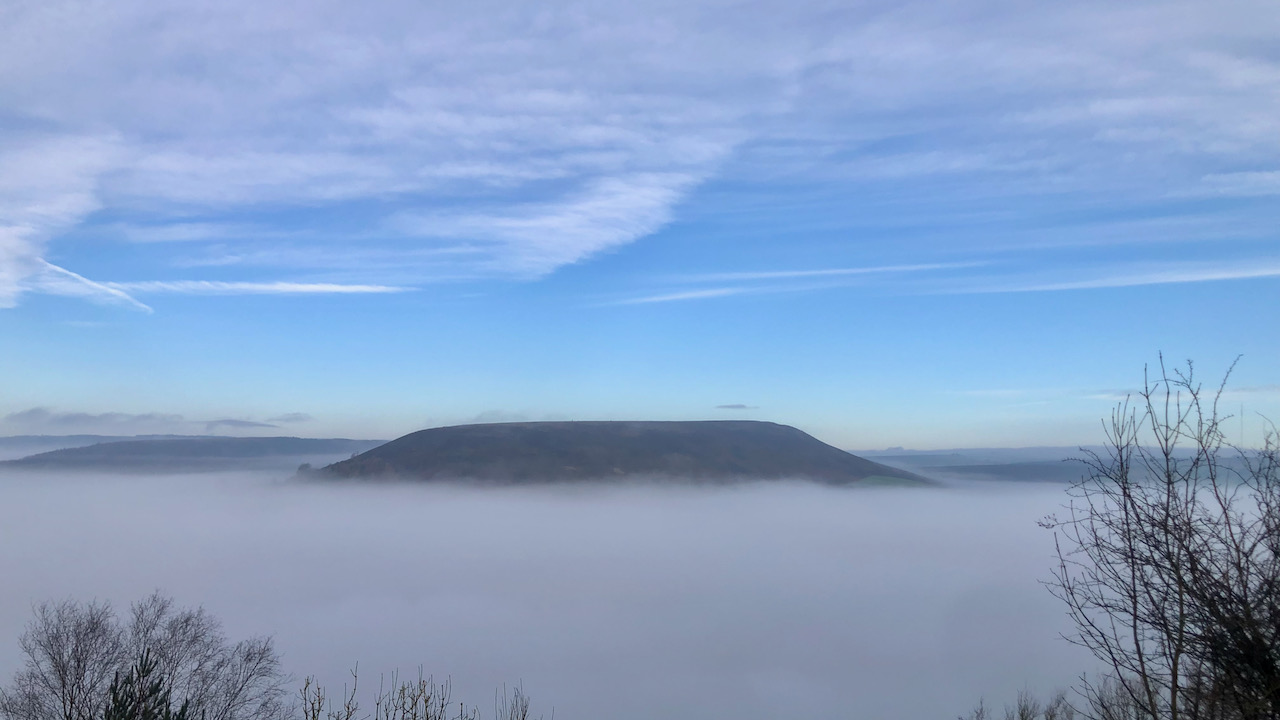
Easterside Hill, the sleeping behemoth
It was a magical moment, ascending from the sombre depths of Bilsdale up Newgate Bank, when we emerged into a realm of brilliance and lucidity, with a cloudless azure sky adorning the western horizon. And the formidable hogback of Easterside Hill loomed above the cloud like a sleeping behemoth. While the mist persisted in the…
-
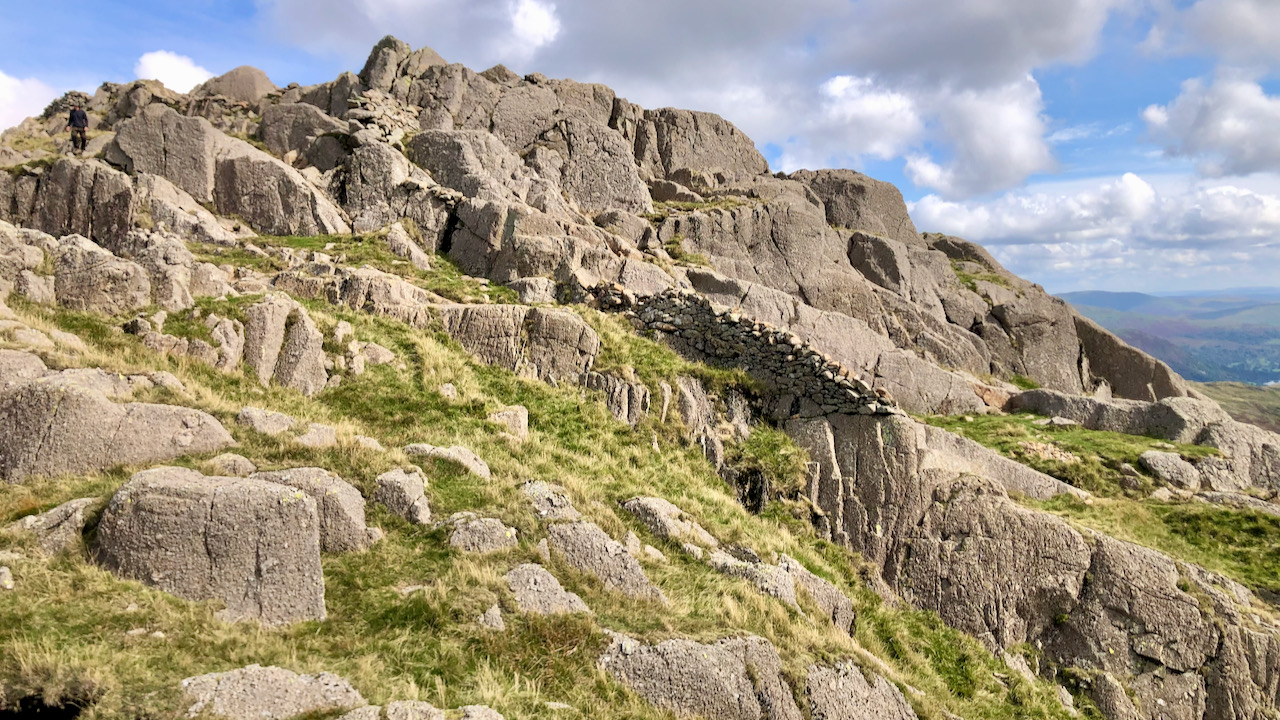
From Pyroclastic Flows to Lapilli Tuffs — Navigating the Langdale Pikes
On the first night back home in Cleveland, I awoke to a drizzle, low-hanging clouds, and, after a week in the Lakes, a slight feeling of dysphoria. My morning constitutional brought no relief as the weather remained dismal. So, I believe it’s only fair to share a photo taken a few days prior in Langdale…
-
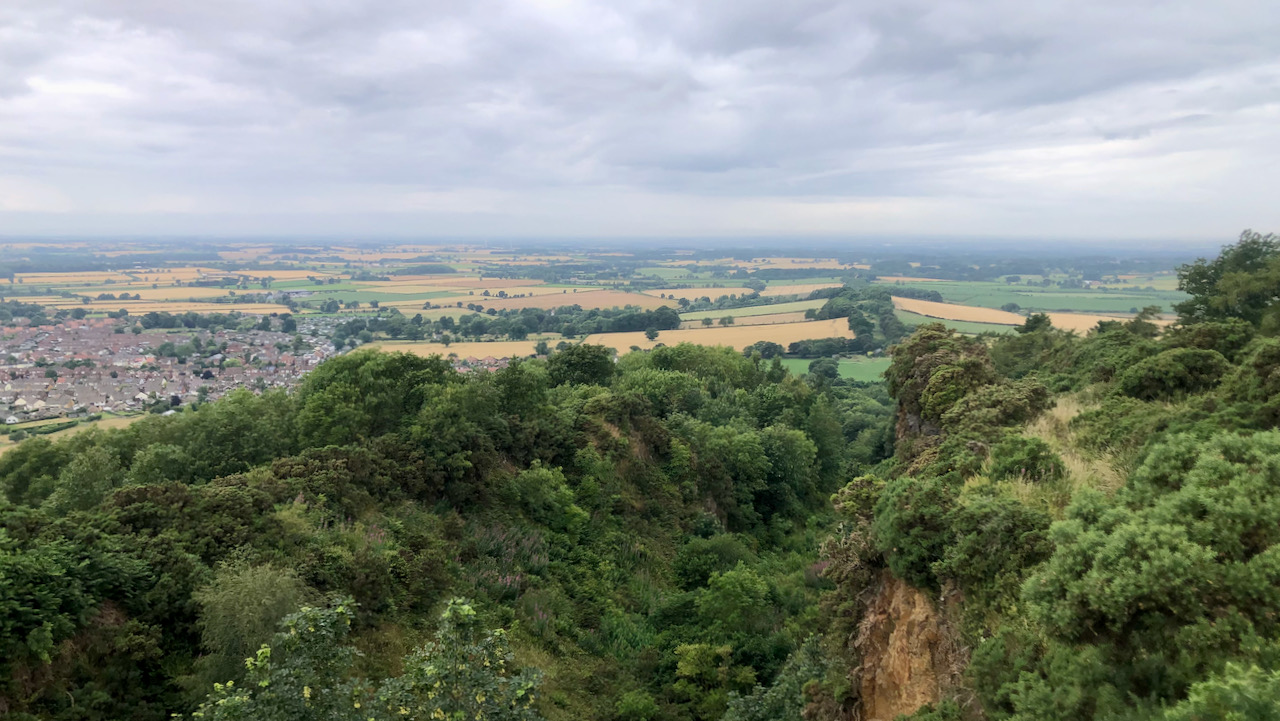
The Cleveland Dyke
A view that looking northwest from Cliff Rigg along Langbaurgh Ridge, both part of that striking intrusion of igneous rock known as the Cleveland Dyke. Formed when molten magma flowed like a fiery torrent from a volcanic fount near the distant island of Mull in Scotland, a staggering 58 million years ago. A remarkable journey…
-
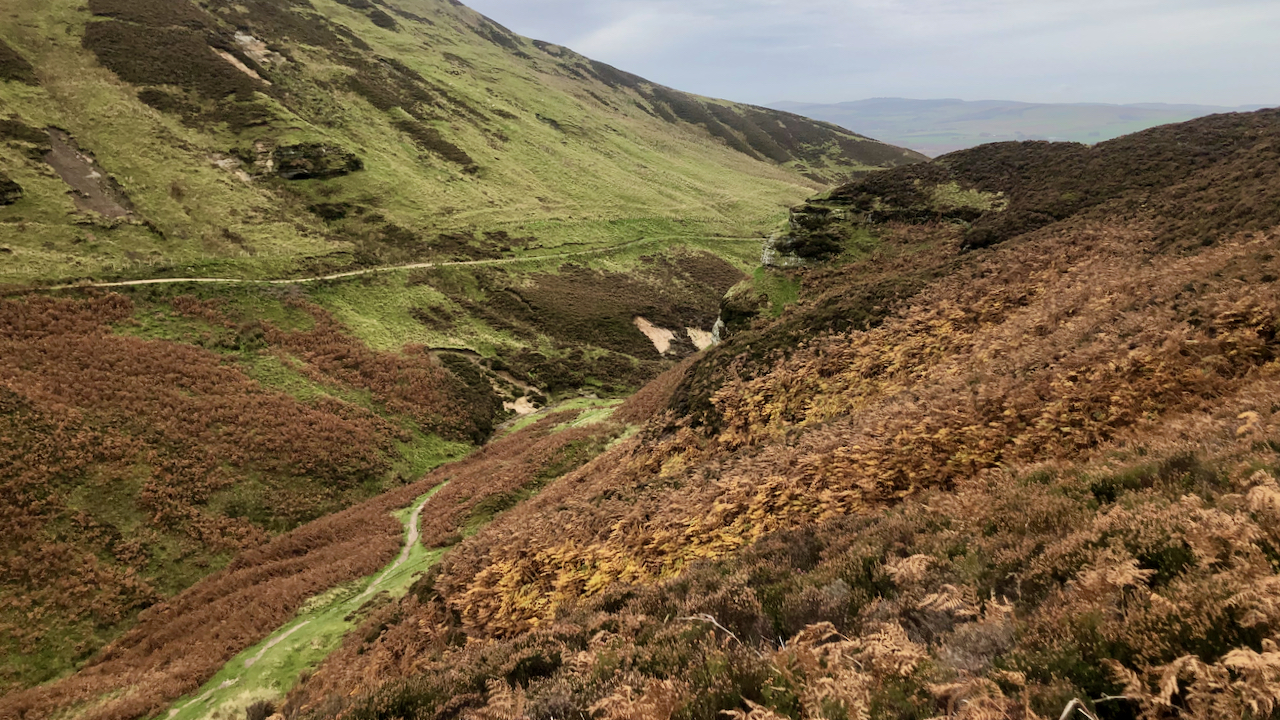
Glen Vale and John Knox’s Pulpit
Another range of hills I’ve passed by many times before on journeys to the Highlands — the Lomond Hills. The main photo is Glen Vale, the Convenanters’ glen — a “ravine of rugged grandeur” — on account of the Presbyterian conventicles held during the ‘Killing Time‘ in the late 17th Century when such Convenanters as…
-
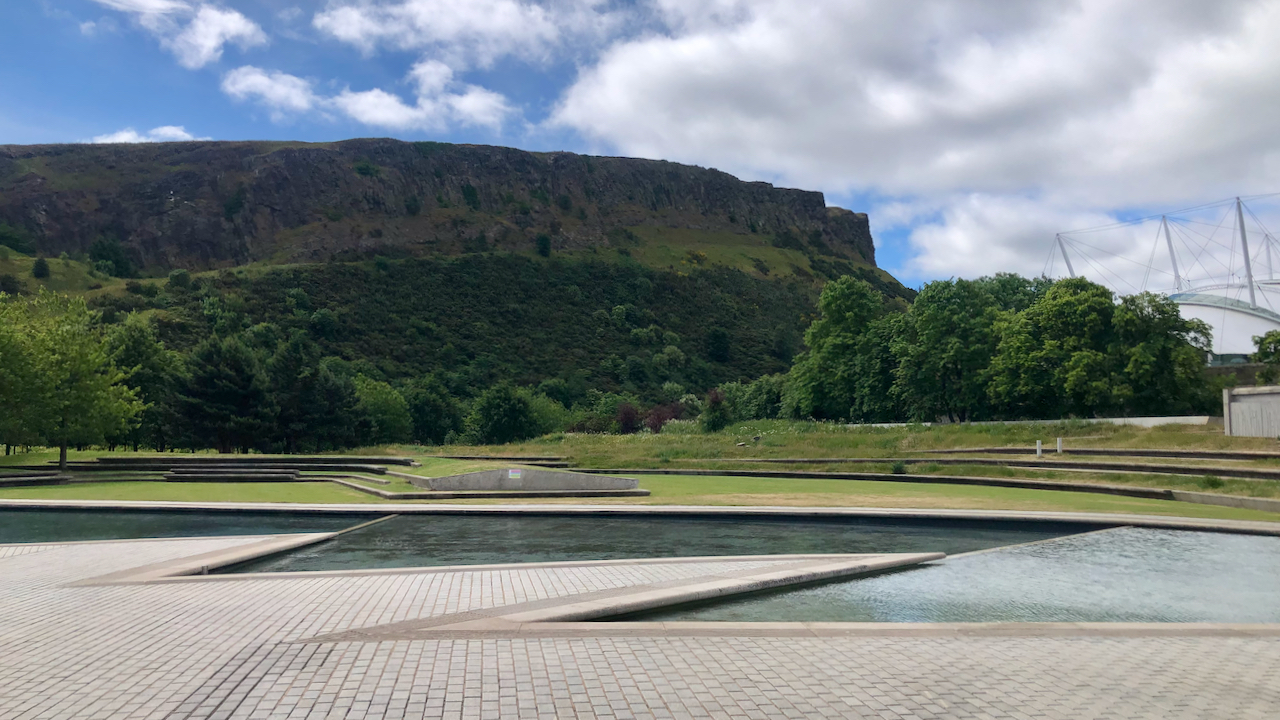
Salisbury Crags
A line of crags of igneous rock formed 342 million years ago, when lava erupted at Arthur’s Seat through the underlying sedimentary rock. The crags are famous in the world of geology because it is where James Hutton (1726 – 1797), ‘the father of modern geology‘, concluded that the magma intruding into the existing rock…
-
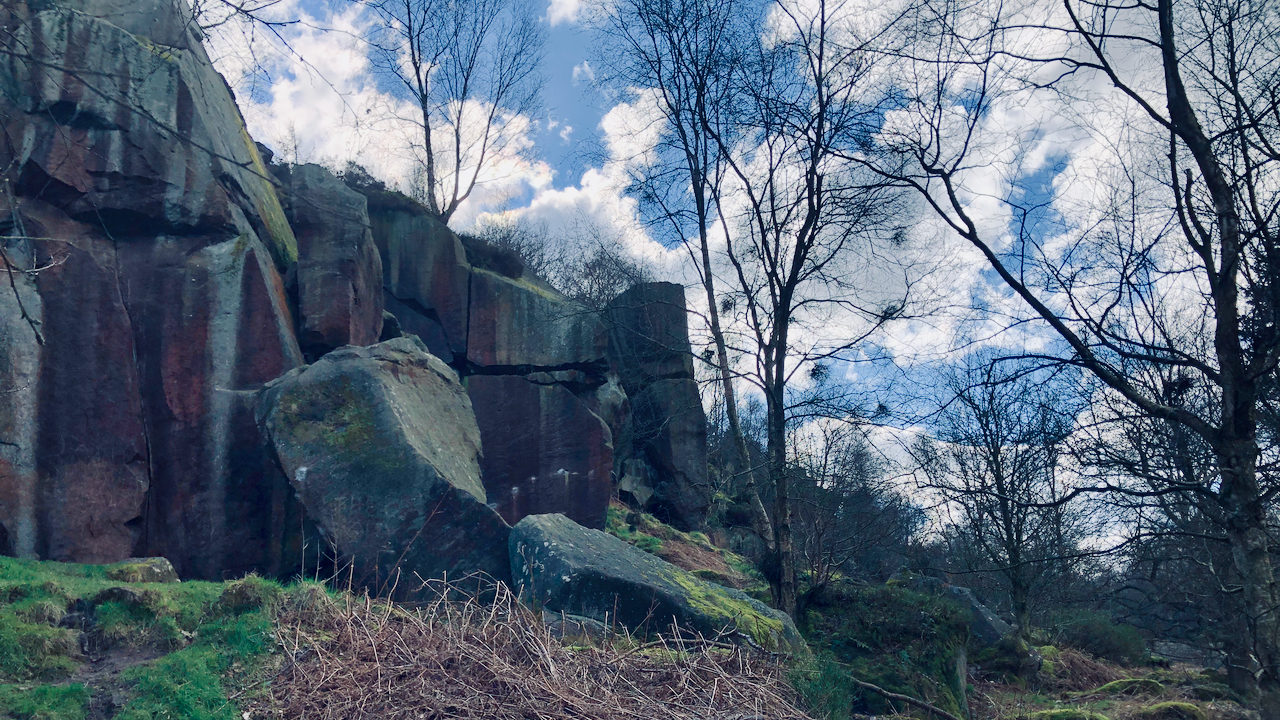
The Chevin
A popular “Forest Park” overlooking the River Wharfe and the town of Otley. ‘Chevin’ is a Brittonic word probably meaning a ridge of high land which seems quite apt. The gritstone escarpment has been much exploited for building stone. The foundation of the Houses of Parliament are said to been hewn from blocks from The…
-
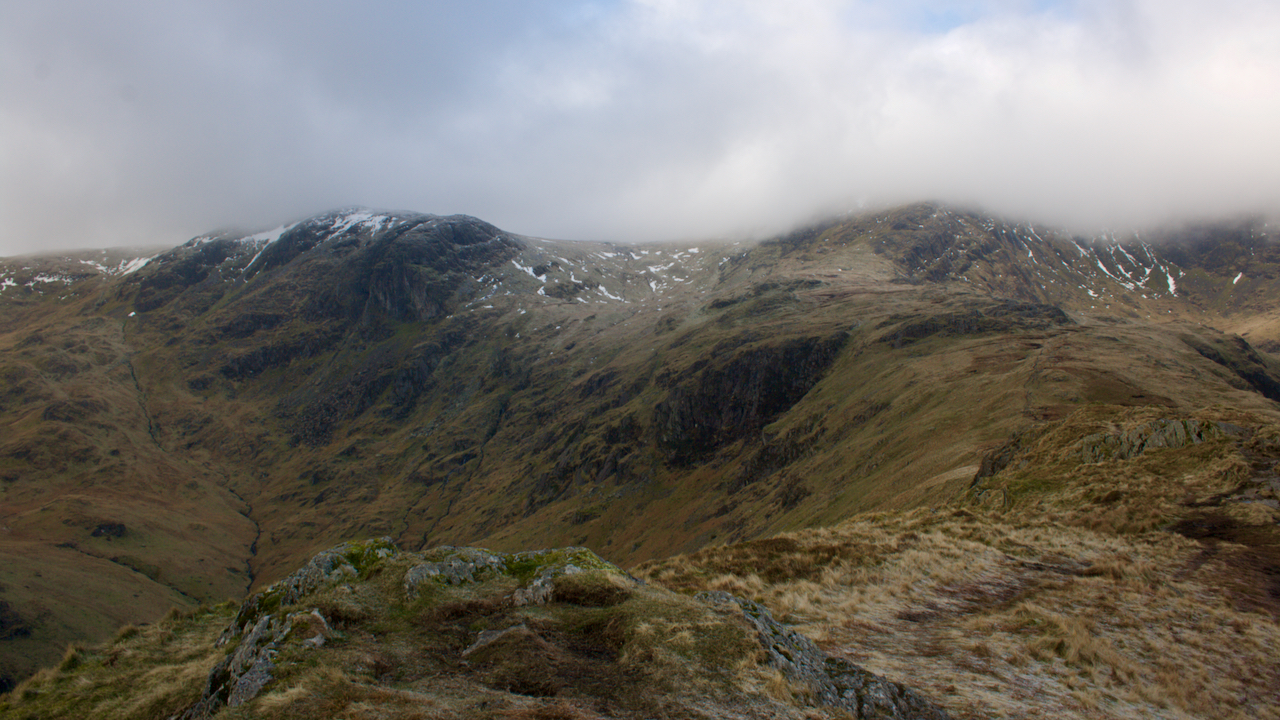
Dove Crag and Hart Crag
Two mountains, twin peaks, Hart Crag at 2,698′, has its head in the clouds. Dove Crag, at 2,603′, is just about clear. I don’t think I have ever climbed either in their own right. Always on the way to or from Fairfield. And between them, the hanging valley of Houndshope Cove with its scores of…
-
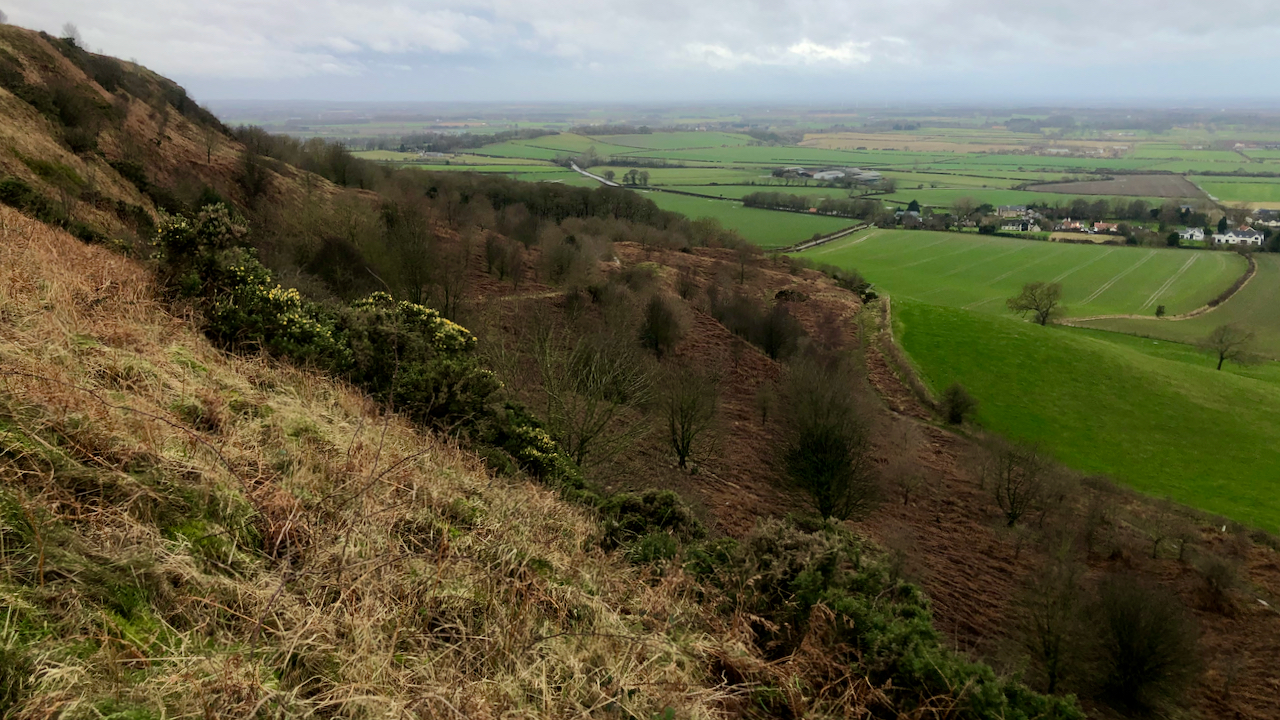
Cockle Scar
When we look at a landscape photo it is very easy to be overwhelmed by the big picture and to miss the little features. In centuries past, these features meant something, far more than now, and they had names. It is these features that reveal interesting aspects of the landscape. The distinctive change in steepness…
-
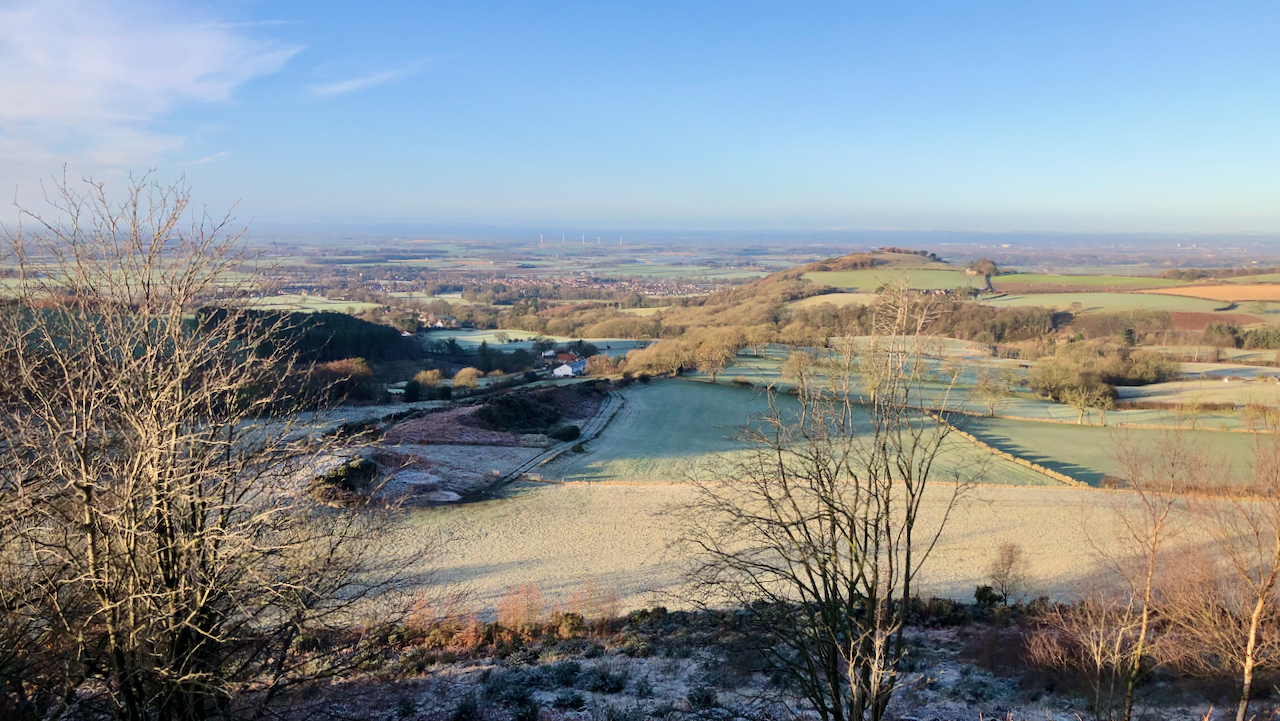
The Cleveland Dyke
I ‘discovered’ this viewpoint the other day. It nicely illustrates the route of that intrusion of igneous rock known as Cleveland Dyke. The Cleveland Dyke was formed about 59 million years ago when an immense hot spot of pressurised molten magma developed under the Earth’s crust near the island of Mull off the west coast…
-
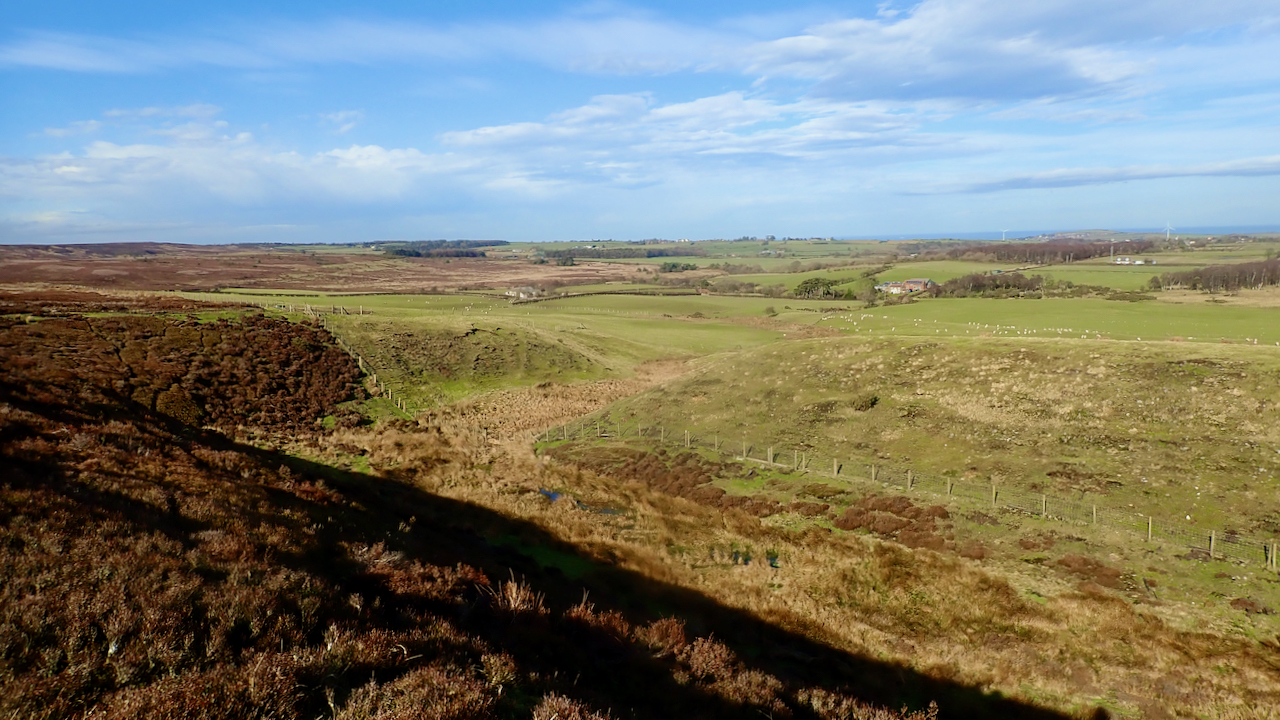
Moorsholm Spring
Note to self: do your research before going out and about. Heading over to Moorsholm High Moor, I had intended to take a look at a round barrow dug by Canon Atkinson in the 19th-century in which he found stones of whinstone, the volcanic rock which the nearest outcrop is 3½ miles away. I guessed…