Tag: geology
-
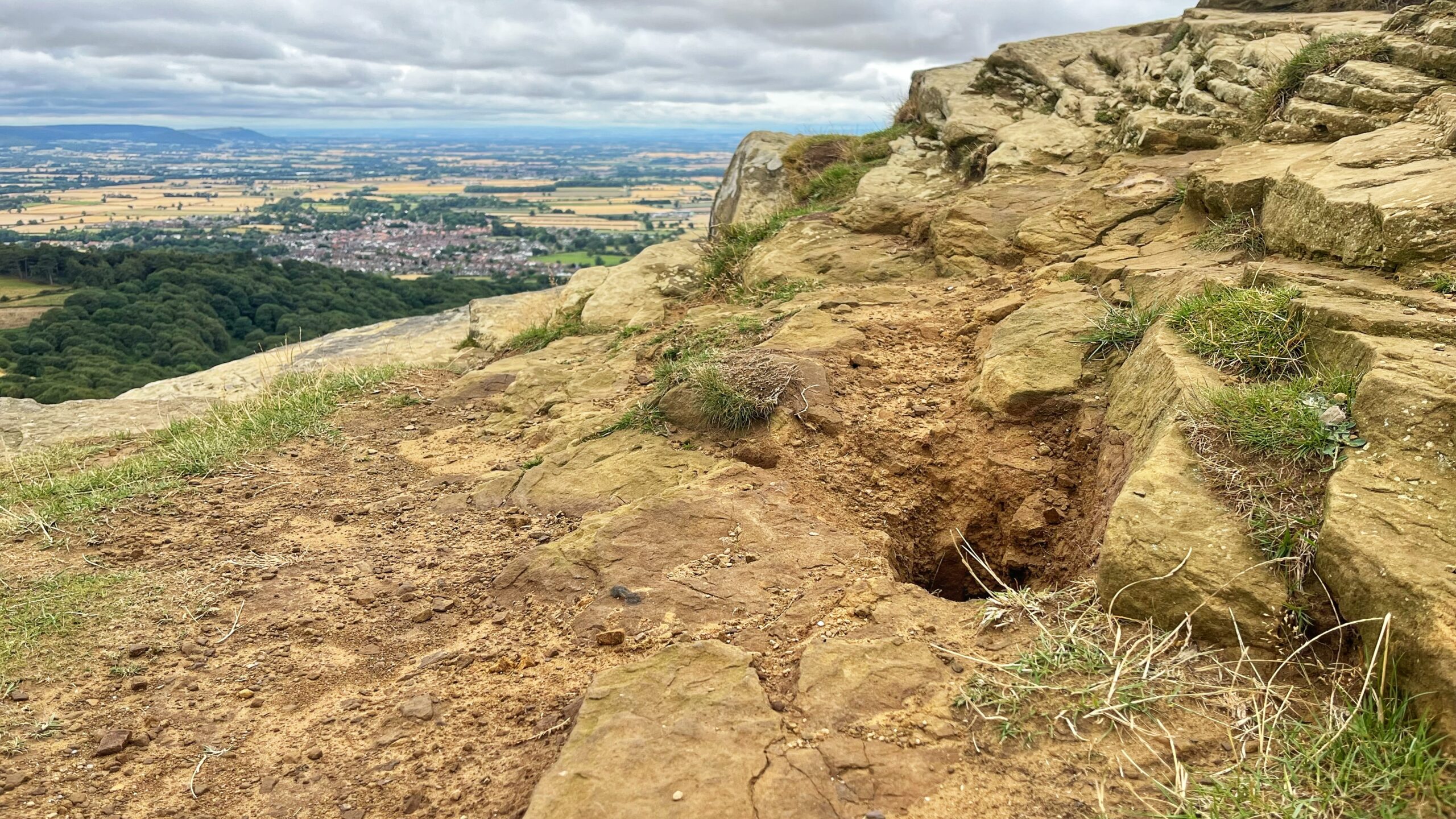
Gravity Strikes Again
Word on the street was that a subsidence hole had opened up near the summit of Roseberry Topping. Naturally, I decided to go and have a look. On the face of it, it was not especially dramatic. No great chasm had opened beneath the summit and swallowed half of Cleveland. Still, the hole was deep…
-
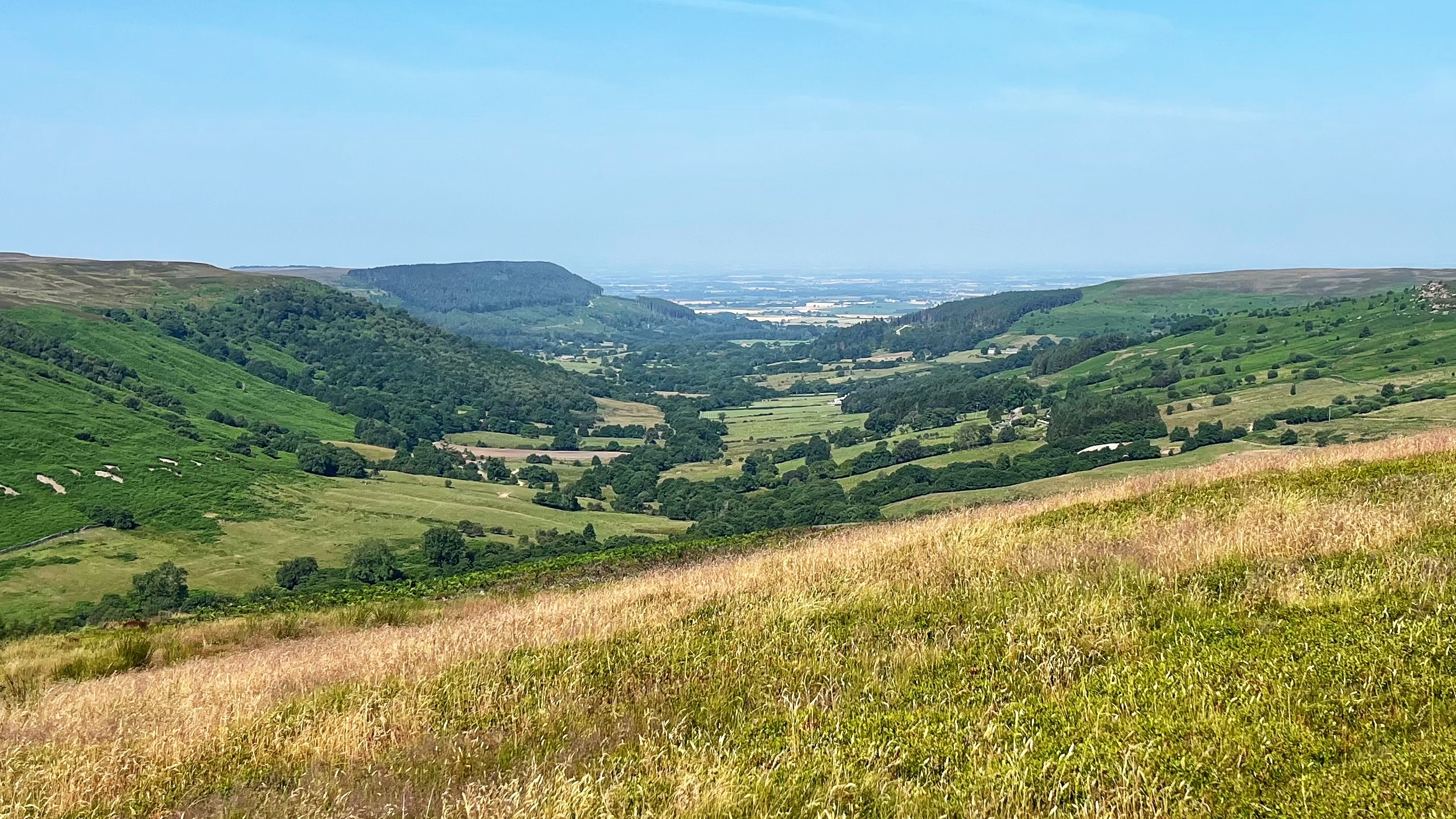
Scugdale: The Valley That Runs the Wrong Way
Scugdale does not behave the way a North York Moors dale ought to. Most valleys here dip eastward, following the grain of the rock. Scugdale cuts north west instead, breaking through the Jurassic escarpment against the run of things. Geologists have never quite settled why. It may be the leftover of a larger dale that…
-
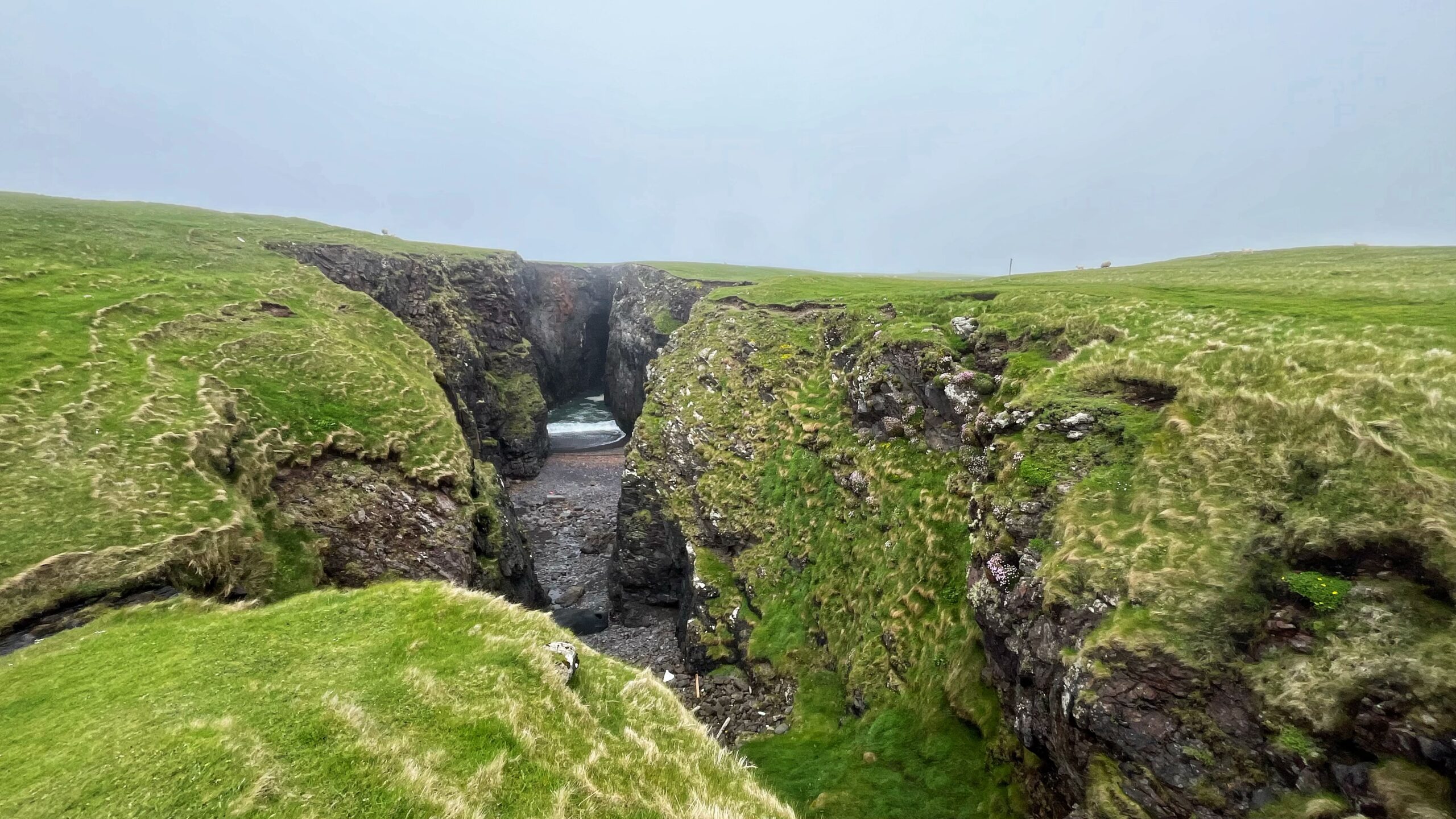
Hols o Scraada
360 million years ago, Eshaness was a volcano throwing a rather spectacular tantrum. Today it is rather more well-behaved, though the Atlantic still does its level best to batter the cliffs into submission. Over thousands of years the sea has gnawed away at the rock, slicing open a cross-section of the ancient volcano and carving…
-
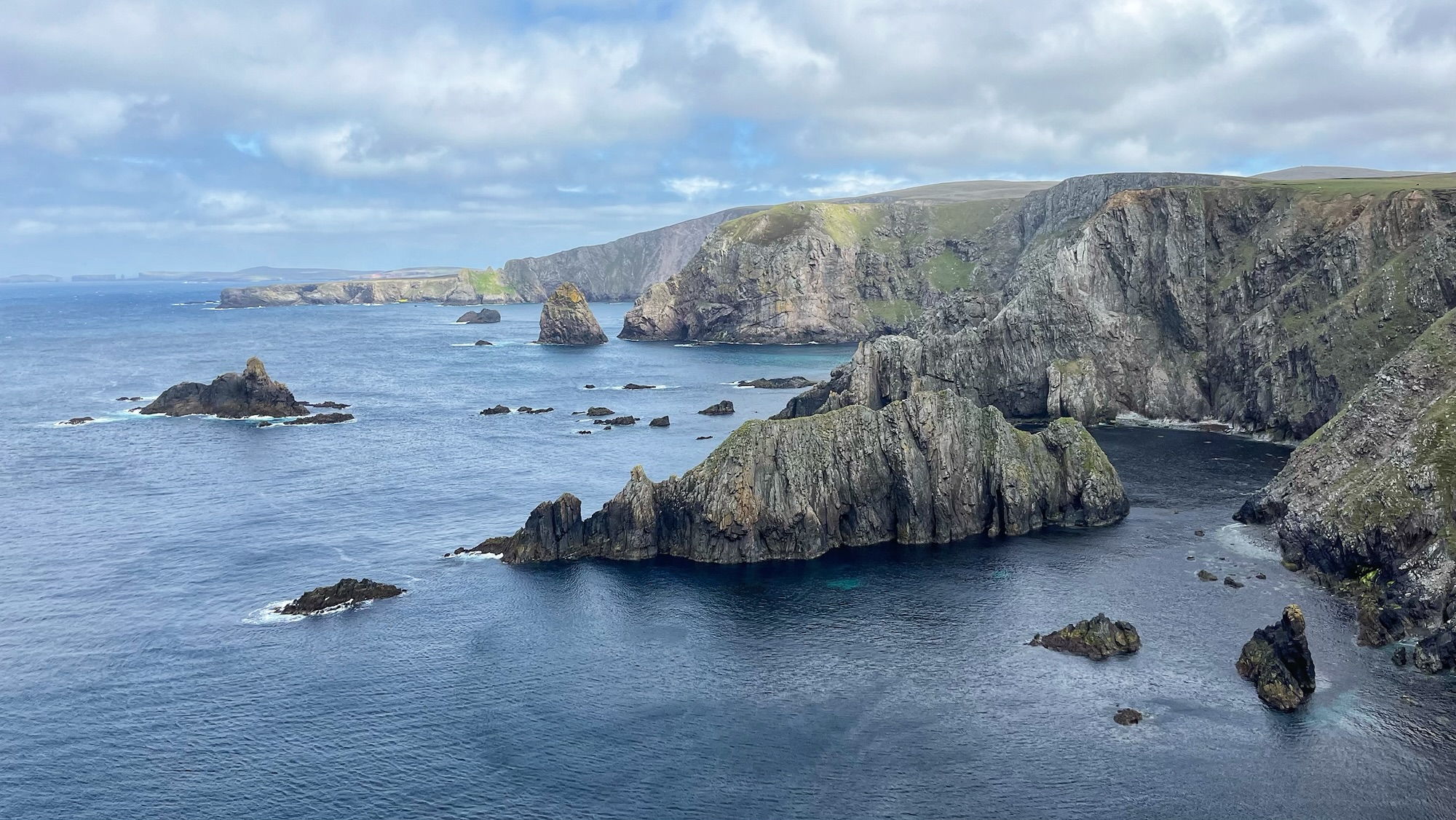
Stubborn Granite and Weak Sandstone
This stretch of the coastline is considered “one of the finest walks in Shetland”. It is chaotic, uniformity would certainly spoil the view. The geology results from a messy struggle in the distant past between stubborn granite and weak sandstone. Granite holds itself against the waves. Sandstone is less reliable and erodes more easily. This…
-
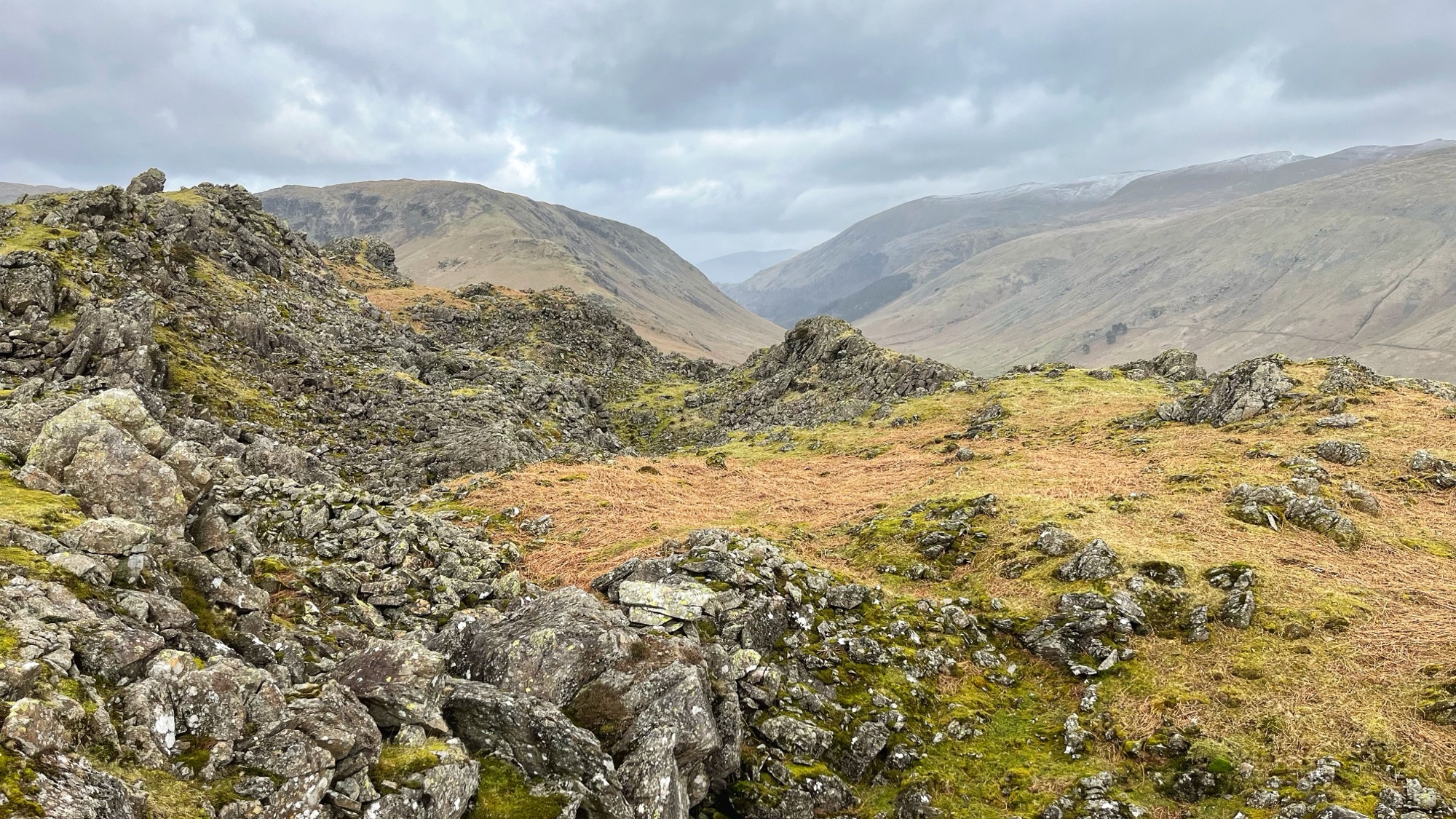
“A Natural Convulsion”
Helm Crag holds a unique distinction. It is the only Lake District fell that Wainwright openly admitted to never actually reaching the top of. He gave up on the final scramble needed to stand on the true summit — the northwestern pinnacle. For a man who climbed everything, that is quite an admission. The summit…
-
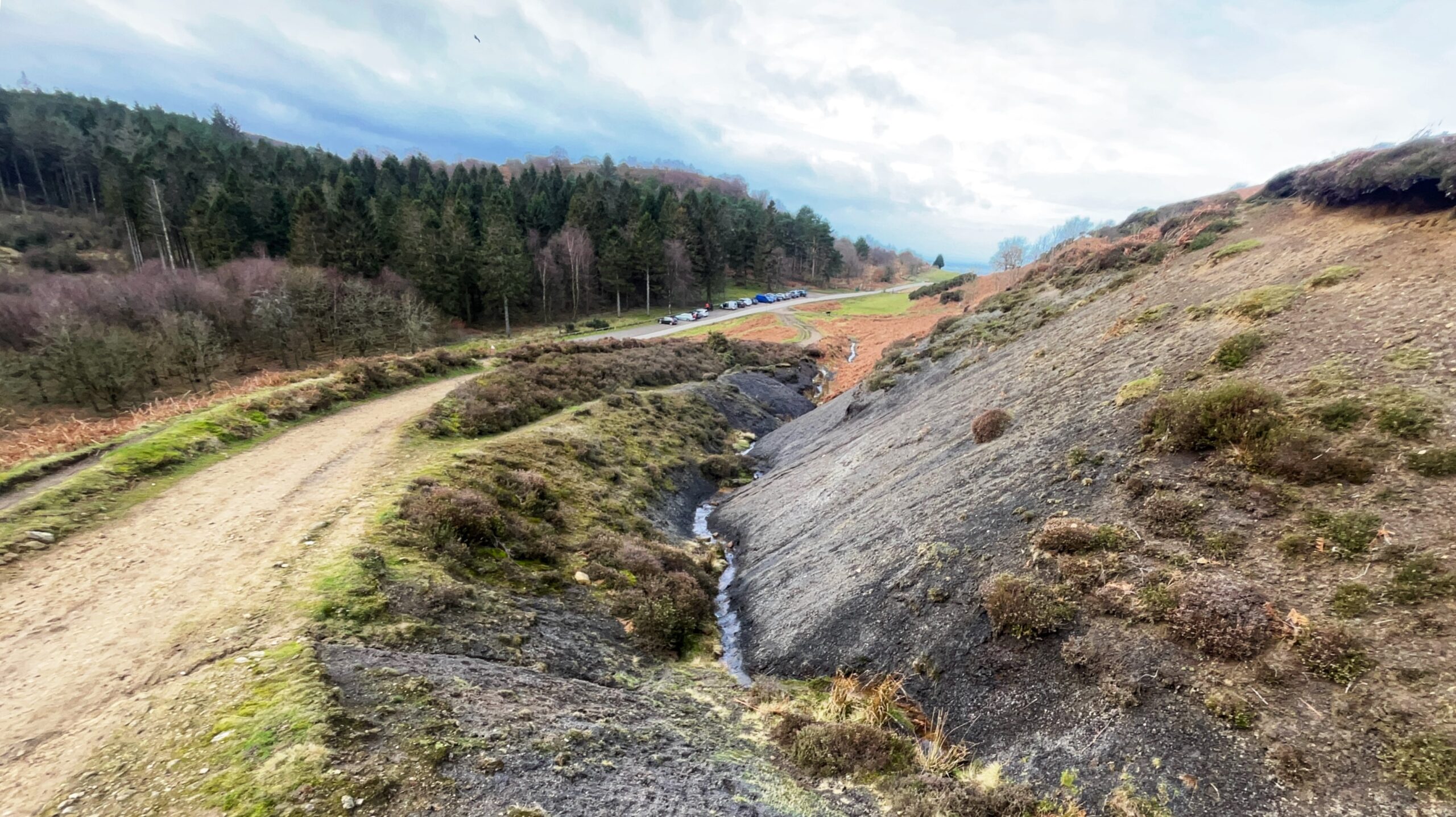
A Holloway to Gribdale Gate
I have long been fascinated by this track and steep-sided gorge that leads to Gribdale Gate on the Lonsdale side. Its form suggests deliberate shaping, as though carved by generations travelling to and from Great Ayton Moor. The talus slope is composed of shaley mudstone, which weathers into a slick, unstable mass, more mud than…
-
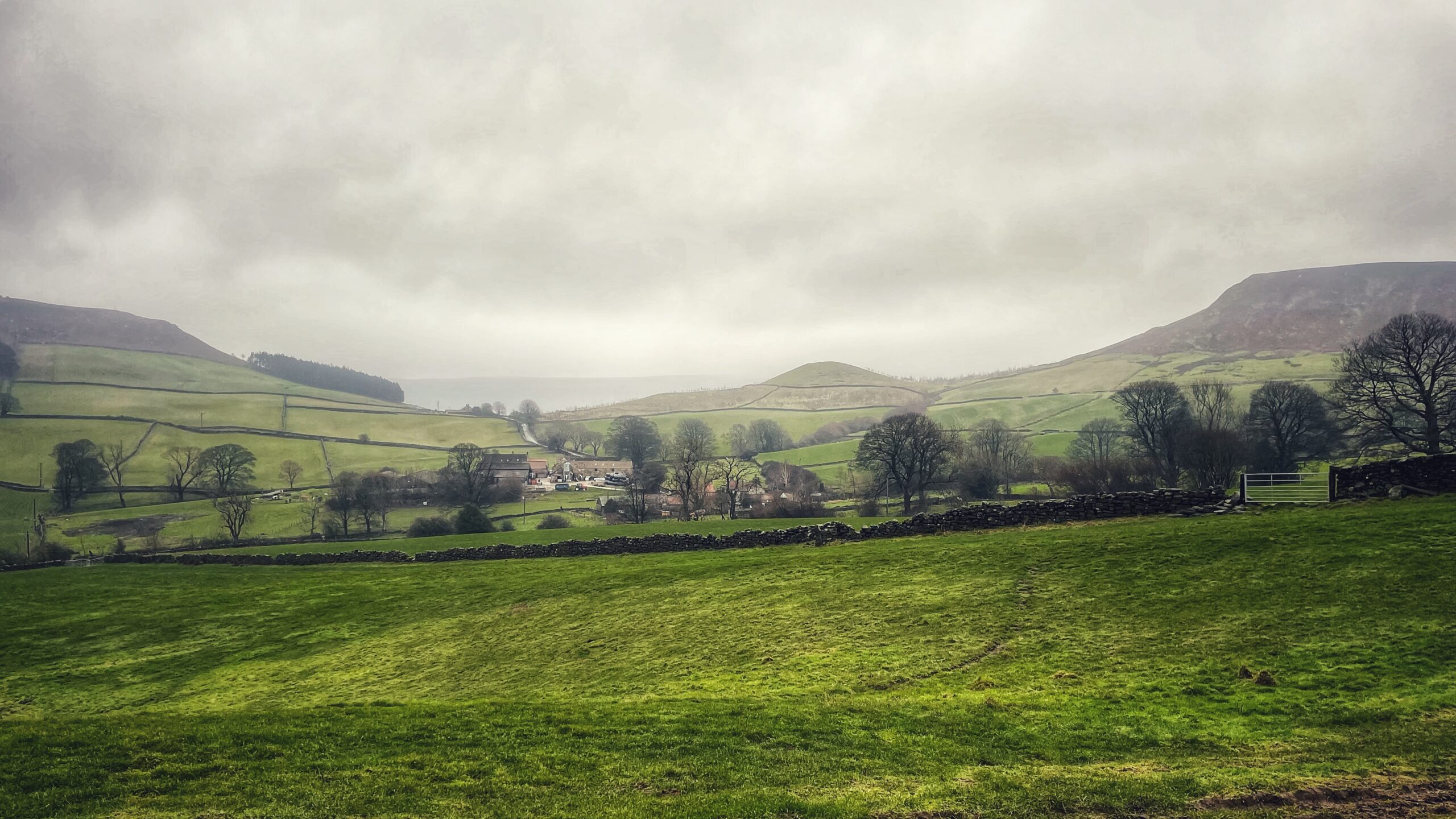
Little Fryup Dale
Little Fryup Dale on a very dreich day. The cloud lifts its base just enough to show the moors in the distance, a wide sweep of heather and bare earth. Even under this leaden sky it is both beautiful and desolate. It feels unchanged, as if wind and rain have been quietly getting on with…
-
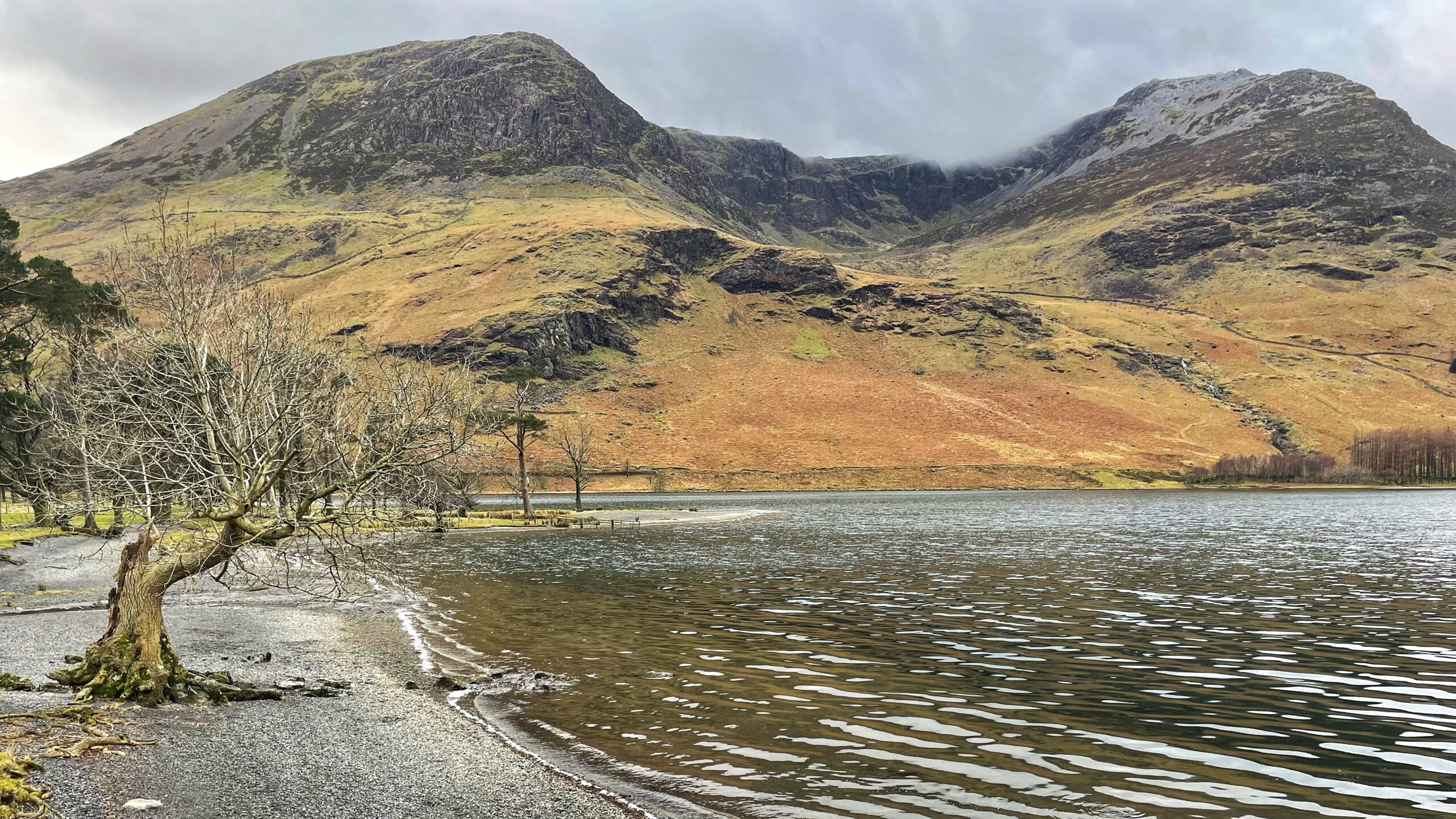
Burtness Comb: A Watch Lost and a Frozen River
Burtness Comb hangs above Buttermere like a great green amphitheatre, tucked between High Stile and High Crag. I once picked my way down it during the Lake District Mountain Trial in 1978. Somewhere on that bracken-choked slope, there may still be an orange-faced Omega watch, a twenty-first birthday gift, quietly keeping time for no one.…
-

Crummock Water And its Tombolo
On the west shore of Crummock Water sits a small oddity that likes to keep a low profile. It is said to be the only example of its kind in the Lake District, which is no small boast for a strip of stones. This feature is a “tombolo”, a gravel beach about 50 metres long…
-
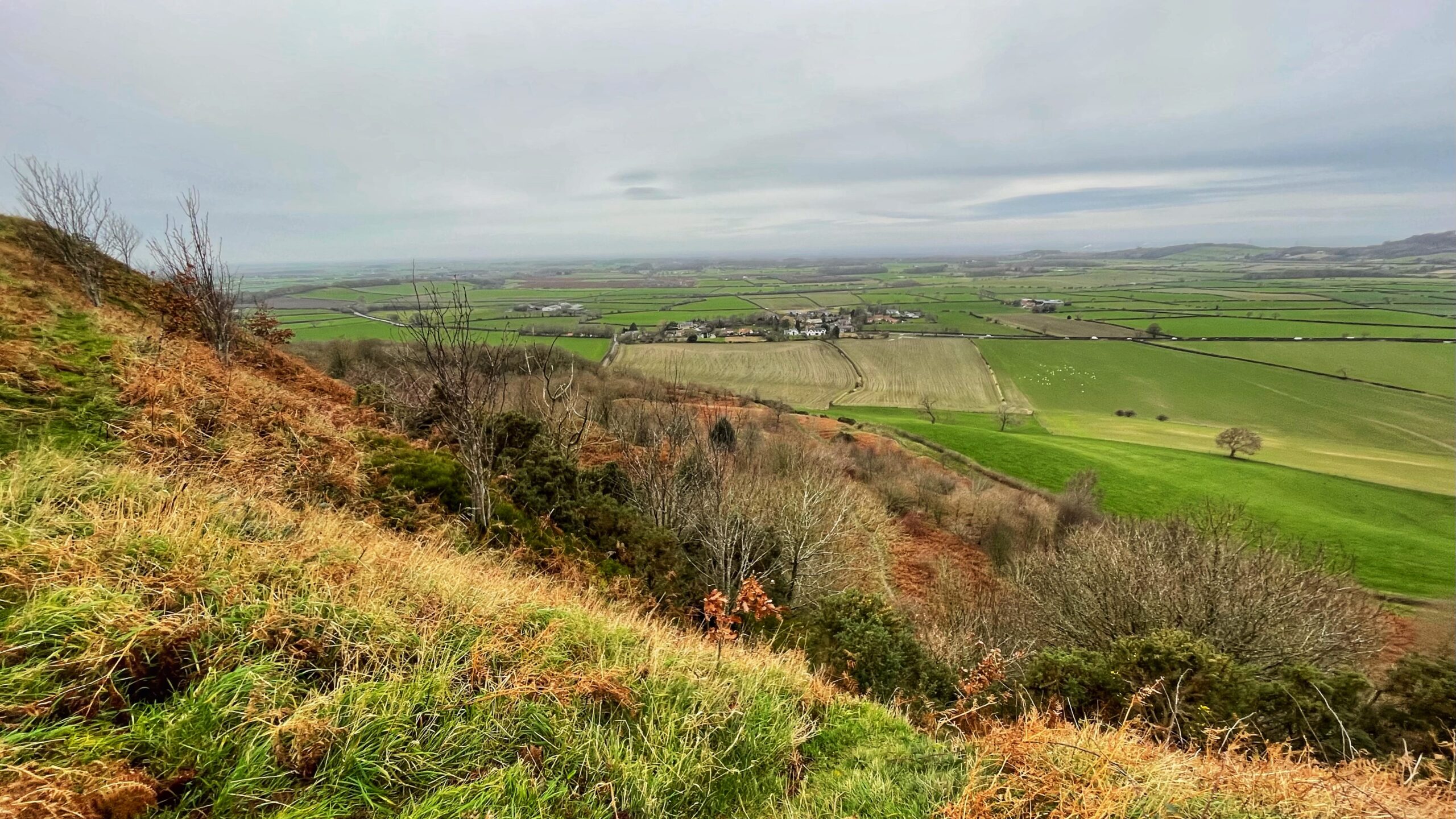
A Long View from Cockle Scar
Scar, scarp and escarpment have a knack for muddling people. The landforms overlap, and to add to the fun a scarp can carry several scars on its own back. Despite how they look, scar is not related to the other two. It comes from the Old Norse “sker”, meaning crag, with a nod to “sgeir”.…