Tag: 20th Century
-
The Last Traces of the Belmont Ironstone Mine
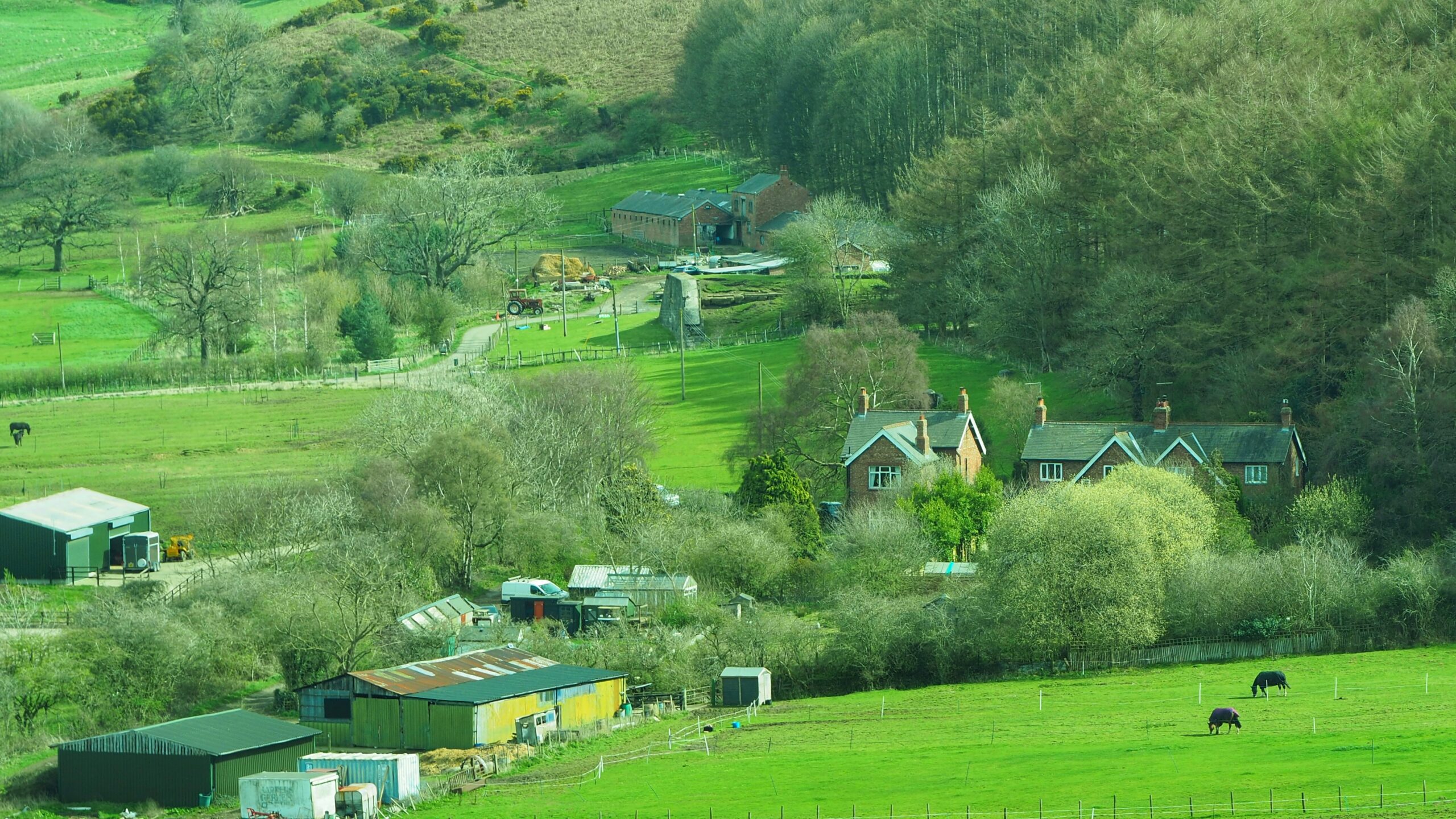
Green “Yorkshire” fields in early spring, and nothing here looks remotely industrial. Yet the three red-brick Edwardian cottages sitting neatly in the middle distance were built for the men who ran Belmont Ironstone Mine, and the large brick building in the distance was once the stables for the horses that worked underground. The large concrete…
-
Fog, a Hollow Way and a Reservoir That Never Was
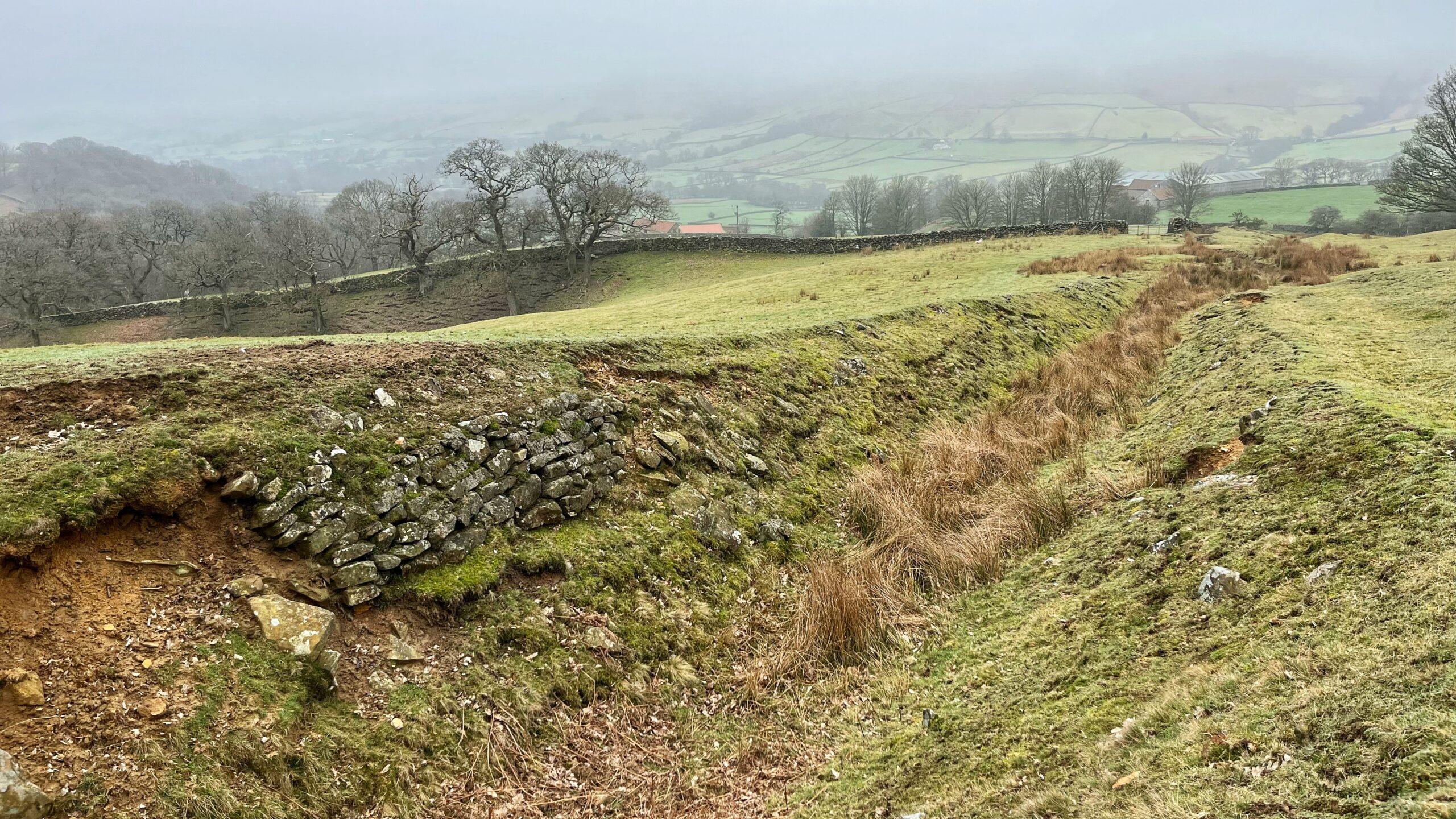
The watershed between the River Esk and River Rye tributaries was today more than a geographical line. It was a weather frontier. While Castleton and Westerdale basked in spring sunshine a mile or two away to the north, Farndale sulked under a damp mist so thick you could almost wring it out. From the aptly…
-
Hanging Stone Dam and the Fall of Sir Joseph
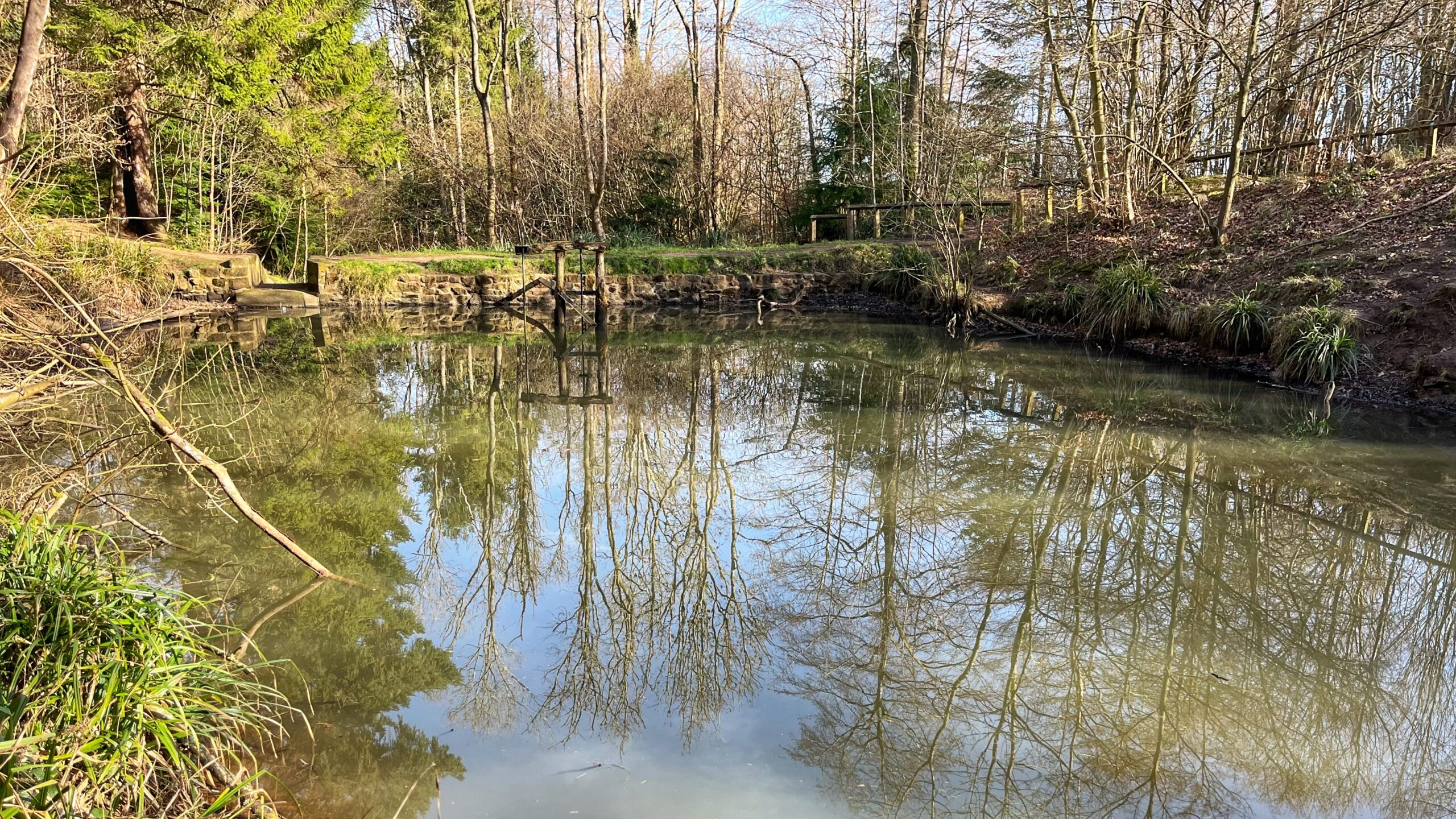
The pond in this photo was built in 1880 by Sir Joseph Whitwell Pease to power hydraulic machinery at his Home Farm half a kilometre downstream. It served that purpose until the 1950s, after which it became a swamp. Local volunteers restored it in 2004/5. Known originally as Hanging Stone Dam, it sits at the…
-
Not Guilty: The Carlton Bank Case, 1972
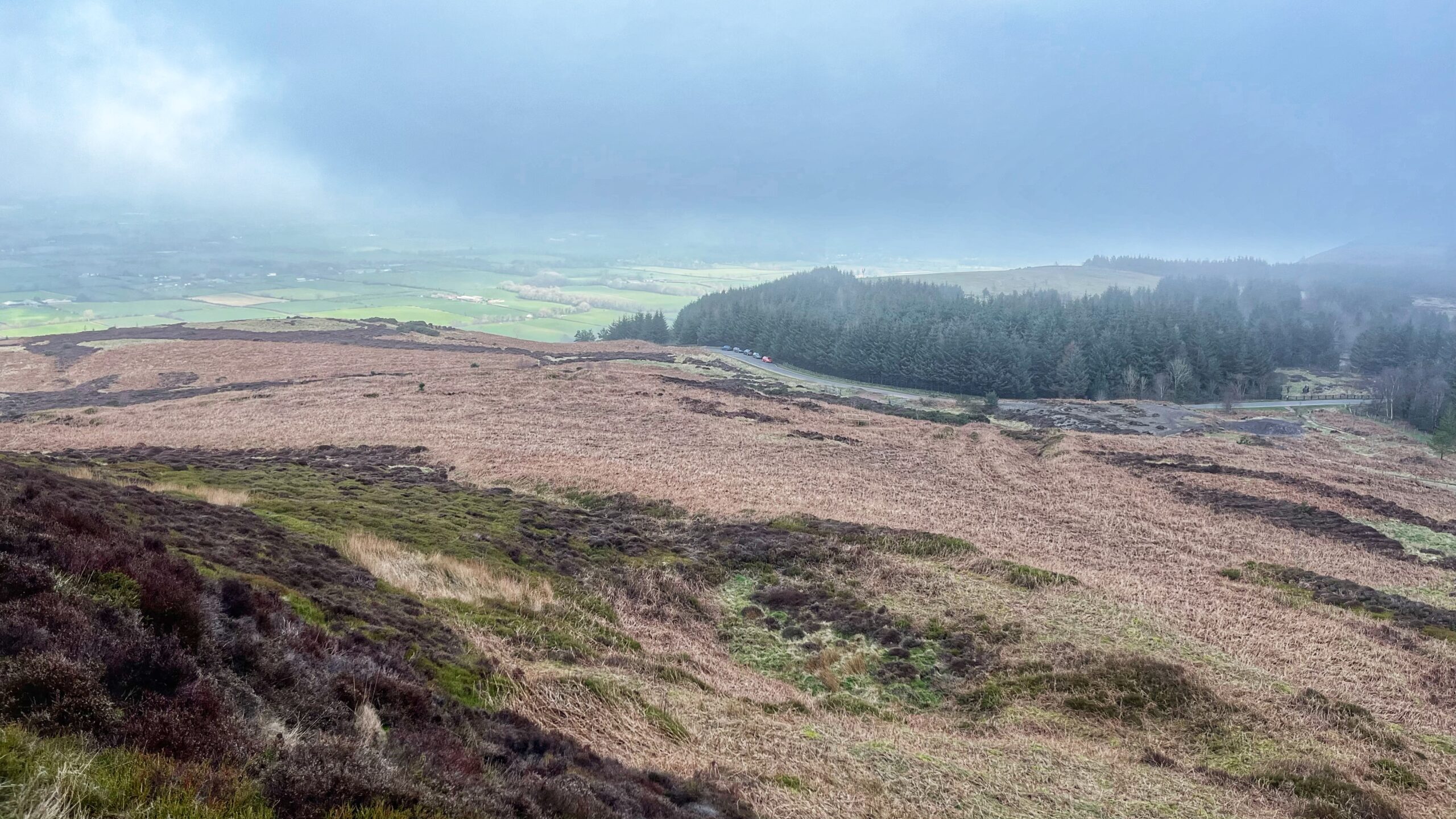
Carlton Bank. Even on a dreich day there was a surprising number of folk around. Yet, in May 1972, it was the scene of one of the more extraordinary legal cases the North Riding has ever seen. A potato merchant named Kenneth Saddington drove five miles up to these moors one Saturday night with a…
-
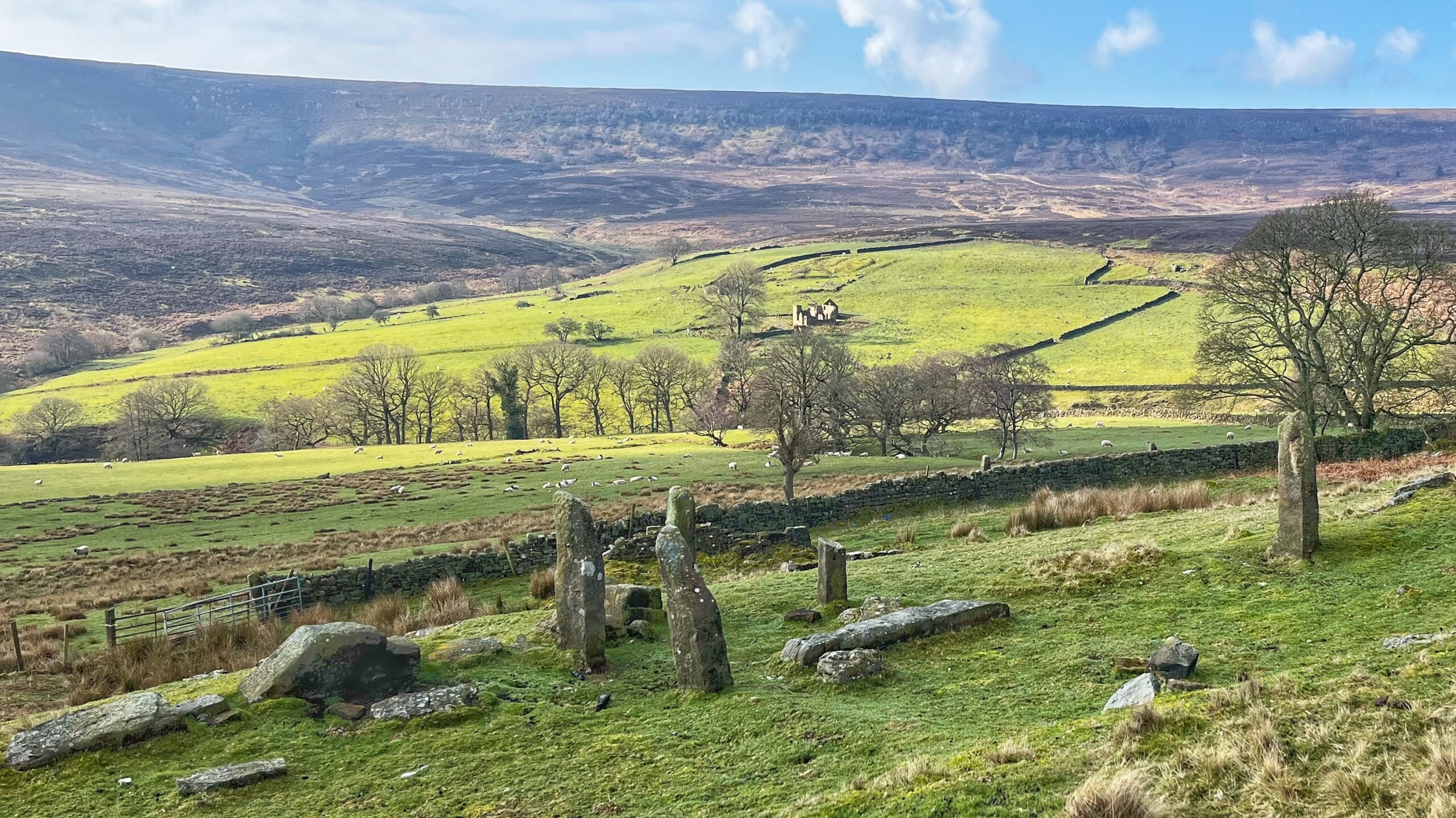
Dale Head—Fire, Rumour and a Long Silence
Ryedale demanded a break. The old Stephen Thwaite farmstead has an irresistible collection of “stoups” and “hemmells” worth ten minutes of any cyclist’s time. Then the sun did what the sun does when it wants to make a point. It threw a spotlight clean across Wheat Beck and landed it squarely on Dale Head House.…
-
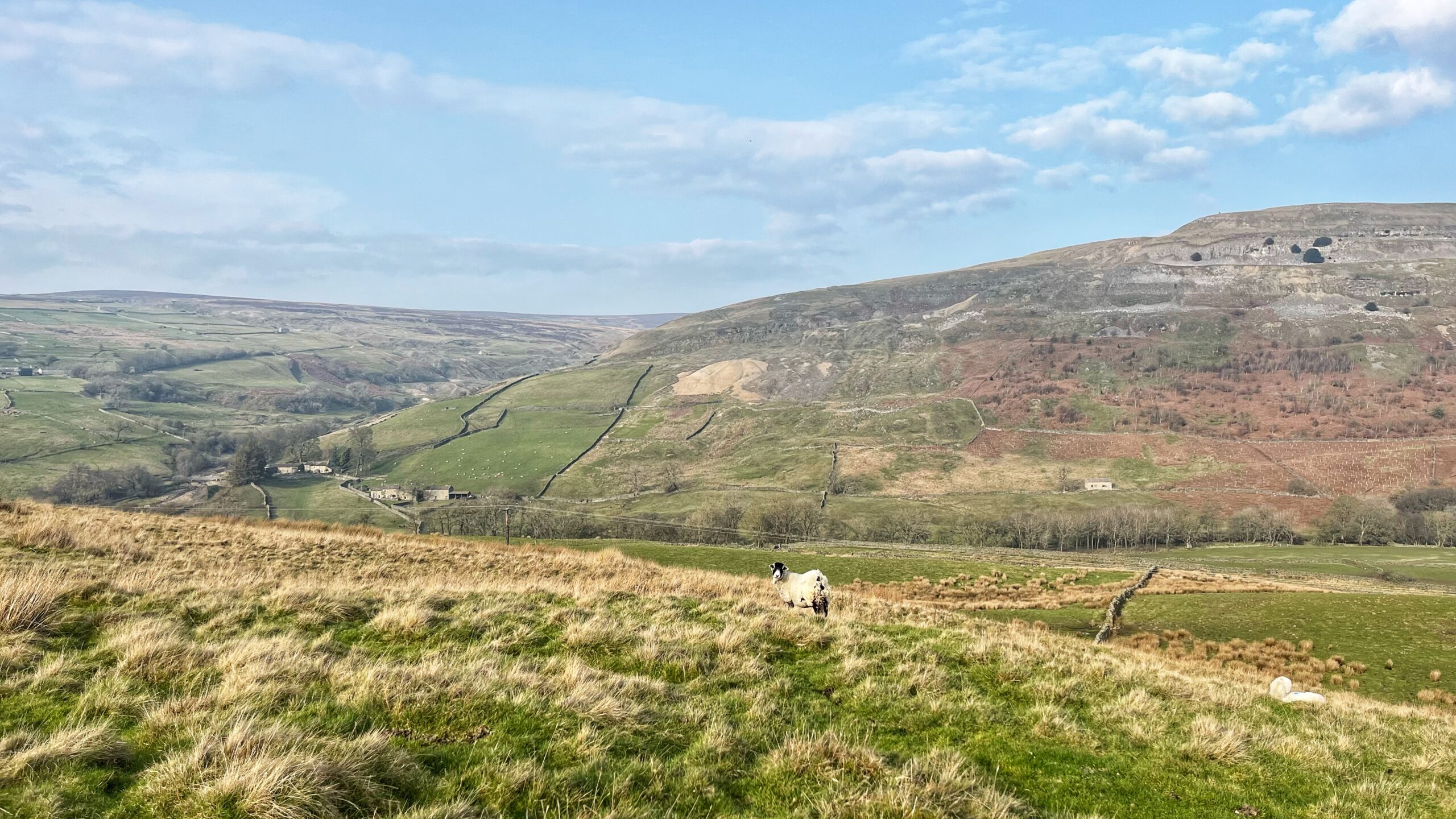
Fremington Edge Chert: The Stone That Made Your Teacup
A view from Reeth Low Moor looking across at the scars gouged onto Fremington Edge. Those wounds in this hillside are not the work of nature. They are what happens when industry decides it needs something badly enough. Chert quarrying in Swaledale ran from around 1900 to approximately 1950, driven almost entirely by the pottery…
-
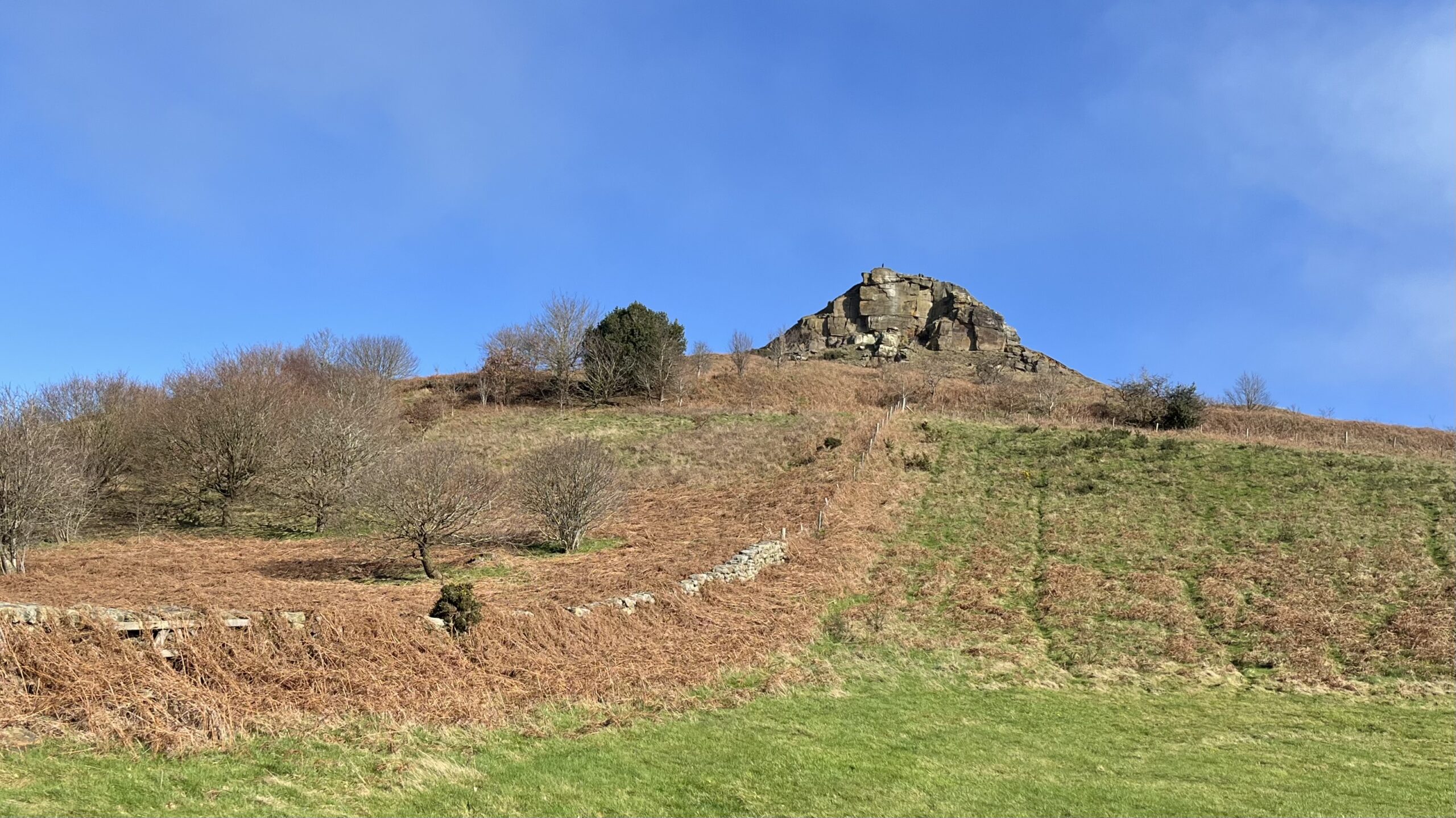
The Pimps of Roseberry
Today’s photo is, of course, of Roseberry Topping. That dry stone wall running up the slope marks the boundary between the parishes of Newton-under-Roseberry and Great Ayton. Before the great landslip of 1912 it ran all the way to the summit. Looking at a photograph taken before 1912, you can see vegetated ground running right…
-
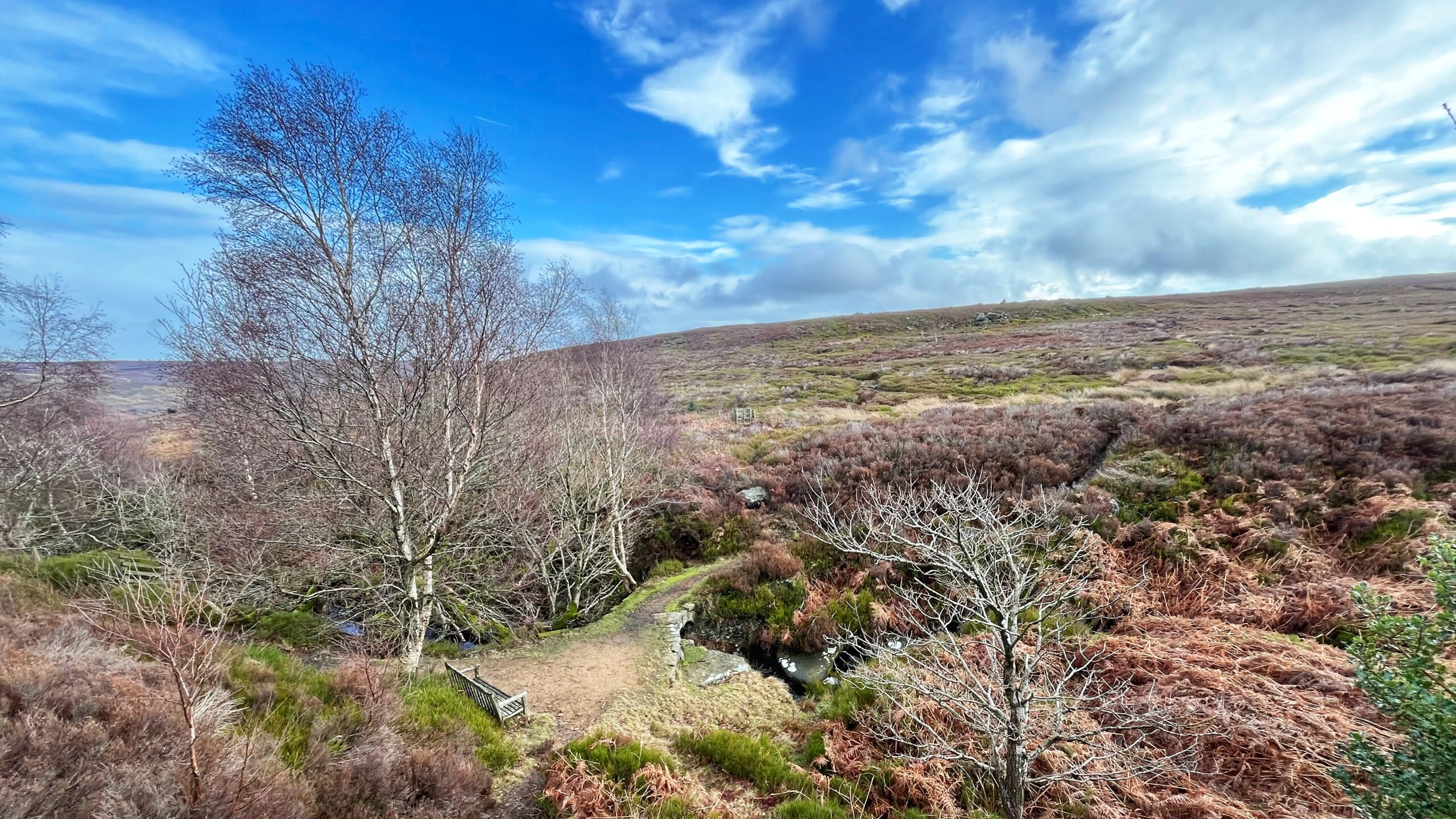
A Bridge, a Bench and a Certain Disregard for Permission
The names clinging to these moors deserve more than just a passing glance. Beyond their historical weight, they carry a strange novelty. Take Great Hograh Moor. A name that will give nothing away until you have buried yourself in old documents, dusty dialects and philological works. That’ll stay firmly on the to-do list. Baysdale is…
-
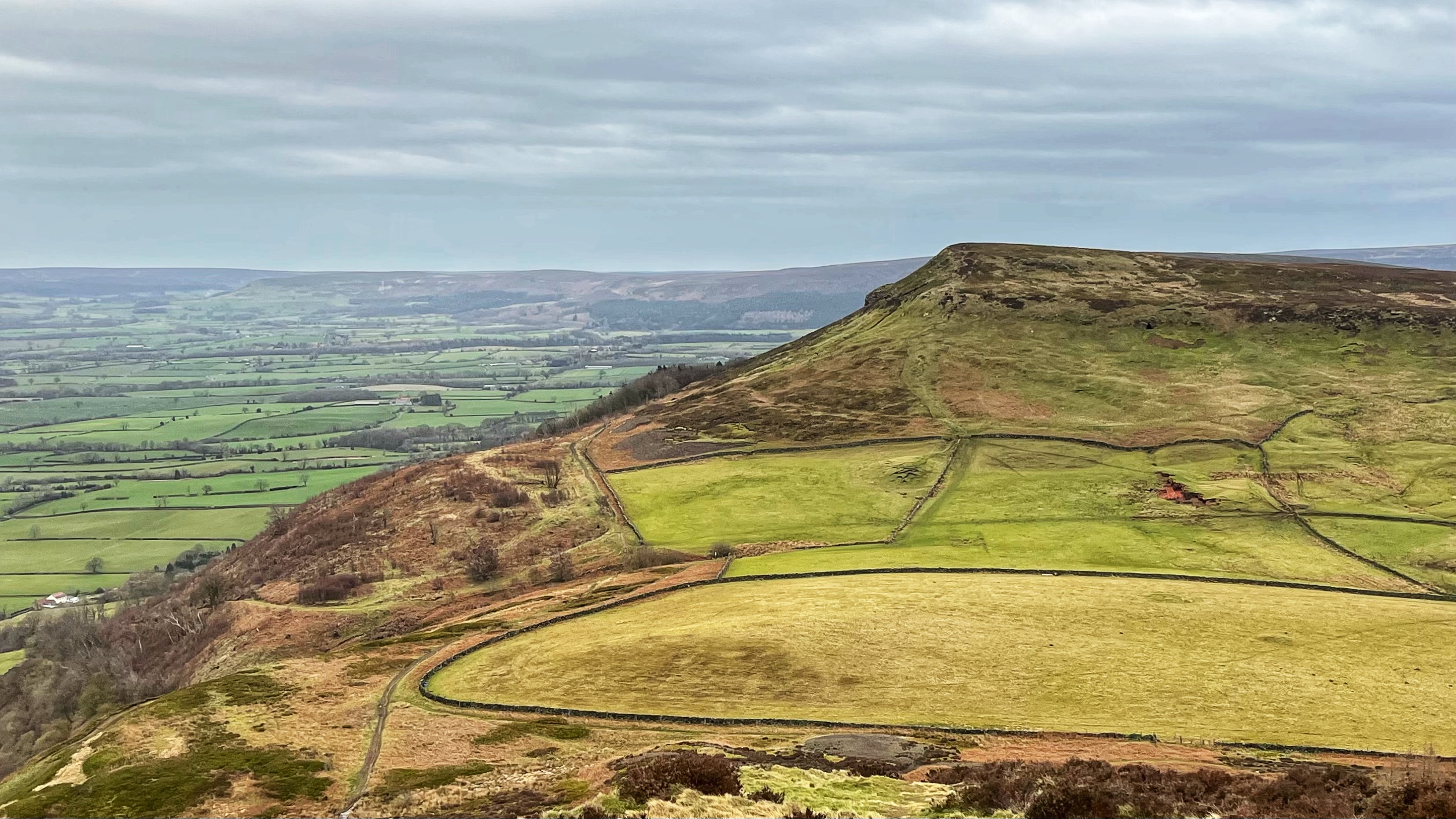
Cold Moor: A Close Brush with Industry
Cold Moor today looks like the sort of place that looks as though history slipped it by. Green, quiet, and peaceful. You would never guess how close it came to becoming a roaring industrial scar. In 1911 the calm nearly ended. Plans were laid to turn this part of Lord Feversham’s vast estate into an…
-
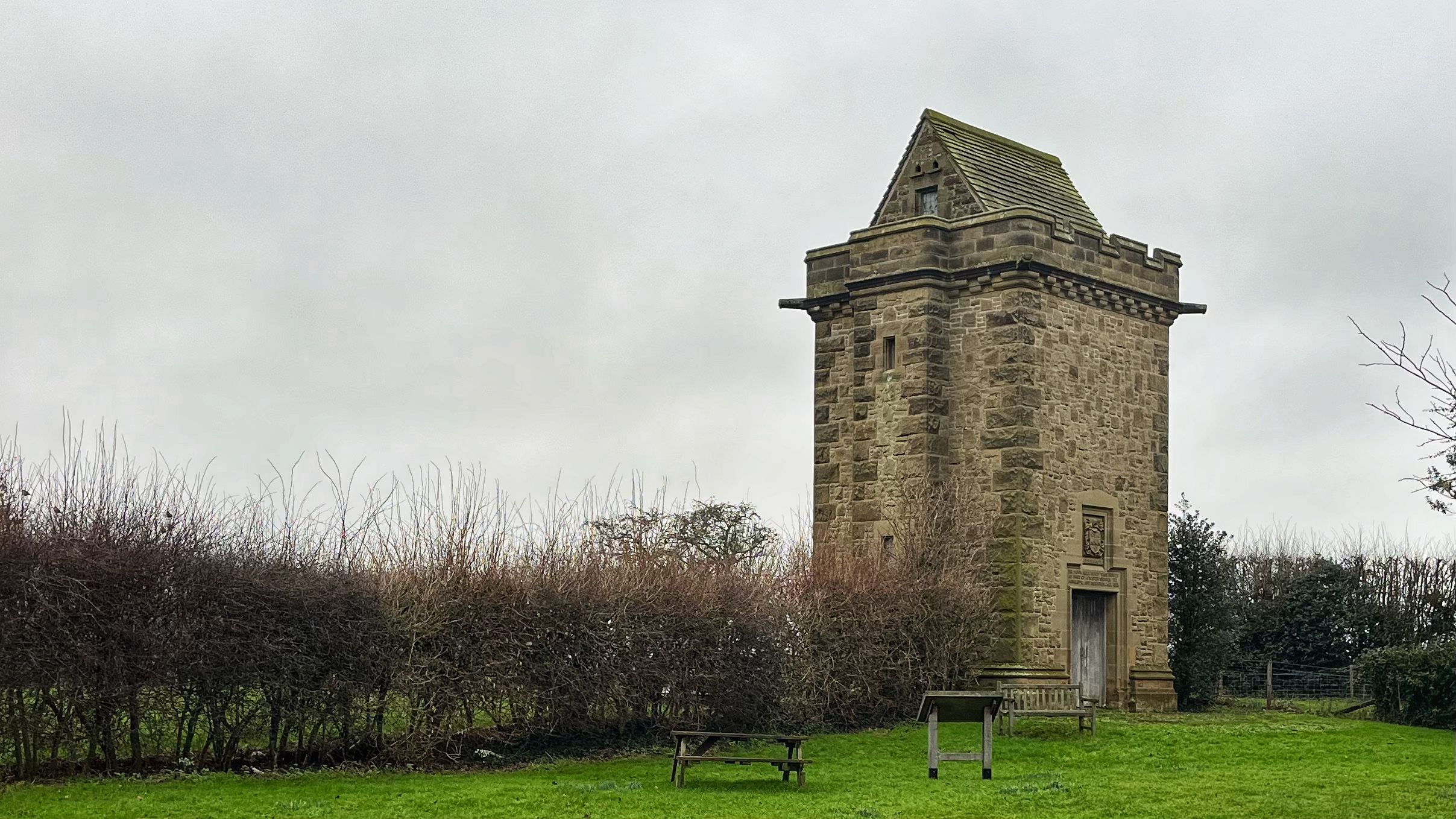
More Than a Water Tower
At first glance, this stone tower at Ingleby Arncliffe looks like a small, rugged castle left behind by history. It is easy to imagine it as a lookout, guarding the Cleveland Hills. But its story is not about defence or conflict. It is about hope, craft, and a quiet promise made for the future. This…