Tag: 20th Century
-
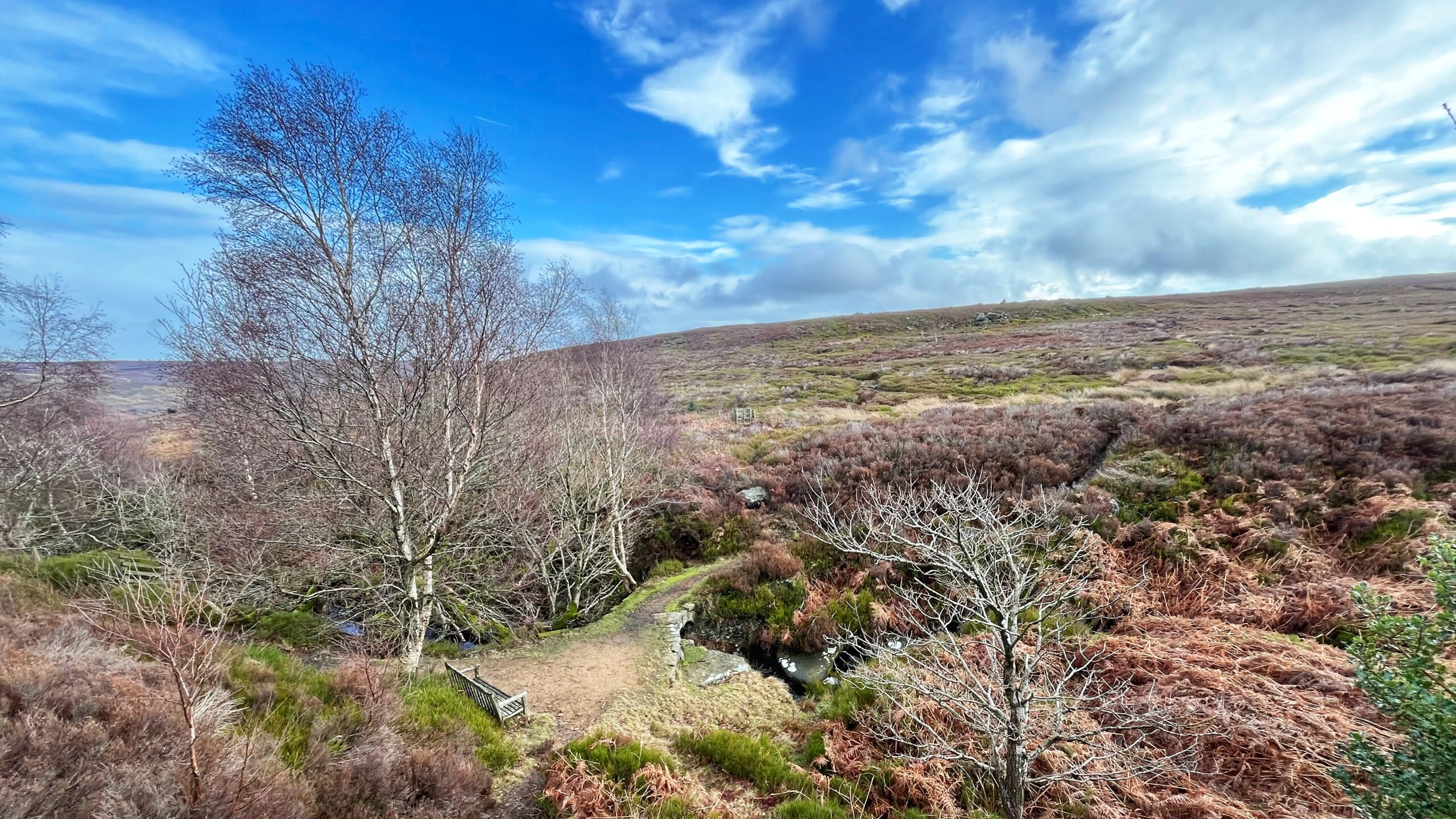
A Bridge, a Bench and a Certain Disregard for Permission
The names clinging to these moors deserve more than just a passing glance. Beyond their historical weight, they carry a strange novelty. Take Great Hograh Moor. A name that will give nothing away until you have buried yourself in old documents, dusty dialects and philological works. That’ll stay firmly on the to-do list. Baysdale is…
-
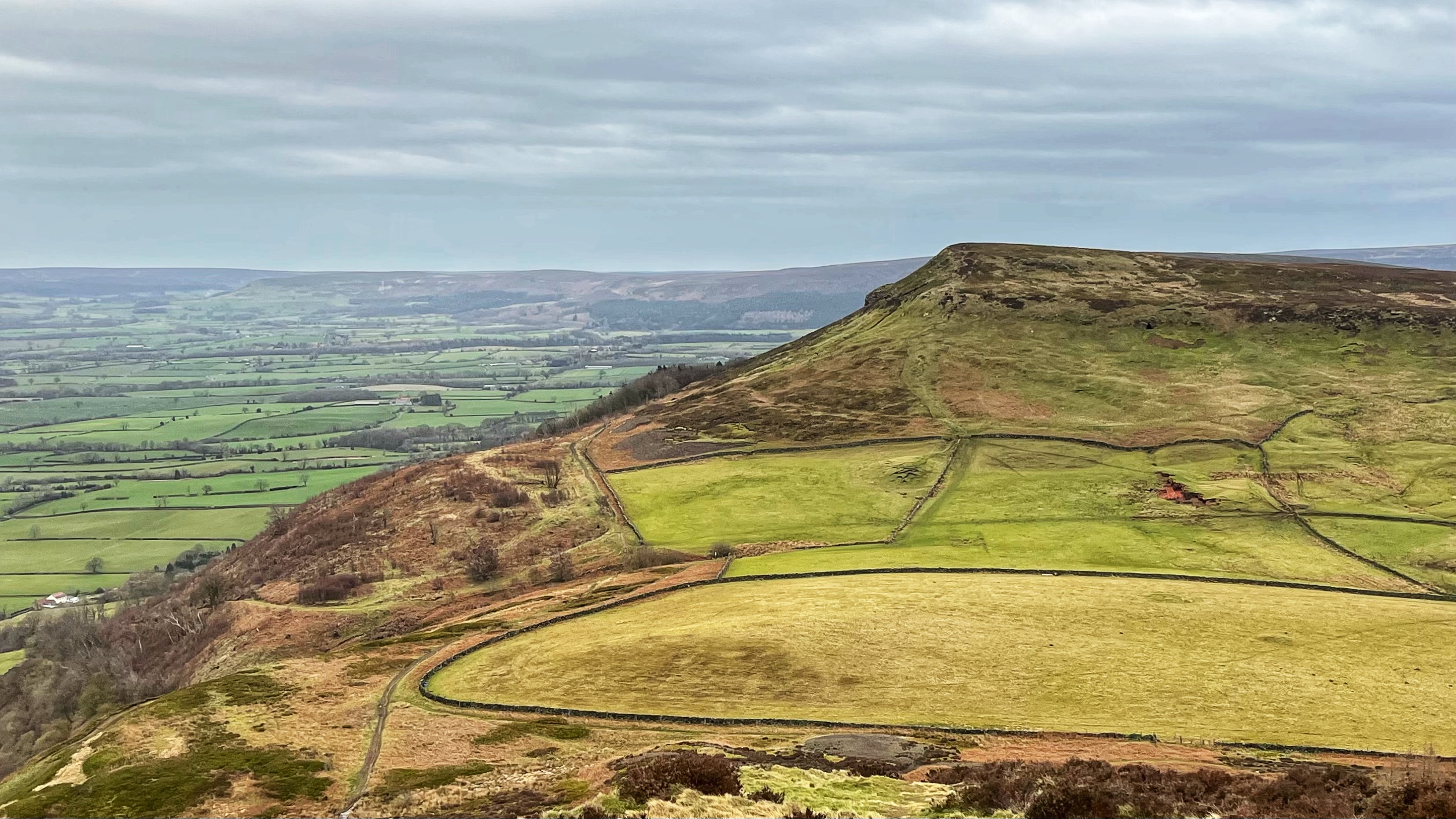
Cold Moor: A Close Brush with Industry
Cold Moor today looks like the sort of place that looks as though history slipped it by. Green, quiet, and peaceful. You would never guess how close it came to becoming a roaring industrial scar. In 1911 the calm nearly ended. Plans were laid to turn this part of Lord Feversham’s vast estate into an…
-
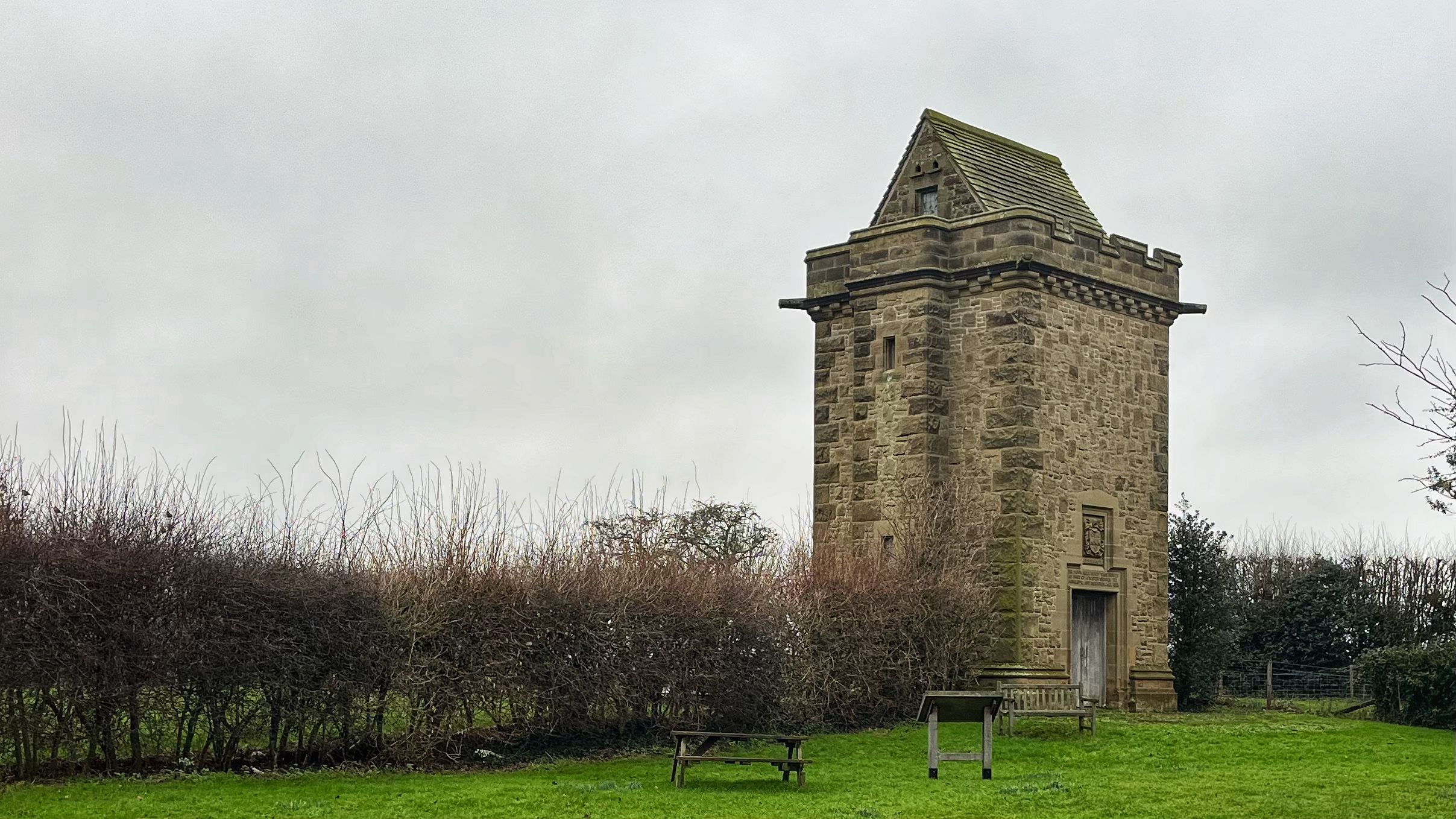
More Than a Water Tower
At first glance, this stone tower at Ingleby Arncliffe looks like a small, rugged castle left behind by history. It is easy to imagine it as a lookout, guarding the Cleveland Hills. But its story is not about defence or conflict. It is about hope, craft, and a quiet promise made for the future. This…
-
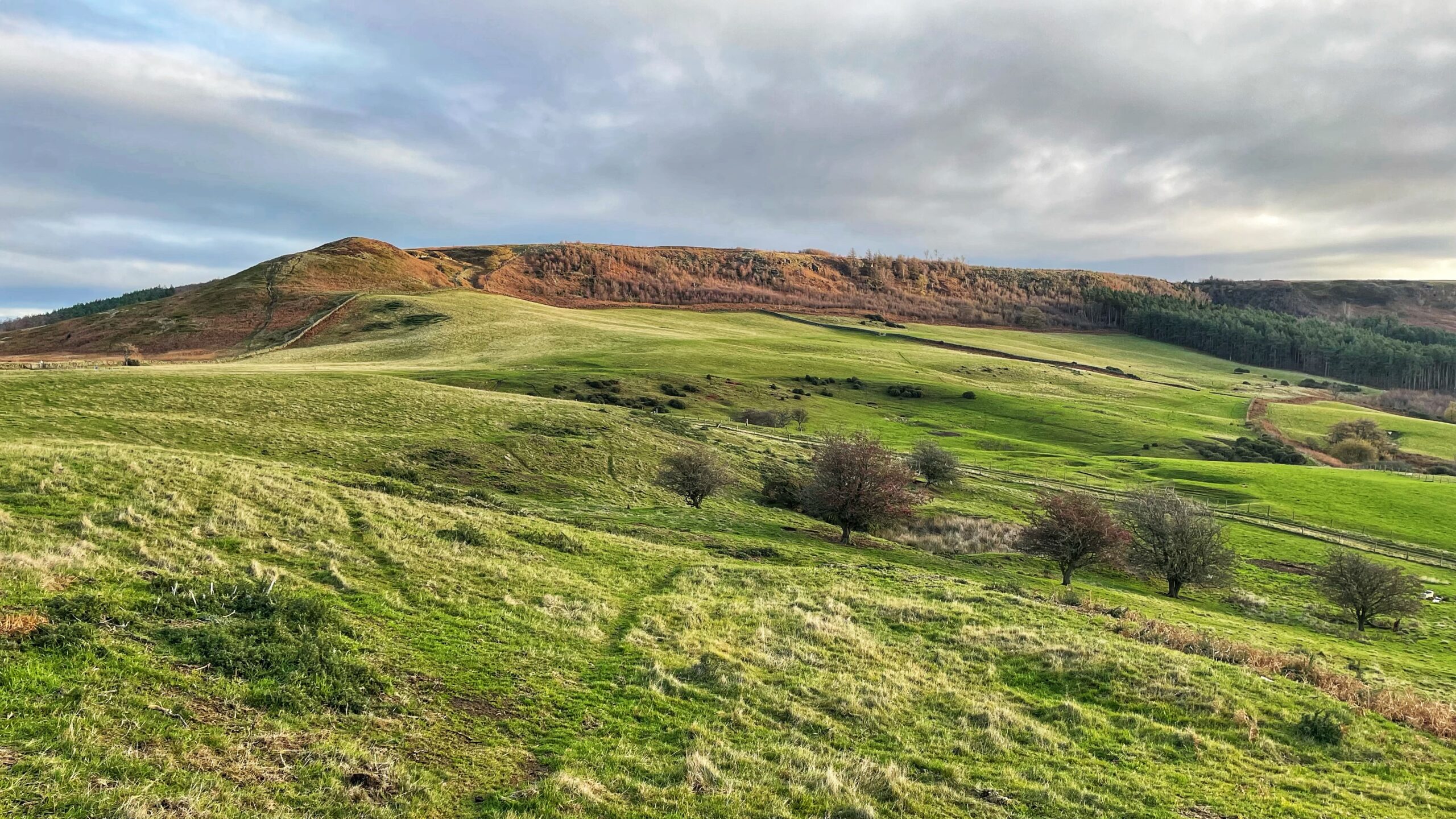
A Quarter Century of the Right to Roam, More or Less
Today brings a double milestone for those in England and Wales who find the open air rather more enticing than the sofa. It is twenty-five years since the Countryside and Rights of Way Act 2000 marched through Parliament and twenty years since its promised freedoms finally reached the boots of the public. Since then, the…
-

Paths on the Map but not on the Ground
This boundary stone on Great Ayton Moor stands on its highest point as though it has nothing better to do than provide a focus to anyone passing by. A glance at the O.S. map shows this top lies on a junction of a Public Bridleway between Gribdale and Hutton, plus two Public Footpaths approaching from…
-

On this Day in 1974 — When Health & Safety Went Mad
Just over fifty years ago, in 1974, I was into my first year of full-time work. Newly settled in North Yorkshire, it may have been then that I first looked down the short, wide dale of Greenhowe, maybe from this very spot, perhaps at this very season, when the ling is beginning to flare into…
-

The Slow Decay of Belmont Mine
It is disheartening to see the old mine buildings at Belmont Ironstone Mine partially collapsed. Built around 1909, they may not be the grandest examples of industrial architecture, but they are likely the most intact surface remains of any ironstone mine in the Cleveland area. Remarkably, some sections are still used as stables. In the…
-

Sponish House: Industrial Echoes at Loch Nam Madadh
I faced a choice for today’s photo: a Mesolithic Chambered Cairn or a Neolithic Stone Circle. Both tempting, both suitably mysterious. But they can wait. Instead, here is Sponish House, a 19th-century structure crouched on the shore of Loch Nam Madadh. Built for Lord Macdonald’s chamberlain or sheriff, it later served as a sporting lodge.…
-

The Shah of Thorgill and His £26 Rebellion
This is Thorgill: a tributary of the River Seven, the main drainage for Rosedale. While technically a watercourse, it is perhaps better known as a hamlet, once even managing to sustain a Methodist Chapel. Thorgill briefly staggered into the national spotlight in the 1950s, not through any great achievement, but thanks to the antics of…
-

Where Birch Meets Rust: A Forgotten Landmark
Descending from Highcliff Nab to Guisborough, I felt a sudden urge to revisit a landmark I often passed on my runs around these woods many years ago. This viewpoint, on top of a spoil heap from the Belmont Ironstone Mine, was mercifully spared the blight of commercial conifers—perhaps because even saplings had standards and found…