Tag: 19th-century
-
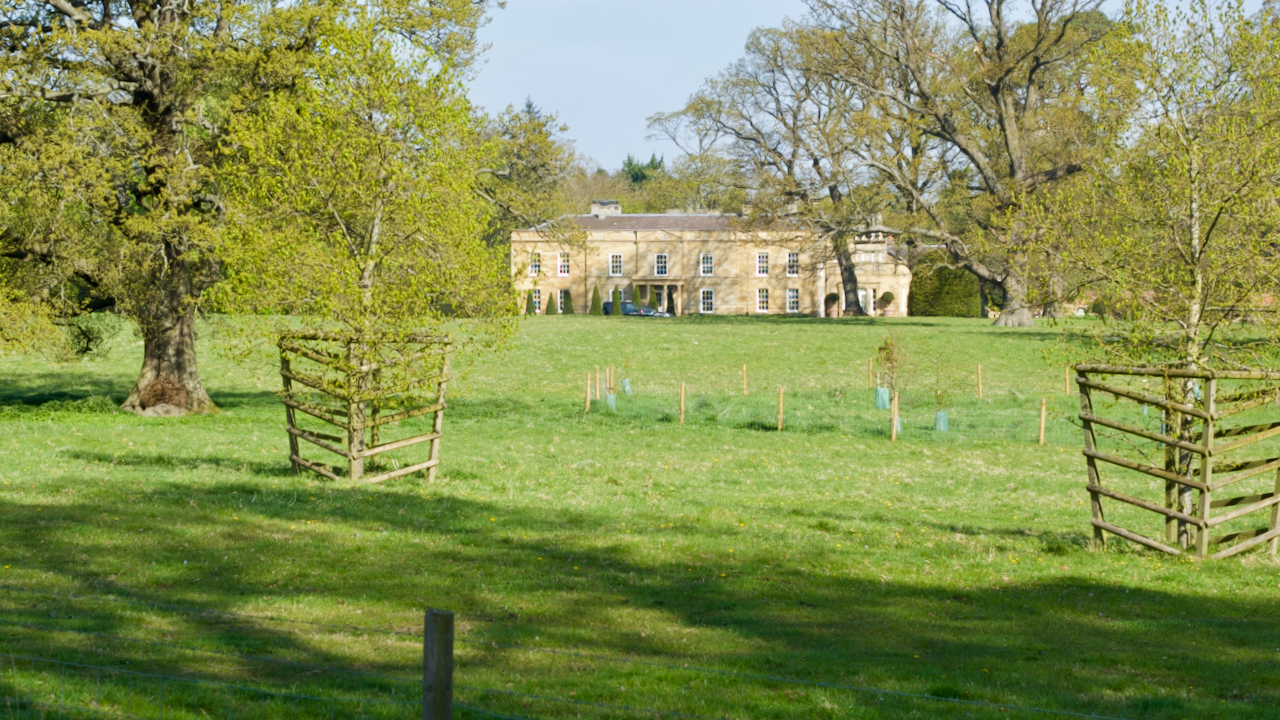
James Emerson of Easby Hall
“Charming and ingeneous” according to the ever euphuistic Pevsner, Easby Hall was built sometime between 1808 and 1823 soon after Robert Campion acquired the Lordship of the Manor. Campion was a Whitby based banker who acquired his money from shipbuilding, sail cloth manufacture and other industries. He also was responsible for the erection of Capt.…
-
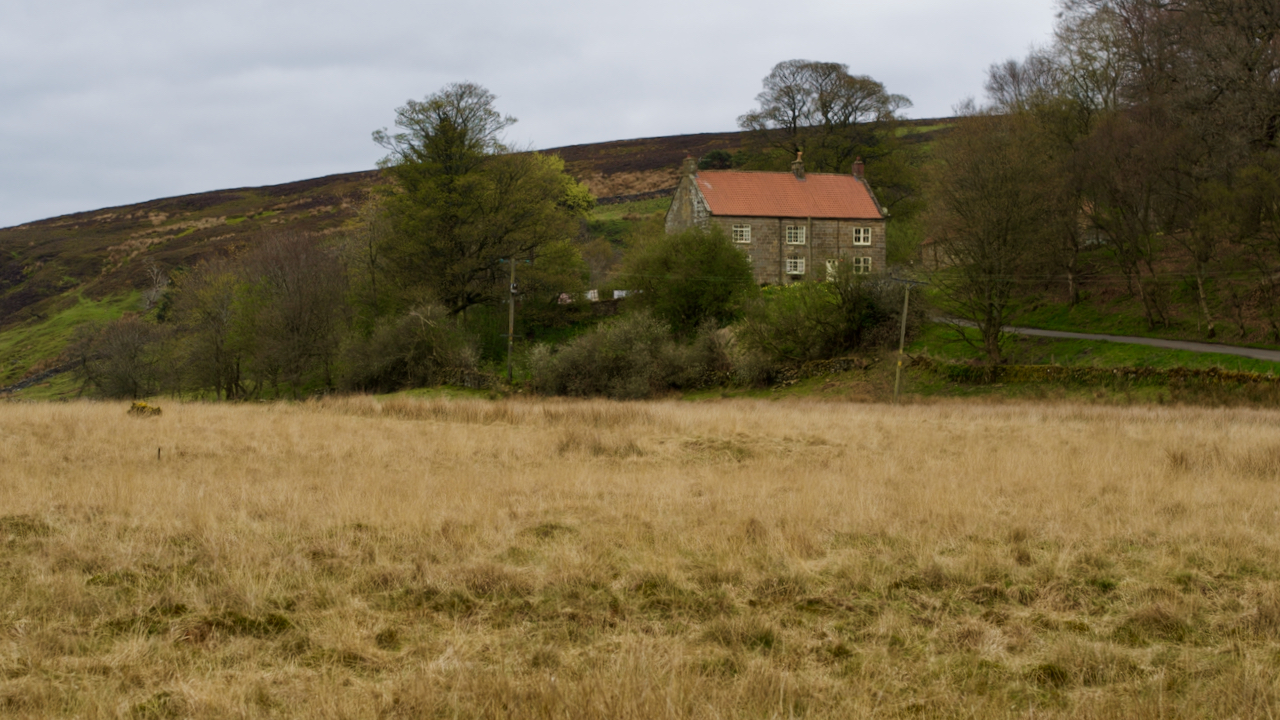
“Murder at Kildale”
West House Farm, at the foot of the climb up Kempswithin on the Westerdale road. Seen here across Peat Carr, the boggy watershed between Kildale and Commondale. The farm was listed as part of Kildale Estate when it was sold by Sir Charles Turner in 1806. Then, it was occupied John Rigg who paid a…
-
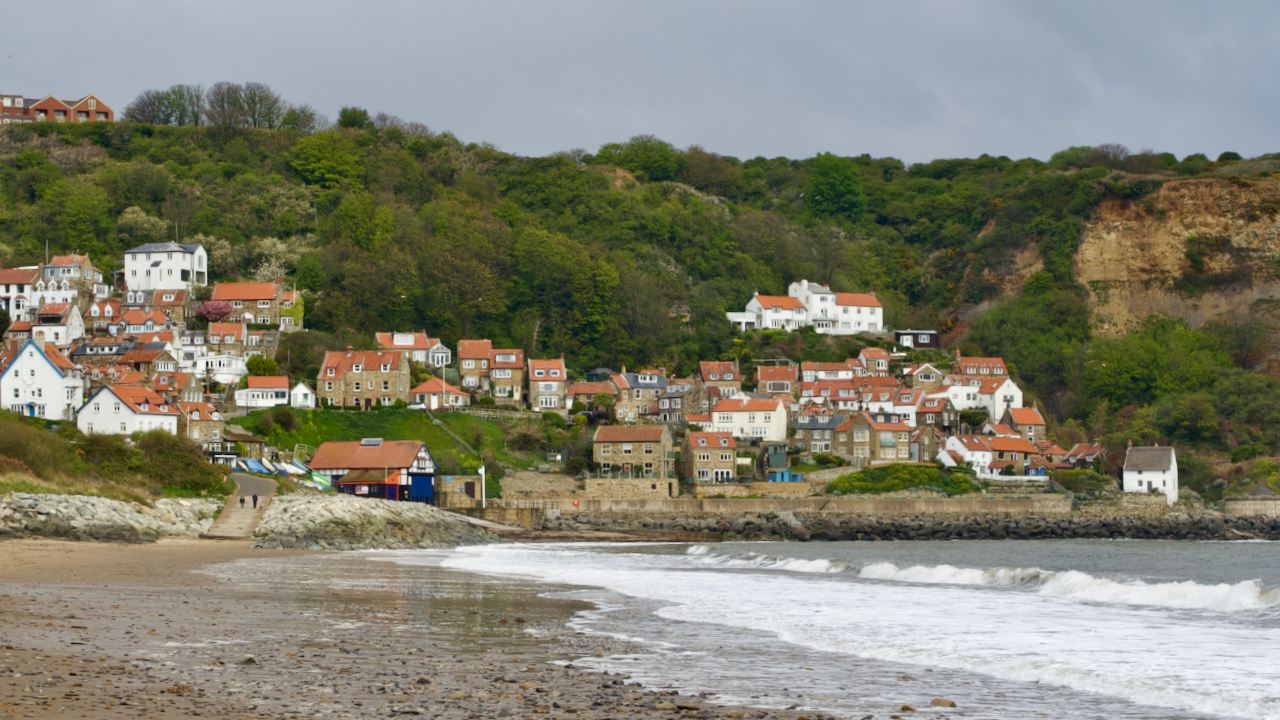
Runswick Bay Rescue Boat
While a number of fishermen were on the look-out during the height of the storm at Runswick Bay on Saturday afternoon, a large laden vessel was seen drifting towards the shore. So enormous were the waves that at times only the tops of the masts were visible. Just outside the broken water a huge wave…
-
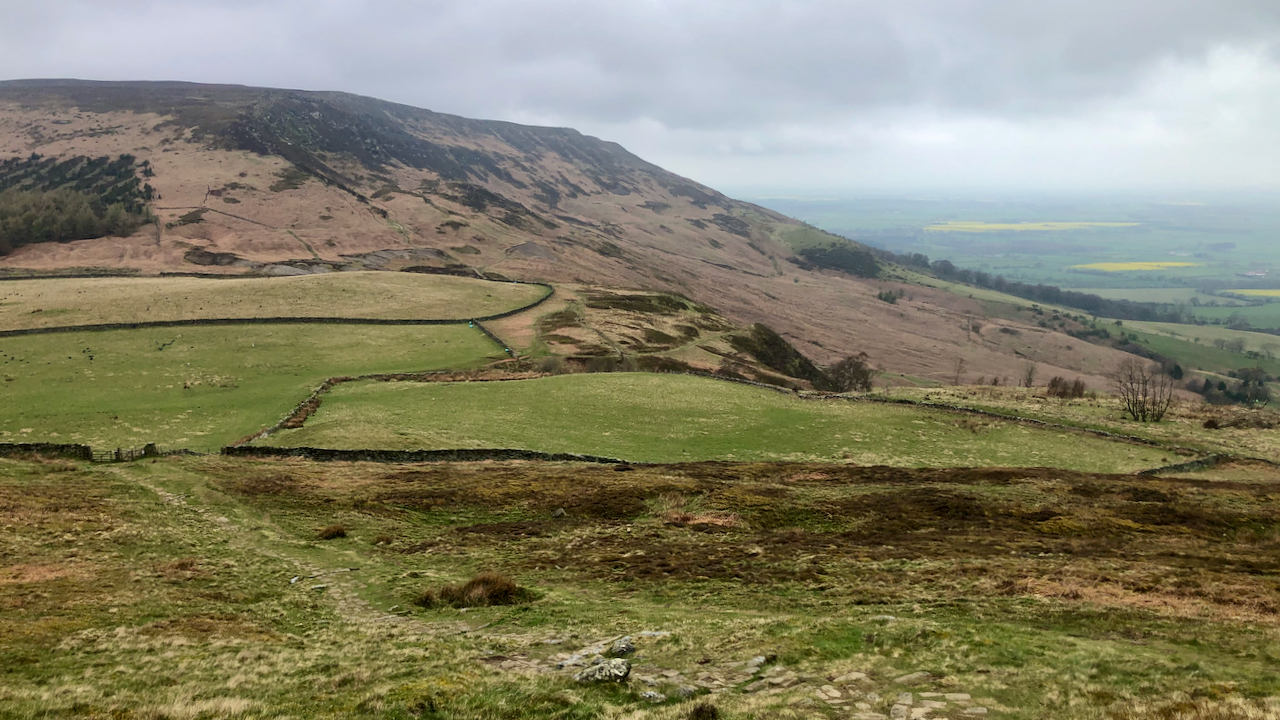
Kirby Bank — a battleground between a David and a Goliath
In 1854 there was a legal dispute over the boundary between Bilsdale and Kirby which has been decribed as a ‘David and Goliath’ legal battle. The plaintiff (he who brought the case) was the rich and influential Lord Feversham, Lord of the Manor of Bilsdale. The defendant was James Emerson who was described in the…
-
Rosedale & Lastingham Light Railway
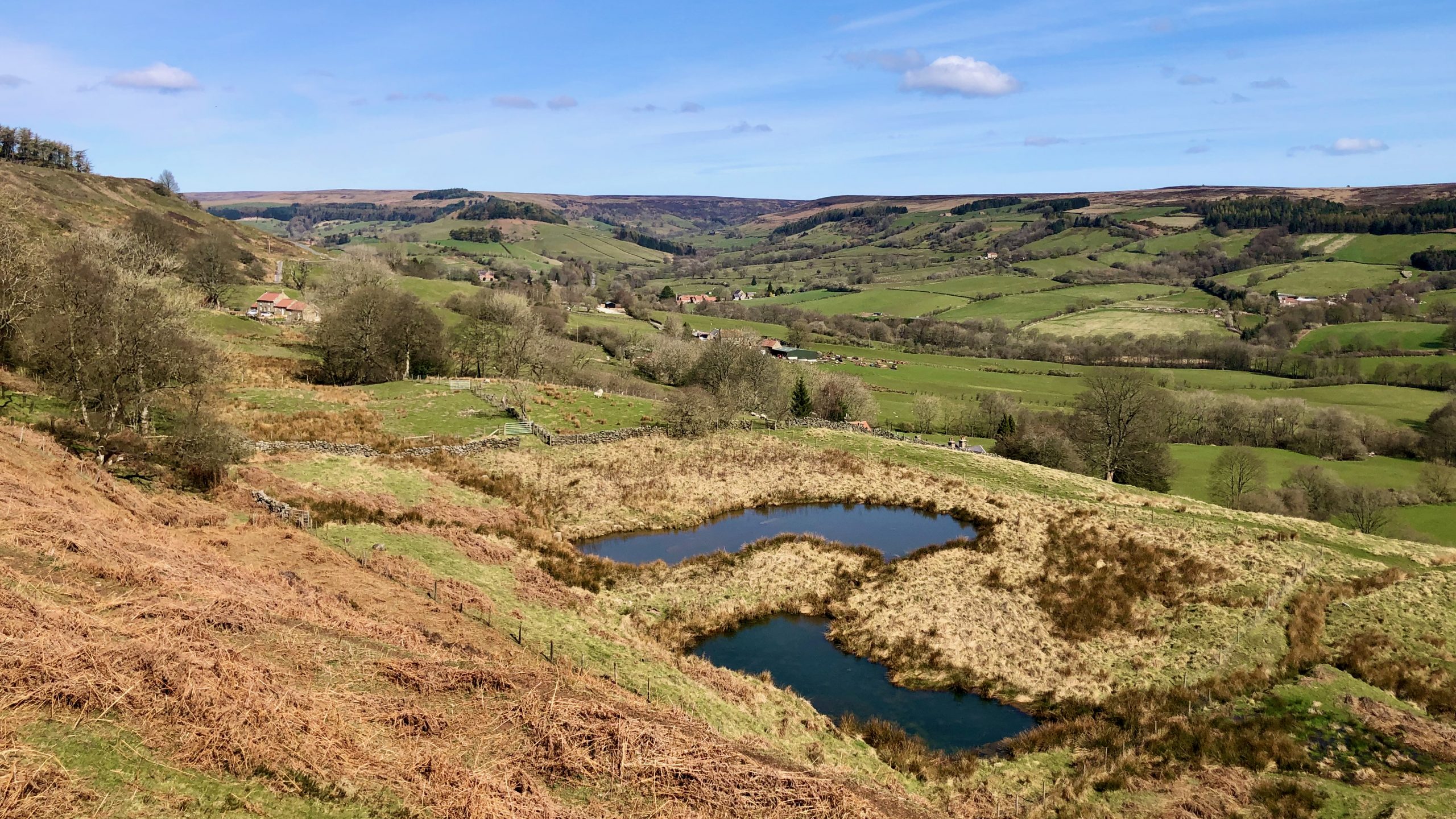
In 1896, the Light Railways Act 1896 was enacted which allowed new ‘light railways’ to be expediently built, principally in rural areas. A light railway was “one constructed with lighter rails and structures, running at a slower speed, with poorer accommodation for passengers and less facility for freight”, and working “with less stringent standards of…
-
Bloworth Crossing
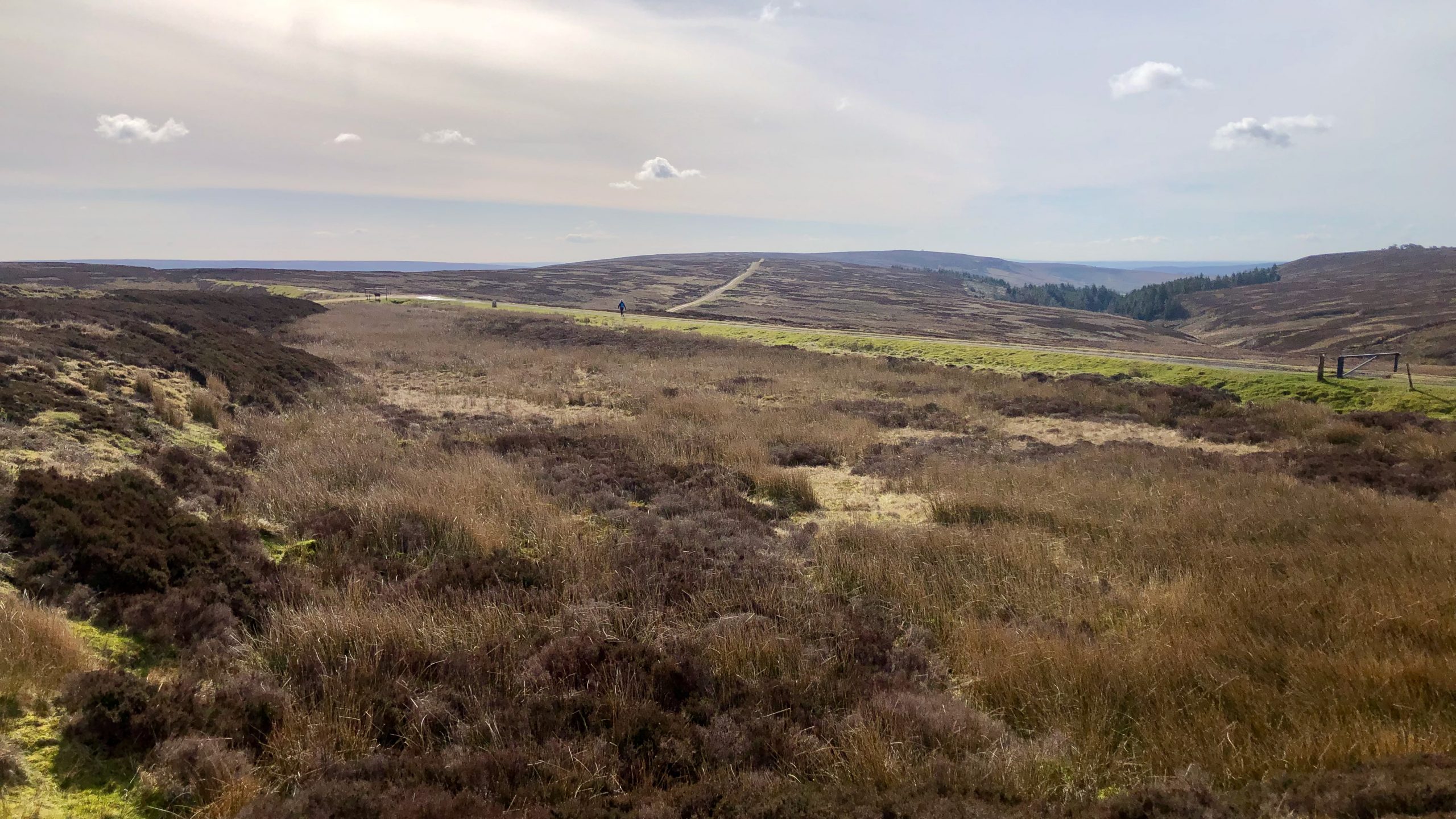
Or Blawith, as I’ve seen it written. Or Blowith. Many names, but a well-known feature on several long-distance path over the moors. Where the Rosedale mineral railway crossed the ancient track along Rudland Rigg, a track which, in 1934. Alec E. F. Wright described as a “grass road” and “exhilarating”. In the 21st-century, the Rudland…
-
Commondale Bleach Mill
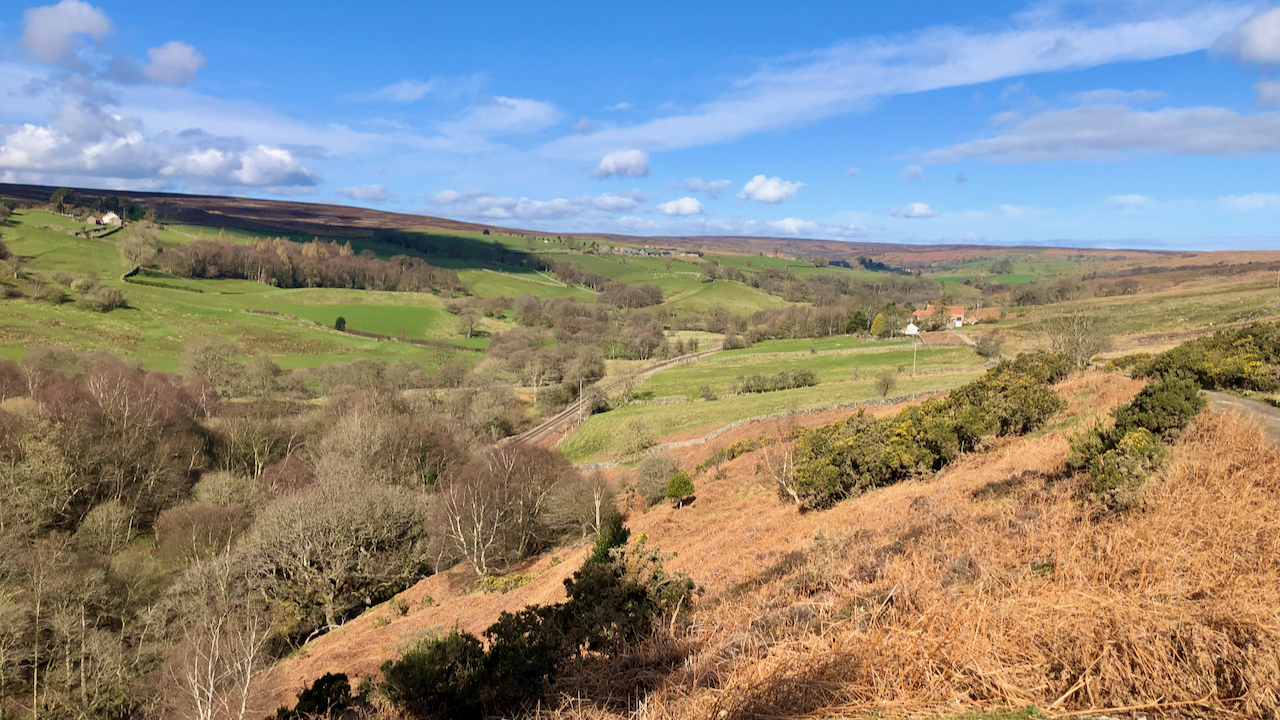
Another item on my bucket list ticked off. Commondale Beck is barely two miles long from its start at the meeting of Sleddale and Ravengill Becks to its confluence with the River Esk, although its meanderings might push it over this distance. About 175 metres from Commondale Railway Station on the west Guisborough parish side…
-
Newton-under-Roseberry
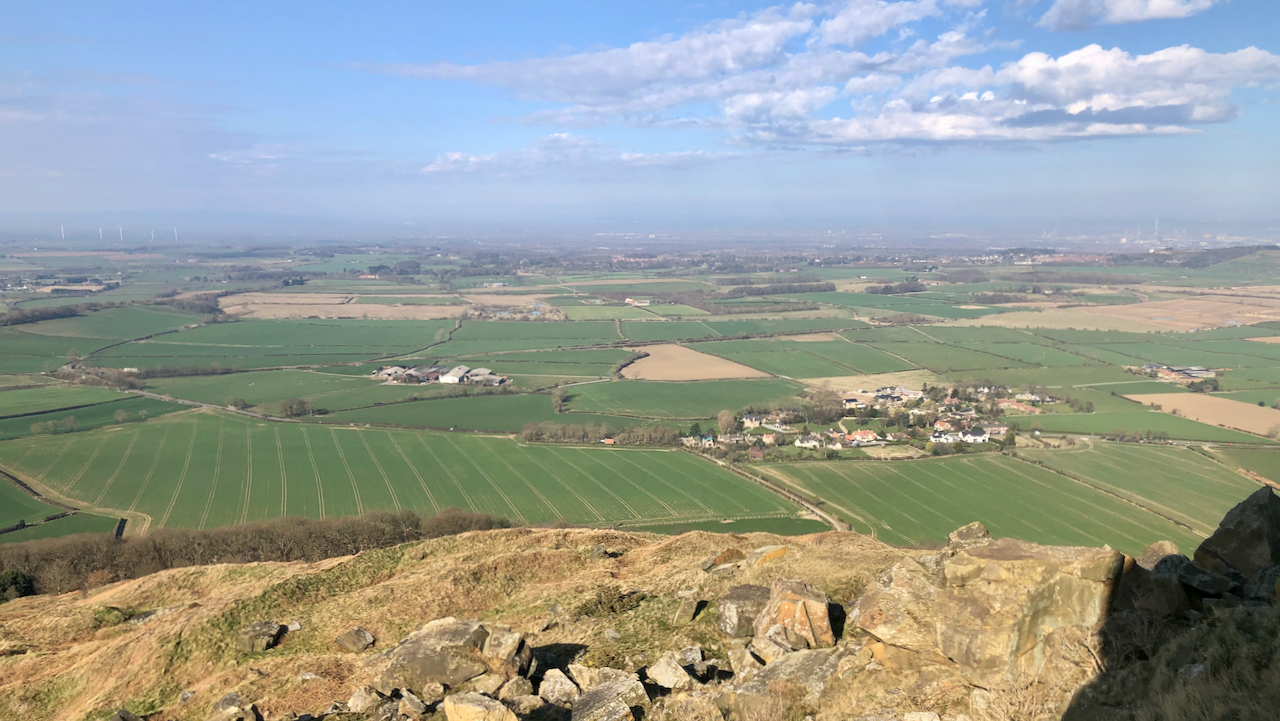
Otherwise known as Newton-in-Cleveland. The base camp for any ascent of Roseberry Topping. The renown local historian John Walker Ord, writing in 1846, described Newton as “a small, dirty, insignificant village, consisting of a few small huts, without any pretensions to beauty or order whatever”. Twelve years later, Walter White (an early tourist from Berkshire)…
-
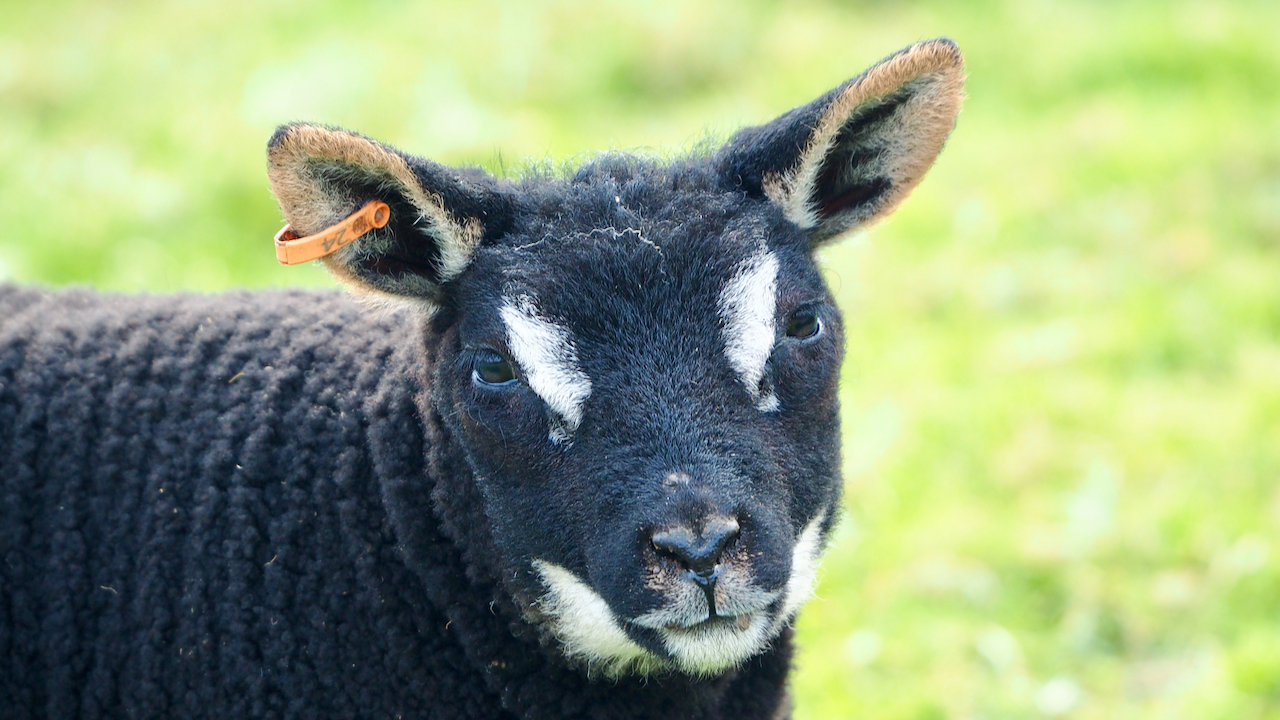
“Baa, Baa, Black Sheep!”
Ah, warm sunshine and lambs gambolling in the fields. A sure sign that Spring is here. Everyone knows the nursery rhyme. Once said to have been a proletarian cry in the Middle Ages because the tremendous demand for wool meant that farming land had been turned into pasture for sheep. Thousands of farmhands were thrown…
-
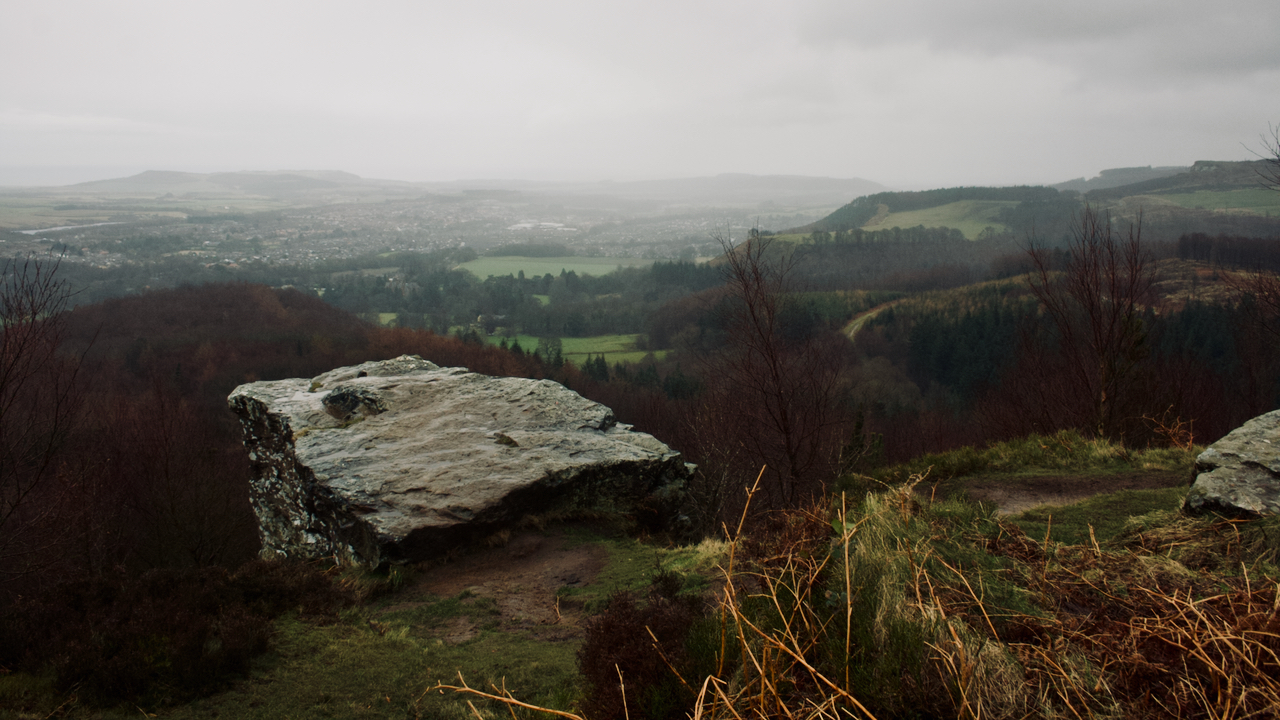
Sir Alfred Pease
“I always considered that the best, highest and most difficult pheasants in England were the ones sent over the guns from Hanging Stone and the hill tops of Hutton and Pinchinthorpe, for they were not only very high and fast, but divers and twisters. I see guns on November 21st and 22nd shot 562 of…