Tag: 19th-century
-
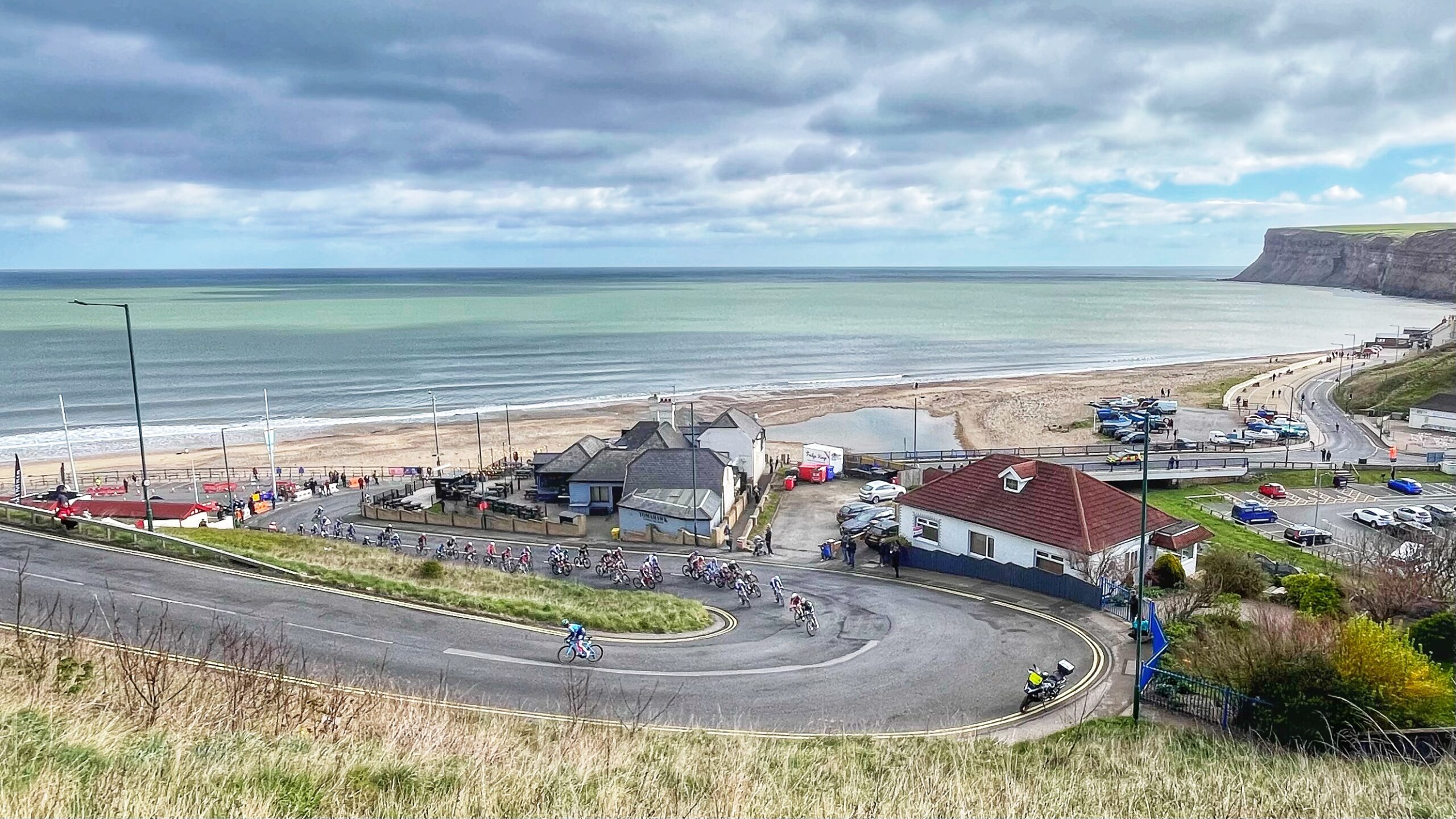
Grinding Up Saltburn Bank
These female athletes are grinding up Saltburn Bank in the 2026 East Cleveland Classic cycle race. They look powerful, focused, and gloriously free. In the 1890s, those same faces would have been handed a medical diagnosis. Doctors called it “Bicycle Face”. Victorian critics insisted that women’s “delicate” bodies were simply not built for the bicycle.…
-
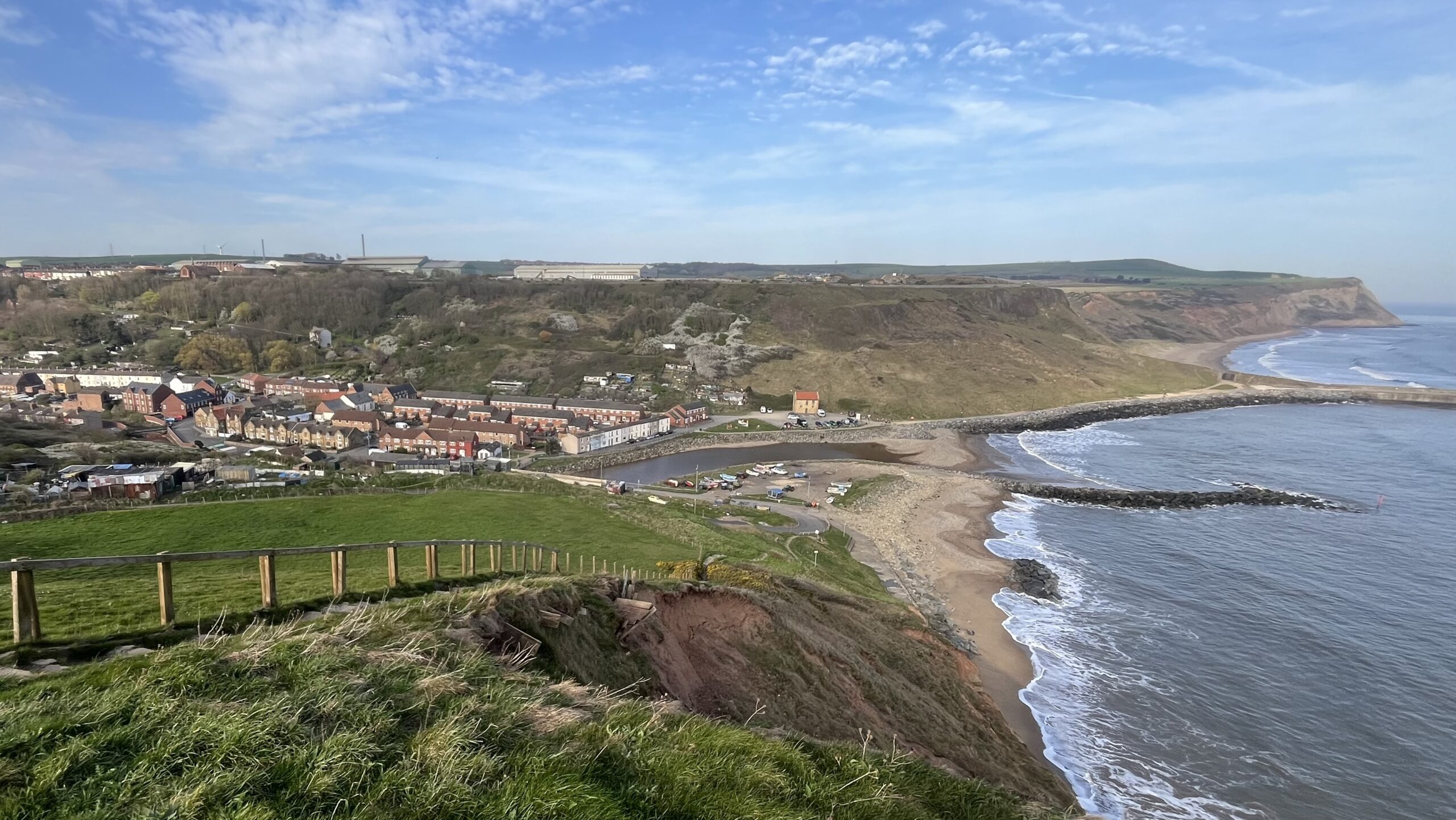
Skinningrove: Facebook History and Other Unreliable Gossip
Yesterday’s descent of Hummersea Cliff into Skinningrove. Terraced houses cluster around Kilton Beck where it meets Cattersty Sands. Rocky breakwaters hold back the North Sea, which is doing its level best to reclaim the shore. The wooden shoring in the foreground is losing an argument with coastal erosion. Will this be the first instance of…
-
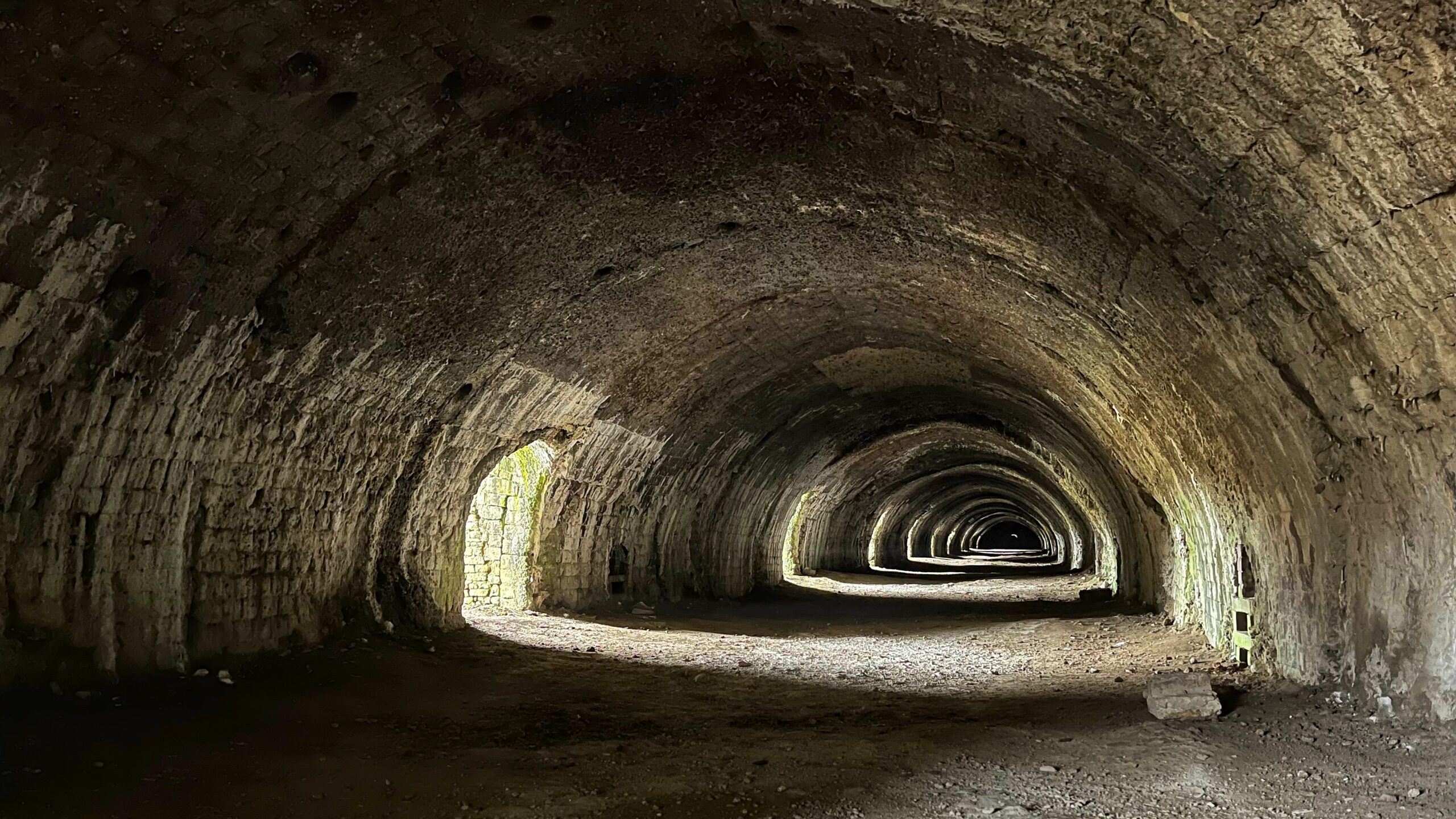
Langcliffe Quarry and its Hoffman Kiln
Langcliffe Quarry was once a place of serious industry, producing lime from the late 1800s to the early 1900s. The remains of three types of kiln still stand here: the Triple Draw, the Hoffmann, and the Spencer. Together, they tell the story of how lime production lurched from the pre-industrial age into the modern world,…
-
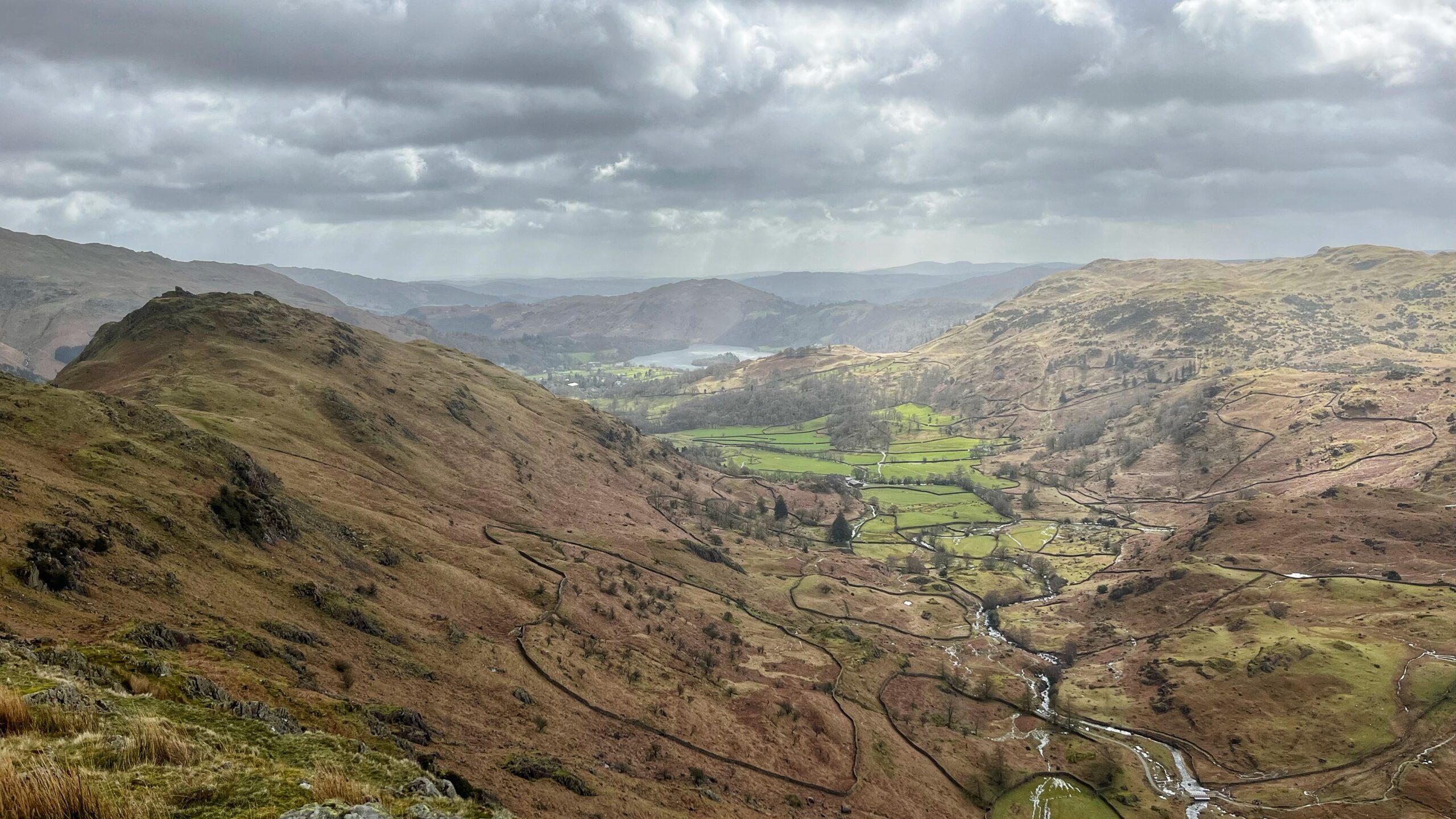
Easedale: Where William Paced and Dorothy Wrote
Another photo from Monday’s climb up Helm Crag. Looking down Easedale, you see more than a rugged Cumbrian landscape. You see a living library. To the left, Helm Crag rises as what Dorothy Wordsworth called “a Being by itself” in 1801. Its summit bristles with famous rock formations: the “Lion and the Lamb,” the “Astrologer,”…
-
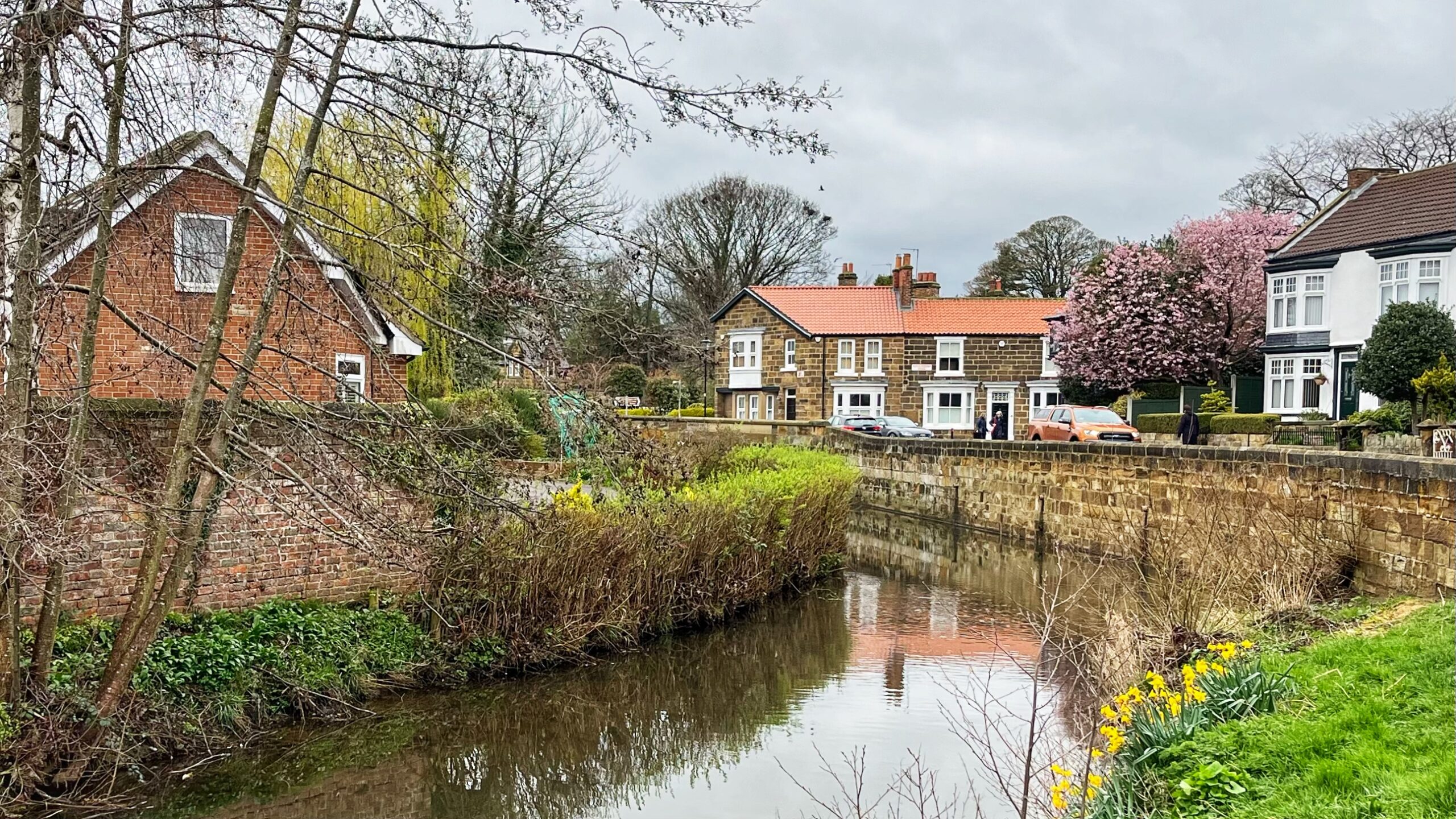
Reflections on Sobriety
A day of rest after yesterday’s National Trust volunteering. The body, it turns out, has opinions. So — the River Leven at Great Ayton. A stone wall keeps the High Street dry and throws its reflection onto water so calm it seems almost embarrassed to move. Daffodils and a pink-blossomed tree do their best to…
-
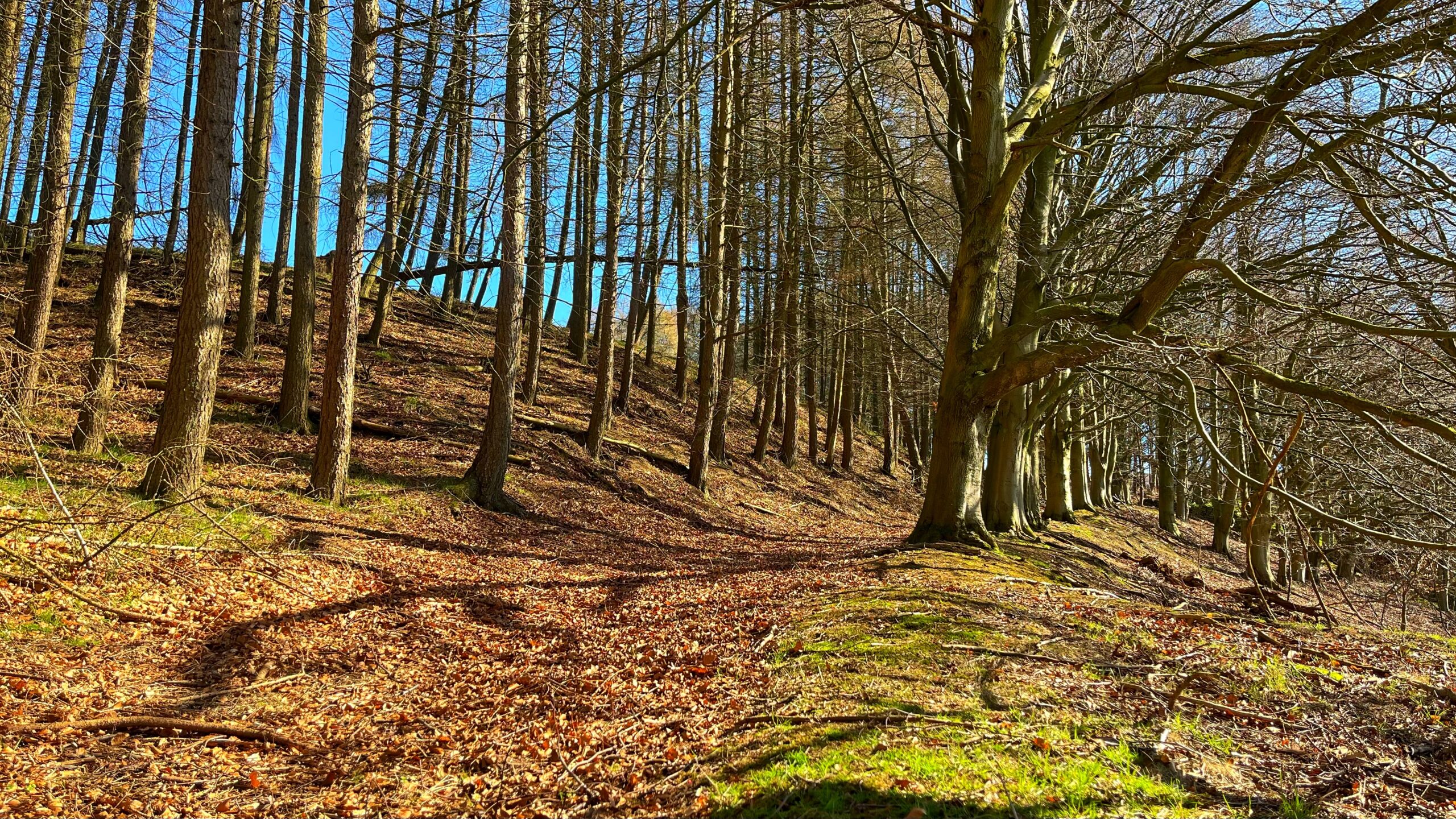
The Duncombe Drive: Lost in Plain Sight
Repairs to fencing offered a rare glimpse into a part of Bransdale not open to the public. The photograph shows Hall Plantation, where a line of beech trees accentuates what is clearly an old trackway, its course still visible beneath a deep carpet of last year’s leaves. The track has been sitting quietly here since…
-
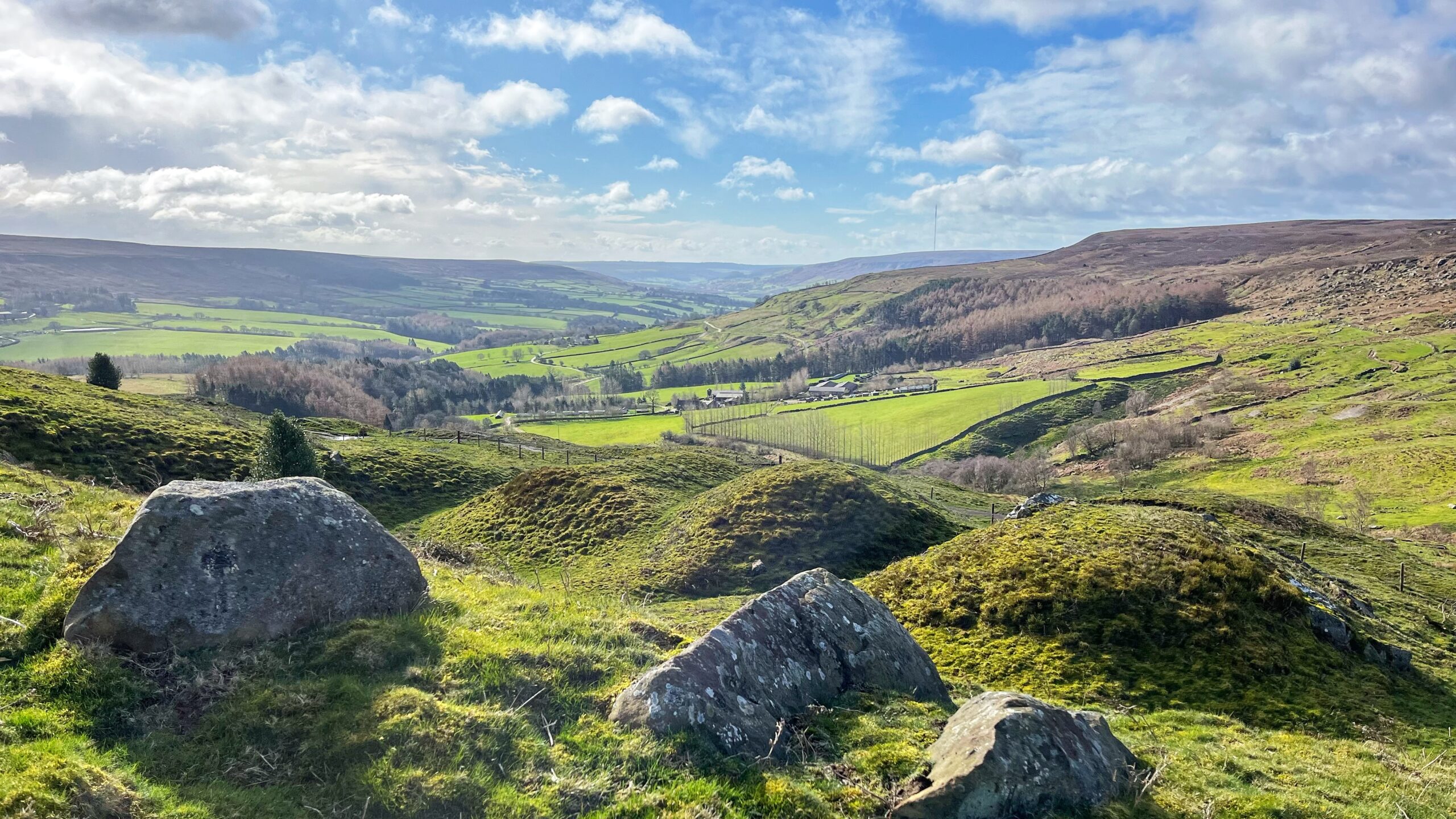
Lady Day: When England Turned Over a New Leaf
March 25th was not just another date. It was the day England once held its breath, then exhaled. Until 1751, Lady Day was the legal New Year. Winter ended. Debts were called in. Contracts expired. The nation lurched back to life like a cart horse after a long cold stable. Rents fell due, farm tenancies…
-
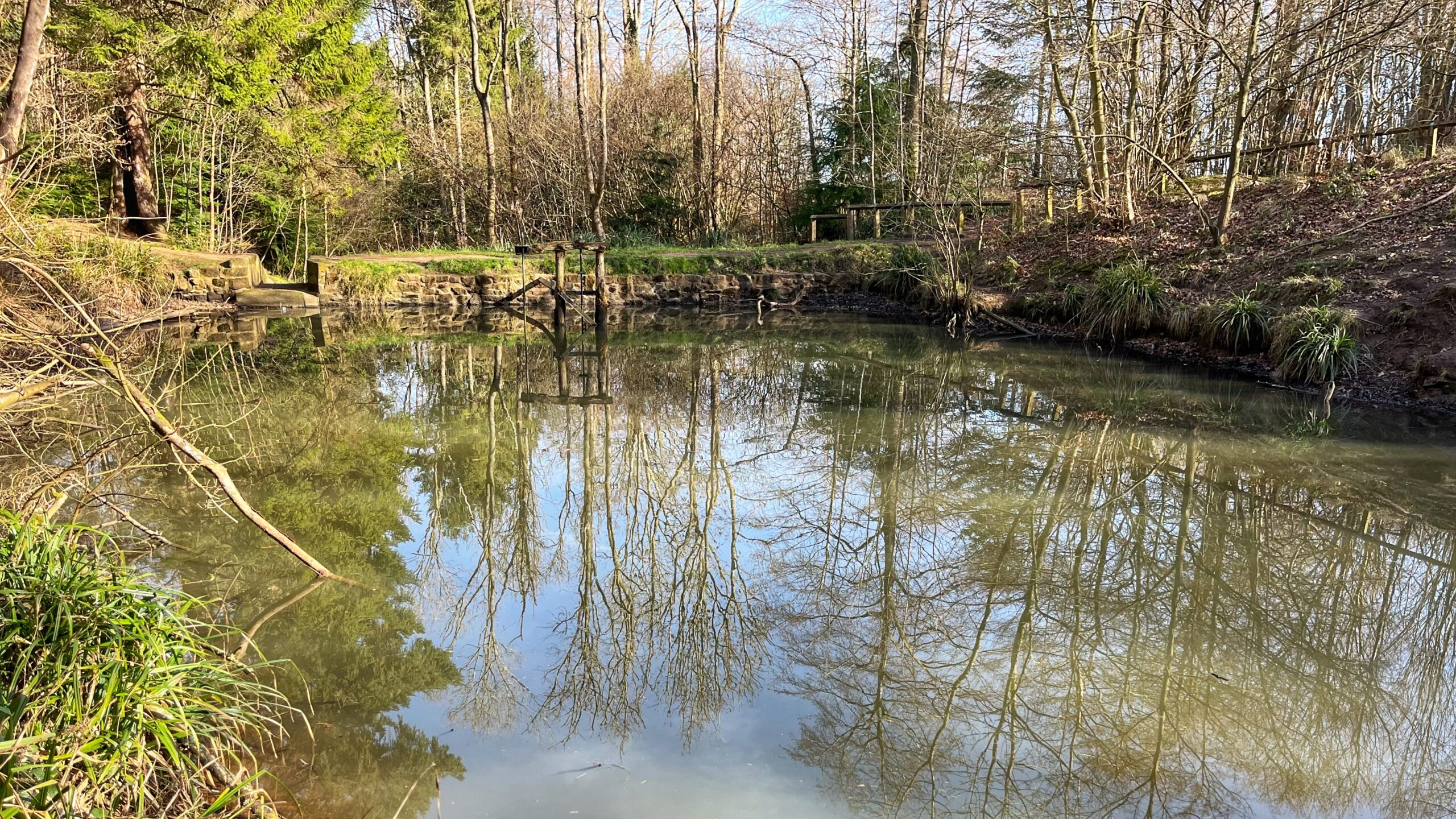
Hanging Stone Dam and the Fall of Sir Joseph
The pond in this photo was built in 1880 by Sir Joseph Whitwell Pease to power hydraulic machinery at his Home Farm half a kilometre downstream. It served that purpose until the 1950s, after which it became a swamp. Local volunteers restored it in 2004/5. Known originally as Hanging Stone Dam, it sits at the…
-
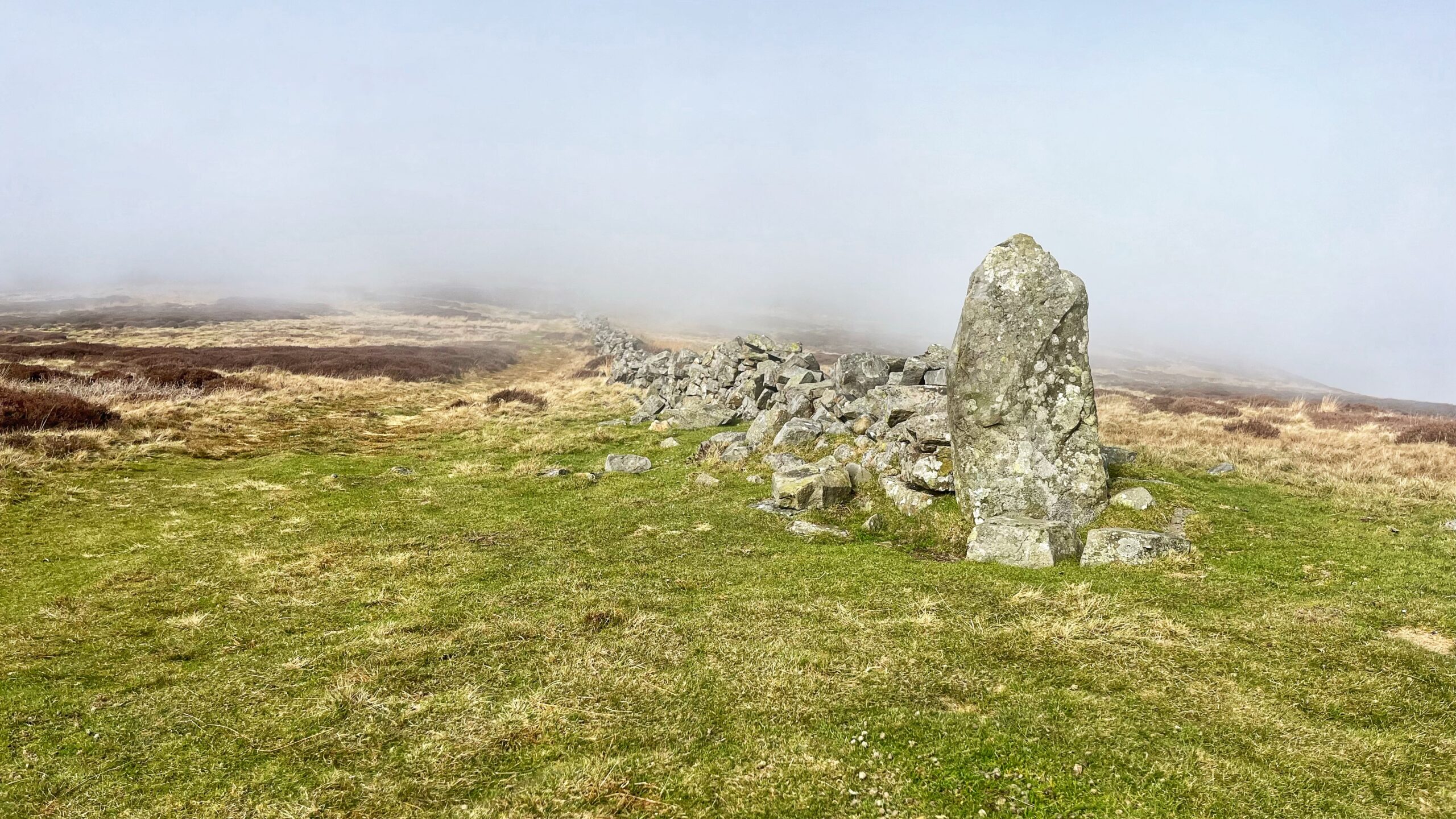
Wall’s End, Calver Hill
Yesterday’s walk in Swaledale served up the full British weather menu — mist, mystery and a fleeting glimpse of actual sunshine. Climbing out of Reeth up Arkengarthdale, we broke above the clouds into glorious blue skies. Descending Calver Hill, the mist swallowed us whole again. As it does. Then this wall appeared from nowhere. A…
-
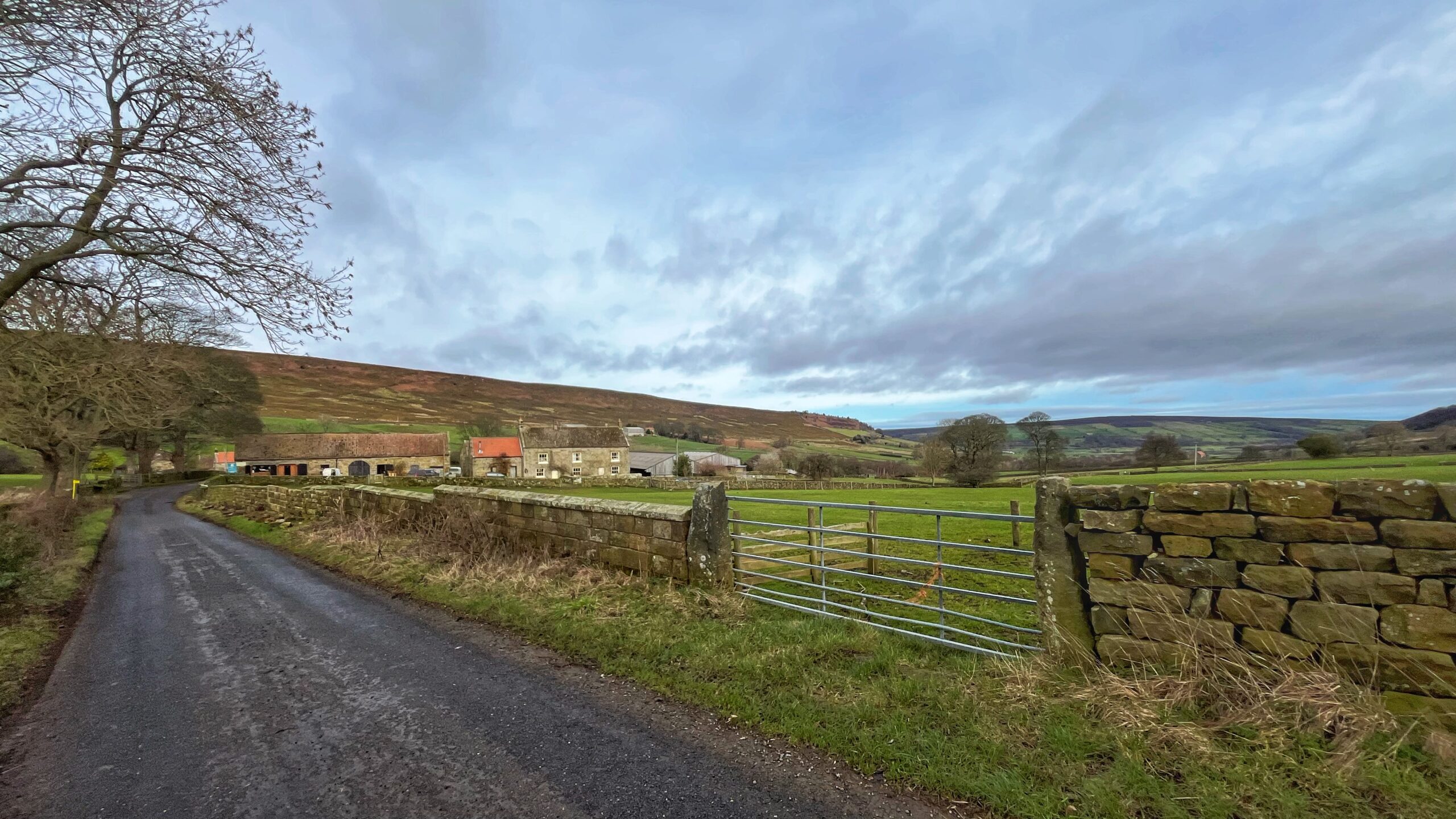
The Last Trace of Fryup Church
Stonebeck Gate Farm sits quietly in Little Fryup Dale, minding its own business, yet the real story lies in the wall that cuts across the foreground. On the right of the metal gate stands ordinary random-coursed dry-stone walling, the sort seen across these hills without a second glance. To the left, however, the tone changes.…