Tag: 18th-century
-
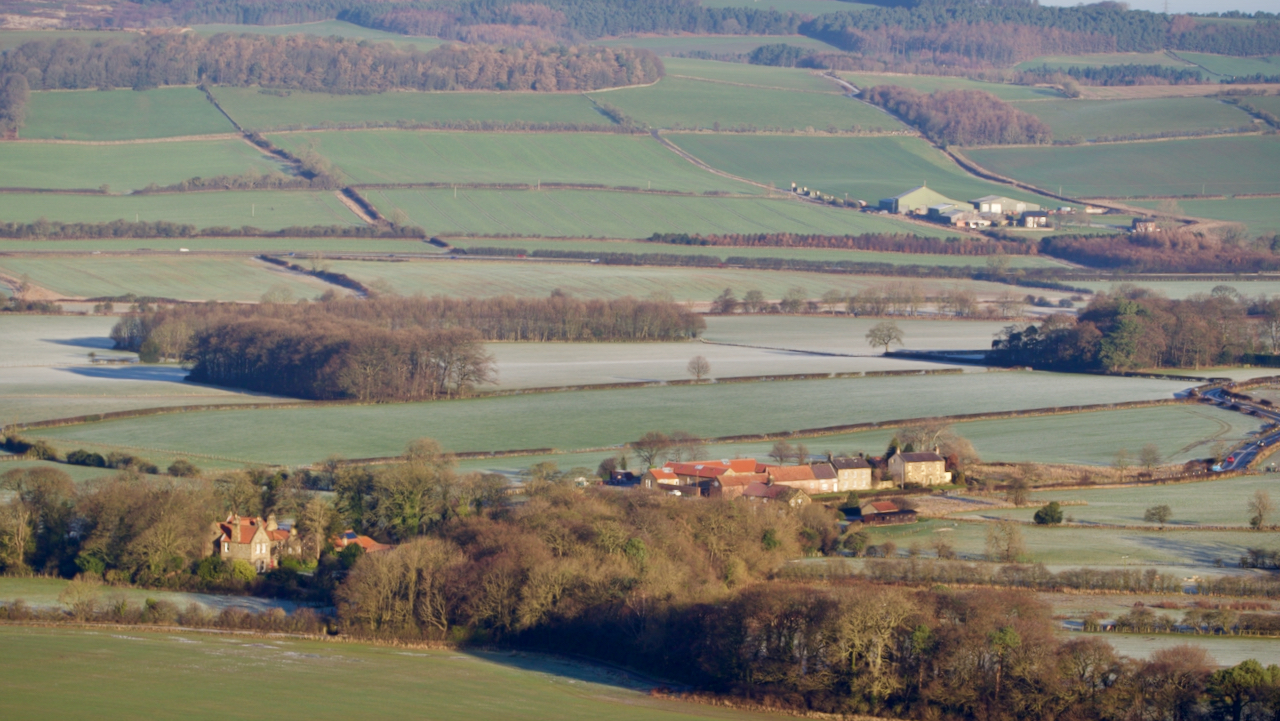
In 1740, High Farm, Pinchinthorpe (centre of photo) was owned by Ralph Ward
Ward, a Guisborian, was “once described as the richest commoner in North Yorkshire” with property in Boulby, Loftus, Aislaby (Yarm), Sandsend, and Guisborough. He was related to the Pease family of Darlington and through his sister’s marriage to the Jackson family. Farming seemed to have been his main business, buying and selling cattle, sheep, and…
-
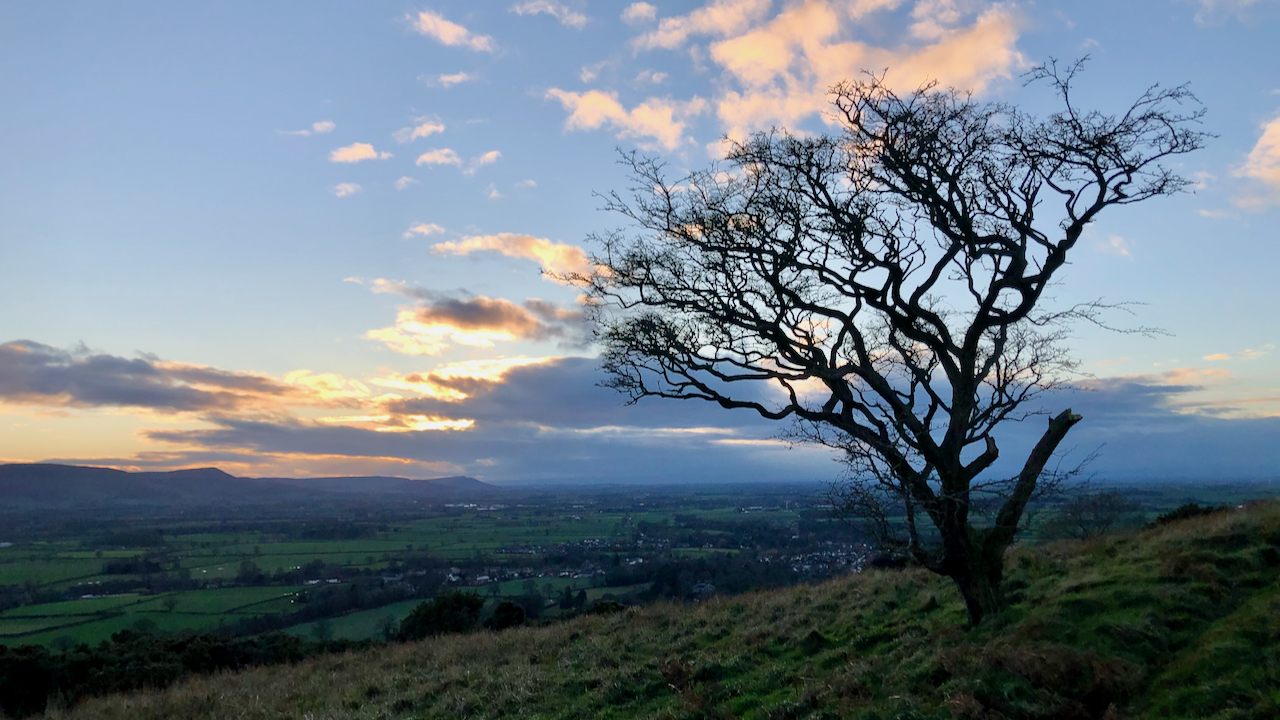
Sunset from Cliff Rigg
A very wet run this morning over the Cleveland Hills. And after lunch, the sun came out. Blue skies. So I dragged the dog up to Cliff Rigg for the sunset. And she repaid me by thorough belching — I made that phrase up, inspired by the 18th-century expression of a ‘thorough-cough‘ which is coughing…
-
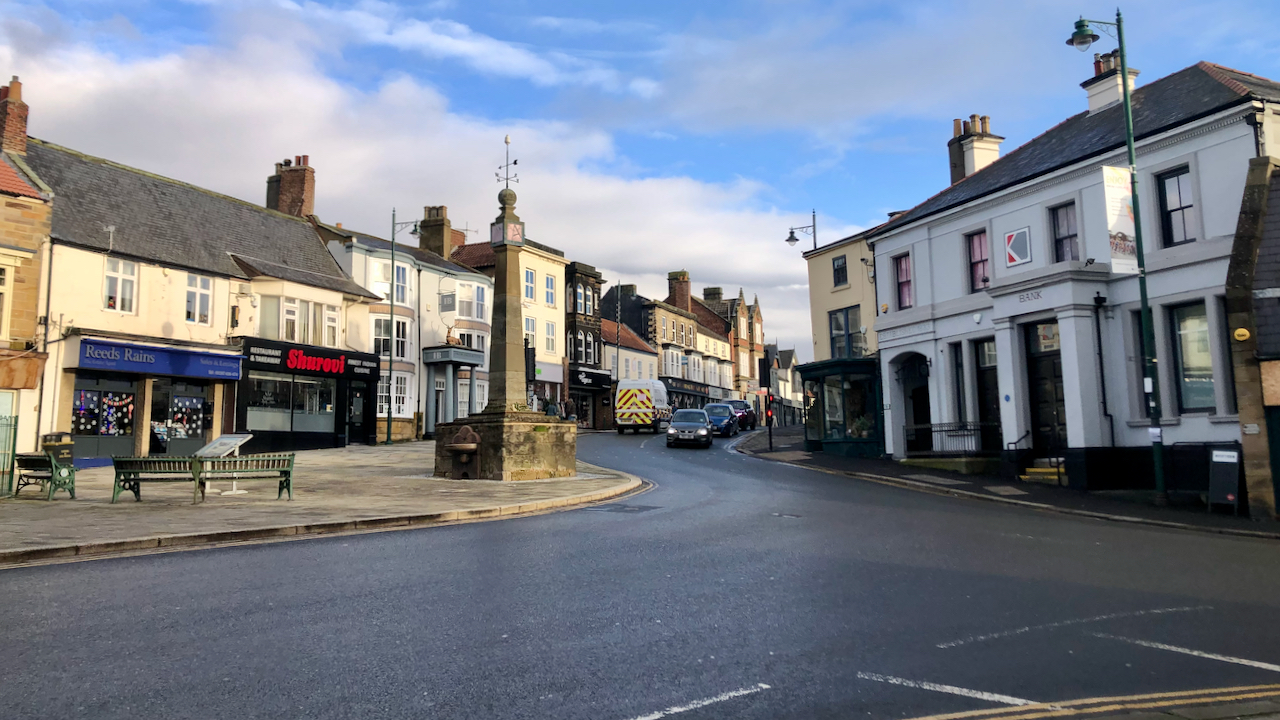
On me bike which meant I had to negotiate Guisborough’s busy town centre!
Surprisingly quiet. The town cross is relatively modern but the steps are worn, perhaps part of the Medieval Market cross although a 17th or 18th century engraving shows circular steps. Perhaps the engraving also shows the town’s bull-ring which was located very near the cross. Yes, bull-baiting was a very popular in this period and…
-
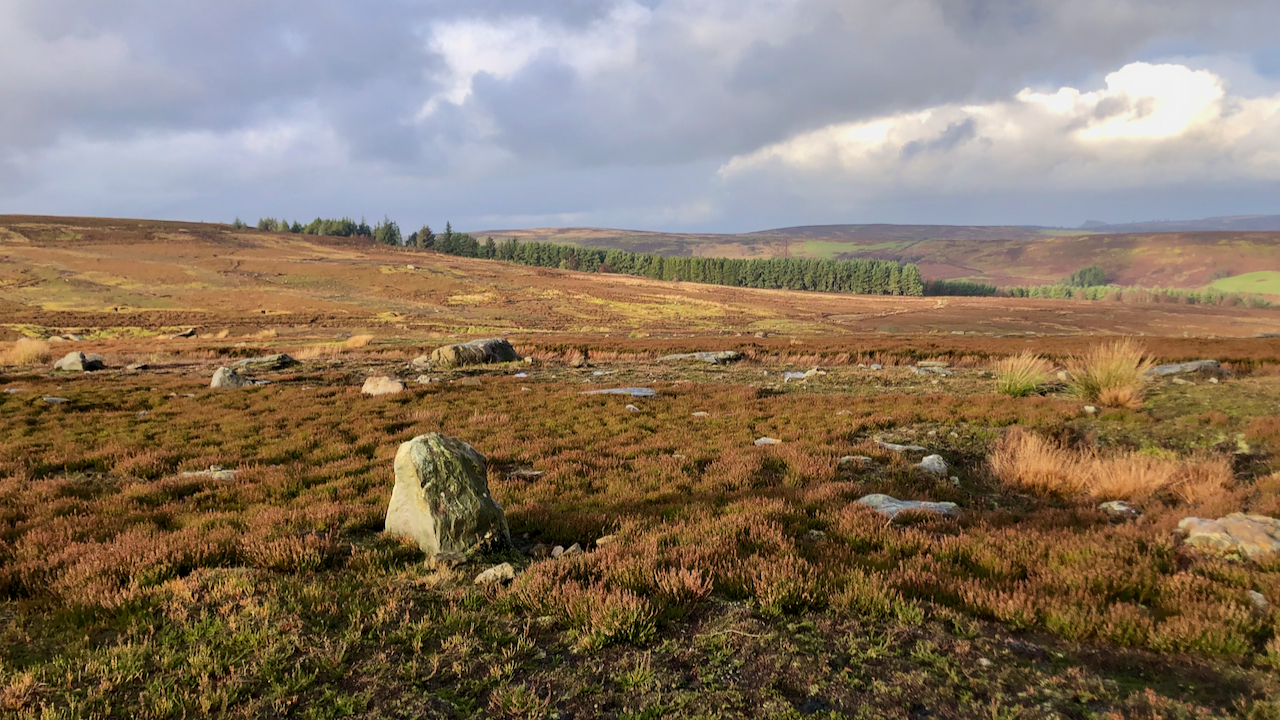
Some days photographic opportunities are few and far between
Today was such a day. Rain, drizzle, a brief interlude of bright sunshine, then more drizzle, followed by a touch of rain. I was on the bridleway mapped as Skinner Howe Cross Path crossing Great Hograh Moor when the sun made one of its brief appearances. This is looking north-west across Baysdale, look closely and…
-
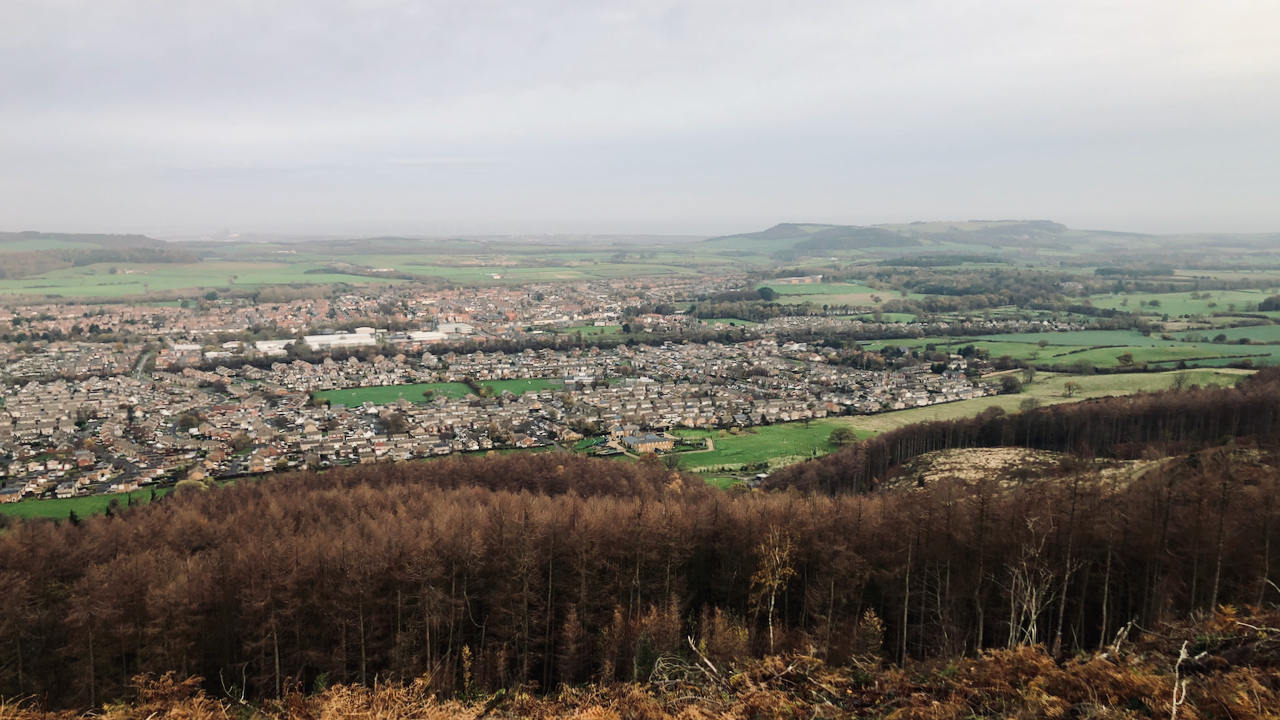
Guisborough Races, 1784: Asses, Mens’ sack race, Ladies, and a Soap-tail’d Pig
Guisborough, population around 17,000. At the turn of the 19th-century, in the 1801 census, it was a mere 1,719. This was the eve of the industrial revolution, nevertheless it was the largest town in the area, the focal point of trade, although the alum industry, once a major employer, was in decline. Another industry which…
-
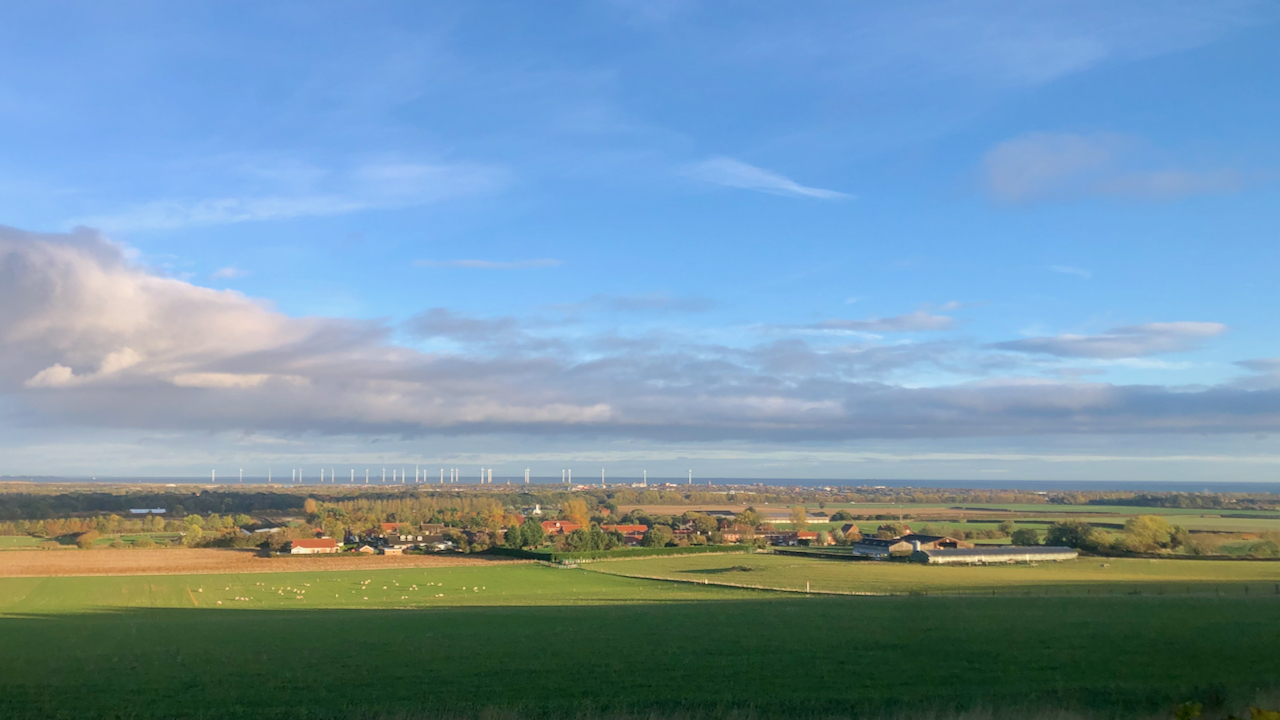
Yearby
An early, gloomy start from Yearby Bank back home via Eston Nab, a prominence which used to be a regular run but now I rarely go. After a few minutes, the sun broke over the hill revealing super lighting over the coastal plain. Yearby is that quiet hamlet at the foot of Yearby Bank, notorious,…
-
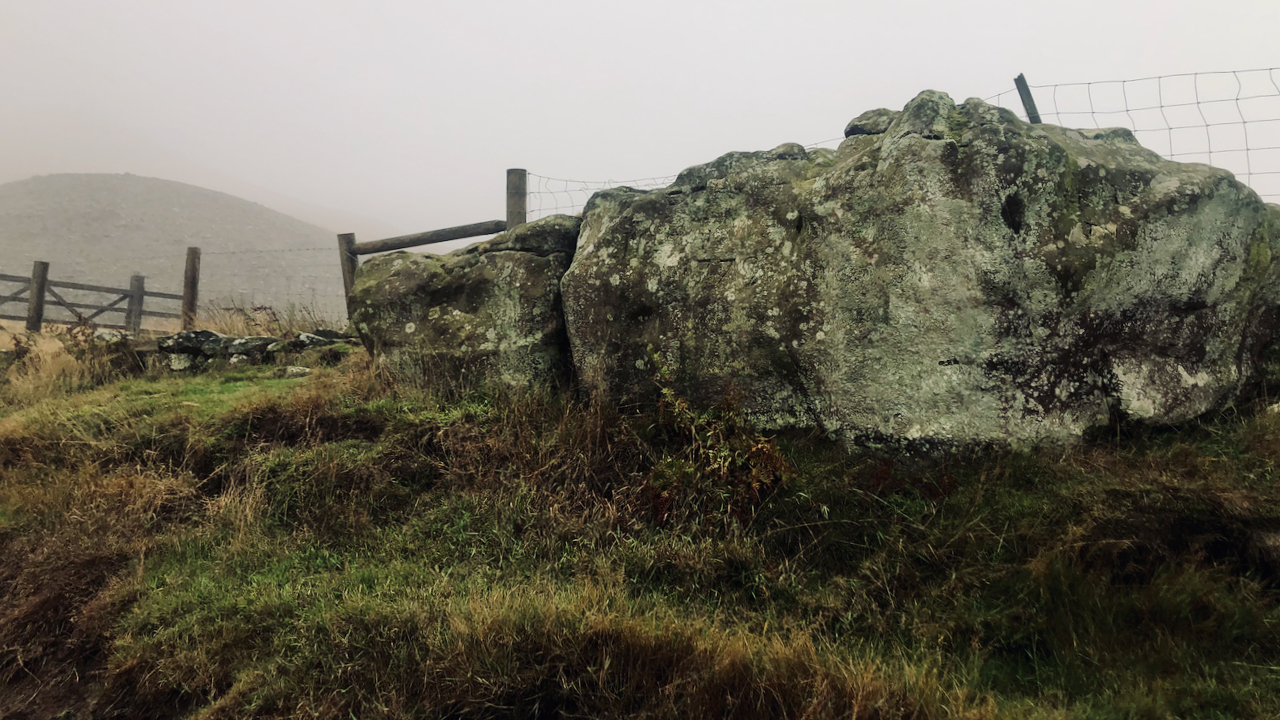
In search of prehistoric rock art
What a dreich morning. Low cloud meant it was a day not conducive for photography, so I went to look for some prehistoric rock art on Garfit Gap. Garfit Gap is the col between the Wainstones and Cold Moor and contains many boulders on which with rock art has been identified. Now I’ve looked for…
-
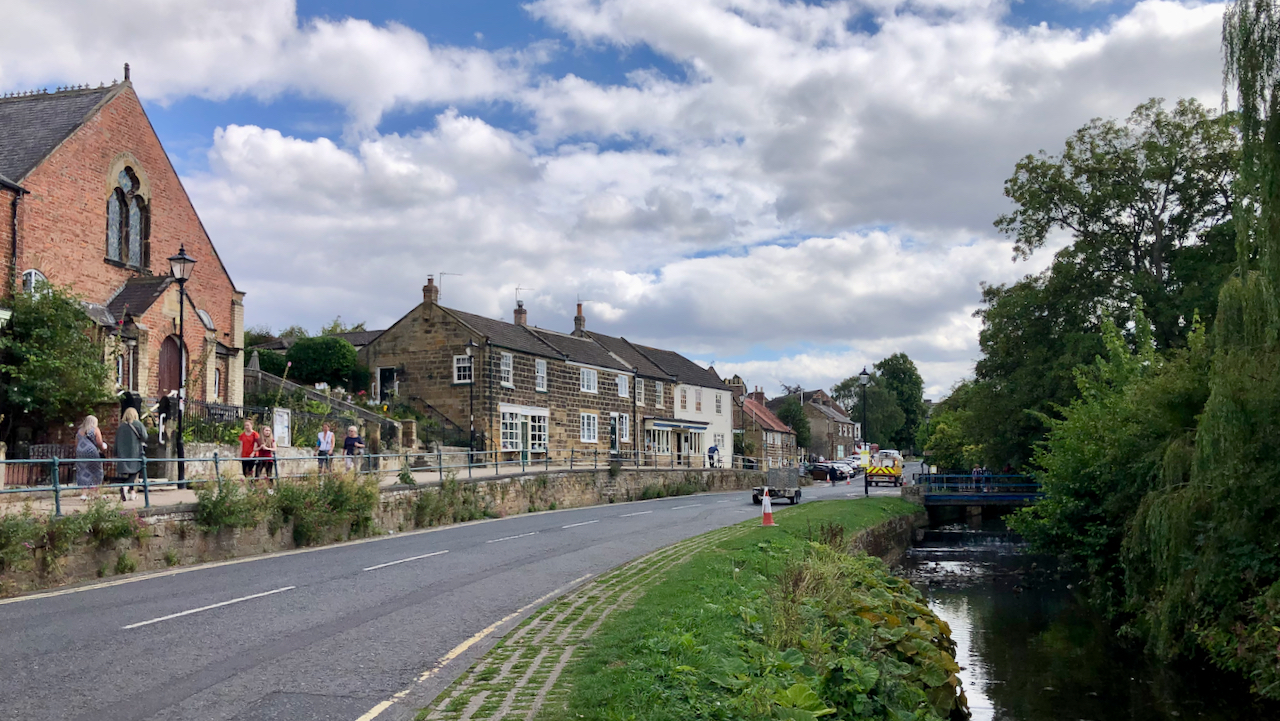
A rare view of a traffic-free High Street in Great Ayton
The council’s hard at work tidying up the pot-holes, pending the arrival of the Tour of Britain cycle race a week on Wednesday (7th September). The typical Victorian-looking ediface on the left is the village hall. It started out life as a Wesleyan Methodist chapel in 1862 and was given to the village by Sir…
-
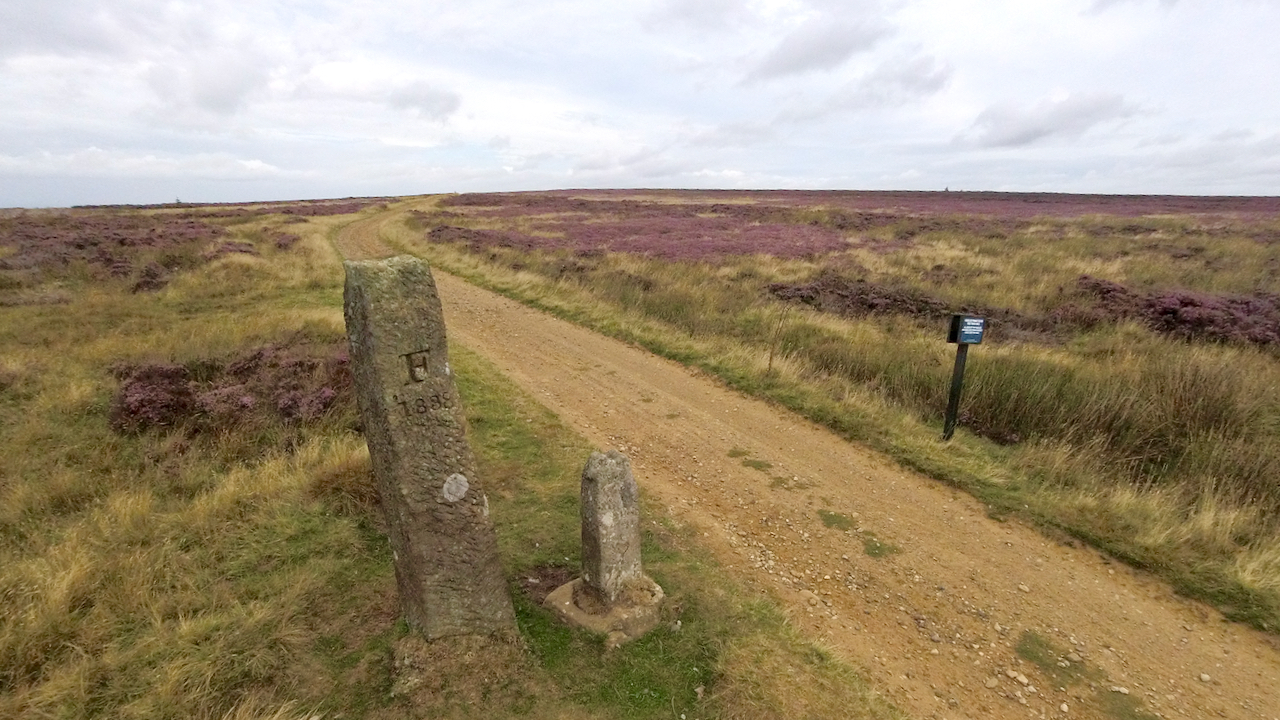
Jenny Bradley stone
My mind was piqued by the following sentence in a 1906 article in the Whitby Gazette by that prolific writer on all North Yorkshire matters, John Fairfax-Blakeborough (1883-1976): A mile or so from the Nab is to be seen, by the side of the road, a stone which, to the traveller unversed in local legend,…
-
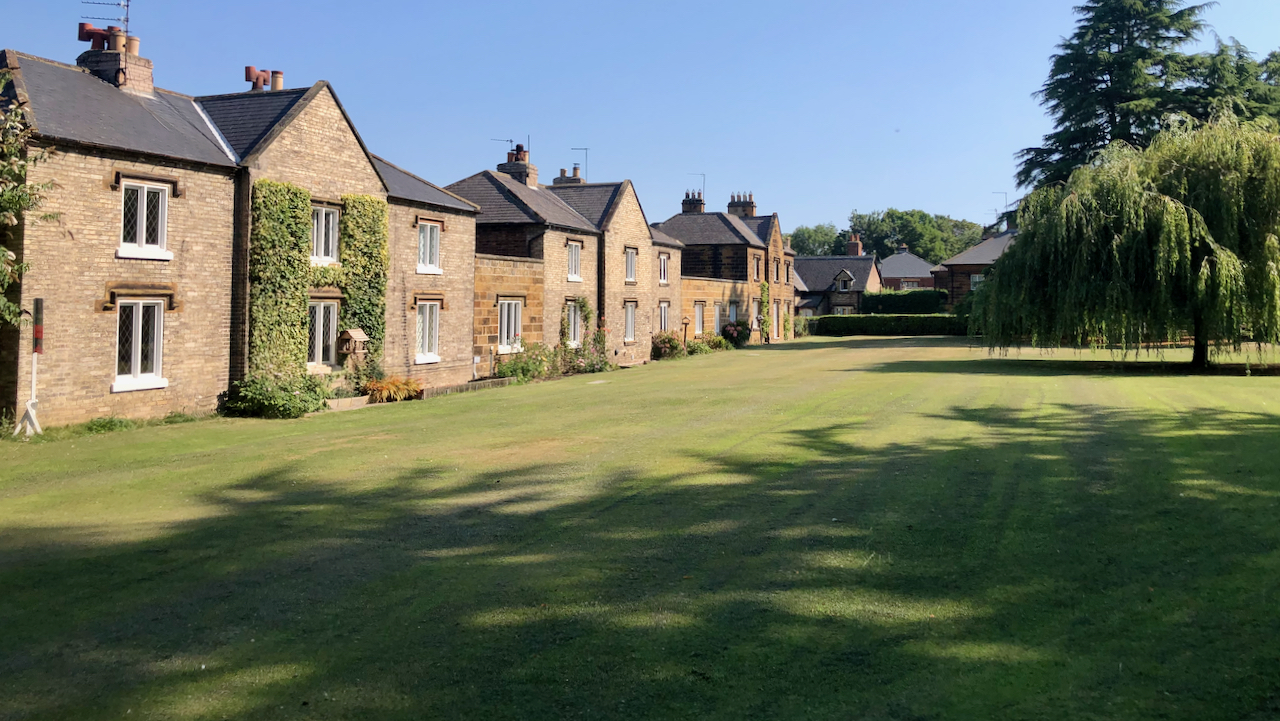
Wilton village
Perhaps the most least known village of Teesside. Its tweeness belies its proximity to the petrochemical industries of the Wilton International Site, or whatever it calls itself nowadays. Wilton offers plenty of photogenic opportunities. The ‘Castle’, rebuilt 1807 and now a golf club; the old school, built 1855, and the church, rebuilt 1907/8. I think…