-
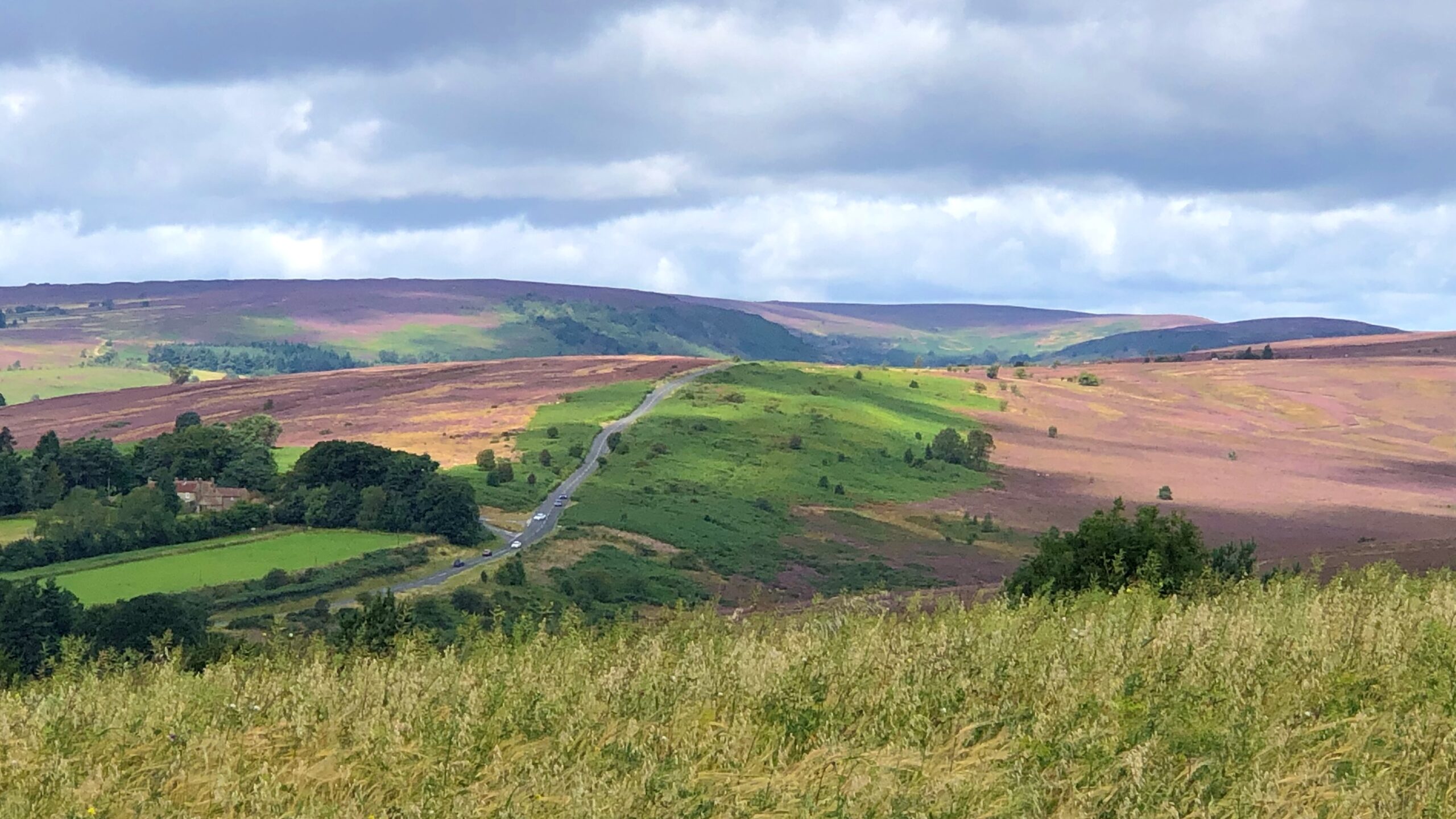
From Blakey Ridge to Hutton le Hole
The North York Moors, with their picturesque dales, lure photographers like moths to a candle. However, lurking between these dales are the ‘riggs’—or ridges—seldom graced by the eyes of admirers, yet bearing the heavy burden of being the ancient arteries of communication since time immemorial. Today’s photograph shows the southern end of Blakey Ridge, shortly…
-

Echoes of Industry — The Uncertain Future of Bransdale Mill
Nearly everyone who lays eyes on Bransdale Mill is plagued by the same inquiry: What on earth is to be done with it? When the Feversham family graciously handed over Bransdale and its forlorn mill to the National Trust in 1968, the building was little more than a crumbling relic. The roof had collapsed, the…
-

Nature’s Nightmare: The Environmental Impact of Pheasant Shooting
A jaunt in the countryside typically leaves one with an idyllic sense of peace, a quaint communion with nature. But this morning, I encountered a rather more disquieting spectacle. A bevy of young pheasants, dozens of them, darting about with all the coordination of those small, ravenous Compsognathids from “Jurassic Park.” These birds, though one…
-

Cumulus, Cirrus, and The Cleveland Hills
As I trudged along the escarpment of Great Ayton Moor, my eyes were drawn southwestward, where a rather theatrical display of clouds was being jostled along by an brisk southwesterly wind. My morning walk had started with a few ominous spots of rain, but which was grudgingly giving way to clear skies. One cannot help…
-

The Sheep Walk’s Silent Lament
Long ago, or so the legend goes, a Danish chieftain met a sticky end amongst these rocky crags now known as the Wainstones, a name supposedly derived from the Old Saxon ‘wanian,’ meaning to lament. Perhaps our unfortunate chieftain found his doom in this rather dramatic boulder-strewn gap between the rock outcrops, now rather humbly…
-

Betty Strother: A Yorkshire Witch
Cycling through Danby Park today opened up views of Castleton, perched precariously on the rigg across the Esk Valley. I was reminded of one of those countless lockdown projects—those fleeting fancies born of enforced idleness—which, like so many others, has been unceremoniously abandoned to gather dust. This particular project involved the tedious task of transcribing…
-

A Stone in the Heather
While the heather is in full bloom, it seems absurd not to be up on the moors. This boundary stone, standing proud over the heather, is marked on its Bilsdale side with the inscription “FEVERSHAM 1848,” a name requiring little introduction. It refers, of course, to William Duncombe, the 2nd Baron Feversham, whose seat was…
-

Landslides and Lost Steps
The coast offered a respite from the mist that, I understand, shrouded the moors today. This is Port Mulgrave, once a bustling harbour east of Staithes, where ironstone was shipped to the foundries of Tyneside. The descent from the cliff top at Port Mulgrave to the harbour below is no easy task. The path, worn…
-

The Wayward Nuns of Baysdale Abbey
This rickety cairn seems to teeter precariously over Baysdale but it has stood for at least half a century. A former resident once informed me that it was constructed by Roland Close, an estate worker and renowned local archaeologist who grew up in Shepherd’s House, the ‘last’ house in the dale. Close would pass by…
-

The Pinfold of Swainby: A Glimpse into Medieval Livestock Management
Little remains of medieval Swainby, a village first mentioned in records from the late 13th or early 14th century. By the 16th century, many of its villagers were engaged in the tanning industry. At the southern edge of the village stands a small square pen built from large, roughly coursed sandstone blocks, complete with quoining…
Care to comment?