-
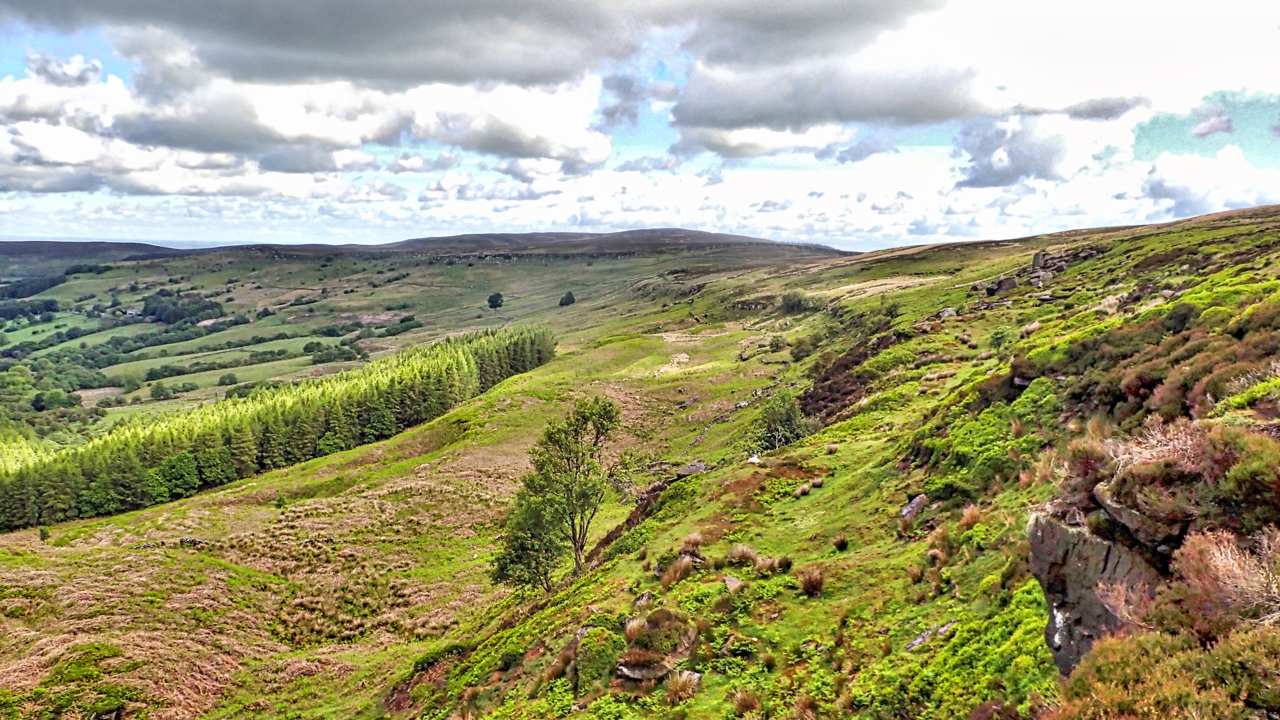
Rank Crag
Exploring the head of Scugdale. A distinct line of crags and broken ground at around the 310m contour, the same height as the nick on Stoney Ridge above Holy Well Gill on the southern edge of Scugdale. A coincidence? Maybe not. Between 26,000 and 10,000 years ago during the last ice age, a great glacier…
-
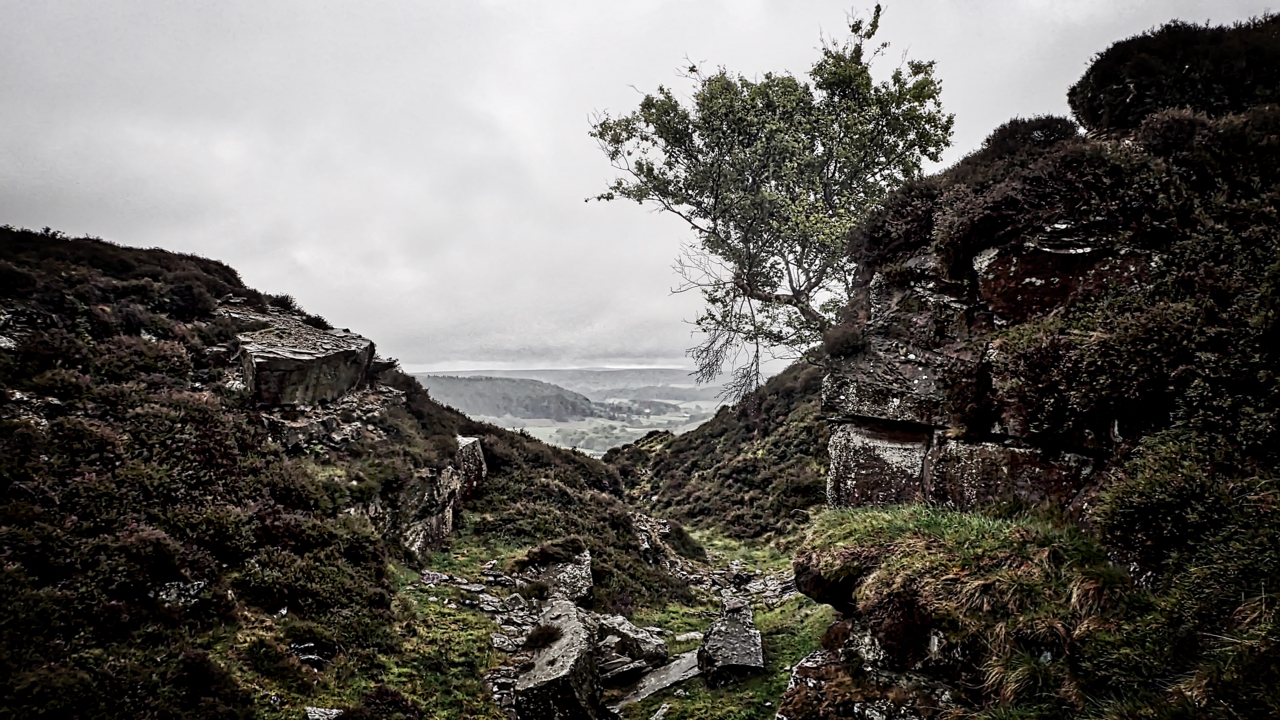
Lonsdale Quarry
A wet morning following by a wet afternoon. The sky mottled shades of grey. It is said the stone used in the building of Christ Church in Great Ayton in 1877 came from Lonsdale Quarry although surprisingly egress for the stone blocks seems to have been uphill over Great Ayton Moor. The quarry is occasionally…
-
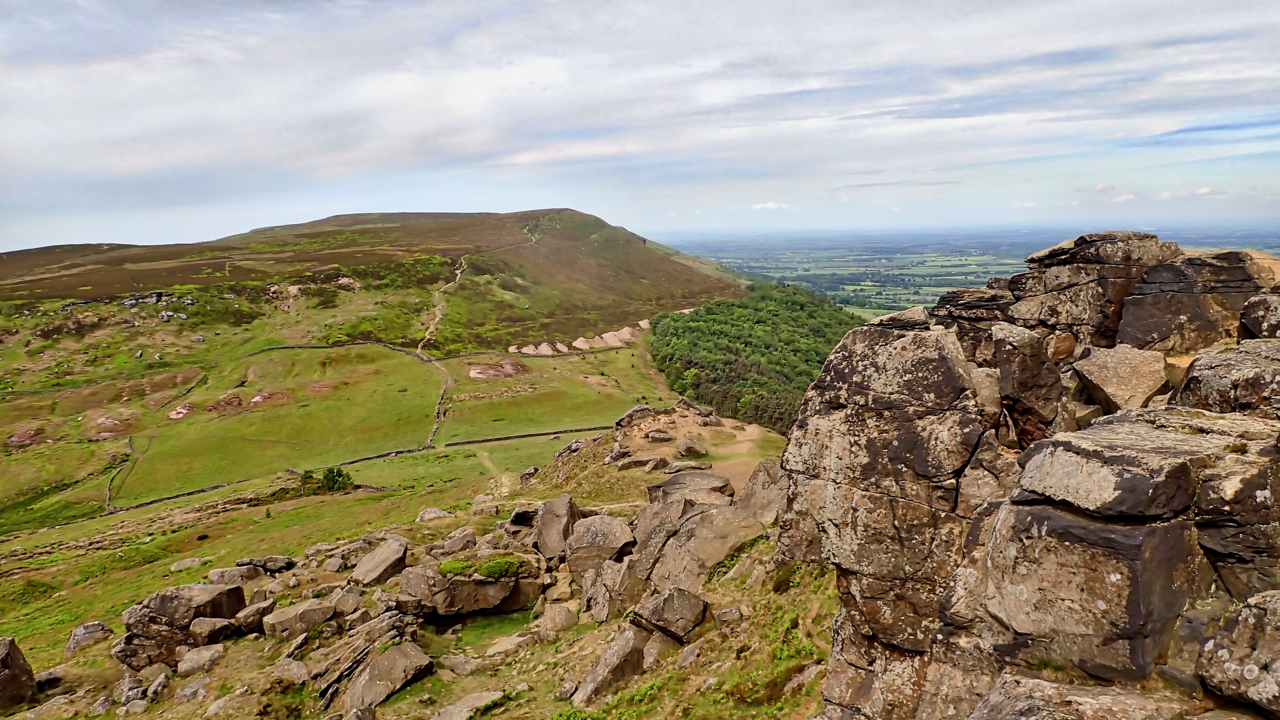
Cold Moor from The Wainstones
One of my main sources of knowledge and inspiration is Frank Elgee’s 1912 book The Moorlands of North Eastern Yorkshire. Elgee was born in 1880 and was a distinguished writer of the geology, archaeology and natural history of the North York Moors. Largely self-taught, he was the curator of the Dorman Museum in Middlesbrough from…
-
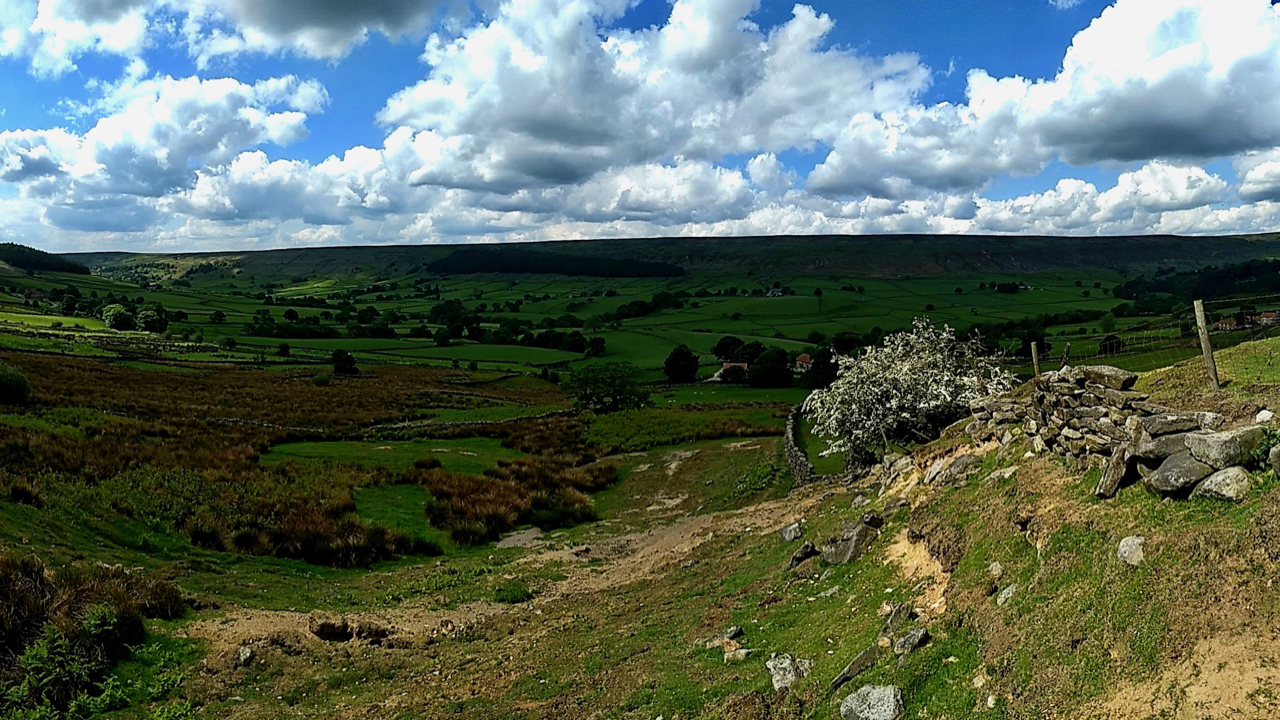
A hawthorn in Bransdale
Have you ever noticed the sudden drop in temperature and light by the shadows cast by drifting Cumulus clouds? Shadows that creep over the ground on a sunny day. The flowers of this hawthorn tree are blazing in the sun whilst across the dale, the hillside is dark and gloomy. Many hawthorns are now losing…
-
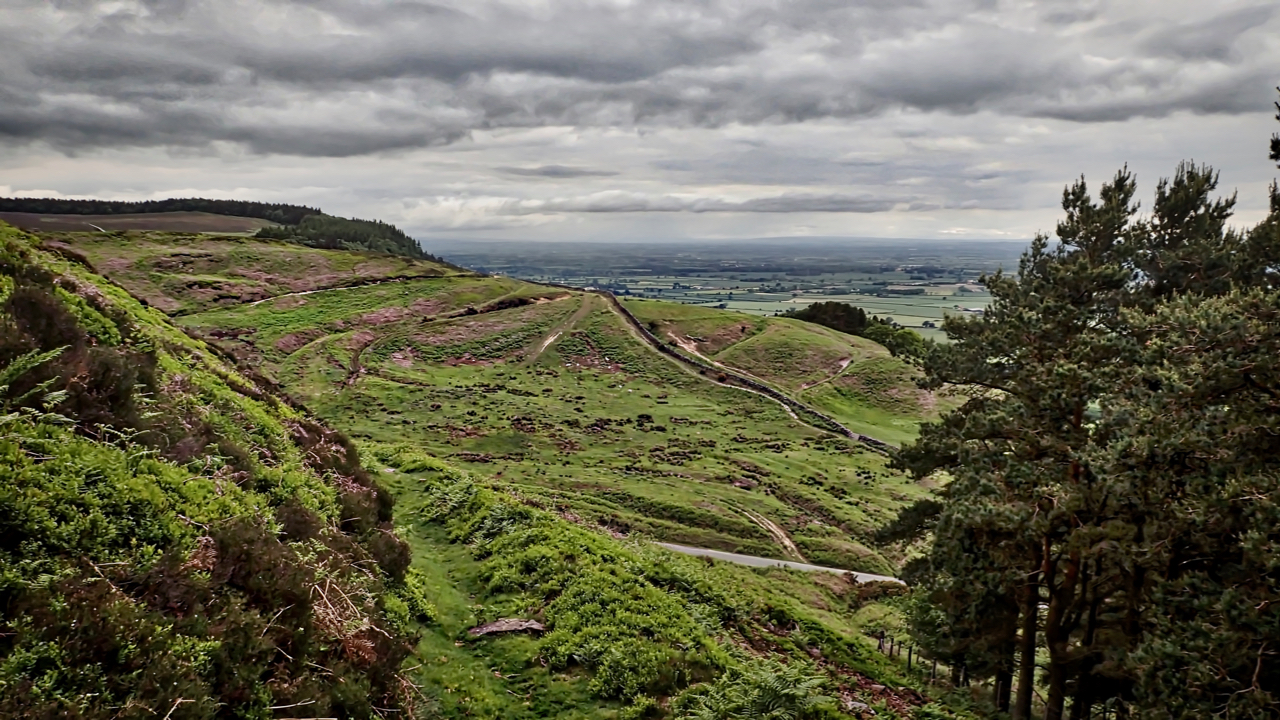
Scarth Nick
A very dull, overcast evening yet peaceful, not a sound to be heard. I took this photo looking back to Scarth Nick during the steep climb of Whorlton Moor. An old track leads down from a sandstone quarry now lost in the plantation of Clain Wood. A great notch in the Cleveland Hills, Scarth Nick…
-
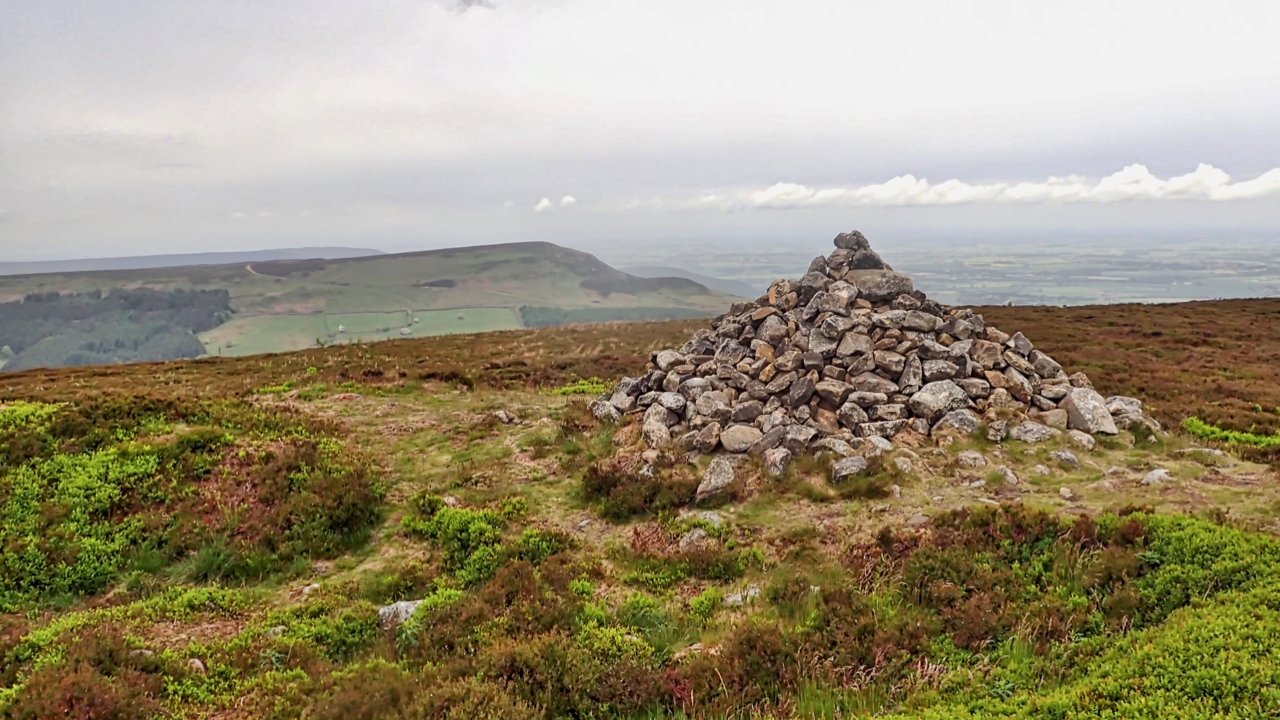
Drake Howe
At 435m Cringle Moor, or Cranimoor as Frank Elgee that local archaeologist, geologist and naturalist would have it, is the third highest hill in the North York Moors. Drake Howe adorns the summit. A large Early Bronze Age bowl barrow or burial mound, making it over 3,500 years old. Elgee suggests that the name Drake…
-
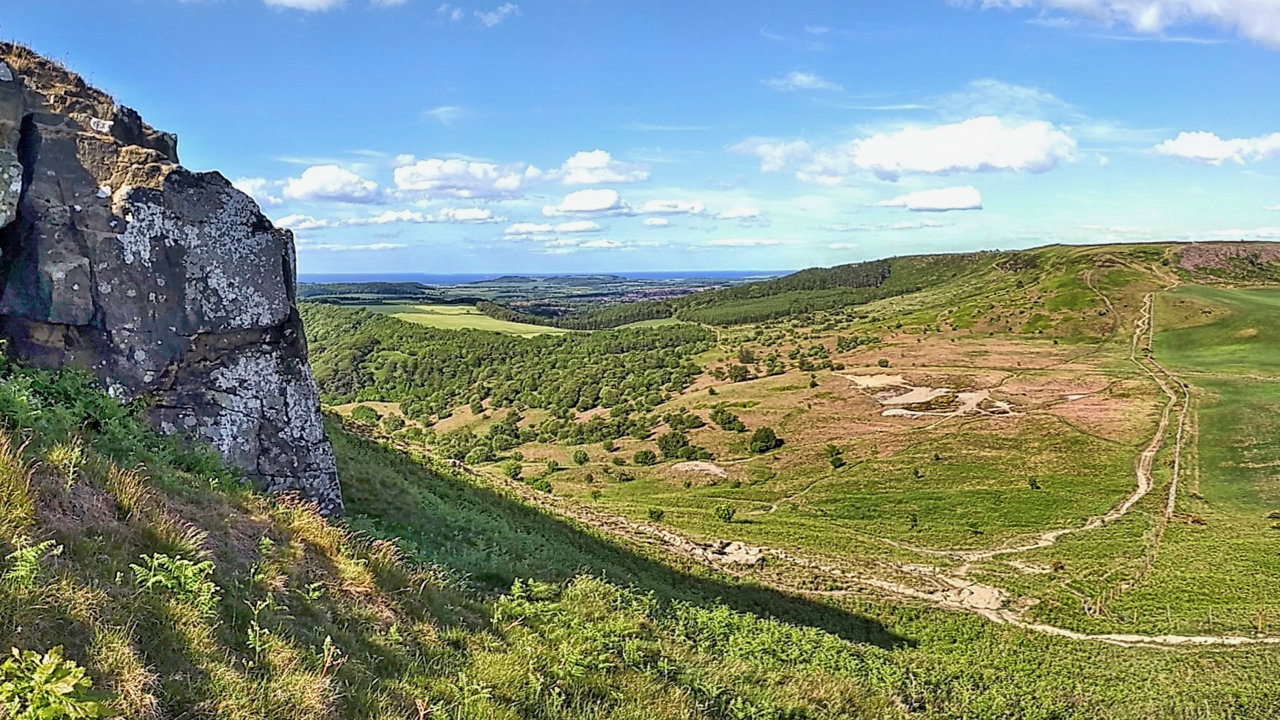
Roseberry Common
An easy Monday, sauntering over Roseberry and to Newton Moor and down Ryston Bank. Young bracken fonds are beginning to dominate Roseberry Common. The zigzags of the paved Cleveland Way can be seen climbing Little Roseberry. A fine view to Guisborough and the North Sea beyond. Open Space Web-Map builder Code
-
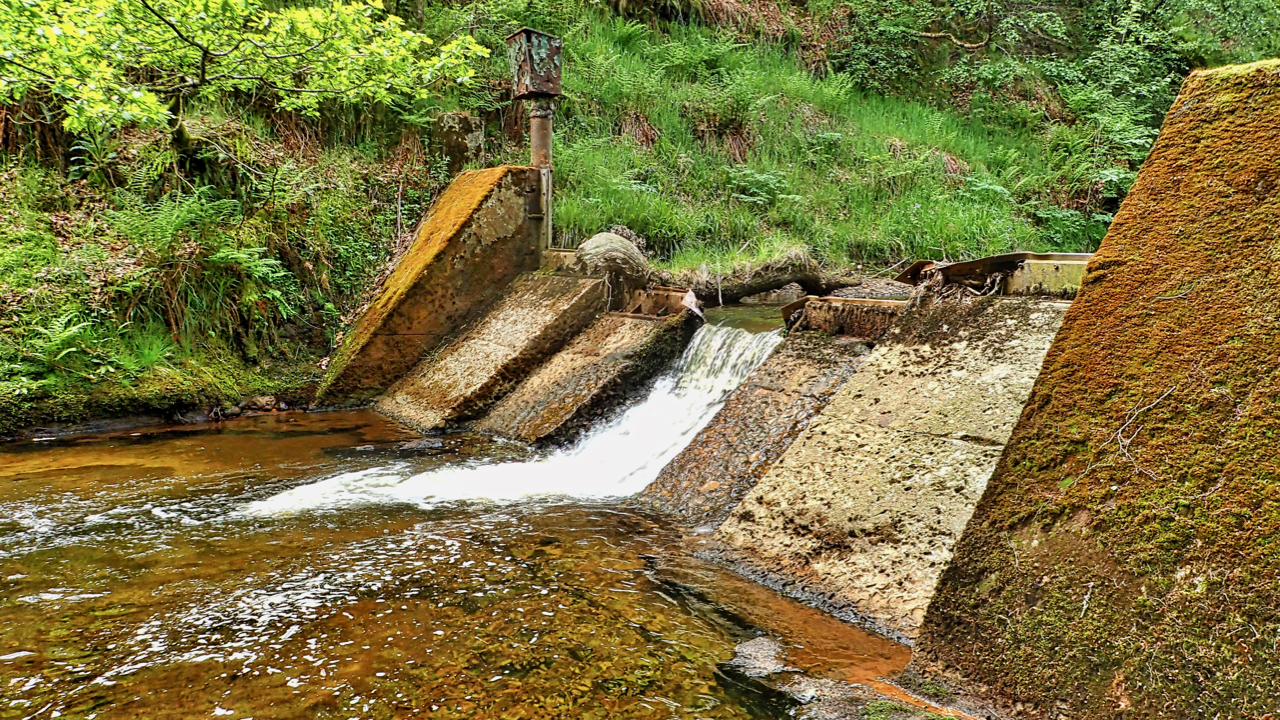
Disused weir, Hodge Beck, Bransdale
I’ve wanted to visit this part of Bransdale for a while, in particular, this disused weir, just below the confluence of Hodge Beck and Shaw Beck. It was built in 1936 as part of the proposed scheme by the Hull City Council Water Board to construct “the second largest reservoir” in the country in the…
-
Waymarker, Blakey Ridge
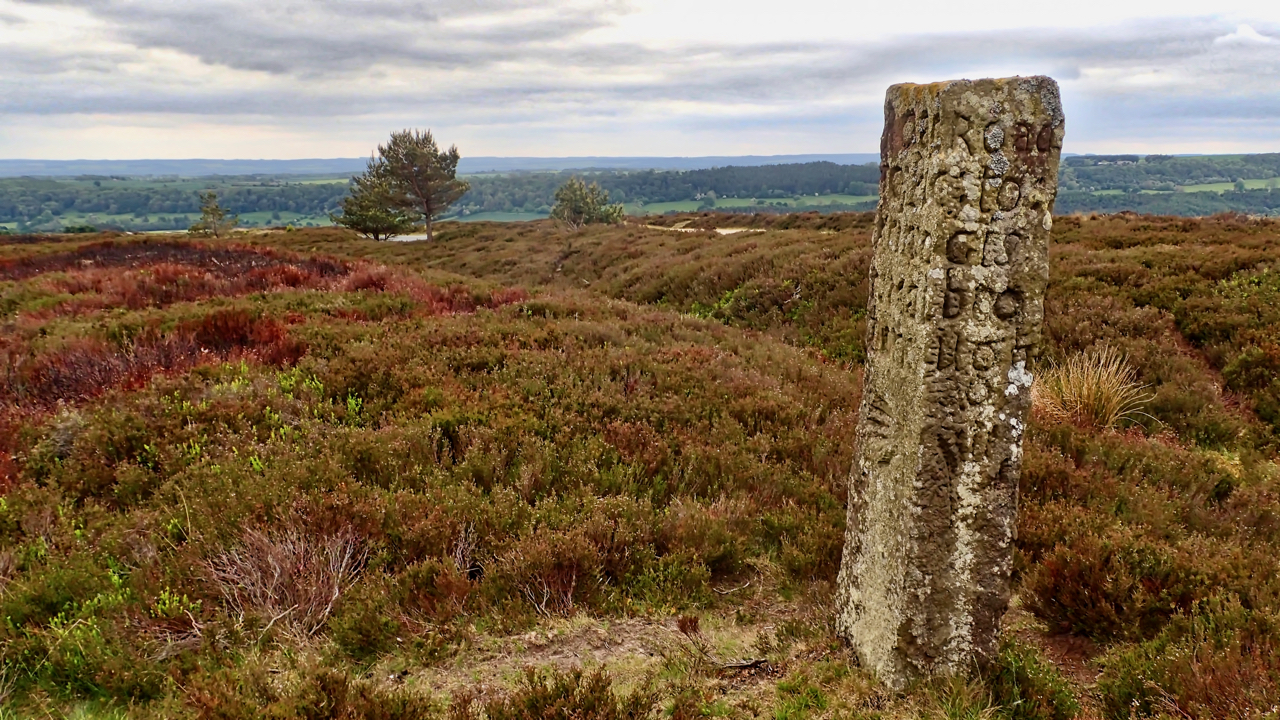
An 18th-century guidestone, a short way off the Blakey Ridge road near Hutton-le-hole. The ditch is probably the old holloway, parallel to the modern tarmac, which is just visible between the two trees. Three faces are inscribed: The west face is obviously the “Road to Kirbymoorside”: RoAd: to:Kirb y:Moor side: The east face is a little…
-
Dægeseage
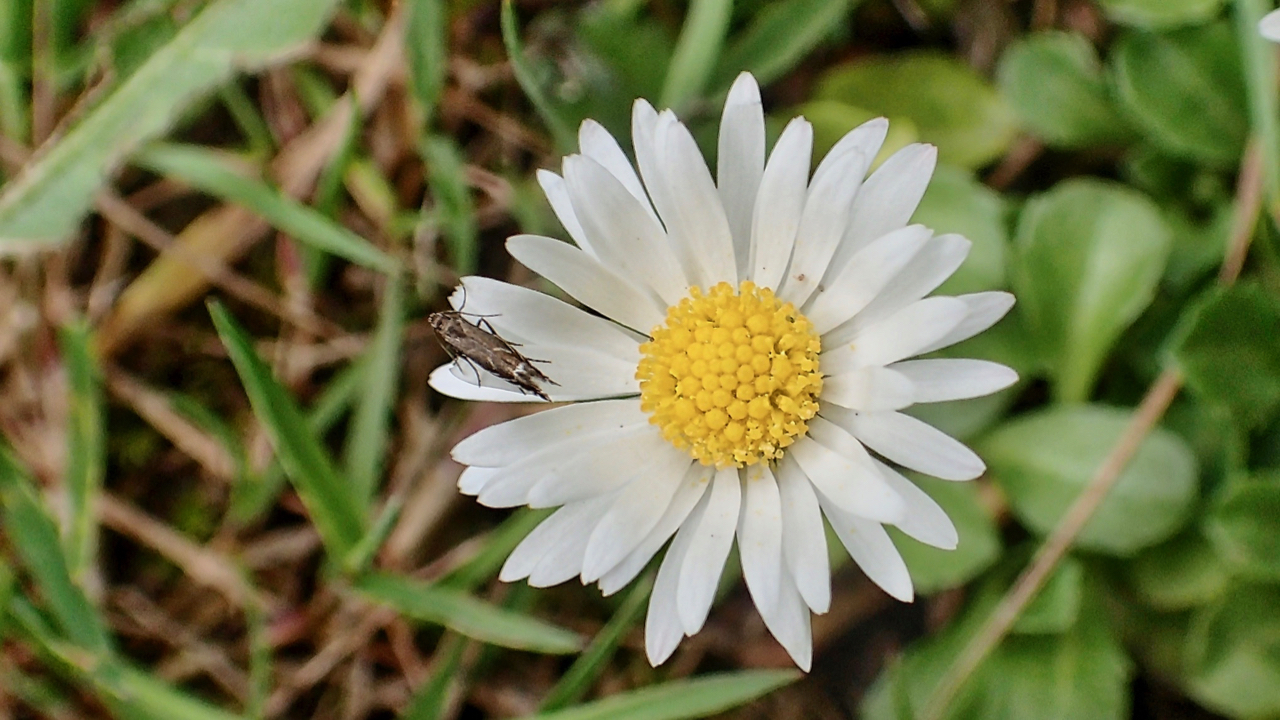
It never ceases to amaze me how much our earliest ancestors were in tune with nature. Or perhaps it’s should be a question of how much modern man is so out of touch. Who is awake at dawn nowadays to notice the humble daisy with its white petals closed tight cupping the cluster of tiny…
Care to comment?