Category: North Yorkshire
-
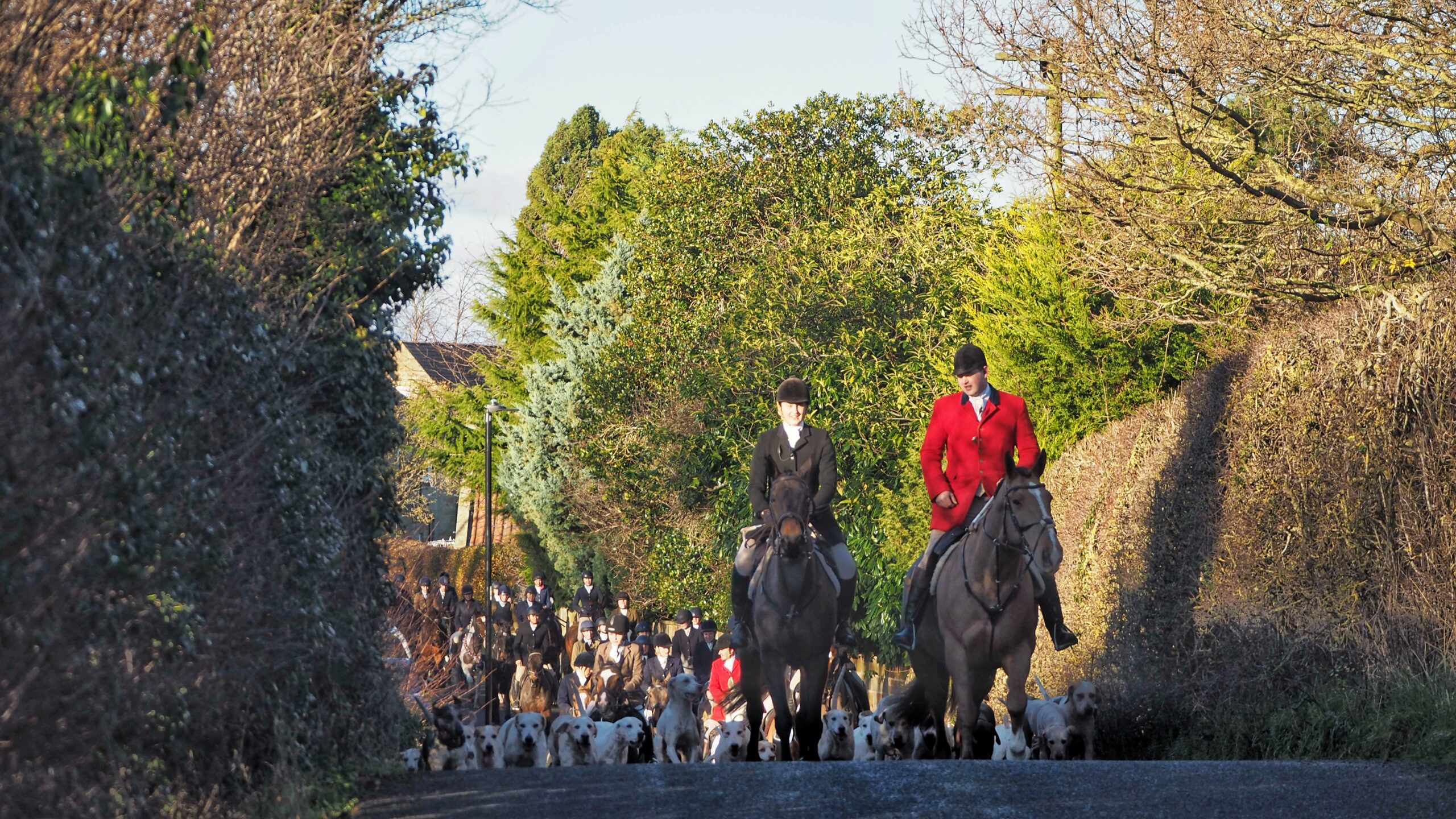
Great Ayton’s Boxing Day Ritual: Auf Wiedersehen?
In 2004, hunting foxes with dogs was banned. This did not, however, end the “sport”. It merely trimmed it back and left three flavours of “hunting” on the menu. First comes trail hunting. This involves following a scent of animal urine laid on a route that is meant to be unknown to the riders. In theory,…
-
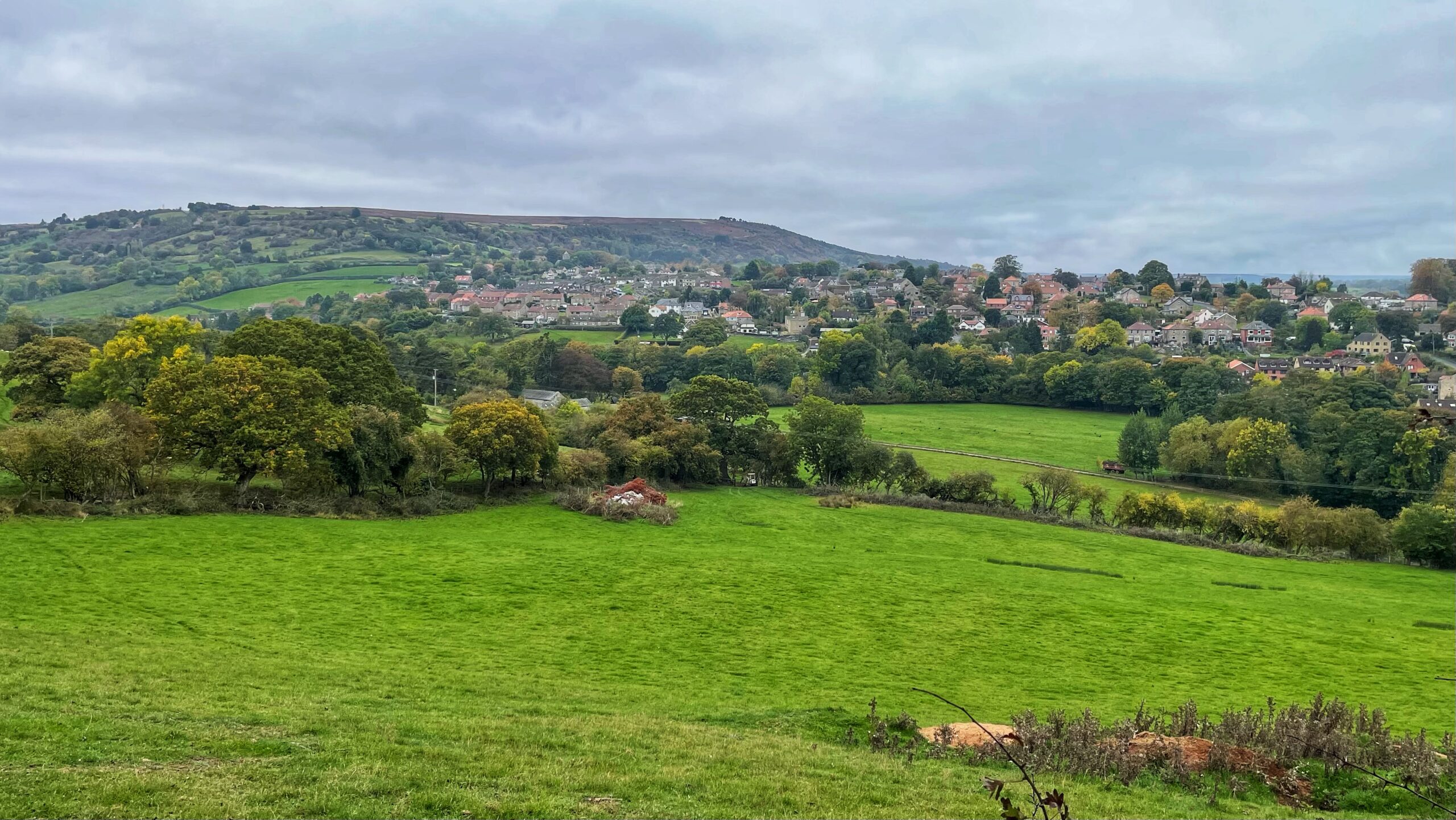
Sleights and the Perilous Descent of Blue Bank
Once upon a time, Sleights must have seemed the very picture of rural contentment: a quiet, respectable village where weary visitors might escape the clamour of industrial England amid green hills and fresh air. It was, one suspects, precisely the sort of place where Whitby’s prosperous merchants might choose to end their days, away from…
-

Easby Abbey
Last Sunday’s wander through Richmondshire brought us to Easby Abbey, a place where ruin and landscape merge into a single, haunting picture beside the River Swale. Artists and antiquaries have long been drawn to it—J. M. W. Turner included—captivated by its quiet grandeur. The abbey was founded around 1152–1155 by Roald, constable of Richmond Castle,…
-

Aske Hall: Elegance with a Shadow
I am not often drawn to country estates, where the visitor is welcome only if he keeps to the designated path and obeys the “do not step on the grass” signs. Yet Aske Hall is a striking exception. This Georgian house, framed by parkland complete with lake and shaped by Capability Brown, wears its history…
-

From Thornborough Henges to the Marmion Tower
A visit to the Thornborough Henges, a trio of massive Neolithic earthworks near the River Ure, offered little for ground photography. Though the banks rise up to four metres, their layout is best seen from the air, so I have linked to this Wikipedia image. Once standing above wetlands, the site is now surrounded by…
-

Kirby Knowle: A Castle with Two Names and One Too Many Stories
Towering above the western edge of the quiet village of Kirby Knowle, this brooding grand house is marked on Ordnance Survey maps as “Newbuilding.” The estate agents, less taken with that name, now refer to it in brochures as plain Kirby Knowle. The asking price is £7 million, in case you are tempted. The “New…
-

A Lost Boundary Stone of Easby
Out on the moors, boundary stones are everywhere. In the Vale of Cleveland, though, they are relatively rare. I had driven past this one for nearly fifty years before noticing it properly. That only happened last year, when two men were working beside it. I assumed they were putting up a rustic farm sign and…
-

St. Anne’s Church, Catterick
I found myself in Catterick with ten minutes to spare. Grand plans of a leisurely stroll quickly shrank to a brisk glance around. The village tries very hard to be charming, with its oversized green and a stream obligingly flowing by. One would not expect such rural pretence given its awkward position—wedged between a military…
-

Locky, de Eure, and the Mystery of the Weathered Effigies
Kirkby-in-Cleveland (or Kirby, for those who prefer brevity) is an ancient settlement, though that much is obvious. The name could either come from old Scandinavian, meaning “the farm by the church,” or from Adam de Kirkby, a Norman baron who once lived in the village and generously handed over land to Guisborough Priory. According to…
-

A Red Grouse, the Civil War, and Pennyman‘s Delinquency
This Red Grouse, clearly unimpressed by my presence, stood its ground clucking defiantly as I trudged up Easby Moor. Its red wattle gave away its gender, maybe it was trying to attract a mate. Back in the 17th century, grouse would not have been hunted to the same extent as today but still might have…