Category: North York Moors
-

From spoil to… What will this heap become?
I stumbled upon an intriguing new feature in the Cleveland Hills today. Gazing westward, Highcliff Nab stands prominent in the background. A vast expanse of Guisborough Forest had been clear-felled and replanted with conifer seedlings. Amidst this scene, someone had built a conical mound of earth, about three metres high with a flat top. But…
-
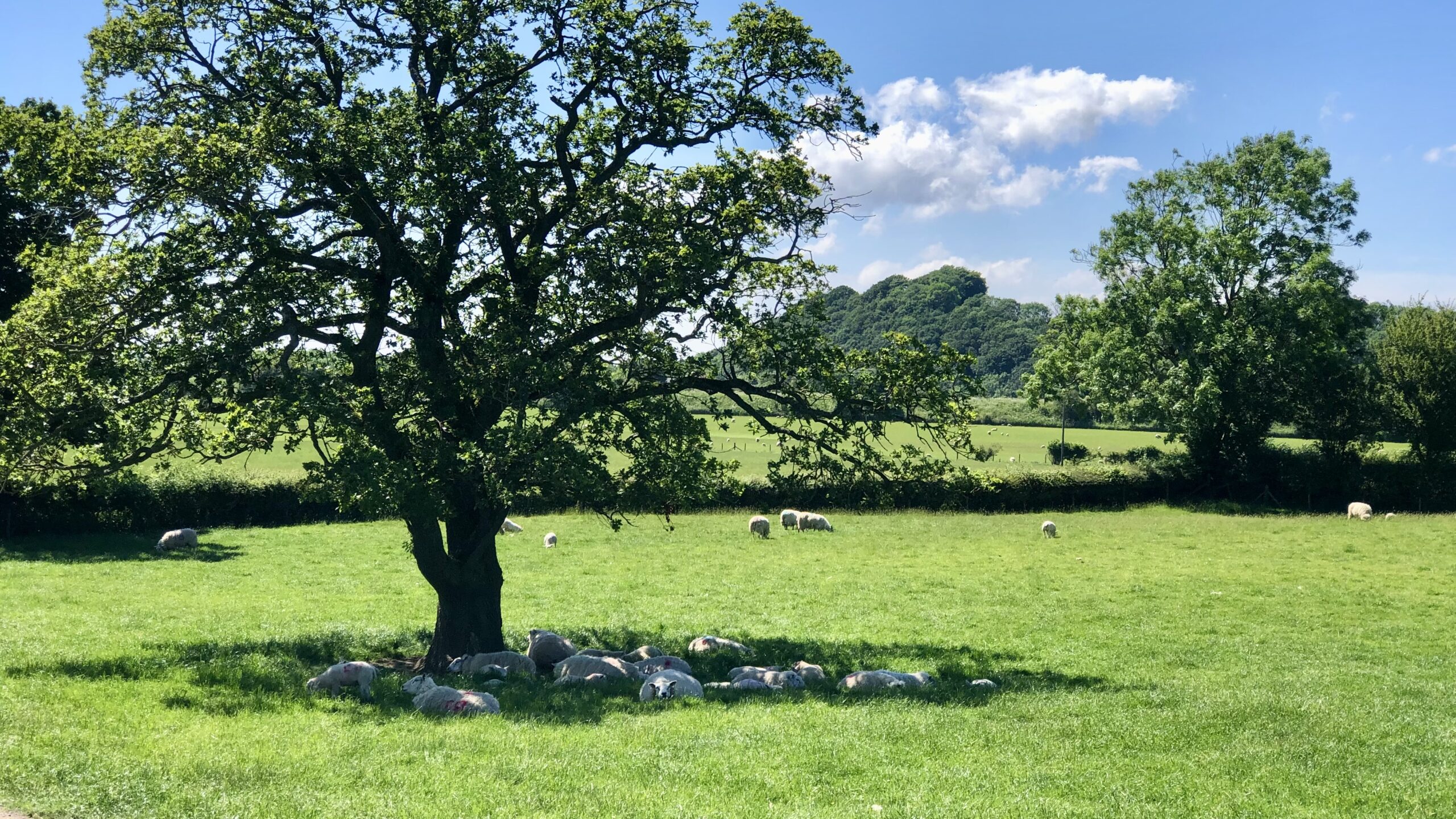
Woolgathering under the big oak
“Your brains are gone woolgathering,” once described a person deemed foolish or confused, as noted in the 1852 volume, ‘A Dictionary of Archaic and Provincial Words, Obsolete Phrases, Proverbs, and Ancient Customs, from the Fourteenth Century’. Woolgathering also denotes daydreaming, a state of drifting into idle thoughts and fancies. The term itself is colourful. One…
-

A Swathe of Purple: Bell Heather in Full Bloom
The North York Moors hold England’s largest stretch of upland heather moorland, renowned for their late summer display of heather. Come August, the moors will be briefly blanketed by the lilac hues of Ling, or Calluna vulgaris. Another heather, Erica cinerea or Bell heather, blooms in a richer purple from June to September, adorning the…
-

Making Hay While the Sun Shines
Aireyholme Farm has been hard at work hay making. The creation of dry hay is an elaborate process, involving a sequence of operations each requiring specialised machinery. These stages are: mowing, tedding, raking, and baling. The procedure begins with cutting the grass, which is then left in the field for several days, depending on the…
-

Kirby Bank: A Slice Through Time
You’re looking at a slice of history. The summit steps of Kirby Bank consist of hard sandstone, descending to softer shale below, both formations dating back to the Jurassic period. During the last Ice Age, the Tees glacier reached the top of the Bank, creating a ‘randkluft‘ as ice melted against the warmer rock. As…
-

The Pulse of Life in Bransdale
The North York Moors dales, after enduring months of rain and unseasonably cold temperatures, have erupted into a lush and vibrant green. The pastures, the crinkled oak leaves, and the dark crowns of the conifers in Barker Plantation all pulse with life. This intense greenness assails my senses: I hear it in the blackbird’s song,…
-

Turkey Nab: Echoes of Ancient Roads and Swift Justice
I parked at Bank Foot, below Turkey Nab, a name thought to come from the local term for grouse: wild turkeys. More plausibly, it originates from Thurkilsti, the name of the ancient drovers’ road running from Ingleby Greenhow to Kirbymoorside, mentioned in Walter Espec’s grant of land to Rievaulx Abbey in 1145. From Bank Foot,…
-
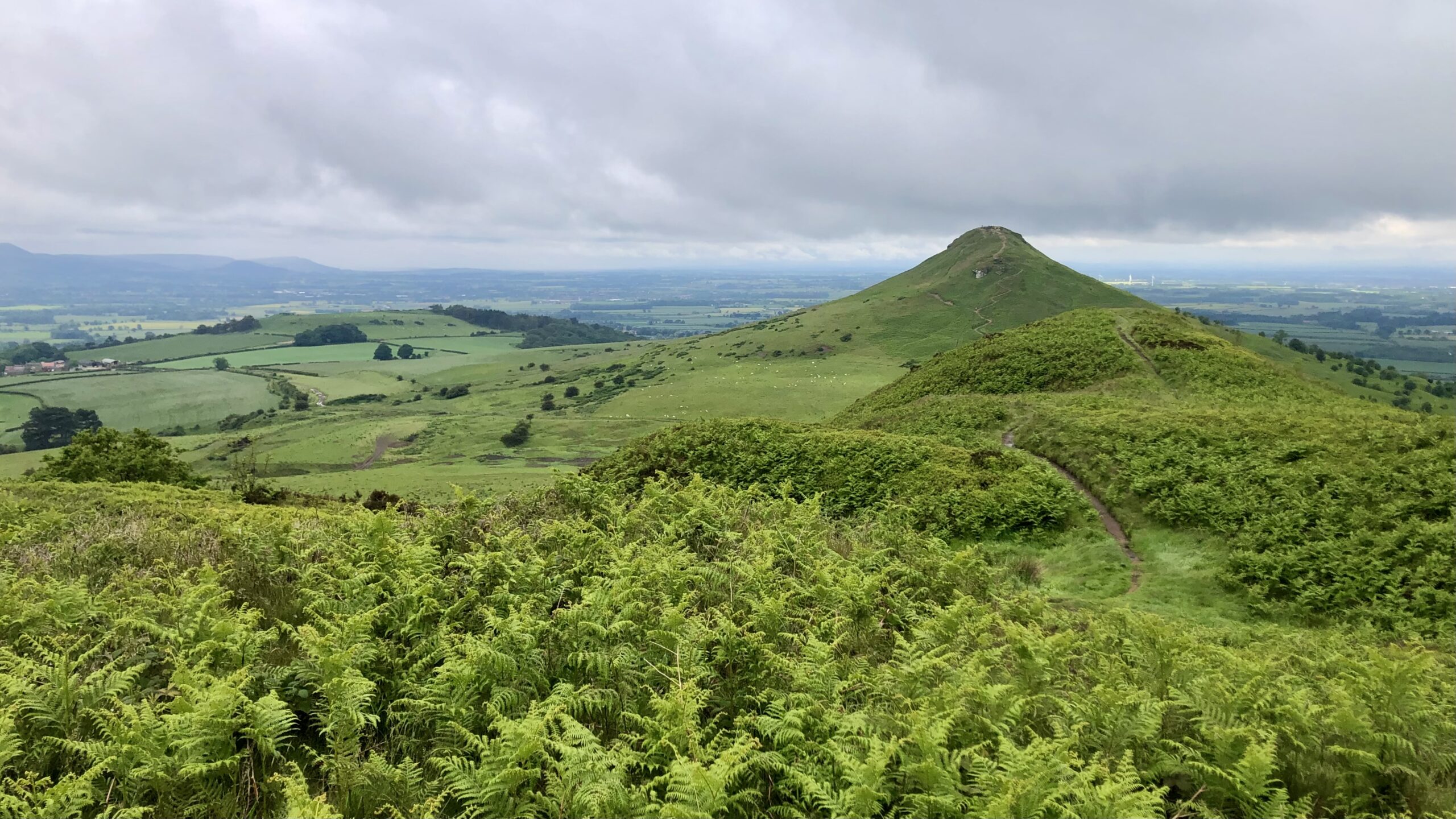
The PM’s Gaffe — Reflections on a Wet Morning Walk
The morning walk began with a dreary wetness, and soon I found myself struggling through an encroaching jungle of bracken. I also began musing on the nature of television in my youth; this is in light of our esteemed Prime Minister’s blunder last week. I recalled a friend’s parents acquiring a colour television set. The…
-

The Peasants’ Revolt — A Local Connection
On this day in 1381, Richard II met the leaders of Wat Tyler’s Peasants’ Revolt on Blackheath. The rebels stormed the Tower of London and entered without resistance. This revolt, though ultimately a failure, came to be seen as a harbinger of the decline of serfdom in medieval England. It heightened awareness among the upper…
-

A Sea of Cotton on Newon Moor
One of the summer spectacles of acid bogs and wet heaths is the Common cottongrass, Eriophorum angustifolium. This plant, with its silky white seed-heads, creates a striking scene, whitening whole patches of bog. Beyond this visual charm, Cottongrass is rather unremarkable and underutilised. Efforts to produce usable thread from the seed-plumes have failed due to…