Category: Lake District
-
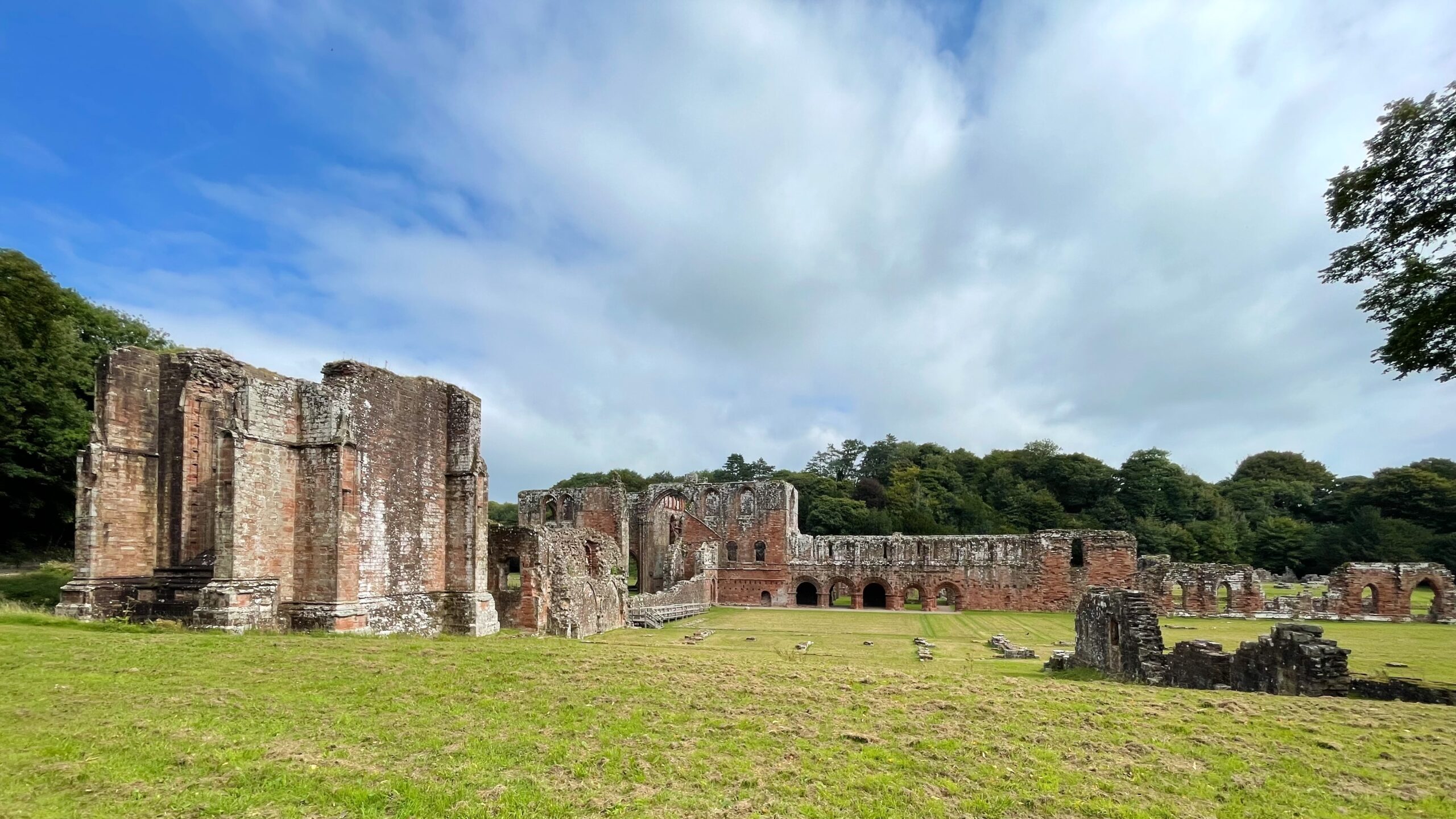
From Furness to Byland: A Monastic Odyssey
Hidden in the sombrely named Vale of Nightshade, just south of Dalton-in-Furness, stand the remains of Furness Abbey. Founded in 1123 by King Stephen, it began life as a Savigniac house before being absorbed into the Cistercian order in 1147, when the Savigniacs collapsed under the weight of their own mismanagement. By the time of…
-
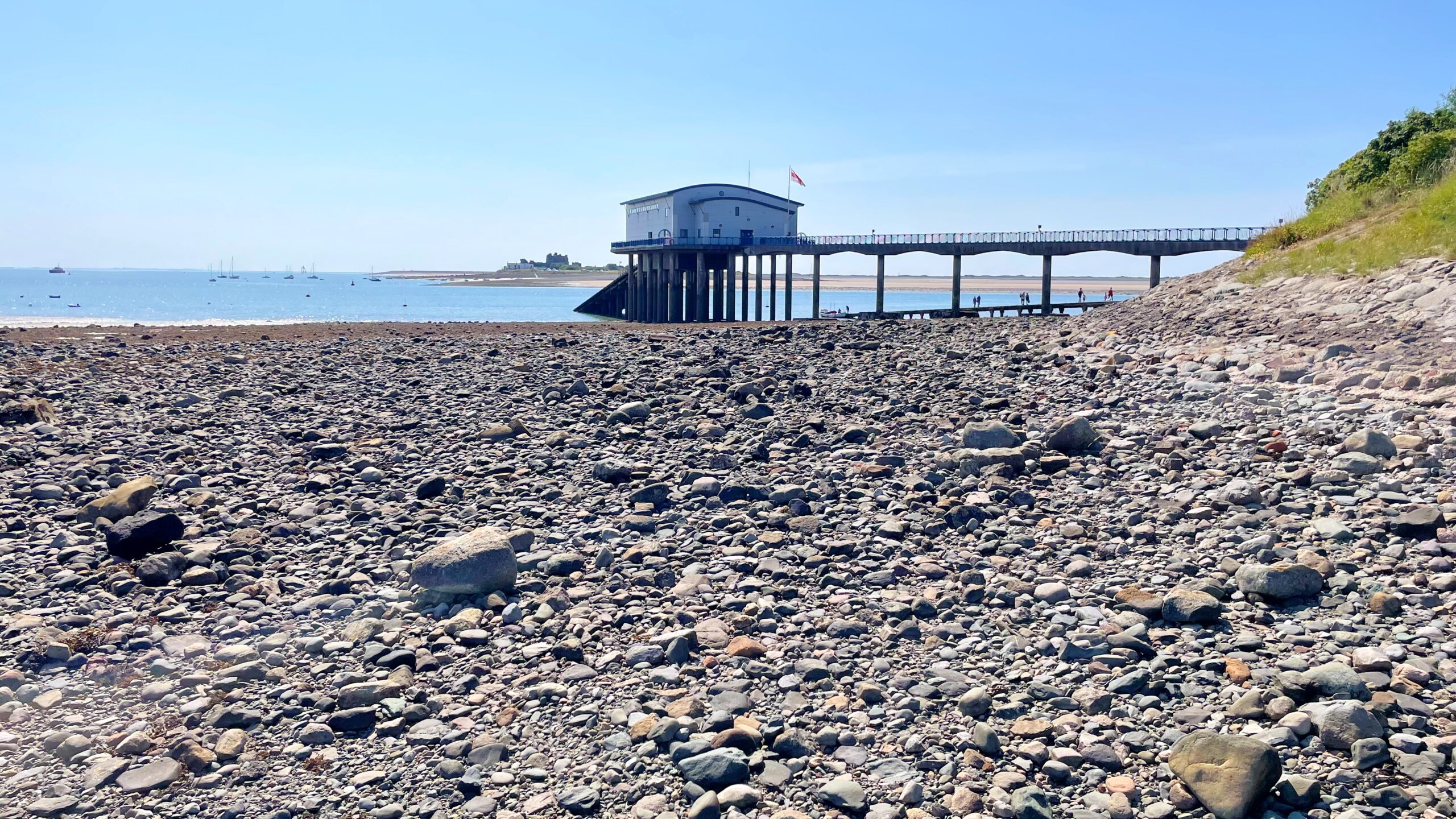
Roa Island, the RNLI and a Measure of Humanity
To Roa Island, once a true island until a stone causeway tethered it to the mainland in 1847. That same causeway carried the Furness Railway to a deep-water pier, where steamers departed for Fleetwood. The trains and steamers are gone, but today Roa Island still looks out to sea, its ferry carrying passengers across to…
-
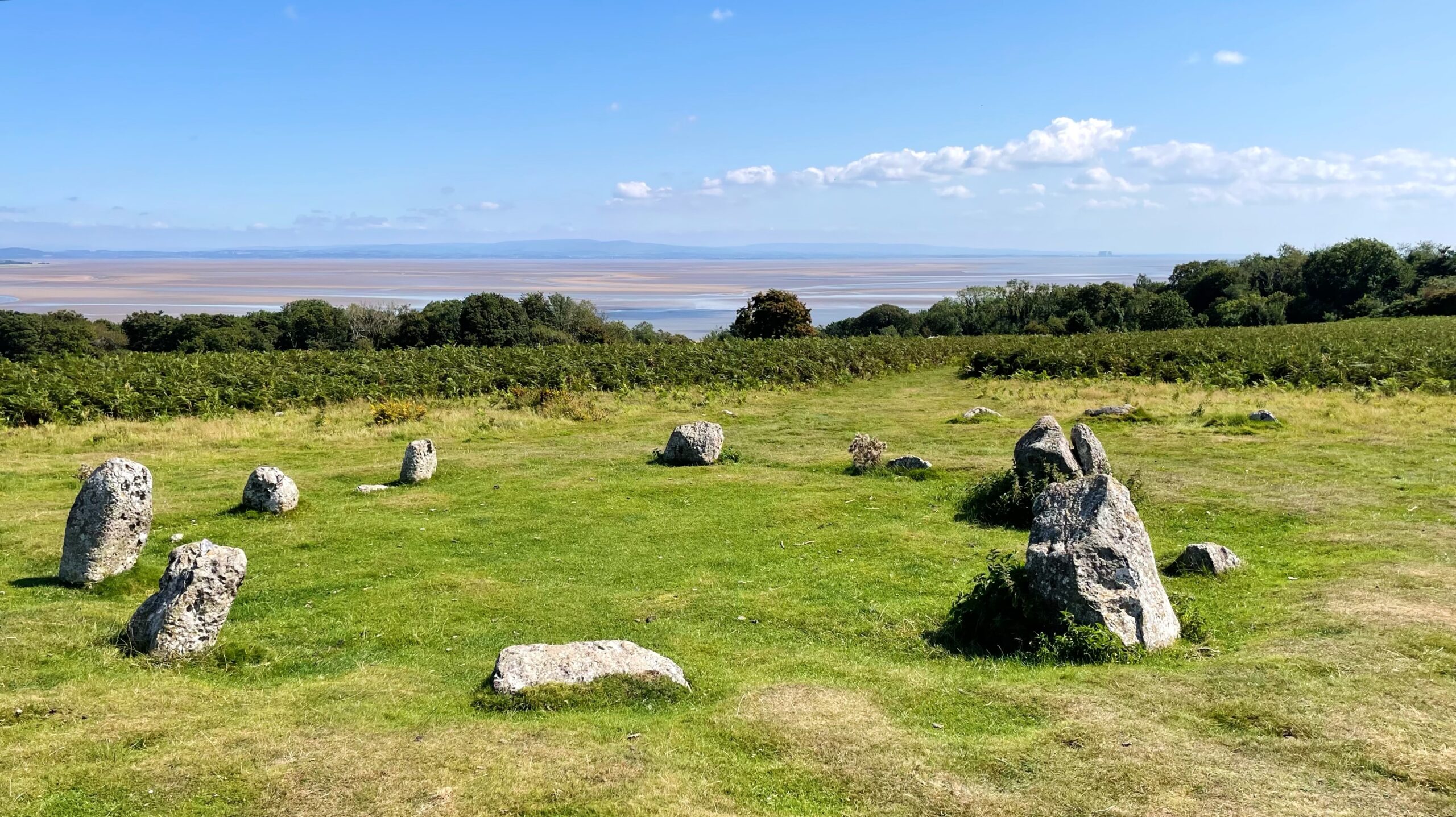
Birkrigg Common Stone Circle
Of the roughly 250 stone circles known in England, only 15 are classed as concentric, formed of both an inner and an outer ring. The most celebrated examples are, of course, Stonehenge and Avebury. Less famous, but striking in its own right, is the Birkrigg or Sunbrick stone circle, also called the Druids’ Circle. It…
-

Red Tarn: A Bowl Carved by Ice
This is Red Tarn, tucked into the hollow beneath Helvellyn that looks like an armchair carved into the mountainside. The shape is no accident. It is the work of glaciers. The steep headwall of Helvellyn and the sharp ridges of Striding and Swirral Edges are the giveaway. Together they form a semi-circle. Geologists call this…
-

Kentmere: The Tarn That Industry Remade
I looked at the map and wondered where the real Kentmere was, the “mere,” or water, of the River Kent. There is the reservoir, high in the dale, and there is Kentmere Tarn, a long, tranquil pool screened by trees, looking for all the world like untouched nature. In truth, nature had its turn ten…
-

The Weather According to a Dead Bishop: Forty Days of Rain
Climate change deniers blame nature for everything. Heatwaves? Natural. Floods? Just weather being weather. Human emissions? Nothing to see there. Meanwhile, chemtrail believers take a different route entirely. For them, extreme weather is no accident but a masterstroke of global puppet masters, quietly spraying secret cocktails into the sky to bend the climate to their…
-

Potter Tarn: Providing Water for Paper
If Wainwright had not seen fit to include Potter Fell in his The Outlying Fells of Lakeland, few beyond Kendal would know it existed. Potter Tarn, however, is another matter. Along with Gurnal Dubs, it is one of the fell’s more prominent tarns. Both are favoured for wild swimming, though anyone entering Potter Tarn does so…
-

A View from Alcock Tarn: Grasmere and Helm Crag
Another view from our recent trip to the Lakes. This surprisingly hibernal scene of the Grasmere valley, with Helm Crag taking centre stage, was captured from Alcock Tarn below Heron Pike. The green pasture fields in the valley provide a pleasant contrast to the lifeless, bracken-covered, rock-strewn hillsides. Helm Crag is often called “The Lion…
-

Tarn Hows
Yesterday, I reflected on my perceived sorry state of Tarn Hows, now resembling the aftermath of a minor apocalypse. The larches, felled due to the ravages of Phytophthora ramorum, are gone, and the recent storms have left a trail of destruction. One might be reminded of those eerie photos of the Tunguska event. While the…
-

Rose Castle Revisited
A few days of nostalgia at Rose Castle, once part of the Monk Coniston Estate and now within the National Trust’s Tarn Hows property. There is a certain sadness in the loss of its quirks, though not for the old toilet—the one-holer, the thunderbox. Electricity and piped spring water are welcome signs of progress. The…