Category: Great Ayton Moor
-
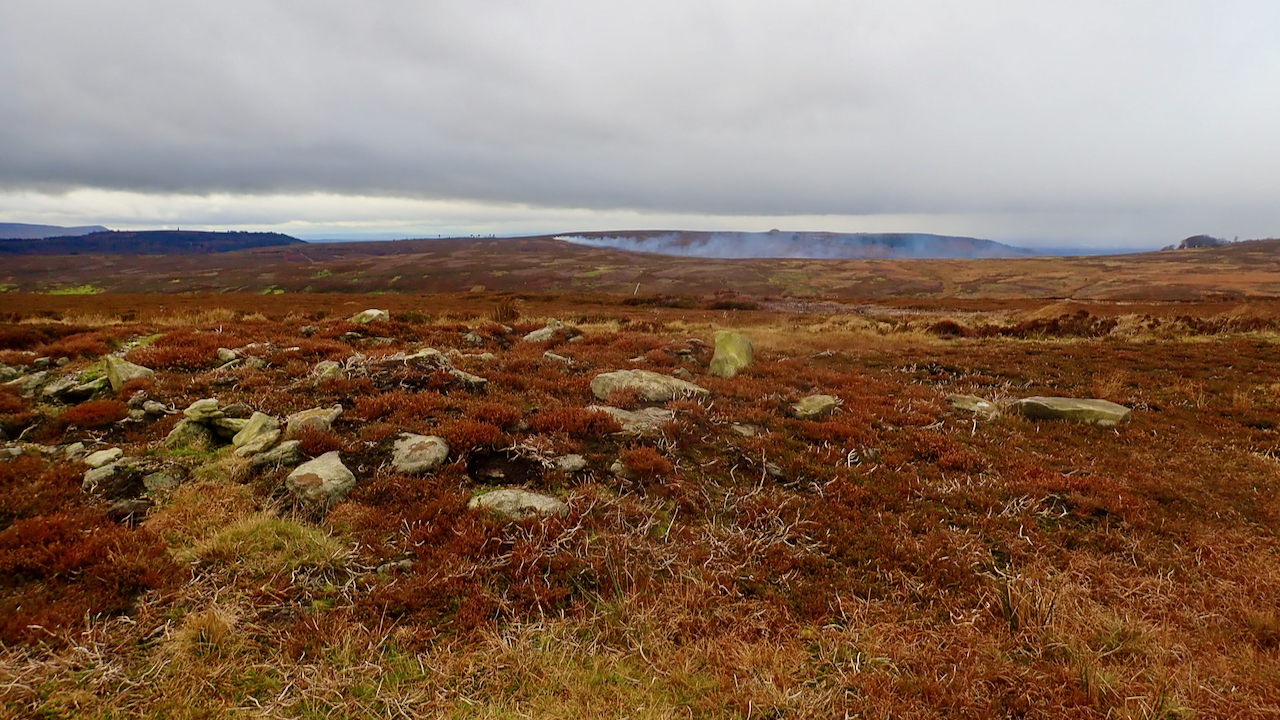
The keepers have been at it again.
This is somewhere near to the WW2 bunker on Great Ayton Moor. The smoke was heading straight towards Guisborough. Now it’s been a year since the Government committed to banning rotational burning on peatlands. However, nothing has happened. This is perhaps not surprising since it has had the coronavirus to deal with, but there is…
-
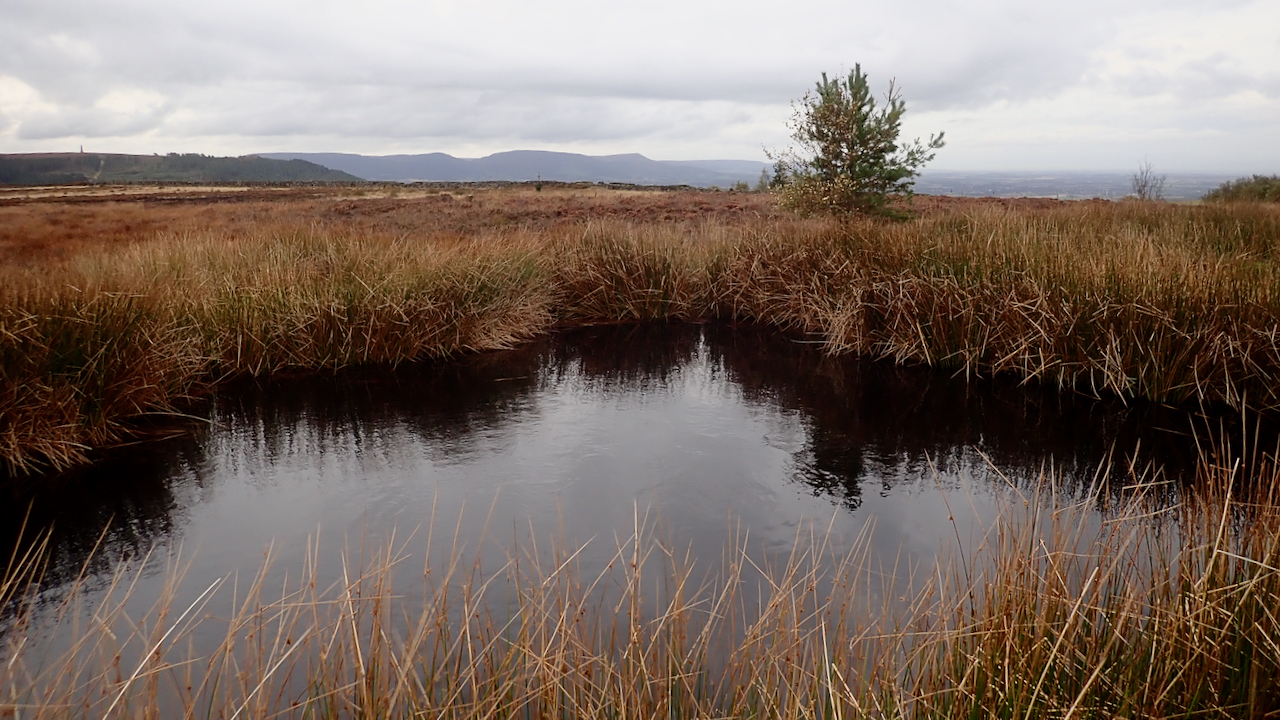
Dub, Great Ayton Moor
A ‘dub‘ is a Northern word for a patch of water, which could be anything from a puddle on a path or road to a pool in a river, deep enough for swimming or a favoured fishing mark. The earliest attestation is in a perambulation of the liberty of Ripon in 1481. Sometimes a stream…
-
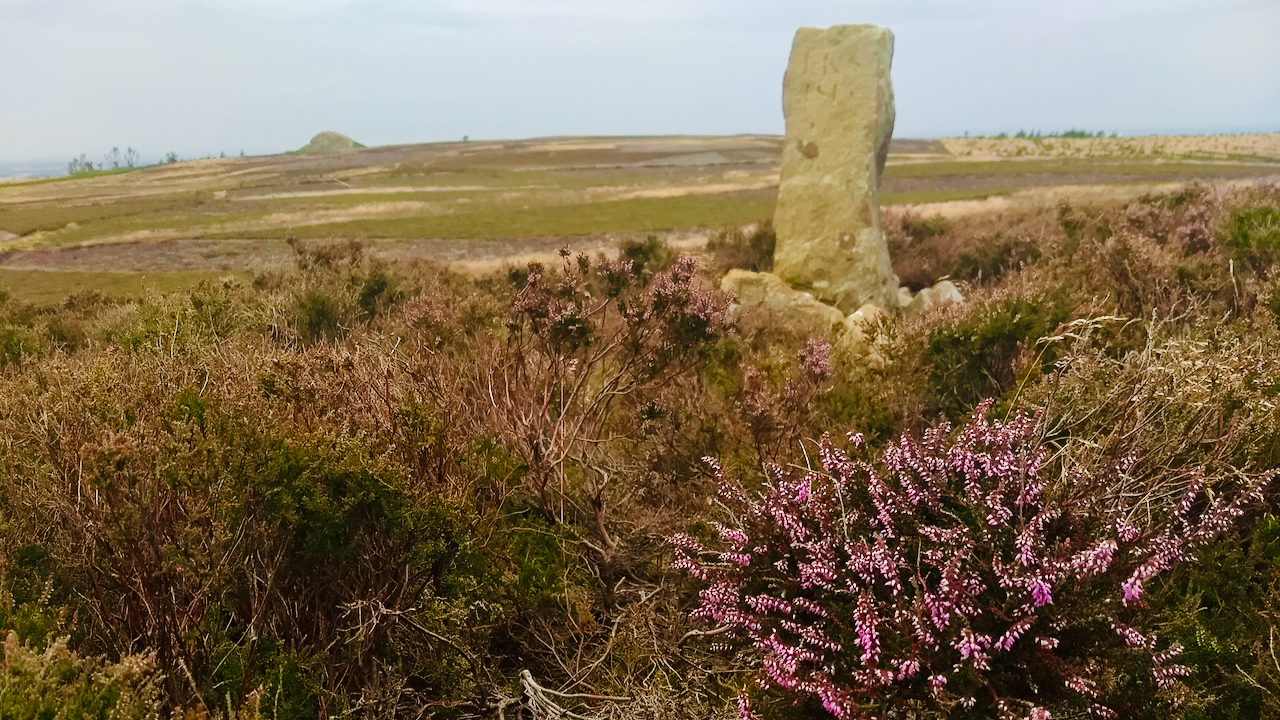
Where is the purple haze?
The odd sprig of ling or heather can be found on the moors, amongst the muddy brown remnants of the winter colouring. Why isn’t the heather at its finest? Surely it should be by now, this first week of August. I had a search of my back archives to illustrate the state of the heather…
-
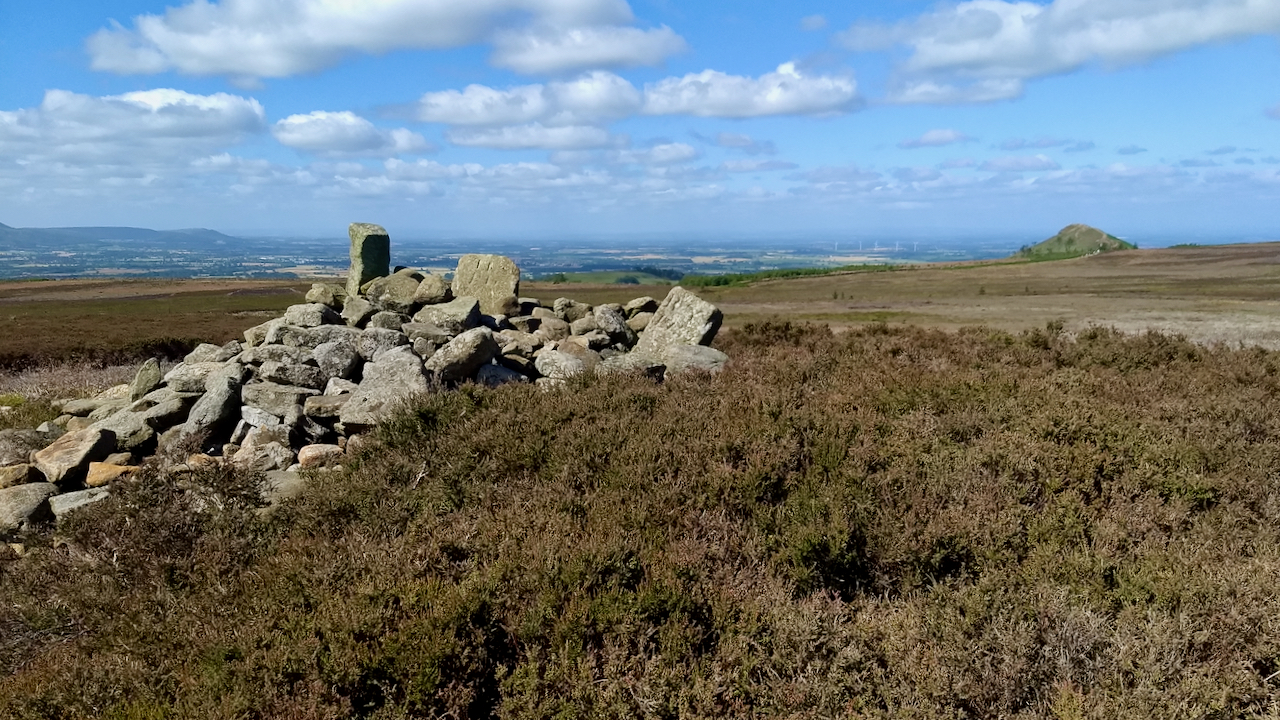
Masks
Sunshine, blue skies, a lovely morning to be out on the moors. No fear of losing your way in the fog today. No fear of being maskered. To ‘masker’ is a Yorkshire term meaning to render giddy, senseless, or bewildered as when lost in a blizzard, fog, or darkness. Masks are due to become very…
-
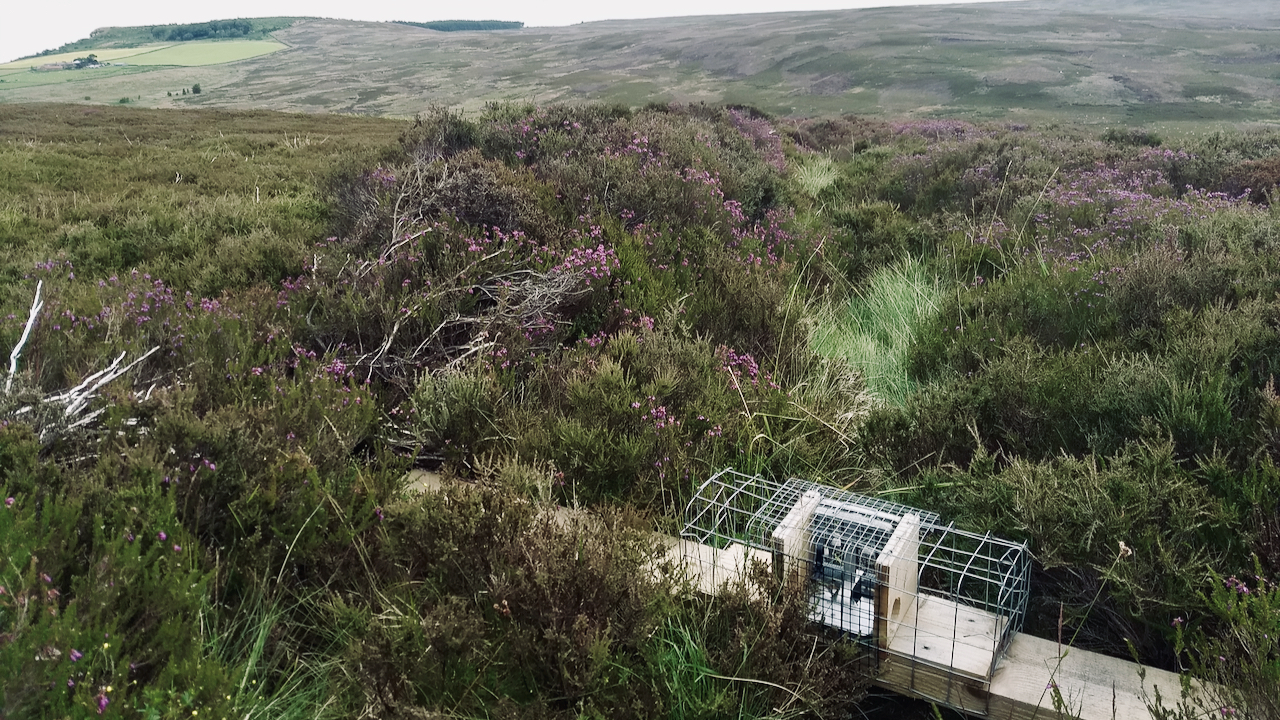
What’s the difference between a stoat and a weasel?
Traditionally there has always been widespread killing of both types of mustelids by gamekeepers. ‘Vermin’ control, they call it. On the moors and open countryside, it is generally stoats, weasels preferring woods and hedgerows. But there is considerable overlap in their ranges. The traps used are spring traps, of which the best-known is the Fenn…
-
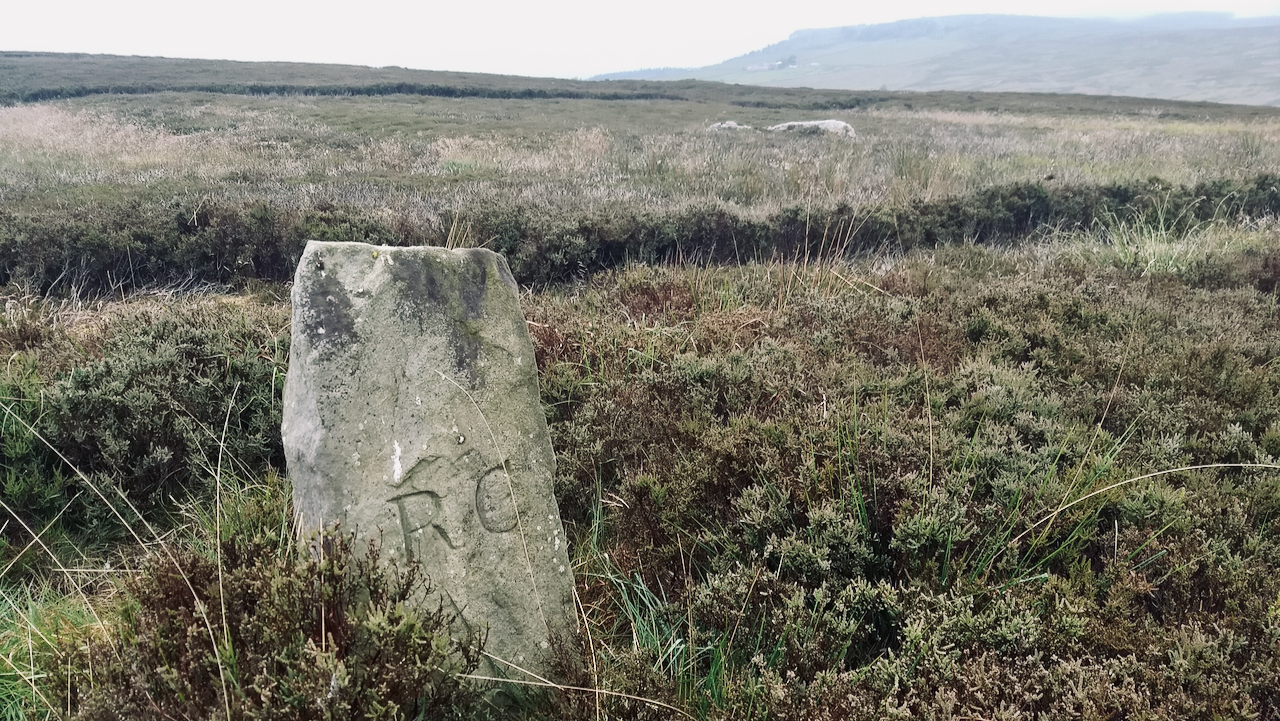
Robert Chaloner
A gentle breeze this morning on Great Ayton Moor leading to a slight increase in visibility. In the absence of a stunning view, I had to resort to another of the many boundary stones that scatter the moors. This one is inscribed ‘R C’ so it is likely to refer to Robert Chaloner, but is…
-
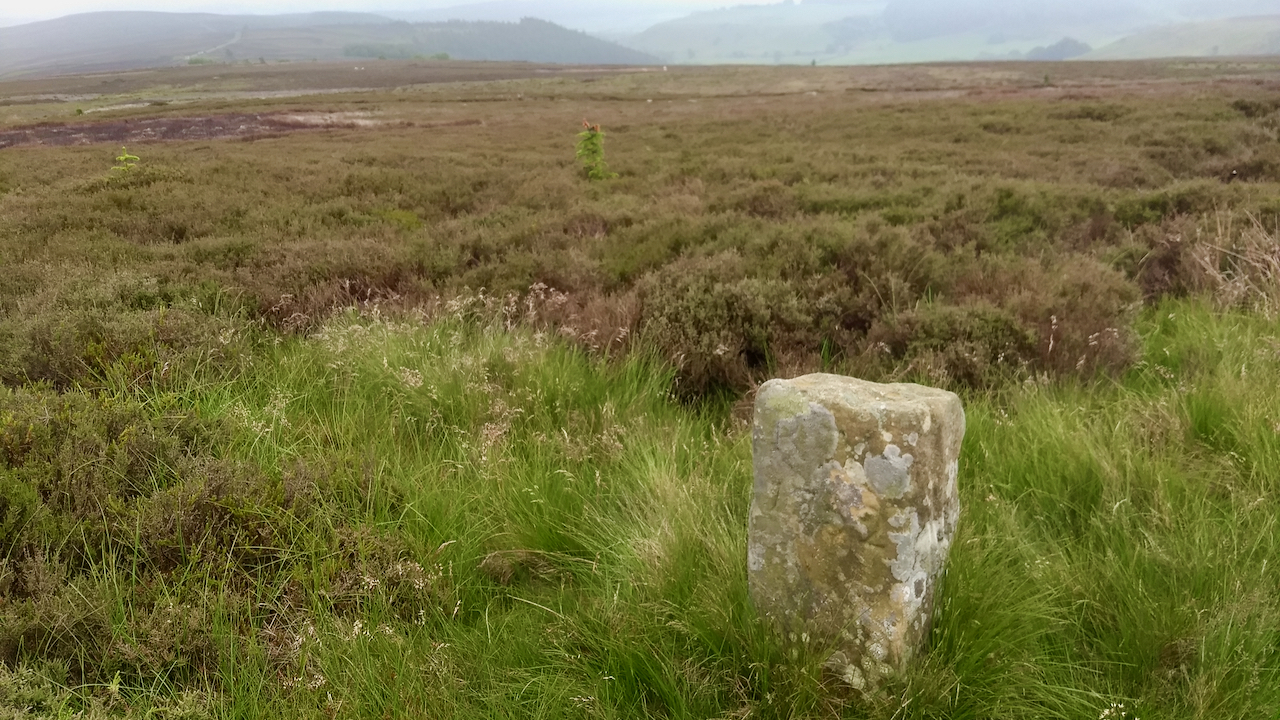
Boundary Stone, Great Ayton Moor
A roughly dressed boundary stone, probably limestone, and inscribed “RY 1752”. This probably stands for Ralph Yoward who became Lord of the Manor of Hutton following the death of his father in 1751. When Henry VIII dissolved Gisborough Priory in 1539, it was the fourth richest religious house in Yorkshire. The priory land at Hutton…
-
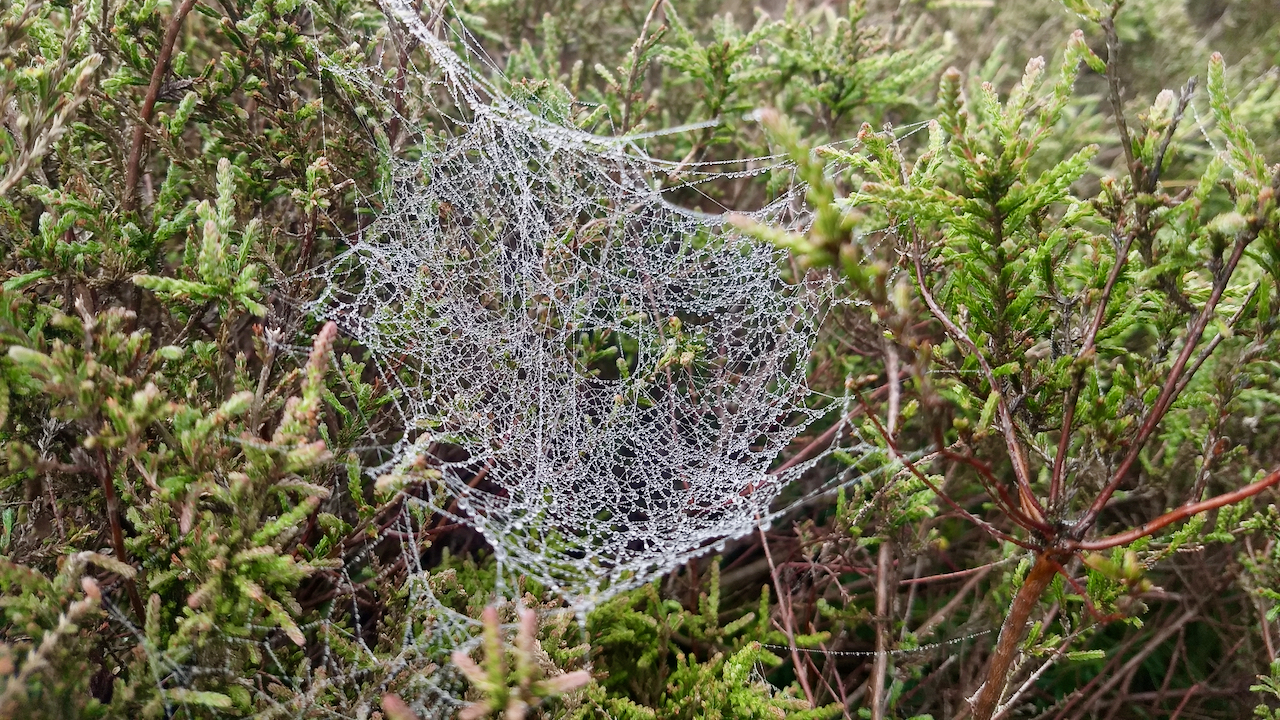
One misty moisty morning when cloudy was the weather
I didn’t meet “an old man a-clothed all in leather” this morning. In fact, there were not many folks around at all. Plenty of evidence of money spiders (Liniphiidae) activities. I think these are the webs of the money spider, normally un-noticed until they capture the morning mist. In case you are wondering the title…
-
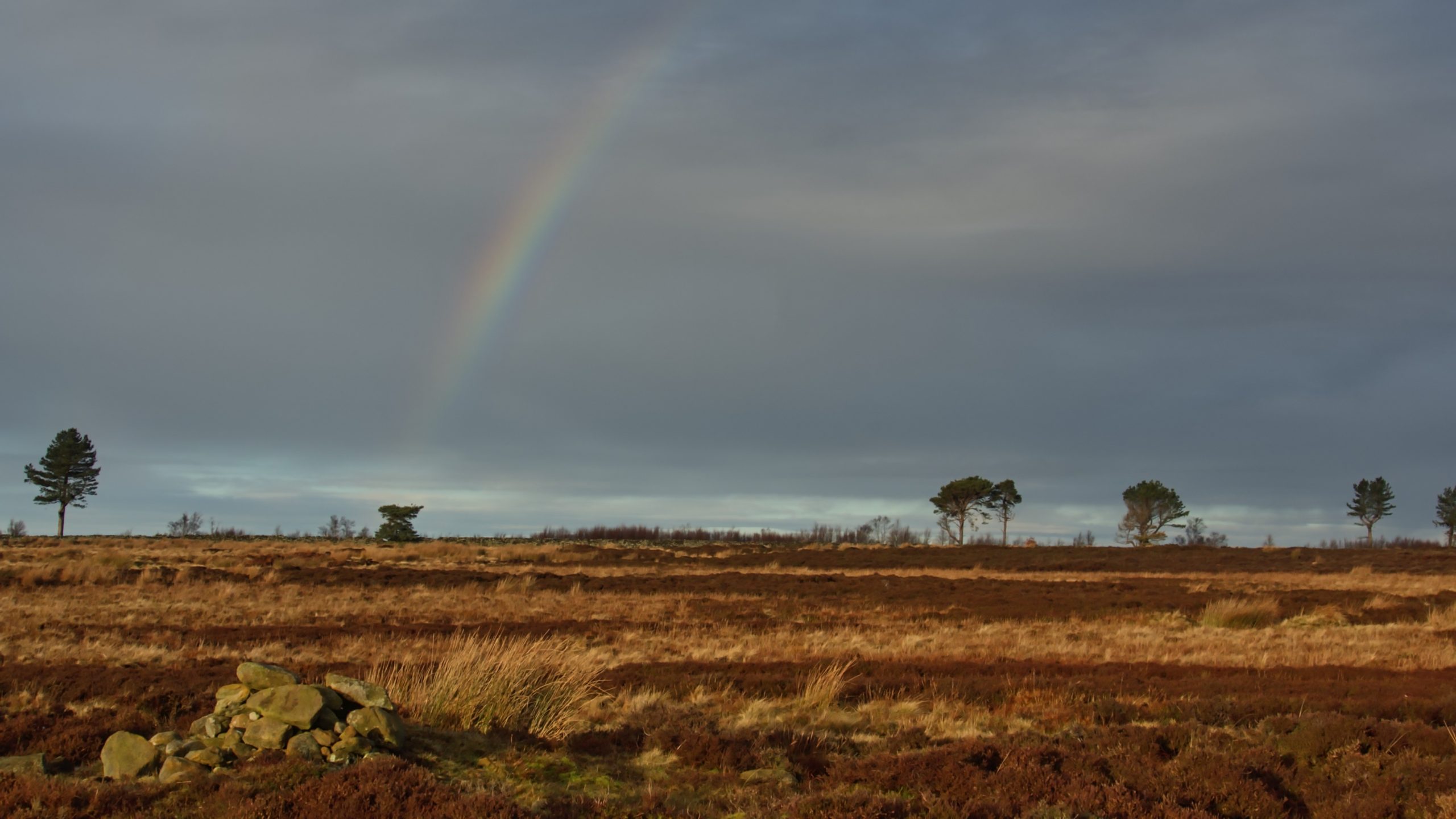
Great Ayton Moor
A sunny morning and a little obambulation over Great Ayton Moor. Surprisingly a rainbow. “A rainbow at night, fair weather in sight. A rainbow at morn, fair weather all gorn.” Happen to be near this cairn. Although Great Ayton Moor has many Bronze Age tumuli, sadly this cairn is not one of them. A modern…
-
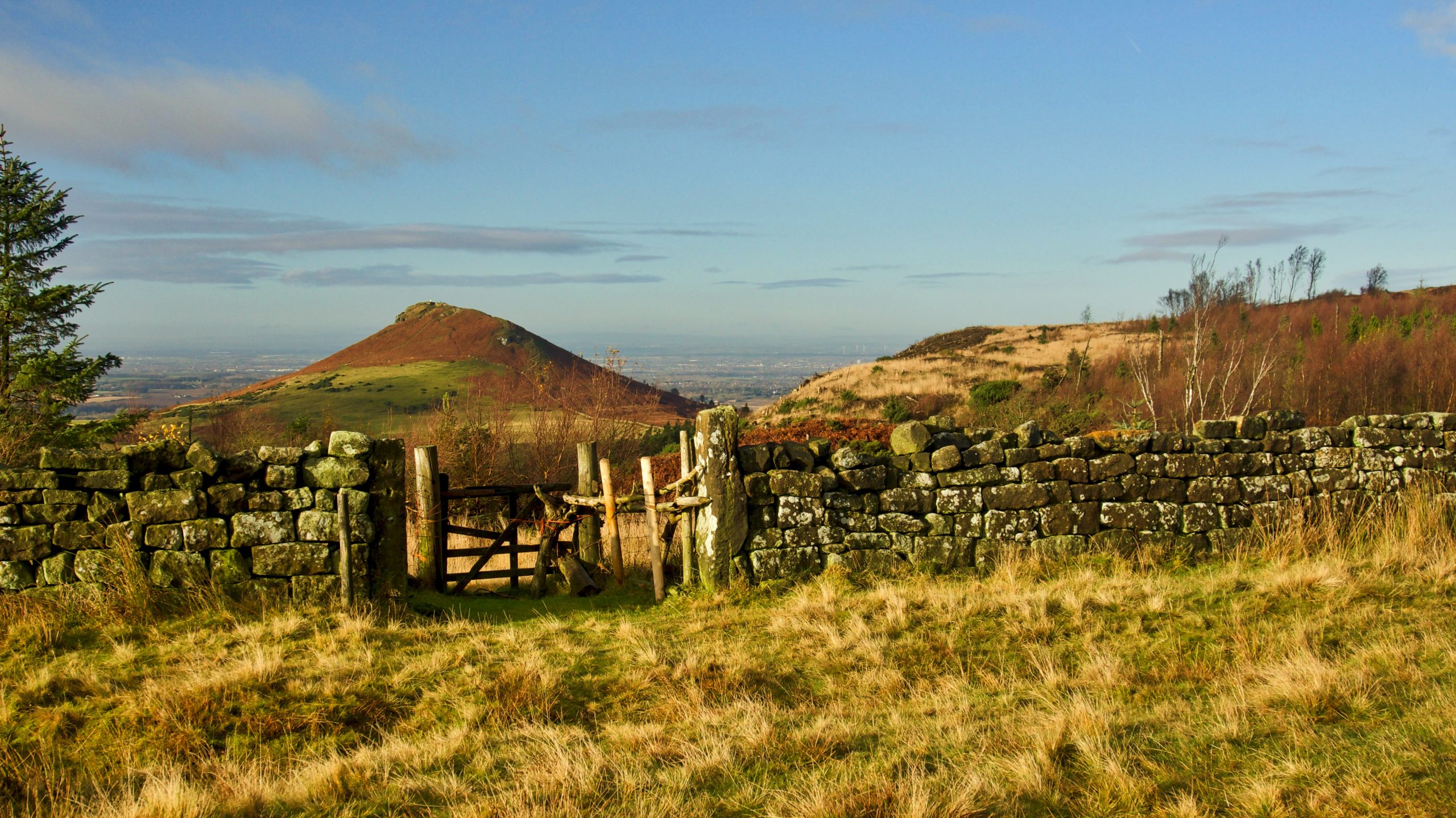
Ounsbury toppin hill
So Christopher Saxton annotated the hill in his Atlas of the Counties of England and Wales which he published in 1579. Commissioned by Elizabeth I, it was the first definitive map of England and Wales with each county being engraved on a separate copper plate on a scale of 1″ to 3⅓ miles. Maps were…