Category: Farndale
-
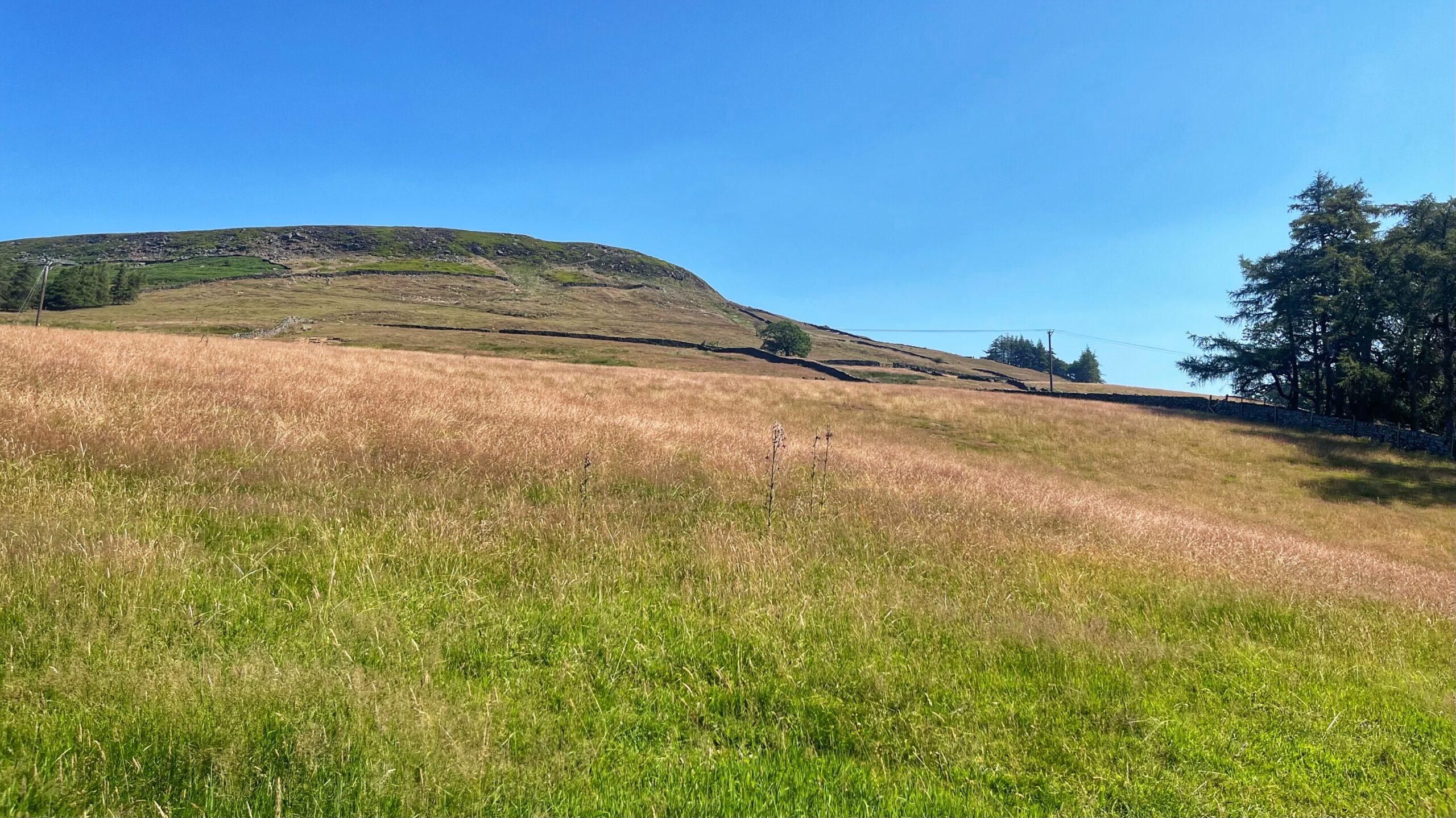
Potter’s Nab: Farndale’s New Woodland
Farndale East is getting itself a new woodland, courtesy of the Yorkshire Wildlife Trust. In the intake fields below Potter’s Nab. The idea is simple enough. Trees hold soil together, and soil held together does not go washing into the River Dove every time it rains. Sensible stuff. Before a single sapling goes in, archaeologists…
-

Why Historical Truth Matters
A view looking down Farndale, moments before an unforecasted downpour caught me completely off guard. Typical. But I cannot let this 250th anniversary of the Declaration of Independence pass without a word, mind you, because someone once said “where the US leads, Britain follows.” A worrying thought, that. America is caught in a proper tug…
-
Where the Moor Ends and the Farm Begins
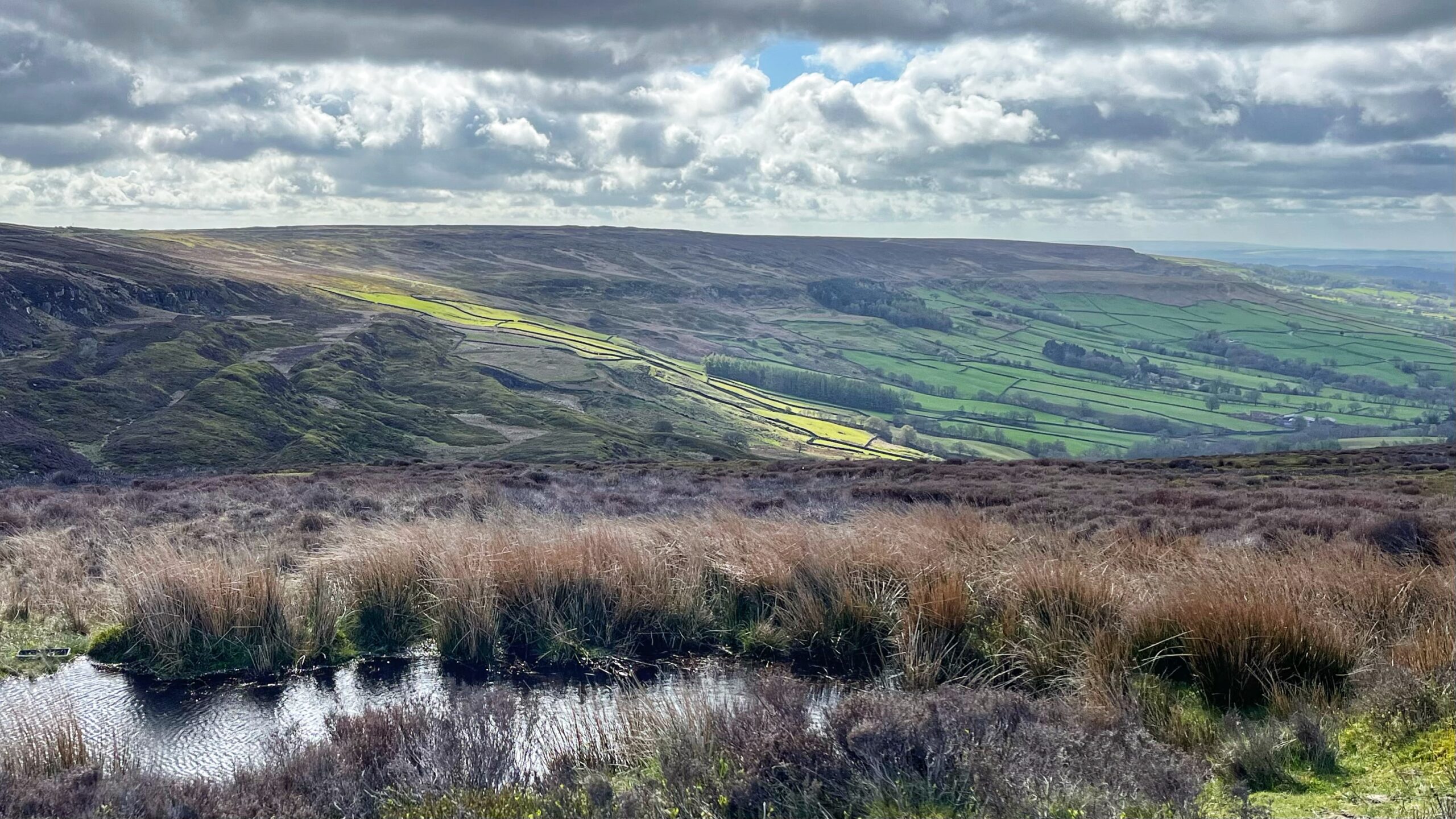
A shaft of sunlight illuminates the bright green fields of Farndale, seen from the old ironstone railway line on High Blakey Moor. Brown rushes surround a small peaty pool in the foreground. Dark drystone walls cascade down the hillside beneath a wide, cloud-filled sky. The view tells a story in two colours. Up here: the…
-
Farndale: Rather Less Yellow Than Expected
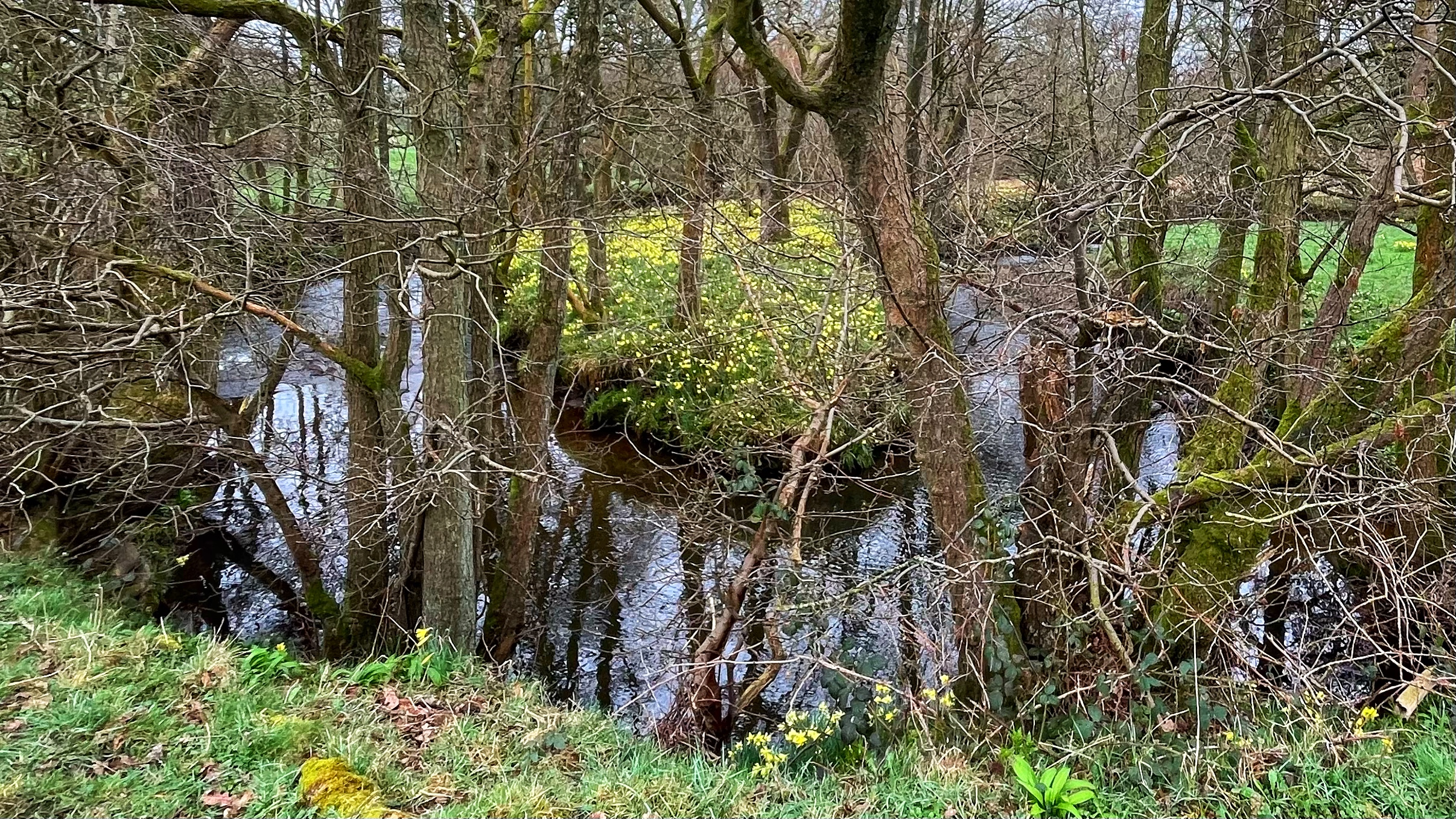
Last Friday’s trip to Farndale, home of the famous wild daffodils was, if truth be told, rather a mixed blessing. The display was, shall we say, not quite the riot of yellow one might have hoped for. The far bank of the River Dove, where the public cannot go, looked considerably more impressive. Years of…
-
Fog, a Hollow Way and a Reservoir That Never Was
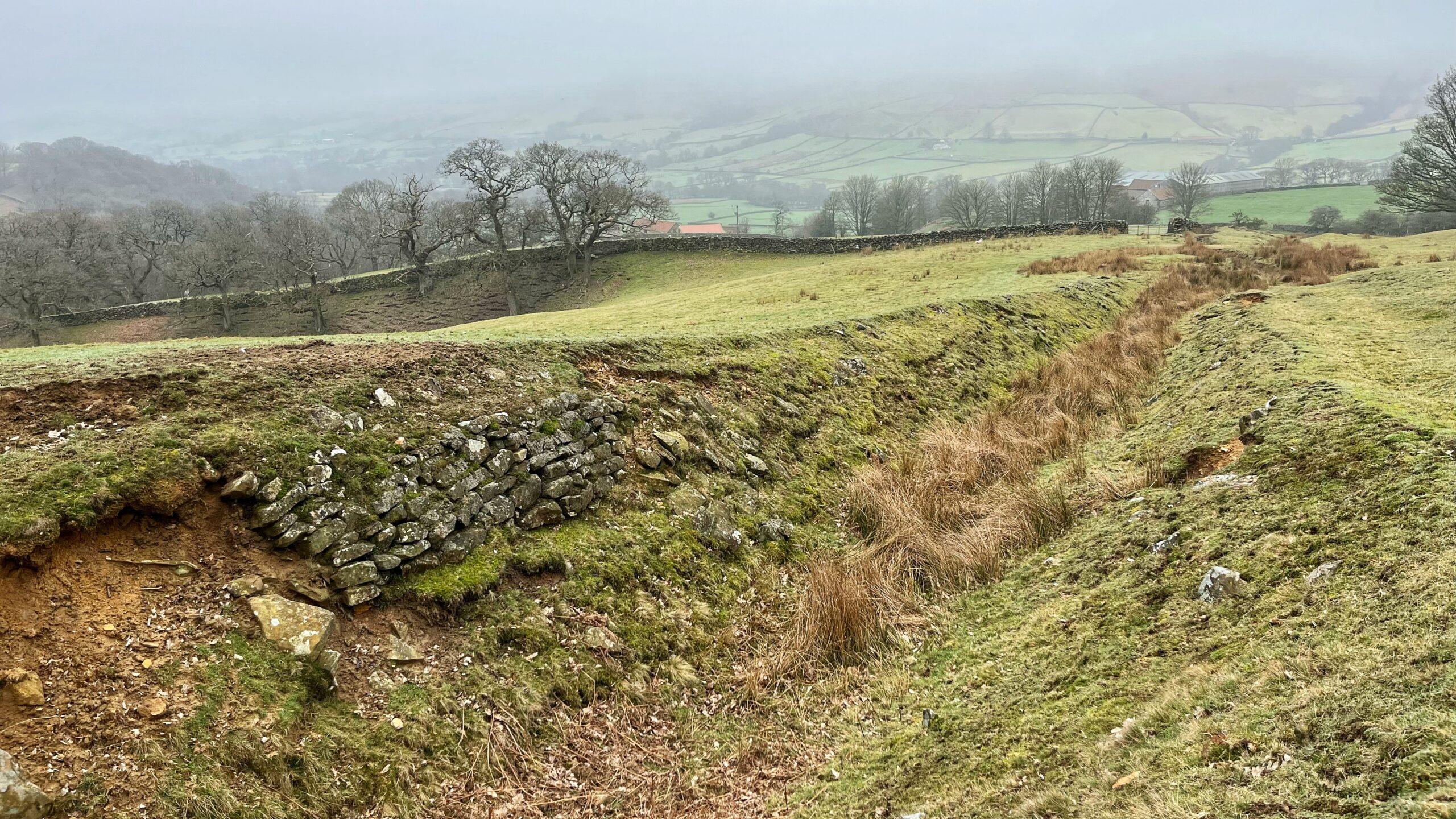
The watershed between the River Esk and River Rye tributaries was today more than a geographical line. It was a weather frontier. While Castleton and Westerdale basked in spring sunshine a mile or two away to the north, Farndale sulked under a damp mist so thick you could almost wring it out. From the aptly…
-
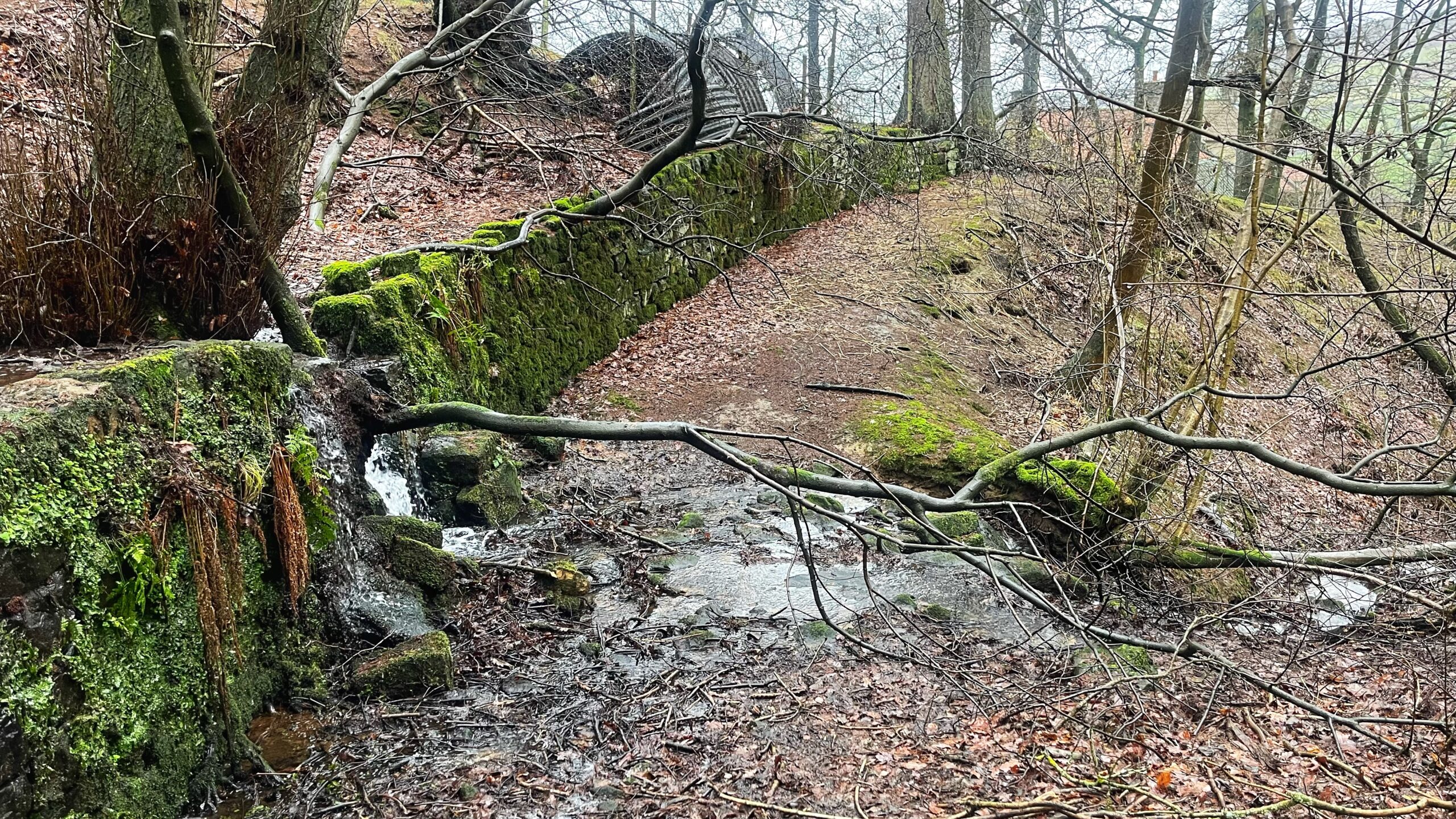
The Track Through Hall Wood
Hall Wood in Farndale hides a solid, well-made track, the sort that suggests purpose and history. It is said to have led to a sawpit. If so, it kept its secret well today. I found the path, but not the pit. The wood was less forthcoming than the National Trust’s heritage records. Timber once mattered…
-
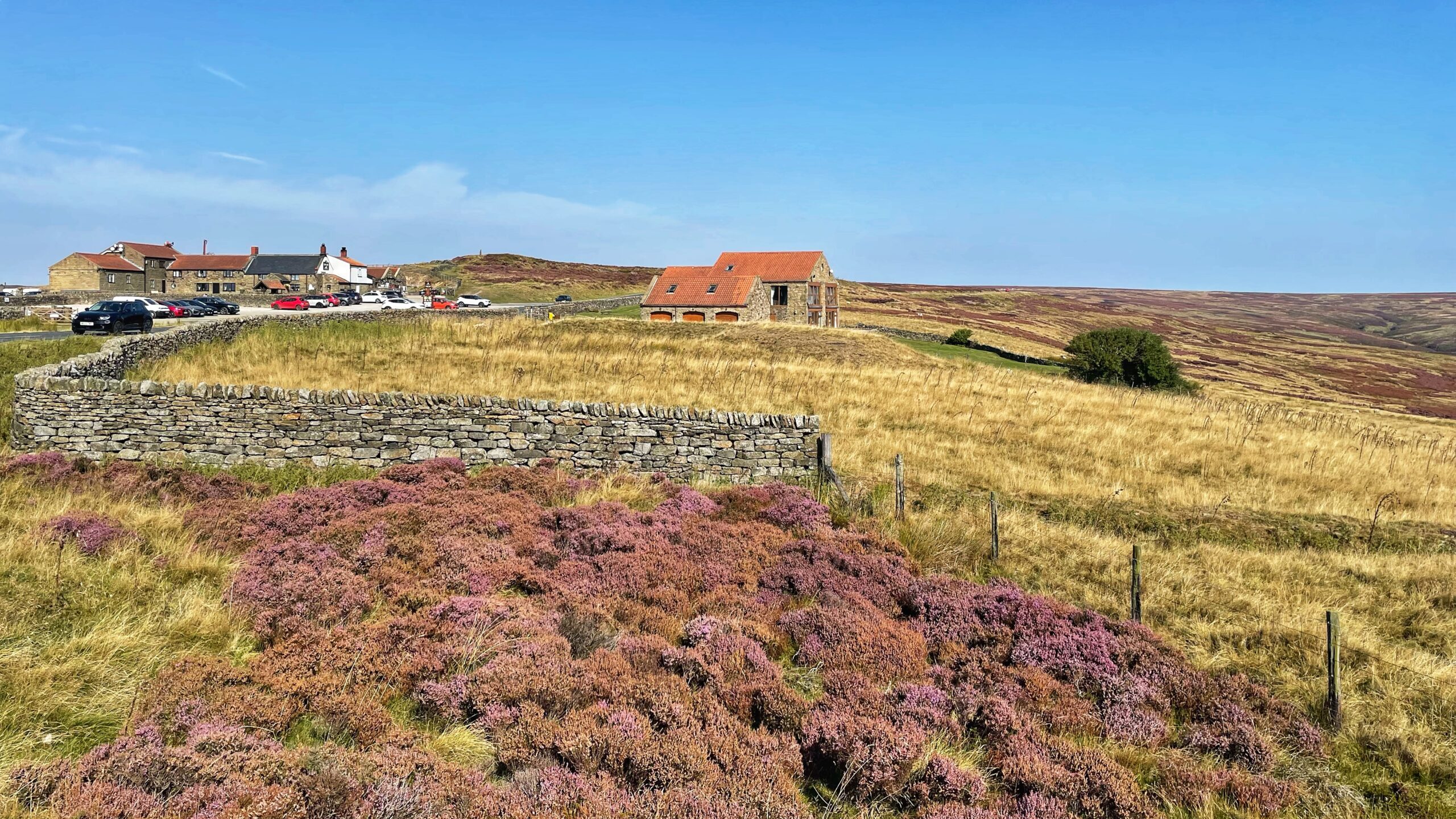
The Lion Inn: Travellers’ Refuge on Blakey Ridge
Perched high on Blakey Ridge, between Rosedale and Farndale, stands the Lion Inn, proud of its claim as the highest inn on the North York Moors. It is a welcome halt for weary Coast-to-Coast walkers, who by midday are replaced by visitors seeking lunch rather than lodgings. Few, one suspects, pause to read the framed…
-

Hall Wood, Farndale
A pleasant little wander around Farndale on another bitterly cold morning. The route, regrettably, was largely tarmac, because the North York Moors, in their wisdom, provides very few Public Rights of Way in the dale bottom away from the ever popular daffodil trail. By chance, we came across Hall Wood, a rather unpretentious National Trust…
-

Hemmell Stones — Raising the Harvest
Hemmell stones served to raise barns, granaries, hayricks, and beehives off the ground, protecting them from damp and vermin. Usually comprising a separate head and base, these stones gave them a distinctive mushroom-like appearance. In other parts of the country, they are more commonly known as ‘staddle’ or ‘steddle’ stones, with variations in design depending…
-

A Cloud over Rudland Rigg and the Insects’ Plight
An uncommon veil of cloud swathes Rudland Rigg, seen here across the expanse of Farndale. In the foreground, a vivid member of the thistle family teems with insects eagerly gathering its nectar. It is a picture of health, yet beneath this tranquil surface, a serious calamity is unfolding. Even without the trained eye of an…