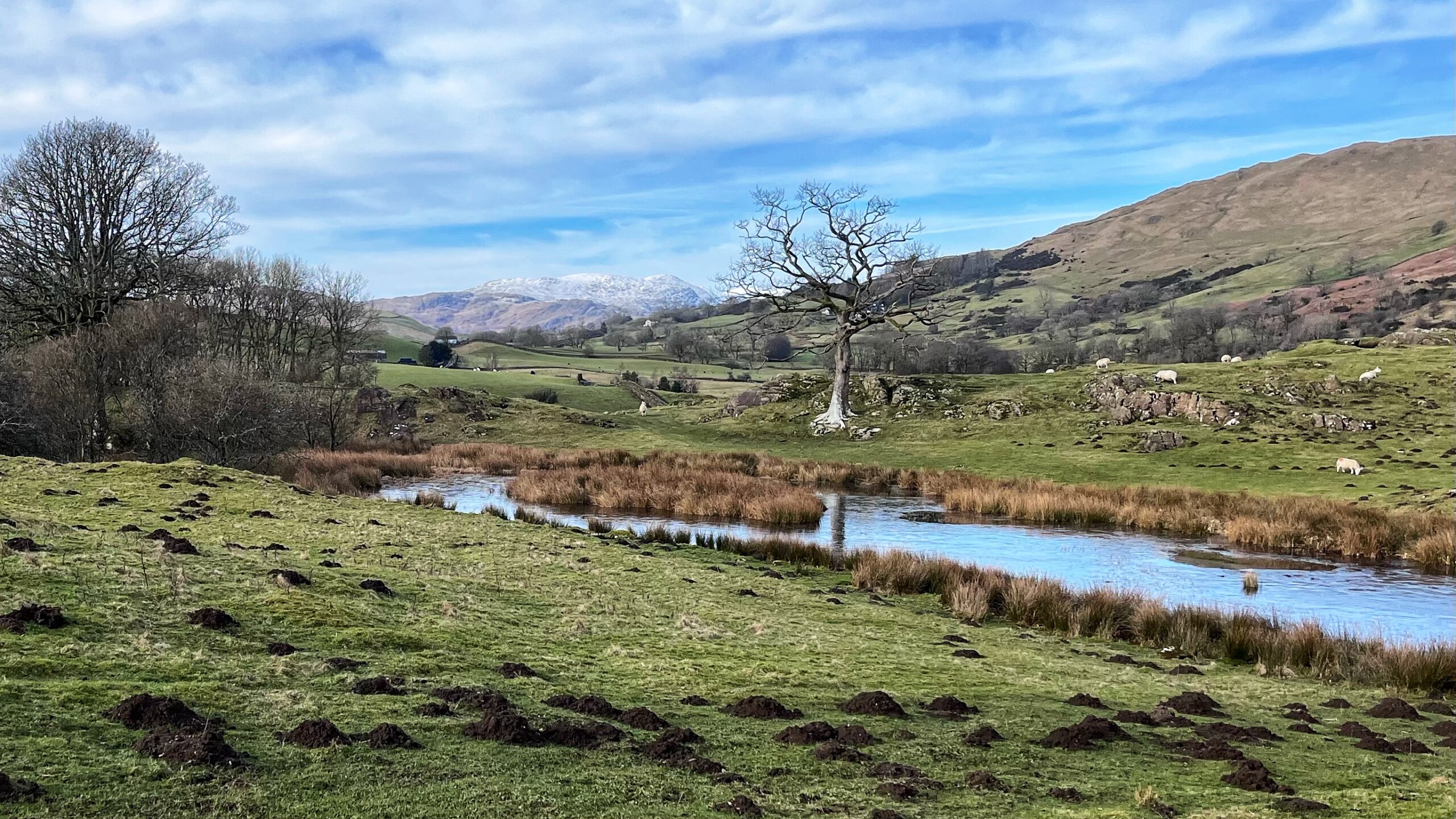
Imagine standing here eight centuries ago in this small tributary of Kentmere. The place feels still now, but once it was no quiet backwater. Here, a family’s fate hung by a thread, and the stakes were as high as the fells around you.
At the heart of it stands Richard Gilpin, said to have killed the Wild Boar of Westmorland around 1206. Legends often sound like fireside fancy, yet this one carried real weight. The beast was called a terror, a brute that threatened life and livelihood. When Gilpin brought it down, he did more than rid the valley of danger. He earned land from the Baron of Kendal and carved his name into local memory. In the Middle Ages, deeds spoke louder than sermons, and slaying a monster was proof enough of worth.
The curious part is what followed. One moment of courage grew legs and refused to die. The boar became the Gilpin crest, a mark carried for seven centuries, travelling far beyond these hills to Houghton-le-Spring. A single tale, told often enough, turned into a family crest that outlived generations. It shows how a good story, like a stubborn weed, will push aside any stone.
History is rarely about dates lined up like ducks. It is about the stories people choose to keep, polish, and pass on. One wild boar shaped a name for eight hundred years. It leaves a simple thought behind: the life lived today may be tomorrow’s legend, whether by brave deed or by a tale too good to fade.
Leave a Reply