Tag: National Trust
-
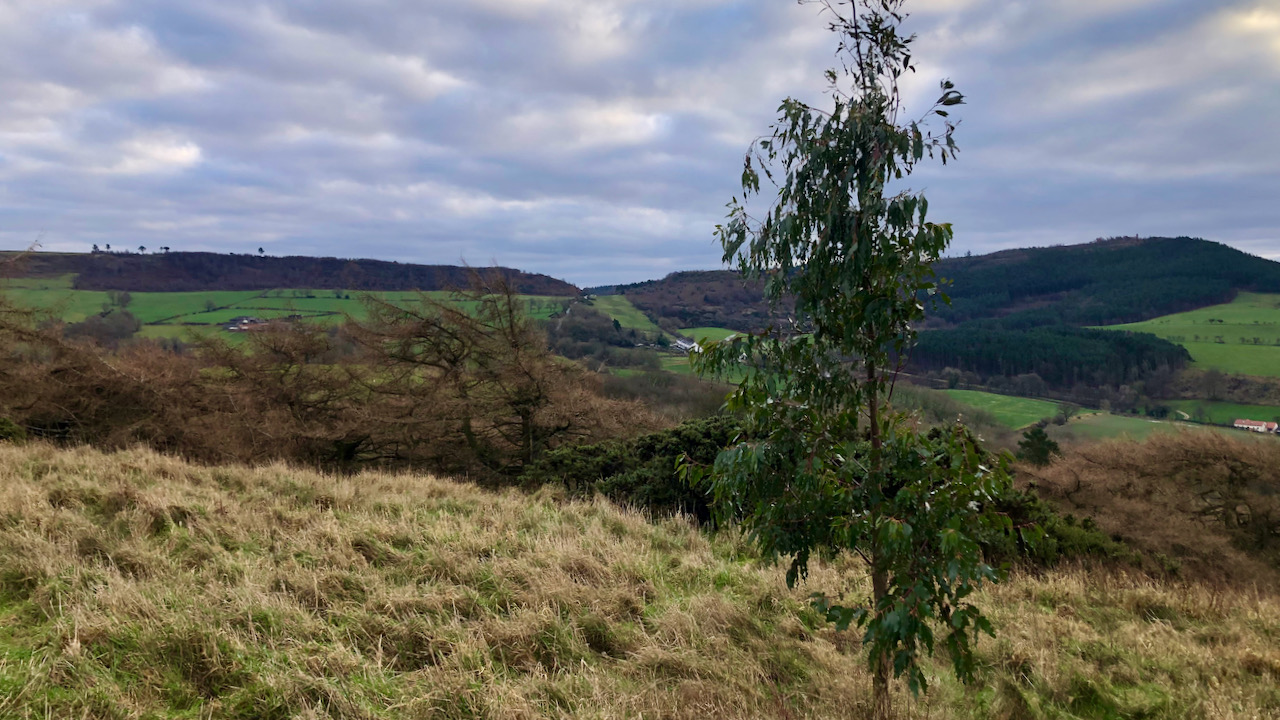
A Nature Whodunit: The Case of the Wayward Eucalyptus
Attention green-fingered readers. Can anyone identify this tree? It’s growing in a pretty exposed spot on Cliff Rigg. According to the ‘Seek’ app on my trusty phone, it’s a member of the myrtle family, and opinion is that it might be part of the Eucalyptus genus. If that’s true, this tree has ventured quite a…
-
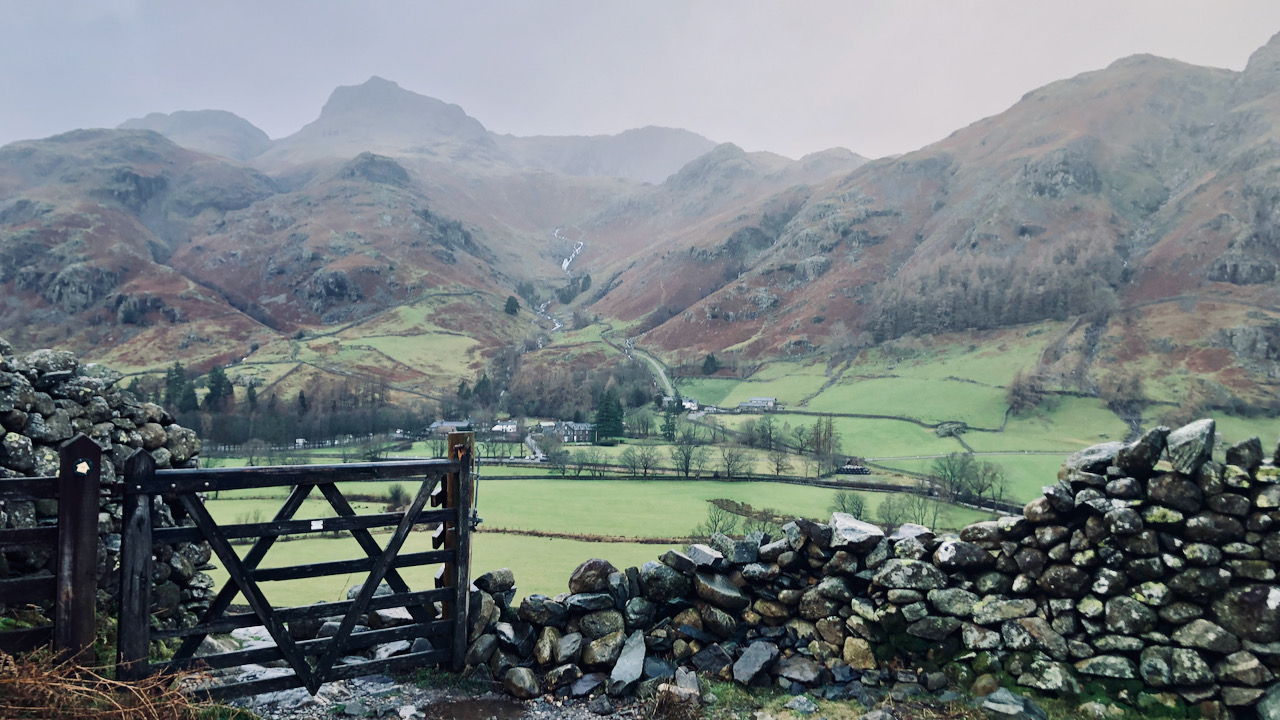
Wordsworth woz ere
An outlook spanning Great Langdale to Stickle Ghyll, featuring Harrison Stickle and, adjacent on the right, Pavey Ark, its formidable crag wall softened by the mist. Wordsworth once found himself taken aback by the bleat of a lamb, resounding from Pavey Ark, while standing by Stickle Tarn. A recollection of that very sound inspired a…
-
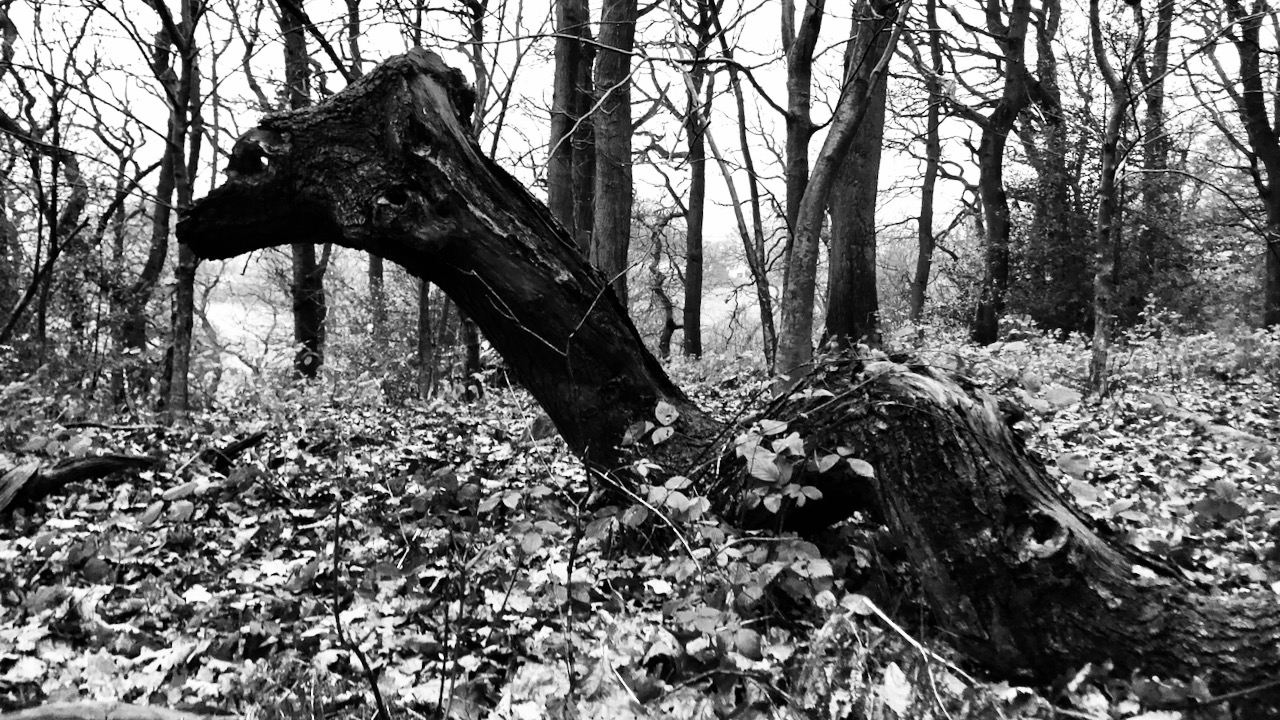
Confronting Storm Gerrit and hunting Nessie in Newton Wood
On a day that could only be described as dire, I ventured out to confront the tempestuous forces of Storm Gerrit. With a strategic approach, I sought refuge primarily within the protective confines of Newton Woods. In my last posting, but one, I mentioned ‘pareidolia’. This is the tendency to see images of animals, faces,…
-
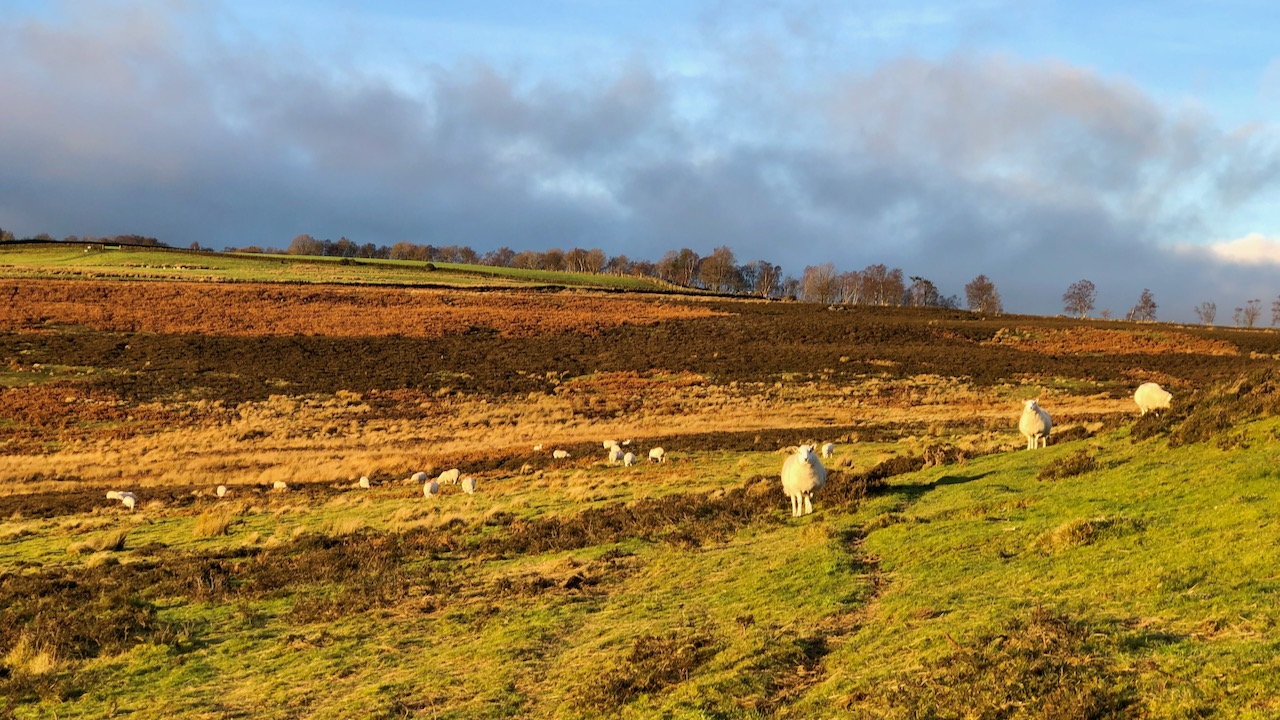
Scarth Wood Moor
I’ve previously posted how Major Herbert Peake, of Bawtry Hall in Doncaster, gifted the 220 acres or so of Scarth Wood Moor upon the National Trust back in 1935. Peake has an interesting history. Born in 1859 to Henry Peake of Westholme in Lincolnshire, he wouldn’t have been exactly raised in the humblest of surroundings.…
-
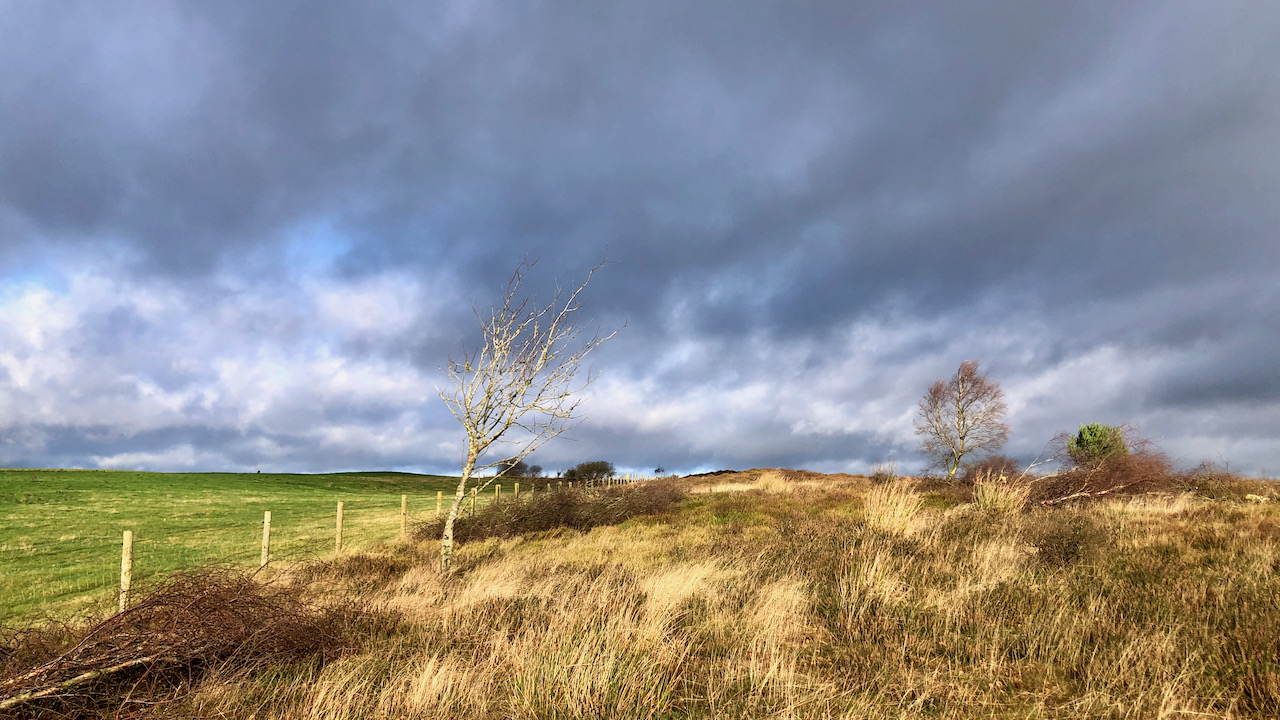
Graeme’s Legacy — The history of Grime Moor
On a dull overcast day, I found myself volunteering with the National Trust at their Bridestones property. The sun, playing hide and seek in the clouds, occasionally showered the moor with some spectacular lighting. Our task was on Grime Moor, supposedly named after Graeme, a onetime local landowner. We were making habitat piles from felled…
-
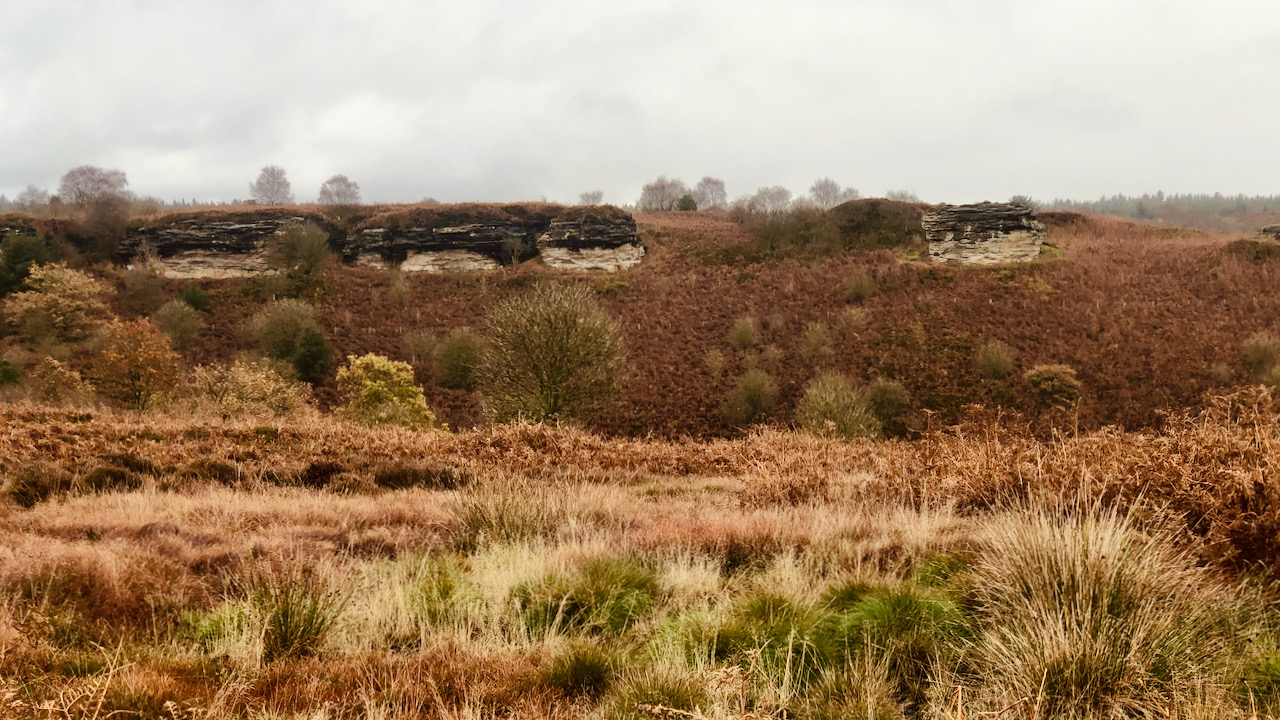
Wind, Rain, and the ever-changing Bridestones
The geological makeup of the North York Moors primarily comprises strata of sedimentary rock, deposited beneath the waters during the Jurassic Age. As the Jurassic sea level rose and fell, rocks of various densities were left. Over time, wind and rain tirelessly eroded away at these rocks, reshaping the landscape. Here at the Bridestones, the…
-
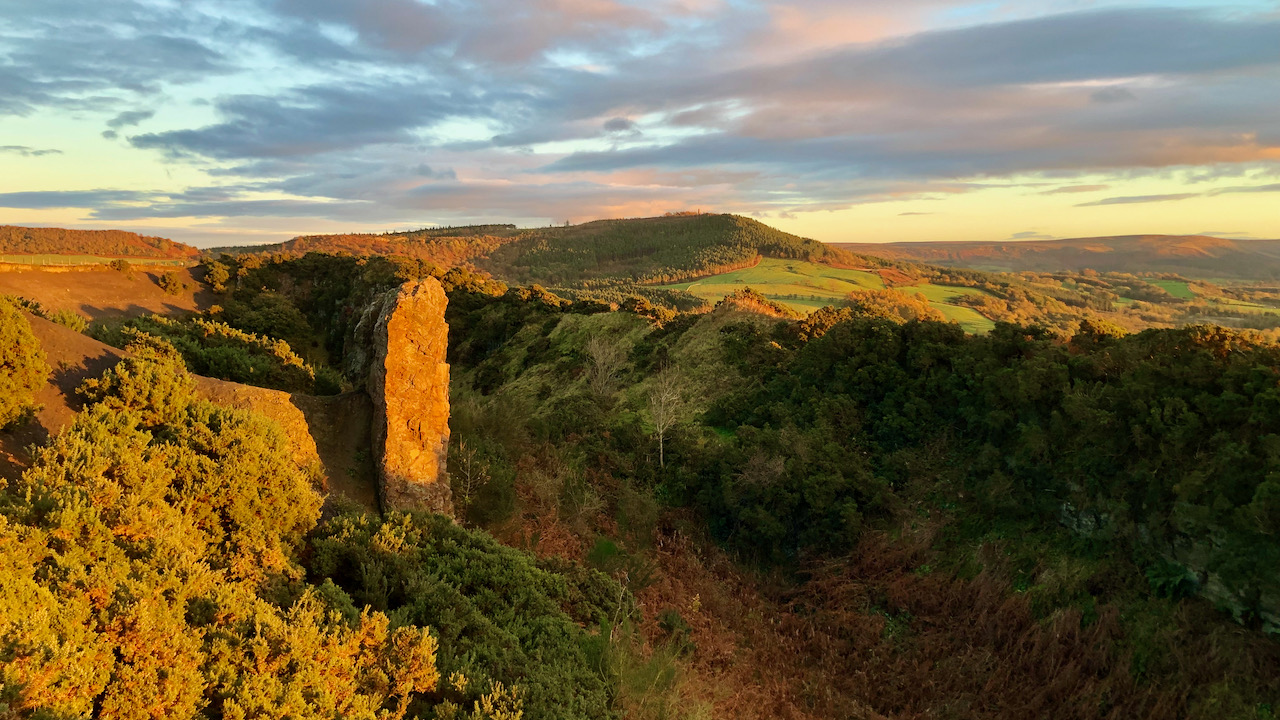
Late afternoon on Cliff Rigg
A morning spent volunteering alongside the National Trust, cutting sycamore saplings in Cliff Rigg Wood. Not exactly a photogenic opportunity, but later the dog was insistent that we ascend the ridge to bask in the waning afternoon sun. There, the lighting nicely highlighted a strange remnant from a bygone industrial era, the rocky pinnacle once…
-
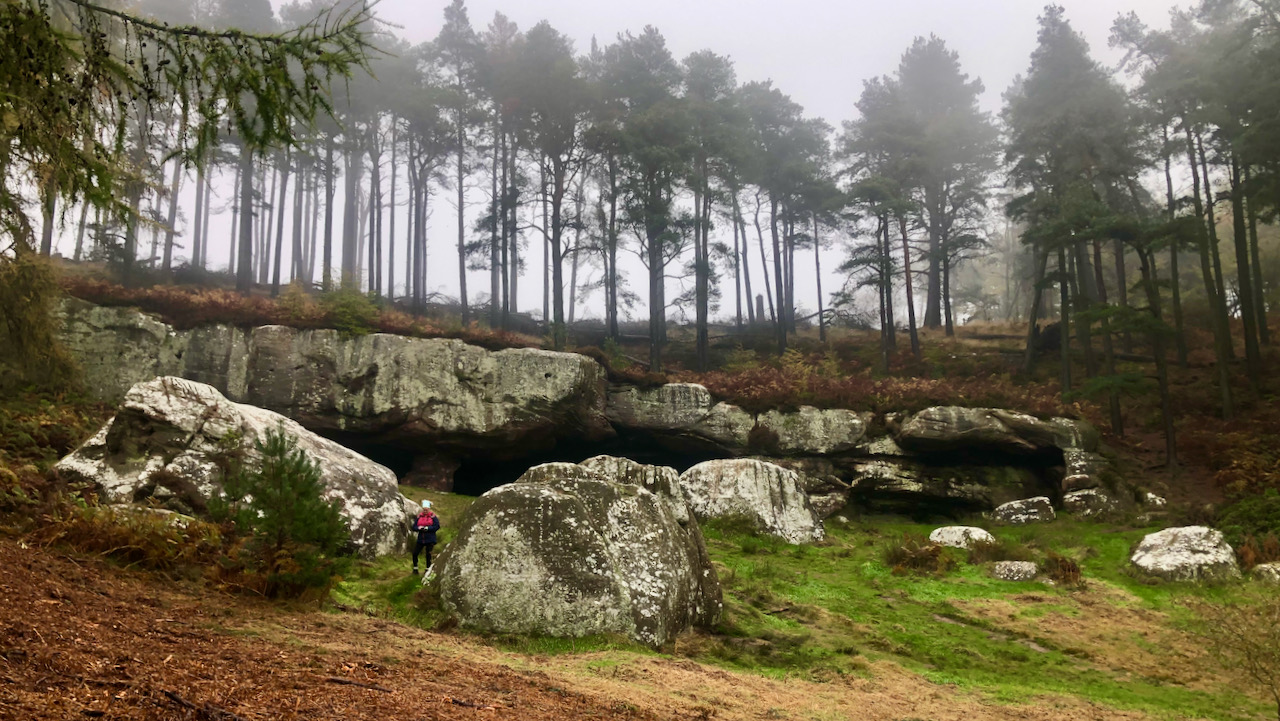
St. Cuthbert’s Cave
A pit stop to stretch our legs during the lengthy journey up to Edinburgh. St. Cuthbert’s Cave, a property owned by the National Trust in the Kyloe Hills, earned its name thanks to a group of monks back in 875. Fearing the looming arrival of the Great Heathen Army, they fled from Lindisfarne Abbey with…
-
United Nations Day
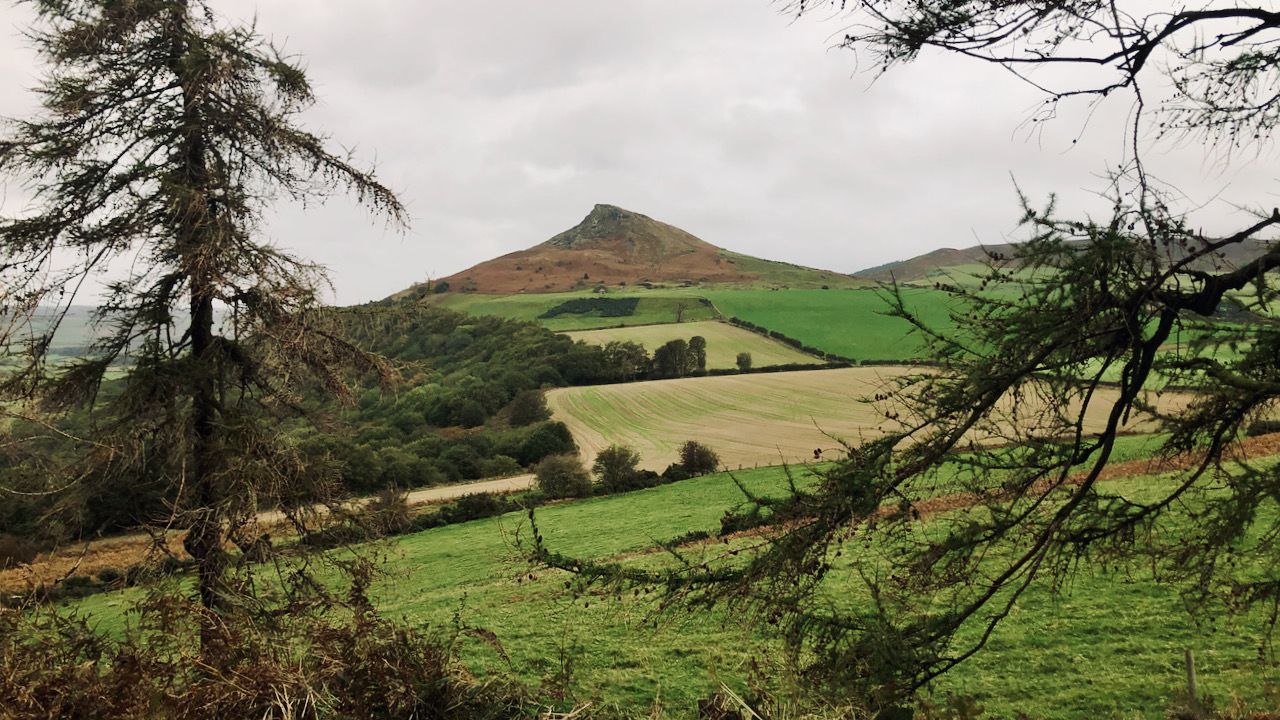
With the promise of rain in the forecast and a list of errands to do in Stokesley, a swift blast up Roseberry was the imperative for the day. “How many roads must a man walk down Before you call him a man?” In 1962, so Bob Dylan sang, and, during my formative years, I couldn’t…
-
Storm Babet
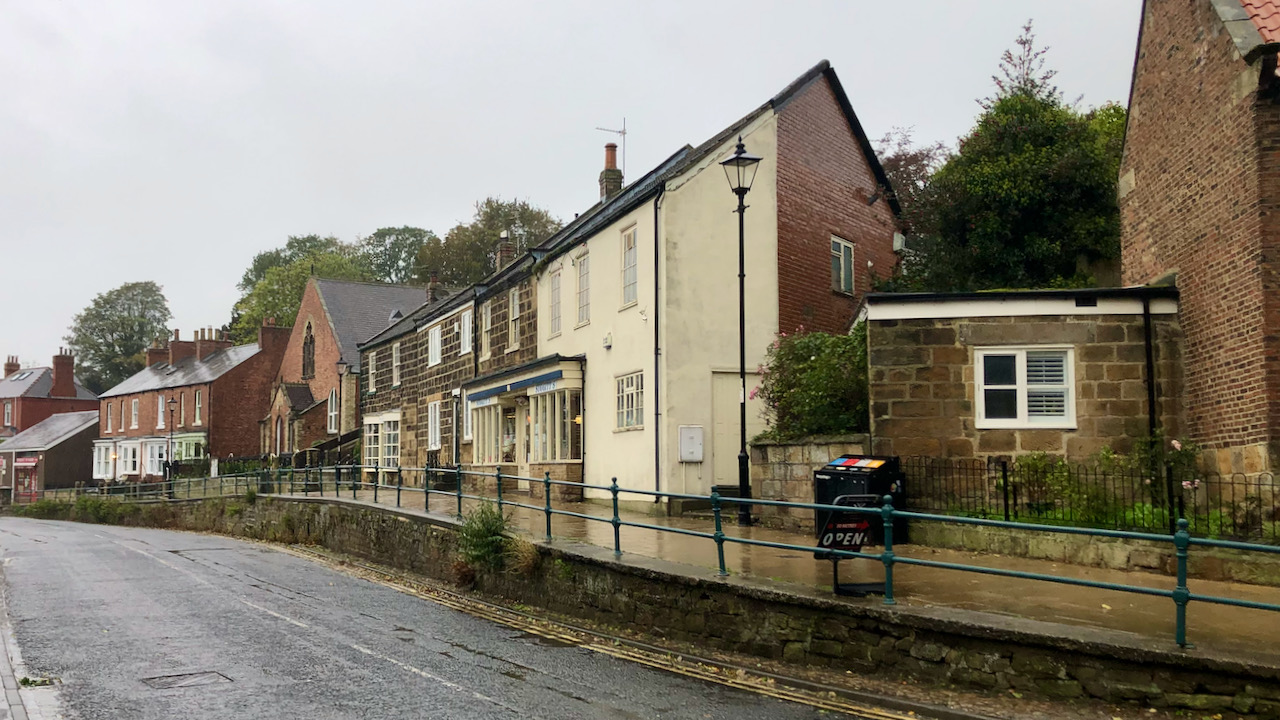
A deserted High Street in Great Ayton. Not a soul in sight. Everyone’s hunkered down. For me, a pluvious and tempestuous battle up Roseberry, though I skipped the summit. A short walk, leaving the rest of the day for housework. There’s an Old English word that suits our usual cleaning routine — ‘scurryfunge.’ It means…