Tag: National Trust
-
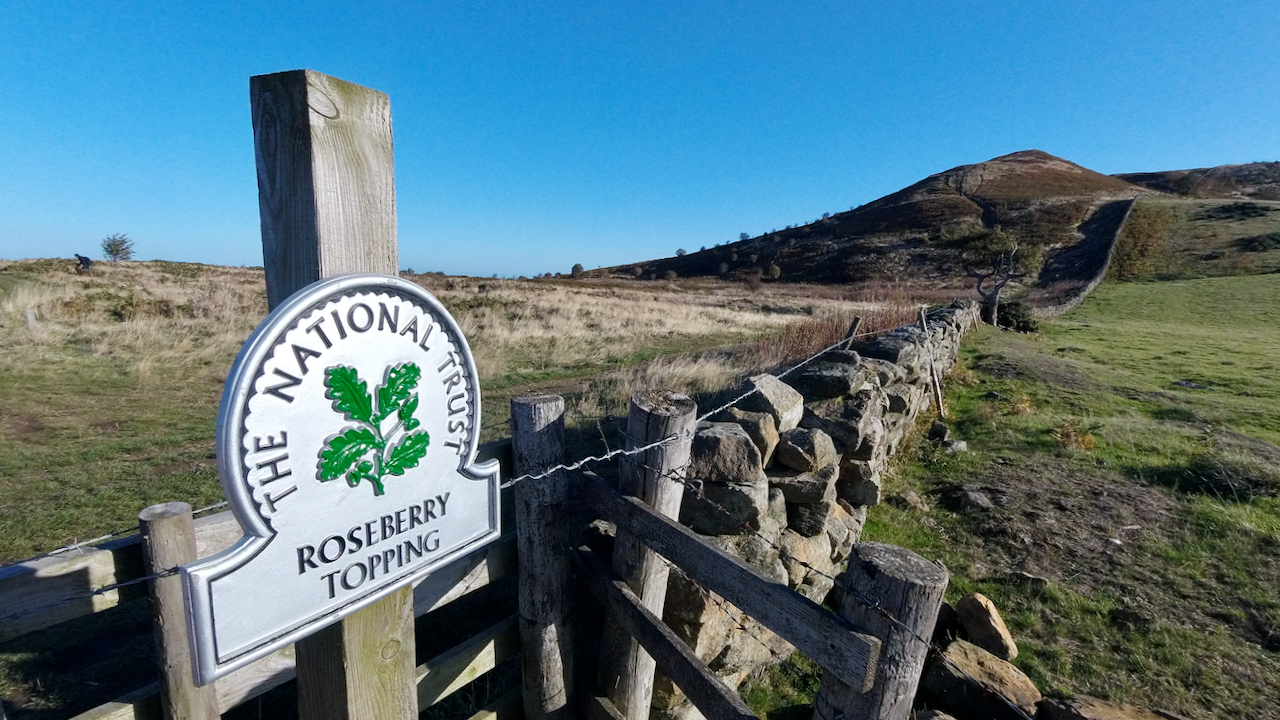
Roseberry Common ‘omega’ sign
The oak leaf on an ‘omega’ shaped plaque has become the National Trust’s iconic sign since it was designed by Yorkshire artist Joseph Armitage (1880-1945) in 1935. “The oak leaves were chosen as being no less symbolic of England than the more usual lion, and more in keeping with the use of the emblem”. Omega…
-
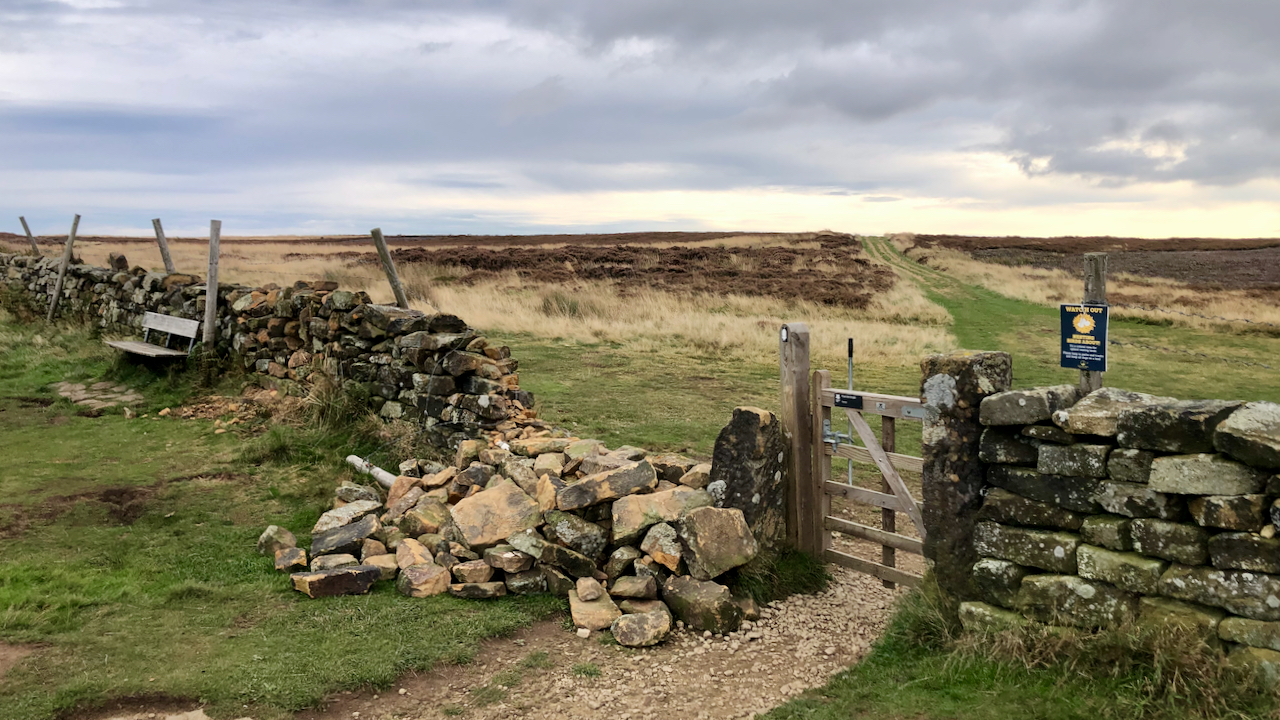
Why?
All acts of vandalism are just mindless and irresponsible but some defy any sort of explanation whatsoever. Look closely to the right of the seat and you can see a patch of wall that has been repaired. I reported this to the National Trust just last week and they have promptly been up and repaired…
-
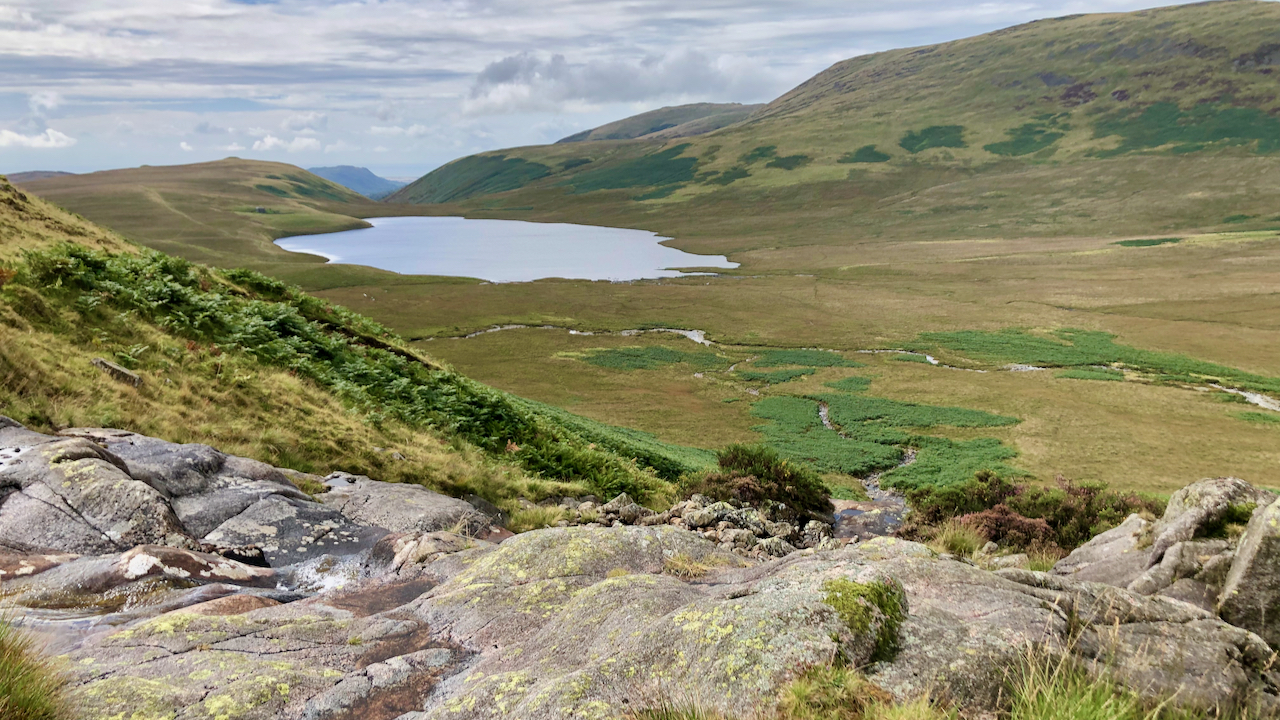
Burnmoor Tarn
Described by Coleridge as “flounder-shaped” with “it’s Tail towards Sca’ Fell, at its head a gap forming an inverted arch with Black Comb & a peep of the Sea seen thro’ it“. He was on his ascent of Scafell in 1802, and took the direct route from Burnmoor Tarn, so he could well have passed…
-
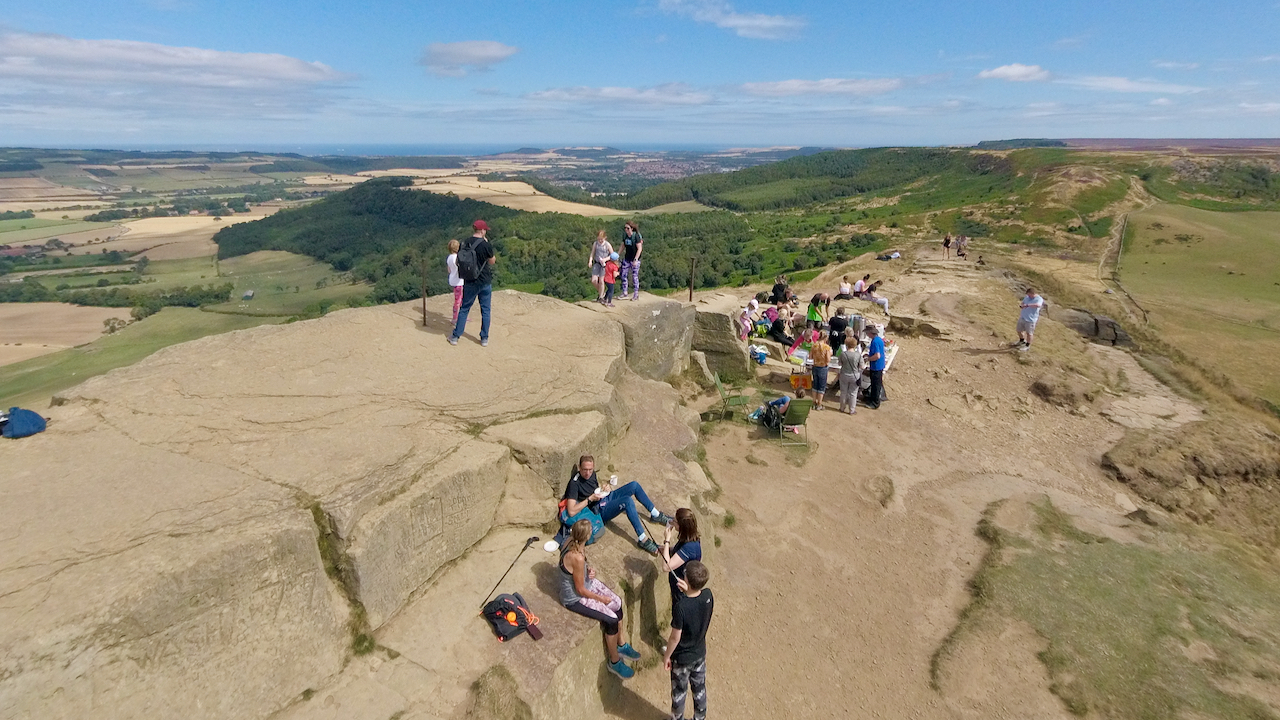
Tea on the Topping
From 2009, until Covid came along, the National Trust held their ‘Tea on the Topping’ event on the summit of Roseberry Topping on the first Sunday in August. Hot and cold drinks and homemade cakes, baked by staff and volunteers were sold in a pop-up tea room, everything including crockery, tables, boilers, gas bottles and…
-

Low Staindale
A delightful former farm-house situated in Staindale in the parish of Lockton. The farmstead is shown on the Thomas Jefferies map of 1775 and it is believed the farmhouse certainly dates from that time with later alterations and extensions. The house itself is Grade II listed but two of the outbuildings are also of historical…
-
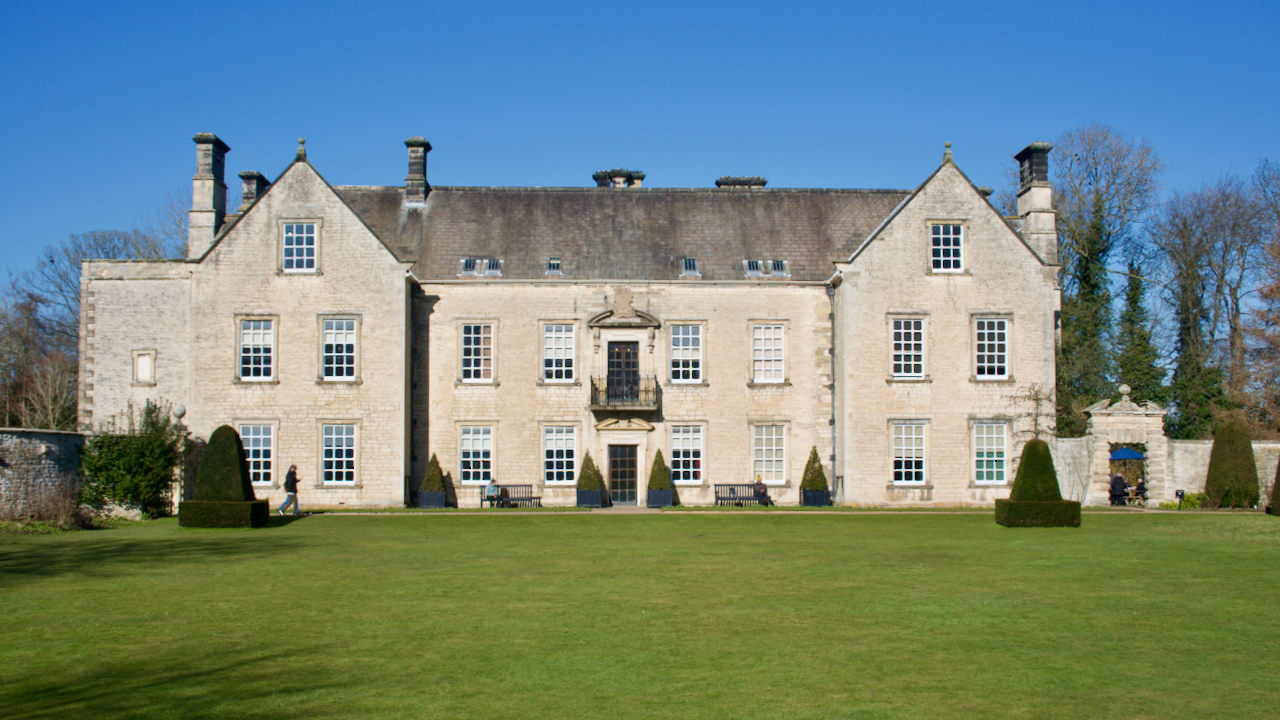
Nunnington Hall
This National Trust property is tranquilly situated on the banks of the River Rye. Built on the site of a Saxon homestead it’s a place that oozes history. The earliest part of the south-facing house dates from the mid-16th-century but most is 17th-century work carried out for Richard Graham, first Viscount Preston and Master of…
-
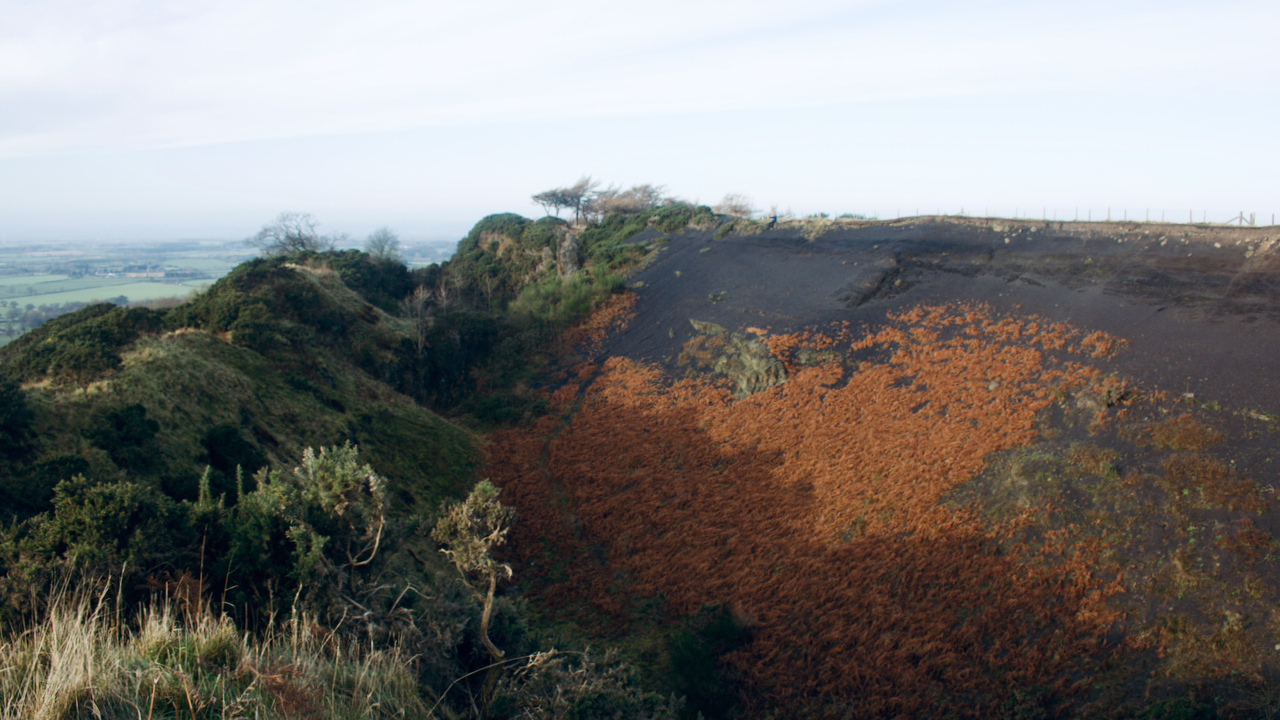
Where is the Elephant Hole?
The National park have recently been at worked erectly a new kissing gate, steps and fingerpost below Aireyholme Farm. One ‘finger’ confuses me, it points to the ‘Elephant Hole’. Where exactly is the ‘Elephant Hole’? Some opinion seems to be that it is the large bowl at the top of Cliff Rigg. But if this…
-
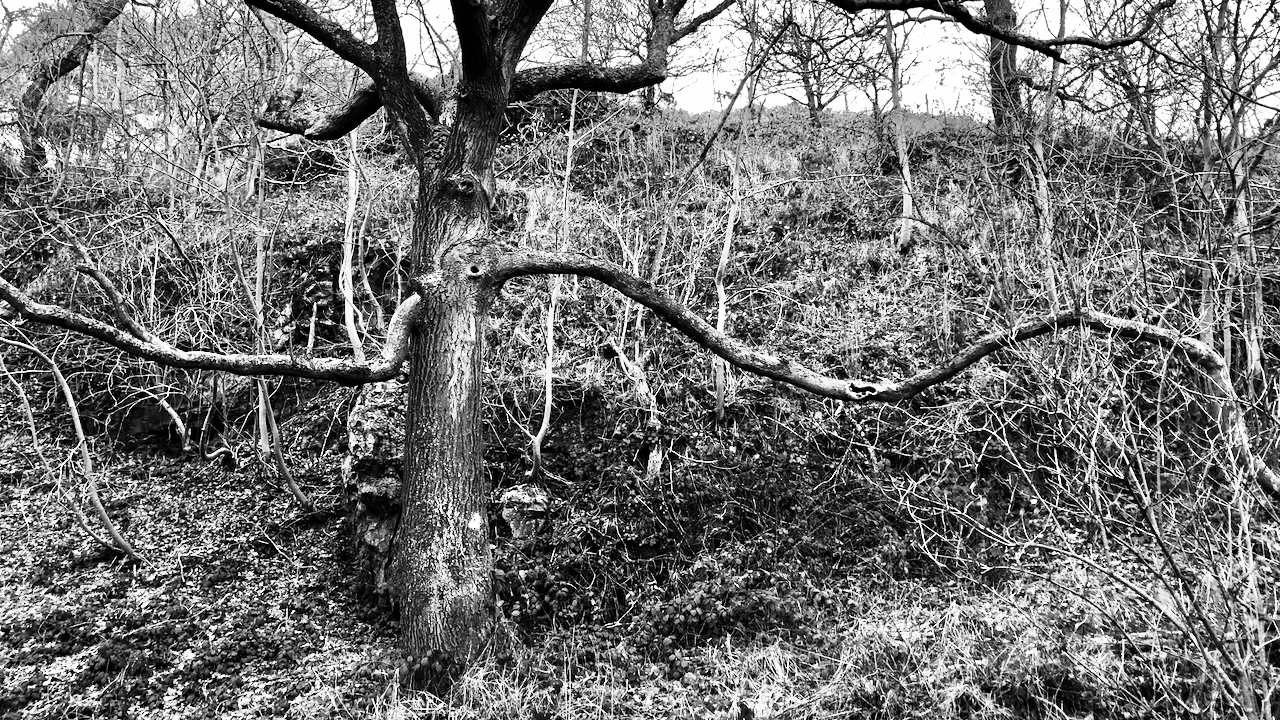
A doomed Ash tree
The Ash, one of our major trees along with oak, birch, elm and lime. It’s a strong and flexible wood, traditionally used for spears or axe handles. The name comes from the Anglo-Saxon ‘aesc‘ meaning a spear or lance. But since 2012, a disease has been devastating Ash trees — Ash Dieback, caused by a…
-
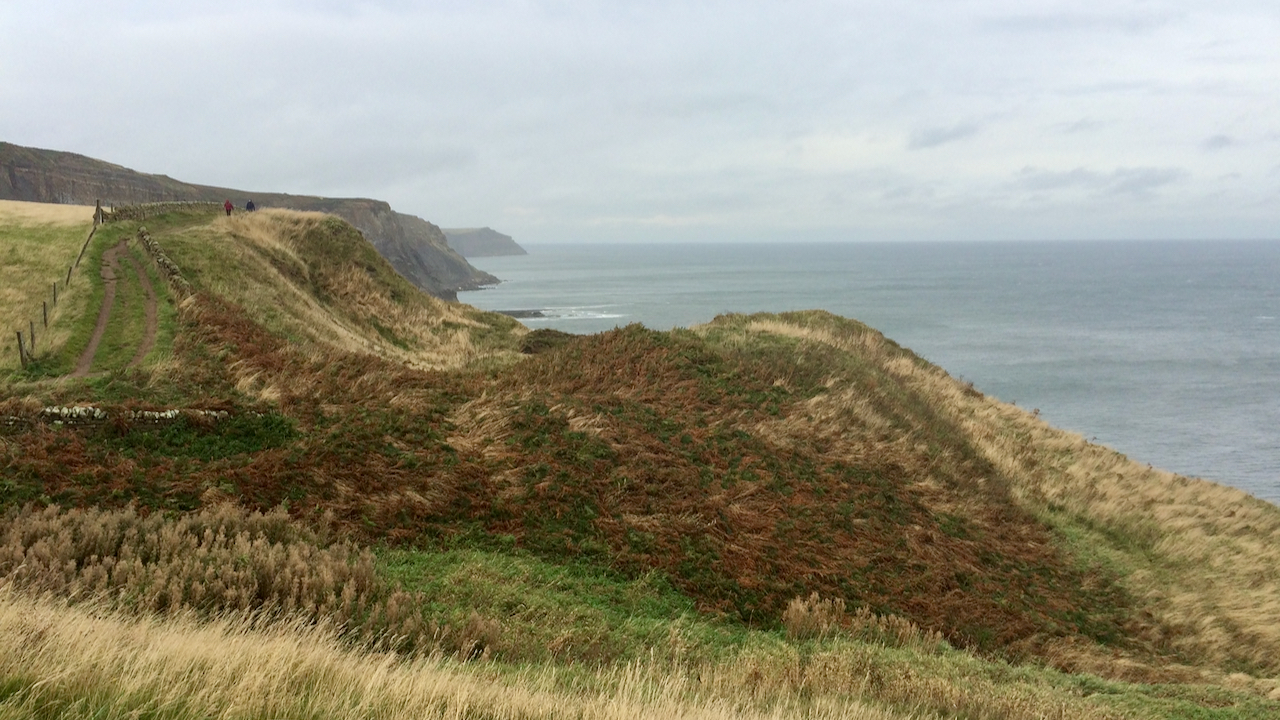
Craze Naze
What a lovely assonant name, although many Cleveland Way walkers will no doubt pass it without giving it a second thought, eager to get to Whitby or Robin Hood’s Bay, in whichever direction they are heading. On the Six-inch Ordnance Survey map of 1853, it is named as Dobson’s Nab. I wonder who Dobson was.…
-
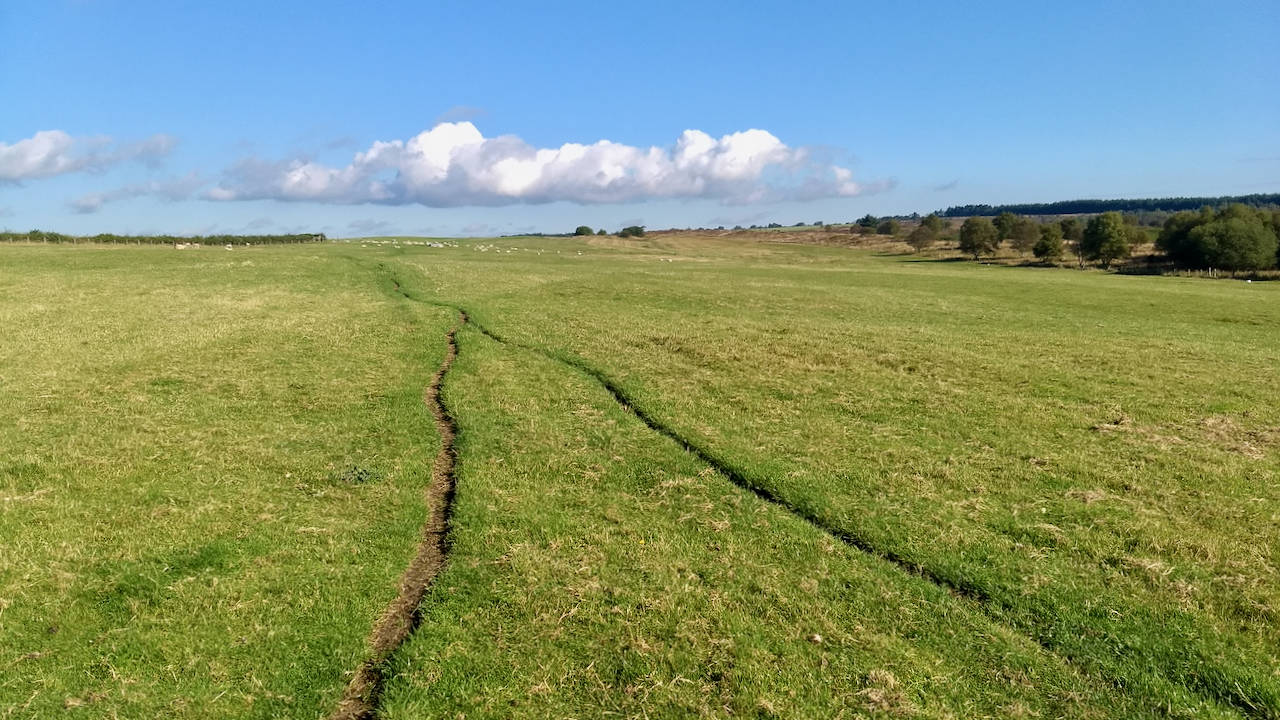
A tale of two trods
They say that sheep will blindly follow the sheep in front. It’s part of their gregarious instinct. Yet will they follow the exact same route day after day? For surely this sheep-trod has taken many weeks to develope. And if they do, then they must have a terrific terrain memory. It be wrong to…