Tag: Lead Mining
-
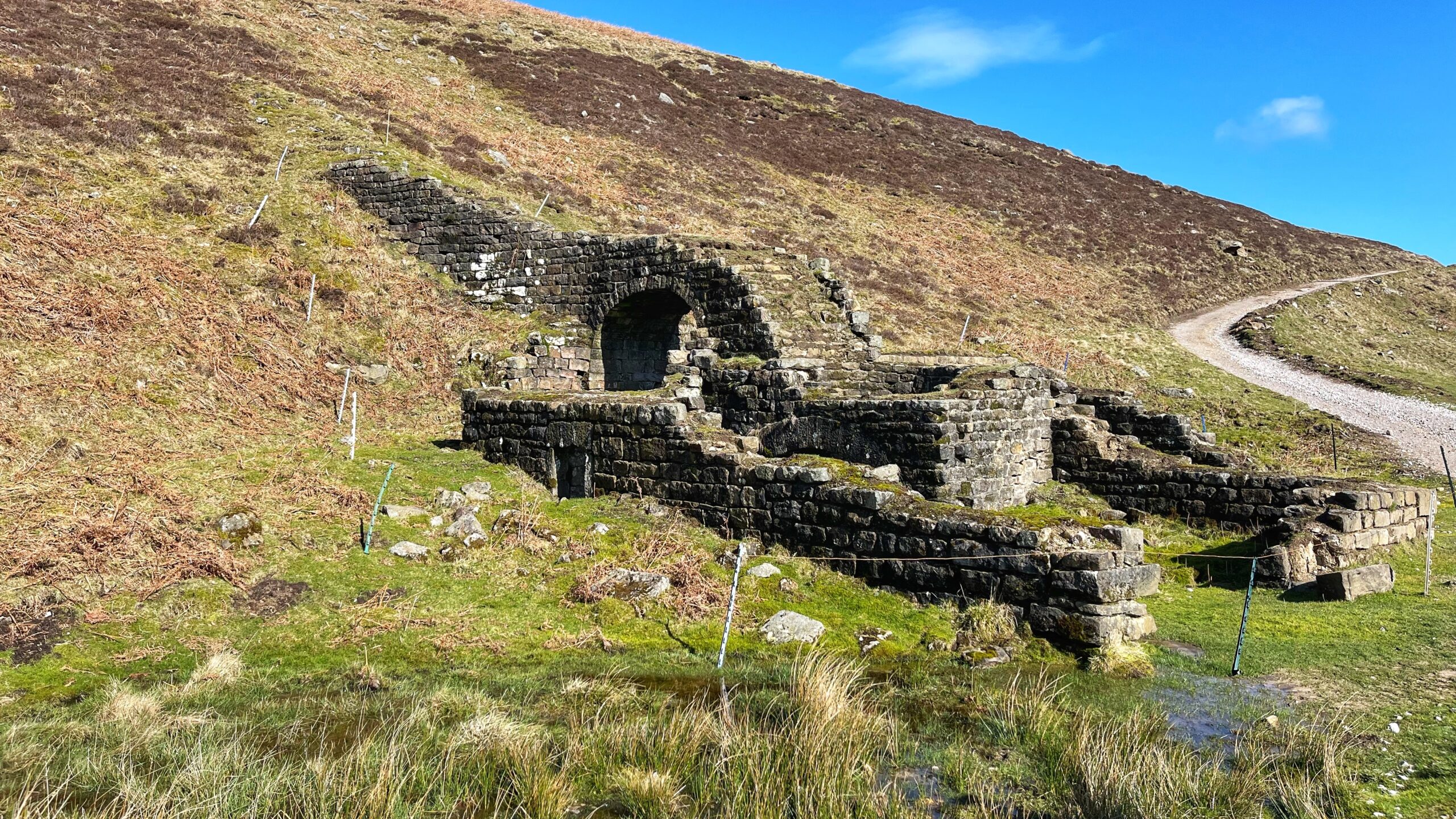
Providence Smelting Mill – Lead, Sweat and and 200 Years of Silence
The arch in this image above has stood on this windswept Yorkshire moor for over two hundred years. It is now the most eye-catching feature in this otherwise barren valley. Near Greenhow, west of Pateley Bridge in Nidderdale, the ground holds centuries of industrial history just beneath the surface. In 1840, Michael Colling, agent to…
-
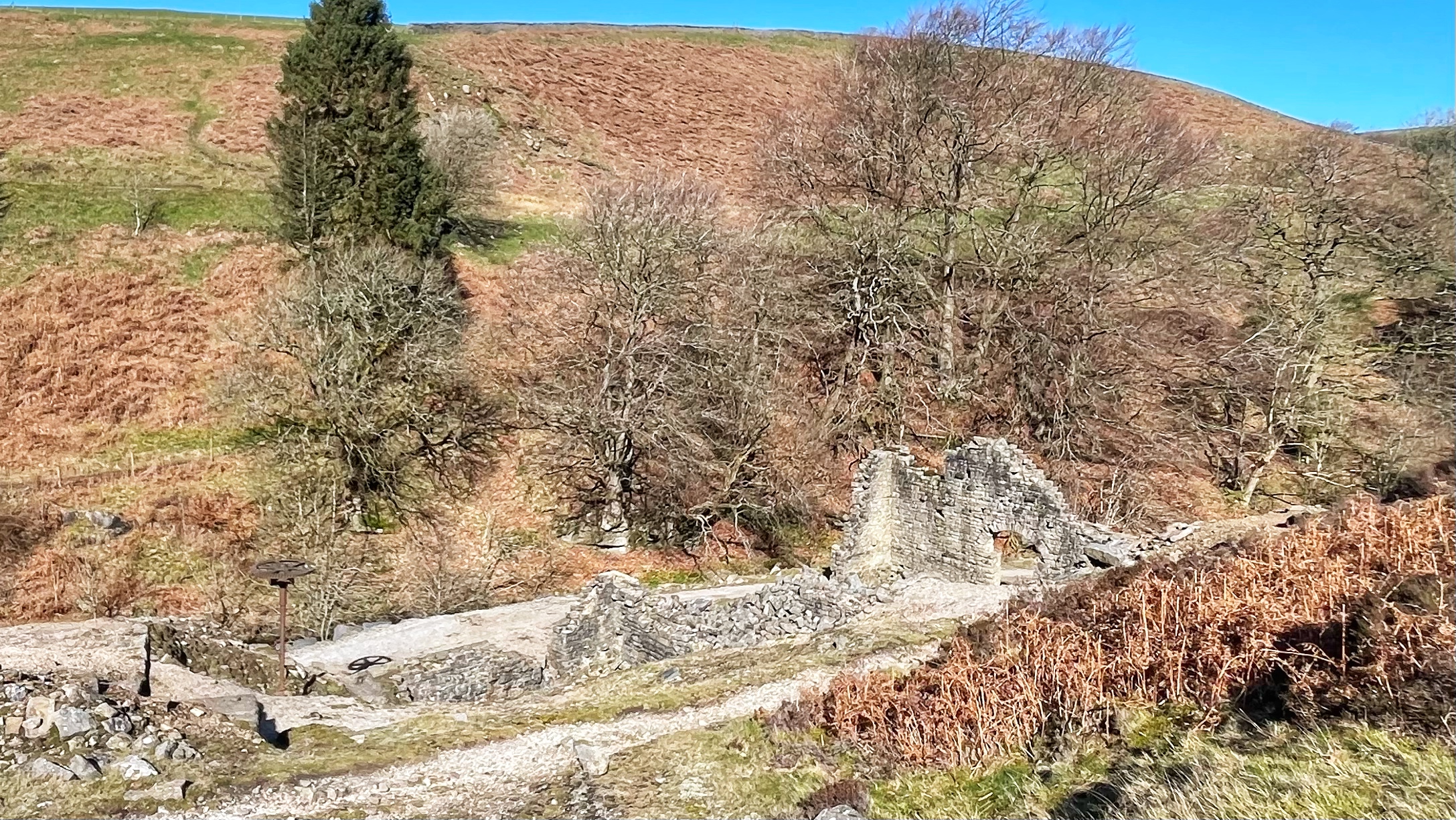
The Prosperous Smelt Mill
These crumbling stone walls tell quite a story. Standing at the foot of a bracken-covered hillside near Pateley Bridge, the ruins of the Prosperous smelt mill look like something from a forgotten world. They are, rather fittingly, exactly that. Lead was probably first mined here by the Romans. The first written record dates from 1781.…
-
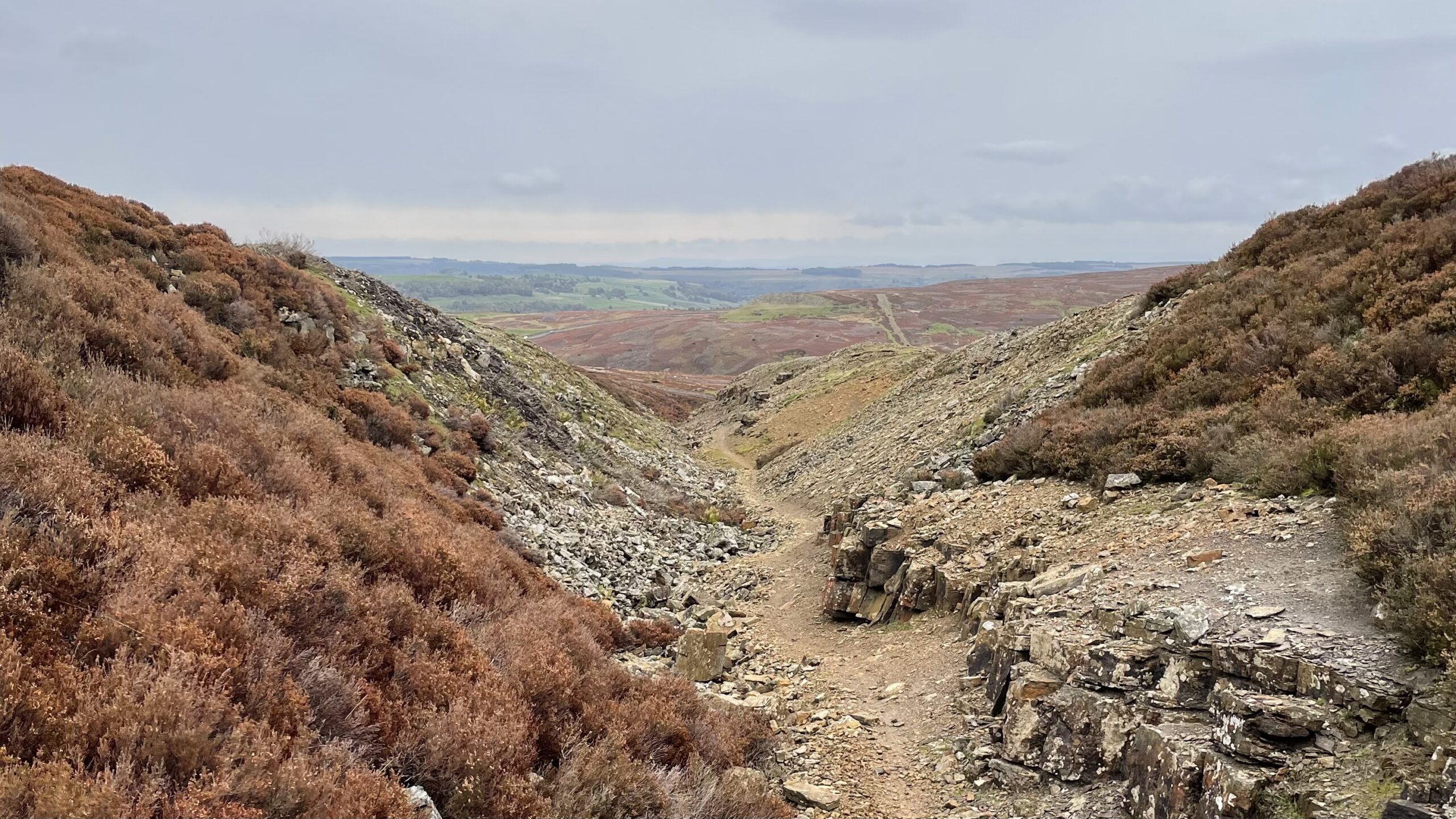
How Hush: A Gorge Carved by Water and Industry
Another glimpse from Thursday’s wander through Swaledale: this is How Hush, a scar across the hills carved not by nature but by centuries of lead mining. Lead was likely valued here long before history began to take notes. The vast Grinton–Fremington dykes, which probably marked prehistoric tribal boundaries, bear silent witness to early human presence…
-
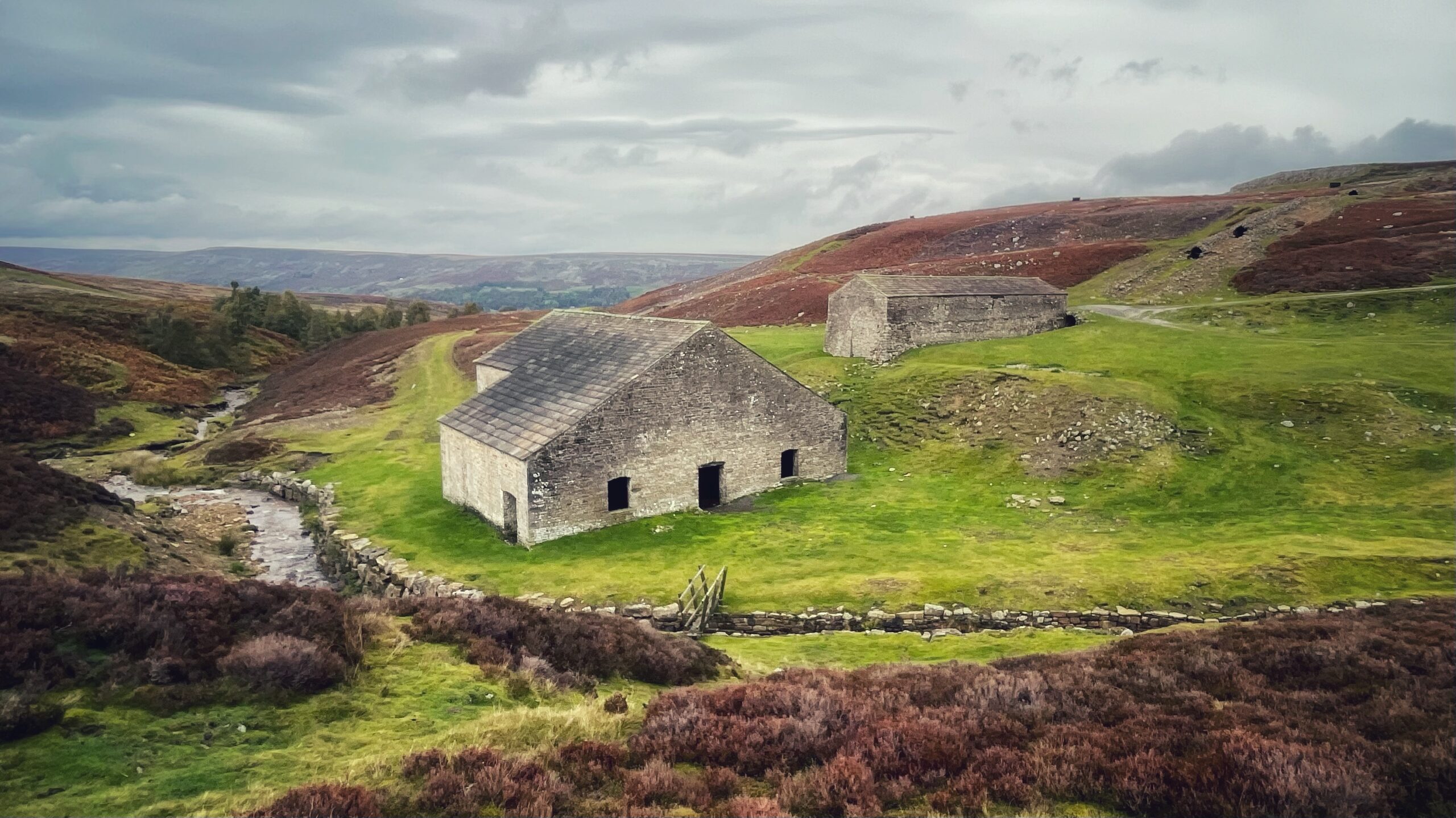
Grinton Smelting Mill
Grinton Smelting Mill is one of the best-preserved lead mills in the Yorkshire Dales. It sits in Cogden Gill, just south of Grinton village, at the confluence of two becks. The site offered water, level ground, and easy access to ore. One of the becks had to be diverted, culverted and partly covered to make…
-

Lord Raby’s Smelting Scheme: The Story of Gaunless Mill
The weather has taken a turn for the worse, so a modest walk it is, to gaze upon the Gaunless Mill Chimney at Copley. This lone, crumbling relic of Teesdale’s lead smelting past stands in quiet defiance of time and indifference. The Gaunless Mill, despite being on a tributary of the Wear rather than the…
-

A Rainbow Over Ruin: The Legacy of Great Rundale’s Baryte Mines
A rainbow graces the Pennine valley of Great Rundale, near Dufton—a charming touch to a landscape turned into an industrial graveyard. The old lead and barytes mines have left their mark: adits, crumbling shafts, stone hut ruins, and vast heaps of rocky waste. The track winding up the dale carries the faint memory of men…
-

Beldi Hill Smelt Mill
Following my exhausting cycle ride around Swaledale yesterday, I wisely opted not to stray far today. So instead, here is another photograph from that trip. I was aware of Swaledale’s lead mining legacy, but stumbling upon this particular site was an unexpected delight. The Beldi Hill Smelt Mill sits awkwardly wedged into the hillside, just…
-

Low Slitt Lead Mine, Weardale
This is what’s left of the Low Slitt Lead Mine, once one of the biggest mines in the North Pennines. The mine had a long history, with lead ore extraction going on as early as two centuries before it really took off in the early 1700s, thanks to the efforts of the Sir William Blackett…
-
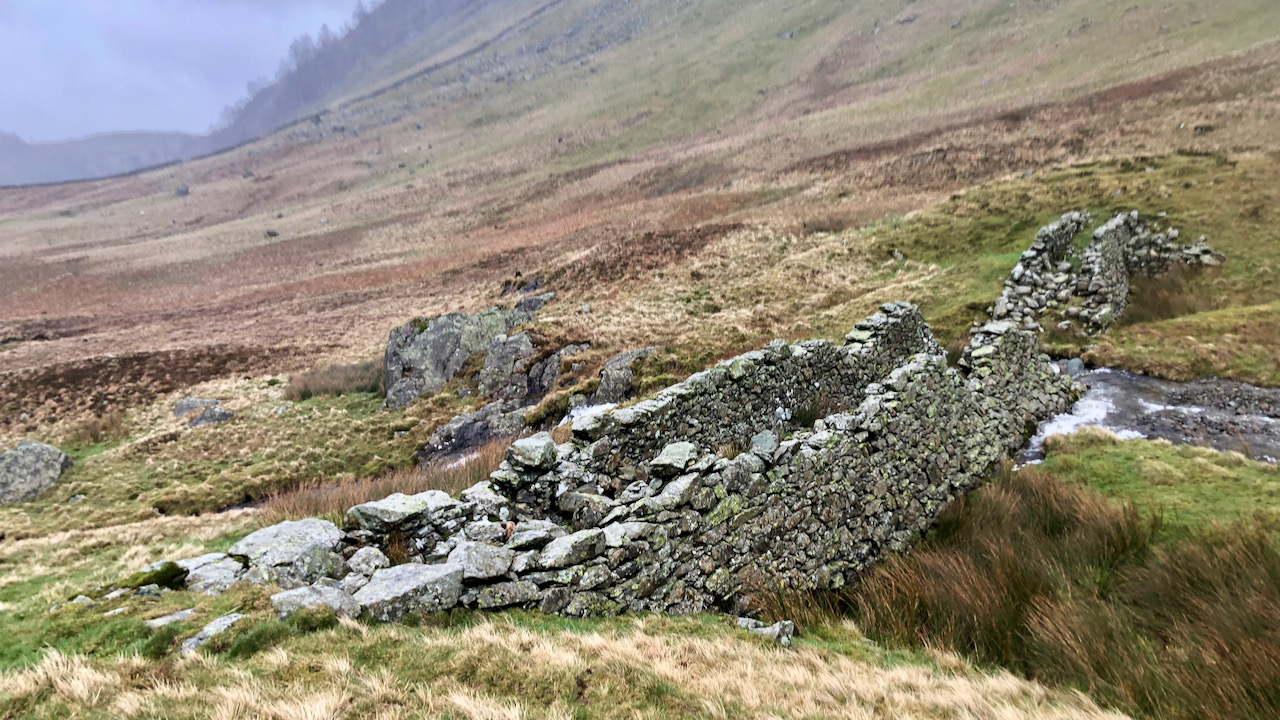
A Sheep Wash or Something More?
Last Thursday proved quite a trial. We found ourselves trudging along the Miners’ Balcony Path, tracing the contours, with Scot Crag looming above us and Glencoyne below. The wind, oh, it was a fierce adversary, pushing against us with all its might. To make a long tale short, we decided to beat a retreat and…
-
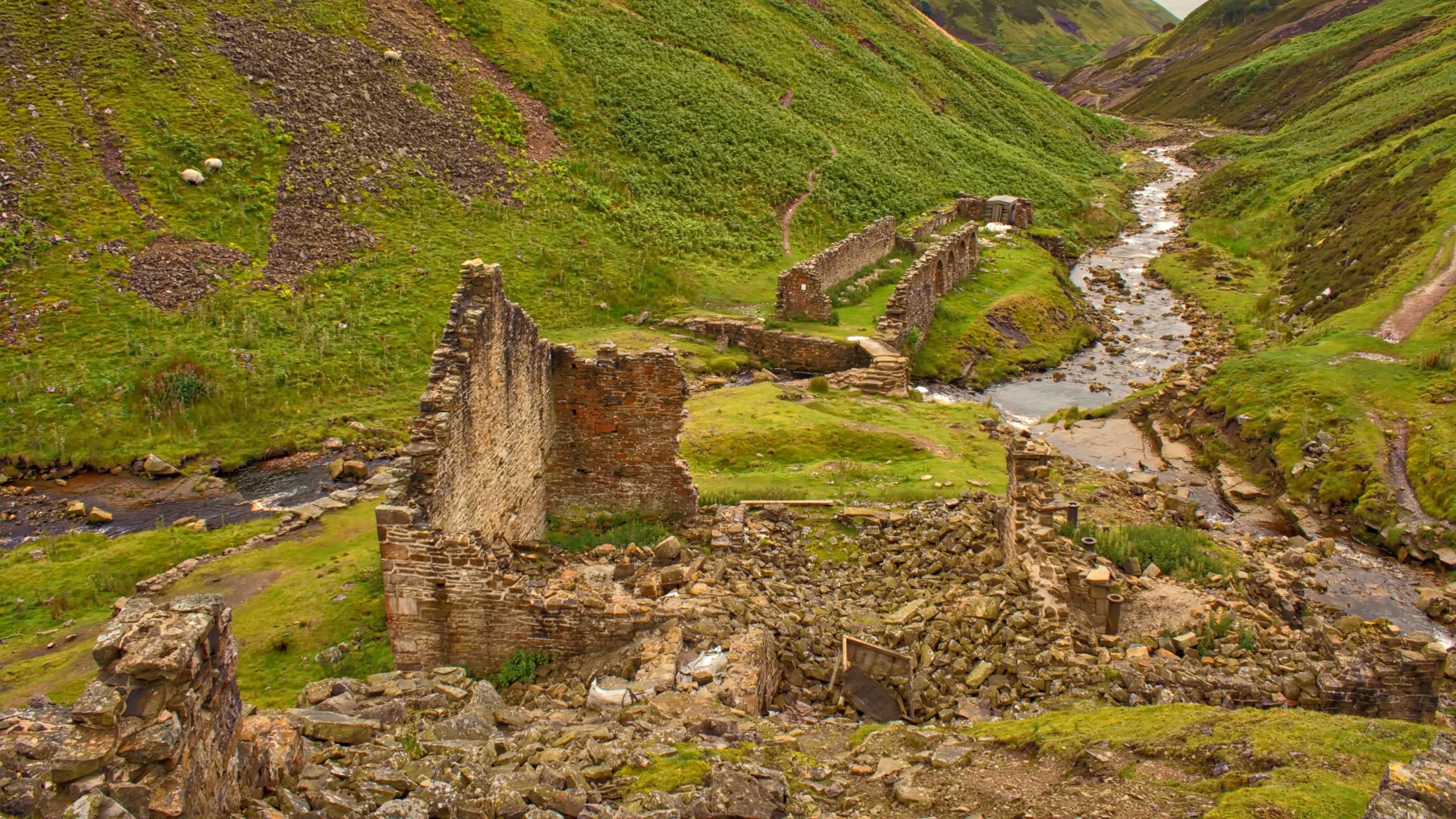
Blakethwaite Smelt Mill
The name Gunnerside, in the Yorkshire Dales, derives from two elements: ‘Gunnarr‘ a Norse personal name and ‘saetr‘ meaning a summer pasture. Through the village flows Gunnerside Gill which was once a hive of industrial activity with several leads mines operating along the narrow dale. The Blakethwaite Mine began in 1806 operated by Thomas Chippindale…