Tag: ironstone mining
-
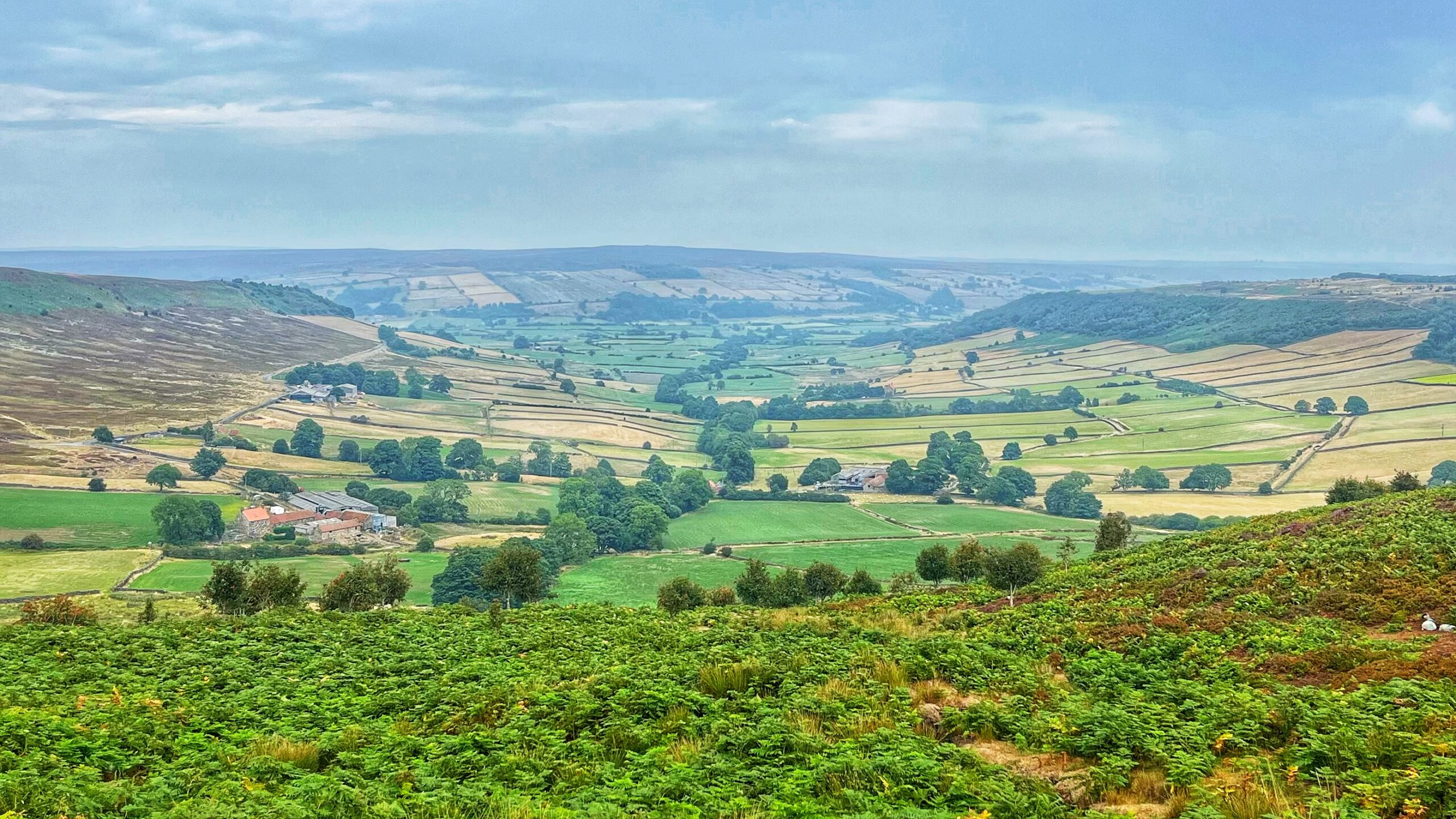
Friga’s Little Valley: Still with its Ironstone
The North York Moors dales are broader than you expect, every single time. Stand on Danby Rigg and look down at Little Fryup Dale and you will see exactly what I mean: a proper patchwork quilt of a valley, laid out below like someone tipped a box of green and gold offcuts onto the hillside.…
-
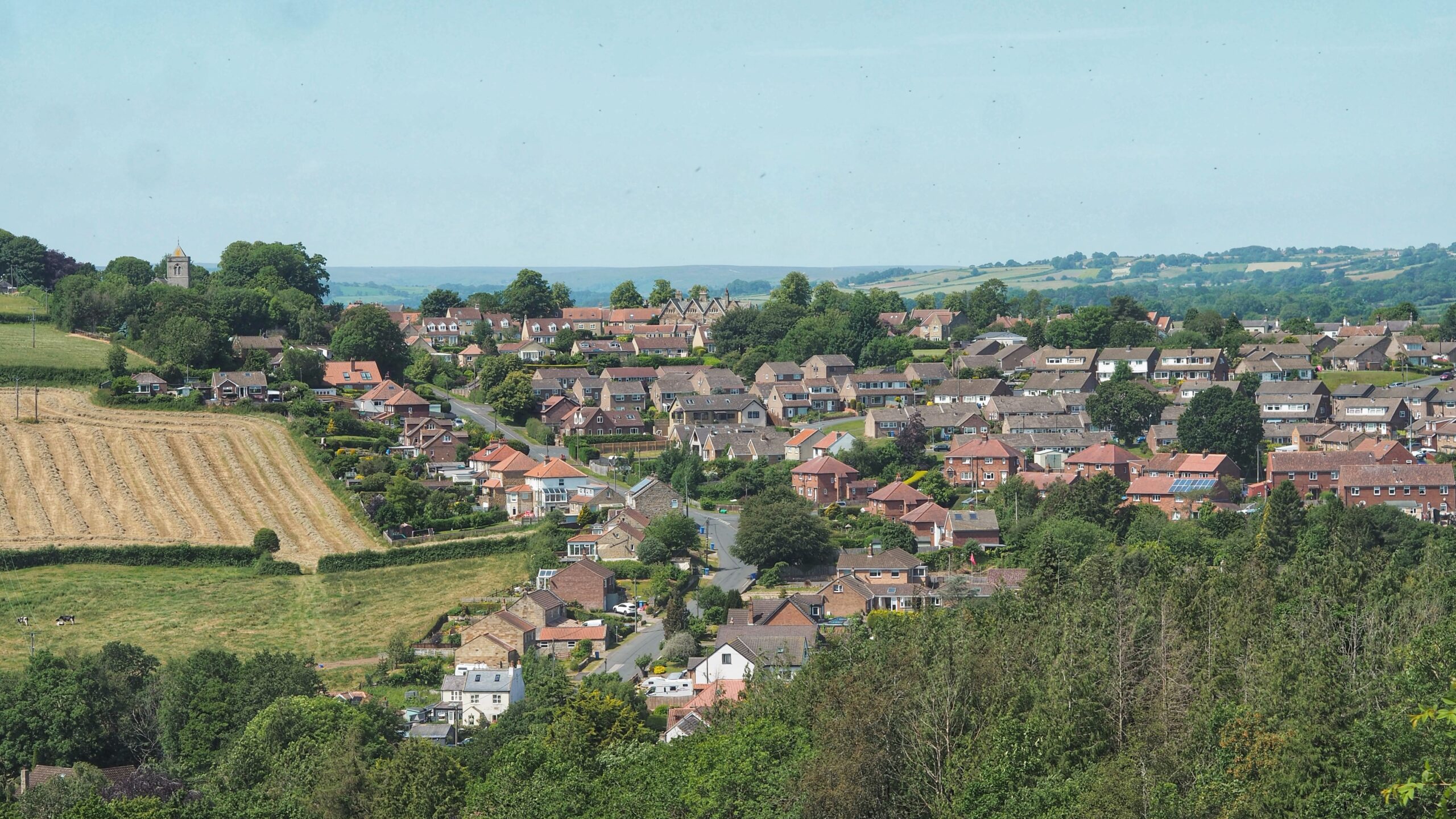
Iburndale: The Industrial Revolution Missed Its Stop
I must admit I can’t recall ever passing through Iburndale — certainly not on a bike, and that hill is steep. Sleights many times of course, but Iburndale feels such a contiguous part of Sleights, containing that same 20th-century housing favoured by retirees and the commuters of Whitby. The old village, once clustered around the…
-
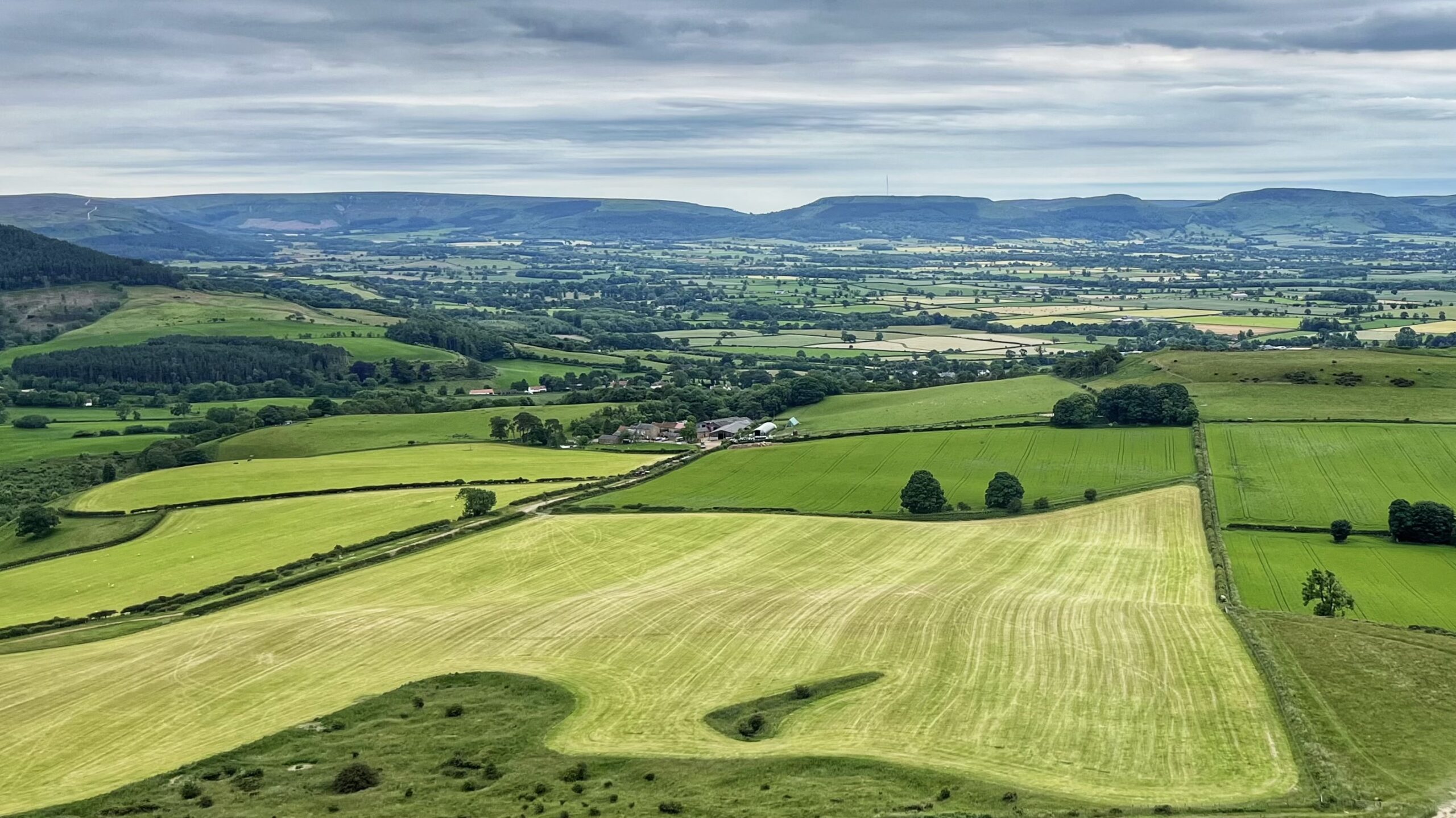
The Field That Keeps Its Secret
This never fails to make me smile. That teardrop island and the stubby little peninsula — where the farmer at Aireyholme cuts around rather than through — mark where the ground has quietly given up. They sit at the outer edge of the old Roseberry Mine ironstone workings. The miners used what they called “bord…
-

Echoes in the Vale: The Ghostly Rise and Fall of Leven Vale Cottages
By the mid-1850s, “Ironstone Fever” had Cleveland in its grip. The success at Eston tempted the Trustees of the young Robert Bell Turton to open up the Kildale Estate through an 1855 Act of Parliament. Investors fell for the “rabbit hole theory” — the tall story that John Marley had stumbled upon Eston’s underground riches…
-
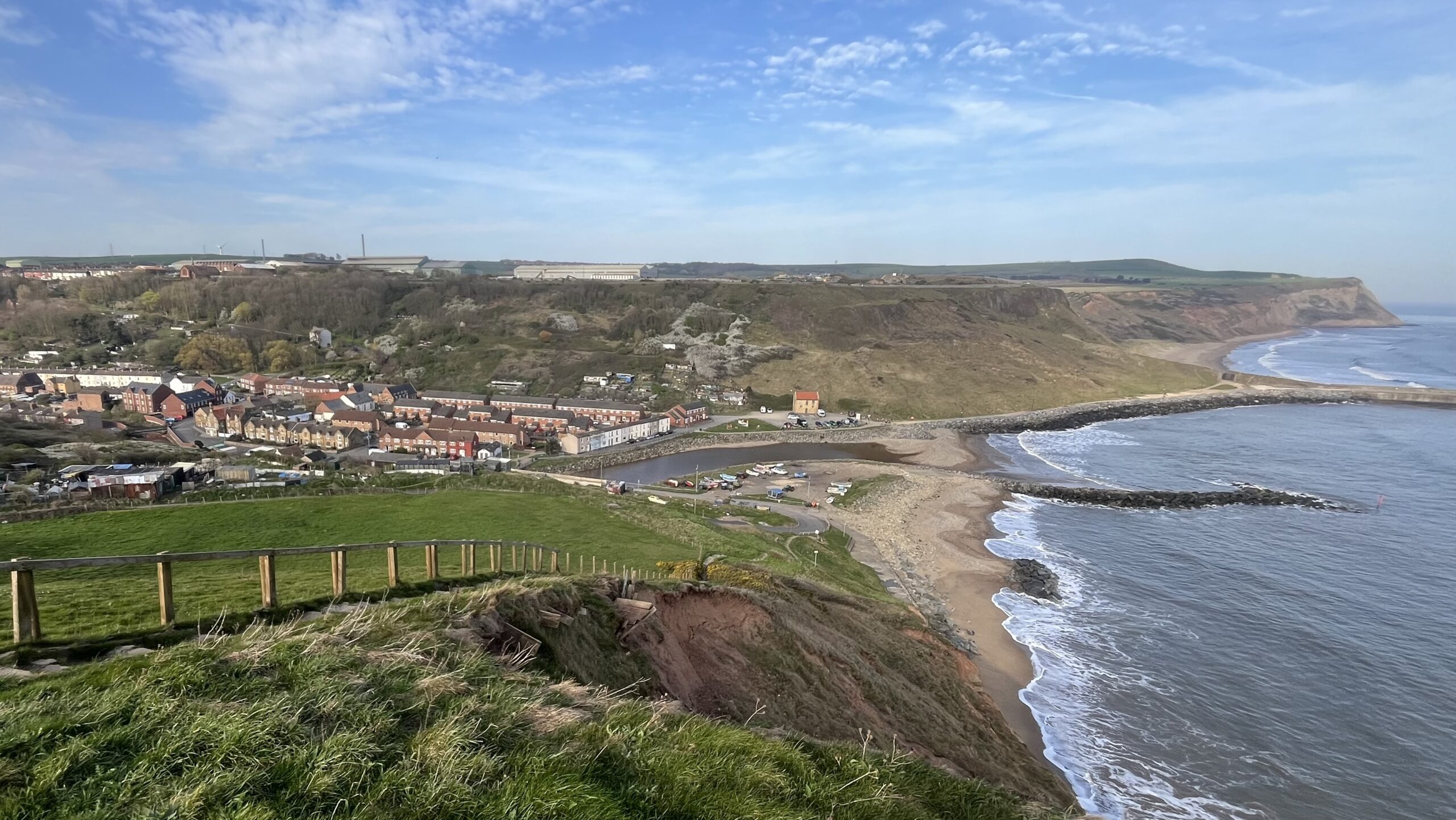
Skinningrove: Facebook History and Other Unreliable Gossip
Yesterday’s descent of Hummersea Cliff into Skinningrove. Terraced houses cluster around Kilton Beck where it meets Cattersty Sands. Rocky breakwaters hold back the North Sea, which is doing its level best to reclaim the shore. The wooden shoring in the foreground is losing an argument with coastal erosion. Will this be the first instance of…
-
The Last Traces of the Belmont Ironstone Mine
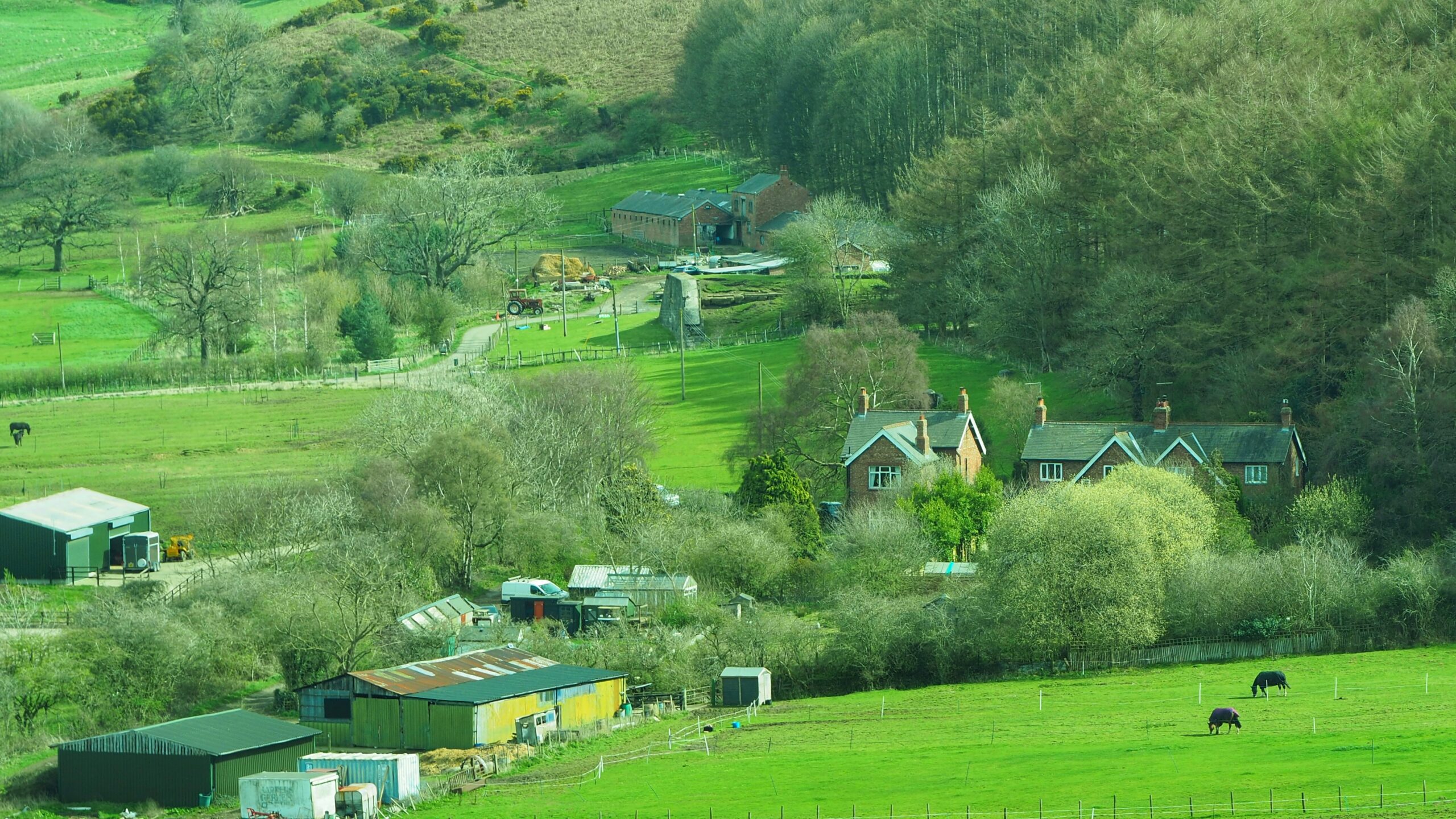
Green “Yorkshire” fields in early spring, and nothing here looks remotely industrial. Yet the three red-brick Edwardian cottages sitting neatly in the middle distance were built for the men who ran Belmont Ironstone Mine, and the large brick building in the distance was once the stables for the horses that worked underground. The large concrete…
-
Cold Moor: A Close Brush with Industry
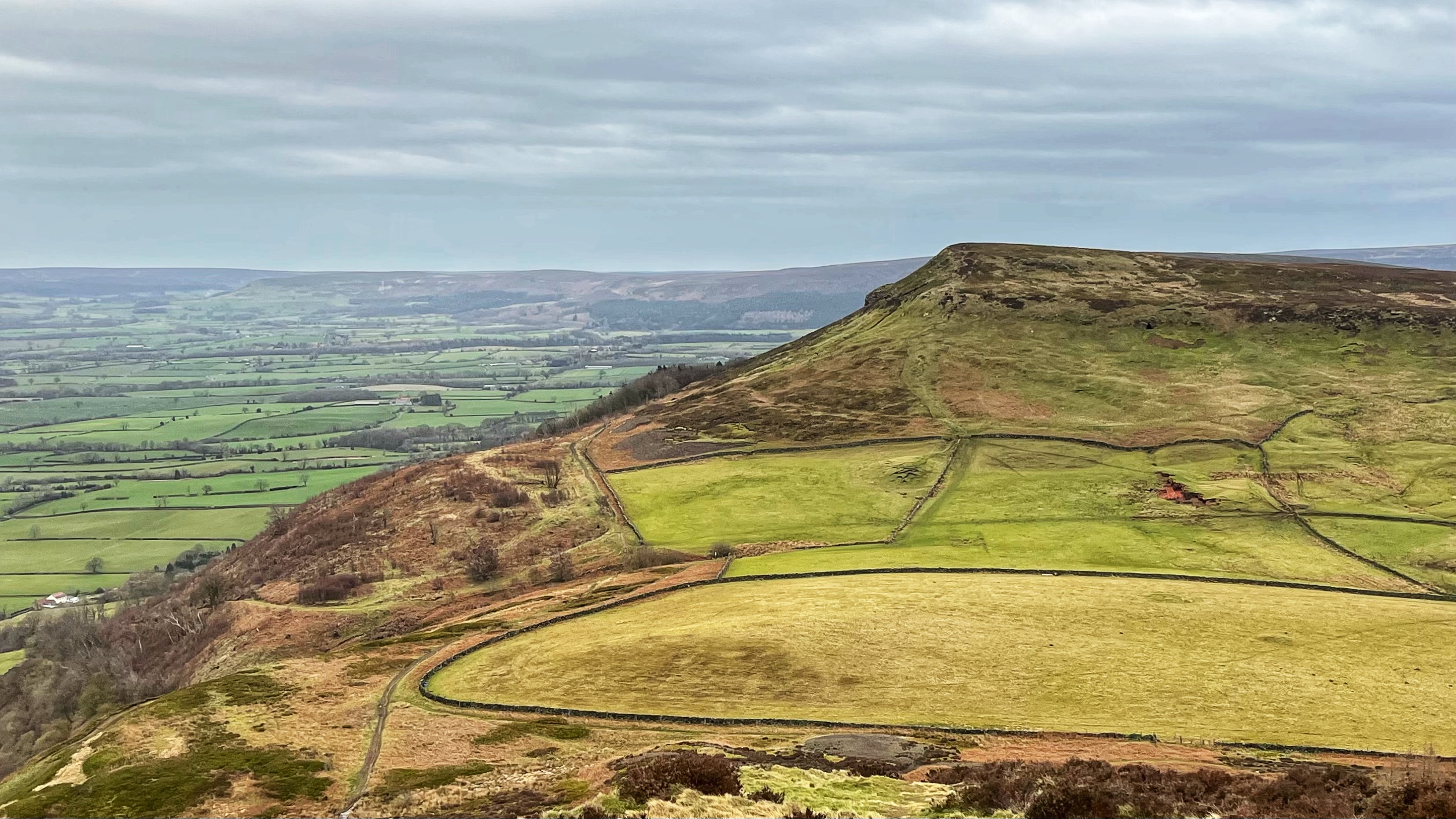
Cold Moor today looks like the sort of place that looks as though history slipped it by. Green, quiet, and peaceful. You would never guess how close it came to becoming a roaring industrial scar. In 1911 the calm nearly ended. Plans were laid to turn this part of Lord Feversham’s vast estate into an…
-
Glaisdale’s Brief Age of Iron
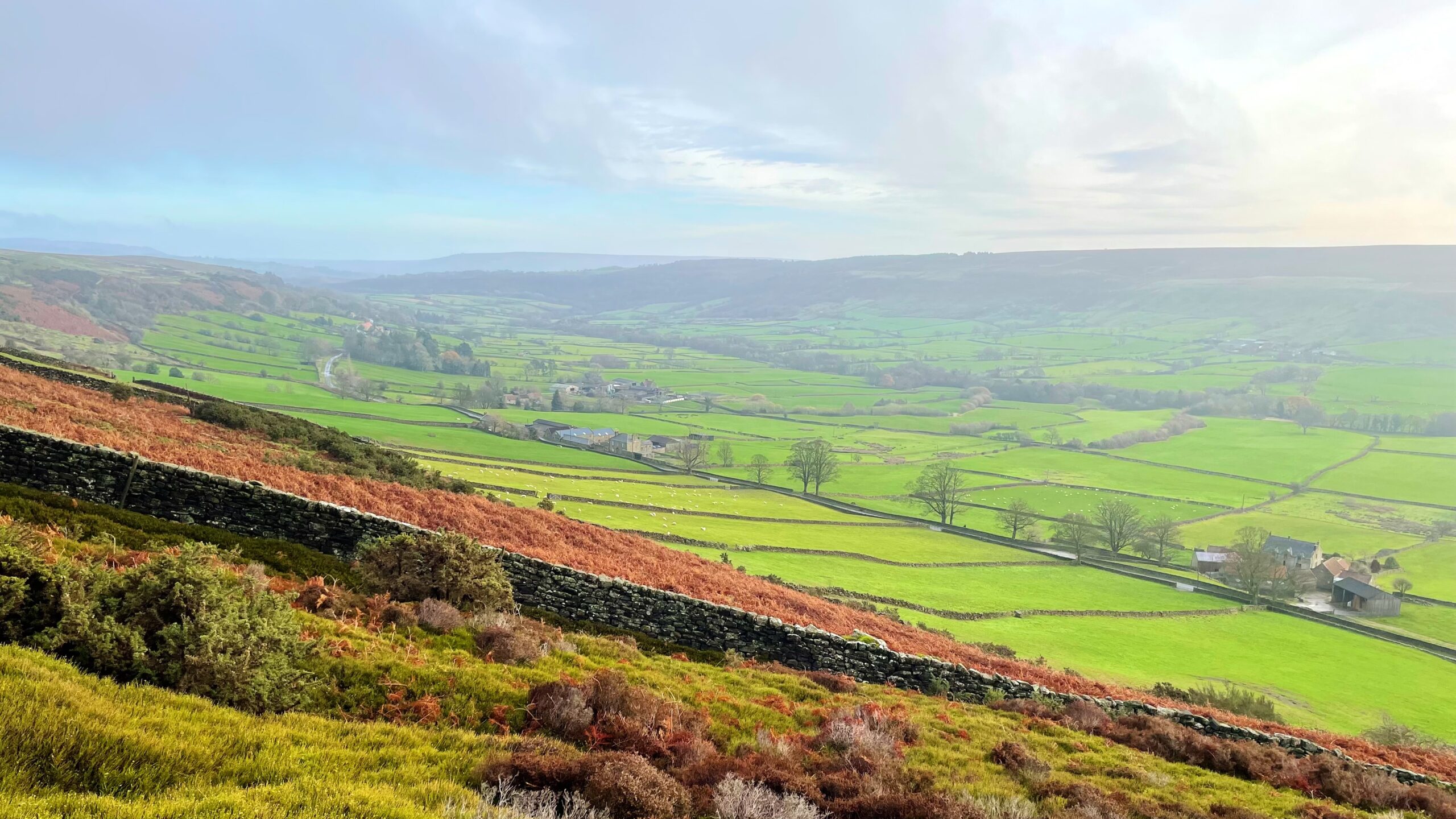
Glaisdale began life as a quiet township within the parish of Danby, its name shifting through the centuries as Glasedale and Glacedale. Records from 1223 already linked it with the broad sweep of Glaisdale Moor, giving a sense of a place long settled into its landscape. For much of its history it has been a…
-
Brackenberry Wyke: Low Tide Quarrying
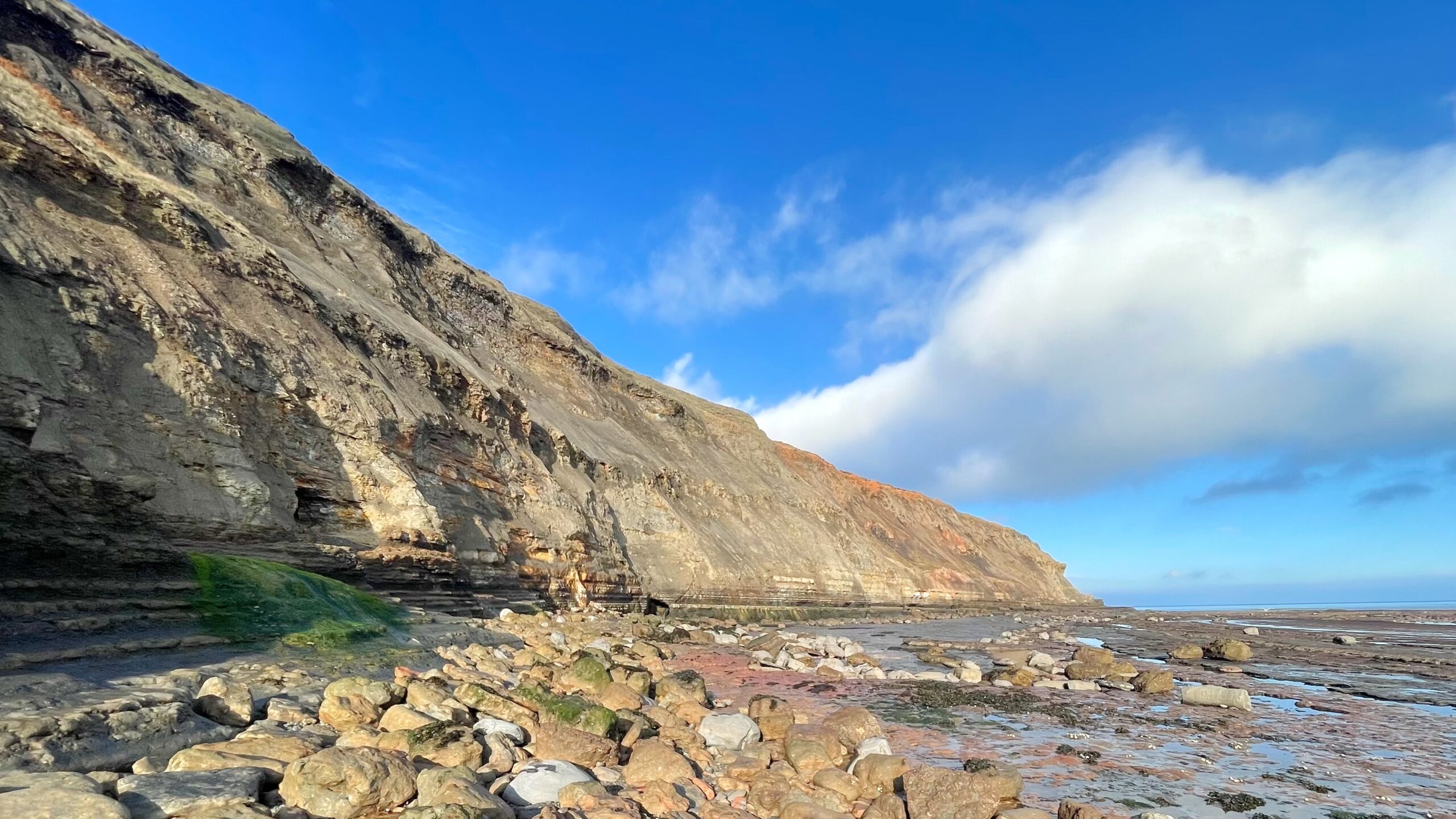
Only when the sea has receded at low tide can one safely pick a path along the foot of the cliffs at Brackenberry Wyke. Here lie the ghostly remains of the old ironstone workings, where men once hacked at the exposed seams before hauling their spoil through an adit to join the great warren of…
-
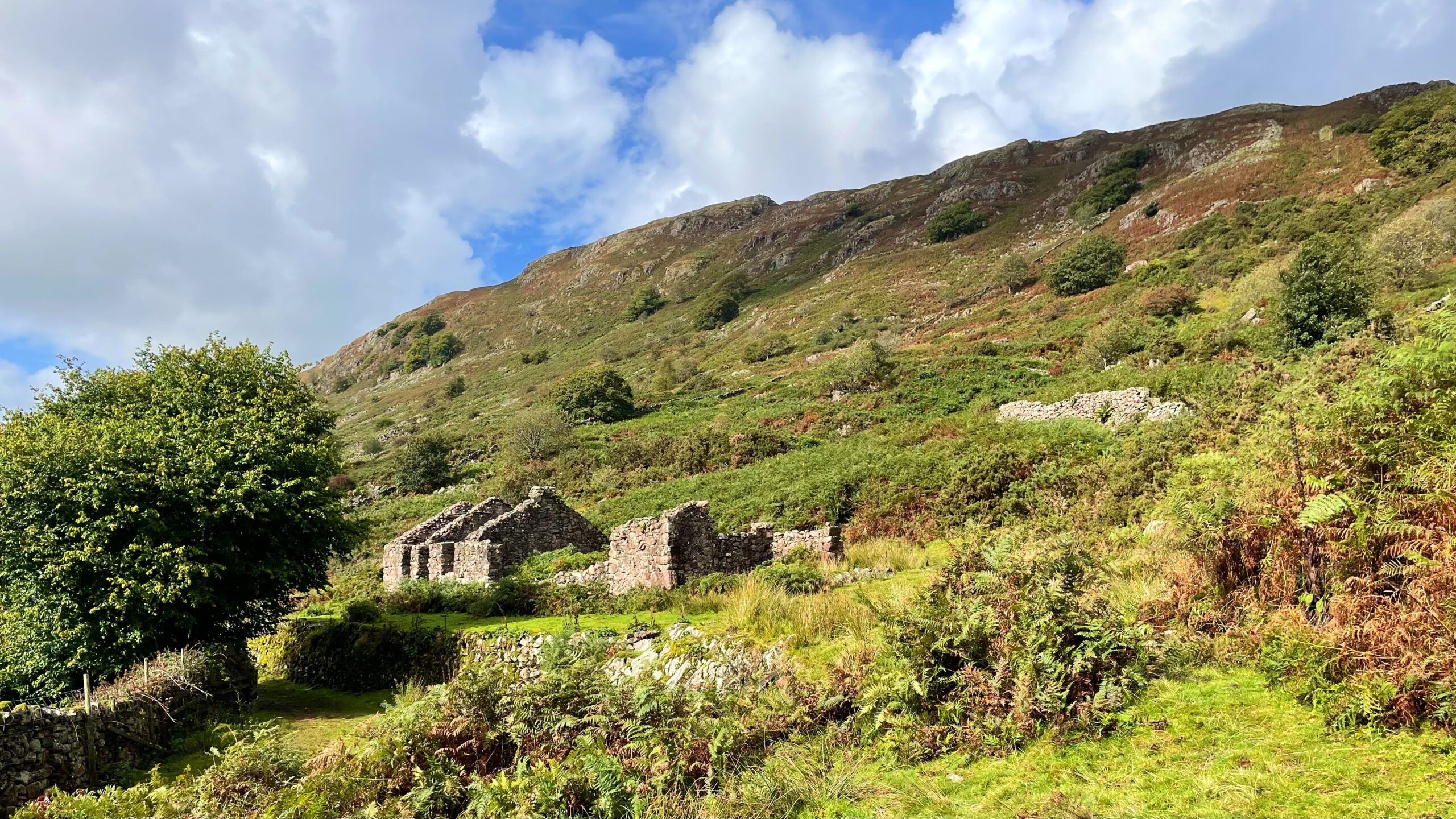
Nab Gill: The Lost Industry of Eskdale
Cross the little packhorse bridge by Eskdale Mill in Boot, glance left, and you will see stone ruins that have long been forgotten. The remains stand upon a loading platform, above the overgrown site of Boot railway station. These are the offices and works of Nab Gill Ironstone Mine, named after the great cleft high…