Tag: history
-
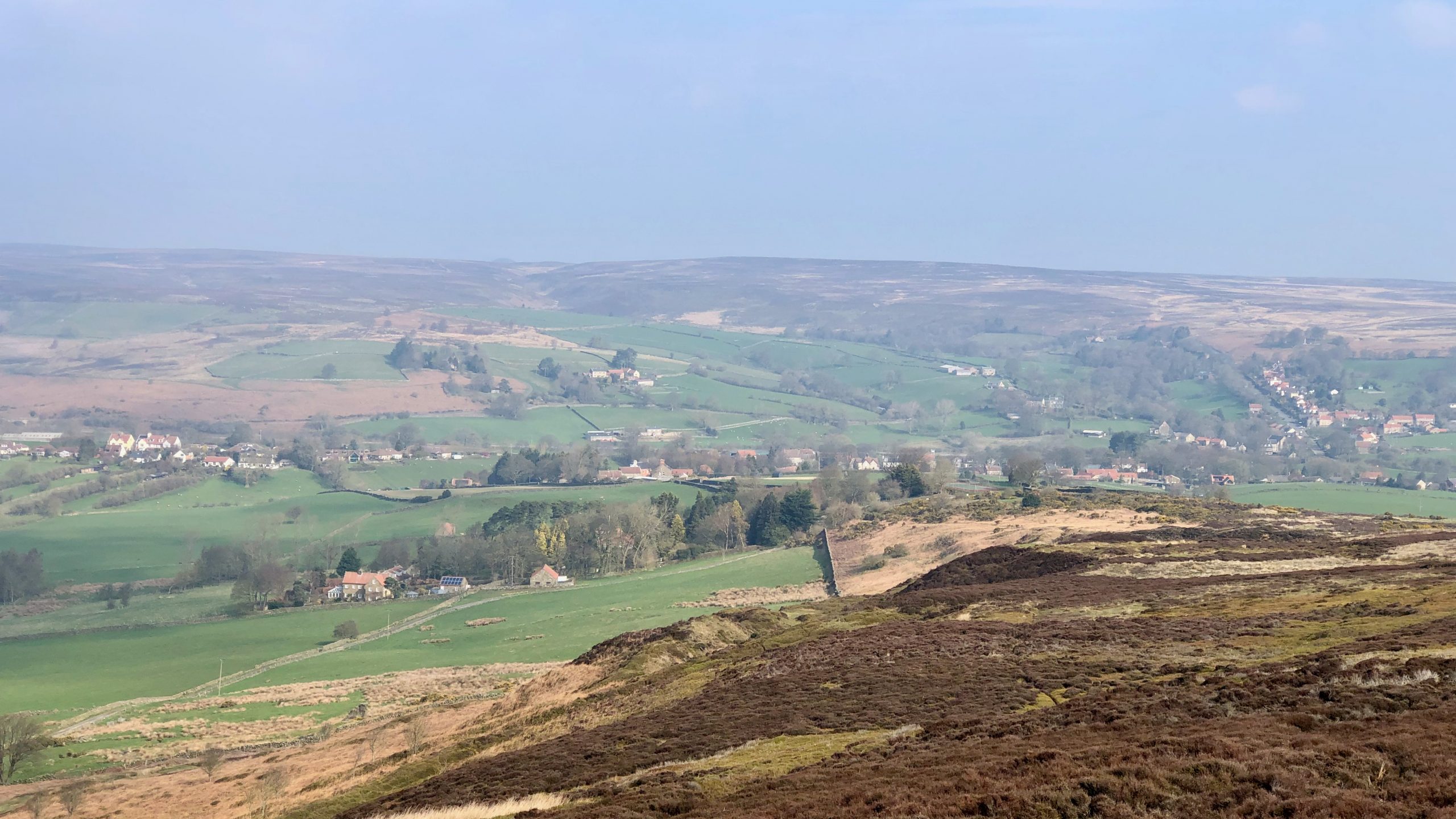
Nan Hardwicke — Witch or Hare? The Folklore of Cleveland
There are very few Cleveland villages which, at one time or another, one of the inhabitants had not been stigmatised as a witch. More often than not, it was some lonely old woman, past her childbearing age, probably widowed but more than likely without any degree of patriarchal protection. The most celebrated of these witches…
-
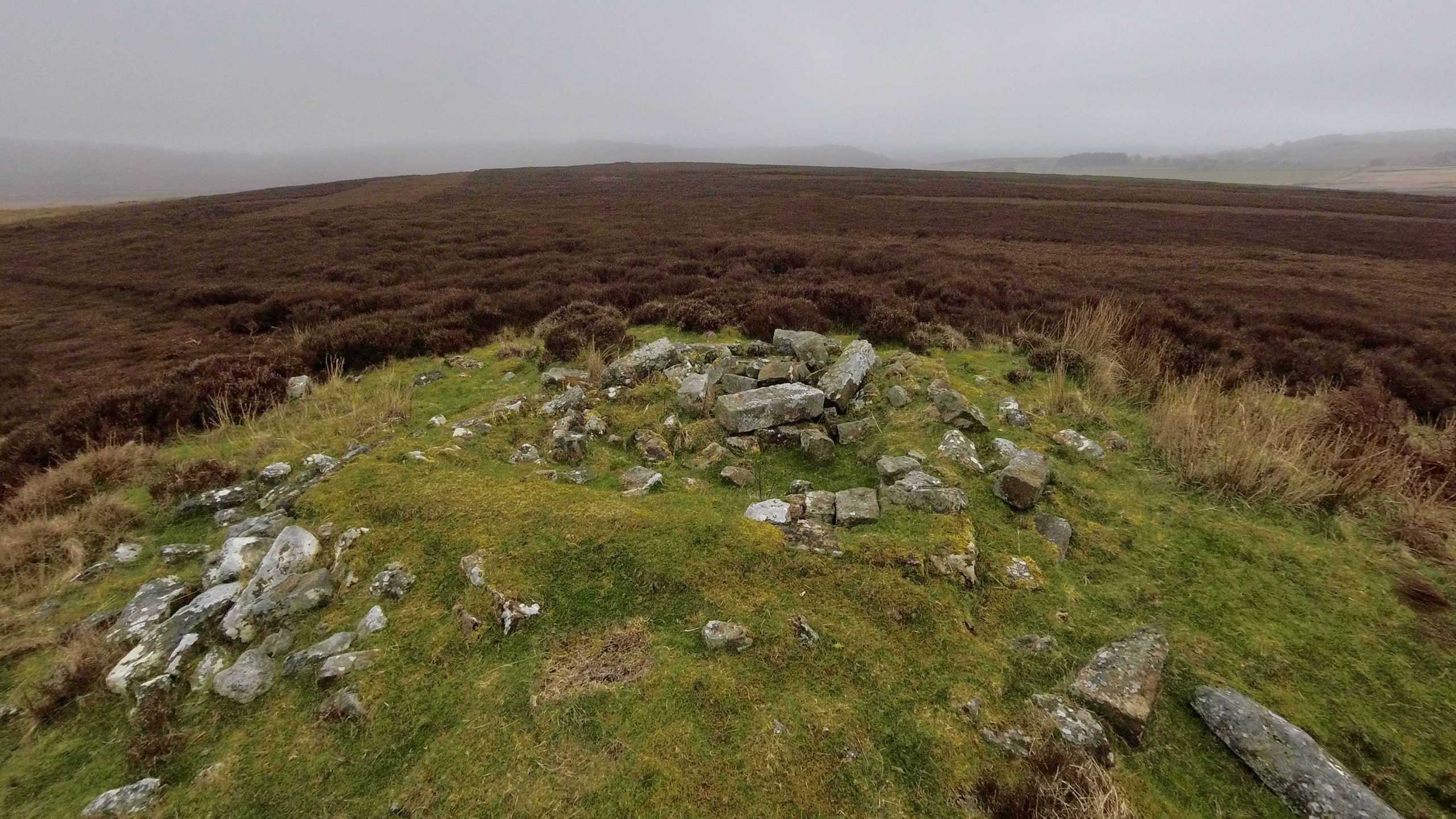
Miley Pike
Miley Pike is a type of prehistoric round burial mound that was built during the Late Neolithic period to the Late Bronze Age. These mounds are located in important positions throughout the North York Moors and are an important part of the area’s historical landscape. Round barrows are ancient monuments that were used for burials.…
-
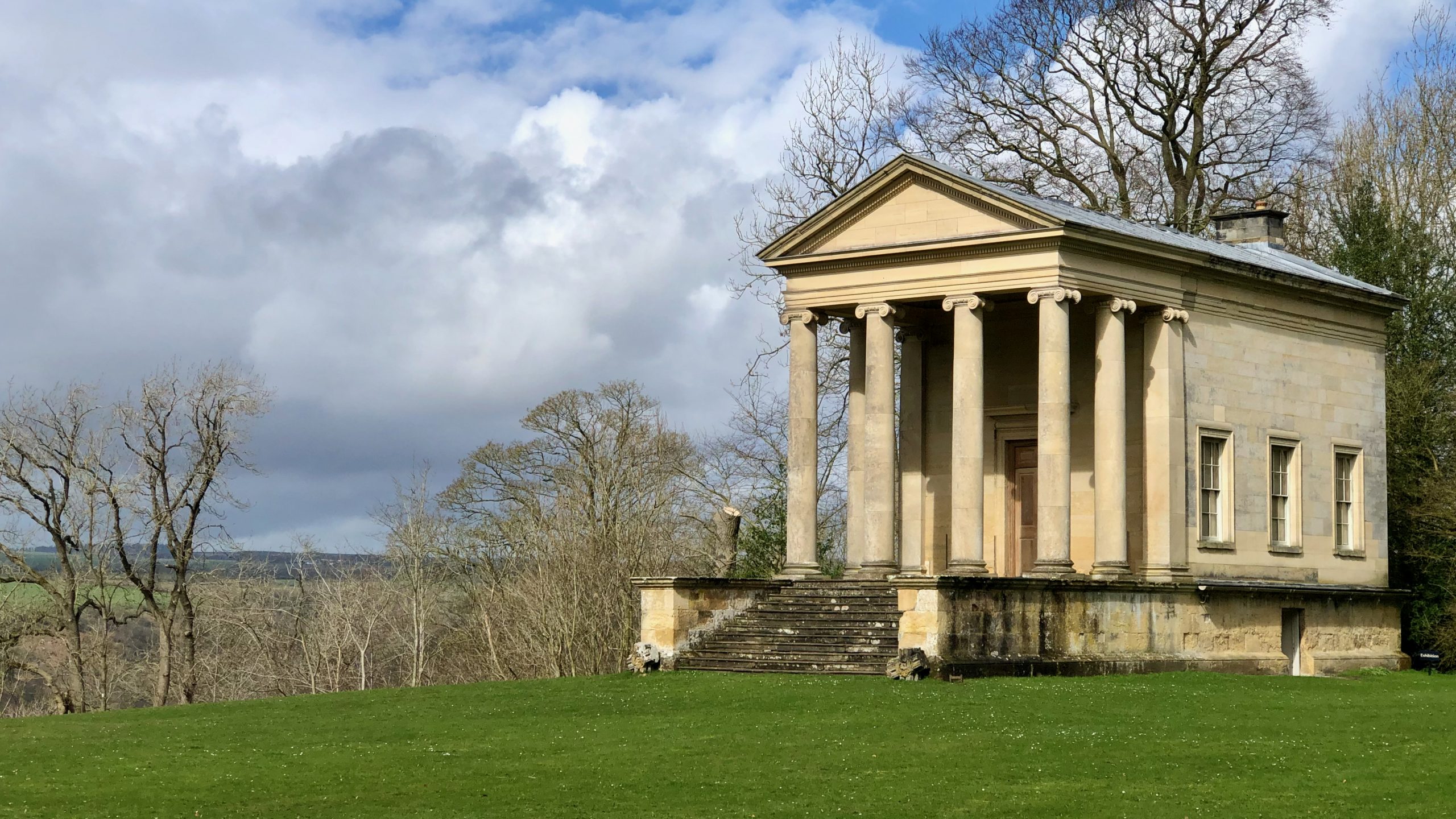
The Ionic Temple, Rievaulx Terrace
They say that things often come in threes, and that certainly seems to be the case for me this week, as I have encountered the Duncombe family for the third time. In 1687, a nouveau riche banker named Sir Charles Duncombe purchased the Rievaulx and Helmsley estates for the staggering sum of £90,000. He was…
-
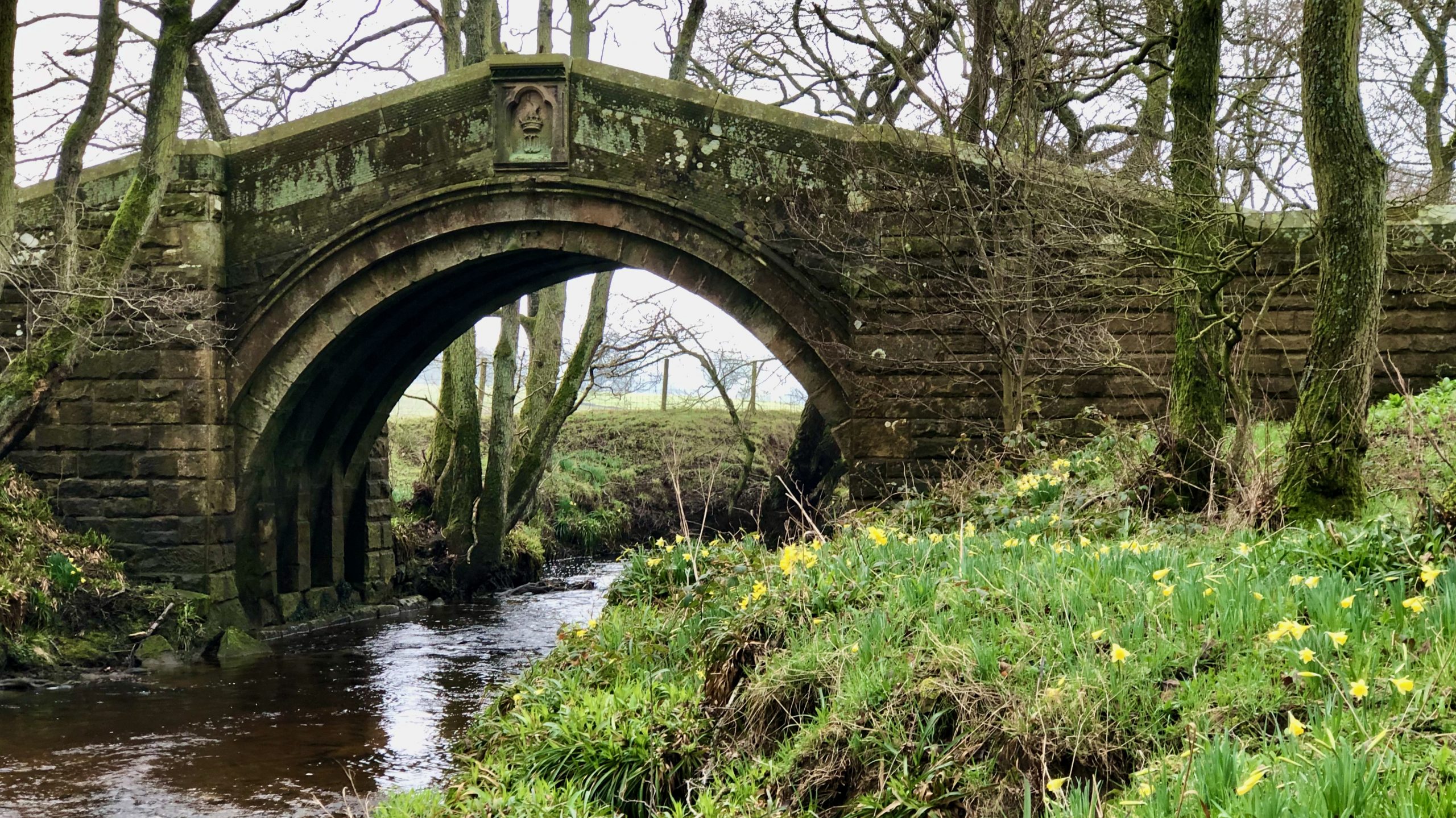
Hunter’s Sty Bridge
The River Esk has a few single-arched bridges, but the best one is probably the Hunter’s Sty Bridge. It’s located at the bottom of Huntersty, the ‘steep path of the hunters,’ just past the northern end of Westerdale village. Hunter’s Sty Bridge was most likely built in the late 13th century to provide access to…
-
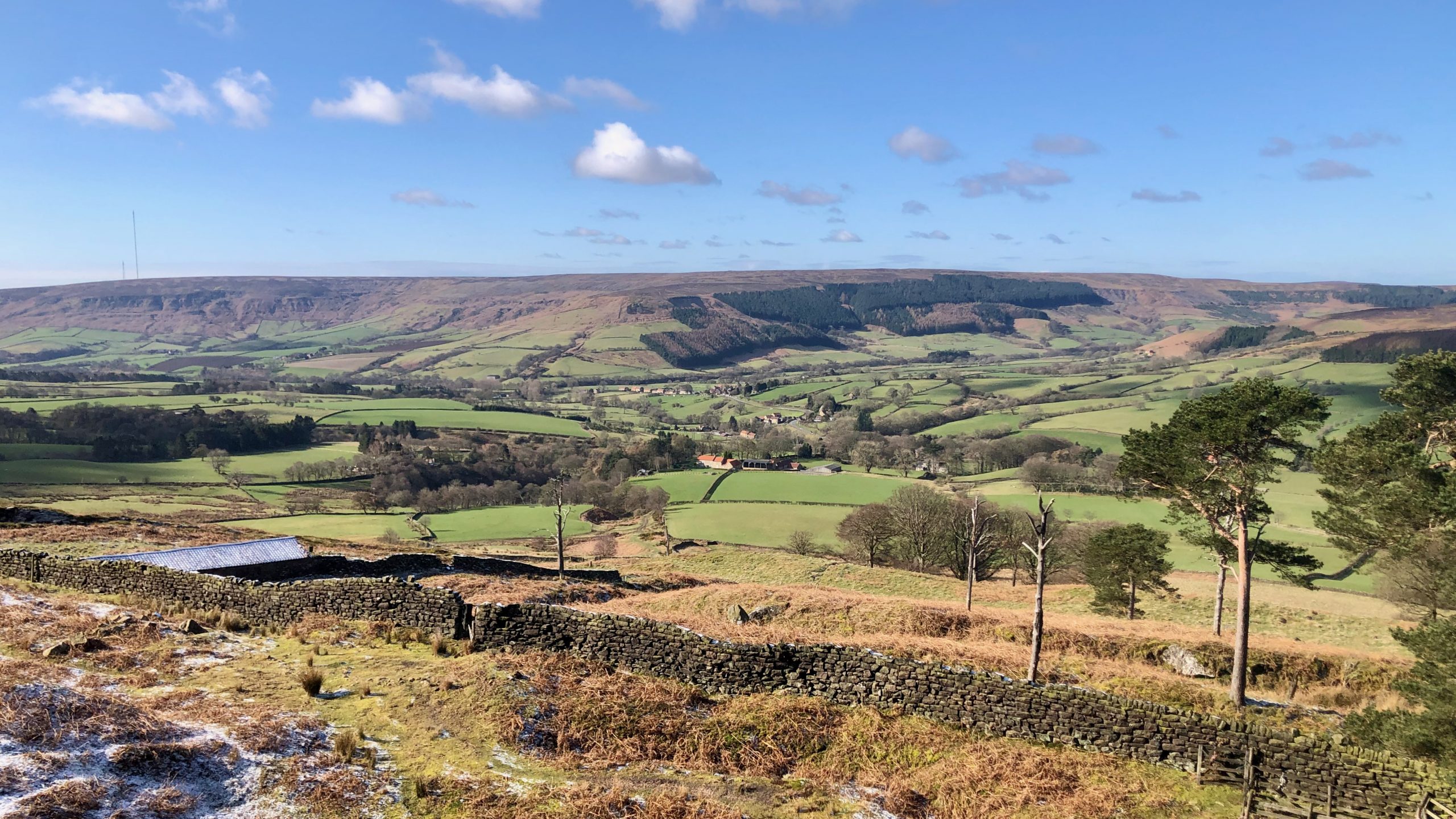
Lord Feversham’s Legacy: A peep into the history of Bilsdale
The main north-south route in the western half of the North York Moors winds through the beautiful Bilsdale valley. From the northern point of Clay Bank to the southern point of Newgate Bank, the dale is dotted with farms that boast vast fields of pasture, all bounded by sturdy dry-stone walls. The farms are enclosed…
-
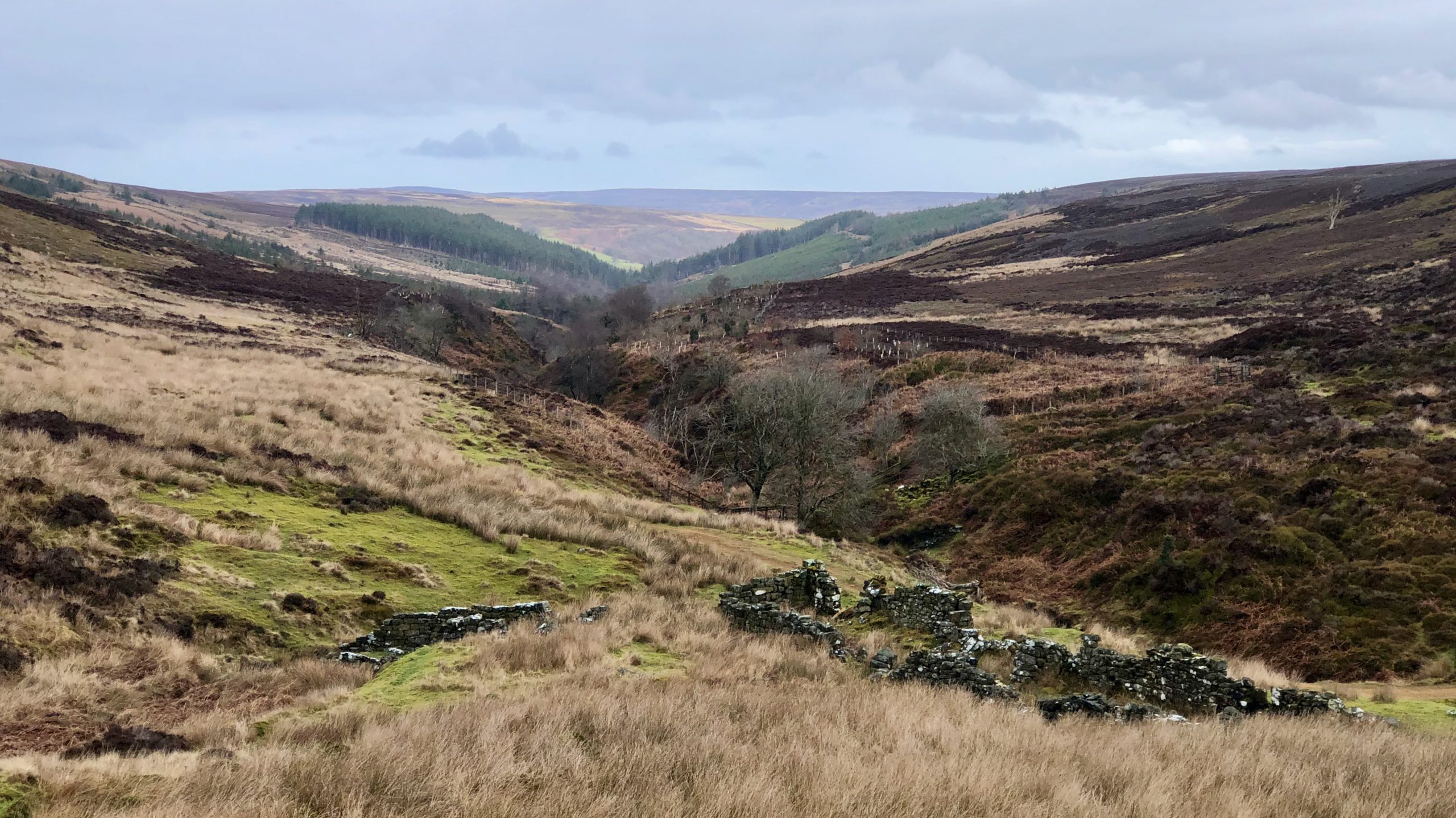
Coal Mining in Baysdale: success or failure?
The North York Moors might not be the first place you think of when it comes to coal mining, but it was actually a thriving industry at the end of the 18th century. Most of the mining areas were located along the high watershed to the south of the Esk valley, like Rudland Rigg and…
-
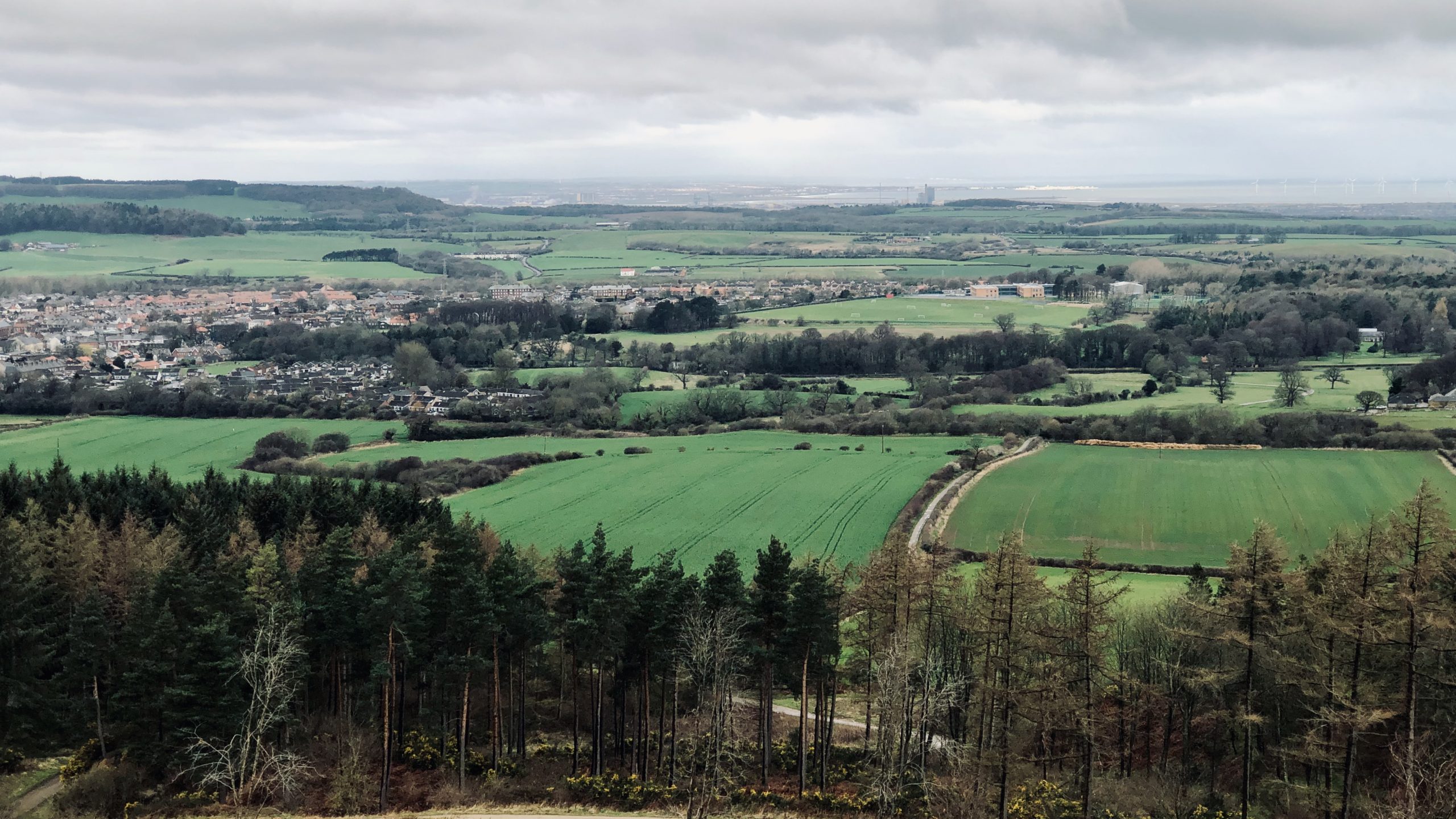
Butts and bullets: A bimble up Butt Lane
Walking up Butt Lane (right of centre in the photo), I couldn’t help but notice the “tree-mendous” (sorry) amount of felling that’s taken place in Guisborough Woods in recent years. And, lo and behold, I saw an obvious path leading upwards. I had never seen it before, which turned out to be the work of…
-
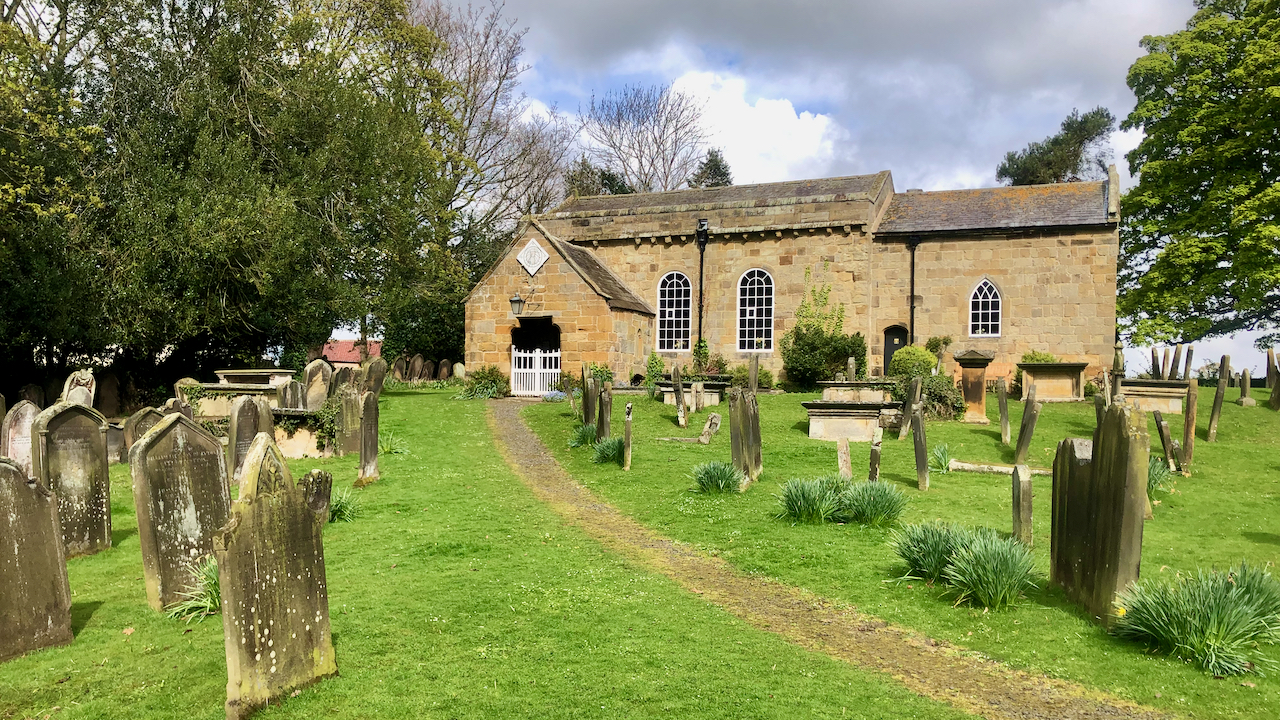
All Saints Church, Great Ayton
The architectual historian Nikolaus Pevsner has this to say about All Saints:— Nave and chancel. Norman masonry, Norman chancel N window, Norman nave corbel-table, S doorway with two orders of colonnettes, scallop capitals and zigzag in the arch, blocked N doorway. The chancel arch has scallop and spirally volute capitals. But the nave fenestration is…
-
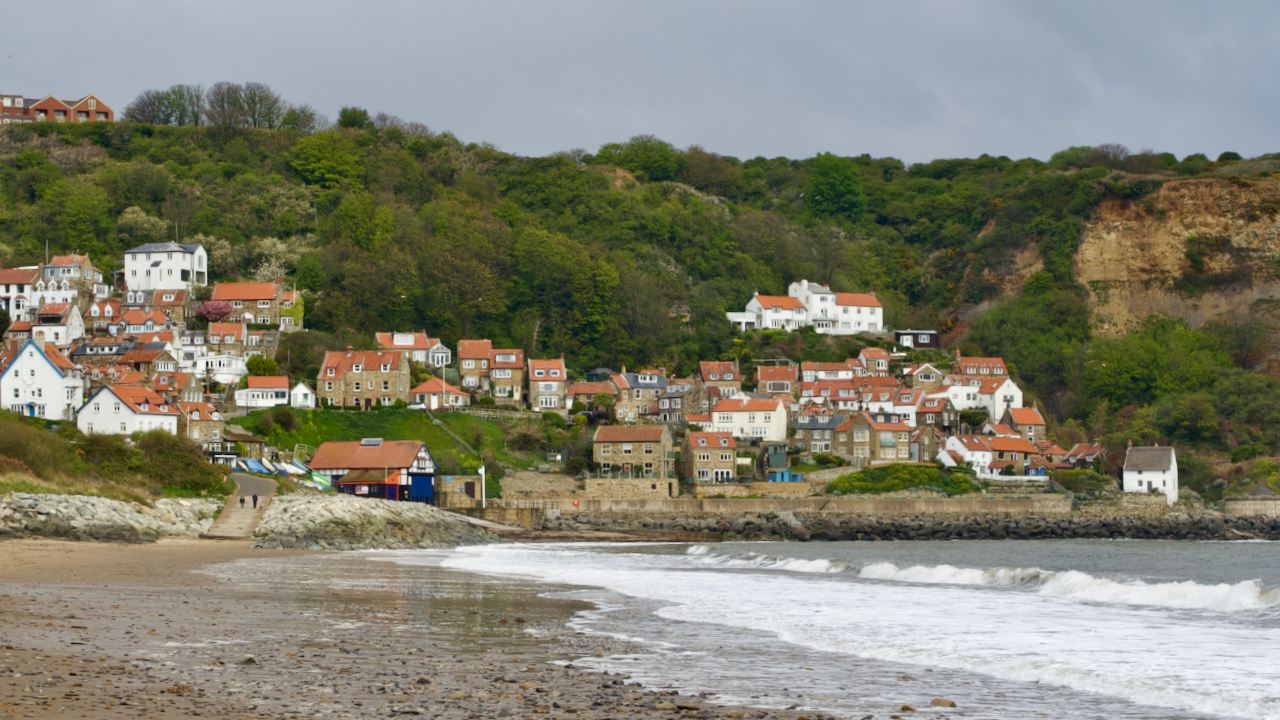
Runswick Bay Rescue Boat
While a number of fishermen were on the look-out during the height of the storm at Runswick Bay on Saturday afternoon, a large laden vessel was seen drifting towards the shore. So enormous were the waves that at times only the tops of the masts were visible. Just outside the broken water a huge wave…
-
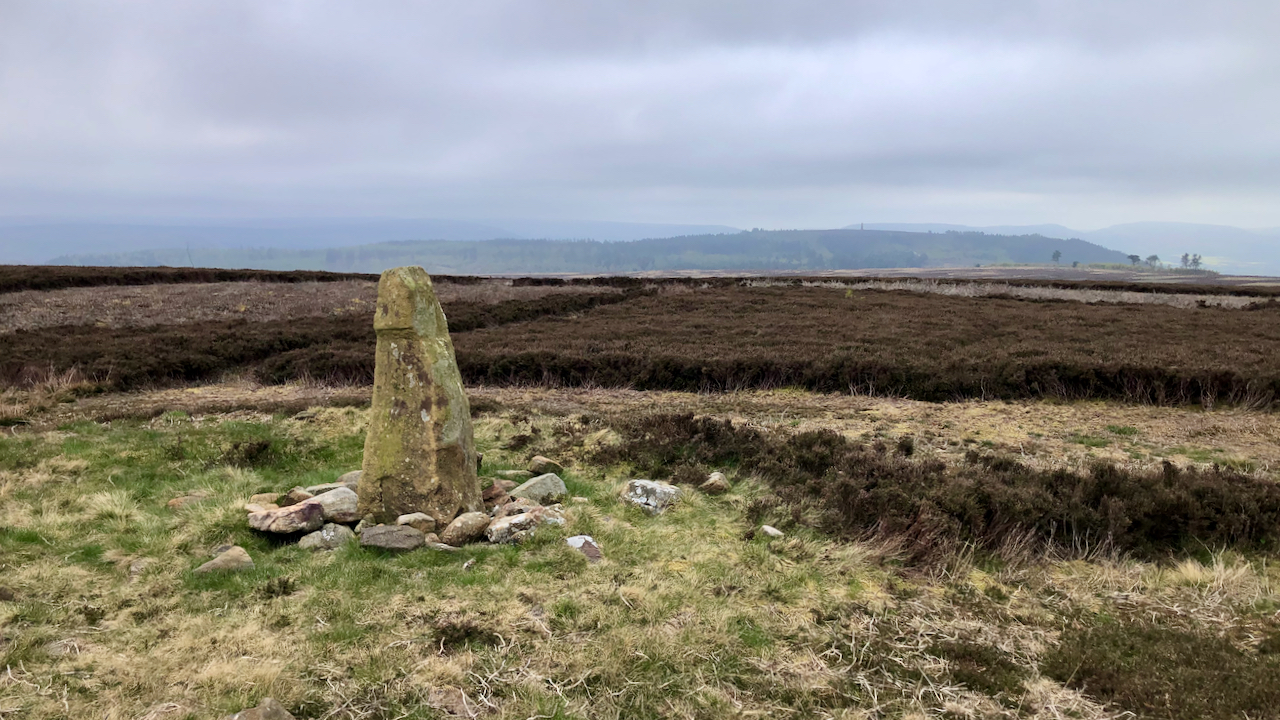
‘A Yorkshire Tragedy’
I don’t usually do this view — on a sunny day it would be into the sun — but, a bit cloudy today, and with a surprising chilly wind. From Great Ayton Moor. On this day (23rd April) in 1605, Walter Calverley of Calverley Hall murdered his two sons, and seriously wounded his wife, and…