Tag: history
-
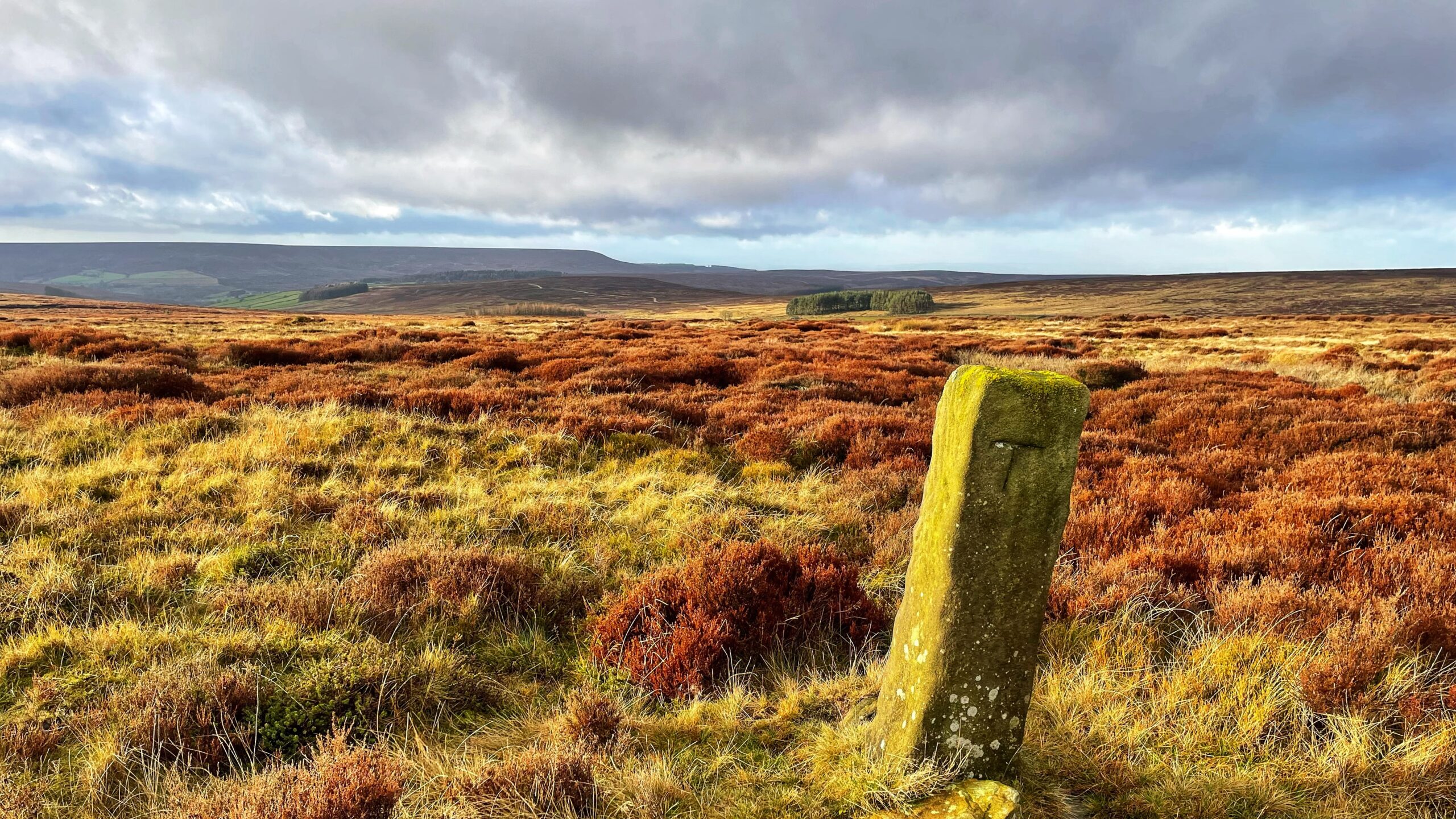
The “T” Stones of Bilsdale West Moor
The North York Moors are littered with boundary stones, each one usually stamped with a dutiful little initial, the sort of thing an aristocratic landowner might choose when feeling terribly important. An “M” for Manners, an “F” for Feversham, a “CD” for Charles Duncombe. All very neat, all very tidy. Then you stumble upon a…
-
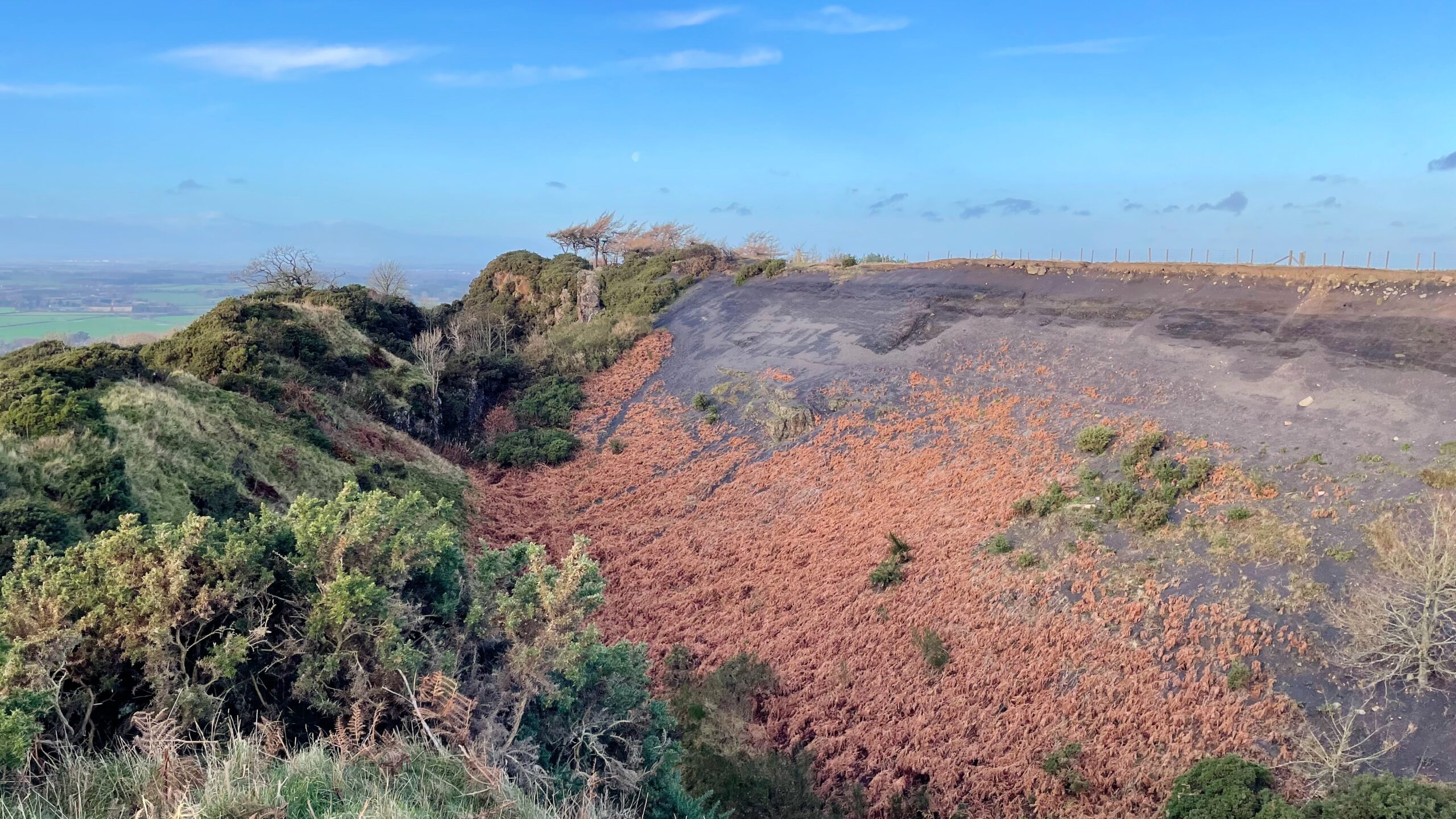
The Scar on the Hill: Cliff Rigg Quarry
A dreich veil hung over North Yorkshire this morning, so I look back instead to yesterday, when the sky was clear, the air still, and the sun at least toyed with the idea of shining. Cliff Rigg Quarry looms above Great Ayton, a cavernous rent in the hillside left behind by an industry that has…
-
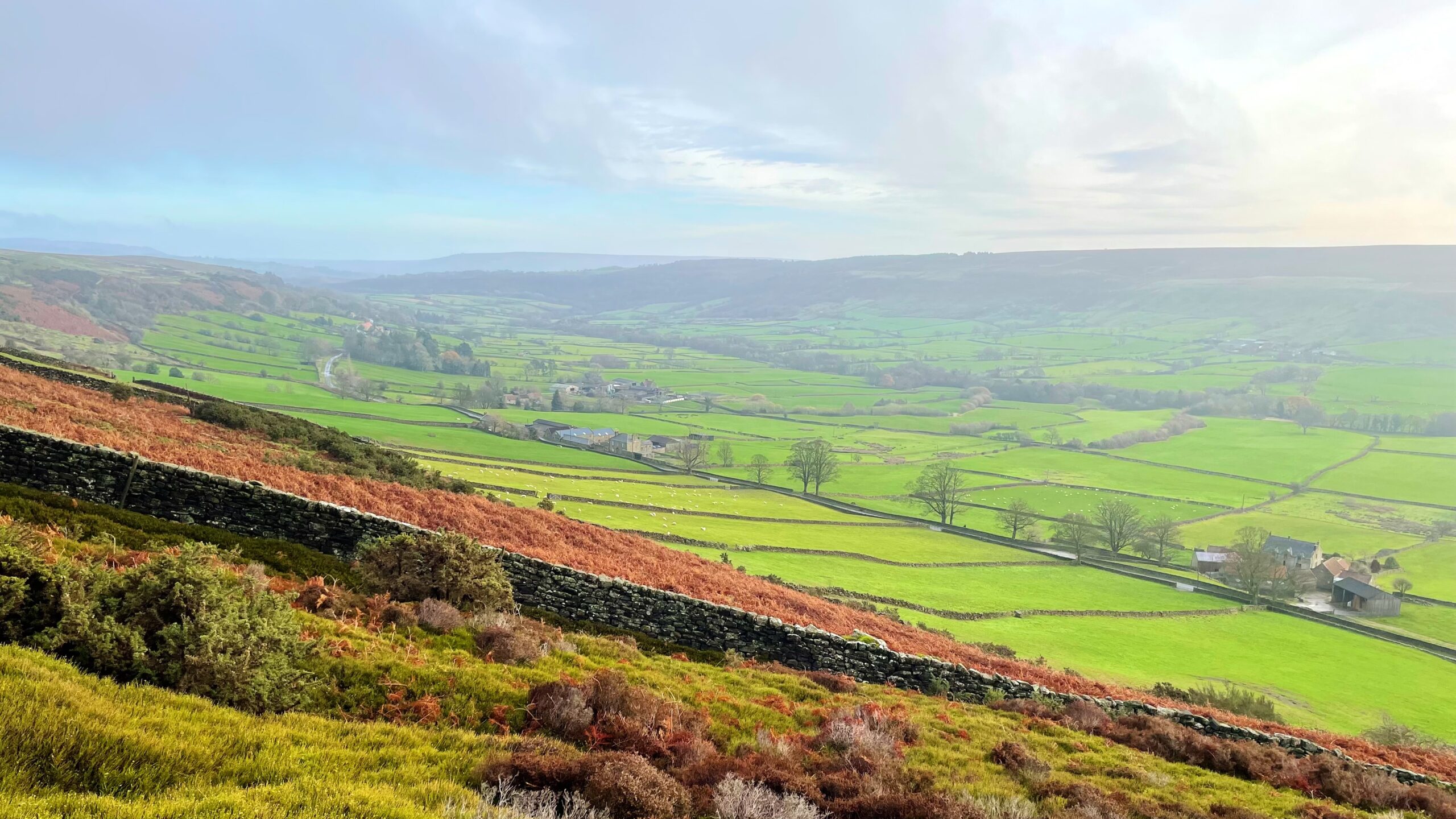
Glaisdale’s Brief Age of Iron
Glaisdale began life as a quiet township within the parish of Danby, its name shifting through the centuries as Glasedale and Glacedale. Records from 1223 already linked it with the broad sweep of Glaisdale Moor, giving a sense of a place long settled into its landscape. For much of its history it has been a…
-
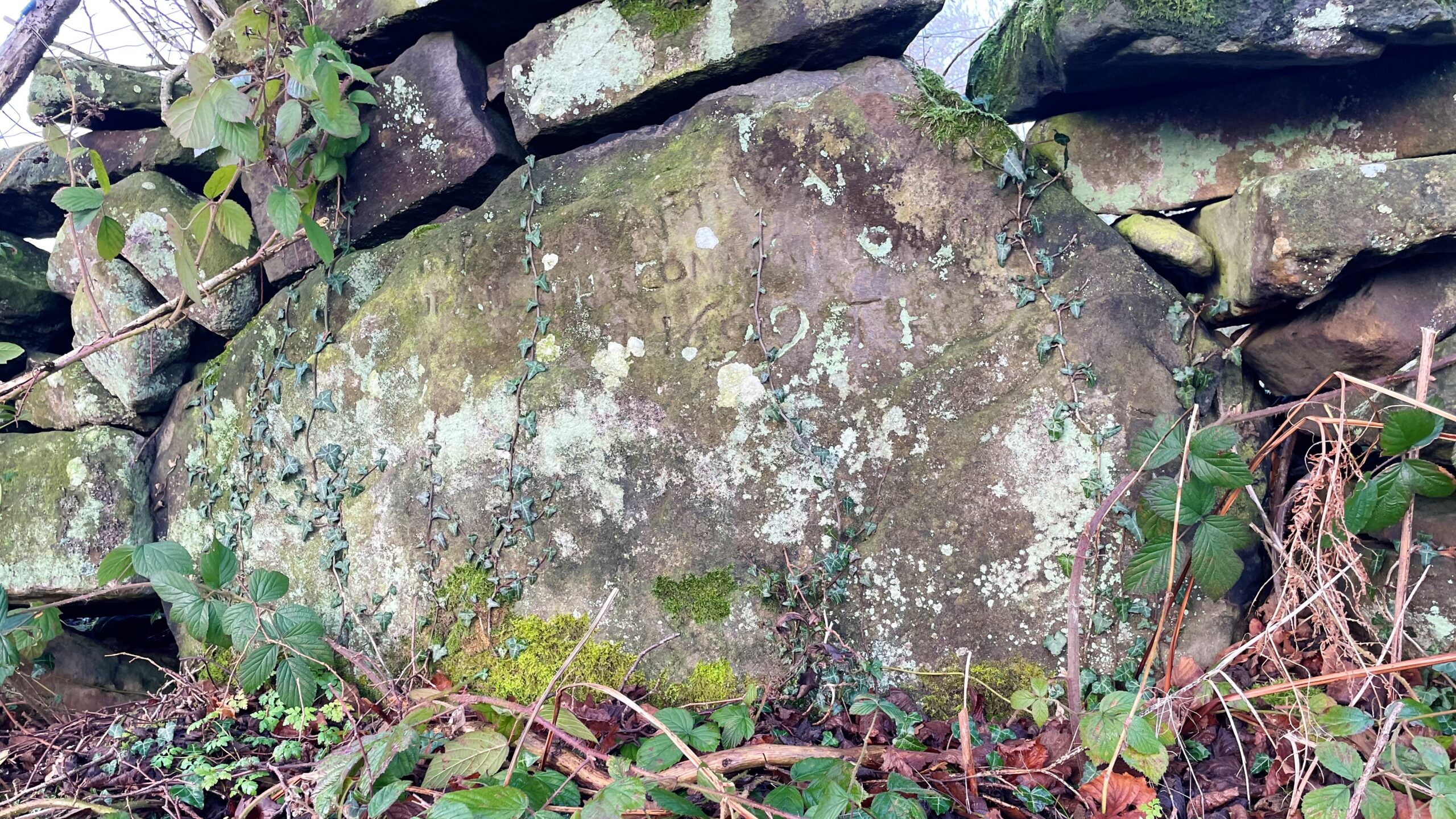
Glaisdale and the Enigma of T. H.
Some two hundred yards up from the foot of the lane that strains its way up Caper Hill, a dry-stone wall is built around a large orthostat. Rough-hewn at the edges and smoothed across its face, it carries a message cut by hand in the late seventeenth century. Kneeling in the damp and wind, its…
-
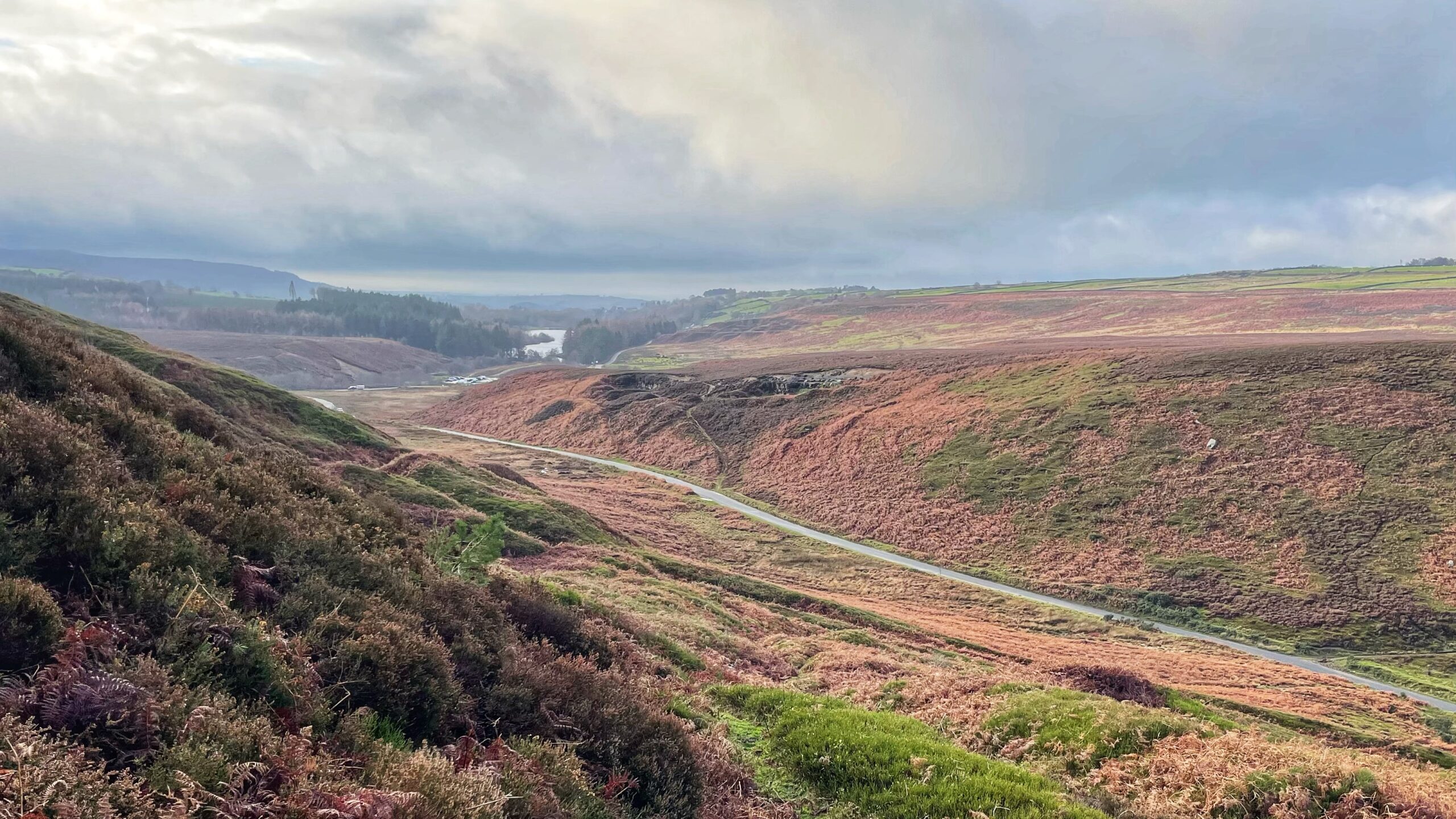
Scarth Nick and the Making of a Landscape
Scarth Nick, a dry trench bordered by steep banks of bracken and heather, stands as a striking reminder of the fierce sculpting of the great Ice Age. Around fifteen to twenty thousand years ago, a glacier from the north spread across the vale of Cleveland and pushed an icy tongue deep into Scugdale. As it…
-
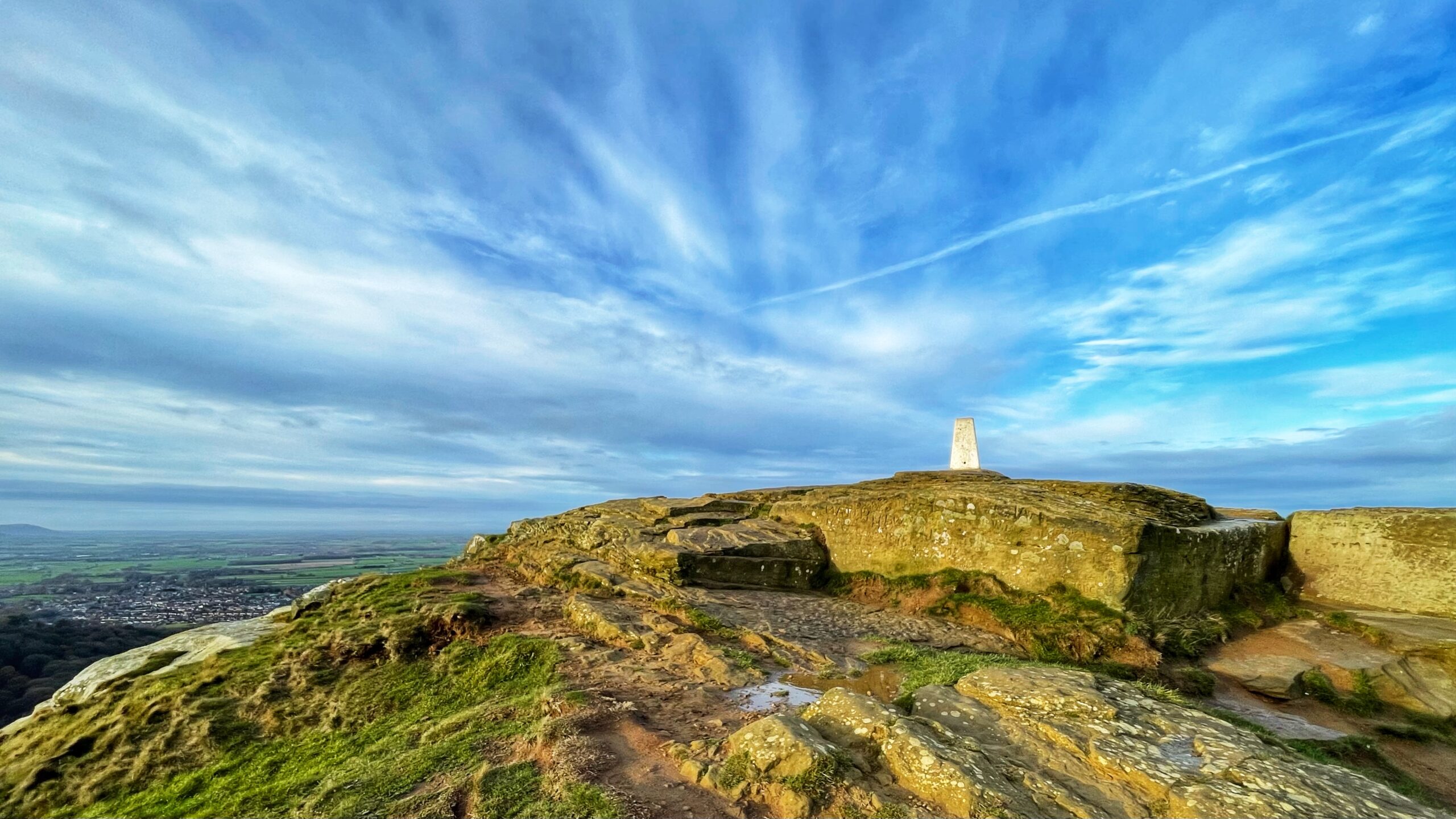
Before Satellites Spoilt the Fun: The Rise of Triangulation
Trig points cling to hilltops like relics from a time when humans trusted metal and masonry rather than shining toys orbiting the earth. This one on Roseberry’s summit keeps being repainted in traditional white, only to be graffited again by passing aritists who imagine posterity cares about their scribblings. With GPS now doing the clever…
-
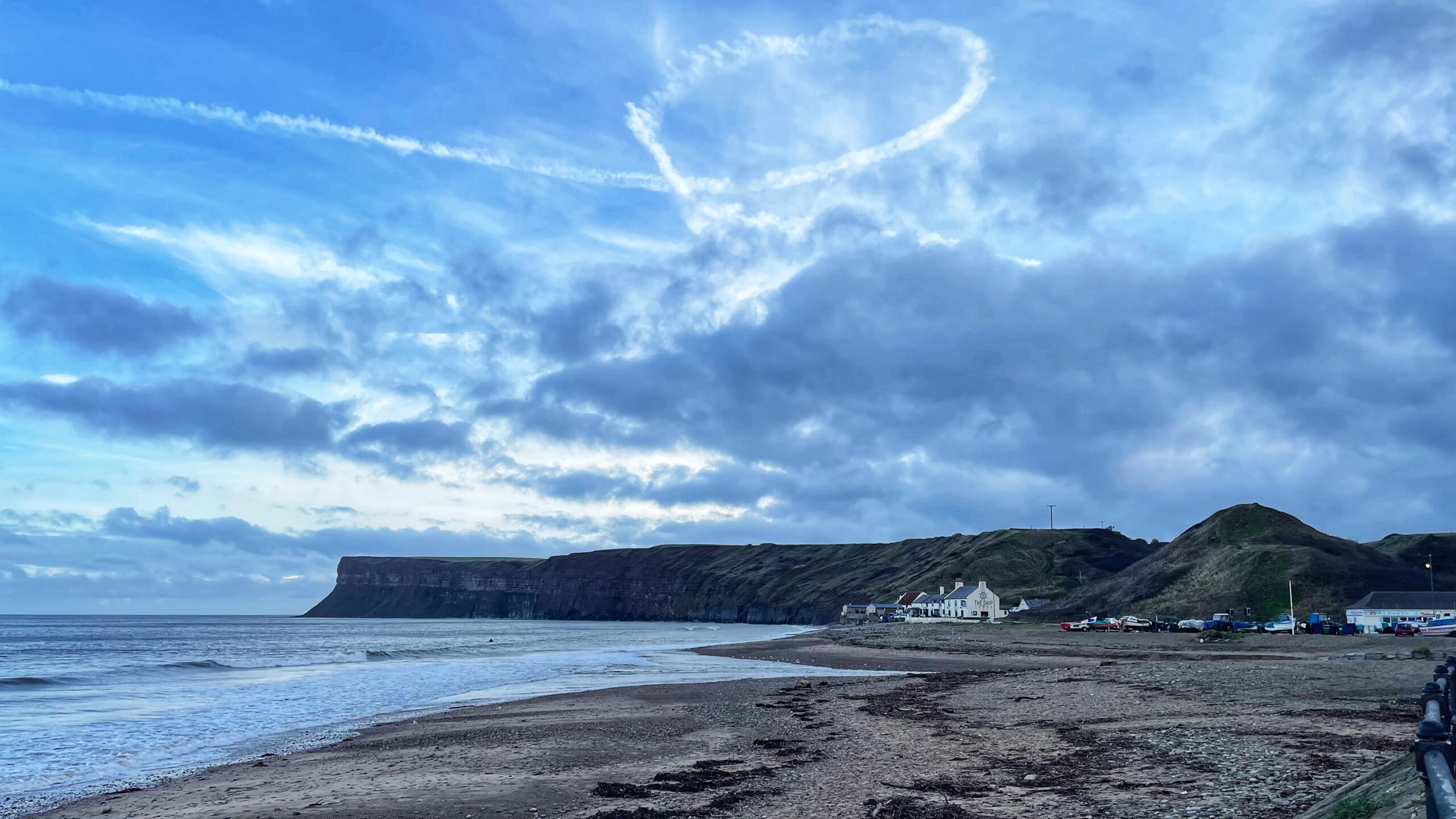
A Heart over The Ship Inn
Is that a heart floating above The Ship Inn at Old Saltburn. Charming. The pilot must have been struck by a fit of sentiment, or perhaps simply bored stiff. Back in the eighteenth century this tiny fishing village beneath Huntcliff and the ever-so-subtle Cat Nab managed to support four inns, plus enough gin shops to…
-
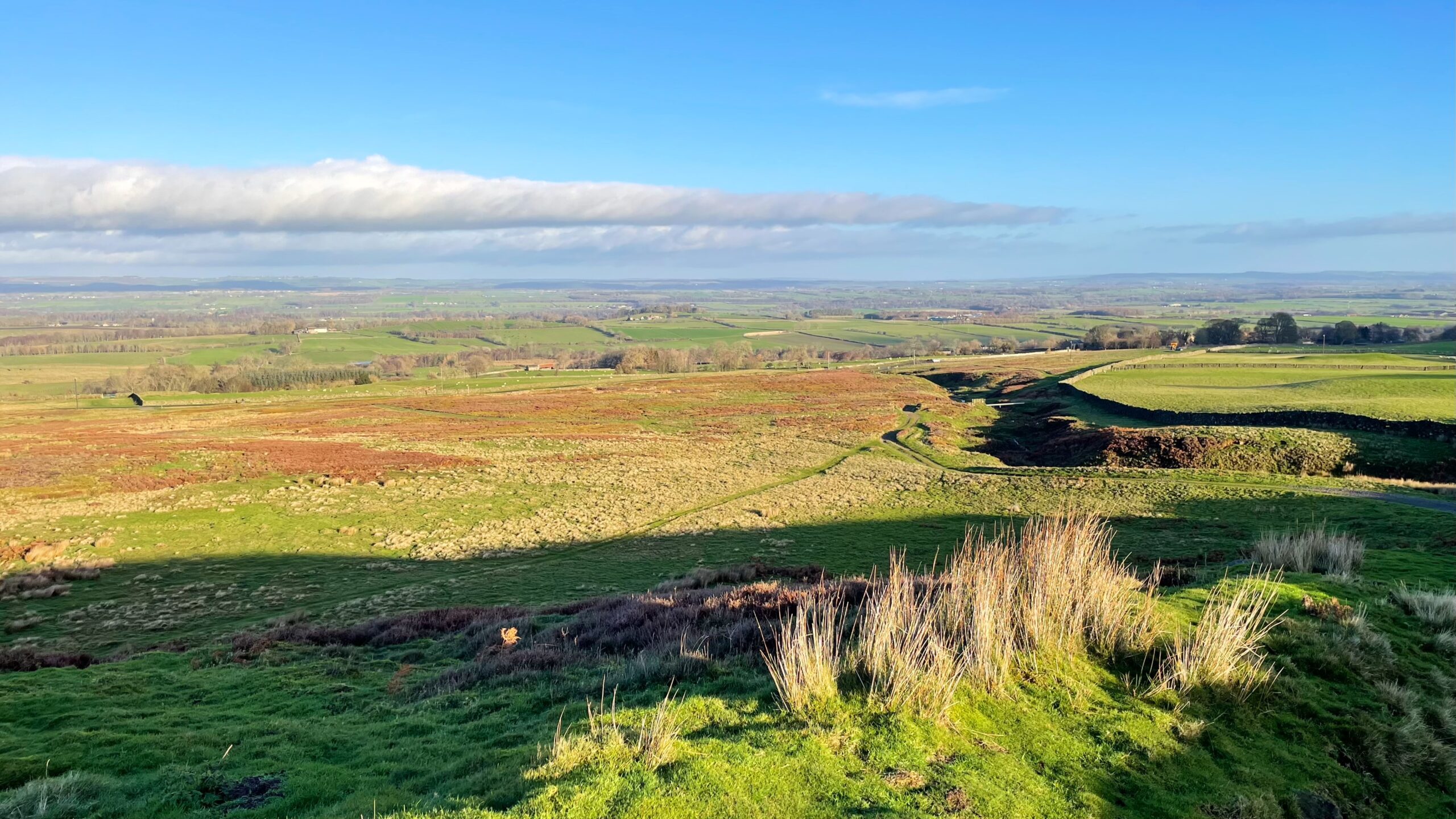
Barningham Moor
Barningham Moor lies high in the Northern Dales between the Swale and the Tees, a stretch of upland that most travellers notice only as a vague rise on the horizon while speeding along the A66. I have passed it for years without realising there was anything remarkable up there at all. From its upper slopes,…
-
December Arrives and Haws for the Birds
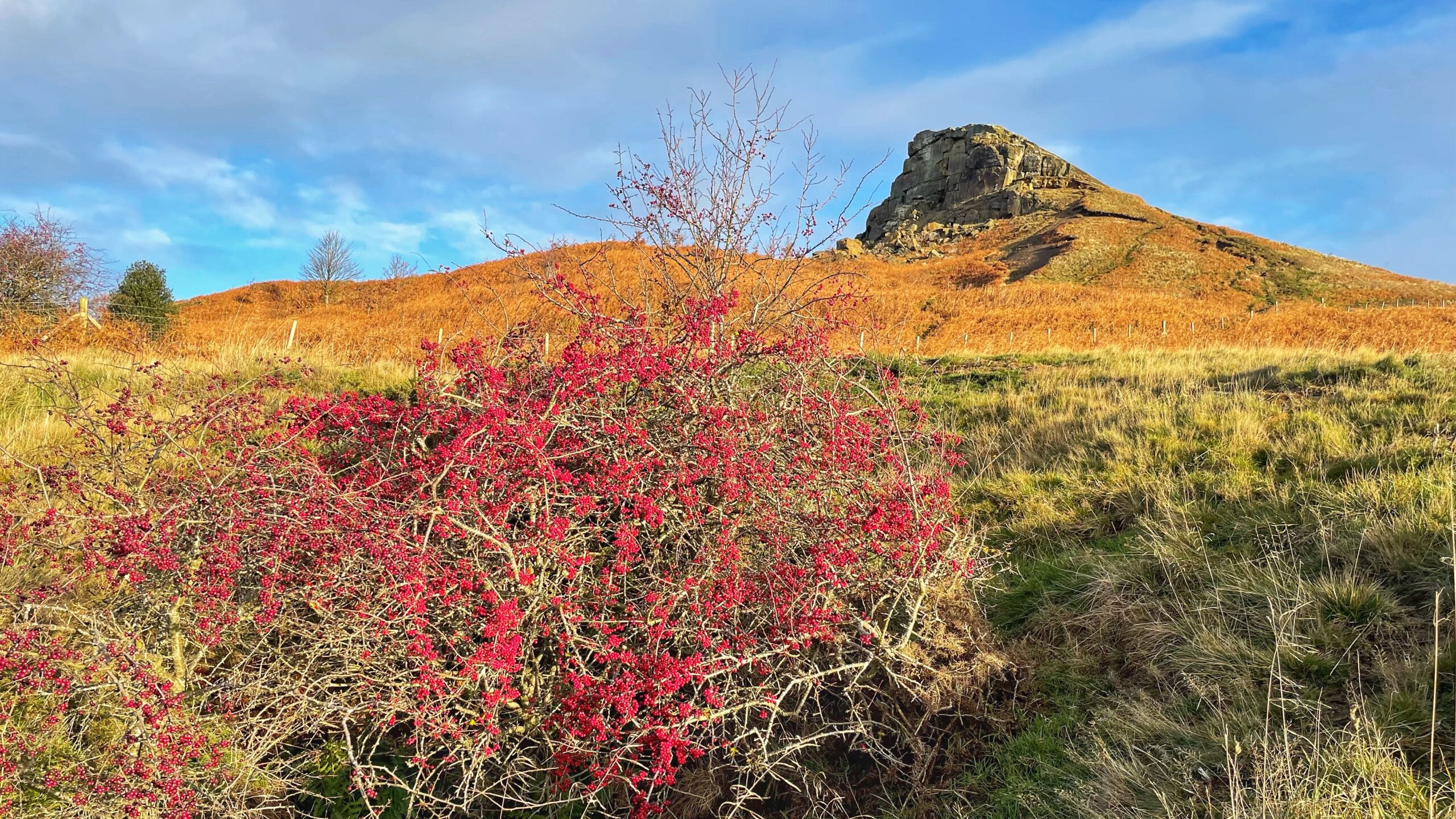
And so we stumble into December, once the proud tenth month of a Roman calendar designed by people who thought it wise to leave sixty days of winter adrift like sheep in a snow drift. Eventually they realised this was a fool’s errand, tacked on January and February, and shuffled December to twelfth place. One…
-
A Quarter Century of the Right to Roam, More or Less
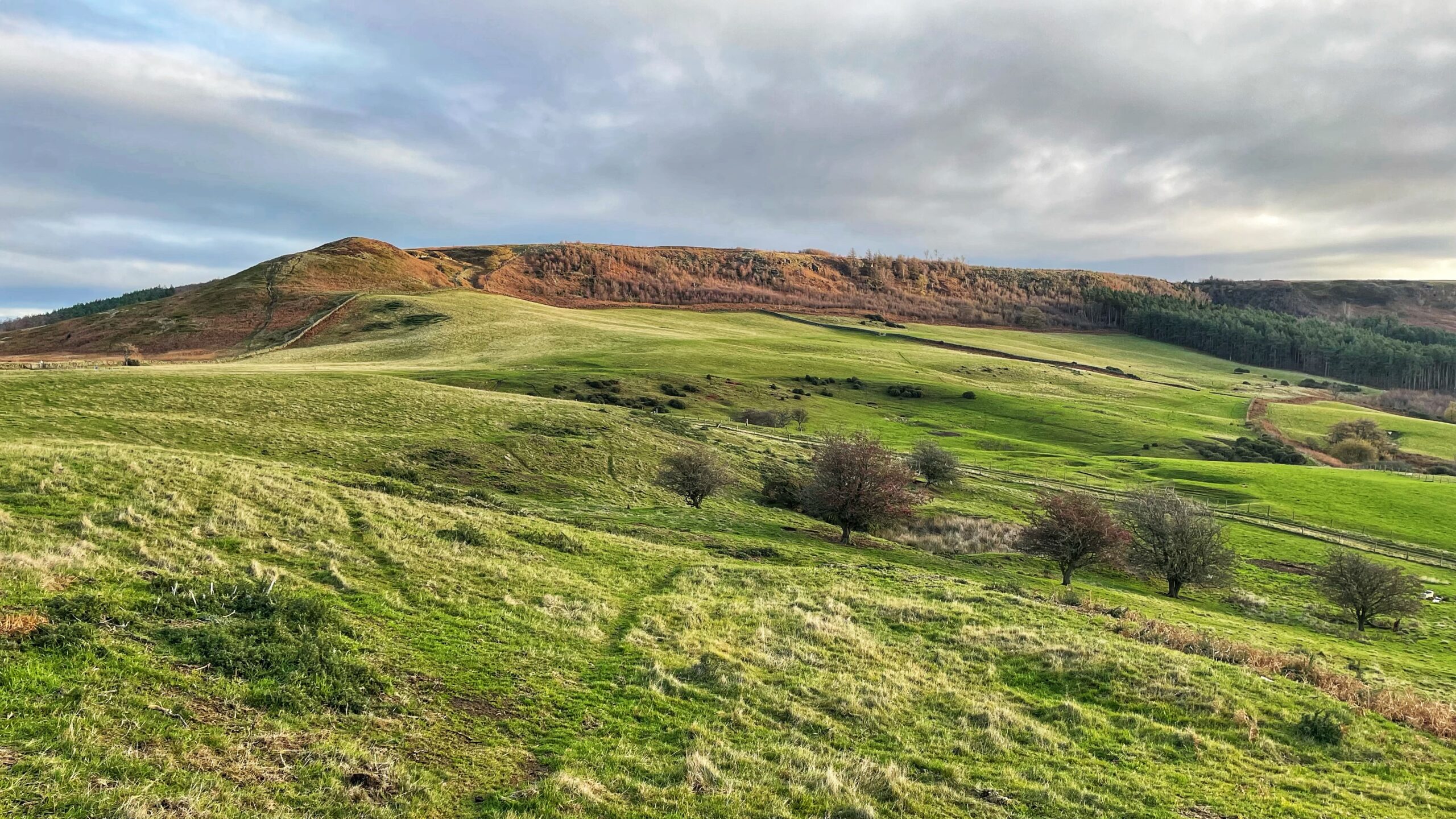
Today brings a double milestone for those in England and Wales who find the open air rather more enticing than the sofa. It is twenty-five years since the Countryside and Rights of Way Act 2000 marched through Parliament and twenty years since its promised freedoms finally reached the boots of the public. Since then, the…